Discover Cabeceiras de BastoFree independent guide
ViveCabeceirasYOUR GUIDE TO CABECEIRAS
ENEnglish
SearchSaved

Stories of Cabeceiras

Choose a story to start with. You can change the subject or fine tune the search.

72 stories · All themes · Search: pedra

Time travel

Documents, details and traditions: there is more to discover than a date on a stone.

Choose a story · 21
Pedraça · Medieval documentation

Pedraça already had another name written

In the 1258 inquiries, it appears as Pedraços.

Includes an activity to try →
Read here and view sources

The municipal presentation recovers this ancient form of the name. It is a small window on medieval documents: the land we know today may appear otherwise written in the sources. The reference allows to situate Pedraça in the registry of 1258, without transforming this date at the beginning of the settlement.

Pedraços and Pedraça are two forms that are worth putting side by side. A written name is also a clue to look for documents: if we search only the current spelling, we can let old references slip away. The municipal presentation provides this variant, but it does not explain here when or why the spelling changed.

The same care applies to the names of the houses. In Casa do Paço, the municipal presentation draws attention to the toponymy. The name can open an investigation; alone, it does not identify a construction date or the function that a building had in all times.

Getting to know the parish
Source and context

Municipality — Pedraça, history and heritage

Accessed: . Editorial summary; the date of consultation is not the date of the facts.
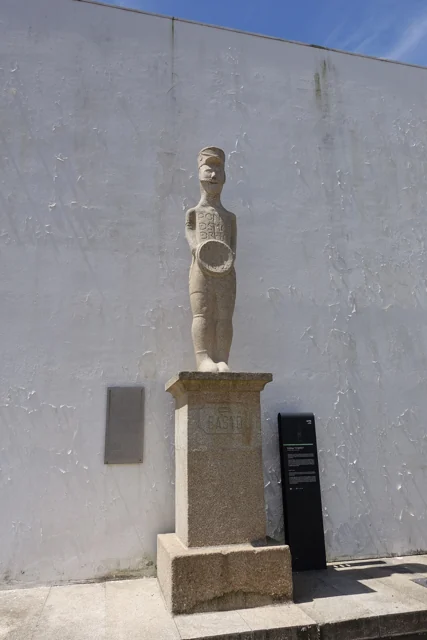
Cabeceiras · archaeological interpretation

Warriors who stood on the stone

Estátua do Basto in Refojos, with circular shield, pedestal and municipal identification plate.
Estátua do Basto in Refojos · monument photograph© Joseolgonⓘ

A figure can tell a time change.

Read here and view sources

The Basto and the warrior of Santa Comba are presented in the Archaeological Letter as examples of statues of Galaic warriors. Municipal reading relates these figures to the ritual importance of the warrior function during a period of transformation of communities. The Charter also relates this ritual function to gold torques, whose provenance of the area of Cavez presents as hypothesis. In the same table of change, it refers to open agricultural occupations, such as Abadim, and honorary inscriptions. Romanization does not just appear in monuments: it involves settlement, practices and forms of representation.

See Fact sheet: Estátua do Basto
Source and context

Archaeological Letter of Cabeceiras de Basto — Protohistory and Romanization

Accessed: . Editorial summary; the date of consultation is not the date of the facts.

Abadim · prehistory

The stone also kept drawings

Marmoirals gather ancient tombs and engravings.

Includes an activity to try →
Read here and view sources

In Marmoirais, Abadim, mammoths and granite outcrops with engravings form an archaeological set. The inventory proposes the second or first millennium before Christ, comparing ceramics, engraved motifs and similar sets of the Northwest. Dating results from this interpretation. The name Marmoirais is also related in the source with the tumular memory of the place: the landscape can keep clues in the vestiges and names.

The inventory distinguishes conservation and interpretation: it describes the whole as poorly preserved and admits that the Mamoa 5 can remain intact. It proposes cyst-type funeral structures, without presenting this hypothesis as a confirmed excavation.

The tombs and engravings are different traces, gathered in the same landscape. Reading ceramic materials and comparison with other sets help to propose chronology, but do not automatically reveal the meaning of each recorded motif.

Words in this story: see explanations →Getting to know the parish
Source and context

Municipality — archaeological inventory, interpretations and chronologies

Accessed: . Editorial summary; the date of consultation is not the date of the facts.

Uz · Gondiães e Vilar de Cunhas

Stone on the walls, colme on the roof

At Uz, the materials also tell the story of the mountains.

Includes an activity to try →Explore: From houses to materials →
Read here and view sources

The municipal presentation of the village describes stone houses and some stalk covers. It also recalls the name Casal da Urzeira, associated with the heather of the hills. There are two ways to read the connection between the village and the landscape: in the materials of the houses and in the memory of the name. The same description associates the village with agriculture, animal husbandry and the work of flax and wool. The portrait helps relate houses, fields and crafts. It's an asset presentation, without confirming how many hives remain today.

See Fact sheet: Uz
Source and context

Municipality — Village Guide of Serra da Cabreira: landscape, work and heritage

Accessed: . Editorial summary; the date of consultation is not the date of the facts.
Pedraça · Parish memories of 1758

A Pedraça call to Coimbra

In 1758, the parish priest's choice pointed out to the council.

Includes an activity to try →Explore: Read a document, ask questions →
Read here and view sources

The parish memory describes the matrix dedicated to Santa Marinha and states that the rector was presented by the rector of the College of São Jerónimo de Coimbra. This historical link shows how a small parish was part of relations that surpassed the lands of Basto.

The same transcript places Pedraça at the end of Cabeceiras de Basto and in the district of Guimarães. It records 96 fires and 322 souls of communion, in addition to a congruity of 50 thousand réis for the rector. They are categories of the document: fires are not people, and souls of communion do not automatically equal the total inhabitants.

The numbers and connection to Coimbra show two plans of parish life: the community described and the organization that framed his parish priest. The municipal version identifies the transcription of José Viriato Chapel, published in 2003, from the Memórias of 1758.

The municipal page also distinguishes the account from the references that accompany it: it refers to the memory 296 of the volume 42 and lists an obligation to the Santa Bárbara hermitage factory, of 1624, and another linked to the Blessed Sacrament, of 1722. They are archive clues. The existence of these references does not mean that the full text of the two documents is reproduced on the page, nor transforms 1624 on a date of construction of the chapel.

Words in this story: see explanations →Getting to know the parish See Fact sheet: Igreja paroquial de Pedraça See Fact sheet: Santa Bárbara de Pedraça — capela e miradouro
Source and context

Municipality — Parish Memories of Pedraça (1758), transcript of José Viriato Chapel (2003)
Accessed:

Municipality — Parish Memories of Pedraça, 1758; transcription of José Viriato Chapel (2003)
Accessed:

Editorial summary; the date of consultation is not the date of the facts.
Torinheiras · reading of the territory

Rocks that mark a division

Bull's Marks help you read the boundaries of the territory.

Read here and view sources

In the description of the trail, the Municipality presents these ancient landmarks as testimonies of the division between Cabeceiras de Basto and Montalegre, and between Minho and Trás-os-Montes. They are a concrete way to find in the landscape a border that we usually see only drawn on the map.

Getting to know the parish See Fact sheet: Trilho de Torrinheiras
Source and context

Municipality — Trilho de Torrinheiras, altitude, landmarks and landscape

Accessed: . Editorial summary; the date of consultation is not the date of the facts.
Holy Lady · memory of 1758

Not all bridges were stone

The wood also united the banks.

Read here and view sources

The memory of 1758 lists three wooden bridges in the parish: Vagalhafos, in Quinta de Vila de Lobos; Santa Senhorinha, near the church; and Olela. Names approach the crossings of the farms, the place of worship and the inhabited places.

The same report mentions singing bridges in São Clemente and São Martinho do Arco de Baúlhe. Wood and stone appear, thus, in a single description of the river. The enumeration does not provide construction dates nor proves the survival of structures.

Words in this story: see explanations →
Source and context

Municipality — Memória de Santa Senhorinha, 23/05/1758; transcript of José Viriato Chapel (2003)

Accessed: . Editorial summary; the date of consultation is not the date of the facts.
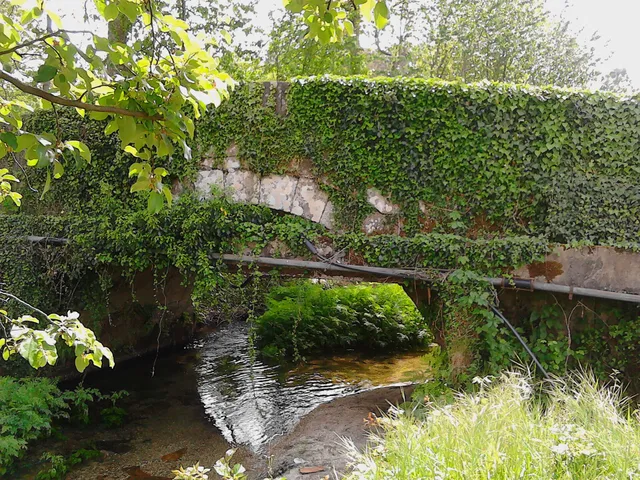
Pedraça · housing

Pedraça is also counted by houses

Beyond the church, there is a housing landscape.

Includes an activity to try →Explore: Houses, persons and work in Pedraça →
Read here and view sources

The history of Pedraça is also read in the houses. The municipal presentation highlights Casa do Paço, Casa de Parada and the houses of the Baron of Basto and Paço de Vila. For Parada, it uses the expression Brazilian taste; for Casa do Paço, it draws attention to the name of the place. They are different clues: one points to architecture, another to the toponymy.

These houses are part of a parish that the Municipality describes as fertile and abundant in water, linked to agriculture and the cultivation of flax. Approaching the housing of the work landscape helps to look at the heritage beyond religious buildings.

The municipal description does not provide construction dates for this set nor identifies those responsible for each work. Nor does the reference to Brazilian taste enough to reconstruct the biography of a owner. The houses are here starting points to know the parish; their inclusion does not presuppose public access.

Words in this story: see explanations →
Source and context

Municipality — parish presentation of Pedraça

Accessed: . Editorial summary; the date of consultation is not the date of the facts.
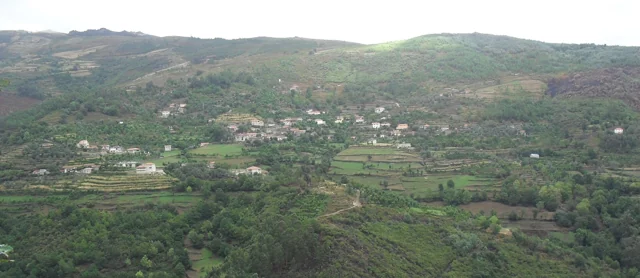
Alvite · heritage and landscape deployment

A chapel leaning against the stone

In Santa Catarina, the construction finds the penedia.

Includes an activity to try →Explore: One chapel, three scales →
Read here and view sources

The municipal presentation highlights a particularity of the chapel of Santa Catarina de Alvite: it is encrusted in a penedia. The encounter between rock and construction gives a clue to look at the heritage beyond the facade.

The source identifies this relationship with the place, but does not provide here a construction date or a visiting time. The chapel form gathers the available documentary information.

The memory of 1758 already named Santa Catarina in the hill with this name, among six chapels of the parish. The two sources answer different questions: the old document places it in a network of places of worship; the municipal presentation draws attention to the relationship between construction and rock. This presence in the report does not date the external form that the photograph shows.

See Fact sheet: Capela de Santa Catarina de Alvite
Source and context

Municipality — landscape of Alvite e Passos

Basto Land Museum — Parish Memories of 1758: Alvite

Accessed: . Editorial summary; the date of consultation is not the date of the facts.
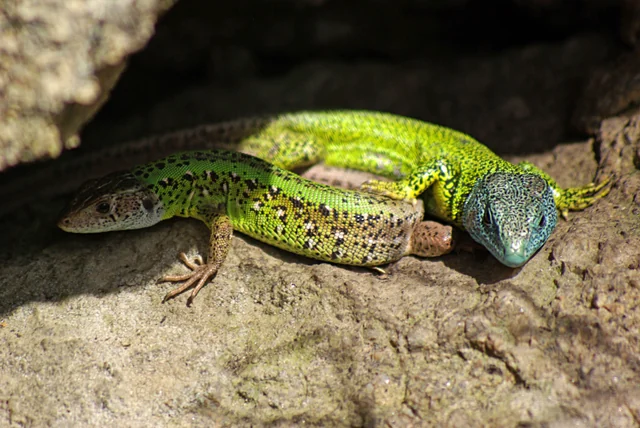
Cavez · history of the bridge of Moimenta; current conditions not verified

Two seasons on the same bridge

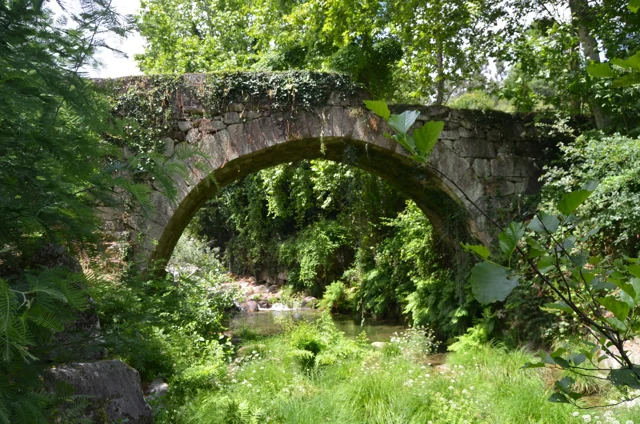
Ponte antiga de Moimenta in Cavez: stone arch over the river, surrounded by vegetation, photographed in June 2020.
Moimenta Bridge, photographed by Pedro at 11 June 2020. A crossing record other than Ponte de Cavez over Tâmega.© Pedroⓘ

In Moimenta, the ancient stone coexists with an intervention of 1990.

Read here and view sources

An ancient bridge can continue to change. The municipality attributes medieval origin to the bridge of Moimenta in Cavez, and describes a single round arch.

In 1990, the passage was extended about one meter: it received a concrete structure on the downstream side and the guards were changed. The photograph allows to begin to observe the crossing; the date of the intervention comes from the documentary description.

Words in this story: see explanations →See Fact sheet: Ponte antiga de Moimenta
Source and context

Municipality — Cultural heritage, bridges of Arco de Baúlhe and Moimenta

Accessed: . Editorial summary; the date of consultation is not the date of the facts.

Arco de Baúlhe · archaeological interpretation

Before the rails, a castro

The Arc also has a much older story.

Includes an activity to try →Explore: How did the settlement change? →
Read here and view sources

During the Romanization, the villages of the region did not all follow the same path. The Archaeological Letter suggests that the small castro of the Arco de Baúlhe had lost inhabitants, while Chacim gained centrality. It also refers to the expansion of the agricultural occupation to lowlands. This reading helps to imagine a changing territory, but does not provide a certain date for the abandonment of the castro of the Arc.

The Charter situates these changes in the process begun in the second half of the first century before Christ. The transformation was not limited to houses: it also changed the relationship between settlements, fields and centers of power. Chacim appears as a place of population concentration and renewal of spaces, while the Arc is presented as a possible example of emptying.

The Mó de Cima materials in Chacim are used to support the agricultural occupation of the lowlands. Later, the text highlights open facilities of the couple type, such as Abadim. Read together, these clues show a change in the organization of the territory; they do not allow to draw a single displacement of inhabitants between two points, nor date all changes in the same year.

Words in this story: see explanations →Getting to know the parish
Source and context

Archaeological Letter of Cabeceiras de Basto — Protohistory and Romanization

Accessed: . Editorial summary; the date of consultation is not the date of the facts.

Bucos · transport in 1758

A small bridge, a long way

Married was in the way of a lot of people.

Includes an activity to try →Explore: Paths that served the life of the village →
Read here and view sources

In Casares, a wooden bridge integrated the real road to Braga and communications with Trás-os-Montes, according to the memory of 1758. Before the movement, the vicar defended building it in stone. It was a request, not the confirmation of a work.

The source distinguishes this passage from small walkways made with a wooden beam, for pedestrians. Different paths responded to different uses.

The passage not only served the village. The vicar describes a public road and very frequented, linking Braga to the term of Basto and Trás-os-Montes. The bridge emerges, as a local point of a larger network. The recommendation to replace it by chanting shows the author to assess a need, besides inventing what existed.

In the same rivers, the water moved mills and was used by farmers in the fields. The crossing, grinding and watering appear in the same portrait of the territory. A bridge can be read by what it allows to do: reach another place, maintain a communication or approximate works separated by water.

Words in this story: see explanations →Getting to know the parish
Source and context

Municipality — Parish memories of Bucos (1758)

Accessed: . Editorial summary; the date of consultation is not the date of the facts.

Rio Douro · archaeological interpretation

A castle you read on the ground

In Eiró, the circular shape and moat tell a story.

Includes an activity to try →Explore: The land and documents →
Read here and view sources

The municipal inventory interprets the vestiges as a fortified motorcycle-type residence from the middle of the 13th century. It relates it to the castle referred to in the 1258 Inquisitions. The circular shape rests on a stone and gravel landfill, surrounded by a moat. The municipality highlights the position over the valley of Rio Douro, link between Refojos and the plateau Barrosão. The reading combines ground and document, without reconstructing the missing building for sure.

The document of 1258 adds a social dimension to the form of the land: according to the municipal interpretation, almost all residents of Santo André of Rio Douro had an annual obligation to move to the castle. The reference links fortification to the community organization, although it does not clarify here all the associated tasks.

The inventory compares construction with examples from Brittany. It is a comparison of forms and techniques, not a proof of the origin of its builders. The location in the middle of the hillside helps to understand the relationship between defense and passage through the valley.

Getting to know the parish
Source and context

Municipality — archaeological inventory, interpretations and chronologies

Accessed: . Editorial summary; the date of consultation is not the date of the facts.

Rio Douro · archeology and oral tradition

The village that stayed in memory

The traces of the Old Village of Toninha count for another time.

Includes an activity to try →Explore: Other clues in the territory →
Read here and view sources

In the Old Village of Toninha, the municipal inventory proposes occupation between the 13th and 16th centuries. It compares the constructive remains with other serran settlements, including examples in Lindoso and the abandoned village of Juriz in Montalegre. Already the plague that would have caused the people to leave belongs to the popular tradition. They are different paths to know the place: comparing buildings and collecting memories.

There is a third clue: the Investigations of 1258. The inventory proposes that the village may correspond to one of the ten couples then assigned to Juguelhe. It is a probable identification presented by the author, not an equivalence demonstrated. Comparisons with other places help to formulate this interpretation.

Imagine three cards on the table: the buildings, the document of 1258 and the narrative of the plague. Each opens a different question. What forms are repeated in other villages? What places appear in the document? What explanation conveyed the tradition? The discovery begins by crossing these clues without confusing them.

Getting to know the parish
Source and context

Municipality — Old village of Toninha: proposed chronology, parallels and inquiries of 1258

Accessed: . Editorial summary; the date of consultation is not the date of the facts.

Built heritage · St Nicholas

Three houses, three details

A chapel, a staircase and a portal to read architecture.

Includes an activity to try →
Read here and view sources

Three houses, three details to repair. In Casa da Taipa, the municipal presentation highlights the chapel of Nossa Senhora da Conceição, a quintentist moth. In Casa da Breia, it describes the staircase with volutes on the stone rail, maintaining as uncertain the nineteenth century attribution of the building.

In Casal da Fonte, the highlight goes to the portal with coat of arms and baroque decoration of the late 18th century. Compare chapel, staircase and portal helps to discover different ways to compose a solarenga house. These references do not presuppose access to the interior of the properties.

Words in this story: see explanations →Getting to know the parish See Fact sheet: Casa da Breia See Fact sheet: Casa da Taipa e Capela da Senhora da Conceição
Source and context

Municipality — Cabeceiras de Basto (São Nicolau)

Accessed: . Editorial summary; the date of consultation is not the date of the facts.

Cavez · Parish memories of 1758

A bridge that deserved praise

Ponte de Cavez on the river Tâmega, with stone arches, board and wooded banks.
Ponte de Cavez · crossing Tâmega© Joseolgonⓘ

In 1758, the Cavez Grand Bridge impressed the parish priest.

Explore: Two shores, several stories →
Read here and view sources

In the parochial memory, the crossing of the Tâmega appears described as a great stone bridge, well worked. The author even considers it the best of that river. The praise belongs to the look of those who wrote: it reveals the importance it attributed to the construction, without functioning as a technical comparison between bridges.

In the same memory, the Tâmega appears as a strong current, especially in winter. The document distinguishes the crossing from the use of water: it describes mills and explains that the river was too deep to water the fields in that stretch. The bridge can be read in this set of relations between margins, displacements and work.

Notice the difference between observing a construction and evaluating it. The existence of the bridge is information; considering it the best is an appreciation. The two say something about the past, but answer different questions.

Getting to know the parish See Fact sheet: Ponte de Cavez
Source and context

Municipality of Cabeceiras de Basto — Parish memories of 1758: Cavez

Accessed: . Editorial summary; the date of consultation is not the date of the facts.

Gondiães e Vilar de Cunhas · memory and landscape

Before Vilar, Vila Seca

Names also keep changes in the territory.

Explore: Three villages, various ways to know →
Read here and view sources

Vila Seca is the former designation of Vilar de Cunhas remembered by the Municipality. The presentation gathers three villages: Vilar, Cunhas and Uz.

It also distinguishes plateau and mountain areas, associated with agriculture and pastoral care. A parish name can therefore cover different settlements and landscapes. The source does not date the change of designation.

The municipal presentation places this territory near Montalegre and Ribeira de Pena. This position helps to understand a landscape that continues beyond the administrative limit: the villages belong to the municipality, but the valleys and relations between places invite also to look at the neighboring territories.

Getting to know the parish
Source and context

Municipality — Gondiães e Vilar de Cunhas, landscape, heritage and crafts

Accessed: . Editorial summary; the date of consultation is not the date of the facts.

Heritage of Abadim

A star in the pillory

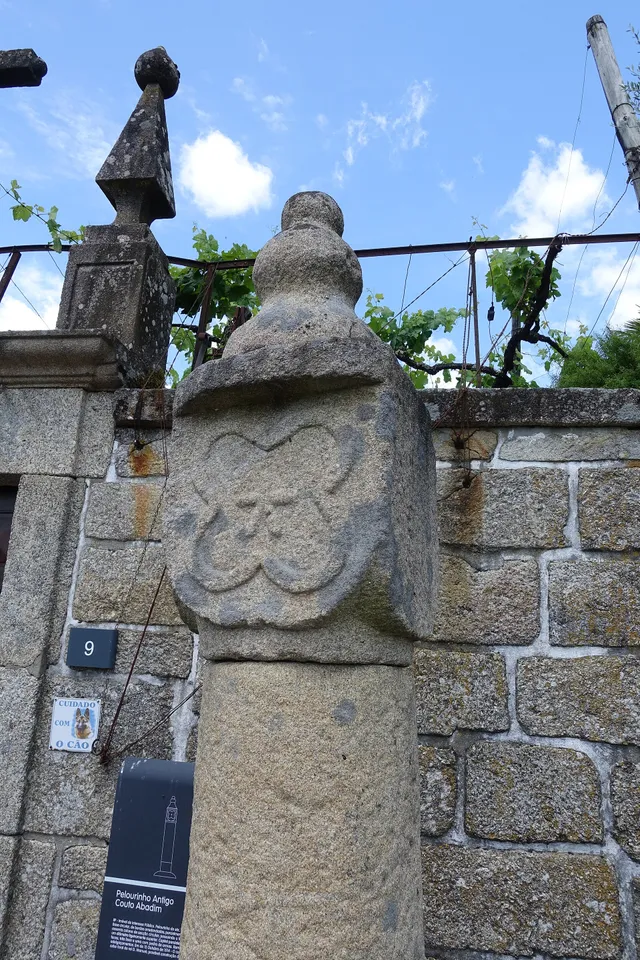
Details of the Pelourinho de Abadim in granite
Details of Pelourinho de Abadim. The star described in the text is not visible on this face.© Joseolgonⓘ

A small monument holds a history of autonomy.

Read here and view sources

The pillory of Abadim seems simple at first glance: a smooth column of granite, a cubic capite and a pear-shaped shot. But on one side you find a five-pointed star inside a four-lobe frame. The Museum links the monument to the administrative and judicial autonomy of the former Couto, extinguished in 1836. The Museum brings its construction closer to the foral of 1514, but the record of the Cultural Heritage warns that dating is difficult and that the piece can be quite later. The detail of the star invites you to look again at a piece that would easily go unnoticed.

The official record describes four faces on the capital: three undecorated and one with the star. This helps to understand why a photograph from another side may not show the best known reason. The record places the monument next to the portal of the House of Tower of Tronco and documents the classification as Public Interest Property in 1933. The date of protection is not the date of construction.

The foral, the stone age and the patrimonial classification answer different questions. Instead of automatically assigning ‘1514’ to the entire monument, compare the described form, the proposals for dating and the documents that changed its status.

Words in this story: see explanations →See Fact sheet: Pelourinho de Abadim
Source and context

Basto Land Museum / António P. Dinis — Pelourinho de Abadim, 26/01/2018
Accessed:

Cultural heritage — Pelourinho de Abadim, record 341971, historical-artistic note
Accessed:

Editorial summary; the date of consultation is not the date of the facts.

History of Ponte de Cavez

Five arches, more than a while

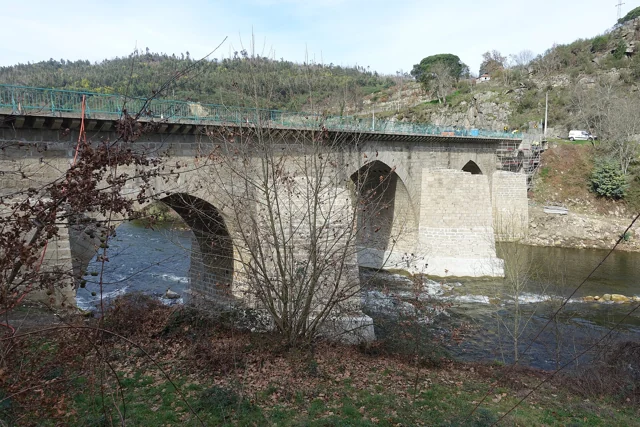
Ponte de Cavez on the river Tâmega, with stone arches, board and wooded banks.
Partial view of the Ponte de Cavez over the Tâmega.© Joseolgonⓘ

An old bridge didn't stop in history.

Includes an activity to try →Explore: A crossing, several seasons →
Read here and view sources

Three broken central arches and two perfect back, next to the banks: the Ponte de Cavez brings together different shapes and times. The Museum located the medieval construction in the second half of the 13th century, at the service of the road between Braga and Vila Pouca de Aguiar.

The source attributes the round arches to the works of Philip II's reign and mentions a landmark of 1599. In the 19th century, the road between Fafe and Vila Pouca de Aguiar brought the enlargement of the board. Watching the bridge is looking for changes to an ancient crossing.

According to the Museum, the stone bridge replaced a previous wooden, then degraded. The construction is attributed to Frei Lourenço Mendes, Dominican who gathered alms for the work; the museological text mentions testimonial legacies as support of this connection. The crossing thus involves materials, paths and ways to finance a collective work.

Words in this story: see explanations →See Fact sheet: Ponte de Cavez
Source and context

Land Museum of Basto — Ponte de Cavez, 27/02/2022

Municipality of Cabeceiras de Basto — Parish memories of 1758: Cavez

Municipality — conclusion of rehabilitation of Ponte de Cavez, 30/04/2019

Accessed: . Editorial summary; the date of consultation is not the date of the facts.

Pedraça · tradition registered by the Municipality

A house between memory and proof

The tradition of the Constable deserves to be counted as tradition.

Includes an activity to try →
Read here and view sources

The Municipality presents as a tradition the narrative of a pickpocket next to the Casa de Pedraça, associated with D. Nuno Álvares Pereira, and the nuptials passed there after the wedding with D. Leonor de Alvim. It is a memory linked to the place; the formulation of the source itself does not transform it into a demonstrated event. Distinguishing the two plans helps to know history without erasing the local imaginary.

See Fact sheet: Casa de Pedraça
Source and context

Municipality — parish presentation of Pedraça

Accessed: . Editorial summary; the date of consultation is not the date of the facts.

Painzela · patrimonial identification without chronology demonstrated

A bridge, a name and a question

Stone bridge of Painzela on a water line, surrounded by vegetation
Ponte de Painzela, photographed by Tommasoandrea. The image allows observing the arch and the water line; it does not determine the time of construction.© Tommasoandreaⓘ

Calling him Roman doesn't solve your age.

Includes an activity to try →
Read here and view sources

The municipal presentation of Painzela includes a photograph identified as Ponte de Painzela and refers to a Roman Bridge among the heritage of the parish. This designation alone does not demonstrate when the bridge was built. The name allows to find the place; dating would require documentation or study of the construction. It is a good question to lead to a reading of the heritage: what do we know by identification and what we still need to investigate?

See Fact sheet: Ponte de Painzela
Source and context

Municipality — parish presentation of Painzela and bridge identification

Accessed: . Editorial summary; the date of consultation is not the date of the facts.

Between rivers and mountains

Water and relief form the municipality. Choose a name and follow the landscape.

Choose a story · 13
Geology and relief of the municipality

Read the mountains in their rocks

Before paths and houses, there was a landscape of rock.

Explore: From rock to field, follow the materials →
Read here and view sources

The municipality’s Archaeological Survey describes large granite outcrops bearing signs of erosion. The terrain descends from the southern edge of Cabreira towards the Tâmega basin in a succession of hilltops. Looking at these shapes helps connect mountain and valley: rock belongs to the territory’s history even when no one has worked it.

A rock can change without moving. This alteration is called weathering: it may involve physical fragmentation, chemical changes in minerals or the action of living things. The British Geological Survey gives simple examples: roots widening cracks, water freezing and expanding in fractures, or rainwater reacting with minerals. These are general mechanisms, not explanations that can be assigned to every block found in Cabreira.

When materials are removed and transported by water, wind or ice, erosion comes into play. The distinction helps us imagine two stages: the rock changes, then some of its material may travel. The stages need not proceed at the same rate, and a fragment need not reach the river directly.

This reading journey ends on the Tâmega’s lowland fields, where the municipal source describes deposits of sand and clay. Between exposed rock and a lowland field, different questions arise: what is the rock made of, how does it change, and where do transported materials end up?

Words in this story: see explanations →
Source and context

Municipality — Archaeological Charter: Orography and geology

British Geological Survey — Weathering: physical, chemical and biological alteration of rocks

Geological Society — Weathering: difference between change and erosion

Accessed: . Editorial summary; the date of consultation is not the date of the facts.

Geology of Vila Nune and Gondiães

Not every rock is granite

Vila Nune and Gondiães reveal another part of the geological map.

Explore: The same landscape, different processes →
Read here and view sources

Among the granites, the Archaeological Survey identifies two areas of Palaeozoic metasedimentary rocks. The Vila Nune area extends north-westwards along the Peio; the Gondiães area flanks the Beça. These references help explain the diversity underground; they are not visitor stops or collecting sites. The landscape gains another layer when we consider what it is made of.

To understand the name, separate two stages. Sediments can accumulate, become buried and consolidate into sedimentary rock. If that rock undergoes metamorphism, it changes under conditions such as high temperature and pressure. The term metasediment records this sedimentary origin followed by transformation.

Metamorphism does not mean melting: the USGS explains that transformation happens without the rock becoming magma. Minerals can reorganise or give way to others. In some rocks, elongated or flattened minerals become aligned and form a layered structure called foliation. Not every metamorphic rock has it.

These are tools for interpreting map terminology. They cannot assign a mineral, exact age or specific process to every stone in Vila Nune or Gondiães from its appearance alone. That requires connecting observation with mapping and geological study.

Words in this story: see explanations →
Source and context

Municipality — Archaeological Charter: Orography and geology

British Geological Survey — Rocks and minerals: rock formation, cooling and exposure

U.S. Geological Survey — What are metamorphic rocks?

Accessed: . Editorial summary; the date of consultation is not the date of the facts.

Mineral resources · geological description of the municipality

There is more to a rock than meets the eye

Wolframite and cassiterite are part of Cabeceiras’s geological picture.

Read here and view sources

The municipality’s Archaeological Survey describes a geological setting rich in wolframite and cassiterite. These names add a mineral dimension to the landscape of granite and metasedimentary rocks: they describe the composition underground, beyond the shape of the hills.

Wolframite contains iron, manganese and tungsten. Virtual Microscope, a project involving the Open University and Royal Cornwall Museum, explains its importance as a tungsten ore. Cassiterite is a tin oxide with the formula SnO₂ and an important commercial source of that metal, according to the USGS. They are different minerals associated with different metals.

A mineral is not the same thing as the metal that can be obtained from it. Wolframite is not a piece of metallic tungsten, just as cassiterite is not ready-to-use tin. These names are interesting precisely because they connect matter found in nature with materials transformed by people.

The municipal description confirms the local geological reference. International sources help explain the minerals, but their mining examples belong to other territories. None of these explanations identifies a mine to visit, an active operation or a collecting site here.

Words in this story: see explanations →
Source and context

Municipality — Archaeological Charter: Orography and geology

Open University / Royal Cornwall Museum — Virtual Microscope: Wolframite

USGS — Tin Statistics and Information: cassiterite as a tin source

Accessed: . Editorial summary; the date of consultation is not the date of the facts.

Abadim · intervention in Peio in 2017

Wood, stone and coir on the banks of the Peio

At Ranha, restoring the river also meant choosing materials.

Includes an activity to try →Explore: Taking care of the margins in many ways →
Read here and view sources

At Ranha, the riverbank tells a story of construction too. The work inaugurated on 17 June 2017 combined stone, wood, coir and native plants. According to the municipal news report, it aimed to stabilise the Peio’s banks, restore riverside vegetation and ecologically rehabilitate the leisure area in Abadim.

The work extended to supporting facilities: parking, the building and toilets, the bridge and the road’s retaining wall. Work on the river belonged to a wider project bringing landscape and public use together.

The municipality linked the project to compensation and mitigation measures associated with the Daivões dam, with financial support from Iberdrola. This helps explain the work’s context beyond its visible materials. The report documents 2017; it does not establish that facilities operate today or that the water is suitable for bathing. Consult practical information in Ranha’s place profile.

See Fact sheet: Zona de Banhos da Ranha
Source and context

Municipality — inauguration of the renaturalization of Peio margins, news of 20/06/2017

Accessed: . Editorial summary; the date of consultation is not the date of the facts.

Geological complex of Cabeceiras de Basto · regional study

Granite varies in grain size too

A seemingly uniform rock can reveal differences up close.

Includes an activity to try →
Read here and view sources

In A. Almeida’s study, granite from the Cabeceiras de Basto complex does not have a single grain size. The classification uses three average ranges: 0.5–1 millimetre for fine grain, 2–4 millimetres for medium grain and 5–7 millimetres for coarse grain. In the last group, the author also mentions rare larger crystals measuring 8–10 millimetres.

This distinguishes two observations: the usual grain size and the presence of a few crystals that stand out. The description does not turn every visible point in a photograph into a measurement. Comparing sizes in an image requires a scale; magnification on a screen can make small grains look large.

The study identifies three genetically independent series despite their similar chemical-composition ranges. Appearance is a starting point for investigation, not the entire explanation of origin. In a wall or façade, grains spark curiosity, but do not alone prove where the stone came from.

Words in this story: see explanations →
Source and context

A. Almeida (1998) — Metallurgical specialisation of the peraluminous granites of two micas of the Cabeceiras de Basto complex, IGM 84(1), B-79–B-82; p. 325 of the PDF

Accessed: . Editorial summary; the date of consultation is not the date of the facts.

Rio Douro · Parish memories of 1758

Two rivers tell a parish’s story

The 1758 account describes Rio Douro between east and west.

Includes an activity to try →Explore: Water linking villages and works →
Read here and view sources

In the 1758 account, the Vilela river flowed to the east and the Rio Douro river to the west, both from north to south. The parish priest described their origins in small springs and their waters increasing with contributions from the mountains. He said the Vilela entered the Tâmega below Cavez bridge and the other joined the river coming from São Nicolau. These are the names and geographical relationships in that document, not a current navigation map.

Bridges bring that geography closer to village life. The document mentions a wooden crossing between Magusteiro and Teixugueiras and a stone one between Teixugueiras and the church. It also refers to wooden links from Eiró and Rio Douro to the church, and a stone one between Vilela and the church. Water and paths therefore appear in the same portrait of the parish.

The priest describes rivers with rocks, weirs and waterfalls, unsuitable for navigation but useful to mills and fields. They were more than lines separating places: they belonged to work and travel. These references come from the testimony signed on 22 May 1758; they do not confirm the survival of structures or present access to the banks.

There is a clue to imagining the relief: the author describes three parallel mountain ridges extending from Salto, with rivers in the lower spaces. The ridges’ names varied between places. Rather than seeking a single name for each mountain line, the document invites us to connect position, villages and the direction of water.

Words in this story: see explanations →Getting to know the parish
Source and context

Municipality of Cabeceiras de Basto — Parish memories of 1758: Rio Douro

Accessed: . Editorial summary; the date of consultation is not the date of the facts.

Rio Douro · water uses in 1758

In summer, the water took other paths

Irrigation channels linked river flows to work in the fields.

Includes an activity to try →Explore: Water connected jobs and places →
Read here and view sources

The 1758 account describes both Rio Douro rivers flowing all year but reaching the end of their course with little water in summer. The vicar linked this reduction to the many irrigation channels supplying the fields. Weirs, waterfalls and mills formed a landscape of varied work.

Crossings varied too: the account mentions wooden bridges between settlements and the church, as well as stone bridges at Teixugueiras and Vilela. The banks were not just places of production; people needed to cross from one side to the other. This historical list does not identify surviving structures or current access.

The document also explains why boats did not use the rivers: there were rocks, waterfalls and weirs, as well as insufficient flow for navigation. A river could matter to the parish economy without serving as a waterborne transport route.

On cultivated banks, the account mentions oaks supporting vines; beyond the fields, heather scrub. Water therefore helped organise a landscape where cultivation, vegetation and structures met. The response was signed on 22 May 1758: summer is described as a usual seasonal pattern, not a measurement made that summer.

Words in this story: see explanations →Getting to know the parish
Source and context

Municipality of Cabeceiras de Basto — Parish memories of 1758: Rio Douro

Municipality — Parish Memoirs of Rio Douro, António Carneiro da Costa, 22/05/1758

Accessed: . Editorial summary; the date of consultation is not the date of the facts.

Ribeira de Penoutas · reported intervention in August 2026

Clearing a stream means knowing what to leave

Along the Penoutas stream, ferns are part of the story.

Includes an activity to try →Explore: Water goes through different stories →
Read here and view sources

In August 2026, the municipality described work removing rubbish from the bed and banks and controlling some vegetation. It also highlighted what was preserved: herbaceous plants typical of banks and wetlands, including ferns. This choice shows how stream maintenance can balance water flow with the vegetation alongside it. It is the municipality’s account of that work, without identifying fern species or measuring ecological outcomes.

The report separates tasks that may look alike at a glance: removing litter, controlling scrub and preserving bank plants. It also mentions the aim of improving the space for residents’ use. Cleaning, flow and vegetation are therefore three aspects of the account.

The municipality’s appeal for correct waste disposal connects maintenance with everyday life. Looking at a stream lets us ask not only how water flows but also how people care for the space around it.

Source and context

Municipality — cleaning action in the Penoutas River, 07/08/2026

Accessed: . Editorial summary; the date of consultation is not the date of the facts.

Geological complex of Cabeceiras de Basto · dating cited in the study

A story millions of years old

A rock’s age and a landscape’s shape are different questions.

Explore: Three questions for the same stone →
Read here and view sources

A. Almeida’s paper refers to dating the Cabeceiras de Basto complex by the uranium–lead method, using zircon and monazite. The cited result is a minimum age of 311 ± 1 million years. This is a geological reference to the rock formation studied: it does not date the construction of a wall or establish when a hillside acquired its present shape.

The article forms part of the proceedings of the fifth National Geology Congress, published in 1998. For this value, Almeida refers to geochronological work with other authors listed in the bibliography. This chain of references explains where the number comes from: a research result, not an age estimated from colour or grain size.

Reading a landscape means separating timescales. The age assigned to a rock complex is one matter, the transformation of the relief another, and the moment a stone was used in a building another still. All three stories can meet in the same wall, but they require different evidence.

Source and context

A. Almeida (1998) — Metallurgical specialisation of the peraluminous granites of two micas of the Cabeceiras de Basto complex, IGM 84(1), B-79–B-82; p. 325 of the PDF

Accessed: . Editorial summary; the date of consultation is not the date of the facts.

General geology · reading of granite texture

Small grains tell how the rock cooled

Granite contains minerals you can distinguish by eye.

Includes an activity to try →
Read here and view sources

Adão Mendes’s explainer for the Portuguese Association of Biology and Geology Teachers links granite’s granular texture with magma cooling slowly at depth. Its characteristic minerals include quartz and feldspars; micas may also be present. This general explanation encourages a closer look at stone, but recognising colours and grains is not enough to identify a sample’s origin.

If granite formed at depth, how do we see it in an outcrop? The British Geological Survey links its exposure to uplift, erosion and weathering over millions of years. Formation and exposure at the surface are different stages in its story.

It also helps to distinguish rock from mineral. In granite, different minerals occur together as interlocking crystals. Recognising that combination differs from observing a single mineral in isolation. Relative crystal sizes and their arrangement help describe texture; one colour does not tell the rock’s whole story.

Source and context

Adam Mendes / APPBG — Characterize basalt, gabro, andesite, diorite, riolite and granite; RTP Teach, 2020

British Geological Survey — Rocks and minerals: rock formation, cooling and exposure

Accessed: . Editorial summary; the date of consultation is not the date of the facts.

Abadim · water and grinding in memory 1758

Two streams kept six mills working

Even a little water could keep a landscape moving.

Includes an activity to try →Explore: From water to food →
Read here and view sources

In 1758, the abbot of Abadim describes two streams descending southwards, meeting near Ponte de Pé and continuing to the Tâmega. There was little water, but it flowed all year. The account mentions trout and fish called bogas without identifying species by scientific names.

On the western stream, he notes Ranha’s dressed-stone bridge. Of the various mills on the two waterways, six belonged to the parish. This count identifies neither today’s buildings nor whether they were the same mills as the group now called Moinhos de Rei.

The abbot describes swift currents and neighbouring communities’ free use of the water. Little water and movement were therefore not incompatible in his account. The story gains another dimension beside the fields: the same document distinguishes cereals grown in different settlements. The streams belonged to a landscape of cultivation and processing, although the account does not say which mill received each village’s grain.

Words in this story: see explanations →
Source and context

Municipality — Parish memories of Abadim, José Antunes, 22/05/1758

Accessed: . Editorial summary; the date of consultation is not the date of the facts.

Gondiães · 2008 municipal inventory

Four pools and a shared irrigation channel

In Gondiães, storing and directing water was collective work.

Includes an activity to try →Explore: Store, drive and distribute →
Read here and view sources

Four pools supplied a shared structure. The municipal record of 20 March 2008 describes the Rego das Poças, also called Levada da Vizinhança, in Gondiães: around two kilometres of channel for irrigation and milling, serving the Tarroeiro mill.

The Poças do Lugar lay at Olheiros. Three were close together and the fourth further away. Up to the village entrance, the channel followed natural ground; within the settlement it became a stone trough. Storing and directing water therefore required different elements and materials.

The inventory identifies collective ownership and operation by the channel’s joint users, or consortes. It records seasonal water turns but leaves the construction period undetermined. The survey date is not the structure’s age. Its recorded use and condition belong to the picture of 2008, without confirming today’s situation or access.

Words in this story: see explanations →
Source and context

Municipality — inventory of levadas, fiche L29: Rego das Poças, withdrawal of 20/03/2008

Accessed: . Editorial summary; the date of consultation is not the date of the facts.

Cabeceiras de Basto · windmill architecture studied in 2011

Grinding above, movement below

A mill is organised vertically too.

Includes an activity to try →Explore: From the water to the building →
Read here and view sources

The study shared by the Museum in 2011 describes two levels in Cabeceiras’s mills: the grinding equipment above and the driving mechanism below, in the cabouco. The building’s form follows how the machinery works. The survey records rectangular plans of varying sizes, with the exception of one circular-plan watermill.

Granite dominates the walls, but not every stone receives the same treatment. The study highlights points with particular construction demands: corners, doors, windows and parts through which water passes. At the corners, stones help bond the building together; lintels and jambs frame the openings. An irregular-looking wall can therefore coexist with carefully selected pieces.

This description belongs to the historical study, not an inspection of today’s buildings. To read the landscape, start with the water’s route, then ask where the driving force and the grinding work were located.

Words in this story: see explanations →
Source and context

Basto Land Museum — Mills Cabeceiras de Basto: construction form, 04/05/2011

Accessed: . Editorial summary; the date of consultation is not the date of the facts.

A world beneath the leaves

A first look at the fungi. Continue in the gallery to see the local records already documented.

Choose a story · 1
Abadim · local record and general biology

A small landscape on stone

A lichen’s raised structures bring relief to the rock.

Includes an activity to try →Explore: Still in the small world →
Read here and view sources

In Pedro Andrade’s photograph from 31 January 2025, a brownish-grey lichen has rounded bumps on a rock. The record is identified as Lasallia pustulata and located in Abadim by checking its public point against CAOP2025.

The University of Évora describes this species as saxicolous, meaning it lives on rock. Its thallus is umbilicate: it attaches to the surface only at its centre. The raised bumps on the upper face are another detail described by the source.

The photograph shows the relief but not the attachment point hidden underneath. Comparing what is visible with what the description explains is a way to learn without lifting or detaching the lichen.

Évora’s profile describes a single lobe that can reach ten centimetres, with small branched structures called isidia along its edges. The surface may have a whitish coating called pruina. Outline, edge and relief are three different observations; no measurement should be estimated from the photograph without a known scale.

Words in this story: see explanations →
Source and context

University of Évora — Biodiversity of Mitra, Lasallia pustulata

Accessed: . Editorial summary; the date of consultation is not the date of the facts.

Crafts and memories

In the hands, at the table and in the community: little stories of how one lives and what one transmits.

Choose a story · 12
Rural heritage · survey of 2008

The stones of the road to the mill

A little sidewalk thing tells a work story.

Read here and view sources

In Carrazedo, Bucos, the survey of 11 January 2008 recorded about 30 meters of sidewalk by the cruise, giving access to two mills. The granite slabs had different shapes and sizes. These short roads are also part of the rural heritage: they linked the village to the places where the cereals were transformed. The inventory does not confirm the current status or access. The record of Carrazedo presents the village to which this memory belongs; it does not indicate the exact location of the thirty meters of sidewalk.

See Fact sheet: Carrazedo
Source and context

Municipality — sidewalk inventory, Carrazedo, C5 fiche (11/01/2008)

Accessed: . Editorial summary; the date of consultation is not the date of the facts.

Cabeceiras de Basto · hydraulic heritage documented in 2011

The water also had a built path

A levada isn't always a stone-cut channel.

Includes an activity to try →
Read here and view sources

According to the Museum, the levadas lead the water from the dams or from the puddles to the mills. In Cabeceiras, the study describes both granite channels worked as well as streams on firm terrain or dug in the rock. To perceive a mill, it is important to look at the set: building, capture and conduction of the water. It is an explanation of the documented heritage, not an indication of access to the canals.

The materials also tell what has changed. The article of 2011 mentions reconstructions in cement or fiber cement that altered the original configuration of some levadas. Distinguishing the old form of later interventions helps to read this heritage as a history of adaptations, not as a landscape that stood still in time.

Source and context

Basto Land Museum — Mills of Cabeceiras de Basto: water capture and conduction, 07/07/2011

Accessed: . Editorial summary; the date of consultation is not the date of the facts.

Lands of Basto · inventory of clog

Pull, pierce and preach: the gestures of the punch

Each tool solves a small part of the work.

Includes an activity to try →Explore: Enters the history of the workshop →
Read here and view sources

The inventory of the Land Museum of Basto holds tools used by Manuel António Teixeira Leite. The Torquesa pulled the leather to the wooden base; the sovela opened the orifices of the nails; the hammer fixed them. What if a nail was badly placed? The pliers served to remove it. These objects allow reconstructing gestures of work, without transforming the inventory into a currently visitable workshop.

The inventory also preserves the place where these gestures were made. The low working table, called 'work' and registered as T15, was used by Manuel António Teixeira Leite. The T14 bank had a thick board and a small stem where wood was supported for finishing. The workshop was a set of supports and instruments, in addition to the tools that fit in the hand.

A grinding stone, T33, recalls another task: handling the knives. Working the footwear included keeping the tools able to cut. Already the pair of T27 sticks was inventoried in an intermediate phase, with wood worked and ready to receive the leather. The unfinished object helps rebuild the sequence of the manufacture.

Words in this story: see explanations →
Source and context

Land Museum of Basto — In Tamanco Country: table T15, seat T14, tools T20/T22/T24/T25, sticks T27 and stone T33 and Chancas MTB 450

Accessed: . Editorial summary; the date of consultation is not the date of the facts.

crafts · Pedraça and Abadim

From linen to house

Panos and quilts are also heritage.

Read here and view sources

Pedraça and Abadim are referred to by the municipality by the weaving of flax. Fabrics take handmade work into the house and to the memory of families.

On 6 July 2024, the Soutinho field, in Pedraça, received an activity of the Lining Cycle: manual plucked from the Galician linen, ripped and wet. The municipal news records the collaboration of the Junta, ANAP and Cultilinho — Fátima Mota. It is an example of sharing this knowledge, not an announcement of future activities.

Before reaching the loom, the plant passes through several hands and operations. The municipal explanation of the cycle distinguishes the removal of the baghan, the passage through the water, the drying and the work that prepares the fiber. The spade and the seireiro help in this transformation. Only then do the spinning: a cloth begins long before there is a thread.

Words in this story: see explanations →
Source and context

Municipality — crafts and services of the parishes

Municipality — Linen Cycle in Pedraça, news of 08/07/2024

Municipality — Linen Cycle in Pedraça, news of 03/04/2024

Accessed: . Editorial summary; the date of consultation is not the date of the facts.

Formigueiro · labour assets

Water also worked wool

Wool and cereals: two works on the same stream.

Includes an activity to try →Explore: Same water, different jobs →
Read here and view sources

Next to the brook of Cavez, an old building gathered the work of wool and cereals: there it was trampled — tightened — wool and milled. The municipal description places the ruins at the descent of Formigueiro. The trail allows to know this memory of the work; access to the interior is not confirmed.

It is important to separate operations: treading wool and grinding cereal are different jobs, although the description gathers them in that building. One cannot imagine a single machine producing flour and treating wool without documentation of the mechanism. The municipal presentation refers to traces of artifacts in the ruins, but does not offer an inventory that allows to reconstruct all the pieces.

The same landscape connects work and relief. Formigueiro is above the pison, in a descent that the source describes as accentuated; the Nariz do Mundo corresponds to another element of the route, aimed at reading the valley. Knowing the history of the device and preparing a walk are complementary tasks: distance, difficulty and conditions belong to the track record.

Getting to know the parish See Fact sheet: Trilho do Pisão e Nariz do Mundo
Source and context

Municipality — the former pison near the brook of Cavez

Accessed: . Editorial summary; the date of consultation is not the date of the facts.

Vilela · Rio Douro

The granite also draws the village

Panoramic view of Vilela, Rio Douro, with houses and agricultural plots on the slopes.
Vilela · architecture and landscape of Rio Douro© Ambcruzⓘ

In Vilela, the walls help to recognize the landscape.

Includes an activity to try →
Read here and view sources

The municipal presentation of the Cavez stream trail highlights the granite masonry in the old streets of Vilela, in Rio Douro. After the levadas and the lameiros, the reading of the territory continues in the houses: the material of the region also participates in the form of the settlement.

The municipal text presents a sequence that unites buildings and agricultural work: levadas, mills and lameiros de regádio precede the description of the streets of the village. Vernacular architecture is here the construction linked to the materials and practices of the place. The granite does not appear only as rock of the landscape; it enters the walls and the visual organization of the settlement.

To explore this relationship, it compares Vilela's photograph with reading on granite grains. A view of the village shows volumes and surfaces; a close look at the rock shows another scale. The municipal description does not date each house nor allows to conclude that all the walls have the same history.

Words in this story: see explanations →Getting to know the parish See Fact sheet: Vilela, Rio Douro See Fact sheet: Trilho da Ribeira de Cavez
Source and context

Municipality — stream of Cavez and agricultural landscape

Accessed: . Editorial summary; the date of consultation is not the date of the facts.

Pedraça and Basto · material culture

Carry and measure in the same container

Two pitchers, two documented capabilities.

Includes an activity to try →Explore: Name doesn't say full capacity →
Read here and view sources

The inventory of the Museum distinguishes two pieces of zinc foil: the cantaro L 16, Pedraça, 12, and the cantara L 62, Devesa, Basto, with seven. Both measured and transported wine.

The capabilities belong to these objects, not to a universal measure. Comparing them shows why the name of a container is not enough to know how much it takes.

The dimensions add a surprise: the 12 liter cantaro is 46 cm high and 16,7 in diameter; the seven-litre cantara is lower, with 34,5 cm, but it is 23,3 in diameter. A larger width does not in itself mean more capacity.

The inventory associates the first piece to Fátima Magalhães, from Pedraça, and the second to Álvaro Magalhães, from Devesa. They are registered owners, not an attribution of authorship. These names help connect the objects to the people who kept them.

Getting to know the parish
Source and context

Basto Land Museum — Latoaria, Teresa Soeiro text and inventory of pieces

Accessed: . Editorial summary; the date of consultation is not the date of the facts.

Pedraça · memory of learning flax

A bowl of seeds, a knowledge that continues

Learning from someone else is also part of the heritage.

Includes an activity to try →Explore: Follow the thread to another object →
Read here and view sources

A bowl of seeds can be the beginning of an activity. In the catalogue Inexhaustible Land, Teresa Soeiro tells that Fátima Mota, from Pedraça, learned from the weaver Amelia Alves de Moura. After participating in a pullout, received from it flaxseed. He took it to the father, farmer, who sowed it; the seed harvest allowed to increase the cultivated area the following year. Thus obtained raw material to trust and weave autonomously.

This story brings together three contributions: the teaching of the weaver, the father's agricultural work and the practice of Fatima Mota. The fabric begins long before the loom, in the connection between cultivation and learning.

The same catalogue shows the flax grown and woven by Fátima Mota applied to experimental footwear. Tradition thus enters another conversation: how to use an old material and knowledge in a new object? The reference documents this experience; it is not a catalogue of products currently on sale.

Source and context

Museum of the Footwear — Inexhaustible Land, pp. 42–43 (PDF pp. 44–45)

Accessed: . Editorial summary; the date of consultation is not the date of the facts.

Pedraça and Bucos · textiles and design

Linen and wool have gained new steps

Local knowledge gets into the shoe design.

Includes an activity to try →
Read here and view sources

The catalogue Terra Inexhaustible features shoes with flax grown and woven by Fátima Mota, in Pedraça, and others with wool of Bucos, woven by Maria Jorge under the guidance of Helena Cardoso. It is a contemporary application of traditional knowledge. The publication documents these pieces; it does not confirm their sale or a currently visitable exhibition.

Source and context

Museum of the Footwear — Inexhaustible Land, pp. 42–43 (PDF pp. 44–45)

Accessed: . Editorial summary; the date of consultation is not the date of the facts.

Cabeceiras de Basto · hydraulic heritage documented in 2011

Before grinding, it was necessary to store water

Dams and puddles were part of the work of the mill.

Explore: Four questions before reaching the flour →
Read here and view sources

The Museum distinguishes the dams, which dam the current, the prey or pools used to store water when the flow is not enough to move the mill. In the study published in 2011, identified dams associated with 360 mills and puddles in 11 cases. These numbers belong to the published survey: they do not indicate how many mills are in operation today.

Not all dams had the same origin. The description includes forms supported by the rocky outcrops themselves and constructions made with stone and earth. The relief and availability of water helped determine the solution: the mill was part of a system adapted to the terrain.

Source and context

Basto Land Museum — Mills of Cabeceiras de Basto: water capture and conduction, 07/07/2011

Accessed: . Editorial summary; the date of consultation is not the date of the facts.

Pedraça · inventoried object 2015

One almude, two colors in memory

The inventory records more than the form of an object.

Includes an activity to try →
Read here and view sources

The Almude L023, associated with the Casa de Passo de Vides, in Pedraça, served to transport and measure wine. The plug of 2015 gives it 28 liters and describes zinc plate painted brown, with paint to peel; the original color was blue. The capacity belongs to this invented piece, not to all almudes. Even a layer of paint helps to tell the life of an object.

The record indicates 55 cm tall and 28 in diameter and identifies Jacqueline Vilela Passos as owner. External measurement, capacity and property are distinct information: joints make the description more useful than the name of the object alone.

The brown painting and the traces of blue also show that a piece may have been transformed throughout use. The inventory does not give the date of repainting. The observation of the ink allows to count a change, but does not reconstruct all the episodes of the almude's life.

Source and context

Basto Land Museum — Latoaria in Cabeceiras de Basto (05/11/2015), L023

Accessed: . Editorial summary; the date of consultation is not the date of the facts.

Pedraça · industrial heritage documented in 2008

Behind the factory, another time

Souto do Rego guardes the passage from water to electricity.

Includes an activity to try →
Read here and view sources

In Pedraça, the survey of 2008 related two equipments of Souto do Rego. The old mill received water from Levada das Águas Santas; the factory that replaced it had four presses and electric motorization.

The fact sheet placed the decommissioning of the factory in the 1990 decade. It is two moments of olive processing, documented in private properties, without confirmation of current public access.

Source and context

Municipality — Lagares inventory, LA15–LA16, survey of 12/03/2008

Accessed: . Editorial summary; the date of consultation is not the date of the facts.

The flavours of Cabeceiras

From the garden to the pot, from the oven to the table.

Choose a story · 19
Food memory · testimony of 2011

A snack with bread still warm

Sopas de vinho are part of the food memories collected in Cavez and Pedraça.

Read here and view sources

In an account recorded by Maria de Fátima Carvalho in February 2011, Maria da Conceição Gonçalves Mouta remembers a winter snack made with broa, Vinho Verde and sugar. Freshly baked broa was preferred; on other occasions, a slice was warmed over the embers. It is a family memory published by the Museu das Terras de Basto.

The occasion matters as much as the ingredients: the account places the snack in mid-afternoon and associates it with winter. Broa connected the meal with the oven’s rhythm or with making use of the embers. The recipe had been learned from a grandmother in Cavez; the account was recorded with her granddaughter living in Recovos, tracing a family tradition between places.

Source and context

Basto Land Museum — testimony of Maria da Conceição Gonçalves Mouta, collected by Maria de Fátima Carvalho in 2011

Accessed: . Editorial summary; the date of consultation is not the date of the facts.

Local gastronomic tradition

Greens with beans

A winter dish rooted in rural life.

Explore: A kitchen, different moments →View ingredients and preparation →
Read here and view sources

Cabeceiras chose couves com feijões, greens with beans, for the Referencial Gastronómico do Minho. The description connects couve-galega and yellow beans, also called moleiro, with hearth cooking. For more substantial meals, the cooking liquid from pork and the addition of sausages enriched the dish. The Museum also preserves a family version recorded in February 2010: Maria da Conceição Gonçalves Mouta, born in Cavez and living in Pedraça, had learned the dish from her grandmother. In that preparation, the greens and potatoes used the cooking liquid from the beans and meat; olive oil was added at the table.

Source and context

Gastronomic Reference of Minho — Cabeceiras, pp. 214–215
Accessed:

Basto Land Museum — food collections, 2010 and 2011
Accessed:

Editorial summary; the date of consultation is not the date of the facts.

Abadim · bread heritage

Before the bread, there was a field

At the Casa do Pão, the story begins with grain.

Includes an activity to try →Explore: From field to next batch →
Read here and view sources

A great deal of work comes before broa reaches the table. At the Casa do Pão in Moinhos de Rei, Abadim, utensils and farming tools help retrace bread-making and the production of maize and rye. The municipal presentation connects the objects with baking and tasting the bread. It offers a way to understand the journey from field to grain processing and oven. Check the contacts and visiting arrangements on the place page before planning to attend a demonstration.

Words in this story: see explanations →Getting to know the parish See Fact sheet: Casa do Pão
Source and context

Visit Cabeceiras — Casa do Pão, Moinhos de Rei

Accessed: . Editorial summary; the date of consultation is not the date of the facts.

Oral memory · March 2011

The bread kept the next batch alive

A small piece of dough linked one batch to the next.

Includes an activity to try →Explore: Three ways to look at the same dough →
Read here and view sources

In an account recorded in March 2011, Maria da Conceição remembered bread being baked every eight days. A piece of dough from the previous batch was kept in a bowl with a little salt, inside the wooden kneading trough. On the eve of the next baking day, warm water and flour were added. The account from Recovos, Pedraça, also describes an adaptation: when baking became less frequent, yeast bought from the bakery was used.

This change is part of a family history. Maria da Conceição was born in Cavez and had learned to make maize broa from her grandmother. When she was interviewed, at the age of 69, she also made mixed-grain broa. The account does not present an unchanging tradition: it shows learning, choices and an adapting routine.

The baking calendar extended to the community too. In the 2011 account, batches of bread were associated with annual celebrations, a longing for homemade bread, the feast of Santa Marinha and Christmas and maize-husking events organised by the Associação D. Nuno Álvares in Pedraça. Keeping dough for the following week made sense in a weekly routine; occasional baking created different needs. These are practices remembered in that account, not a current programme of festivities.

Words in this story: see explanations →
Source and context

Basto Land Museum — testimony of Maria da Conceição Gonçalves Mouta, collected by Maria de Fátima Carvalho in 2011

Accessed: . Editorial summary; the date of consultation is not the date of the facts.

Oral memory · Pedraça

Chestnuts in spring?

Cooking followed the calendar of work.

Includes an activity to try →Explore: From tree to working day →
Read here and view sources

Chestnuts in April and May? In Maria da Conceição Gonçalves Mouta’s memories, dried chestnuts reached the table during ploughing and maize-sowing time. The soup, with beans, cabbage and potatoes, ended the first meal at around nine or half past nine in the morning, after fried cod with broa.

Maria de Fátima Carvalho recorded the account in Pedraça in February 2011. Maria da Conceição had learned the preparation from her mother-in-law. The chestnuts were dried and aired beforehand; the cooked potato was mashed and returned to the pot. Preservation, texture and working hours meet in this family memory.

Two calendars come together here: that of the fruit and that of the meal. Stored dried chestnuts brought to the spring table a food associated with another season’s harvest. The account describes more than ingredients: it explains how household stores accompanied ploughing and sowing. The timing of “almoço” may also surprise people who now use that Portuguese word for the midday meal.

This is a story with a voice and a place, not a rule for every household in Cabeceiras. When talking about a family recipe, it is worth preserving those differences: who taught it, when it was prepared and what changed between hearth and cooker. In this way, an ingredient list becomes a short story of work, learning and domestic life.

Source and context

Basto Land Museum — testimony of Maria da Conceição Gonçalves Mouta, collected by Maria de Fátima Carvalho in 2011

Accessed: . Editorial summary; the date of consultation is not the date of the facts.

Oral memory · Cavez and Pedraça

Carnival went into the cooking pot too

A recipe learned from a grandmother in Cavez.

Explore: Carnival and the flavors of the family →View ingredients and preparation →
Read here and view sources

Pig’s ear, leafy greens and potatoes made up the Carnival meal Maria da Conceição remembered in February 2011. It is a documented family memory, not a menu available all year round. The potatoes and greens cooked in the meat’s cooking water; the pig’s ear went back into the pot at the end, before serving with olive oil.

The account traces the recipe’s passage between generations: Maria da Conceição was born in Cavez and lived in Recovos, Pedraça; she had learned this dish from her grandmother. In 2011, a gas cooker and stainless-steel pans were already part of her kitchen, while the hearth remained in use on special occasions. The account shows a tradition living alongside changes in cooking equipment.

Source and context

Museum of Lands of Basto — Golden Ear (17/03/2011), Maria da Conceição Gonçalves Mouta; collection of Mary of Fatima Magalhães in February 2011

Accessed: . Editorial summary; the date of consultation is not the date of the facts.

Rio Douro · agriculture in 1758

From valley to hill, the harvest changed

The landscape helped shape the pantry too.

Includes an activity to try →Explore: Follow the landscape to the pantry →
Read here and view sources

In Rio Douro, the 1758 account distinguishes the crops grown near the rivers from those grown in the hills. It associates the former with milhão, wine, chestnuts and acorns, and the latter with rye. The landscape also helps us understand the pantry.

In describing the riverbanks, the parish priest mentions fields with oaks and vines and, where there were no fields, heather scrub. The same document portrays cold, windy mountains with snow in winter. These are historical descriptions that help connect crops and terrain; they are not a current agricultural or climate survey.

Getting to know the parish
Source and context

Municipality of Cabeceiras de Basto — Parish memories of 1758: Rio Douro

Accessed: . Editorial summary; the date of consultation is not the date of the facts.

Pedraça · 2011 food memory

Winter in a cooking pot

Caldo de farinha had its place in January and February.

Includes an activity to try →Explore: Cereals in three forms →View ingredients and preparation →
Read here and view sources

In the account recorded in January 2011, Maria da Conceição Gonçalves Mouta recalls beans, leafy greens, pork and maize flour. This is a cooking memory passed down by her grandmother from Cavez and recorded in Recovos, Pedraça. The flour went in near the end of cooking and was stirred continuously to break up lumps. This helped thicken the soup.

The account also records a change in equipment: a gas cooker and stainless-steel pans had entered daily life, while the hearth and three-legged pot were still used for Christmas Eve. The memory does not describe a kitchen frozen in time. In 2011, the interviewee said she rarely made this soup, distinguishing the custom she remembered from its frequency at that time.

Compare this dish with the same interviewee’s couves com migas: the soup takes maize flour, while the greens receive pieces of broa after being drained. One account is associated with January and February; the other values the tender greens of April and May. Grain links the dishes, but the preparation and season set them apart.

Getting to know the parish
Source and context

Basto Land Museum — testimony of Maria da Conceição Gonçalves Mouta, collected by Maria de Fátima Carvalho in 2011

Accessed: . Editorial summary; the date of consultation is not the date of the facts.

Pedraça · 2011 food memory

Bread joined the greens too

Couves com migas made use of spring’s tender leaves.

Explore: A kitchen throughout the year →View ingredients and preparation →
Read here and view sources

Maria da Conceição added broa, beans and salpicão to the greens. The account recorded in February 2011 associates the dish with April and May. It is a family recollection, distinct from couves com feijões. After draining, the preparation was mixed with broa, garlic and olive oil in a large bowl, the alguidar. The same bowl went to the table.

The dish follows the vegetable garden’s calendar: in Maria da Conceição’s memory, April and May brought young, tender greens. The recipe also preserves techniques — cutting finely, draining and folding together — and a serving vessel, the alguidar. Ingredients, season and utensils tell different parts of the same memory.

Getting to know the parish
Source and context

Basto Land Museum — testimony of Maria da Conceição Gonçalves Mouta, collected by Maria de Fátima Carvalho in 2011

Accessed: . Editorial summary; the date of consultation is not the date of the facts.

Pedraça · testimony of 2011

At Christmas, back to the hearth

A family custom kept the old cooking pot in use.

Explore: The year also sat at the table →
Read here and view sources

By 2011, Maria da Conceição Gonçalves Mouta was already cooking on a gas cooker with stainless-steel pans. At Christmas Eve dinner, however, the whole meal returned to the hearth and three-legged pots.

The account recorded in Recovos, Pedraça, also notes that she sometimes returned to this way of cooking outside Christmas. The old utensil still had a place in a kitchen that had changed. It is a family memory, not a custom attributed to every household in the municipality.

Getting to know the parish
Source and context

Basto Land Museum — testimony of Maria da Conceição Gonçalves Mouta, collected by Maria de Fátima Carvalho in 2011

Accessed: . Editorial summary; the date of consultation is not the date of the facts.

Pedraça · crop memory

Lunch at nine in the morning?

Meal names also preserve the rhythms of another time.

Read here and view sources

During the ploughing work Maria da Conceição remembered, the first meal was called almoço and arrived at around nine or half past nine. Fried cod with broa was served, followed by chestnut soup.

The account associates this rhythm with April and May, when maize was sown and the land ploughed. Meal names also preserve ways of organising work. This is a memory collected from one family, not a general timetable for the municipality.

In this case, the soup was learned from her mother-in-law, who came from Pedraça. The account thus distinguishes different people in the transmission of recipes. The preparation used dried chestnuts, connecting an autumn harvest with spring work in the fields. The remembered meal brought together preserved food, broa and a specific farming task: ploughing and sowing maize.

Getting to know the parish
Source and context

Basto Land Museum — testimony of Maria da Conceição Gonçalves Mouta, collected by Maria de Fátima Carvalho in 2011

Accessed: . Editorial summary; the date of consultation is not the date of the facts.

Pedraça · testimony collected in March 2011

This broa blends rye and wheat

Not every memory of broa begins with maize.

Explore: The batch continues in other stories →View ingredients and preparation →
Read here and view sources

In the recipe recorded by the Museu das Terras de Basto in March 2011, Maria da Conceição Gonçalves Mouta, who lived in Recovos, Pedraça, combined light rye, dark rye and wheat. The account distinguishes the maize broa she learned from her grandmother from the mixed-grain broa she began making later. Tradition changes even within one kitchen. In the same account, she says she no longer baked weekly: she made bread for celebrations and when she missed homemade broa. She also prepared it for Santa Marinha and for Christmas and maize-husking events at the Associação D. Nuno Álvares in Pedraça. Bread connected the kitchen with community gatherings.

The rhythm of baking also changed the leavening. When bread was baked frequently, dough was kept from the previous batch; in the preparation described in 2011, she used baker’s yeast prepared the day before. The change in ingredients accompanied a change in the calendar, from weekly bread to bread for gatherings.

Source and context

Basto Land Museum — testimony of Maria da Conceição Gonçalves Mouta, collected by Maria de Fátima Carvalho in 2011

Accessed: . Editorial summary; the date of consultation is not the date of the facts.

Pedraça · testimony collected in March 2011

The oven gave a sign

Baking also meant paying attention to what you could see.

Includes an activity to try →
Read here and view sources

In the account recorded in Recovos, Pedraça, in March 2011, Maria da Conceição described several signs: the dough rested and increased in volume; a whitish appearance inside the oven indicated enough heat for the batch. She then shaped the dough in a basin, giving it a rounded form. The account shows knowledge built from movements and observation, learned in a kitchen and recorded by the Museum. It does not establish a universal rule for all ovens or doughs.

There is a sequence to those signs. First, resting allows the change in the dough to be observed; then the oven is prepared and the loaves shaped. The record brings together attention to time, volume and the colour inside the oven. Knowing how to bake meant connecting these observations as well as knowing the ingredients.

Words in this story: see explanations →
Source and context

Basto Land Museum — testimony of Maria da Conceição Gonçalves Mouta, collected by Maria de Fátima Carvalho in 2011

Accessed: . Editorial summary; the date of consultation is not the date of the facts.

Cavez and Pedraça · transmission of recipe, 2011

Every recipe has someone who passes it on

Cooking connects people, generations and parishes.

Includes an activity to try →Explore: Who brought this recipe? →
Read here and view sources

In the Museum’s accounts, Maria da Conceição Gonçalves Mouta, born in Cavez and living in Recovos, Pedraça, identifies who passed each dish on to her. Couves com migas came from her grandmother in Cavez; chestnut soup from her mother-in-law in Pedraça. Maria de Fátima Carvalho recorded these accounts in February 2011. The names help us understand that these memories belong to a particular family experience.

Source and context

Basto Land Museum — food and food: collections of February and March 2011

Accessed: . Editorial summary; the date of consultation is not the date of the facts.

Cabeceiras and neighboring municipalities · food memory

Maize the size of rice

Mílheros tell a story of rural food.

Includes an activity to try →Explore: A cereal, different transformations →View ingredients and preparation →
Read here and view sources

The Museum describes mílheros as maize crushed in a mill into small grains. In everyday meals, beans, cabbage shoots or cod bones could be added for flavour. Pork appeared on festive days or in households with more resources. This explains the distinction between “rich” and “poor” mílheros. The 2019 publication places this tradition in Cabeceiras and neighbouring municipalities.

In the Museum’s recipe for mílheros ricos, pork ribs, morcela, salpicão and linguiça accompany the grain. The difference between versions also helps us understand living conditions and occasions for eating them. The same ingredient could sustain a simple meal or form part of a more abundant table.

Words in this story: see explanations →
Source and context

Land Museum of Basto — Millions (2019)

Accessed: . Editorial summary; the date of consultation is not the date of the facts.

Pedraça · 2011 collection

Before the bread, this bolo went in

The same dough could have another destination.

Explore: One batch, several gestures →View ingredients and preparation →
Read here and view sources

In Pedraça, Maria da Conceição Mouta recalled a bolo made from the broa dough itself. It was topped with small sardines or chouriço and went into the oven before the loaves. More wood then had to be added.

The account recorded in 2011 and published by the Museum in 2015 connects the bolo’s name with the organisation of baking day. The recipe preserves the techniques of a traditional oven, to explore alongside the history of bread.

Source and context

Basto Land Museum — Cake between sardine or chorizo wood (2015)

Accessed: . Editorial summary; the date of consultation is not the date of the facts.

Pedraça · testimony collected in 2011

Bread joined the celebration too

With mexidos, dessert takes shape in the cooking pot.

Includes an activity to try →Explore: Three Ways to Bring Bread to the Feast →View ingredients and preparation →
Read here and view sources

A bread dessert for Christmas and New Year, with honey, nuts, dried fruit and Port wine.

Fátima Magalhães recorded this version in 2011 from Maria da Conceição Gonçalves Mouta, who was born in Cavez and lived in Pedraça. The Museum published it in 2016.

The order of preparation gives bread the leading role: added in small pieces after the nuts and dried fruit, it thickens the mixture as it is stirred. Lemon peel and a cinnamon stick join the water and honey at the beginning; ground cinnamon finishes the dessert on the serving dish.

This version keeps different kinds of measurements: litres, a small glass and quantities left to the cook’s taste. The recipe preserves that distinction. The account gives no serving numbers or weights for every ingredient, so those gaps have been retained instead of guessing precise measurements.

Source and context

Land Museum of Basto — Scrambled (2016; collection of 2011)

Accessed: . Editorial summary; the date of consultation is not the date of the facts.

Outeiro · 2013 collection

Red wine reached dessert too

A version of rabanadas preserved in Outeiro.

Explore: The bread also arrives for dessert →View ingredients and preparation →
Read here and view sources

In Dídia Teixeira’s version from Paneladas, the bread is dipped in red Vinho Verde and egg before being fried. Sugar and cinnamon accompany the layers on the serving dish.

Fátima Magalhães recorded the recipe in 2013; the Museum published it in 2014, associating it with Christmas and New Year. This version is identified with the person who shared it, without being presented as the recipe of every household in Outeiro.

Source and context

Basto Land Museum — Wine French toast (2014; 2013)

Accessed: . Editorial summary; the date of consultation is not the date of the facts.

Refojos · kitchen memory collected by the Museum

Sunday was for cabidela

A recipe from Refojos also preserves a weekly custom.

Includes an activity to try →Explore: At the table of who told the recipe →View ingredients and preparation →
Read here and view sources

Sunday was the day for cabidela in the kitchen described by Isabel Sousa, who was born and lived in Refojos. In the version she shared, chicken accompanies rice; onion, garlic, bay and parsley provide seasoning alongside white wine, blood and vinegar. The publication also preserves words used during preparation, such as estrugido and testo.

Conceição Magalhães recorded the recipe in 2013, and the Museum published it in October 2014. The mention of Sunday places the dish in a family calendar, but does not establish a rule for the whole municipality. This is the voice of an identified cook, with an occasion and her own way of describing what she made.

Words in this story: see explanations →
Source and context

Basto Land Museum — The hanger was held on Sunday, publication of 10/10/2014

Accessed: . Editorial summary; the date of consultation is not the date of the facts.

Life you do not always see

Knowing animals begins by perceiving the territory and respecting the distance.

Choose a story · 5
Species biology · with a local record

A small bird that dives

The white-throated dipper brings birdwatching into the current.

Includes an activity to try →Explore: The stream is more than water →
Read here and view sources

A compact body, short tail and white breast in adults offer clues to Cinclus cinclus, the white-throated dipper. This bird can dive and is associated with fast-flowing streams, especially in mountains. The gallery includes a local record; the photograph shows the bird in a hand, not the diving behaviour described here. Aves de Portugal describes fast, direct flight and classifies the species as resident: it may remain in breeding areas throughout the year. That general trait does not confirm a continuous presence at the local record’s location.

Underwater, the food it seeks includes small invertebrates. The BTO describes the bird entering the current from rocks or flying low to another perch. The stream is therefore a feeding space, not simply a backdrop where the bird appears.

Age also changes its appearance: juveniles are greyer and more mottled than white-breasted adults. This biological comparison does not assign an age to the photographed bird. A record shows an encounter; understanding what a species does requires bringing together other observations and sources.

Words in this story: see explanations →
Source and context

Birds of Portugal — Watermelon, identification, habits and distribution

British Trust for Ornithology — BirdFacts: Dipper, Cinclus cinclus

Accessed: . Editorial summary; the date of consultation is not the date of the facts.

Serra da Cabreira · regional reference and species biology

A newt between water and land

Its skin also changes with its surroundings.

Includes an activity to try →Explore: From egg to change of environment →
Read here and view sources

Bosca’s newt, Lissotriton boscai, has smoother skin during its aquatic phase and rougher skin during its terrestrial phase. For reproduction, it can use ponds, slow-flowing streams and even water tanks. Out of water it finds shelter in damp places among roots, stones and trunks. Its orange belly explains its Portuguese name, tritão-de-ventre-laranja.

It is mentioned among Cabreira’s amphibians by Vieira do Minho’s municipal website, without an associated observation point.

The University of Évora’s description notes four toes on the front feet and five on the hind feet, as well as a laterally flattened tail. These are species features, not a reason to take the animal out of the water. The same source gives a total length of up to nine centimetres, with females generally larger and more robust than males.

The mating season can change its appearance too. The University of Évora describes a small crest on the tail and, in males, a whitish lengthwise stripe, more marked near the tip. Comparing two images therefore means considering sex and season as well as species name. Not every visible difference means different species.

Diet follows the change of habitat. According to the Charcos com Vida project, larvae and aquatic adults catch small water-dwelling invertebrates; on land, adults mainly eat soft-bodied animals such as earthworms and slugs. The female lays eggs individually on aquatic plants or leaves over several days. The diagram below connects these stages without assigning dates to their occurrence in Cabreira.

Source and context

University of Évora — Virtual Museum of Biodiversity, Lissotriton boscai

Vieira Tourism of Minho — fauna of Serra da Cabreira, regional reference

Charcoals with Life / CIIMAR — Orange belly triton, life cycle and feeding

Accessed: . Editorial summary; the date of consultation is not the date of the facts.

Ocellated lizard · general ecology, with a historical reference to Gondiães

Sun in view, shelter nearby

An ocellated lizard needs more than open ground.

Explore: Sun, water and different shapes →
Read here and view sources

The University of Évora profile associates the ocellated lizard with sunny areas that offer shelter: shrubs, stone walls, burrows and other cavities. It also describes the use of farmland and pinewood clearings. This is general ecology for a species with a historical record in Gondiães, not an inventory of animals or shelters currently present in that parish.

Timon lepidus is known in Portuguese as sardão or lagarto-ocelado. The University of Évora’s description highlights blue spots edged in black on the flanks and a robust head. Total length may reach 80 centimetres, including the tail: this does not mean an 80-centimetre body alone. The tail can exceed twice the body length.

Sun and shelter are two parts of the same habitat. A clearing offers exposure, while shrubs, cavities and walls provide refuges. The profile describes that combination, not a preference for any simply open terrain. The Gondiães record connects the species with local natural history; the habitat explanation does not turn every wall in the parish into a confirmed presence site.

Words in this story: see explanations →
Source and context

University of Évora — Virtual Museum of Biodiversity, Timon lepidus; MVBIO / Darío Estradiz López
Accessed:

J. Teixeira et al. — Nuevos datos sobre la distribución de la herpetofauna en Portugal, Boletín AHE 7 (1996), p. 11; PDF sheet 13
Accessed:

Editorial summary; the date of consultation is not the date of the facts.

Reptiles · general biology, without a confirmed local record in this profile

A lizard between sun and moisture

Two lizards on stone, one in the foreground and the other in the back, with green coloring and dark spots.
Water lizards photographed in Candelario, Salamanca, Spain, in 2013. Illustration of the species; it is not a record of Cabeceiras.
Photography: David Perez (DPC) · CC BY3.0
About this photograph

Date given at source: . Source consulted in 2026-11-07. EXIF orientation, proportional resize and WebP conversion; no retouching or new clipping of file obtained in Commons.

Request removal or correct the photo credit

Needing warmth does not mean living far from water.

Includes an activity to try →Explore: Grow and feed by the water →
Read here and view sources

Schreiber’s green lizard, Lacerta schreiberi, is associated with damp habitats, riverside vegetation, walls and brambles. The description published in Ambienta explains that it uses the sun’s warmth for activity but shelters during summer’s hottest hours. Being close to water and choosing somewhere to warm up are parts of the same life.

It feeds mainly on invertebrates, including insects and arachnids. Colour varies too: males’ throats can turn intense blue during the breeding season. These general features do not confirm the species of an animal glimpsed in passing. The consulted source is not a Cabeceiras record.

Age also changes the spaces it seeks. The Charcos com Vida project distinguishes adults needing shelters among rocks and dense scrub from juveniles associated with herbaceous vegetation. A varied bank can offer different refuges rather than acting as a uniform strip.

According to the same profile, reproduction takes place between spring and midsummer. Females lay between six and seventeen eggs, with incubation generally lasting two to three months. These ranges describe the species, not a clutch monitored in the municipality.

The lizard both hunts small invertebrates and provides food for other animals. The source names birds of prey, genets and otters among its predators. This is another connection between bank vegetation, water and the food web.

Words in this story: see explanations →
Source and context

Khris Valero — Lacerta schreiberi, magazine Ambienta, January 2004, pp. 61–62; archive of the Spanish Ministry MAPA

Charcoals with Life — Water Lizard, habitat and life cycle

Accessed: . Editorial summary; the date of consultation is not the date of the facts.

Arco de Baúlhe e Vila Nune · local record and general biology

A slug with a leopard pattern

Discreet animals deserve a place in the municipality’s portrait too.

Includes an activity to try →
Read here and view sources

Mauro’s photograph shows a slug with dark markings and extended tentacles on stone. The record, dated 17 September 2021, is identified as Limax maximus. Comparing the published point with CAOP2025 places it in Arco de Baúlhe e Vila Nune.

The Royal Horticultural Society includes this species in its comparison of large patterned slugs, noting its nocturnal behaviour. The local photograph records an encounter; it cannot predict when the animal will appear in the same place again. Its body pattern offers a good question to begin with: where do you see separate spots, and where do they seem to form lines?

Alongside the photograph of the Cavez snail, it offers two different ways to discover land molluscs: the spiral of a shell and the pattern of an elongated body.

Source and context

Royal Horticultural Society — slug research and comparison with Limax maximus

Accessed: . Editorial summary; the date of consultation is not the date of the facts.

Read the landscape through the plants

Trees, forests, vineyards and fields reveal different ways of occupying the territory.

Choose a story · 1
Environmental history · account from 1758

A landscape described in 1758

Heathers, carqueja, oaks and animals in the parish priest’s words.

Read here and view sources

The account from São Nicolau describes differences between hills: some covered in heather and carqueja, others in gorse and oaks. It also mentions rabbits, partridges, hares, wolves, wild boar and foxes. This testimony shows how nature was described in the 18th century; it is not a current species inventory. The author also compares the terrain, distinguishing finer-grained stones to the north and east from large boulders to the west and south.

Getting to know the parish
Source and context

Municipality — Parish memories of St Nicholas, 22/05/1758
Accessed:

Basto Land Museum — St Nicholas Parish Memories, 22 May 1758
Accessed:

Editorial summary; the date of consultation is not the date of the facts.

YOUR LOCAL GUIDE

What would you like to discover?

Take a closer look.