The village that remained in memory
ⓘ
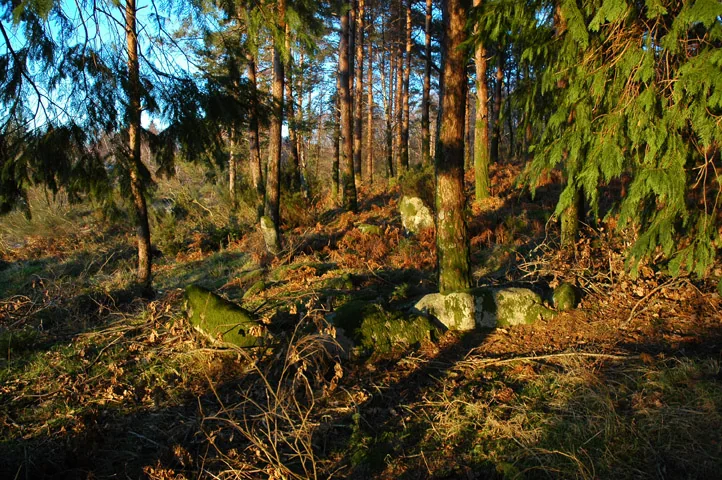
Remains of Aldeia Velha de Toninha.
Source: Carta Arqueológica de Cabeceiras de Basto
Photograph date not stated.
Autoria da fotografia e licença de reutilização não identificadas na fonte.
ⓘ
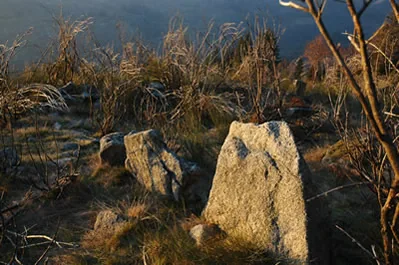
Remains of Aldeia Velha de Toninha.
Source: Carta Arqueológica de Cabeceiras de Basto
Photograph date not stated.
Autoria da fotografia e licença de reutilização não identificadas na fonte.
The remains of Toninha’s Aldeia Velha tell of another time.
Text size
Your choice is saved only in this browser.
At Aldeia Velha de Toninha, the municipal inventory proposes occupation between the 13th and 16th centuries. It compares the building remains with other mountain settlements, including examples at Lindoso and the abandoned village of Juriz in Montalegre. The plague said to have driven residents away, however, belongs to popular tradition. These are different ways of understanding the place: comparing buildings and collecting memories.
A third clue is the Inquiries of 1258. The inventory suggests that the settlement may correspond to one of the ten farmsteads then attributed to Juguelhe. This is a probable identification presented by the author, not a demonstrated equivalence. Comparisons with other places help formulate that interpretation.
Imagine three cards on a table: the buildings, the 1258 document and the plague story. Each opens a different question. Which forms recur in other settlements? Which places appear in the document? What explanation did tradition pass down? Discovery begins by connecting those clues without confusing them.
Explore further: words and activities
Explore this story
Other clues in the territory
Open an option and choose the story.
Another story of settlement
Before Vilar, Vila Seca →Marks on the stone
The stone also kept drawings →When tradition tells a story
The voice he had built above →
Source and context
Municipality — Old village of Toninha: proposed chronology, parallels and inquiries of 1258
Accessed:
Carta Arqueológica de Cabeceiras de Basto — 15.19
Accessed:
Editorial summary; the date of consultation is not the date of the facts.