Pull, pierce and nail: making a clog
Credits and options
Photograph date not stated.
Individual photographer and reuse licence not stated by the source.
See 12 more photos and details
Credits and options
Photograph date not stated.
Individual photographer and reuse licence not stated by the source.
Credits and options
Photograph date not stated.
Individual photographer and reuse licence not stated by the source.
Credits and options
Photograph date not stated.
Individual photographer and reuse licence not stated by the source.
Credits and options
Photograph date not stated.
Individual photographer and reuse licence not stated by the source.
Credits and options
Photograph date not stated.
Individual photographer and reuse licence not stated by the source.
Credits and options
Photograph date not stated.
Individual photographer and reuse licence not stated by the source.
Credits and options
Photograph date not stated.
Individual photographer and reuse licence not stated by the source.
Credits and options
Photograph date not stated.
Individual photographer and reuse licence not stated by the source.
Credits and options
Photograph date not stated.
Individual photographer and reuse licence not stated by the source.
Credits and options
Photograph date not stated.
Individual photographer and reuse licence not stated by the source.
Credits and options
Photograph date not stated.
Individual photographer and reuse licence not stated by the source.
Credits and options
Photograph date not stated.
Individual photographer and reuse licence not stated by the source.
Each tool solves a small part of the work.
Reading options
Your choice is saved only in this browser.
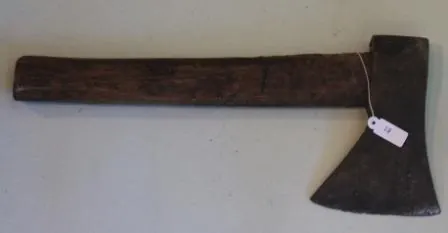
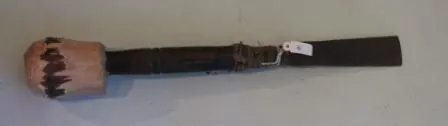
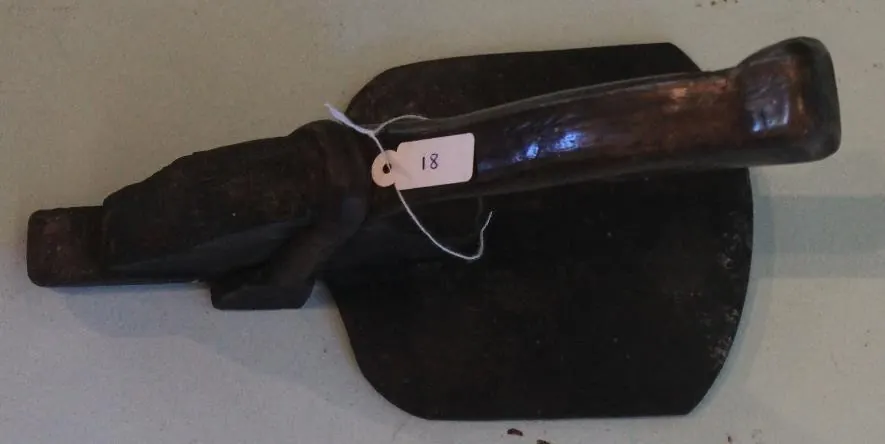
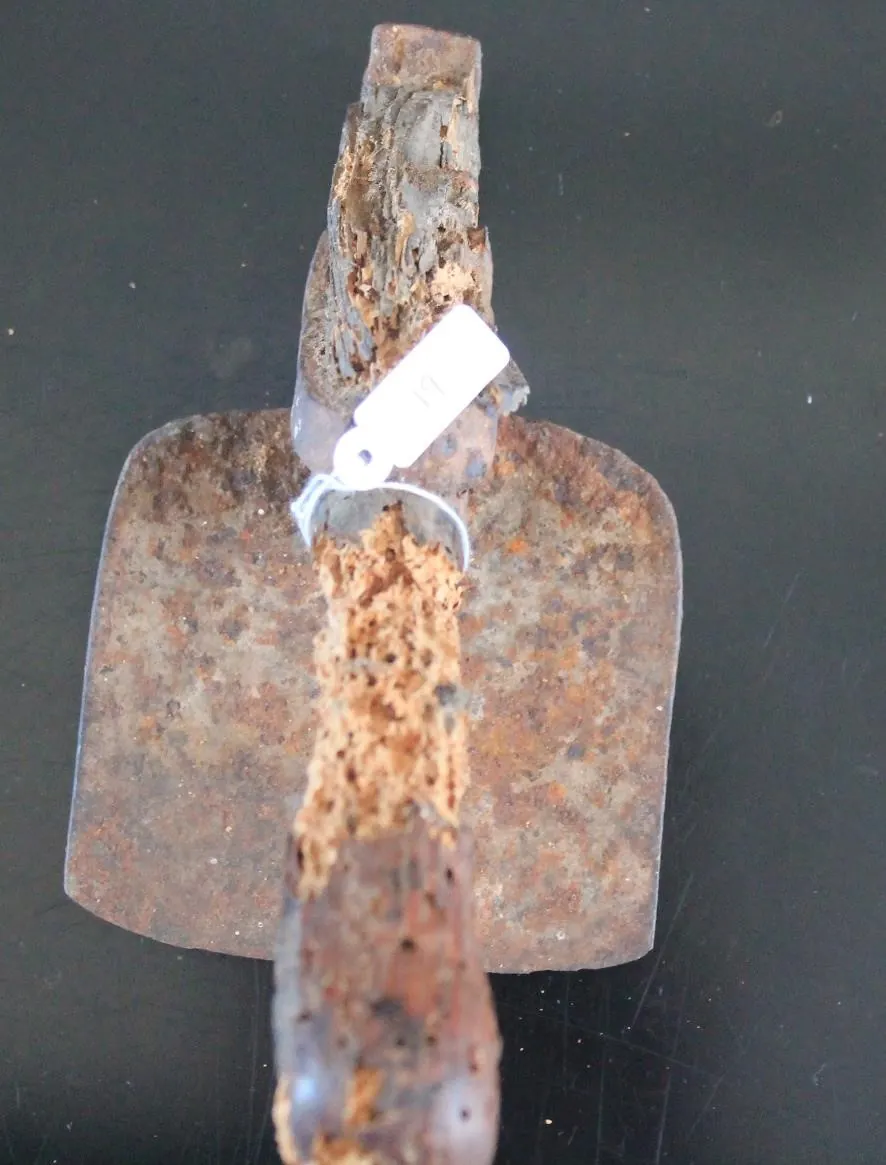
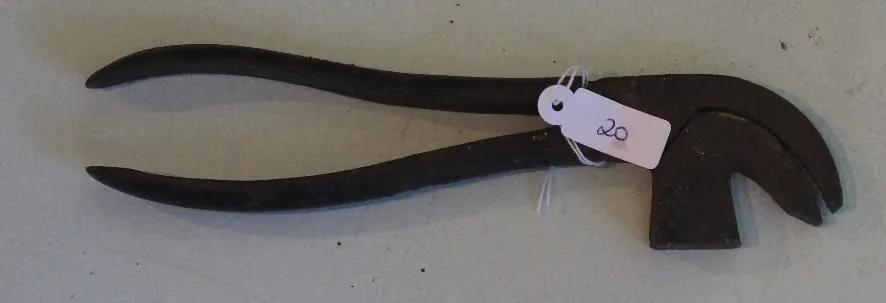
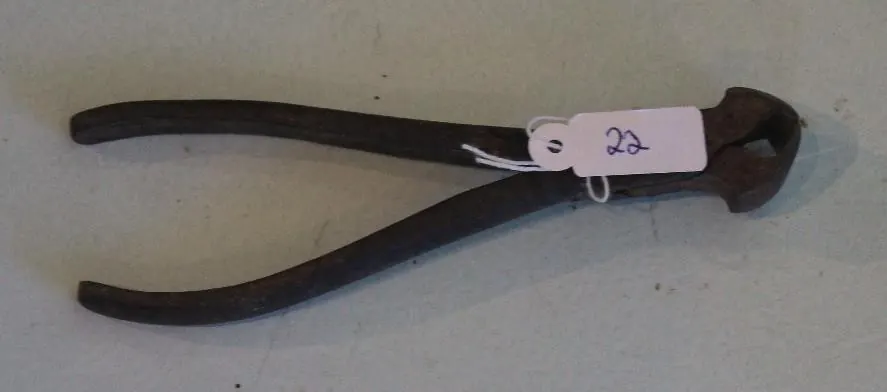
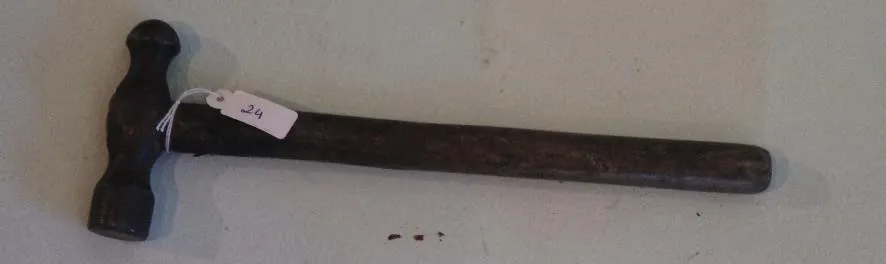
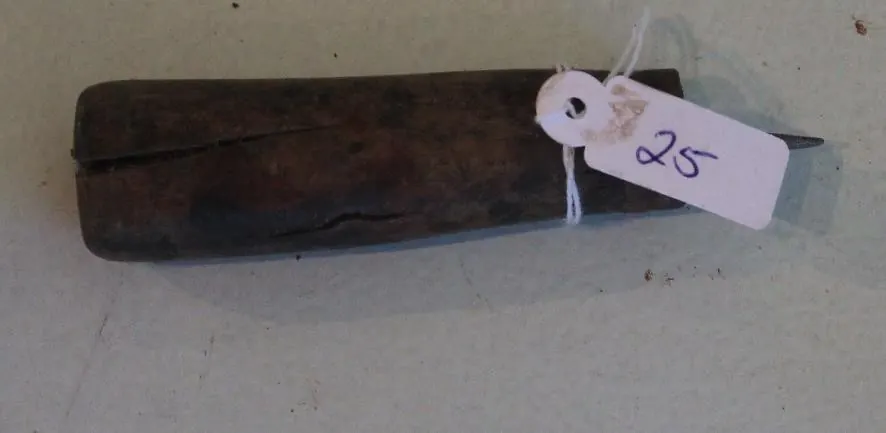
The Museu das Terras de Basto’s inventory preserves tools used by Manuel António Teixeira Leite. Pincers pulled leather onto the wooden sole; an awl opened nail holes; a hammer fixed the nails. And if a nail was misplaced? Pliers removed it. These objects allow working gestures to be reconstructed without turning the inventory into a workshop currently open to visitors.
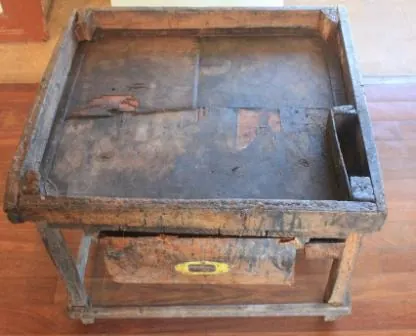
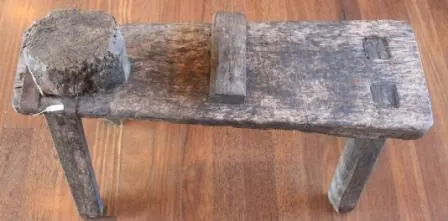
The inventory also preserves the setting for those gestures. The low worktable, called an ofício and recorded as T15, was used by Manuel António Teixeira Leite. Bench T14 had a thick plank and a small block supporting the wood during finishing. The workshop was a collection of supports and equipment as well as hand tools.
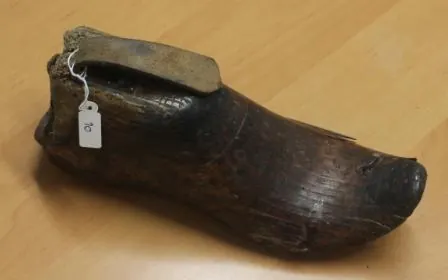
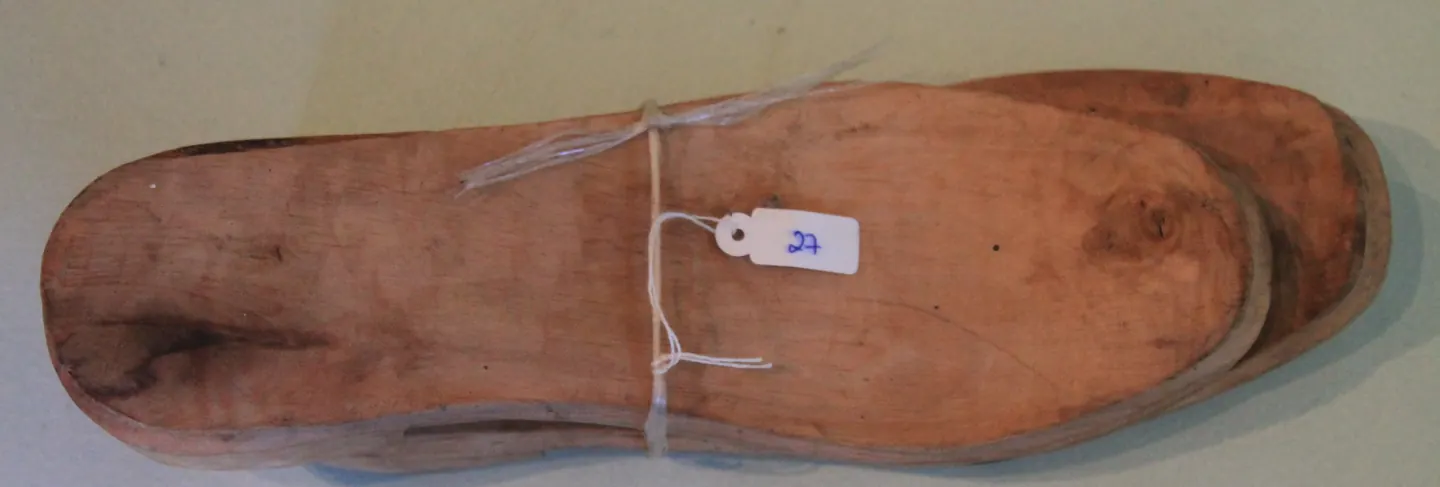
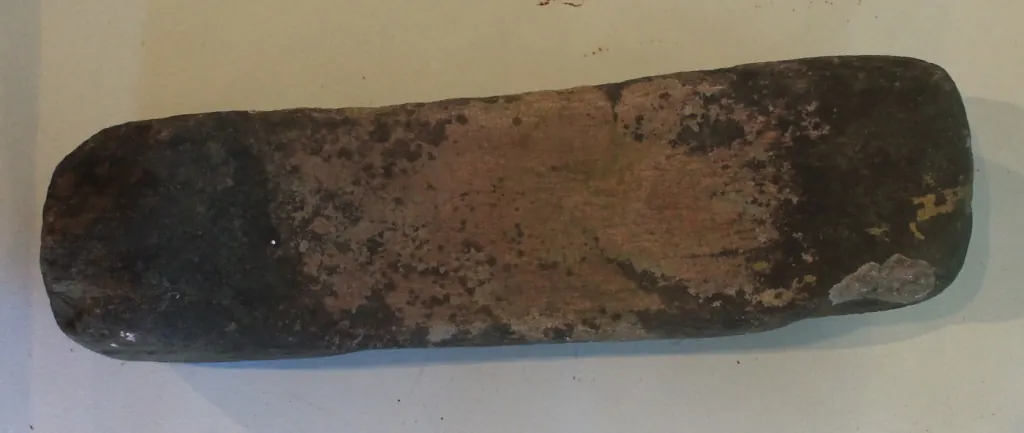
A sharpening stone, T33, recalls another task: caring for the knives. Making footwear included keeping tools ready to cut. The pair of wooden soles T27 was inventoried at an intermediate stage, with the wood shaped and ready to receive leather. The unfinished object helps reconstruct the production sequence.
Explore further: words and activities
Explore this story
Enters the history of the workshop
Open an option and choose the story.
From the tree to the wood base
Before the punch, a piece of alder →Learn by the Master
A craft learned alongside the master →From the fair to work in the fields
From fair to work in the field →
Source and context
Accessed: . Editorial summary; the date of consultation is not the date of the facts.