A bridge that earned praise
ⓘ
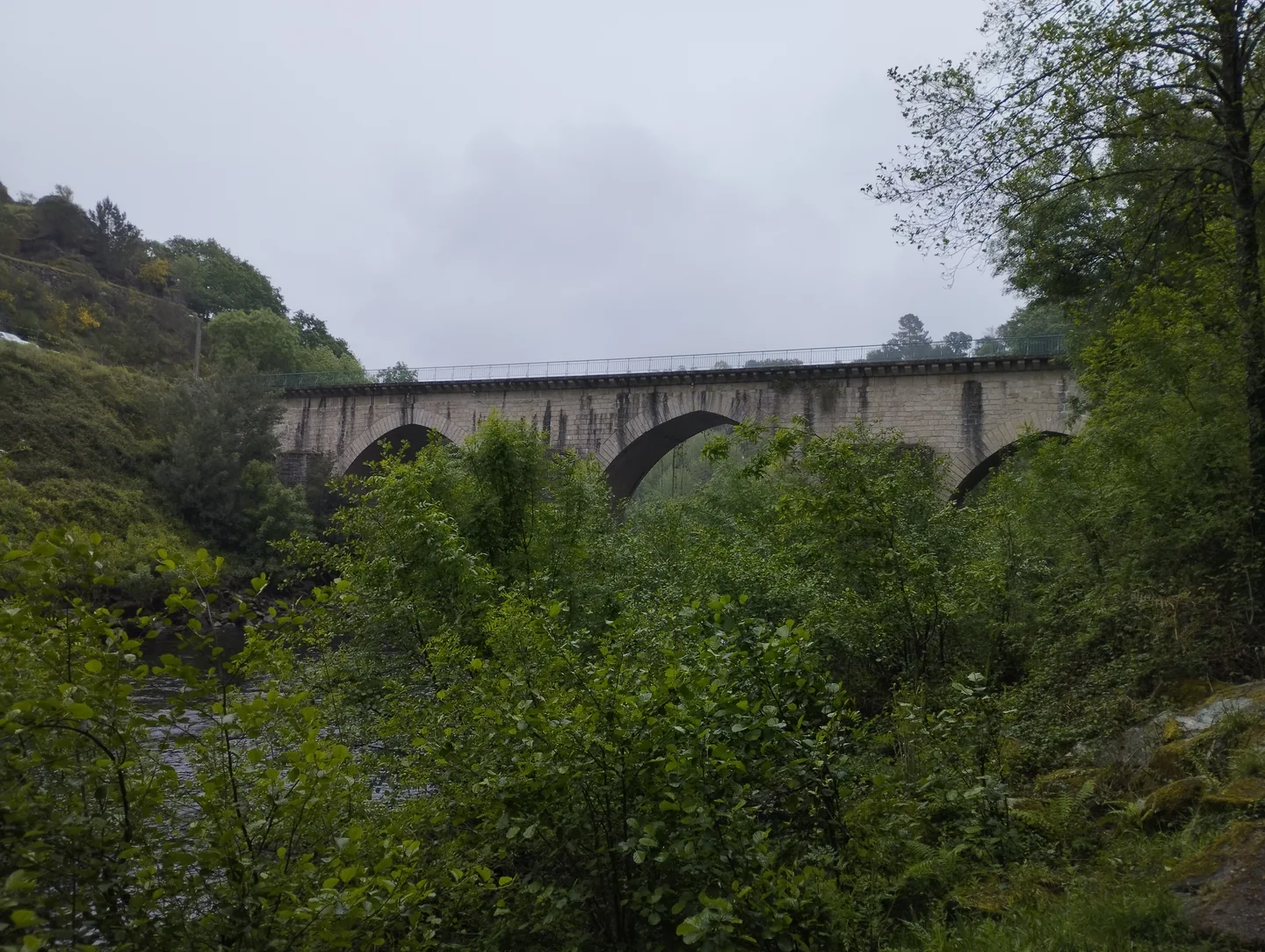
Arches of Ponte de Cavez seen from the riverbed.
Source: Museu das Terras de Basto
Photograph date not stated.
Individual photographer and reuse licence not stated by the source.
In 1758, Cavez’s Ponte Grande impressed the parish priest.
Text size
Your choice is saved only in this browser.
In the parish account, the Tâmega crossing is described as a large, well-worked stone bridge. The author even calls it the best on that river. The praise belongs to the writer’s viewpoint: it reveals the importance he gave the structure, without serving as a technical comparison of bridges.
In the same account, the Tâmega appears as a strong current, especially in winter. The document distinguishes crossing the water from using it: it describes mills and explains that the river ran too deep to irrigate the fields along that stretch. The bridge can be read within these relationships among banks, movement and work.
Notice the difference between observing a structure and judging it. The bridge’s existence is information; calling it the best is an assessment. Both tell us about the past, but answer different questions.
Explore further: words and activities
Explore this story
Two shores, several stories
Open an option and choose the story.
Water to move mills
A river that moved but did not water →The look at the shore of Atei
The work was seen on the other margin →The bridge over time
Five arches, more than one time →
Source and context
Municipality of Cabeceiras de Basto — Parish memories of 1758: Cavez
Accessed: . Editorial summary; the date of consultation is not the date of the facts.