Discover this place
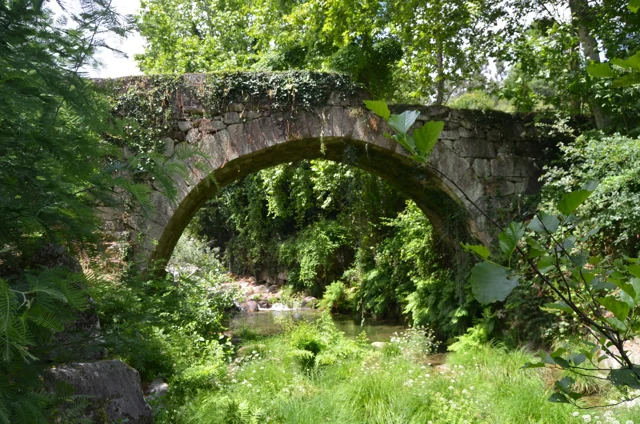
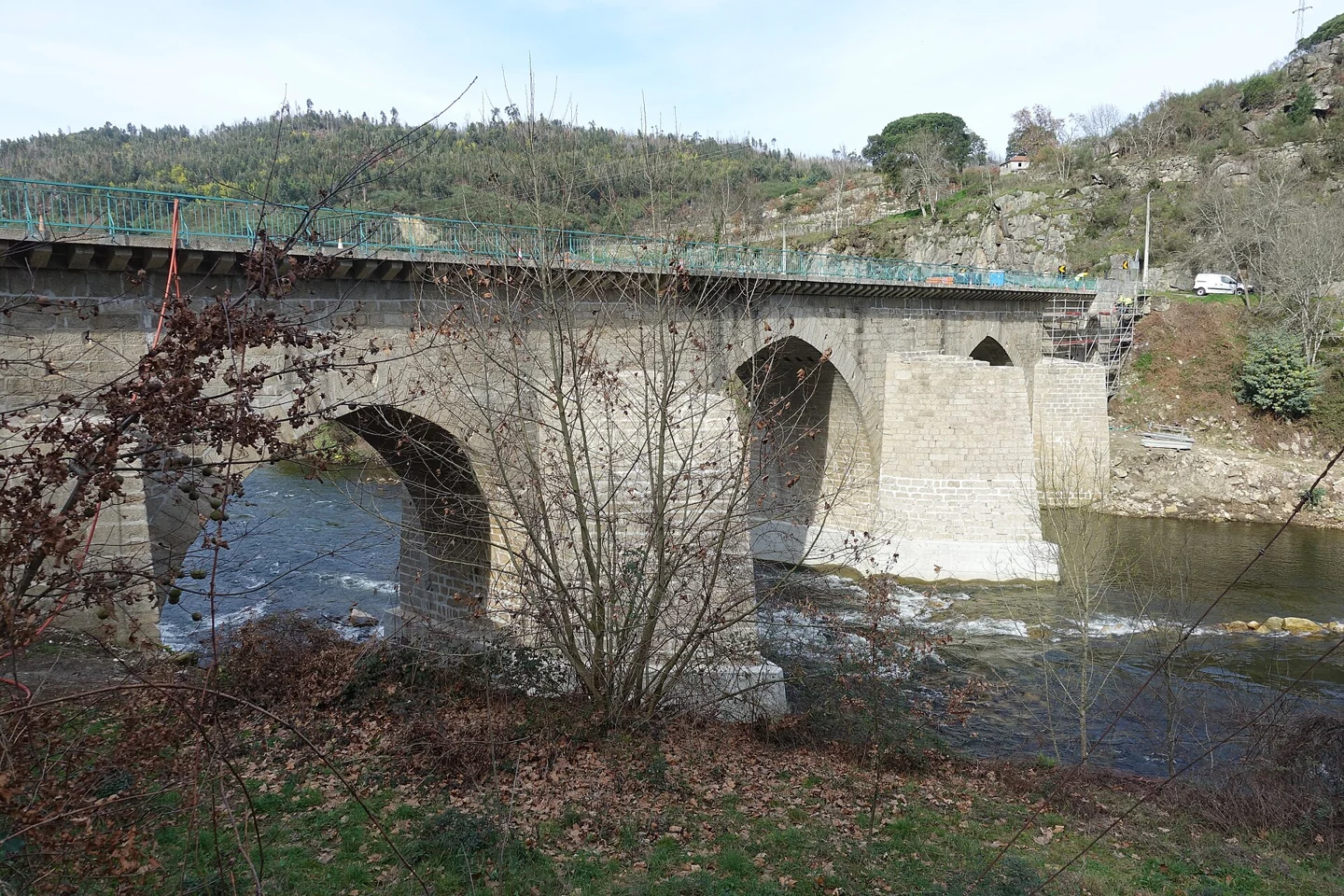
Five arches cross the Tâmega: three pointed to the center and two semicirculars near the banks. Ponte de Cavez holds marks from different times, not just from the moment it began to be built.
The Basto Land Museum places stone construction in the second half of the 13th century, in the medieval link between Braga and Vila Pouca de Aguiar, and attributes the initiative to Frei Lourenço Mendes. The same text associates works from the Philippine period to the landmark of 1599 and recalls the enlargement of the board in the 19th century. The bridge has been National Monument since 1910.
Tradition also tells a voice that sent the builders to look for another place, further up the river. This narrative belongs to the legend of Saint Bartholomew. The documented arches and changes allow another discovery: to observe how an ancient crossing was adapted over the centuries.
Sources and updates
Main source consulted in 03/11/2026.
Consult 4 sources and review register
- Main source
- PDM 2026 — page 89
- Photography — author, date and individual license on Commons
- Basto — Ponte de Cavez, 27/02/2022; consultation of 08/11/2026
Publication at that source: Unidentified. Registered documentary verification: 2026-11-03.
Method recorded in that review: Documental review of the file collected in 03/11/2026; no new online consultation, contact with the entity or visit to the field. Documentary photographic review in 04/11/2026: Individual description Commons identifies Ponte de Cavez; visually revised object related to the official tourist record. No visit to the site or confirmation of current access conditions.
Editorial review: 2026-11-08. The editorial review is neither a visit to the site nor a real-time update. Additional times and sources may have their own consultation dates, indicated in the form.
Did you find any different information? Suggest correction
Share, save and print
Address, contacts and time information to paste a message or notes.