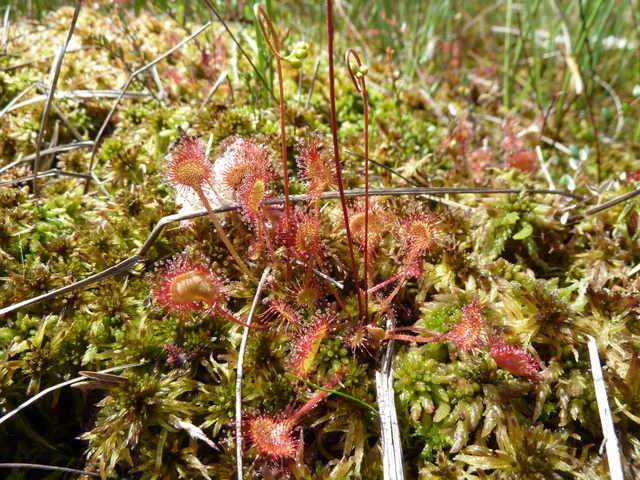
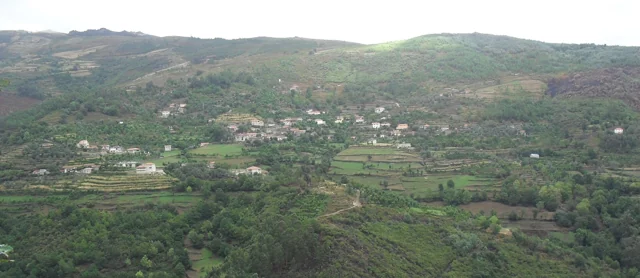
In a lichen, a fungus is associated with an algae or cyanobacteria capable of photosynthesis. The photosynthetic partner provides nutrients; the fungus helps protect it from dryness and radiation.
The University of Évora describes crusty, leafy and fruity forms, among others. It is a new way of repairing surfaces and textures without confusing a color with an identification. This reading explains the biology of lichens; it does not constitute an inventory of species confirmed in Cabeceiras.
Reproduction can also transport the partnership: lichen fragments can disperse the two partners together. The fungus spores need to find a photosynthetic partner to form a new lichen.
The shapes may remember a crust, cut leaves or small shrubs. They are words to describe the appearance, with limits that are not always rigid. The lichens are also not moss: these are plants, while the lichens are classified with fungi.
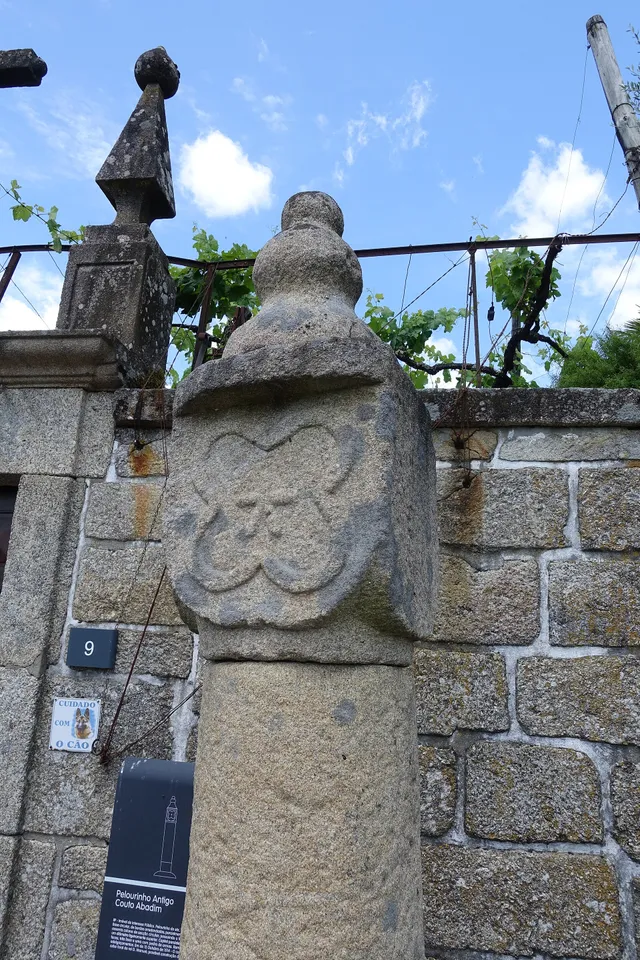
Support also deserves attention: lichens can grow on rocks, shells, soil and artificial surfaces. The University of Évora explains that identification crosses the look with the substrate and habitat; sometimes requires microscopy or other specialized methods. A photograph can record the encounter without solving the name.
Another facet is the study of air. Lichens can accumulate compounds from the atmosphere and are used as bioindicators or biomonitors. The presence of a spot on a wall does not allow, by itself, to classify the air quality of a village. This conclusion requires an appropriate study, as the evaluation of a river combines different observations.