When sheet metal took shape
ⓘ
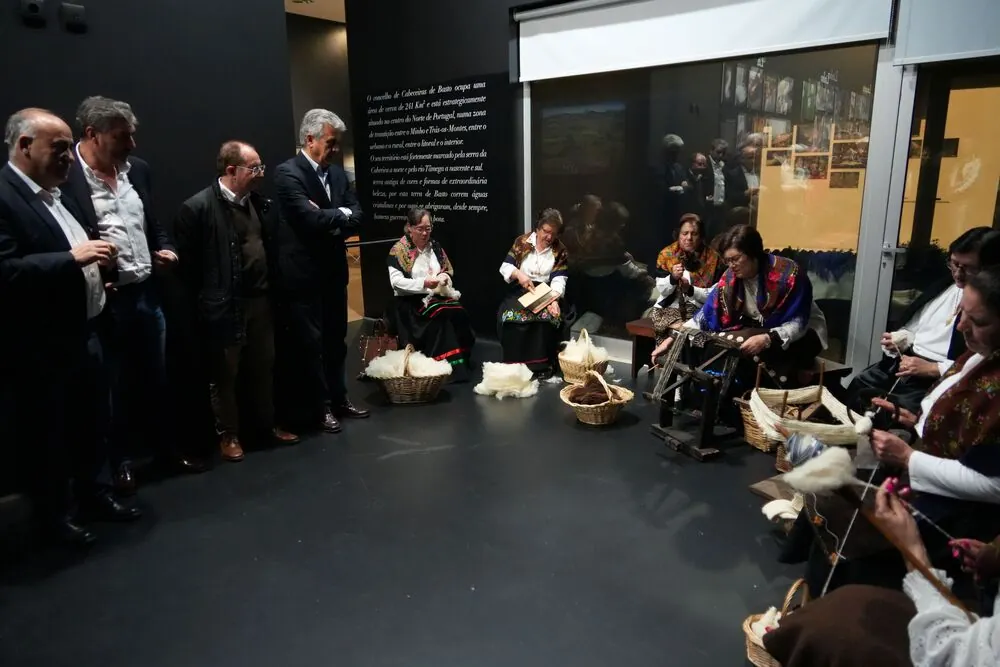
The Arts and Crafts gathering at Casa do Tempo, documented by the municipality in April 2025.
Source: Municipality of Cabeceiras de Basto
Photograph date not stated.
Individual photographer and reuse licence not stated by the source.
ⓘ
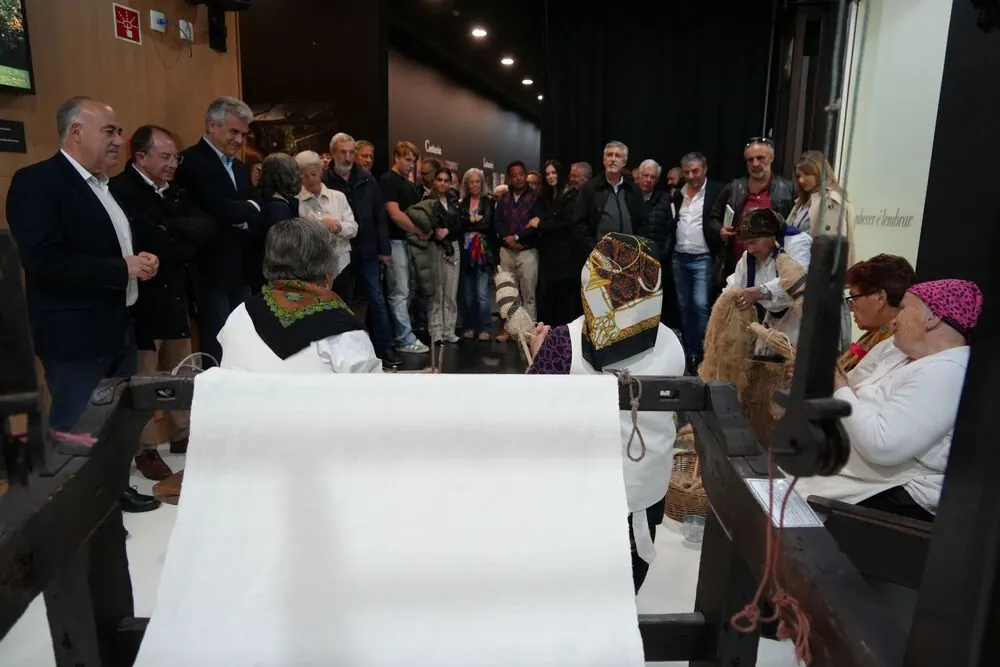
The Arts and Crafts gathering at Casa do Tempo, documented by the municipality in April 2025.
Source: Municipality of Cabeceiras de Basto
Photograph date not stated.
Individual photographer and reuse licence not stated by the source.
ⓘ
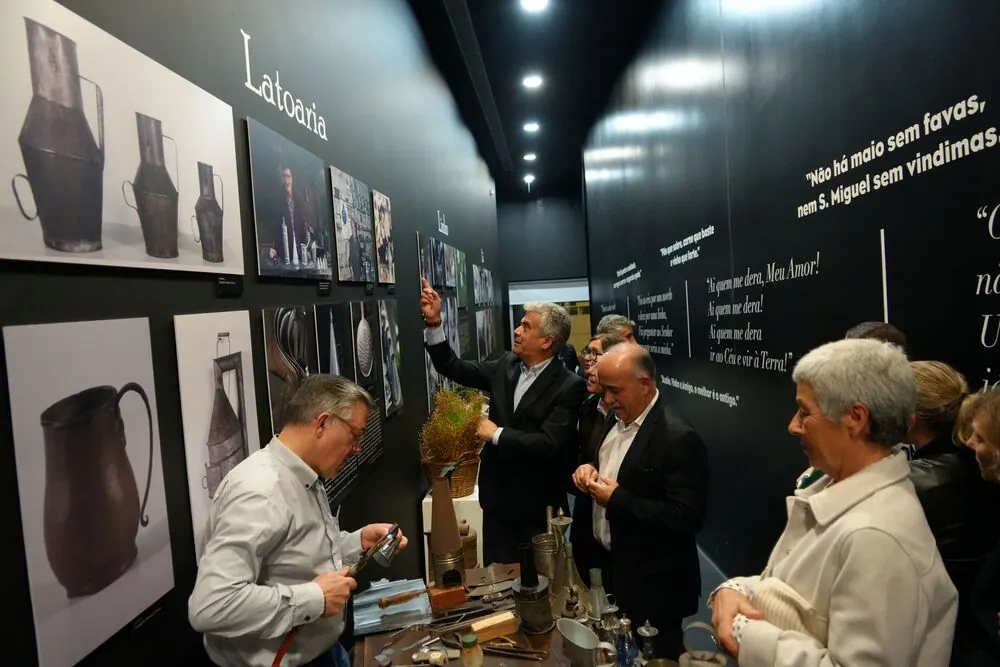
The Arts and Crafts gathering at Casa do Tempo, documented by the municipality in April 2025.
Source: Municipality of Cabeceiras de Basto
Photograph date not stated.
Individual photographer and reuse licence not stated by the source.
ⓘ
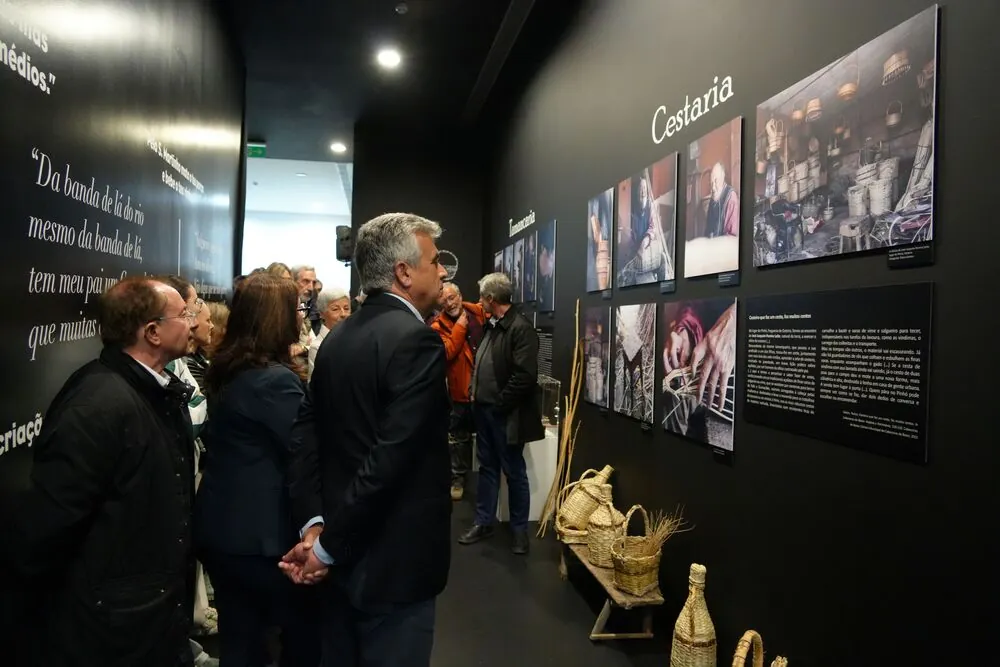
The Arts and Crafts gathering at Casa do Tempo, documented by the municipality in April 2025.
Source: Municipality of Cabeceiras de Basto
Photograph date not stated.
Individual photographer and reuse licence not stated by the source.
The workshop supplied home, fields and fair.
Text size
Your choice is saved only in this browser.
João Pacheco in Arco de Baúlhe, and Luziário Pereira de Magalhães with his son António in Refojos, are central figures in the Museum’s research into tinsmithing. Luziário and António’s workshop stood in Beco dos Ofícios; the nearby fair was their main point of sale. Teresa Soeiro links the craft’s decline to the spread of aluminium and plastic.
The inventory connects this work with everyday actions: copper mug MTB 241 was used to make coffee, pitcher MTB 240 held water and oil lamps provided light. These functions are documented for identified pieces. Knowing the objects helps explain the workshop, but the collection does not confirm that these craftspeople or businesses remain active.
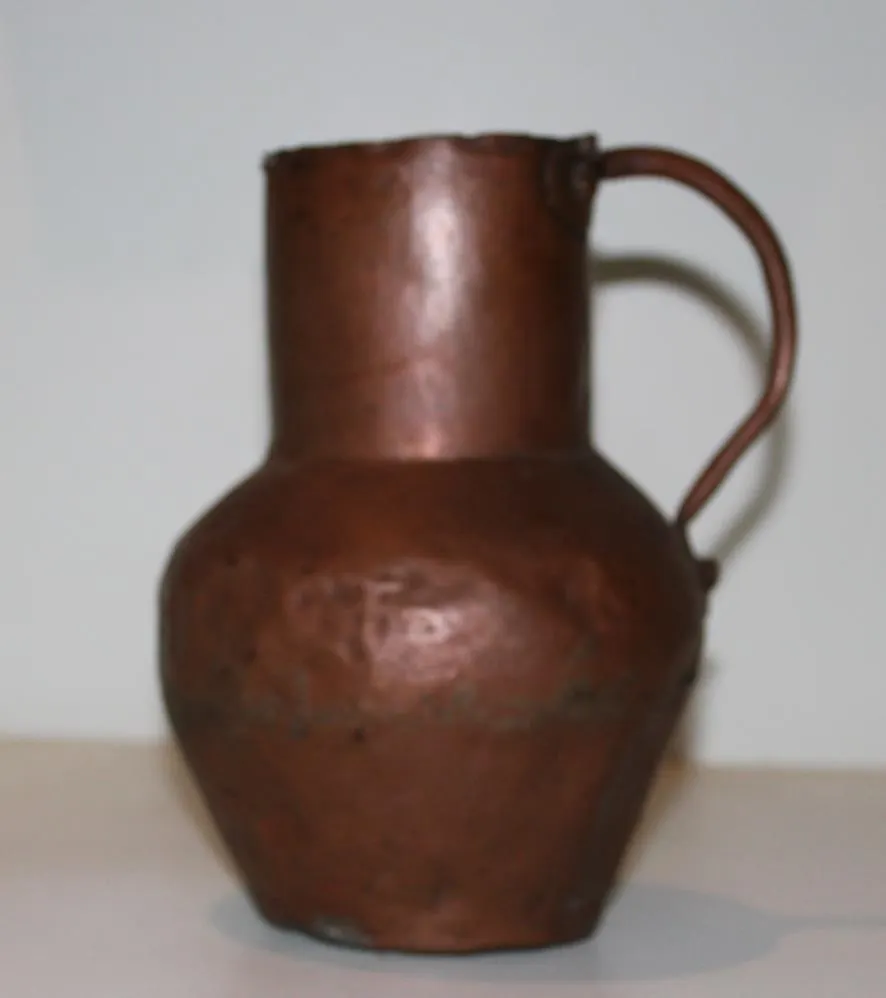
ⓘ
Water jug MTB 240
Source: Museu das Terras de Basto
Photograph date not stated.
Individual photographer and reuse licence not stated by the source.
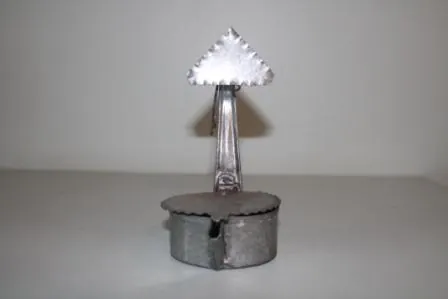
ⓘ
Lamp MTB 438 — inventory presented by the Terras de Basto Museum.
Source: Museu das Terras de Basto
Photograph date not stated.
Individual photographer and reuse licence not stated by the source.
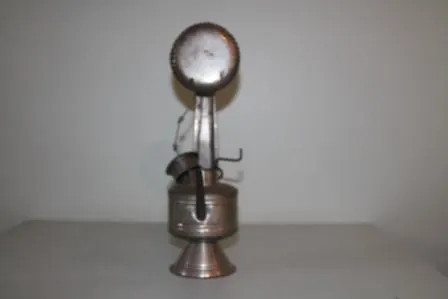
ⓘ
Tall lamp L 80 — inventory presented by the Terras de Basto Museum.
Source: Museu das Terras de Basto
Photograph date not stated.
Individual photographer and reuse licence not stated by the source.
Teresa Soeiro’s research led to the exhibition A Arte da latoaria em Cabeceiras de Basto, at the Museum’s premises in Arco de Baúlhe. The work traced the craft back to artisans who began using tinplate, known as ferro branco or folha-de-flandres, at the start of the Early Modern period. Recording the last professional careers was thus connected with a longer history of materials.
The objects reveal the variety of tasks: lighting a house, carrying wine, watering plants or storing oil for a locomotive. The craft spanned home, farming and transport. Comparing these functions reveals metalworking in actions that seem to belong to separate worlds.
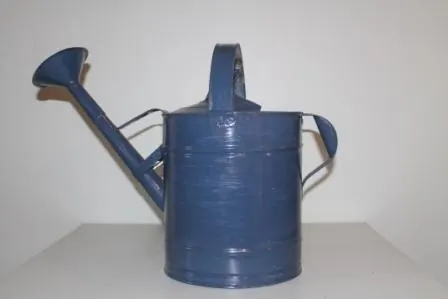
ⓘ
Watering can MTB 441 — inventory presented by the Terras de Basto Museum.
Source: Museu das Terras de Basto
Photograph date not stated.
Individual photographer and reuse licence not stated by the source.
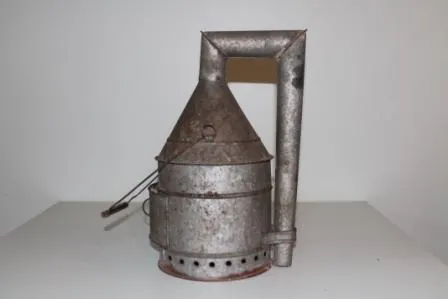
ⓘ
Sulphur burner L 26 — inventory presented by the Terras de Basto Museum.
Source: Museu das Terras de Basto
Photograph date not stated.
Individual photographer and reuse licence not stated by the source.
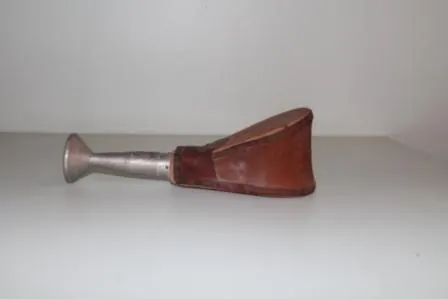
ⓘ
Sulphur applicator L 11 — inventory presented by the Terras de Basto Museum.
Source: Museu das Terras de Basto
Photograph date not stated.
Individual photographer and reuse licence not stated by the source.
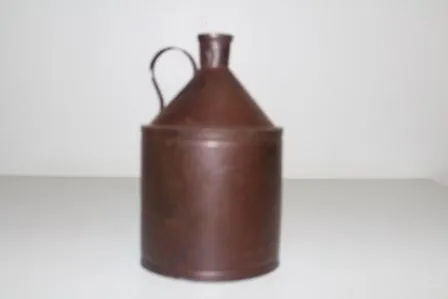
ⓘ
Petroleum container MTB 436 — inventory presented by the Terras de Basto Museum.
Source: Museu das Terras de Basto
Photograph date not stated.
Individual photographer and reuse licence not stated by the source.
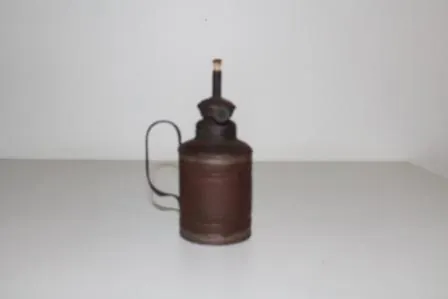
ⓘ
Lamp L 54 — inventory presented by the Terras de Basto Museum.
Source: Museu das Terras de Basto
Photograph date not stated.
Individual photographer and reuse licence not stated by the source.
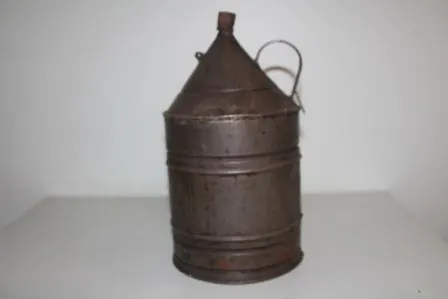
ⓘ
Oil container AB 295C — inventory presented by the Terras de Basto Museum.
Source: Museu das Terras de Basto
Photograph date not stated.
Individual photographer and reuse licence not stated by the source.
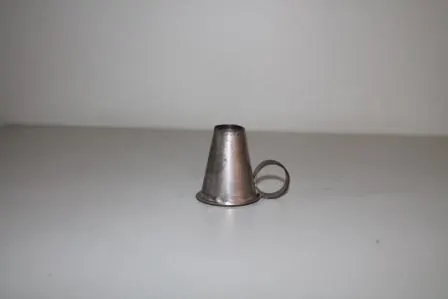
ⓘ
Sausage funnel L 65 — inventory presented by the Terras de Basto Museum.
Source: Museu das Terras de Basto
Photograph date not stated.
Individual photographer and reuse licence not stated by the source.
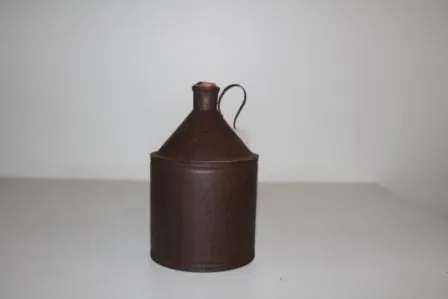
ⓘ
Petroleum container MTB 226 — inventory presented by the Terras de Basto Museum.
Source: Museu das Terras de Basto
Photograph date not stated.
Individual photographer and reuse licence not stated by the source.
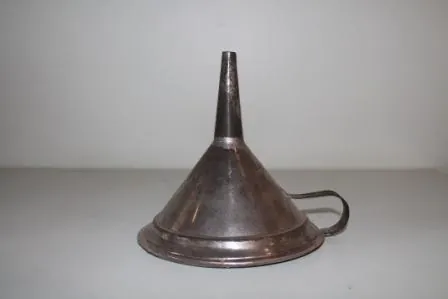
ⓘ
Wine funnel L 63 — inventory presented by the Terras de Basto Museum.
Source: Museu das Terras de Basto
Photograph date not stated.
Individual photographer and reuse licence not stated by the source.
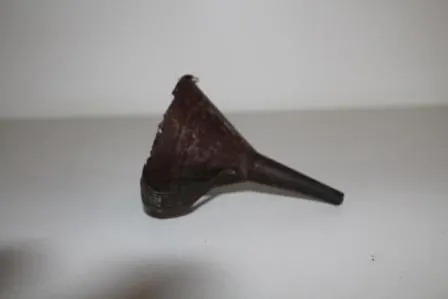
ⓘ
Funnel L 18 — inventory presented by the Terras de Basto Museum.
Source: Museu das Terras de Basto
Photograph date not stated.
Individual photographer and reuse licence not stated by the source.
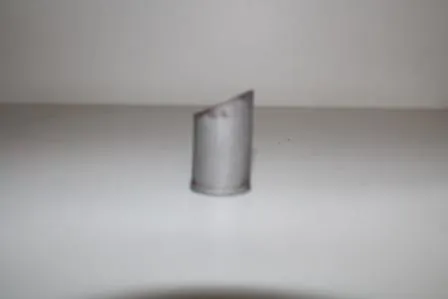
ⓘ
Grape-harvesting tool MTB 437 — inventory presented by the Terras de Basto Museum.
Source: Museu das Terras de Basto
Photograph date not stated.
Individual photographer and reuse licence not stated by the source.
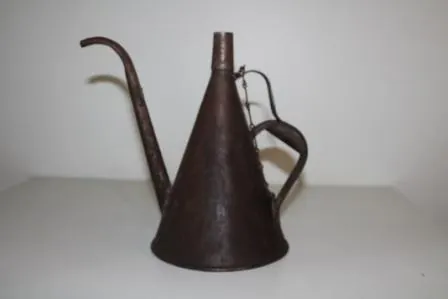
ⓘ
Oil cruet MSRM 88 — inventory presented by the Terras de Basto Museum.
Source: Museu das Terras de Basto
Photograph date not stated.
Individual photographer and reuse licence not stated by the source.
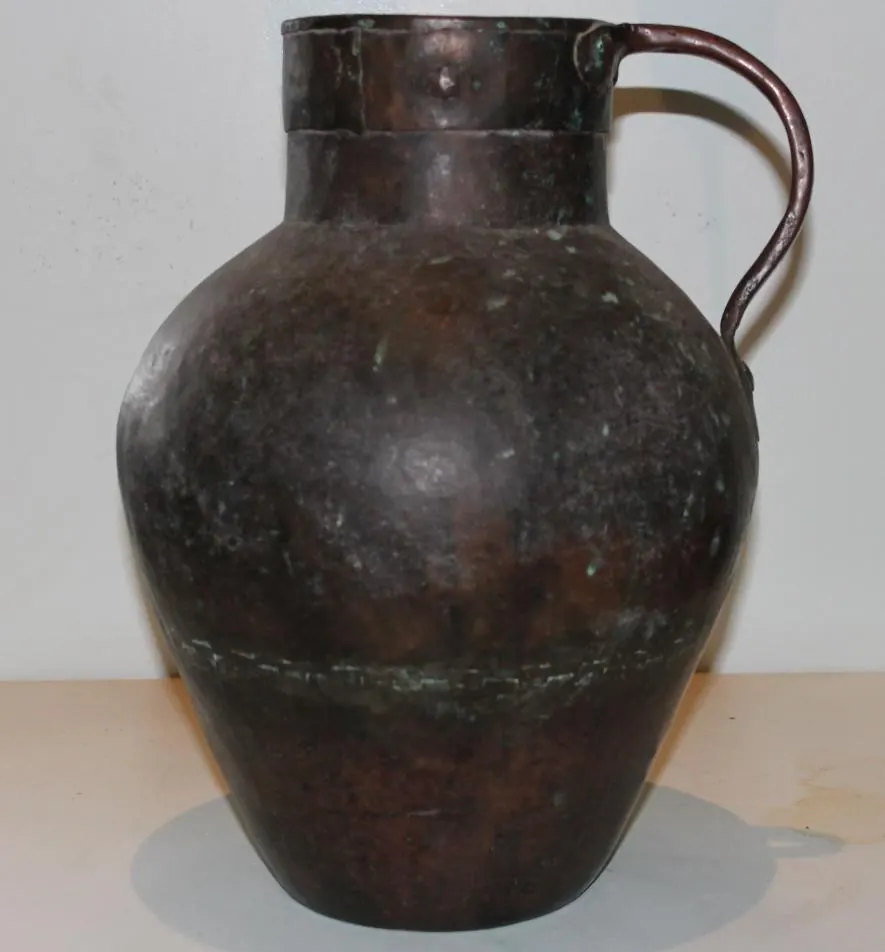
ⓘ
Jug MSRM 111
Source: Museu das Terras de Basto
Photograph date not stated.
Individual photographer and reuse licence not stated by the source.
Explore further: words and activities
Explore this story
What was the metal for?
Open an option and choose the story.
Enlighten the House
The light fit in a small piece →Bring water to plants
A blue sprinkler counts work →Measure and transport wine
Carry and measure in the same container →Support railway maintenance
A small rail helped take care of the train →Cut the clusters of the harvest
A “gum” for the vintage →
Source and context
Basto Land Museum — Latoaria, Teresa Soeiro text and inventory of pieces
Accessed: . Editorial summary; the date of consultation is not the date of the facts.