Heritage
ⓘMosteiro de São Miguel de Refojos
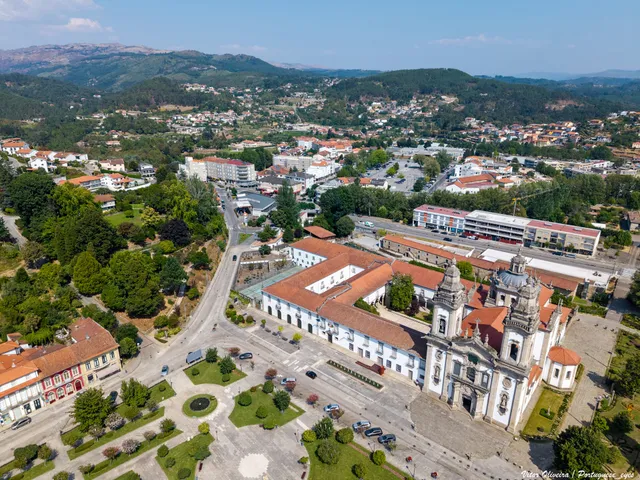
The Benedictine complex at the heart of Refojos and the history of Terras de Basto.
Refojos de BastoFrom the monastery to O Basto, every stop opens a story in Refojos.
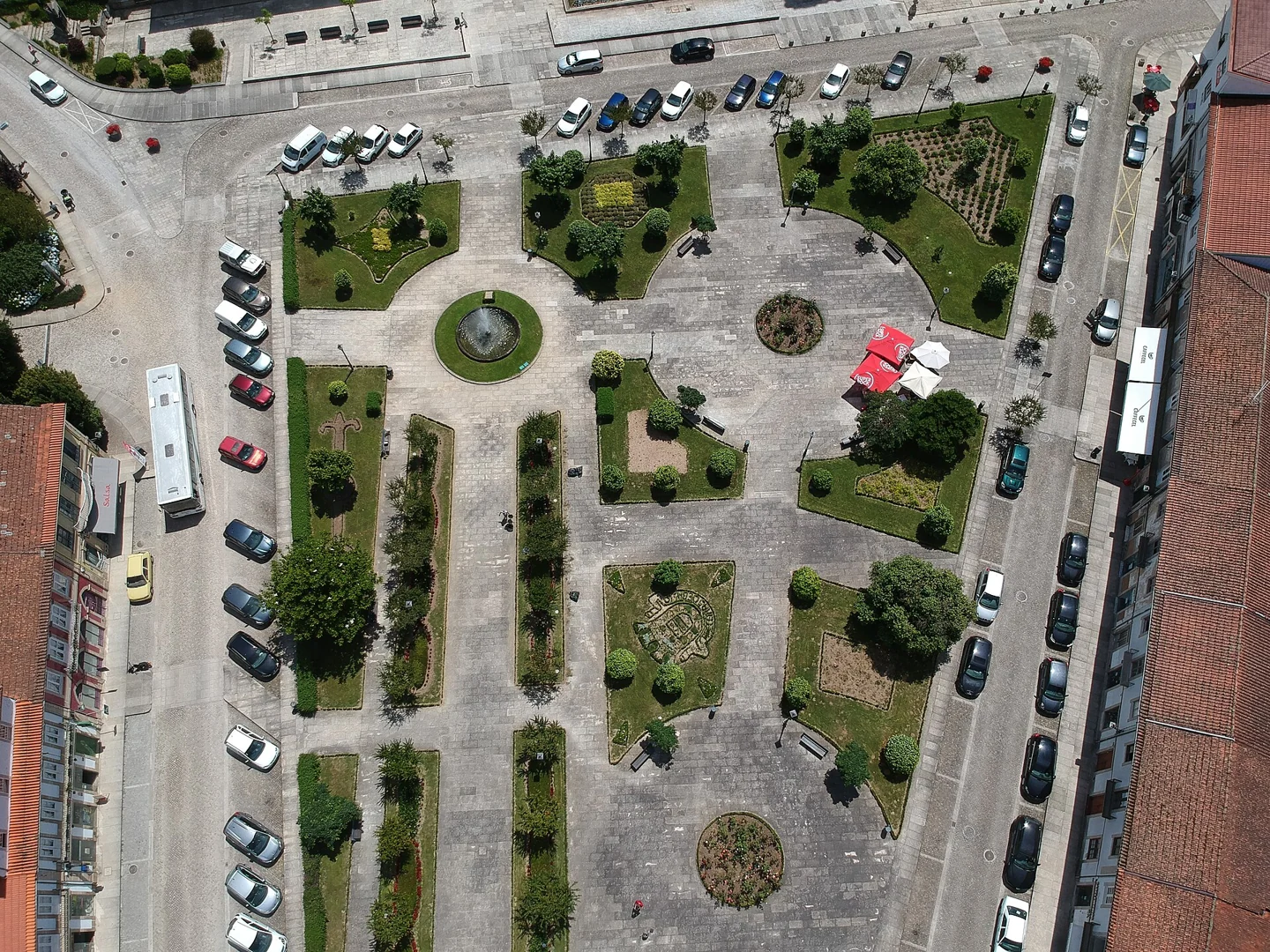
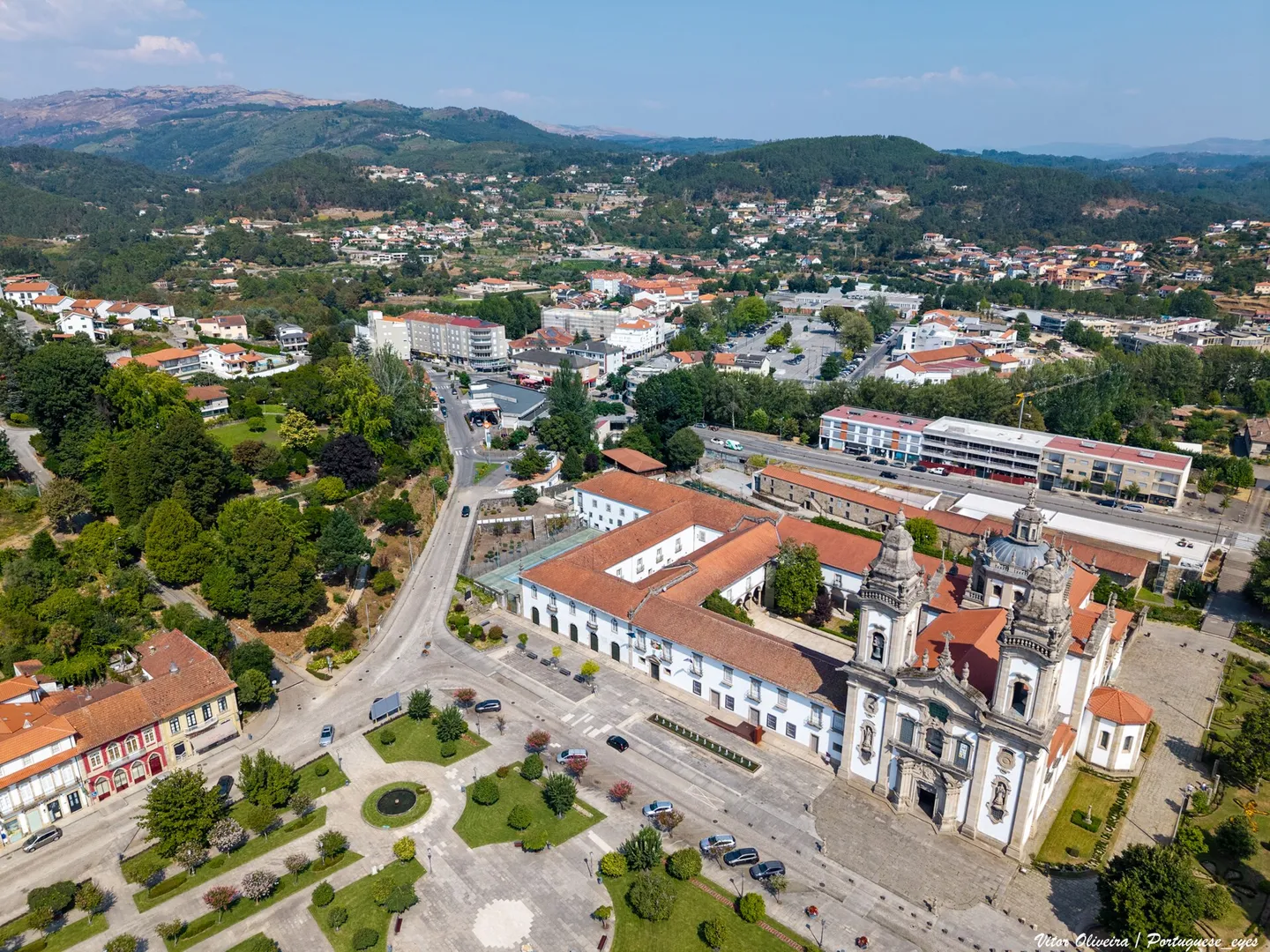
Aerial view of Praça da República in Refojos, with gardens, paths and streets around the monastery.
ⓘSwipe to see more places →
The Benedictine complex at the heart of Refojos and the history of Terras de Basto.
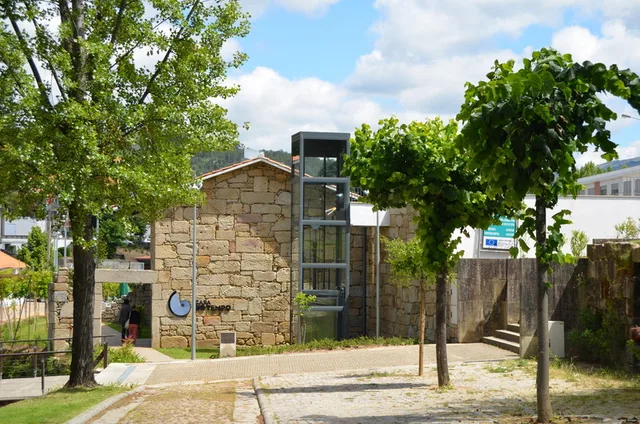
Refojos de BastoAn interpretation centre introducing the municipality’s history, territory and traditions.
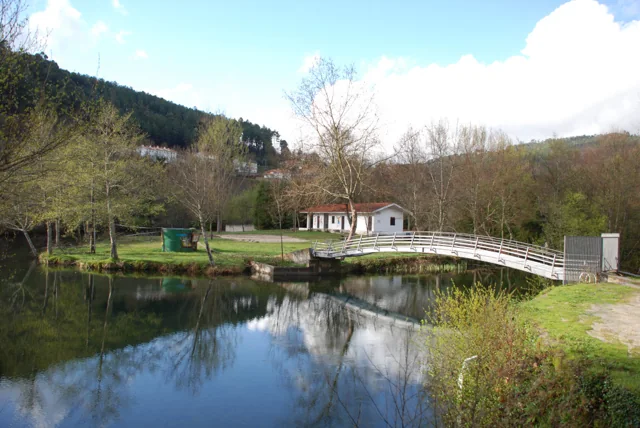
Refojos de BastoA pause beside the Rio de Ouro in Refojos. Discover Poço do Frade and check conditions before planning your visit.
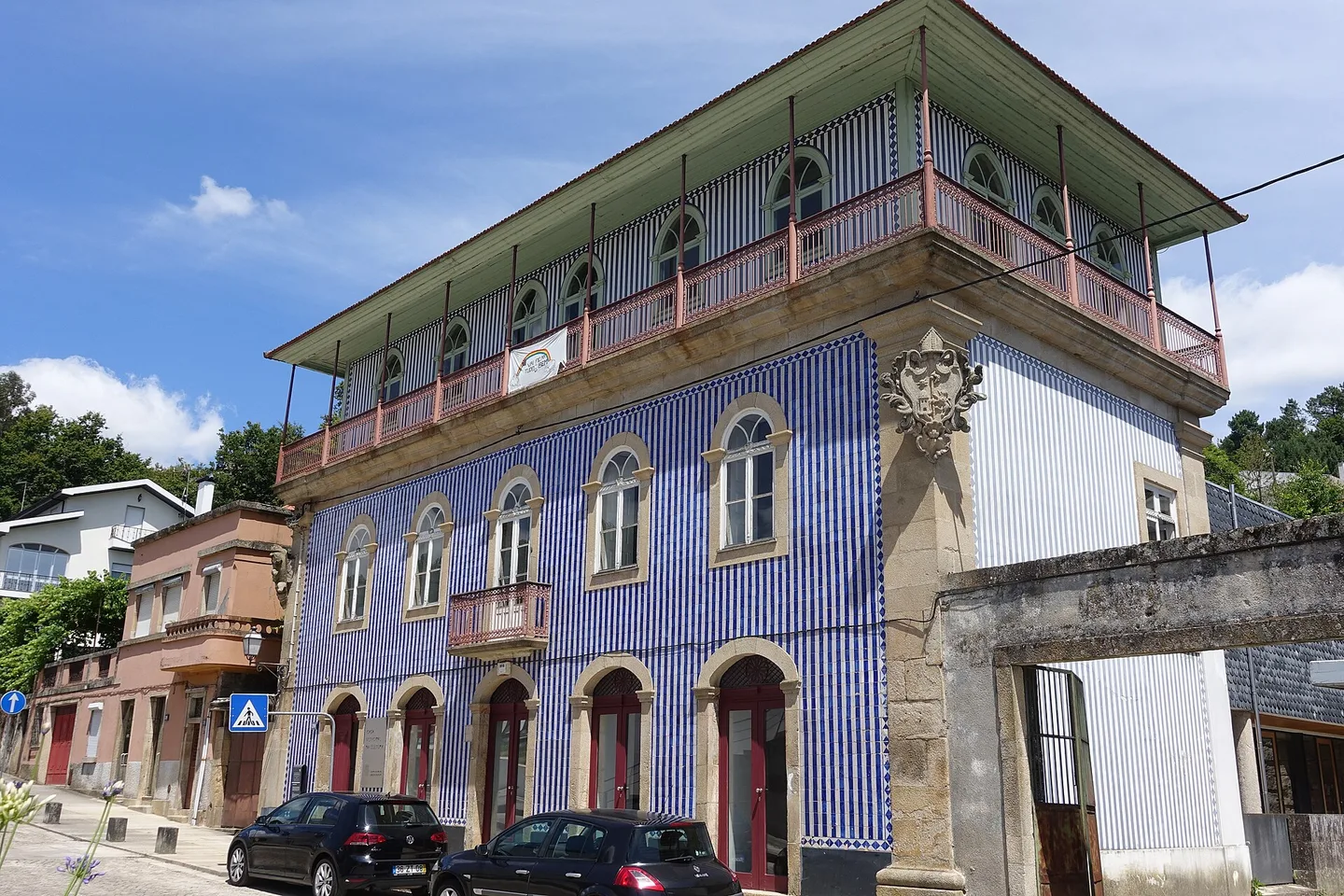
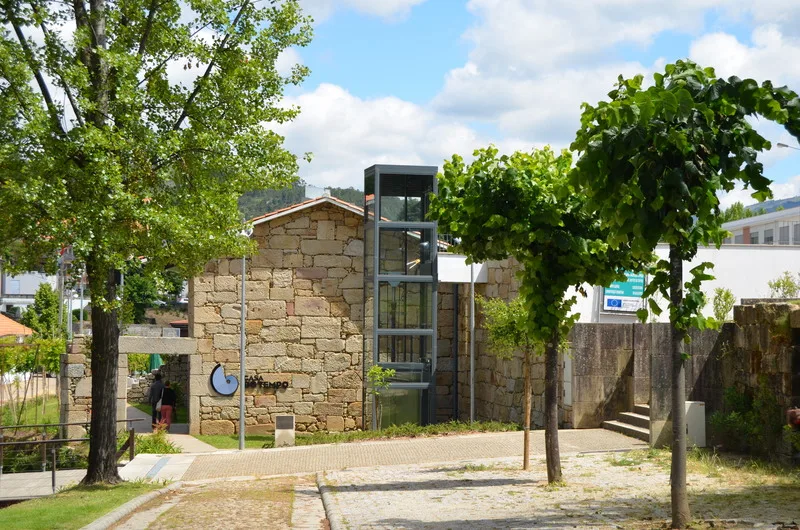
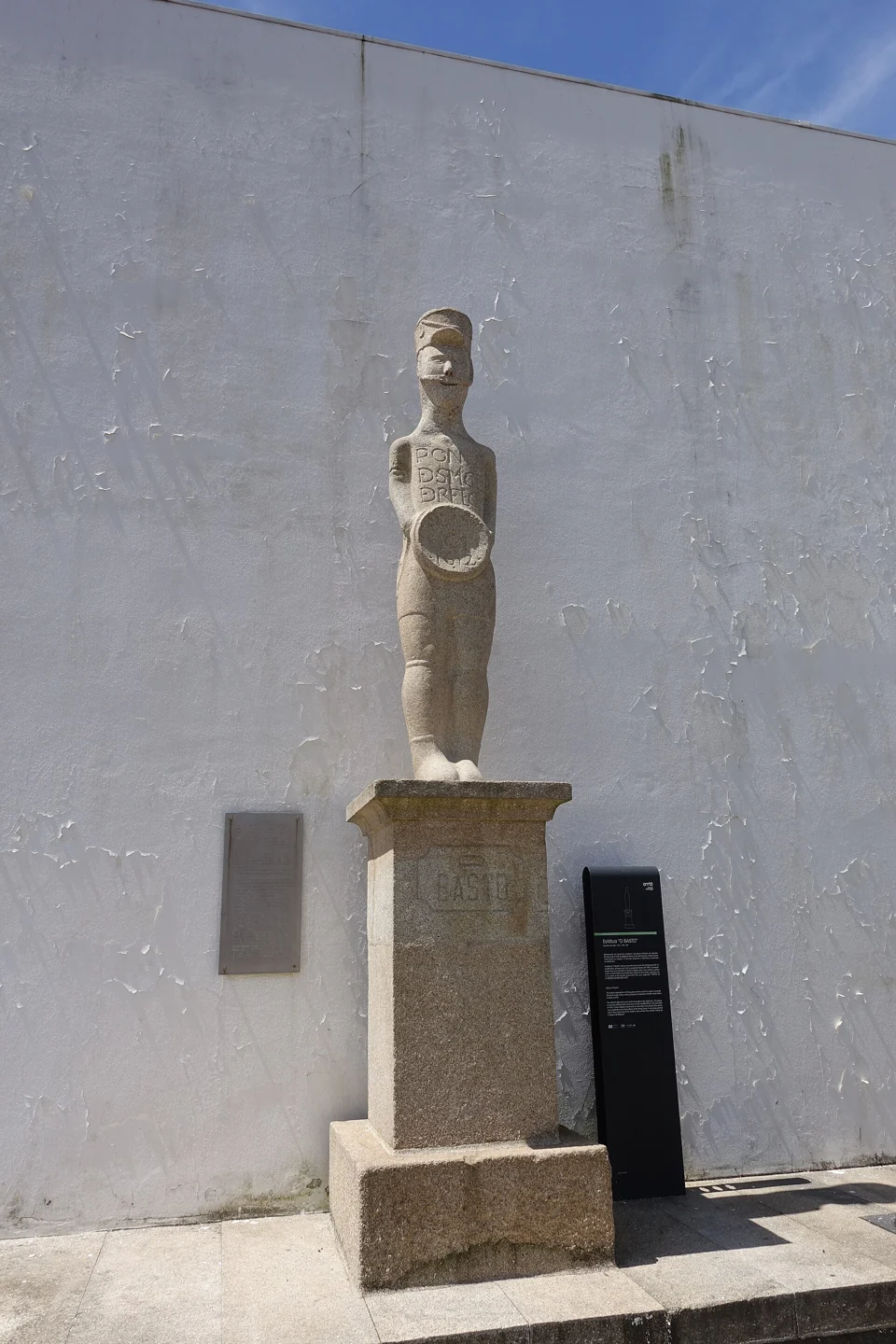
Refojos de BastoFrom the monastery to O Basto, every stop opens a story in Refojos. Around Praça da República, the Monastery of São Miguel marks the historic centre. The statue of O Basto, the pillory, Casa do Barão and Casa do Tempo invite you to keep exploring. The São Miguel festivities bring together a fair, devotion and community gatherings.
In the town that serves as the municipal seat, the Monastery of São Miguel and Praça da República provide a starting point for discovering Refojos de Basto. The Baroque church, dome, carved woodwork, organs and cloisters preserve different phases of its history. The monastic complex is documented in the early twelfth century, although its exact foundation date is unknown.
The 1758 parish account describes Refojos as a domain of the monastery’s abbot. The dissolution of the religious orders in 1834 changed the uses of the complex and the relationship between the former monastic enclosure and the town. The town hall, Casa do Barão and cultural interpretation spaces offer ways to explore this urban transformation further.
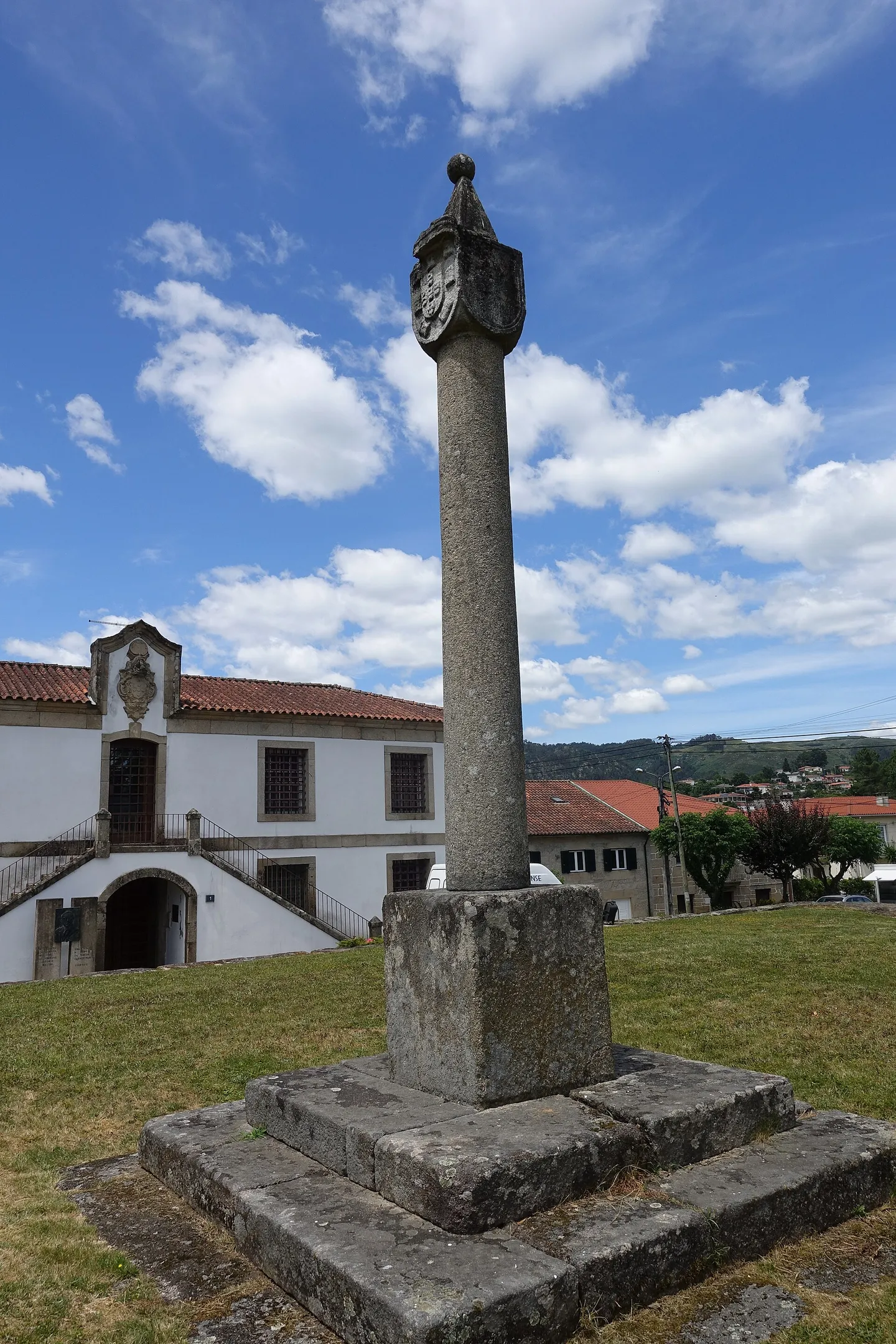
The statue of O Basto is a local symbol associated with the legend of Hermígio Romarigues and the defence of the monastery. The legend is distinct from the sculpture’s material history. The São Miguel festivities combine devotion, a fair and regional gatherings. Refojos became a separate civil parish again in 2025; it should not be confused with the parish of Cabeceiras de Basto, known as São Nicolau.
The 1758 account of Refojos describes the São Miguel fair from 28 to 30 September, with stall fees paid to the monastery and involvement by the abbot and officials. It also identifies the postal service at Raposeira. The document reveals commercial, administrative and communication functions close to the monastic centre. Its dates should not be used as an announcement of a current edition of the festivities.
The same account places the confluence of streams from Rio Douro and São Nicolau at Ponte de Pé, and mentions irrigation, weirs and mills. Central Refojos belonged to a network of settlements and farmland, extending beyond the monastery square. The tinworking, leatherwork and cooperage mentioned by the municipality add trades to our understanding of the town. The aerial image of the square shows the centre, not the entire parish.
Refojos de Basto · Raposeira · Santa Comba · Praça da República
Discover the municipality’s history
A selection of places in the parish, with room to grow.
Main source consulted in 04/11/2026.
Publication at that source: Unidentified. Registered documentary verification: 2026-11-04.
Method recorded in that review: Documental review in 04/11/2026 of the municipal pages, historical transcripts and references indicated. Uncollated manuscripts. Archivistic descriptions, studies of oral tradition and dated observations are identified. Visually revised photographs from the Commons file consulted in 03/11/2026; camera position does not equal the survey of the object.
Editorial review: 2026-11-06. The editorial review is neither a visit to the site nor a real-time update. Additional times and sources may have their own consultation dates, indicated in the form.
Found different information? Suggest correction
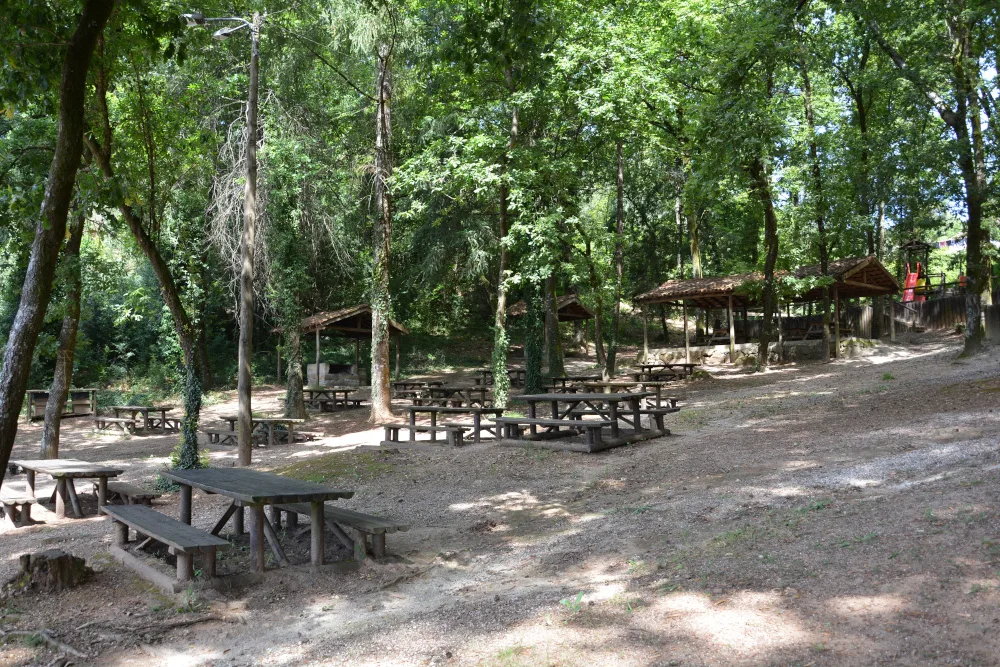

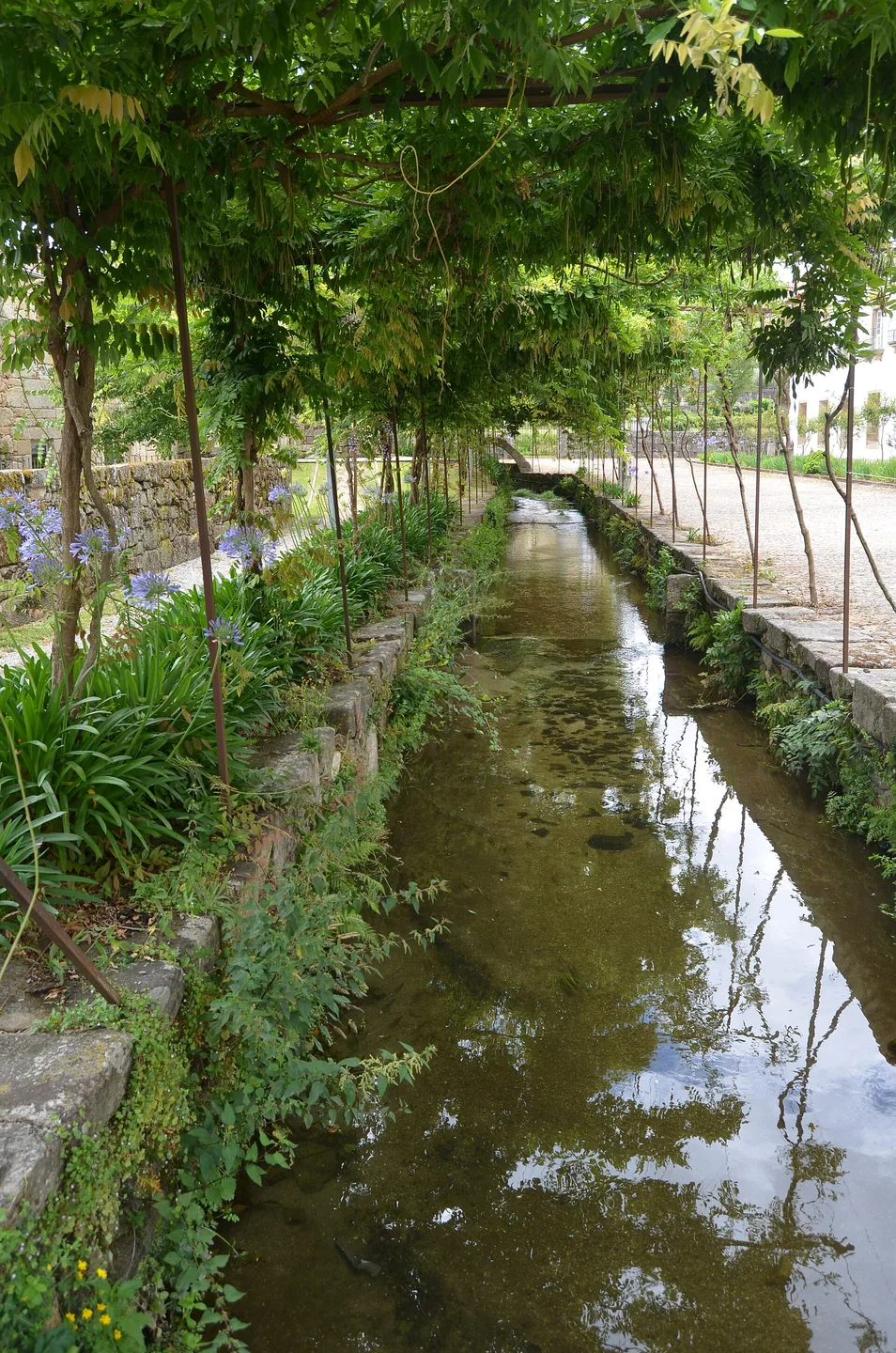
Water and vegetation beneath a pergola in the Refojos area.
Photography: Pedro from Maia (Porto), Portugal · CC BY 2.0
Date given at source: .
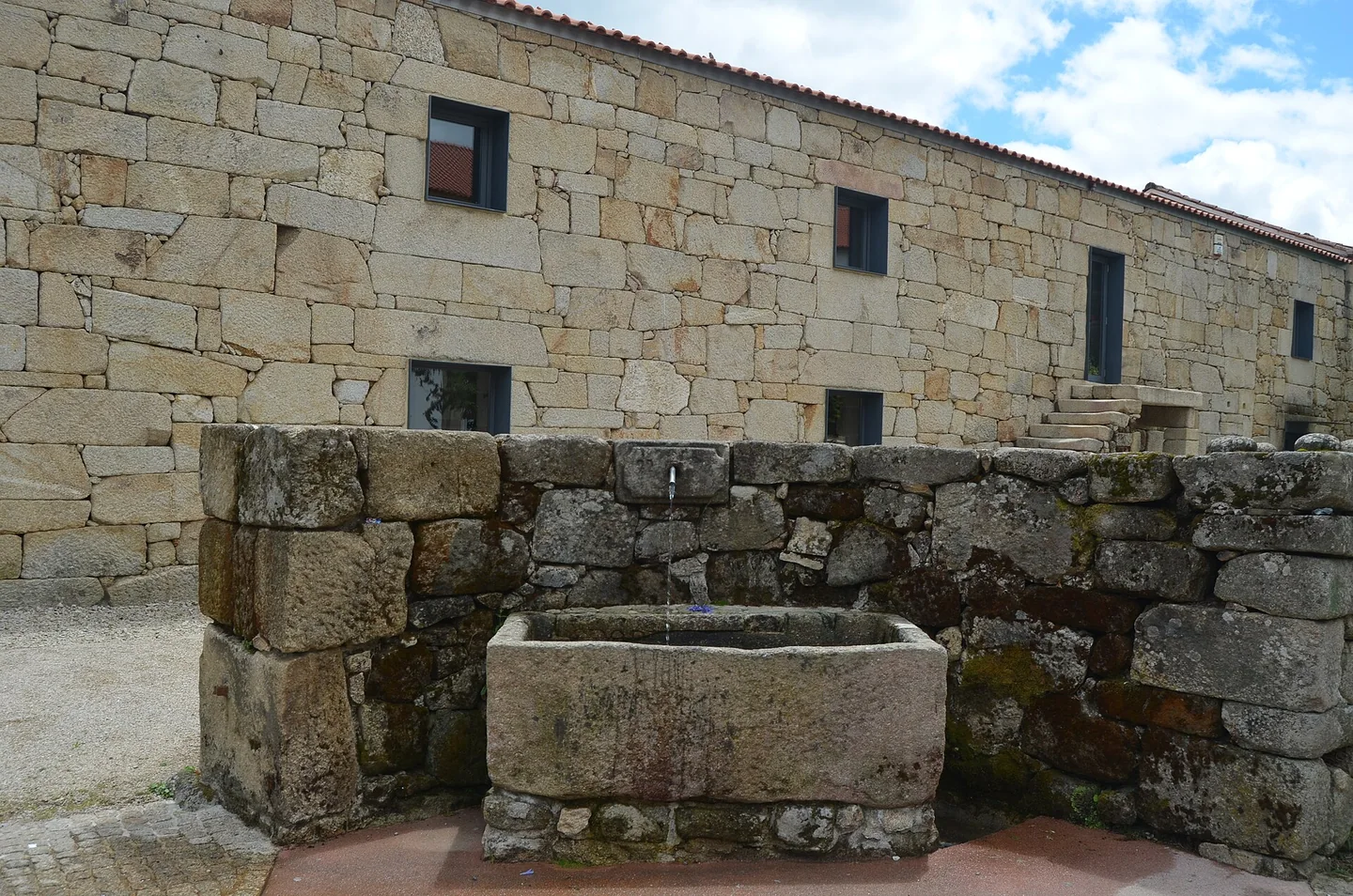
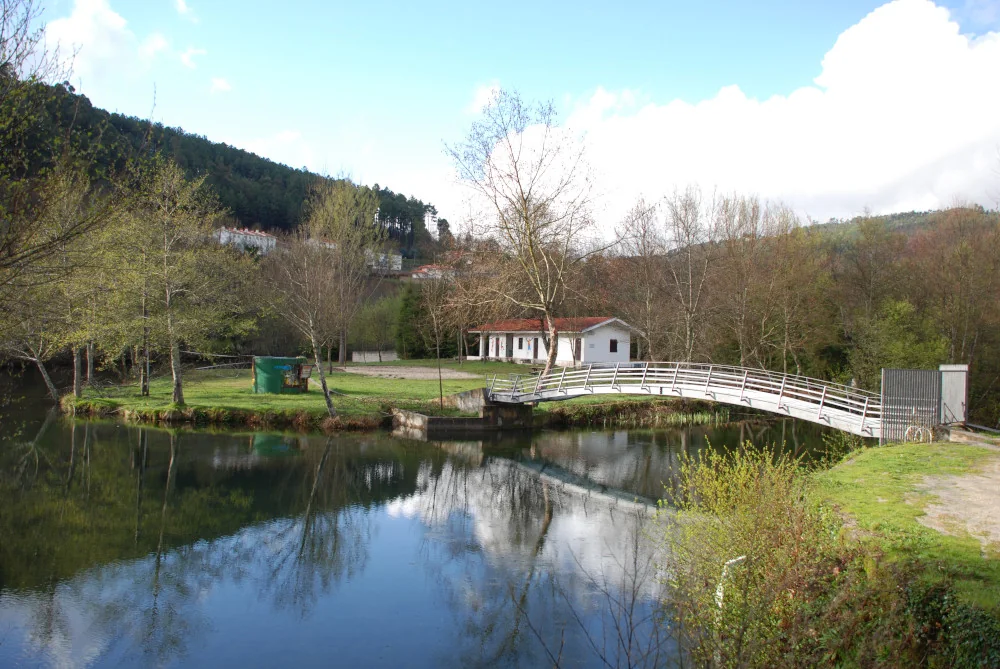
Water basin and stone building in the Refojos area.
Photography: Pedro from Maia (Porto), Portugal · CC BY 2.0
Date given at source: .
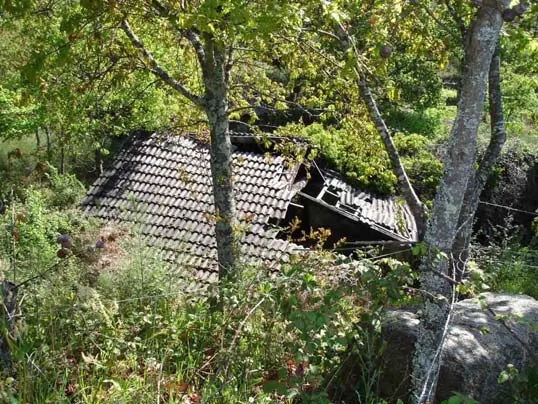
Lagar de Baixo in Chacim — photograph from the 2008 municipal inventory.
Source: Municipality of Cabeceiras de Basto
Photograph date not stated.
Individual photographer and reuse licence not stated by the source.
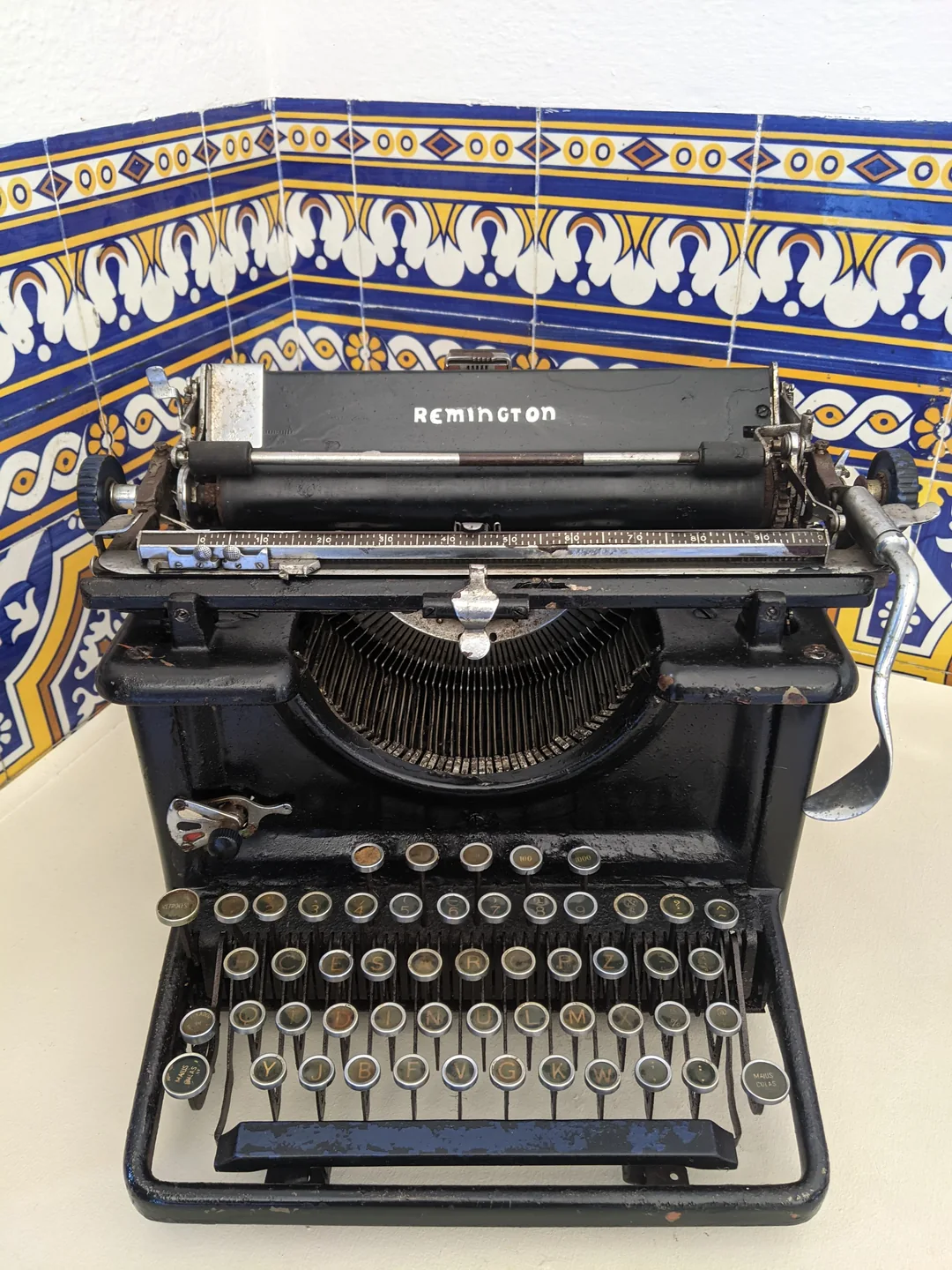
Remington typewriter with HCESAR keyboard, item MTB252 at Museu das Terras de Basto.
Source: Museu das Terras de Basto
Photograph date not stated.
Individual photographer and reuse licence not stated by the source.
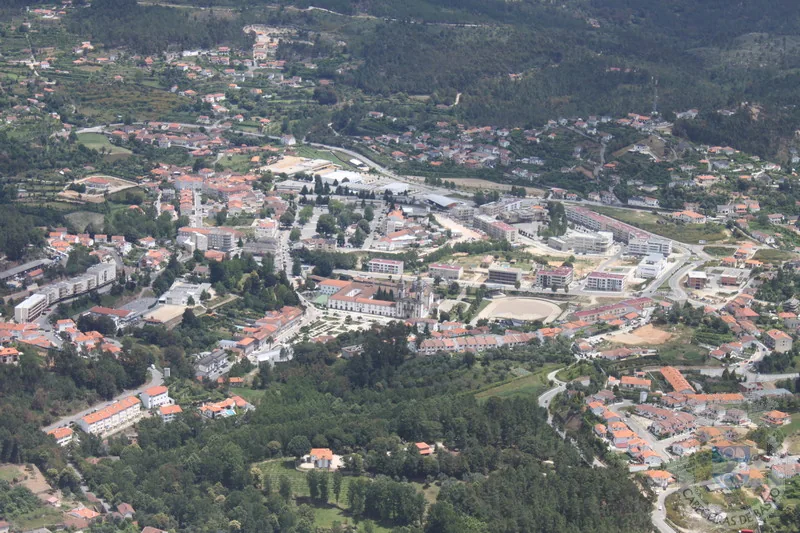
Town panorama showing Refojos and the monastery. Archive photograph; date unidentified.
Source: Municipality of Cabeceiras de Basto
Photograph date not stated.
Autoria individual e licença de reutilização não identificadas na página consultada. A fonte não equivale ao autor.
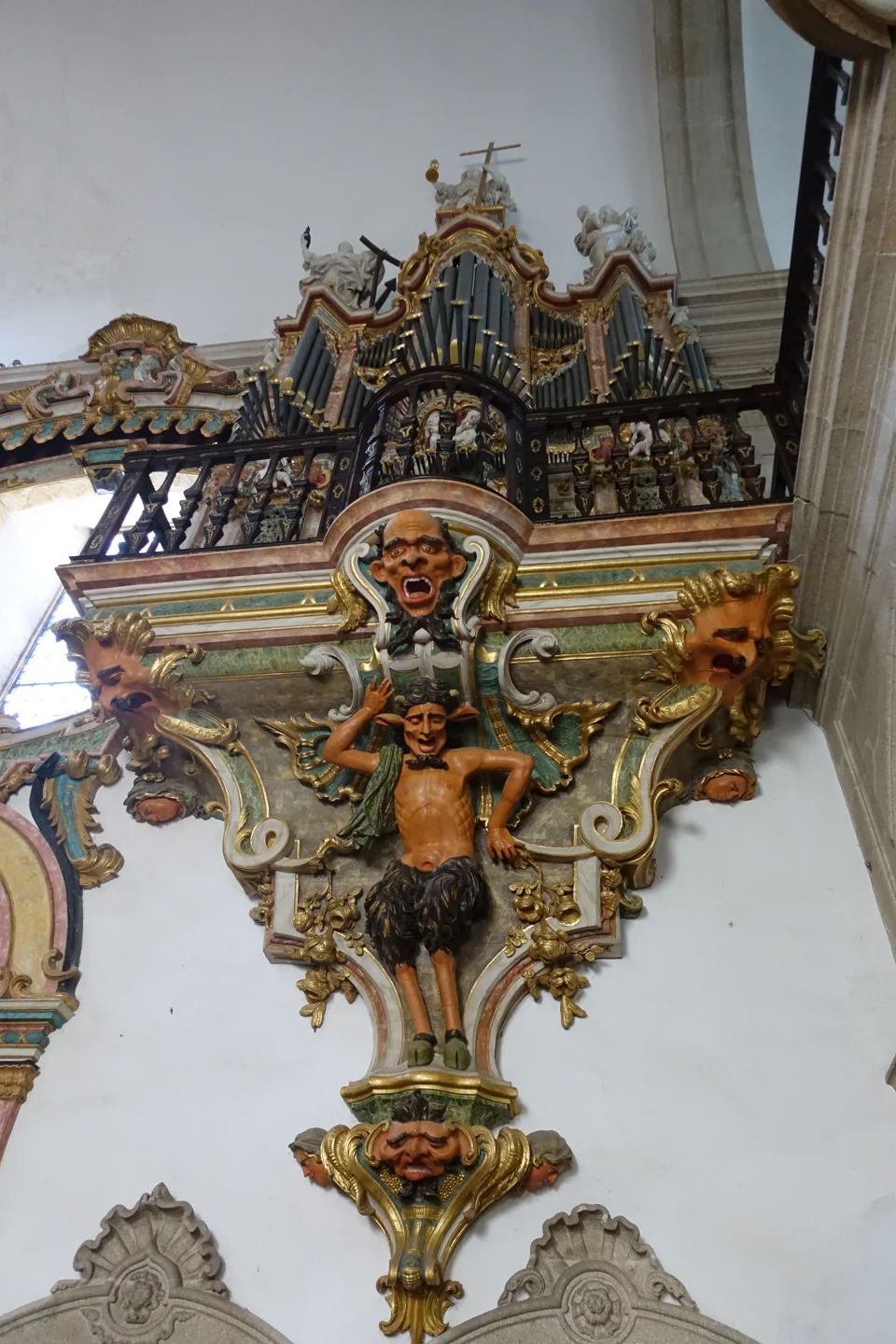
View of the organ and the decoration that sustains it, photographed in 2016. The image does not determine which of the two organs is the mute.
Photography: Joseolgon · CC BY-SA 4.0
Date given at source: .
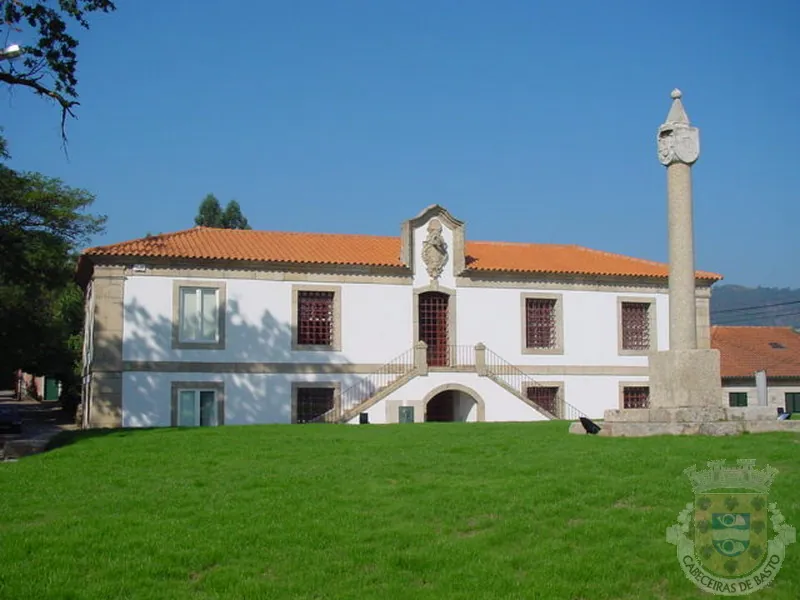
Casa da Música — photograph from the municipal gallery; capture date not indicated.
Source: Municipality of Cabeceiras de Basto
Photograph date not stated.
Autor e licença de reutilização não identificados na fonte.
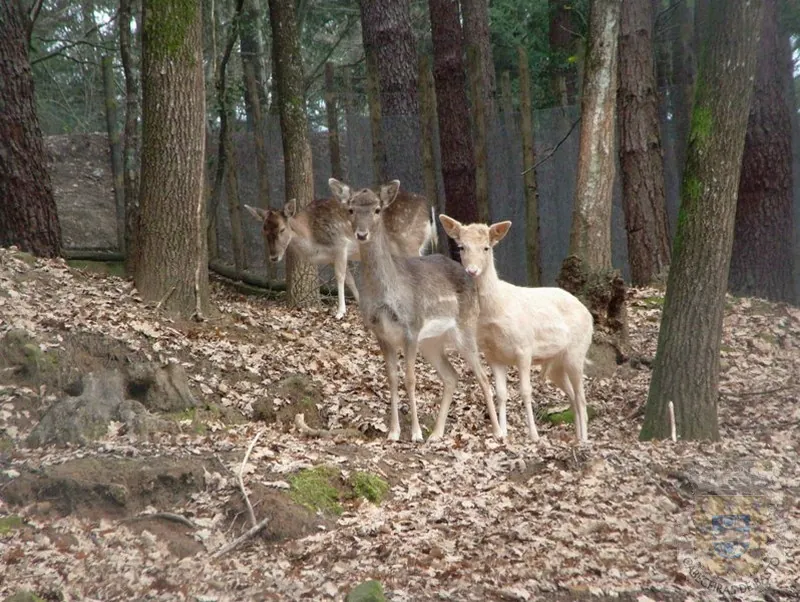
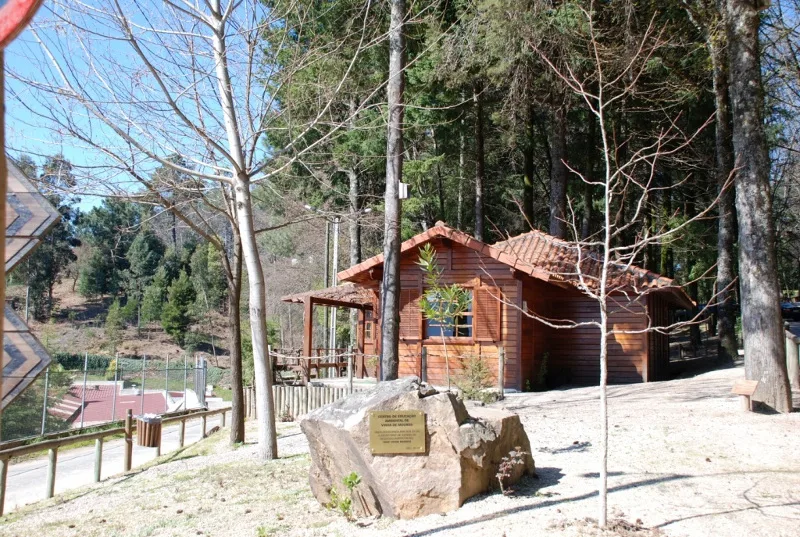
Centro de Educação Ambiental — photograph from the municipal gallery; capture date not indicated.
Source: Municipality of Cabeceiras de Basto
Photograph date not stated.
Autor e licença de reutilização não identificados na fonte.
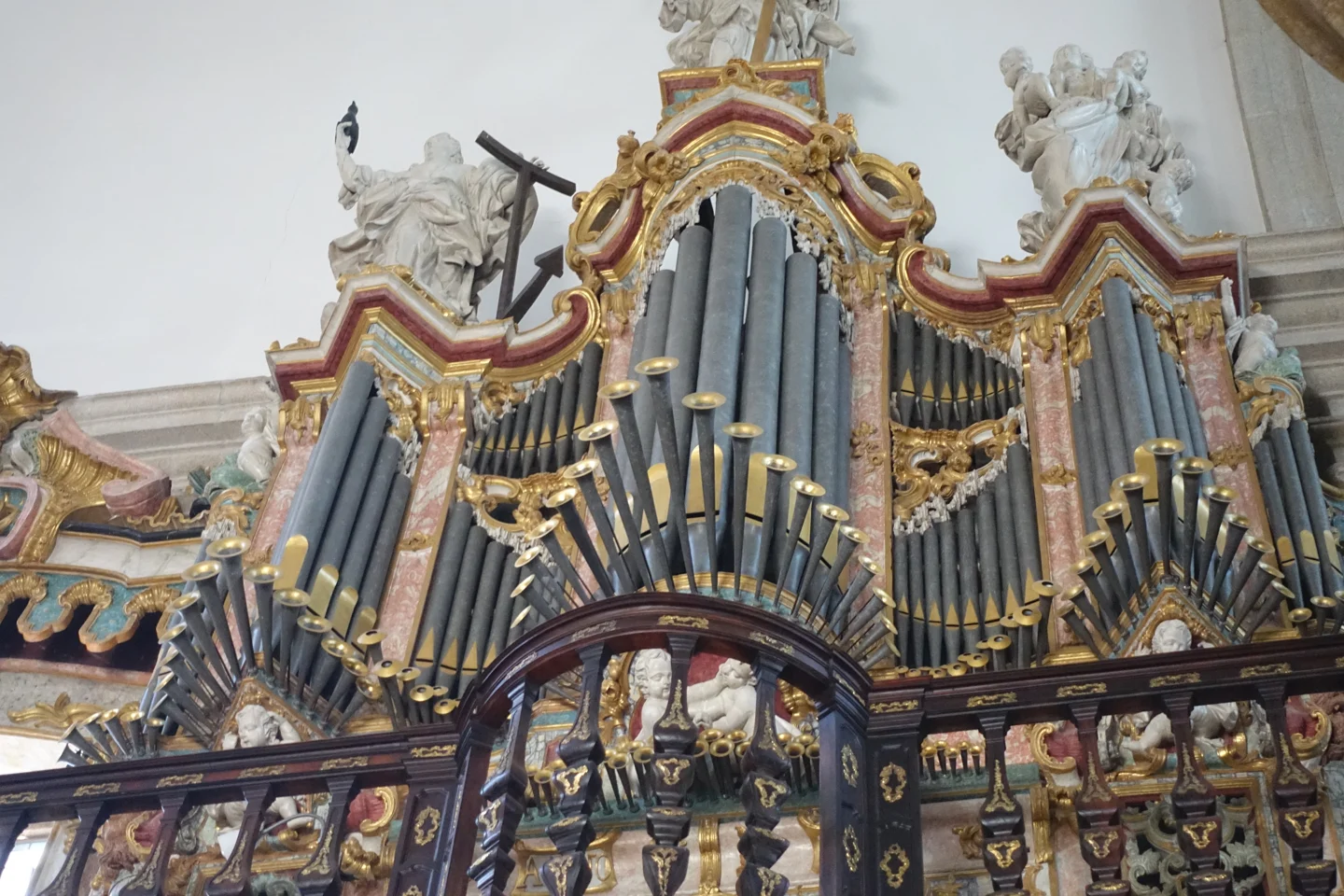
Details of the tubes, cut and sculptures of the organ in 2016.
Photography: Joseolgon · CC BY-SA 4.0
Date given at source: .
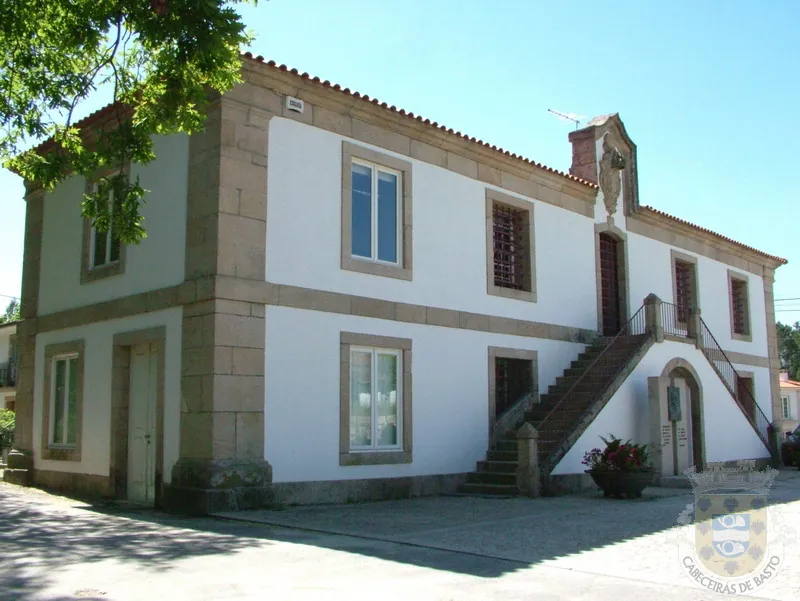
Casa da Música — photograph from the municipal gallery; capture date not indicated.
Source: Municipality of Cabeceiras de Basto
Photograph date not stated.
Autor e licença de reutilização não identificados na fonte.
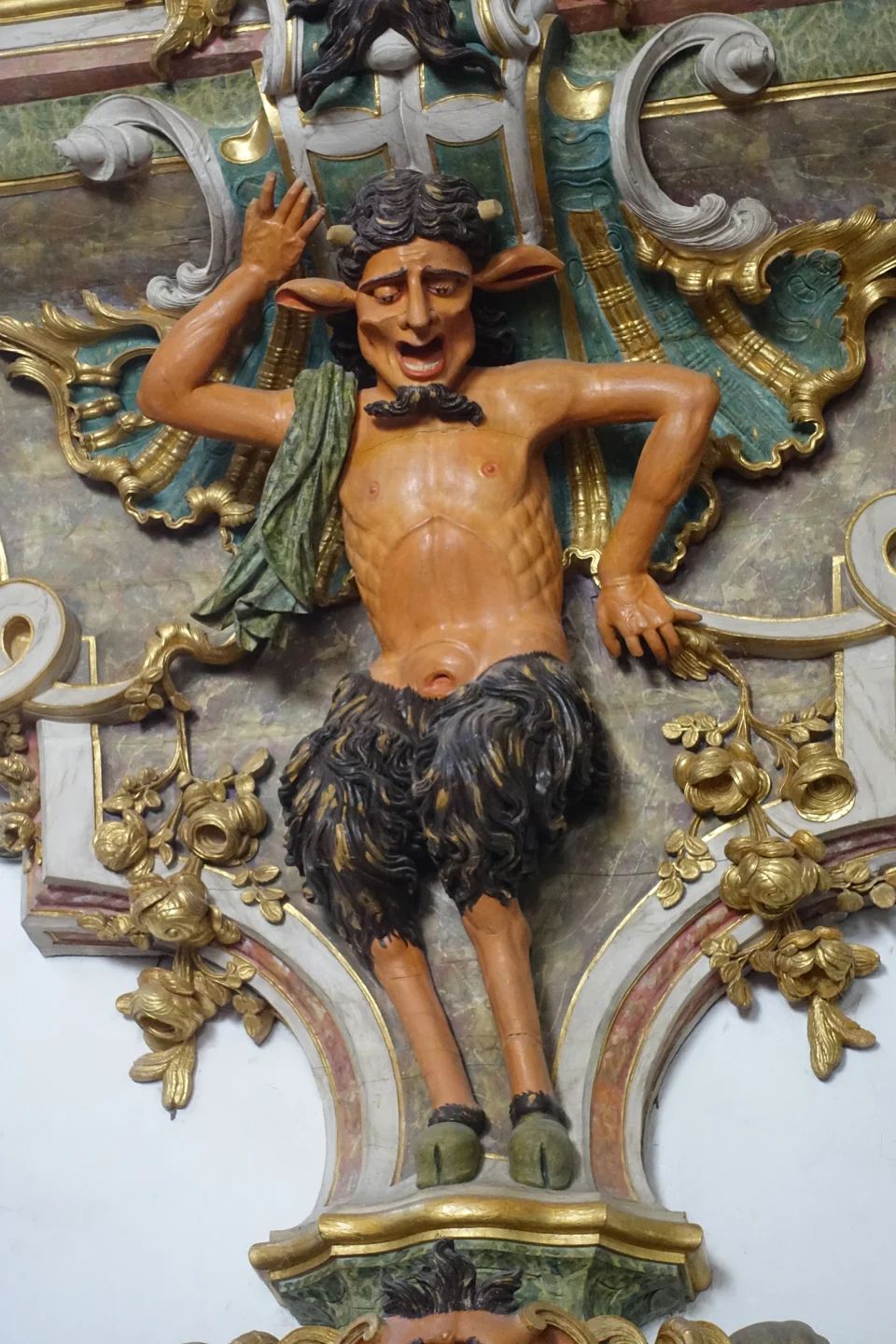
Details of a figure carved under the organ in 2016.
Photography: Joseolgon · CC BY-SA 4.0
Date given at source: .
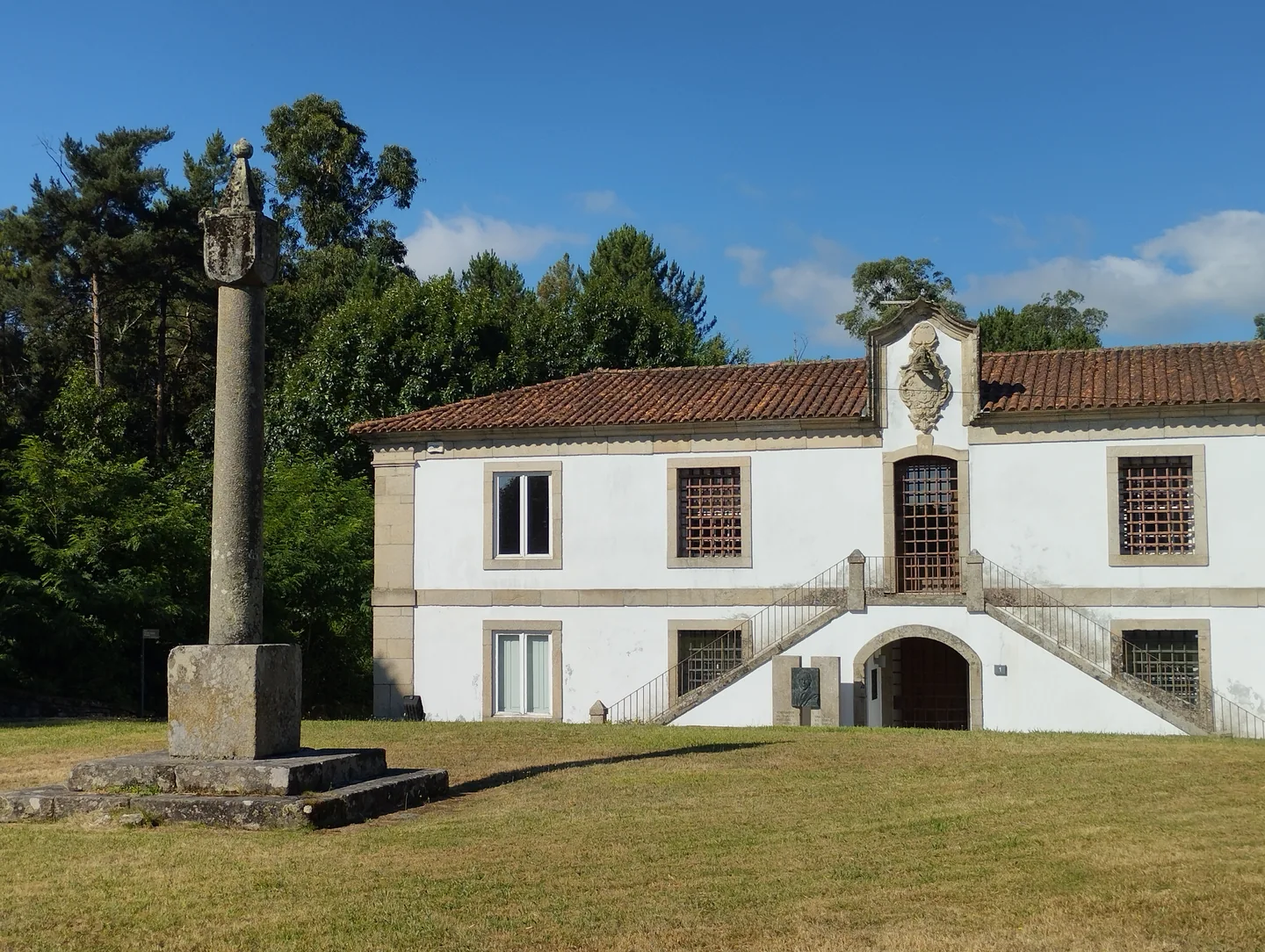
Casa da Música and pillory in Pereiras.
Source: Museu das Terras de Basto
Photograph date not stated.
Individual photographer and reuse licence not stated by the source.
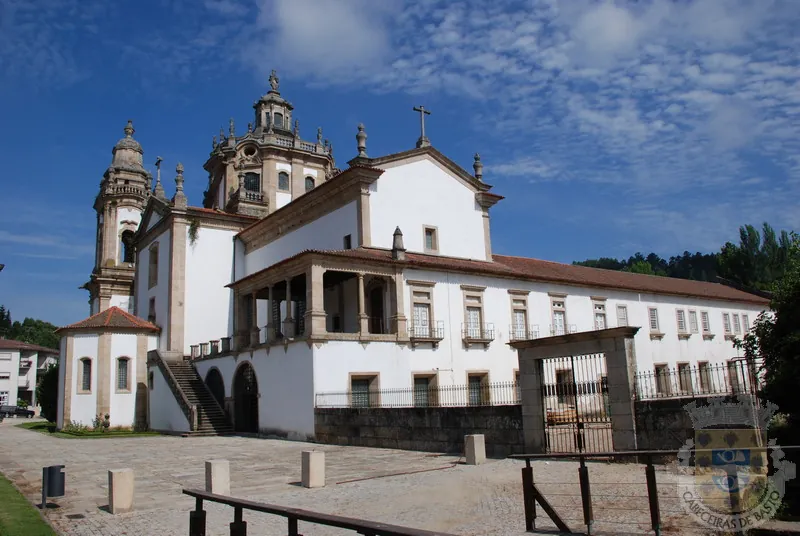
Mosteiro de São Miguel de Refojos — photograph from the municipal gallery; capture date not indicated.
Source: Municipality of Cabeceiras de Basto
Photograph date not stated.
Autor e licença de reutilização não identificados na fonte.
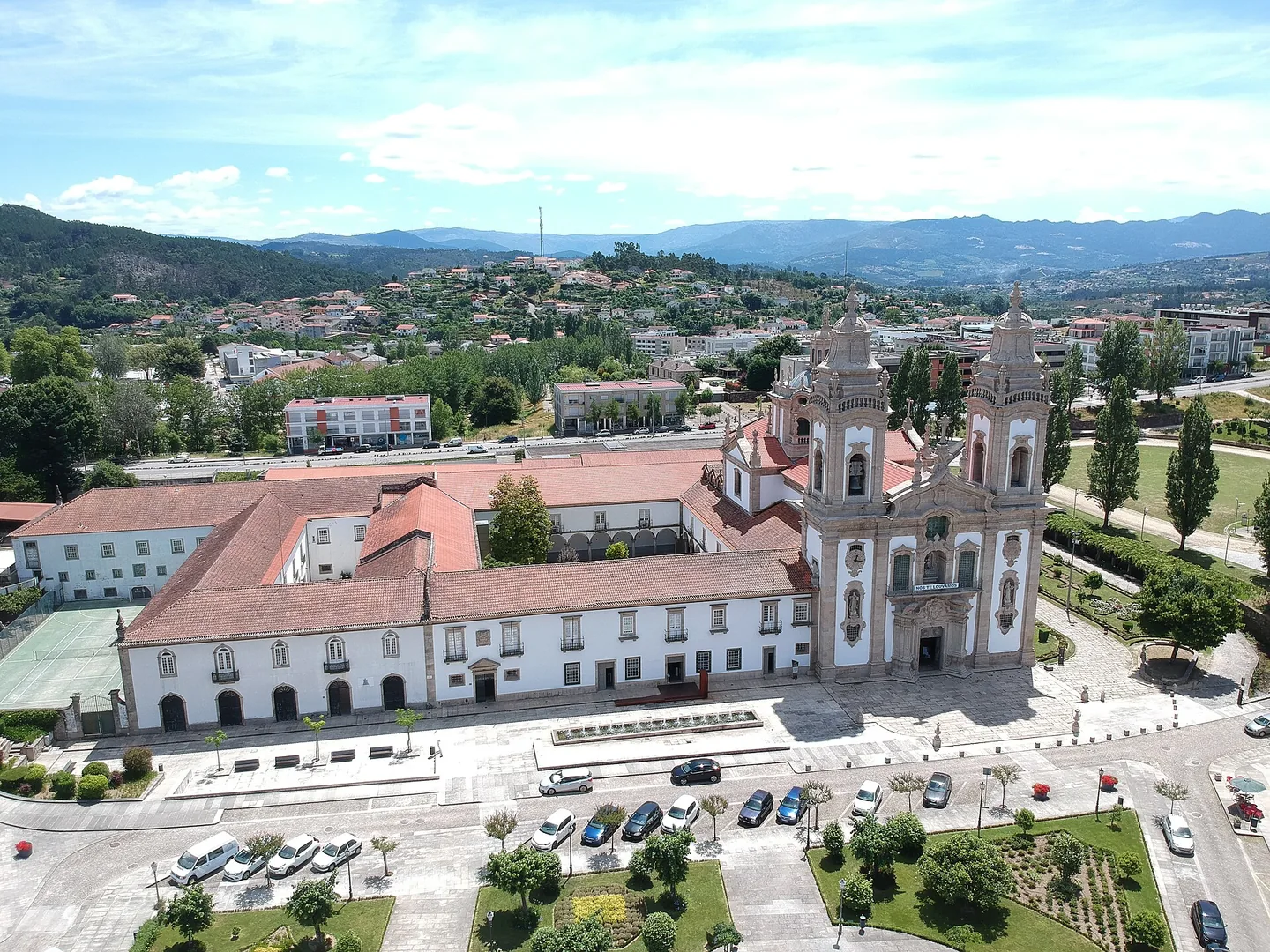
Aerial view of Refojos Monastery and the town.
Photography: Joseolgon · CC BY-SA 4.0
Date given at source: .
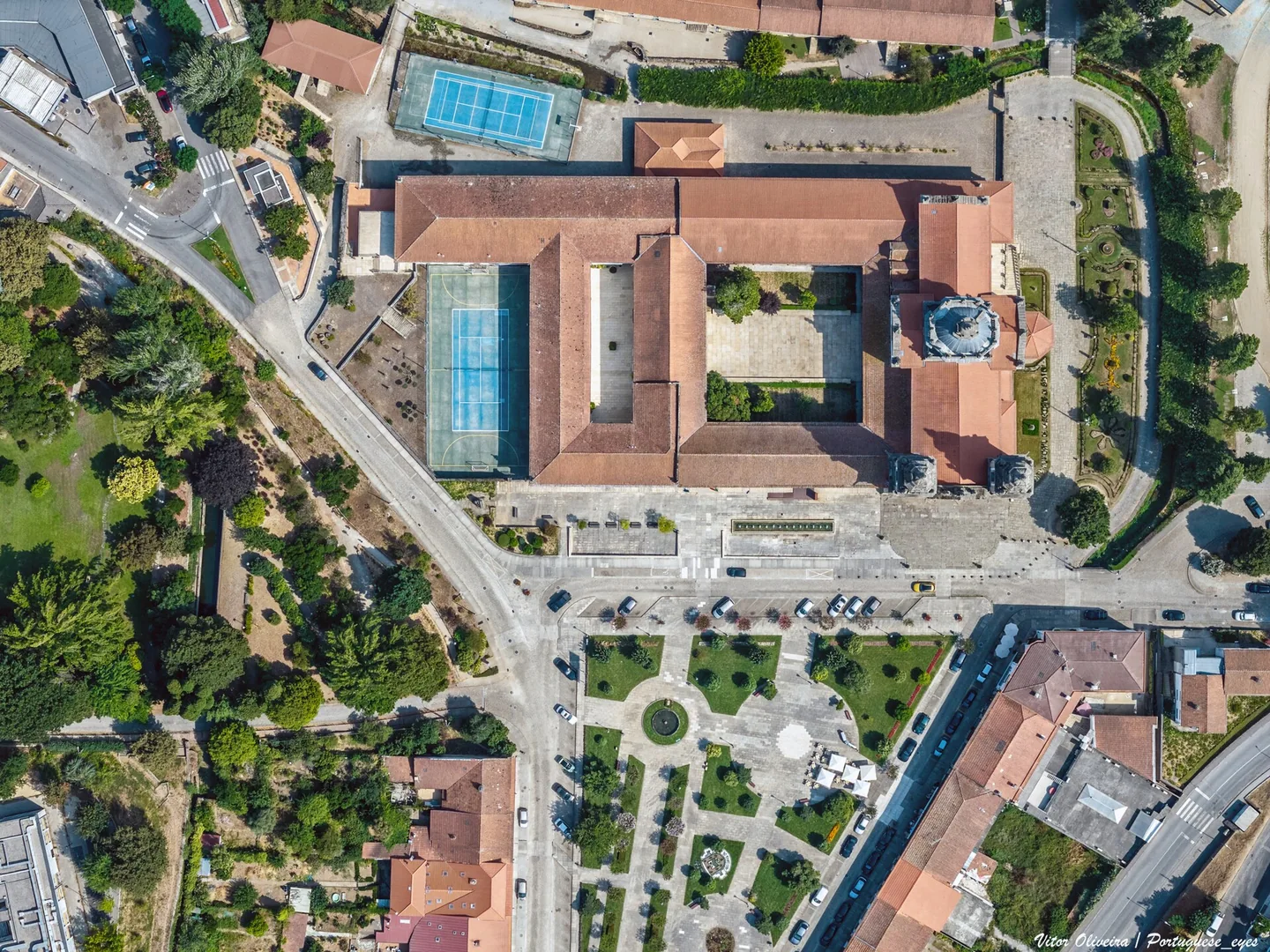
Refojos Monastery and Praça da República seen from above.
Photography: Vitor Oliveira from Torres Vedras, PORTUGAL · CC BY-SA 4.0
Date given at source: .
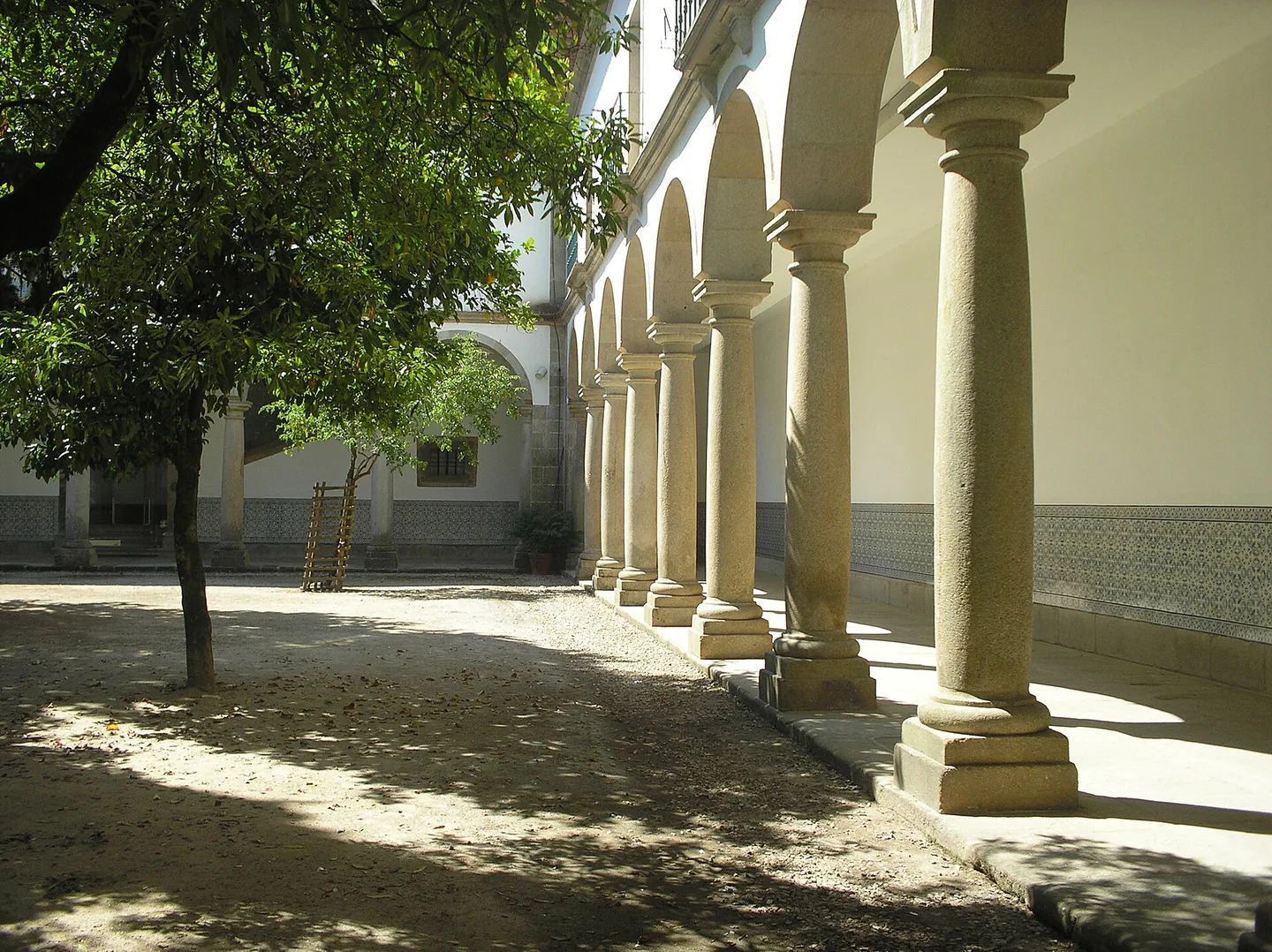
Cloister arcade at Refojos Monastery.
Photography: tiago186703274 · CC BY-SA 3.0
Photograph date not stated.
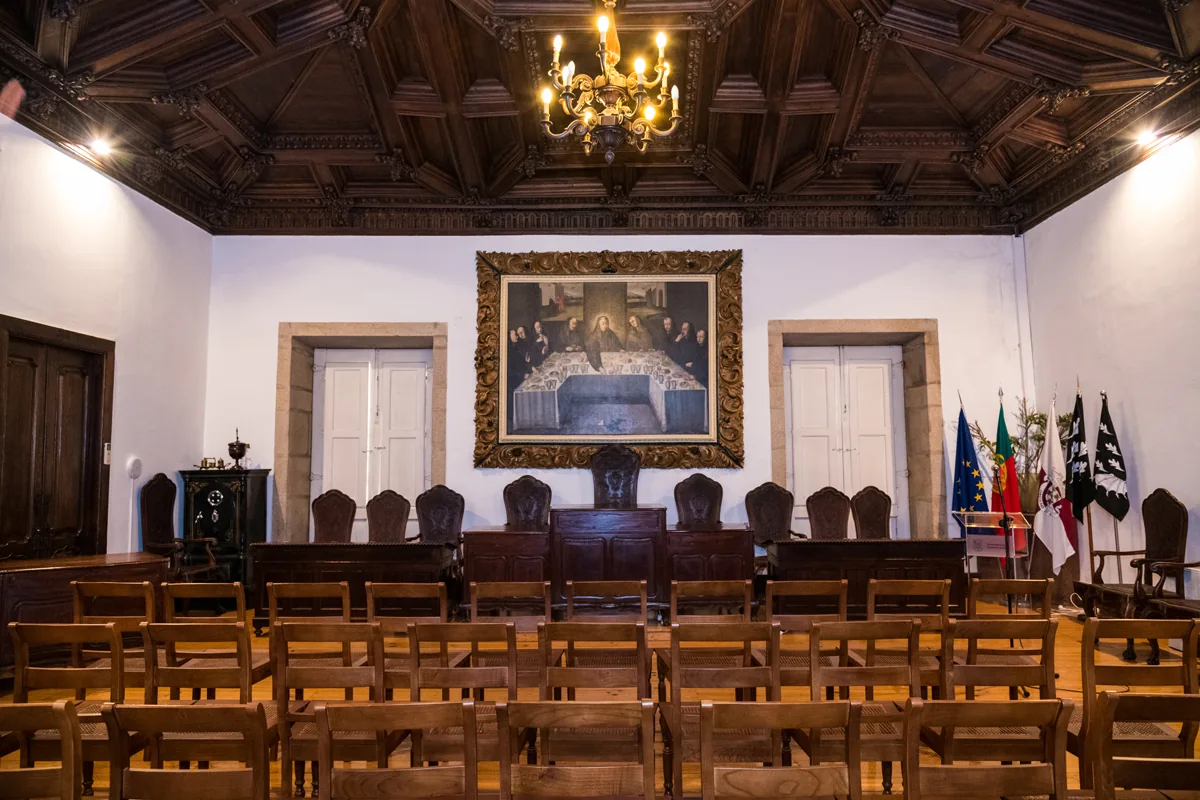
Salão Nobre, the former chapter house of Refojos Monastery.
Source: Visit Cabeceiras — Município de Cabeceiras de Basto
Photograph date not stated.
Individual photographer and reuse licence not stated by the source.
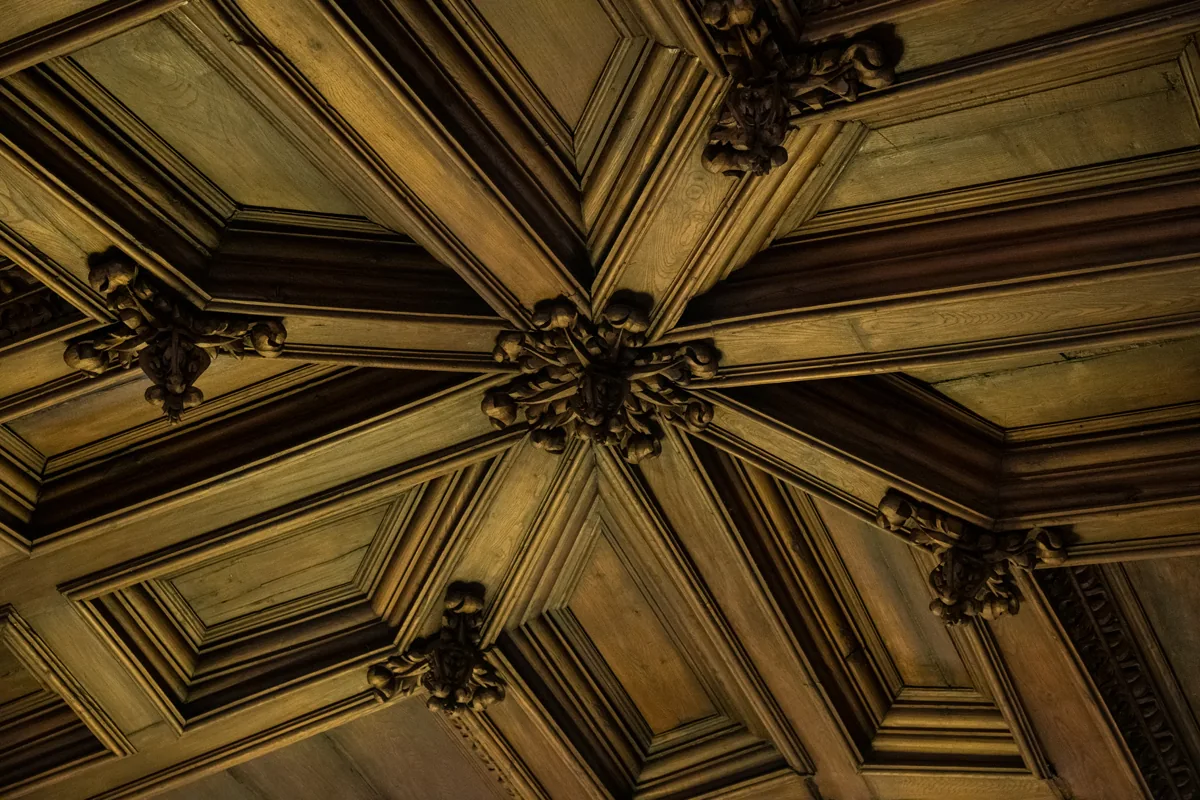
Detail of the wooden ceiling in Refojos civic hall.
Source: Visit Cabeceiras — Município de Cabeceiras de Basto
Photograph date not stated.
Individual photographer and reuse licence not stated by the source.
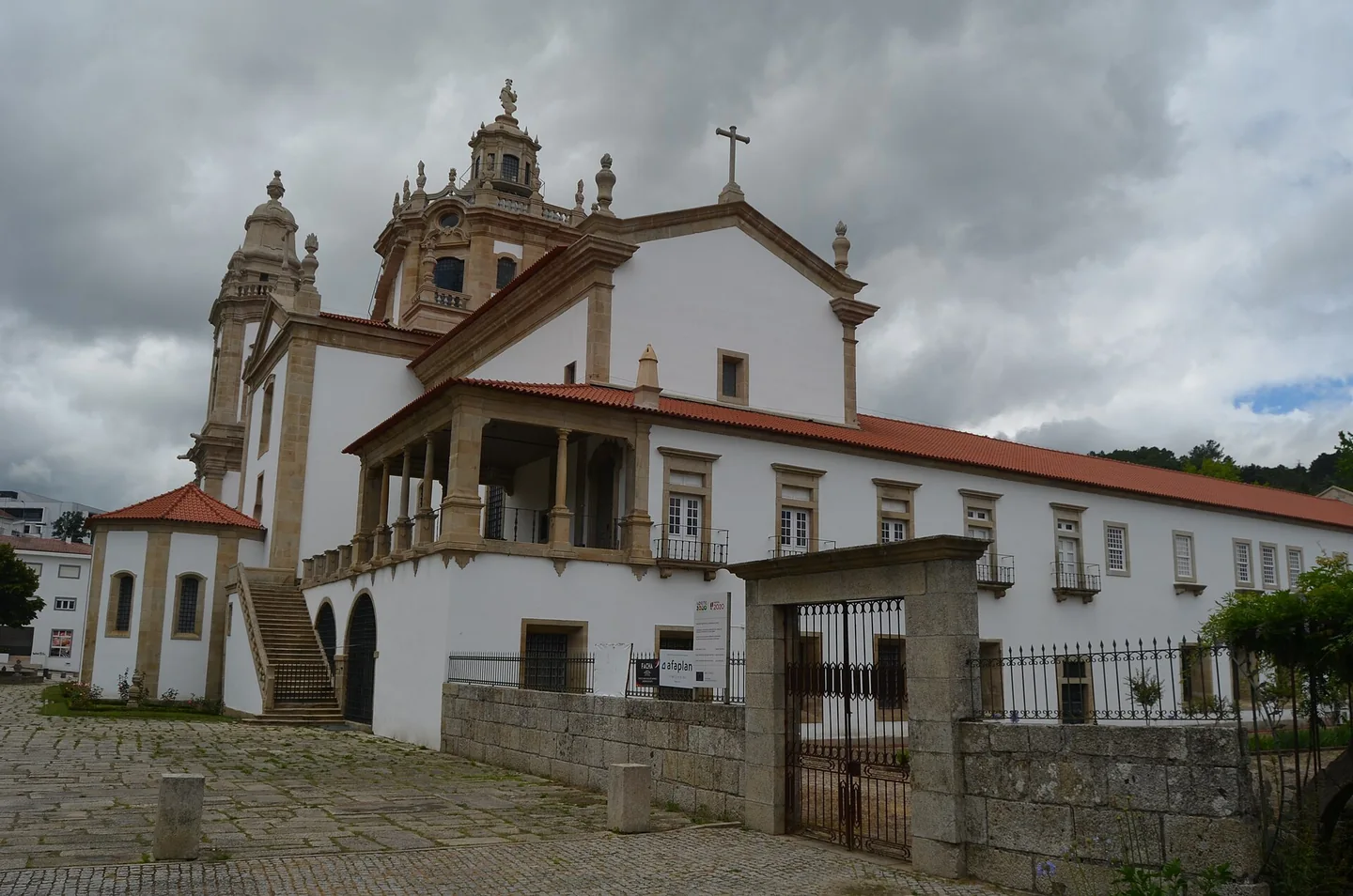
Refojos Monastery and houses seen from the side.
Photography: Pedro from Maia (Porto), Portugal · CC BY 2.0
Date given at source: .
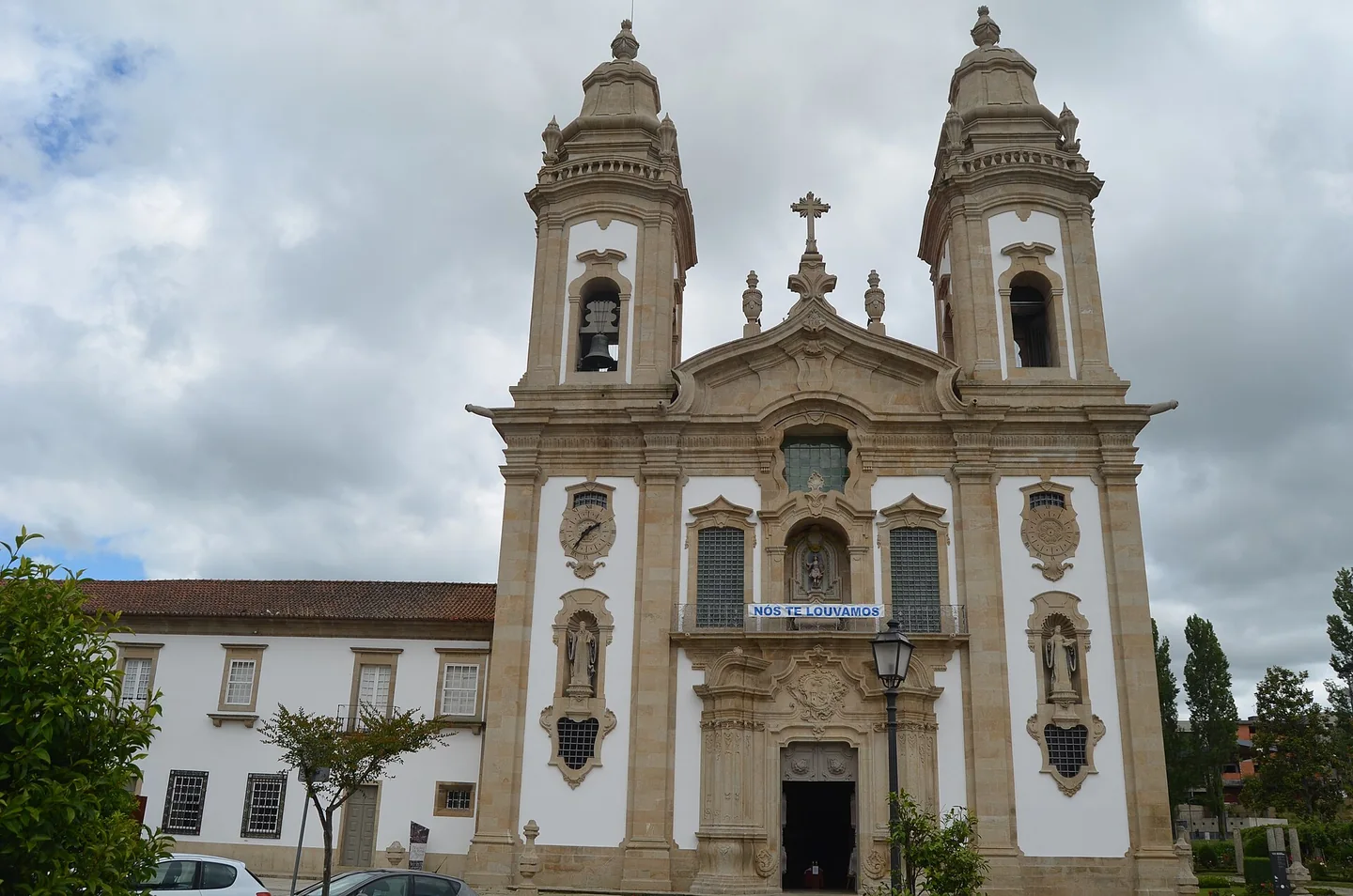
Façade of the church at Refojos Monastery.
Photography: Pedro from Maia (Porto), Portugal · CC BY 2.0
Date given at source: .
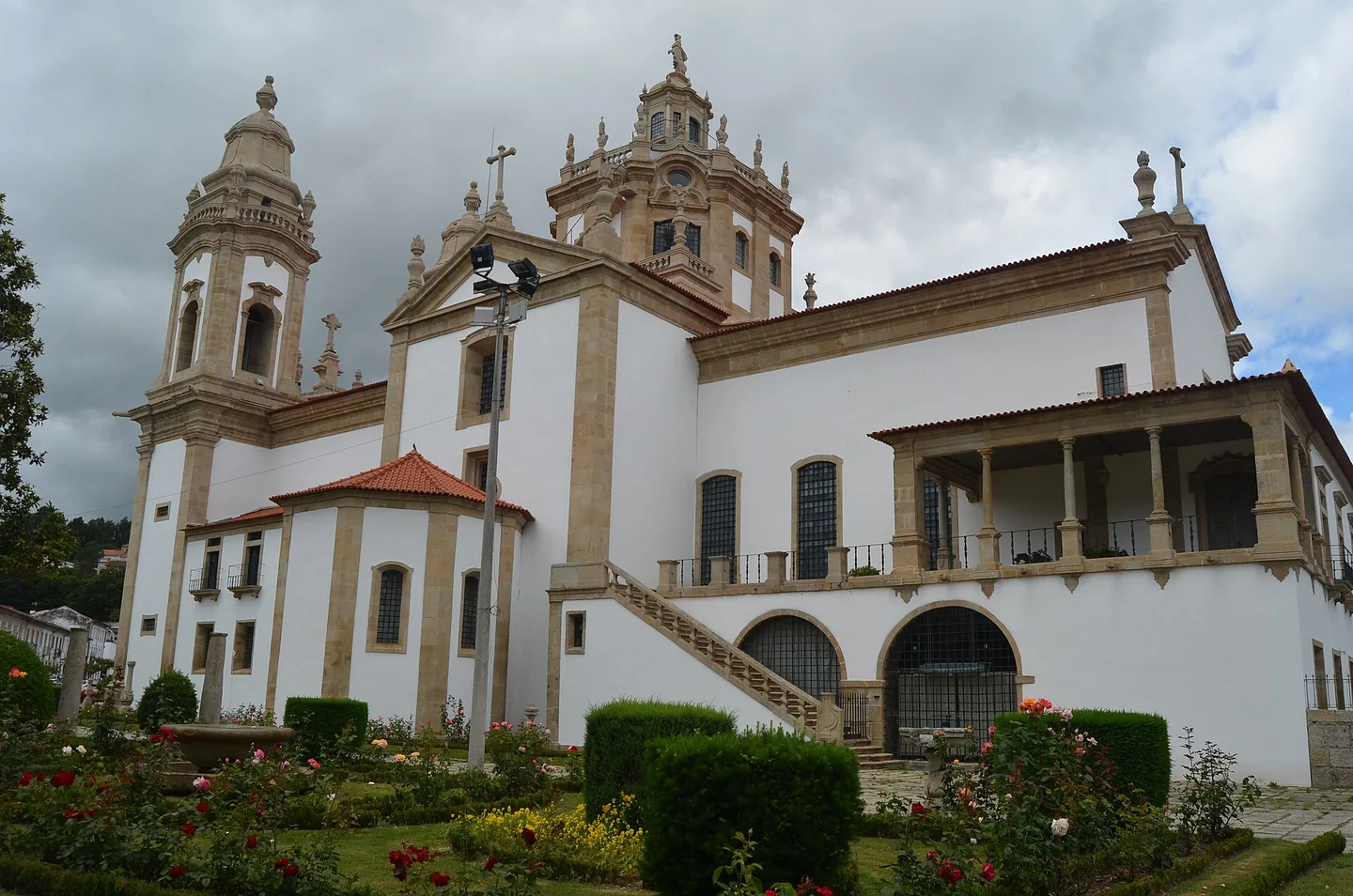
Garden and buildings at Refojos Monastery.
Photography: Pedro from Maia (Porto), Portugal · CC BY 2.0
Date given at source: .
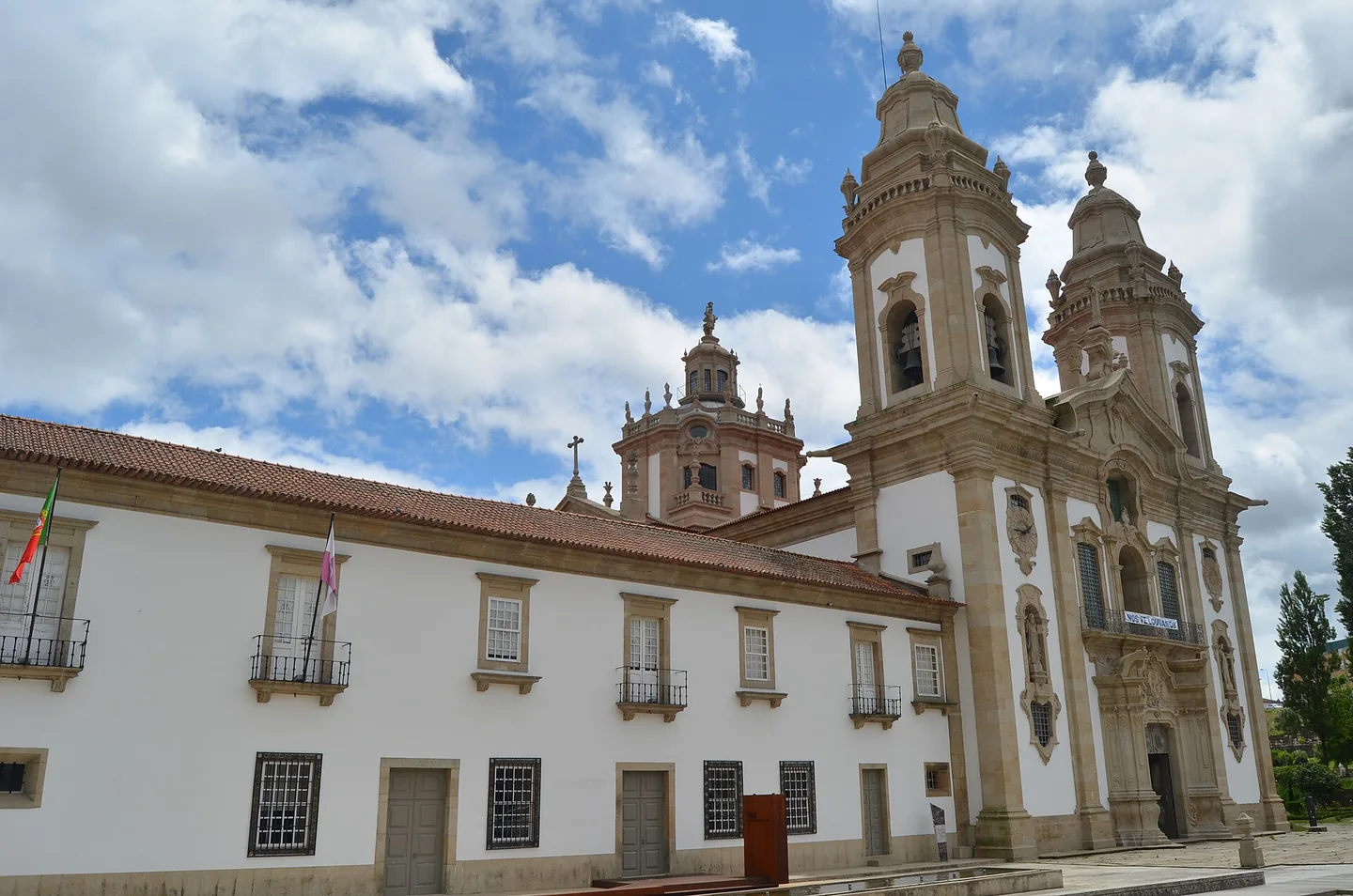
Refojos Monastery seen from the side.
Photography: Pedro from Maia (Porto), Portugal · CC BY 2.0
Date given at source: .
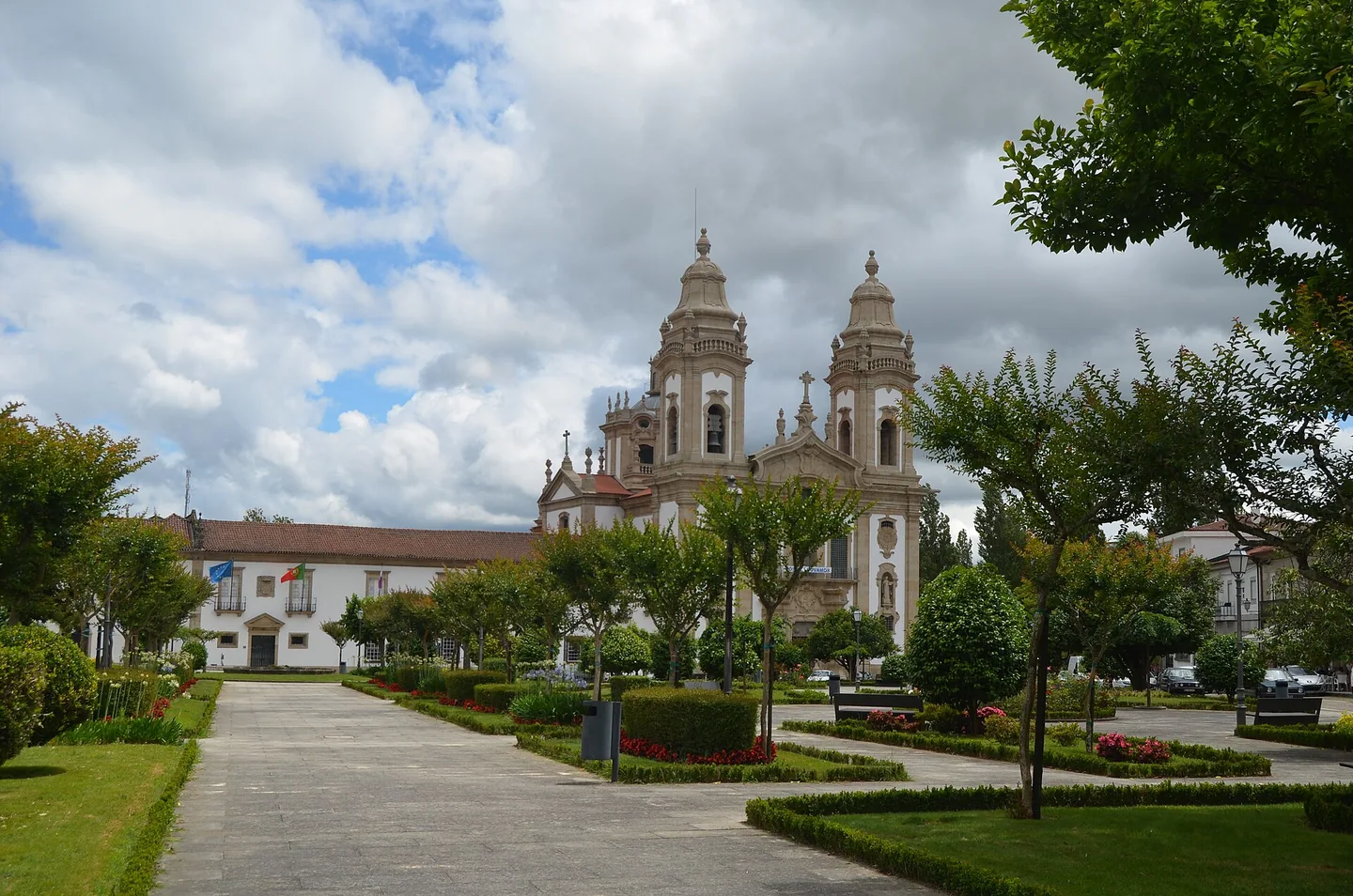
Garden in front of Refojos Monastery.
Photography: Pedro from Maia (Porto), Portugal · CC BY 2.0
Date given at source: .
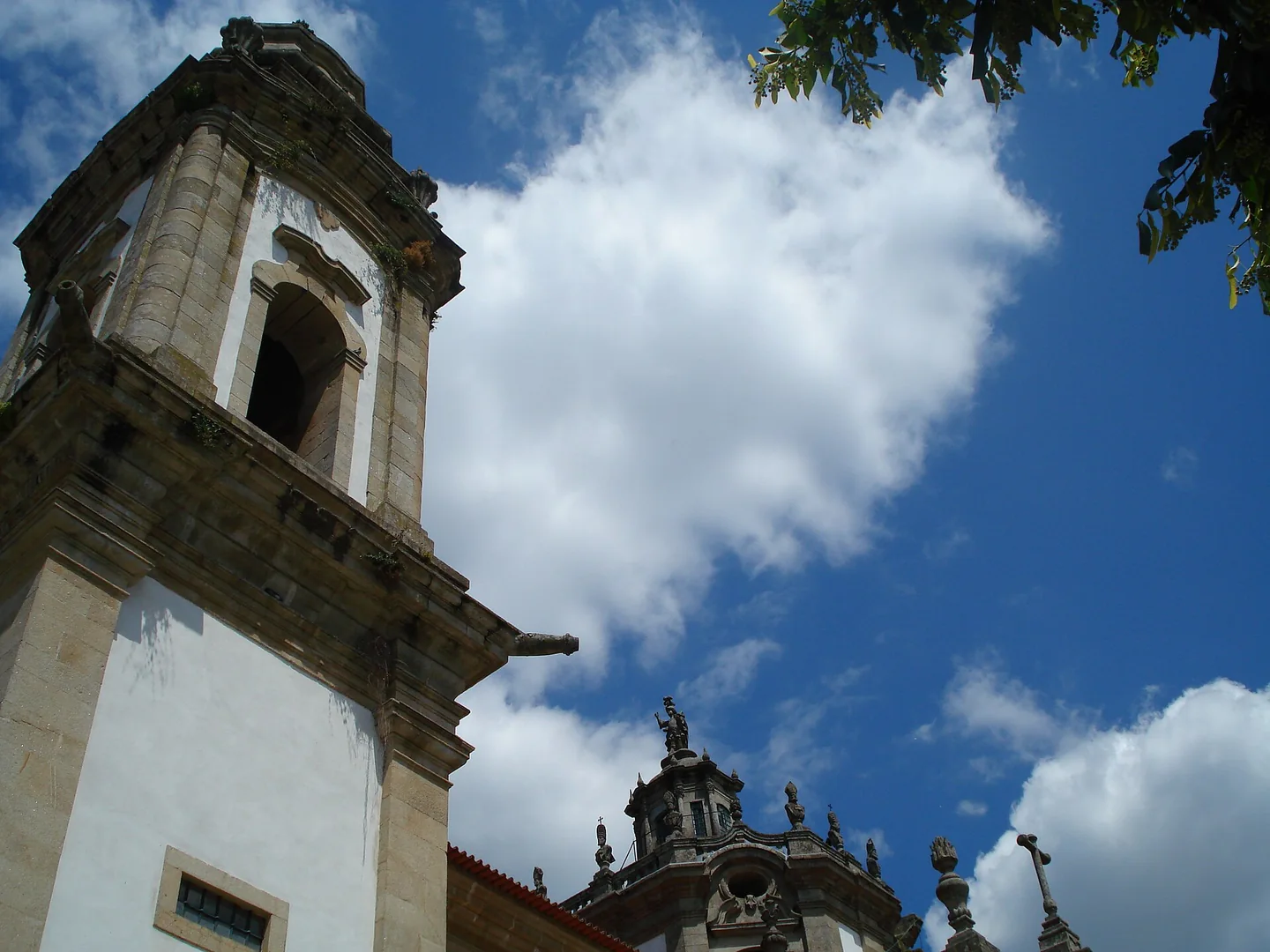
Tower and details of the church at Refojos Monastery.
Photography: Ricardo Martins · CC BY 2.0
Date given at source: .
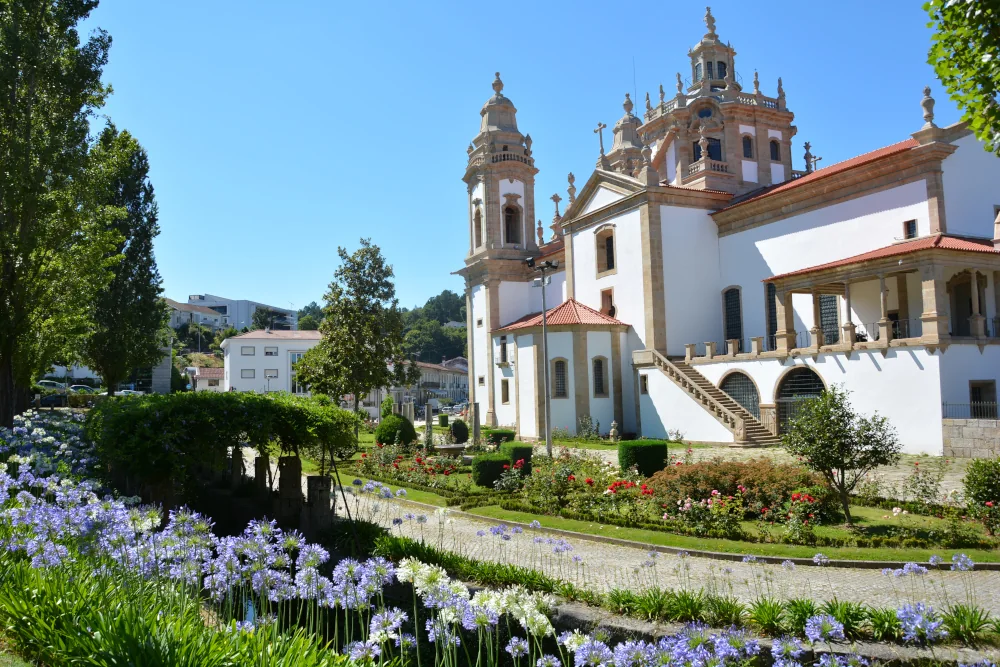
Jardim dos Arcebispos and Mosteiro de Refojos, in the image published by the municipality in 2021.
Source: Municipality of Cabeceiras de Basto
Photograph date not stated.
Licença de reutilização não identificada; DR não identifica o fotógrafo. O crédito DACS é conservado quando indicado pela fonte.
In the town that serves as the municipal seat, the Monastery of São Miguel and Praça da República provide a starting point for discovering Refojos de Basto.
The 1758 parish account describes Refojos as a domain of the monastery’s abbot.
The statue of O Basto is a local symbol associated with the legend of Hermígio Romarigues and the defence of the monastery.
Knowledge, landscapes and memories linked to this parish.
Choose from 22 activities here →
2 guides with stories from here → · To follow a story by chapters.
A sacristy, a fair and an abbot reveal the monastery from within.
Plates, cutlery and napkins tell stories too.
The common buzzard searches for food from the sky and on the ground.
António José Mendes whistled and wrote down his ideas.
From fields to new clothes: memories of São Miguel.
The same channel linked Baixo and Cima in Chacim.
Before the screen, the council used HCESAR keys.
In 2014, history became comics and theatre.
A wooden ceiling connects two lives of the same space.
Letters and numbers organised the library shelves.
A symmetrical façade does not mean everything is repeated.
Its galleries connected different moments of the day.
Furniture also shapes community life.
A decorative motif can help distinguish spaces.
The monastery also played a part in governing the territory.
The lemon biscuits arrived with a family story.
A recipe has ingredients, and it also has a voice.
A recipe from Refojos also preserves a weekly custom.
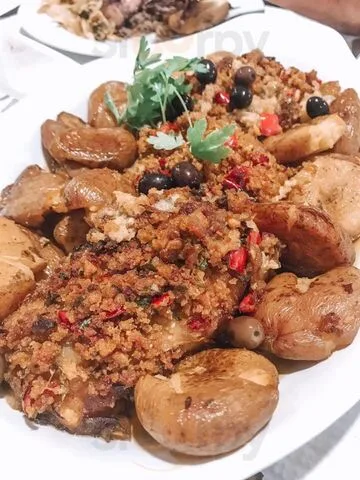
Papas de sarrabulho also tell us how knowledge is passed on.
Another sweet from Cabeceiras preserved in Alcina’s memories.
Vegetable gardens, orchards and medicinal plants formed part of the monastery grounds.
At Vinha de Mouros, leisure meets environmental education.
Renewing the town centre also involved water.
One landscape brings together different uses.
The parishes brought their skills to the São Miguel festivities.
Casks, vats and barrels tell a craft’s story.
The workshop supplied home, fields and fair.
Building work can open a discovery.
Devotion left traces on paper too.
The São Miguel fair began months earlier in the workshop.
The celebration also marked the rhythm of the fields.
The journey was part of the gathering.
The celebration’s memory has flavours too.
School, trade and work shaped local life.
The name did not give the day of the month.
Letters connected parishes before travelling further.
From carrying case to cruet, the container changes with the task.
Not every story begins with an exact date.
An invitation to look beyond the façade.
Sacristy furniture combines materials with different roles.
The high altar’s torch stands deserve a closer look.
Restoring a painting can reveal more than new colours.
The Misericórdia grew from a local initiative in the 19th century.
A photographer from Refojos left his mark across the Atlantic.
Friar Diogo de Murça connects Refojos with academic life in Coimbra.
The town hall and school belong to the building’s history too.
Names chosen in 2020 recall people connected with Refojos.
A building can change its role in the community.
Pereiras also belongs to sporting memory.
The Incredulity of Saint Thomas belongs to a group of five works.
Heritage can fit in a brass object too.
A small silver-gilt object preserves a medieval connection to Refojos.
An inscription can give historians work too.
Objects also pass through institutional changes.
Since 1820, music has helped tell the story of Cabeceiras.
In 1971, Casa do Barão opened a new chapter in education.
Campo do Seco and new streets tell another century of Cabeceiras.
Firefighters have been part of Cabeceiras since 1949.
One building can hold many different lives.
Observations of citizen science with location published in this parish, crossed with the limits CAOP2025. They are not visiting points or independent confirmation in the field.
Colour, geometry and memories of Cabeceiras: 36 works by Mendes Bastos in an exhibition announced until 31 December.
An evening devoted to books, reading and Benedictine monastic life at Refojos Monastery.
«Camilo e a Música» opens at Casa Municipal da Cultura in a late-afternoon session.
Rua Antunes Basto, 446, 4860-363 Cabeceiras de Basto
Monday to Friday: 09h00–12h30 and 14h00–17h30.
Opening hours published by the source · 15/11/2026. View opening-hours source
Casa do Tempo
Explore this theme across the municipality 2 places in this parishNúcleo de Arte Sacra · Casa do Tempo
Explore this theme across the municipality 1 place of this parishZona Fluvial do Poço do Frade
Explore this theme across the municipality