Refojos: who appointed the judge?
ⓘ
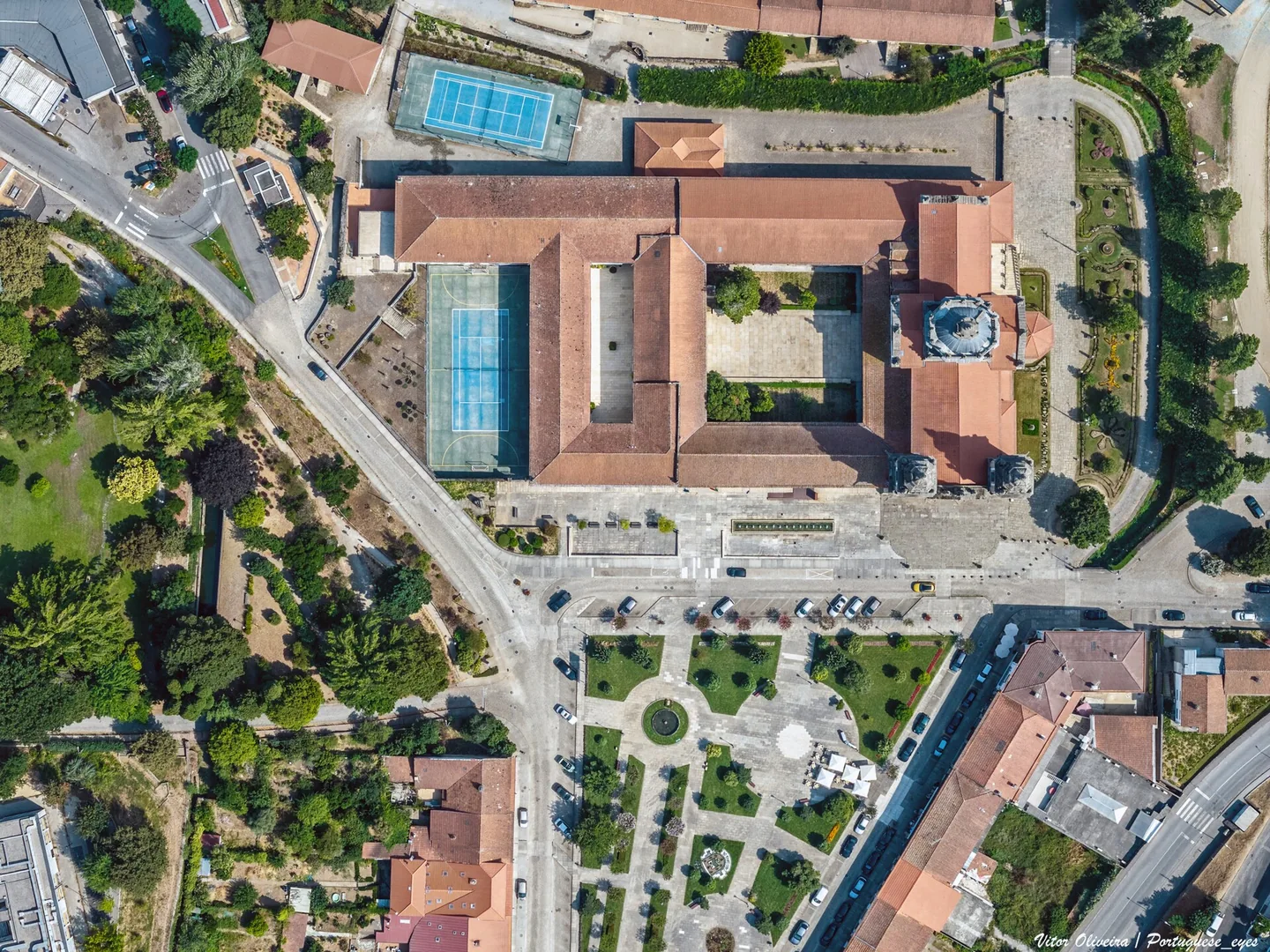
Refojos Monastery and Praça da República seen from above.
Photography: Vitor Oliveira from Torres Vedras, PORTUGAL · CC BY-SA 4.0

Date given at source: .
ⓘ
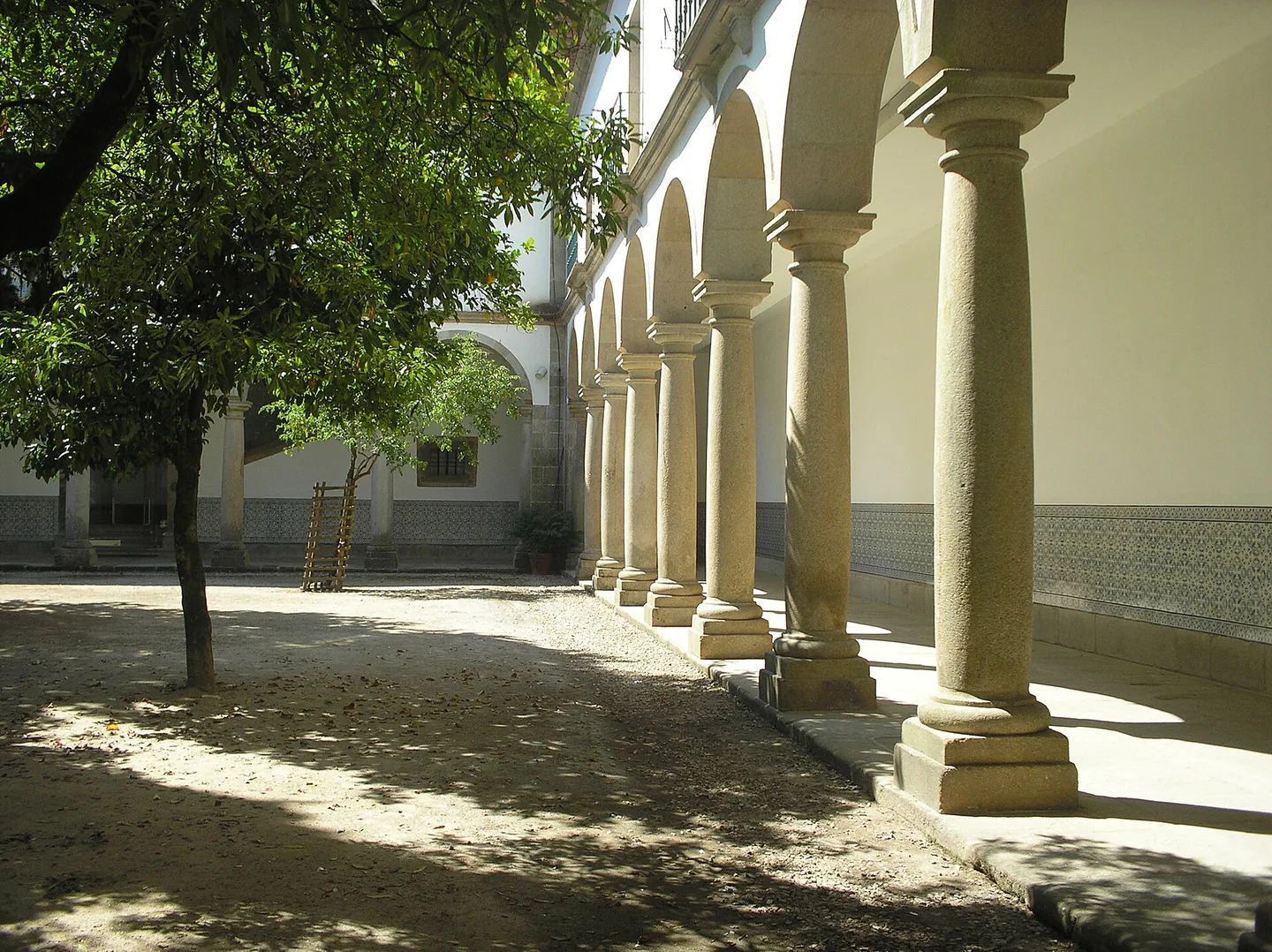
Cloister arcade at Refojos Monastery.
Photography: tiago186703274 · CC BY-SA 3.0

Photograph date not stated.
The monastery also played a part in governing the territory.
Reading options
Your choice is saved only in this browser.
In 1758, Refojos's account described an ordinary judge appointed each January by the abbot. It also mentioned an almotacé, an official concerned with local regulation, and two men of governance who acted with the judge within the monastic jurisdiction.
Civil and criminal justice did not follow exactly the same authority: the document distinguishes the monastic domain from the municipality's responsibilities. This division helps explain why the monastery was more than a religious centre. Its relationship with the surrounding land included rents, government and rules affecting the lives of local people.
Explore further: words and activities
Explore this story
Source and context
Municipality — parish account of Refojos De Basto (1758)
Accessed: . Editorial summary; the date of consultation is not the date of the facts.