Refojos: life continued while the church was being rebuilt

A sacristy, a fair and an abbot reveal the monastery from within.
Text size
Your choice is saved only in this browser.
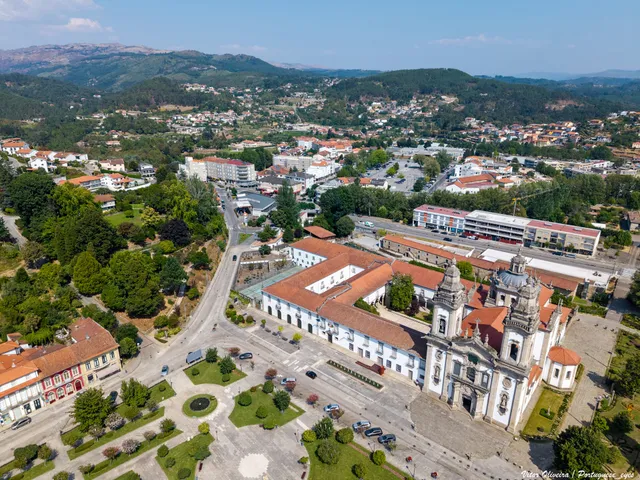
In 1758, the sacristy at Refojos served as the church because the old church was being rebuilt. This small detail brings us close to a building in transformation: the Baroque complex that now seems a complete image was also construction, adaptation and temporary use.
The monastery organised more than religious life. The abbot was lord of the couto and appointed the ordinary judge each year. The account also describes a market inspector and two men of local government who formed the council with the judge. Authority involved real people and tasks, beyond the symbols surviving today.
At the Saint Michael fair, from 28 to 30 September, pitch fees were paid to the monastery. The abbot acted as judicial officer alongside other officials, establishing regulations and penalties. The fair meant gathering and business, but was also a regulated space. The same territory produced more wine than other crops, described as barely sufficient for farmers’ needs.
After the dissolution of religious orders in 1834, parts of the complex acquired other uses, including municipal services and education. Refojos’s history follows its capacity to keep serving the community even as occupants and functions changed.
Explore further: words and activities
Explore this story
Source and context
Municipality — history and art of Mosteiro de São Miguel de Refojos
Accessed:
Basto Land Museum — The place of the Pereiras of Refojos de Basto, 28/07/2024
Accessed:
Municipality — History of the Monastery: Frei Diogo de Murça and the colleges of Coimbra
Accessed:
Município — Memórias Paroquiais de Refojos, 1758; transcrição de José Viriato Capela (2003)
Accessed:
Editorial summary; the date of consultation is not the date of the facts.