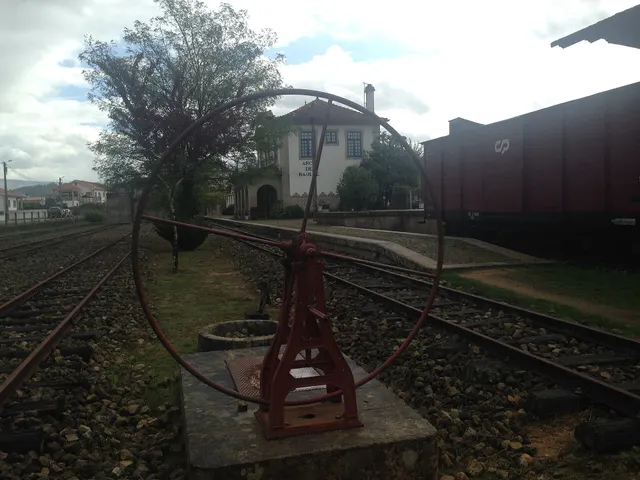
Railcar ME5 brought a petrol engine onto the tracks. The museum publication places its construction at the Santa Apolónia workshops in 1948. In the same collection, it describes a steam locomotive built in Germany in 1908.
Forty years separate the dates, allowing two technologies to be compared. They are vehicle construction dates, not dates of arrival at the station. The collection brings together pieces from several origins; being in the museum does not by itself prove where each ran.
The Museu das Terras de Basto identifies the engine as Chevrolet and describes the passenger space: 11 first-class seats, 16 third-class seats and standing room for another 16, as well as toilets. The 27 seats should not be confused with all the available passenger places.
What was this solution for? The Museu Nacional Ferroviário explains that a single self-propelled vehicle aimed to reduce operating costs on lightly used lines, combining functions that required a train formation. The project, led by engineer Vasco Viana, drew on features of road transport. The same record says that petrol proved expensive and led to temporary or exceptional uses.
The inventory adds a link with local history: this ME5 is thought to have run on the Tâmega line. The wording is cautious and remains so here. It is a specific documentary clue, different from deducing operation merely because the vehicle is now in the collection.