A fruit with a wing
For ash, shape helps fruit travel.
Includes an activity to try →Explore: Three Ways to Continue the Trip →Read here and view sources
The ash fruit has a wing and is called a samara. There is another detail to discover: the leaf is divided into several narrow leaflets. Do not confuse each leaflet with a whole leaf.
Fraxinus angustifolia can grow in riverside woods and on slopes. The local photograph documents a tree in Gondiães e Vilar de Cunhas; it does not show a fruit travelling or describe the species’ entire habitat.
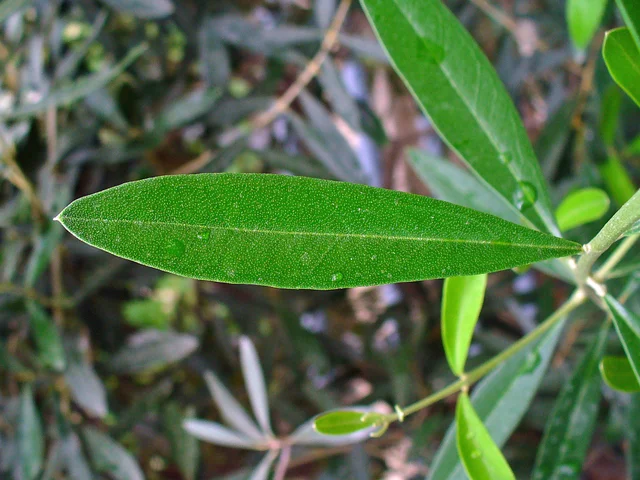
The Gulbenkian profile describes leaves with three to eleven leaflets and serrated edges. The name angustifolia refers to this narrow shape. On the fruit, the wing extends beyond the seed-bearing part: fruit and seed are not the same structure. The tree loses its leaves seasonally; branches, leaves and fruits offer different clues throughout the year.
Ash connects this leaf shape with water availability. The Gulbenkian profile mentions tolerance of a range of temperatures but sensitivity to dryness, and a preference for deep soils. It also describes a tall, irregular crown and a dark, deeply cracked trunk. Leaves are not the only helpful feature: bark, crown and surroundings complete the observation, without any single characteristic being enough to identify a tree.
Source and context
University of Évora — BioMontado, chips Fraxinus angustifolia and Hedera hibernica
Portuguese Society of Botany — Flora-On, Fraxinus angustifolia: ecology
Calouste Gulbenkian Foundation — Straits leaves, fruit and habitat
Accessed: . Editorial summary; the date of consultation is not the date of the facts.