Culture and crafts
ⓘNúcleo Ferroviário de Arco de Baúlhe
A station, royal carriages and stories from the Tâmega line: step into railway memories at Arco de Baúlhe.
Arco de Baúlhe e Vila NuneFrom trains to pilgrimages, many paths reveal Arco and Vila Nune.
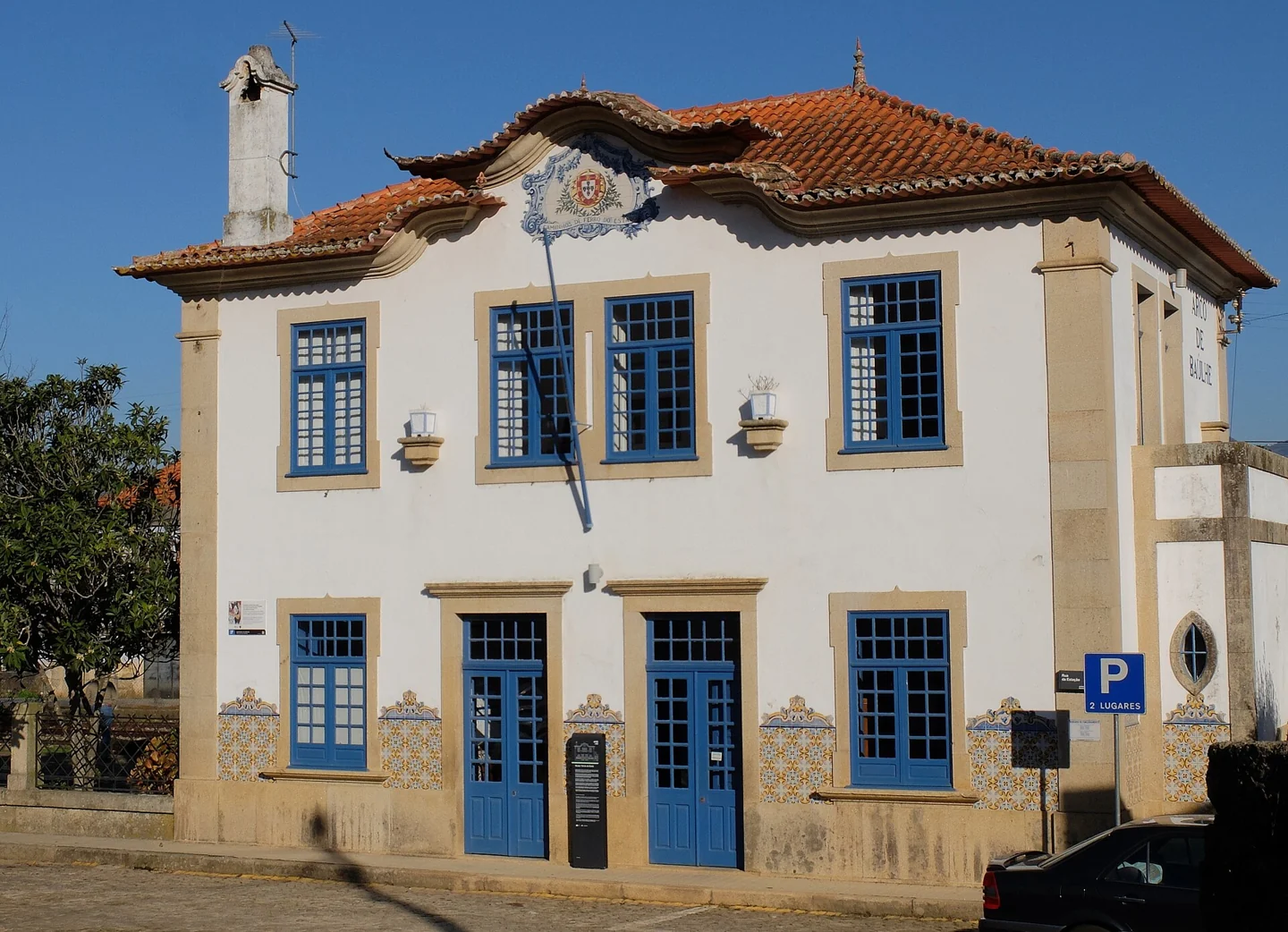
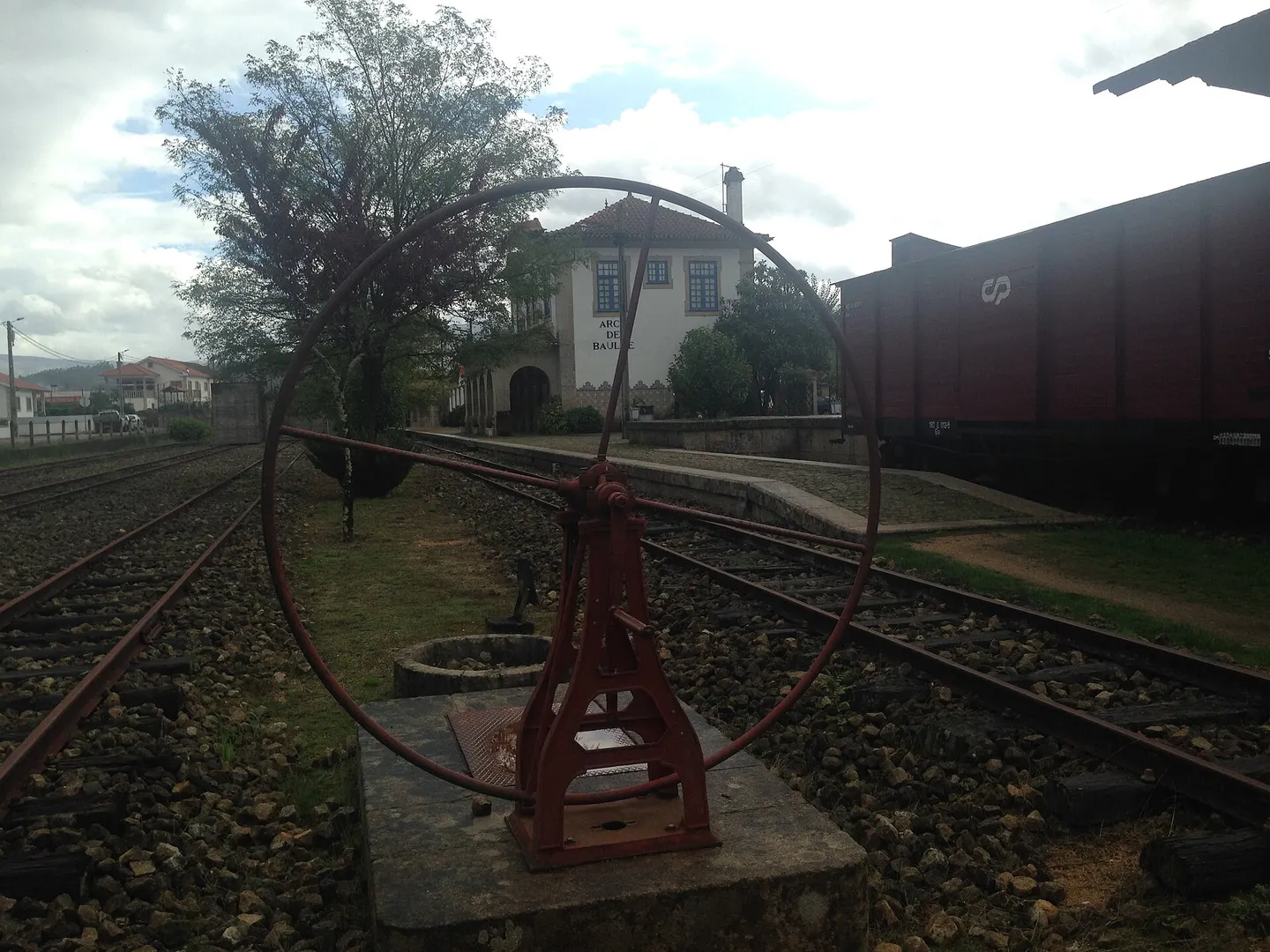
The former Arco de Baúlhe station building, with a light-coloured façade, stonework and blue window and door openings.
ⓘSwipe to see more places →
A station, royal carriages and stories from the Tâmega line: step into railway memories at Arco de Baúlhe.
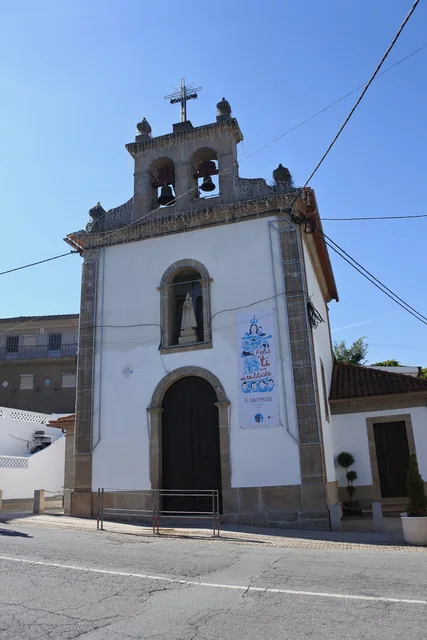
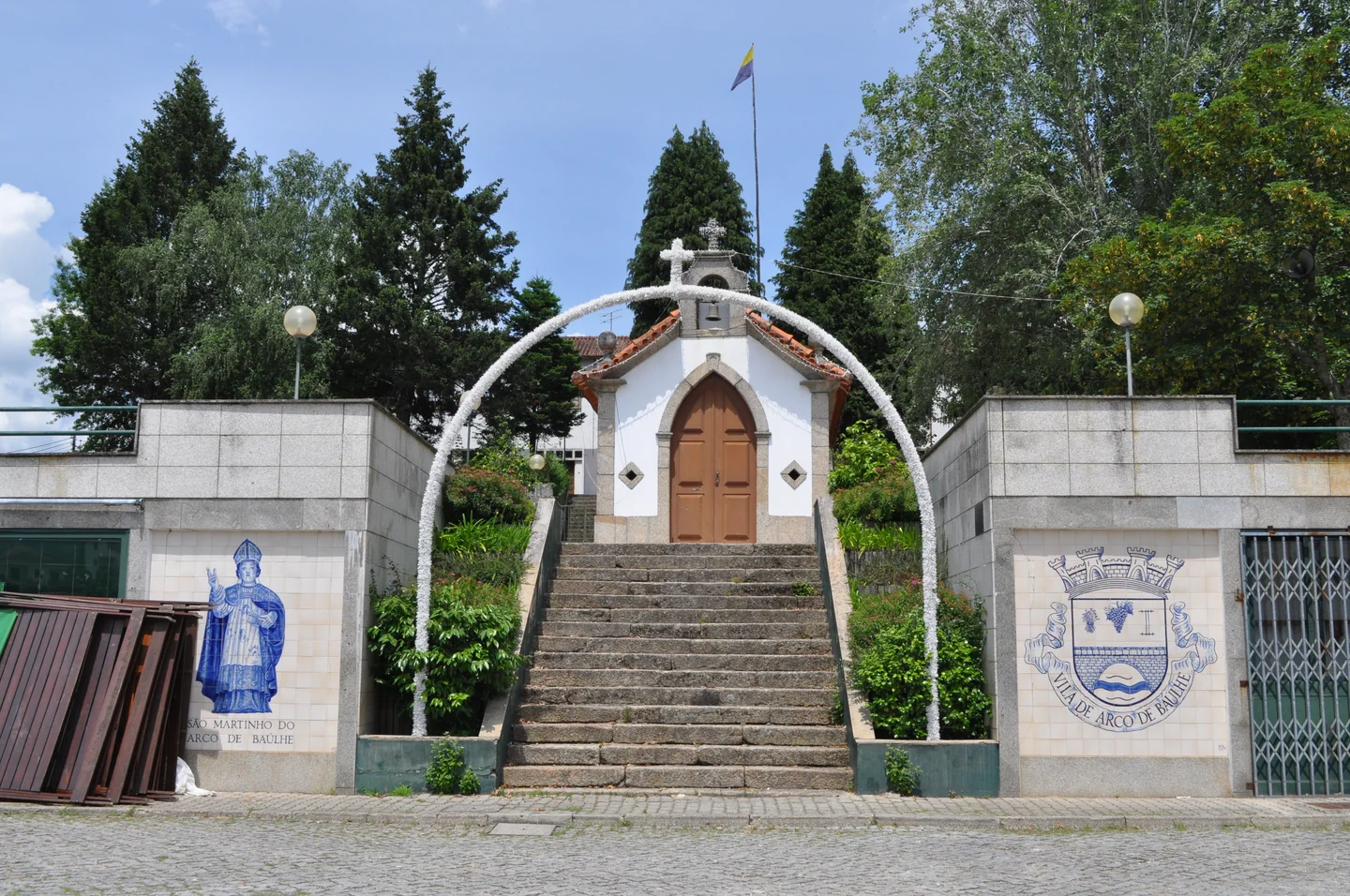
Arco de Baúlhe e Vila NuneThe chapel connected with Arco's historic pilgrimage festival.
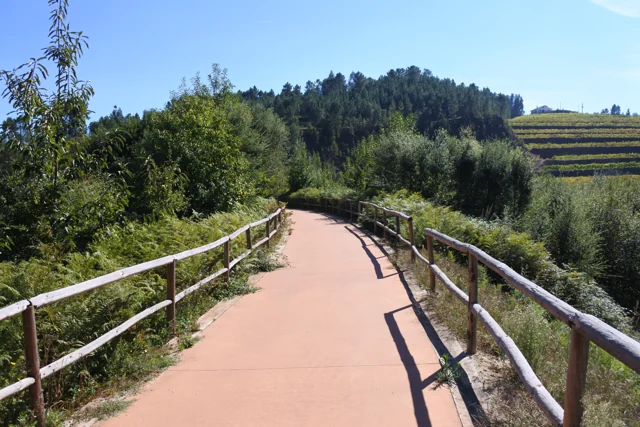
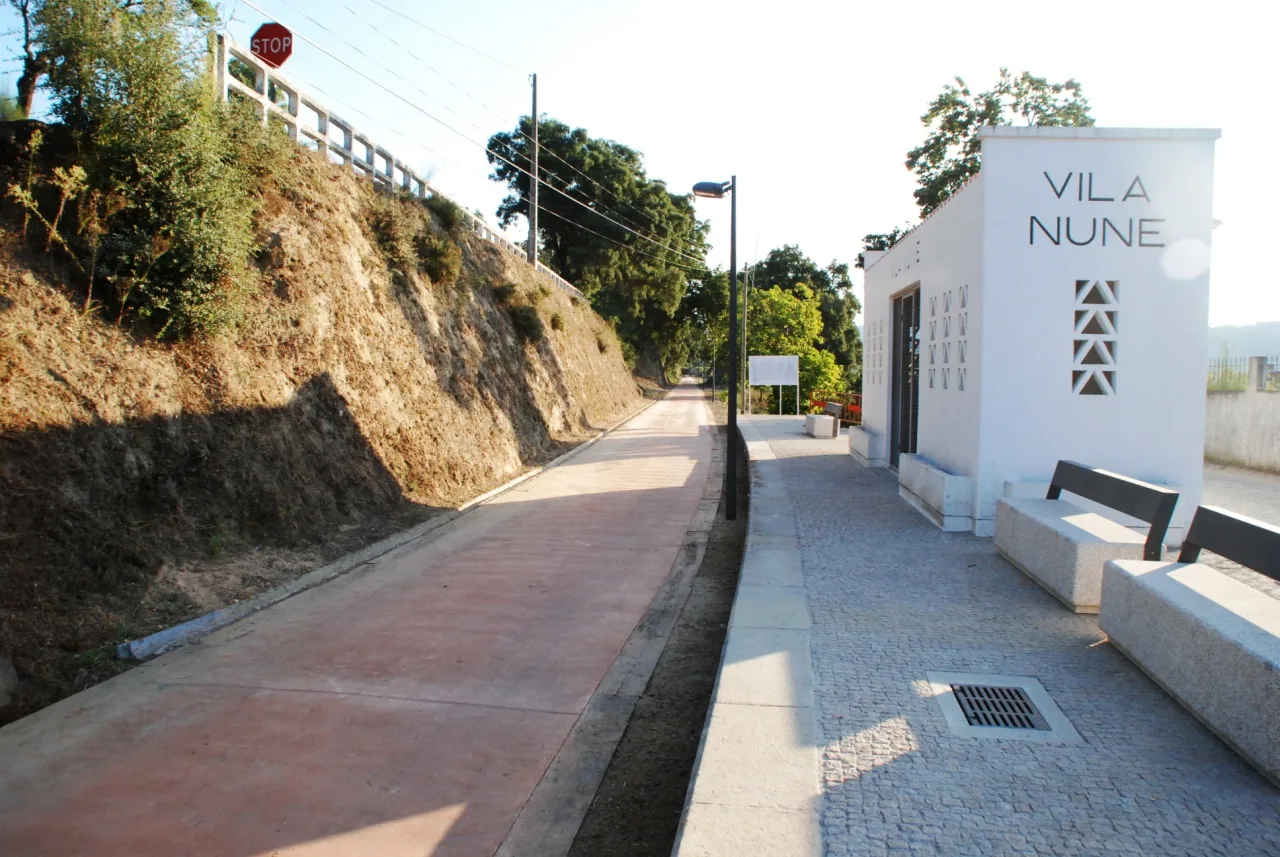
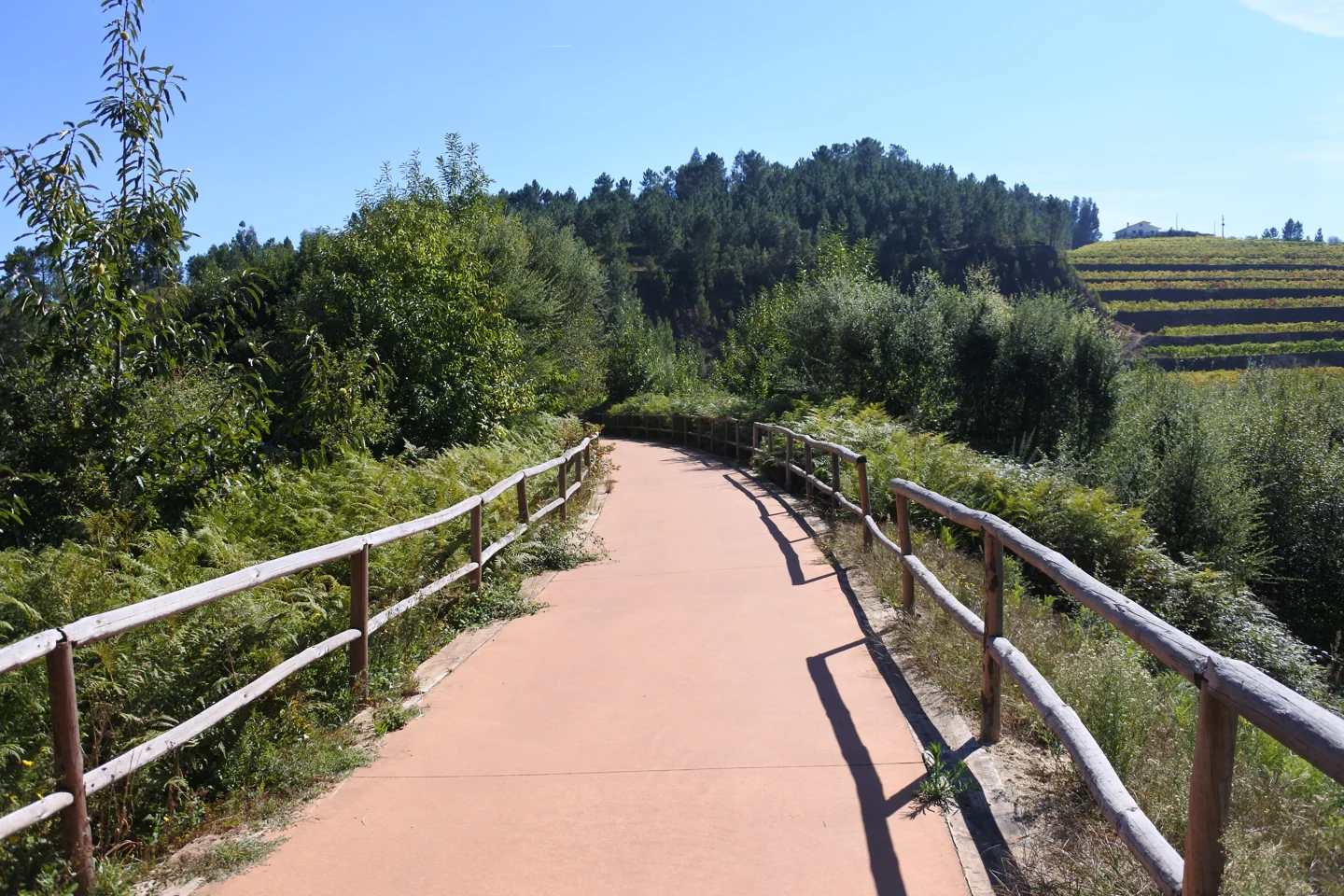
Arco de Baúlhe e Vila NuneThe former railway becomes a path for walking and cycling between Arco de Baúlhe and Vila Nune.
Arco de Baúlhe e Vila NuneFrom trains to pilgrimages, many paths reveal Arco and Vila Nune. The Ponte Velha and Railway Museum tell stories of connections and journeys. The Remédios pilgrimage includes raising the flagpole. In Vila Nune, follow the memories of Santo André’s parish church, manor houses and the former railway halt.
In the south of the municipality, Arco de Baúlhe and Vila Nune connect with the wider Terras de Basto. Arco’s Ponte Velha and Vila Nune’s farmland tell stories of movement and working the land. One date marks Arco’s history: its elevation to town status on 20 June 1991.
The former terminus of the Tâmega Line gave Arco a role in regional mobility. Today, the Railway Museum offers a chance to discover equipment and spaces connected with that experience. Vila Nune retains the memory of its railway halt, distinct from the terminus station. Vines, the parish church and the houses of Granja and Além add other ways to read the landscape.
The 1758 accounts identify São Martinho do Arco and Santo André de Vila Nune as separate parishes. For Arco, the source describes a valley opening towards neighbouring lands; for Vila Nune, it places the parish within Cabeceiras de Basto’s jurisdiction. Traditions of Nossa Senhora dos Remédios and São Martinho accompany the lace, embroidery and weaving mentioned by the municipality. The old documentation preserves both communities’ names.
In the 1758 Memories, Arco appears as a settlement organised along streets, unlike more dispersed clusters such as Baúlhe, Portela and Telhado. The priest describes a July fair attended by flax merchants and buyers. He also mentions inns receiving guests. Before the railway, trade, hospitality and passage already played a part in this stretch of the valley.
Arco’s former station, Vila Nune’s halt, the Ponte Velha and the houses of Granja and Além reveal different periods and ways of travelling and living. Lace and embroidery are mentioned in both Arco and Vila Nune; the municipality also lists weaving for Arco. The administrative union brings these kinds of heritage together, while both names remain useful for recognising places and finding documentation.
Arco de Baúlhe · Vila Nune · Caneiro · Granja
Discover the municipality’s history
A selection of places in the parish, with room to grow.
Main source consulted in 04/11/2026.
Publication at that source: Unidentified. Registered documentary verification: 2026-11-04.
Method recorded in that review: Documental review in 04/11/2026 of the municipal pages, historical transcripts and references indicated. Uncollated manuscripts. Archivistic descriptions, studies of oral tradition and dated observations are identified. Visually revised photographs from the Commons file consulted in 03/11/2026; camera position does not equal the survey of the object.
Editorial review: 2026-11-06. The editorial review is neither a visit to the site nor a real-time update. Additional times and sources may have their own consultation dates, indicated in the form.
Found different information? Suggest correction
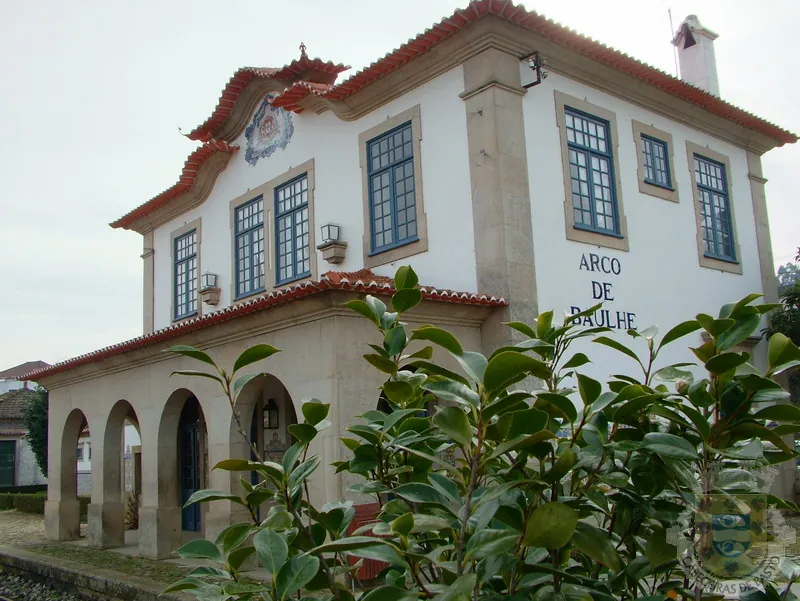
Another view of the museum building in Arco de Baúlhe, from the municipal gallery; capture date not indicated.
Source: Municipality of Cabeceiras de Basto
Photograph date not stated.
Autor e licença de reutilização não identificados na fonte.
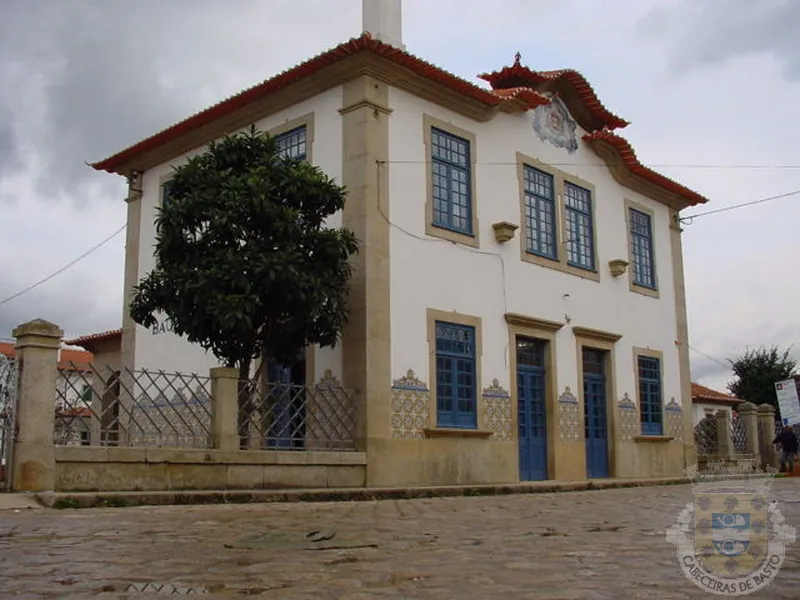
Another view of the museum building in Arco de Baúlhe, from the municipal gallery; capture date not indicated.
Source: Municipality of Cabeceiras de Basto
Photograph date not stated.
Autor e licença de reutilização não identificados na fonte.
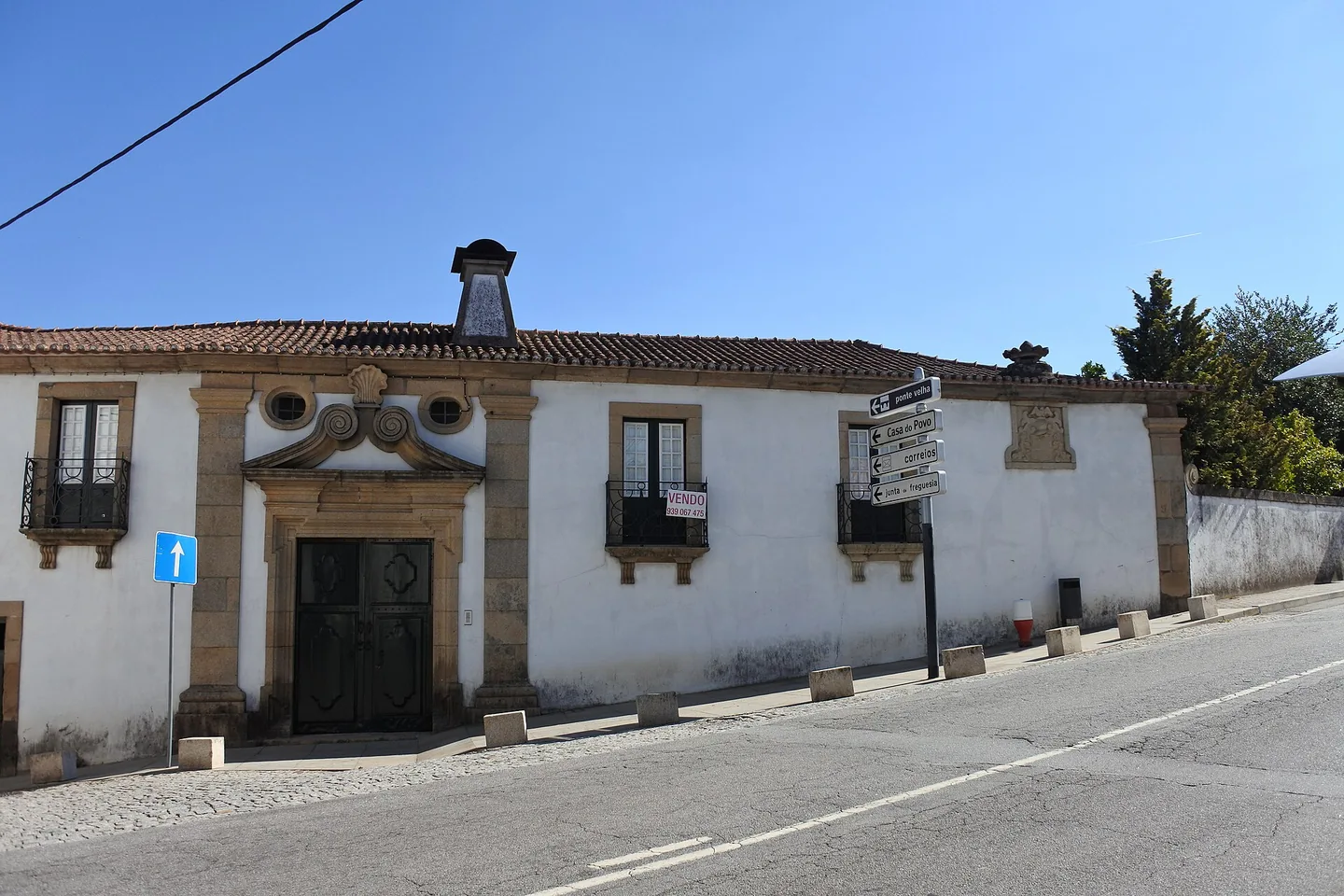
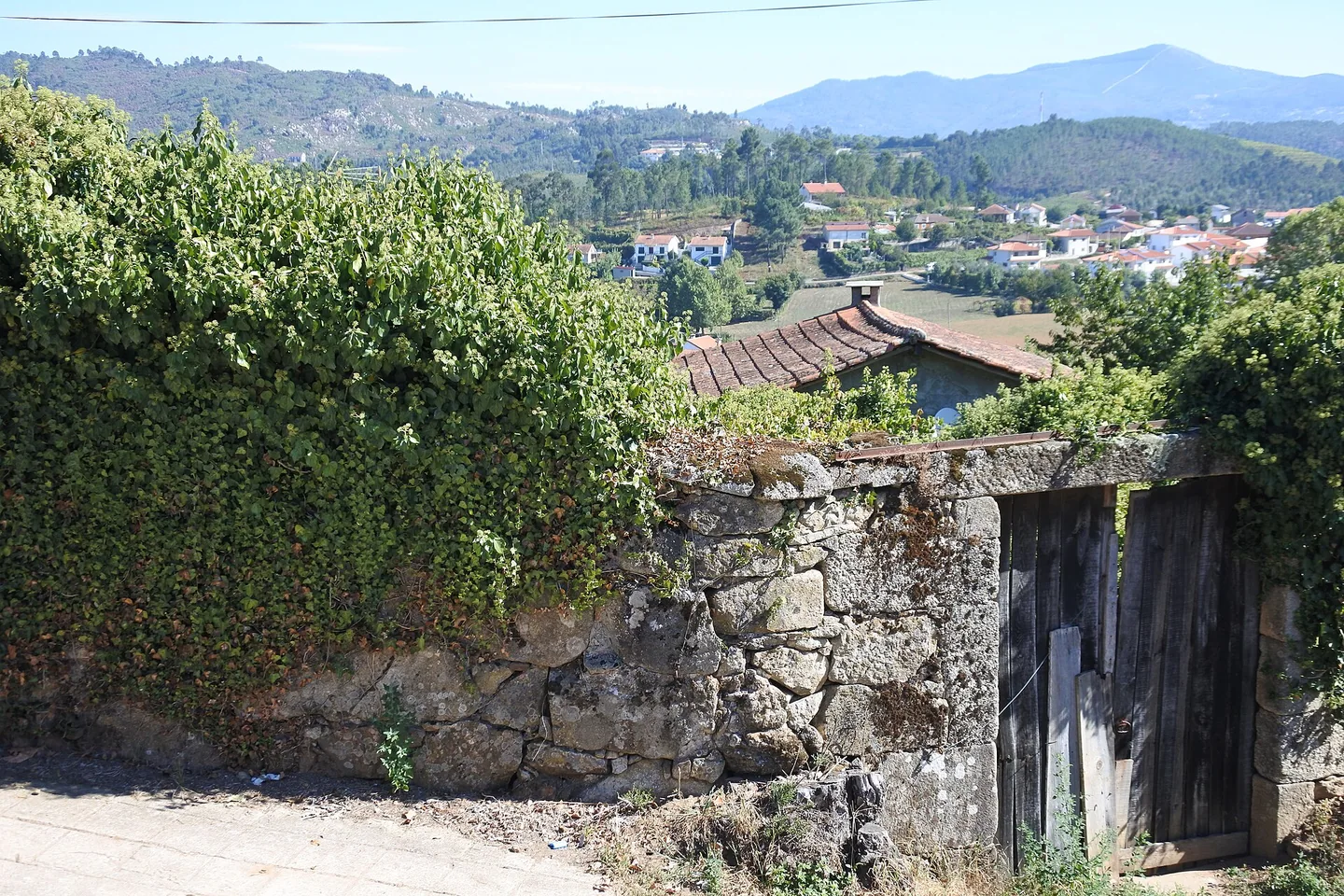
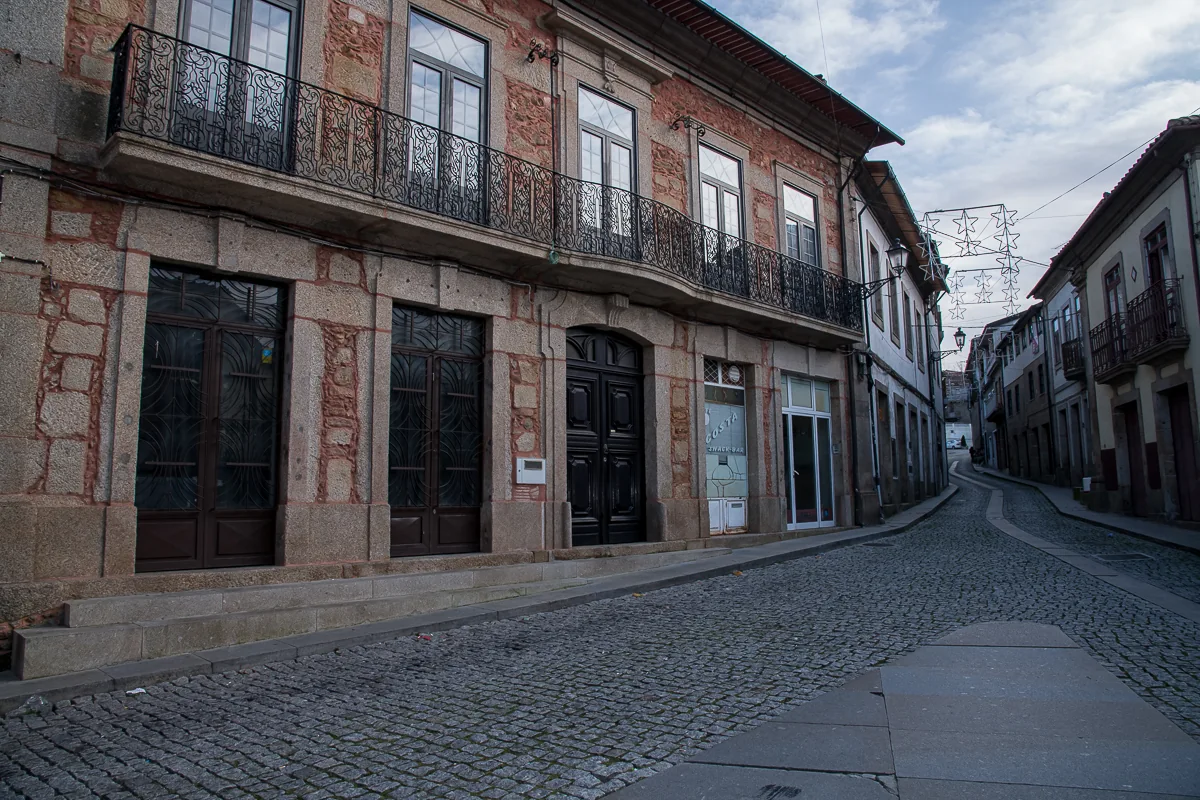
View over Arco de Baúlhe, with walls and vegetation in the foreground.
Photography: FF Mira · CC BY-SA 2.0
Date given at source: .
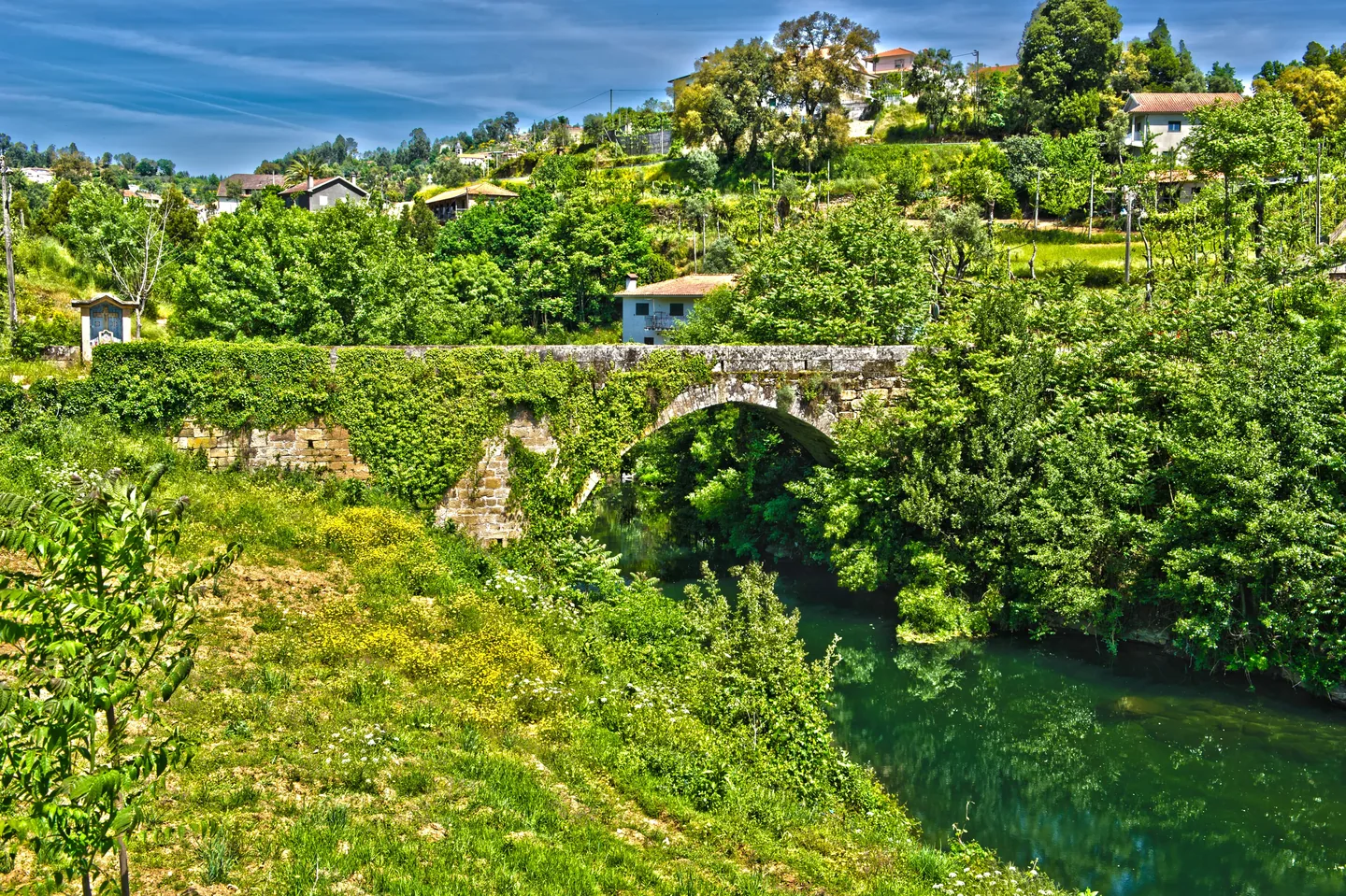
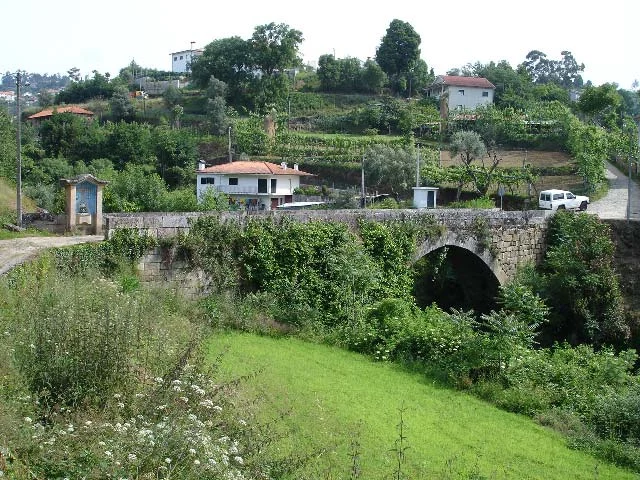
Ponte Velha in Arco de Baúlhe among vegetation.
Source: Visit Cabeceiras — Município de Cabeceiras de Basto
Photograph date not stated.
Individual photographer and reuse licence not stated by the source.
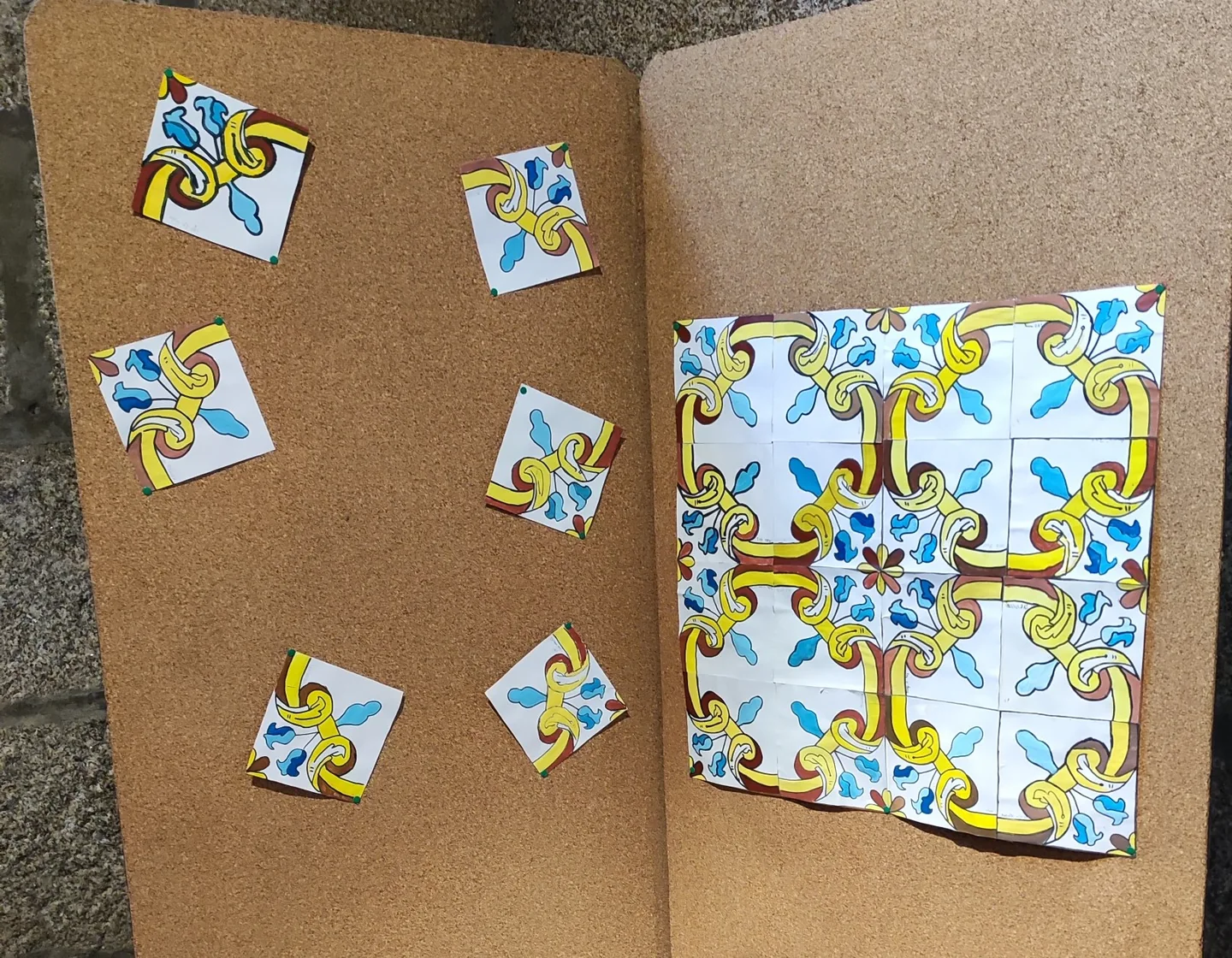
2022 school project inspired by the tile panel at Arco station.
Source: Museu das Terras de Basto
Photograph date not stated.
Autoria da fotografia e licença de reutilização não identificadas na fonte.
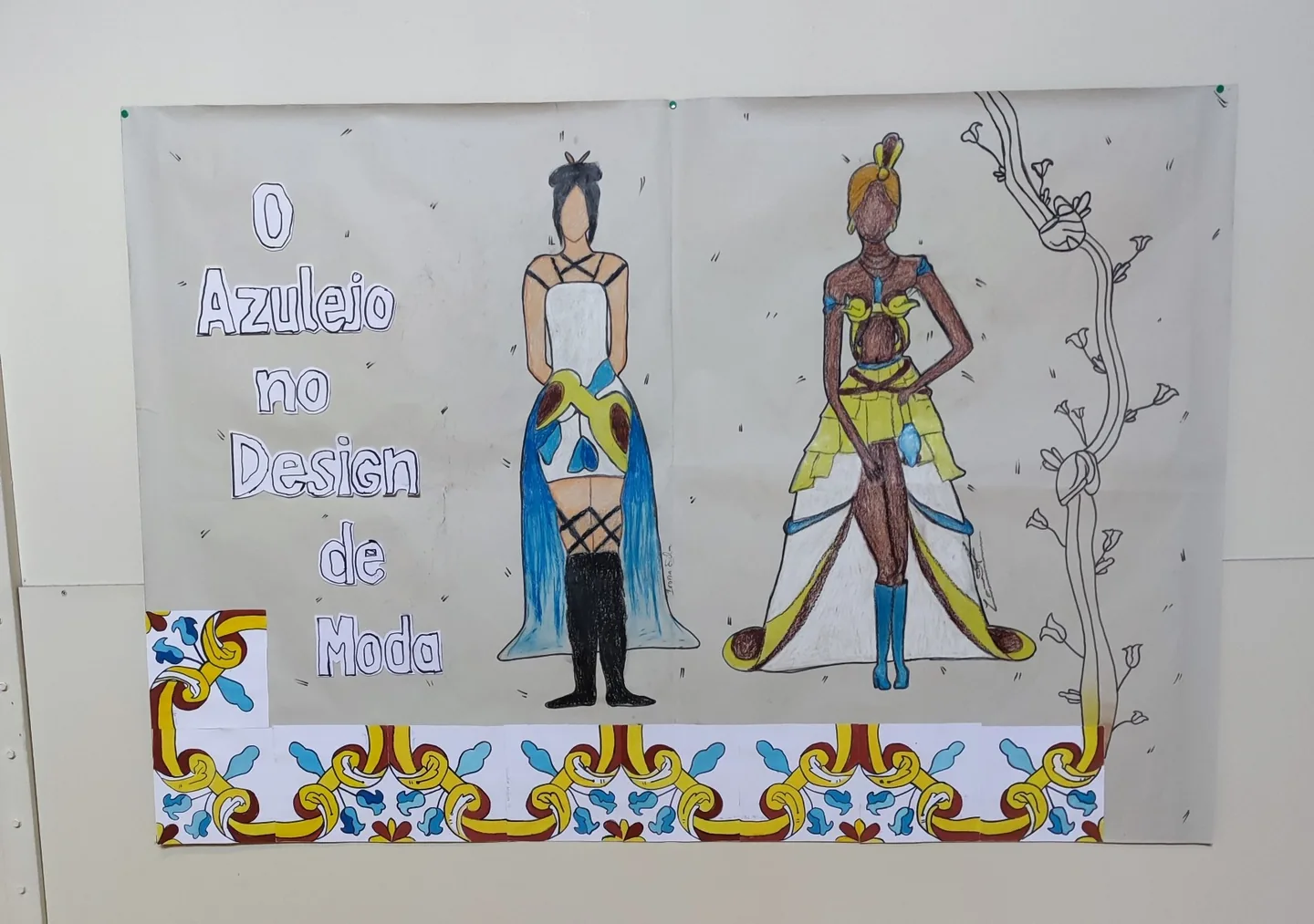
Clothing designs created by pupils from the tile patterns in 2022.
Source: Museu das Terras de Basto
Photograph date not stated.
Autoria da fotografia e licença de reutilização não identificadas na fonte.
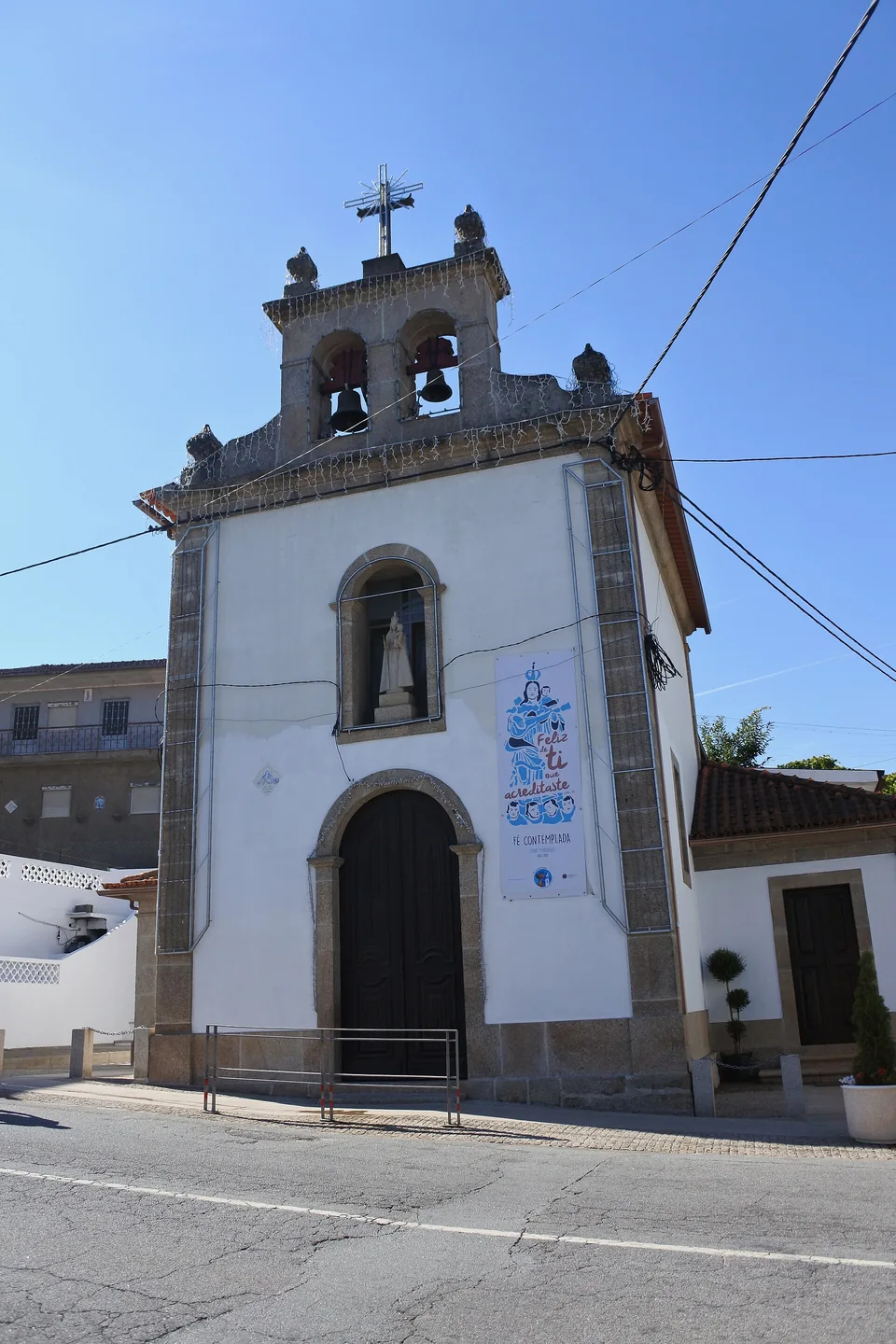
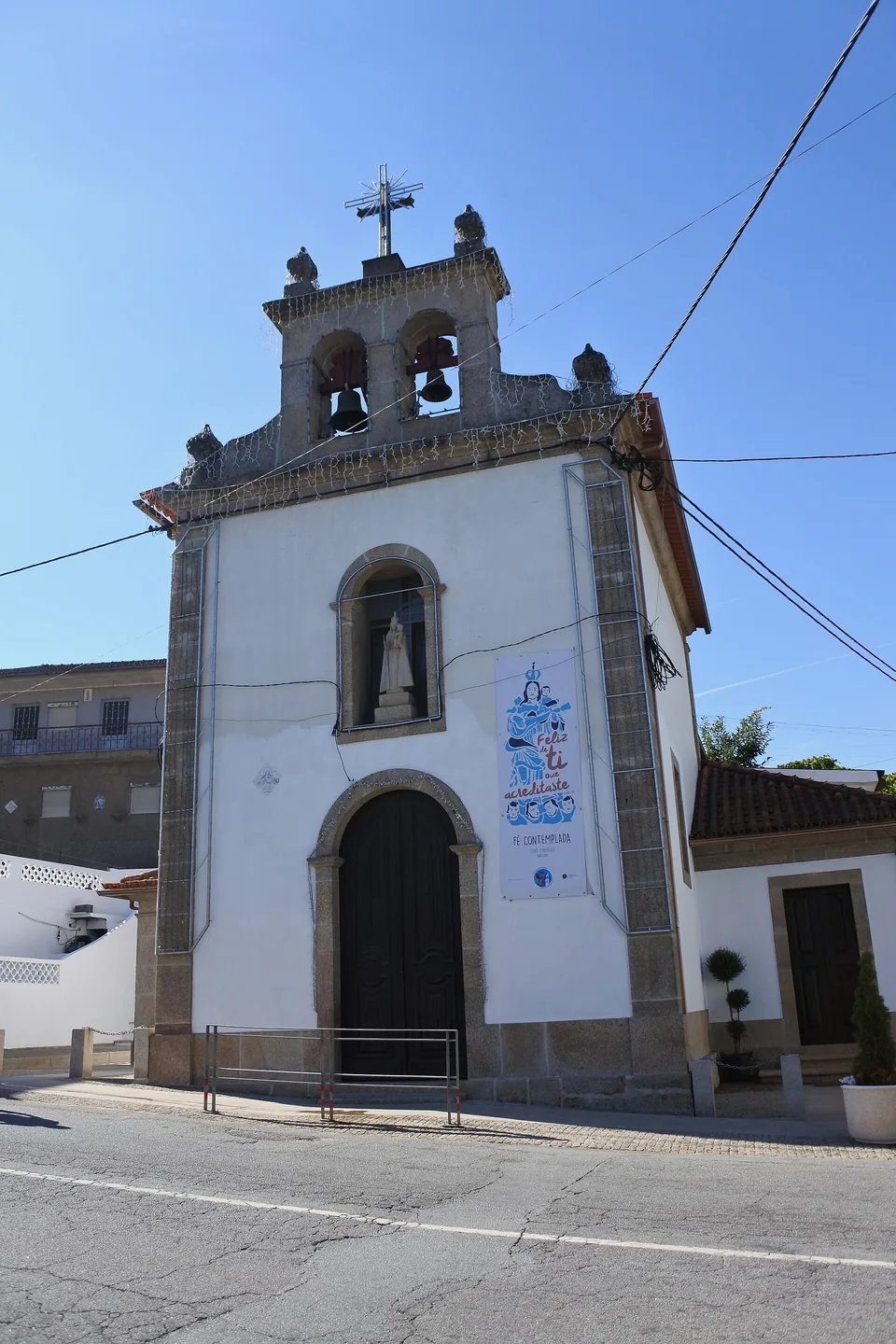
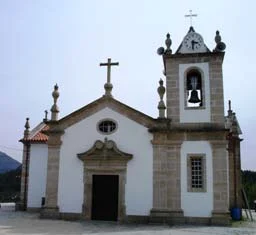
Façade of the Our Lady of Remedies chapel in Arco de Baúlhe.
Photography: FF Mira · CC BY-SA 2.0
Date given at source: .
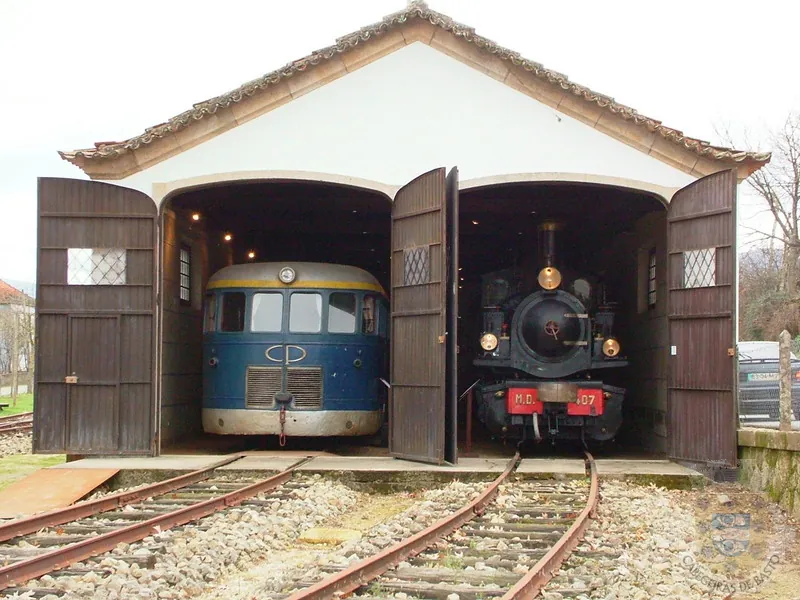
Núcleo Ferroviário de Arco de Baúlhe — photograph from the municipal gallery; capture date not indicated.
Source: Municipality of Cabeceiras de Basto
Photograph date not stated.
Autor e licença de reutilização não identificados na fonte.
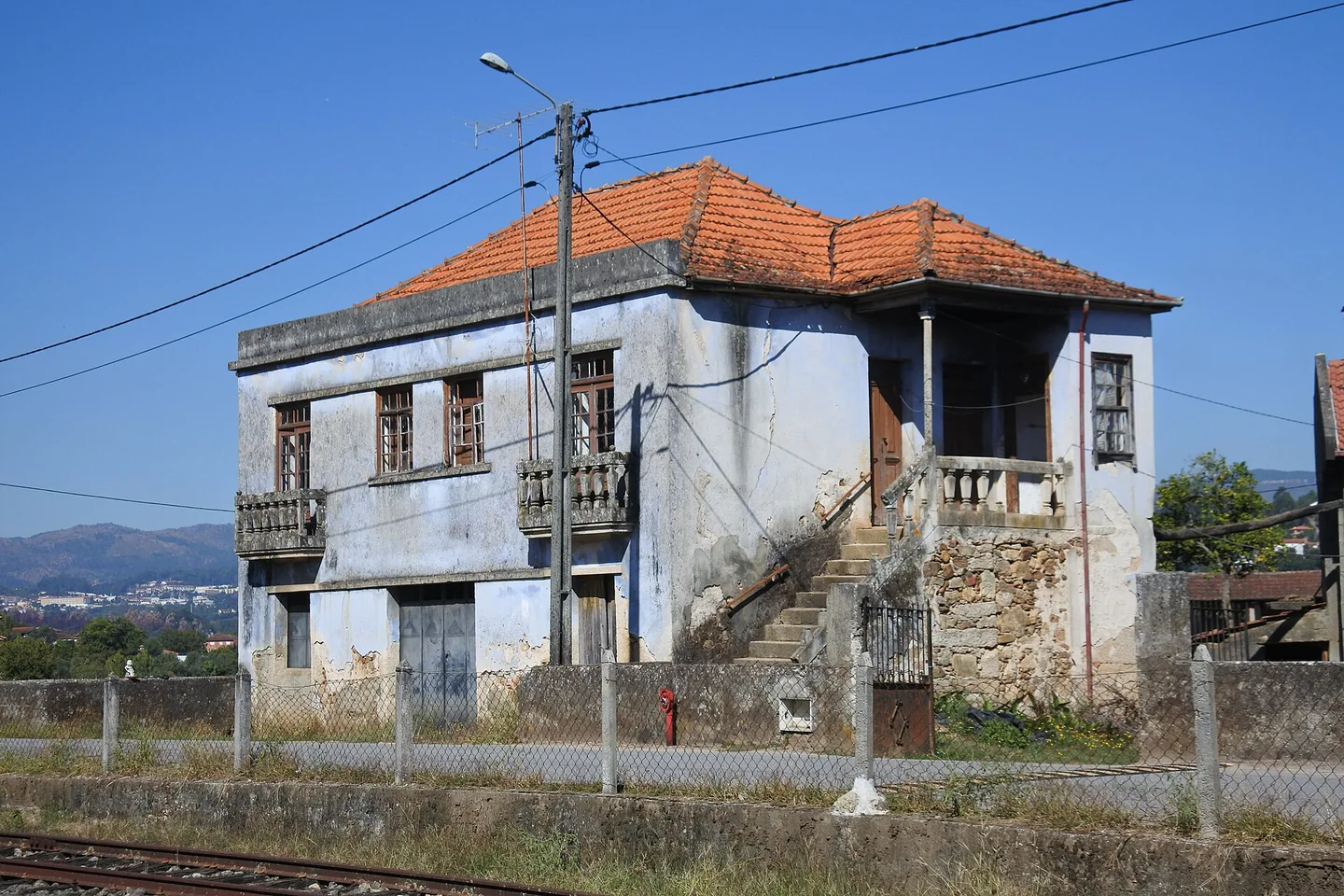
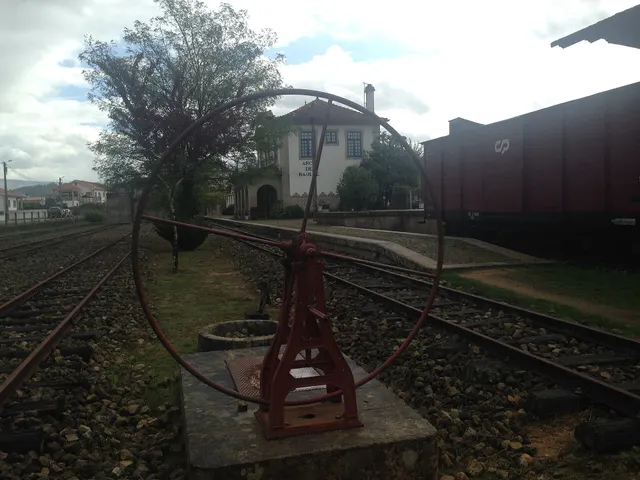
Railway building beside the former Arco de Baúlhe station.
Photography: FF Mira · CC BY-SA 2.0
Date given at source: .
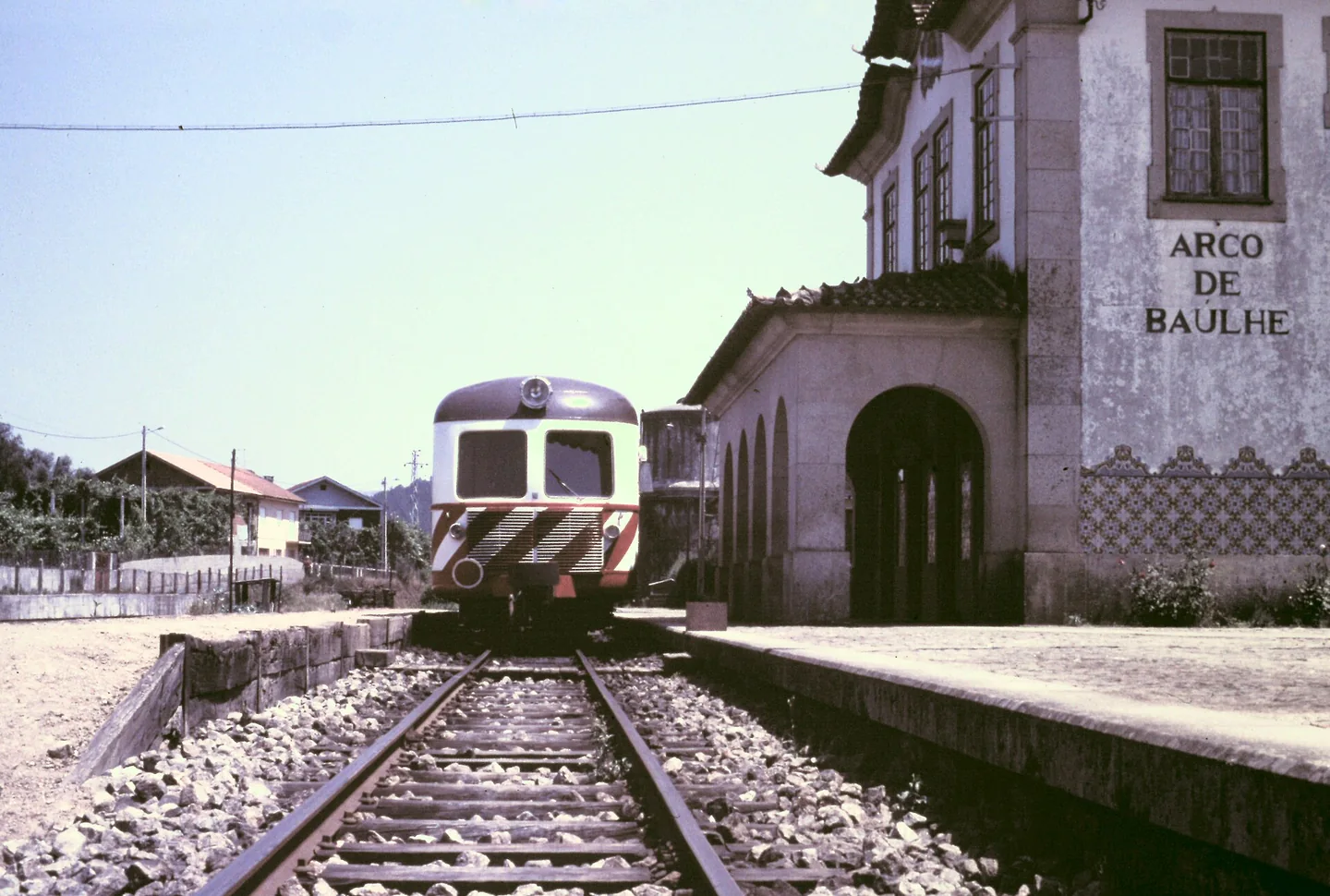
Railway rolling stock on the tracks at the former Arco de Baúlhe station.
Photography: Fernando Moital from Évora, Portugal · CC BY 2.0
Date given at source: .
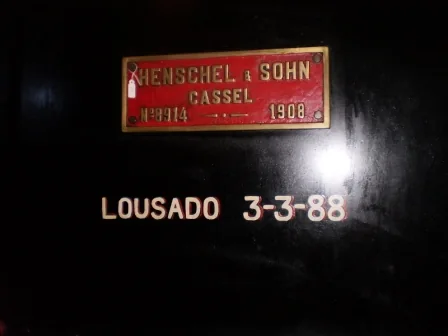
Henschel & Sohn maker’s plate on locomotive MD 407.
Source: Museu das Terras de Basto
Photograph date not stated.
Autoria da fotografia e licença de reutilização não identificadas na fonte.
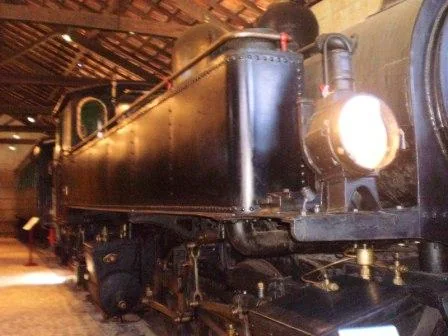
Locomotive MD 407 in the Arco railway collection.
Source: Museu das Terras de Basto
Photograph date not stated.
Autoria da fotografia e licença de reutilização não identificadas na fonte.
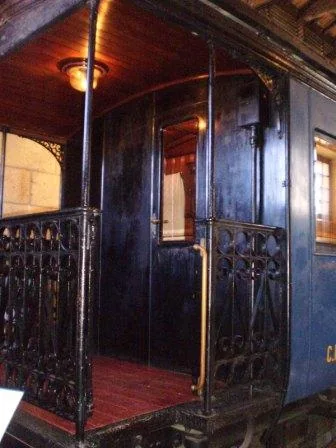
Interior and platform of saloon carriage 4001.
Source: Museu das Terras de Basto
Photograph date not stated.
Autoria da fotografia e licença de reutilização não identificadas na fonte.
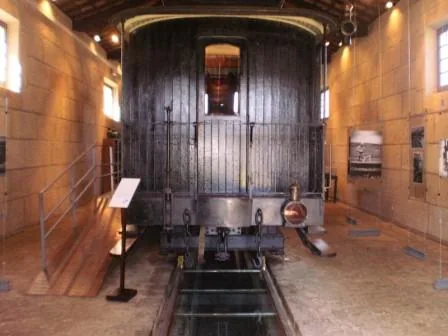
Wooden exterior of saloon carriage 201 at the museum.
Source: Museu das Terras de Basto
Photograph date not stated.
Autoria da fotografia e licença de reutilização não identificadas na fonte.
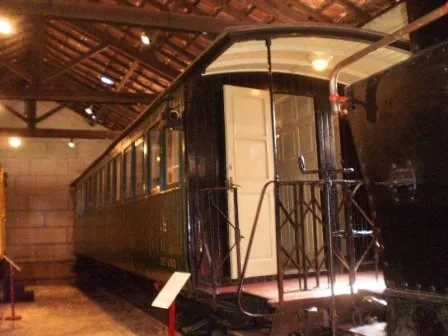
Platform of passenger carriage 453.
Source: Museu das Terras de Basto
Photograph date not stated.
Autoria da fotografia e licença de reutilização não identificadas na fonte.
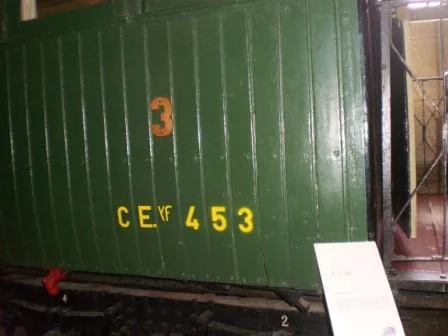
Identification on passenger carriage 453.
Source: Museu das Terras de Basto
Photograph date not stated.
Autoria da fotografia e licença de reutilização não identificadas na fonte.
In the south of the municipality, Arco de Baúlhe and Vila Nune connect with the wider Terras de Basto.
The former terminus of the Tâmega Line gave Arco a role in regional mobility.
The 1758 accounts identify São Martinho do Arco and Santo André de Vila Nune as separate parishes.
Knowledge, landscapes and memories linked to this parish.
Choose from 12 activities here →
2 guides with stories from here → · To follow a story by chapters.
Inns, linen and small settlements animated an earlier landscape.
A small detail reveals how food reached the table.
Discreet animals deserve a place in the municipality’s portrait too.
Carriage 4001 connects Belgium with a royal visit.
Carriage 201 held two compartments and another way of travelling.
Carriage 453 was made for third-class passengers.
Water and coal were part of MD 407’s journey.
A station façade reached the pupils’ designs.
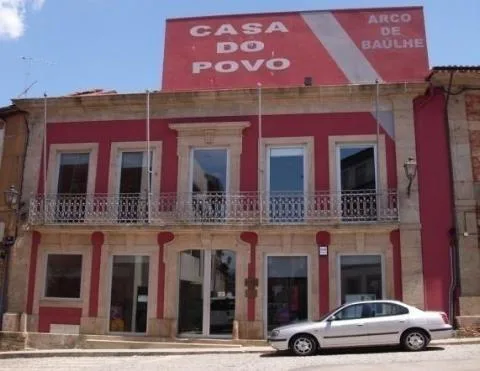
Adjoining houses preserve another chapter in the history of trade.
History lives in people, gestures and preparations.
Inns, a royal road and a linen fair.
A curious name can open up a story at the table.
Ana Peneda shared a version from Arco de Baúlhe.
The strawberry tree’s seasons overlap.
Not every memory of the railway is made of metal.
In the museum garden, the community has put down roots too.
Plants are part of the station’s memory too.
Vila Nune and Gondiães reveal another part of the geological map.
Two postal points connected Vila Nune with Porto.
The workshop supplied home, fields and fair.
Not every mug was only for drinking.
The railway depended on modest objects too.
One name could cover different functions and capacities.
Arco was the final stop on a journey along the Tâmega.
Arco has a much older history too.
The station can also be read through its walls.
The collection tells of different ways to get a train moving.
A carriage opens a window onto journeys of another time.
In Arco de Baúlhe, science can be found on a sign too.
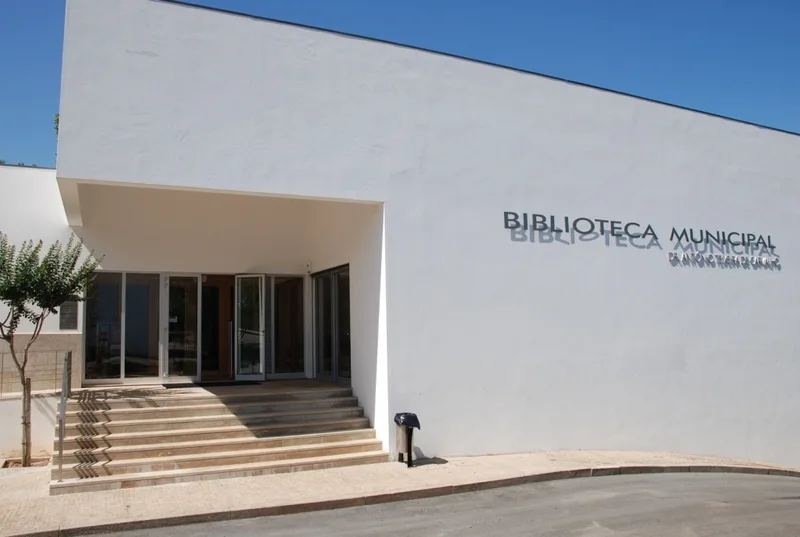
A library holds encounters and discoveries too.
Behind the exhibits are books, photographs and archives.
Van DE.FV 506 carried more than goods.
The station found another role after the line closed.
The former railway welcomed walkers and bicycles.
Counting households was not the same as counting people.
An account from Vila Nune also looks towards Atei.
A detail of the Ponte Velha reveals which way the river comes from.
Os Ceifeiros de Santo André was founded in 1997.
In 1758, residents had two postal reference points.
Observations of citizen science with location published in this parish, crossed with the limits CAOP2025. They are not visiting points or independent confirmation in the field.
A 10 km run and 5 km walk, starting at 10h30 in Arco de Baúlhe.
Desks, books and school memories: a documentary exhibition announced at the library until the end of November.
Rua Arco de Baúlhe, 68, 4860-045 Arco de Baúlhe
Monday to Friday: 09h00–12h30 and 14h00–17h30.
Opening hours published by the source · 15/11/2026. View opening-hours source
Ponte Velha de Arco de Baúlhe
Explore this theme across the municipality 2 places in this parishNúcleo Ferroviário de Arco de Baúlhe · Antigo apeadeiro de Vila Nune
Explore this theme across the municipality 1 place of this parishNúcleo Ferroviário de Arco de Baúlhe
Explore this theme across the municipality 1 place of this parishZona de Banhos do Caneiro
Explore this theme across the municipality