Arco and Vila Nune before the train

Inns, linen and small settlements animated an earlier landscape.
Text size
Your choice is saved only in this browser.
Long before the train arrived, Arco was already a place of passage. In 1758, the parish priest described good inns and a royal road used by travellers between Minho and Trás-os-Montes. The town we now associate with its station had a history of routes before the rails.
The fair on 21 and 22 July attracted merchants with goods and buyers of linen, produced abundantly in the area. Arco itself was described as a settlement arranged along streets, with 59 households. Other parish settlements had homes more scattered among farmsteads. The term vizinhos counted domestic units rather than individual people.
In Vila Nune, the account from the same year paints a different picture: fourteen settlements, several with only one or two households. The priest emphasised the poverty of part of the population and said almost everyone bought bread, although wine was the most abundant crop. Producing wine did not mean having all the food needed.
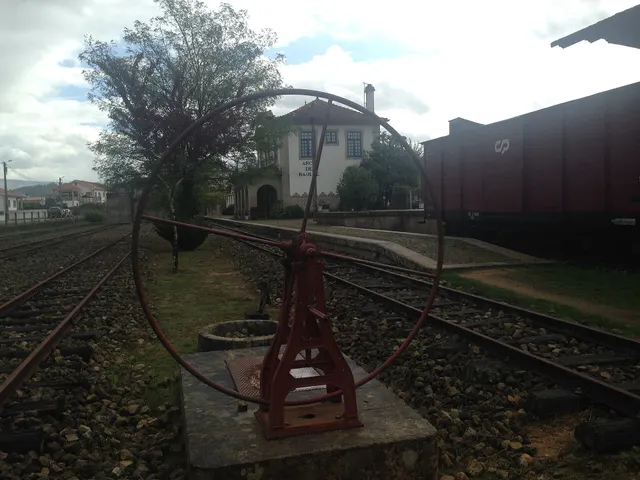
When the Tâmega railway reached Arco in 1949, it met a territory with existing routes, exchanges and social differences. The station added another layer to that history; it did not begin it.
Explore further: words and activities
Explore this story
Source and context
Municipality — Núcleo Ferroviário de Arco de Baúlhe
Accessed:
Municipality — Parish Memoirs of Vila Nune, 23/05/1758
Accessed:
Archaeological Letter of Cabeceiras de Basto — Protohistory and Romanization
Accessed:
Município — Memórias Paroquiais de Arco de Baúlhe, 1758; transcrição de José Viriato Capela (2003)
Accessed:
Editorial summary; the date of consultation is not the date of the facts.