Discover Cabeceiras de BastoFree independent guide
ViveCabeceirasYOUR GUIDE TO CABECEIRAS
ENEnglish
SearchSaved

Stories of Cabeceiras

Choose a story to start with. You can change the subject or fine tune the search.

17 stories · All themes · Search: tamanho

The flavours of Cabeceiras

From the garden to the pot, from the oven to the table.

Choose a story · 3
Cabeceiras and neighboring municipalities · food memory

Maize the size of rice

Mílheros tell a story of rural food.

Includes an activity to try →Explore: A cereal, different transformations →View ingredients and preparation →
Read here and view sources

The Museum describes mílheros as maize crushed in a mill into small grains. In everyday meals, beans, cabbage shoots or cod bones could be added for flavour. Pork appeared on festive days or in households with more resources. This explains the distinction between “rich” and “poor” mílheros. The 2019 publication places this tradition in Cabeceiras and neighbouring municipalities.

In the Museum’s recipe for mílheros ricos, pork ribs, morcela, salpicão and linguiça accompany the grain. The difference between versions also helps us understand living conditions and occasions for eating them. The same ingredient could sustain a simple meal or form part of a more abundant table.

Words in this story: see explanations →
Source and context

Land Museum of Basto — Millions (2019)

Accessed: . Editorial summary; the date of consultation is not the date of the facts.
Pedraça · 2011 food memory

Winter in a cooking pot

Caldo de farinha had its place in January and February.

Includes an activity to try →Explore: Cereals in three forms →View ingredients and preparation →
Read here and view sources

In the account recorded in January 2011, Maria da Conceição Gonçalves Mouta recalls beans, leafy greens, pork and maize flour. This is a cooking memory passed down by her grandmother from Cavez and recorded in Recovos, Pedraça. The flour went in near the end of cooking and was stirred continuously to break up lumps. This helped thicken the soup.

The account also records a change in equipment: a gas cooker and stainless-steel pans had entered daily life, while the hearth and three-legged pot were still used for Christmas Eve. The memory does not describe a kitchen frozen in time. In 2011, the interviewee said she rarely made this soup, distinguishing the custom she remembered from its frequency at that time.

Compare this dish with the same interviewee’s couves com migas: the soup takes maize flour, while the greens receive pieces of broa after being drained. One account is associated with January and February; the other values the tender greens of April and May. Grain links the dishes, but the preparation and season set them apart.

Getting to know the parish
Source and context

Basto Land Museum — testimony of Maria da Conceição Gonçalves Mouta, collected by Maria de Fátima Carvalho in 2011

Accessed: . Editorial summary; the date of consultation is not the date of the facts.
Area of Basto · traditional names of grape varieties

A toad’s eye, but in the vineyard

One grape variety can have several names.

Read here and view sources

The Comissão de Viticultura da Região dos Vinhos Verdes identifies Bogalhal and Olho-de-sapo as names used in Basto for the red grape variety Borraçal. Other places use different names. This vocabulary brings the vineyard closer to local speech: a name heard in conversation may refer to a variety already known. The reference is regional and does not identify a particular plot or producer in Cabeceiras.

The botanical description gives Borraçal small bunches and berries of unequal size. Compare it with Arinto: it too can have small berries, but its bunches are large. These profiles help us ask questions; one isolated resemblance in a photograph does not identify a grape variety.

Source and context

CVRVV — Vinhos Verdes: Borraçal, Vinhão and regional diversity

Accessed: . Editorial summary; the date of consultation is not the date of the facts.
Life you do not always see

Knowing animals begins by perceiving the territory and respecting the distance.

Choose a story · 4
Mammals · behaviour and local reference

Wild boar come out as the light fades

A long snout and a very varied diet.

Includes an activity to try →
Read here and view sources

The wild boar, Sus scrofa, is omnivorous and is mainly active at dusk and at night. During the day it may shelter in dense scrub. Plataforma Lobo-ibérico documents a wild boar killed by wolves in Serra da Cabreira, in Cabeceiras, without giving the record’s date. Its long snout and thick coat distinguish it from the domestic pig. Despite being omnivorous, the source describes a mainly plant-based diet. This flexibility helps explain its adaptation to different landscapes.

The platform also uses the Portuguese name porco-bravo and describes marked differences between the sexes. It discusses the species’ expansion in Portugal, including areas near urban centres. That national context cannot tell us how many wild boar live in Cabeceiras.

The Cabreira record and the description of habits answer different questions: one documents an encounter between predator and prey; the other helps explain the species’ life. This single reference cannot establish how often predation occurs or the size of local populations.

Source and context

Lobo-Iberico platform in Portugal — wolf prey; registration of Cabreira without date indicated

Accessed: . Editorial summary; the date of consultation is not the date of the facts.
Cavez · record from 2016–2017 and general biology

A fish can migrate without going to sea

The common barbel makes its journey within the river.

Explore: The same river, different ways of living →
Read here and view sources

Fluviário de Mora describes the breeding migration of the Iberian barbel, Luciobarbus bocagei, to shallow, well-oxygenated water over sand, gravel or pebbles. It is a freshwater journey. The fish feeds on small bottom-dwelling animals, plant matter and detritus. Barbel were recorded in Cavez during the 2016–2017 survey; the behaviour described is general biology, not a migration observed at that point.

The journey does not contradict its preference for slower currents and moderate temperatures. The place used for living and feeding can differ from the one chosen for reproduction. The Fluviário profile places breeding between May and June as a general description of the species.

The barbel is omnivorous: besides bottom-dwelling invertebrates and plant matter, it may occasionally eat small fish. The same source notes that it can reach about one metre. This is a possible size for the species, not a measurement of the Cavez specimens.

Words in this story: see explanations →
Source and context

Mora Fluviary — Barbo-common, biology of the species
Accessed:

Biosphere / Iberdrola, APA file — Monitoring of ichthyofauna 2016–2017, February 2018; pp. 5, 35 and 40, station record 22 on p. 175 PDF
Accessed:

Editorial summary; the date of consultation is not the date of the facts.
General biology · hoverflies

It looks like a wasp, but it may be a fly

Flowers receive visitors from many groups.

Includes an activity to try →
Read here and view sources

Not every insect that looks like a bee or wasp belongs to those groups. Hoverflies are true flies, and many mimic those insects’ appearance, a resemblance that can deter predators. Colours alone cannot identify a flower visitor.

In explanations published by the Gulbenkian, entomologists Renata Santos and Albano Soares highlight their pollen and nectar diet and role in pollination. Flowers receive visitors from several insect groups: watching who arrives and how they move can open new questions. The source describes general biology, not a species recorded in the municipality.

Comparing them with bees means considering both appearance and way of life. Outward resemblance relates to defence against predators; visiting flowers relates to food and can contribute to pollen transport. These are different relationships in the same animal. Looking only at coloured bands does not reveal the whole story.

Source and context

Calouste Gulbenkian Foundation — explanations of entomologists Renata Santos and Albano Soares, 07/06/2022

Accessed: . Editorial summary; the date of consultation is not the date of the facts.
Cavez · record from 2016–2017 and general biology

A small fish, many tiny prey

The gudgeon links river life with invertebrates.

Read here and view sources

Parque Biológico de Gaia describes Gobio lozanoi as a freshwater river fish that eats small invertebrates and usually measures about 12 centimetres. That is a typical size given in the profile, not the size of every individual or a measurement taken in Cabeceiras.

In the Cavez survey from 2016–2017, the gudgeon is among the six species recorded. Bringing that evidence together with its diet description invites a question about the river: which small animals sustain the fish? The profile does not identify the prey eaten at that point or demonstrate a relationship with every insect presented on this website.

Source and context

Gaia Biological Park — Gobio, Gobio lozanoi: habitat, food and size
Accessed:

Biosphere / Iberdrola, APA file — Monitoring of ichthyofauna 2016–2017, February 2018; pp. 5, 35 and 40, station record 22 on p. 175 PDF
Accessed:

Editorial summary; the date of consultation is not the date of the facts.
Read the landscape through the plants

Trees, forests, vineyards and fields reveal different ways of occupying the territory.

Choose a story · 2
Gardens · general ecology and seasons

A calendar of flowers

Pollinators need flowers at different times of year.

Includes an activity to try →Explore: A garden, several moments →
Read here and view sources

According to guidance from entomologists Renata Santos and Albano Soares, a green space becomes more valuable to pollinators when it offers flowers at different times, with varied shapes, colours and sizes. Spontaneously growing plants can contribute too. The strawberry tree, which flowers in autumn, is one example mentioned. This is an idea for observing a garden’s cycles, not a guaranteed calendar for every altitude and set of conditions in Cabeceiras.

Source and context

Calouste Gulbenkian Foundation — explanations of entomologists Renata Santos and Albano Soares, 07/06/2022

Accessed: . Editorial summary; the date of consultation is not the date of the facts.
Wetland plants · general botany

A rush tells a story of damp ground

Soft rush finds a place in wet meadows.

Includes an activity to try →Explore: Moisture has several landscapes →
Read here and view sources

Flora-On associates Juncus effusus subsp. effusus with rush beds and meadows on deep, damp soils. Gaia Biological Park describes soft rush’s smooth, shiny stems and recalls the use of its fibres in mat weaving. These are clues to the plant’s ecology and uses, not records of its presence or of craft activity in Cabeceiras.

The flowers deserve attention too: the Biological Park describes branched greenish or whitish clusters and gives May to September as the flowering period. The plant is perennial and survives for several years. Flowering therefore does not require a showy flower. The period given is a reference from the profile, not a forecast for a visit to the municipality.

The Gaia profile gives a height of 50 to 90 centimetres and includes lake and pond margins among the habitats where the rush may occur. This is a size reference, not a height every plant must reach. Shape, size and environment should be recorded separately when describing a specimen.

Words in this story: see explanations →
Source and context

Portuguese Society of Botany — Flora-On: Juncus effususus subsp. effususus

Gaia Biological Park — Junco-efuso

Accessed: . Editorial summary; the date of consultation is not the date of the facts.
Between rivers and mountains

Water and relief form the municipality. Choose a name and follow the landscape.

Choose a story · 3
Geological complex of Cabeceiras de Basto · regional study

Granite varies in grain size too

A seemingly uniform rock can reveal differences up close.

Includes an activity to try →
Read here and view sources

In A. Almeida’s study, granite from the Cabeceiras de Basto complex does not have a single grain size. The classification uses three average ranges: 0.5–1 millimetre for fine grain, 2–4 millimetres for medium grain and 5–7 millimetres for coarse grain. In the last group, the author also mentions rare larger crystals measuring 8–10 millimetres.

This distinguishes two observations: the usual grain size and the presence of a few crystals that stand out. The description does not turn every visible point in a photograph into a measurement. Comparing sizes in an image requires a scale; magnification on a screen can make small grains look large.

The study identifies three genetically independent series despite their similar chemical-composition ranges. Appearance is a starting point for investigation, not the entire explanation of origin. In a wall or façade, grains spark curiosity, but do not alone prove where the stone came from.

Words in this story: see explanations →
Source and context

A. Almeida (1998) — Metallurgical specialisation of the peraluminous granites of two micas of the Cabeceiras de Basto complex, IGM 84(1), B-79–B-82; p. 325 of the PDF

Accessed: . Editorial summary; the date of consultation is not the date of the facts.
Geological complex of Cabeceiras de Basto · dating cited in the study

A story millions of years old

A rock’s age and a landscape’s shape are different questions.

Explore: Three questions for the same stone →
Read here and view sources

A. Almeida’s paper refers to dating the Cabeceiras de Basto complex by the uranium–lead method, using zircon and monazite. The cited result is a minimum age of 311 ± 1 million years. This is a geological reference to the rock formation studied: it does not date the construction of a wall or establish when a hillside acquired its present shape.

The article forms part of the proceedings of the fifth National Geology Congress, published in 1998. For this value, Almeida refers to geochronological work with other authors listed in the bibliography. This chain of references explains where the number comes from: a research result, not an age estimated from colour or grain size.

Reading a landscape means separating timescales. The age assigned to a rock complex is one matter, the transformation of the relief another, and the moment a stone was used in a building another still. All three stories can meet in the same wall, but they require different evidence.

Source and context

A. Almeida (1998) — Metallurgical specialisation of the peraluminous granites of two micas of the Cabeceiras de Basto complex, IGM 84(1), B-79–B-82; p. 325 of the PDF

Accessed: . Editorial summary; the date of consultation is not the date of the facts.
General geology · reading of granite texture

Small grains tell how the rock cooled

Granite contains minerals you can distinguish by eye.

Includes an activity to try →
Read here and view sources

Adão Mendes’s explainer for the Portuguese Association of Biology and Geology Teachers links granite’s granular texture with magma cooling slowly at depth. Its characteristic minerals include quartz and feldspars; micas may also be present. This general explanation encourages a closer look at stone, but recognising colours and grains is not enough to identify a sample’s origin.

If granite formed at depth, how do we see it in an outcrop? The British Geological Survey links its exposure to uplift, erosion and weathering over millions of years. Formation and exposure at the surface are different stages in its story.

It also helps to distinguish rock from mineral. In granite, different minerals occur together as interlocking crystals. Recognising that combination differs from observing a single mineral in isolation. Relative crystal sizes and their arrangement help describe texture; one colour does not tell the rock’s whole story.

Source and context

Adam Mendes / APPBG — Characterize basalt, gabro, andesite, diorite, riolite and granite; RTP Teach, 2020

British Geological Survey — Rocks and minerals: rock formation, cooling and exposure

Accessed: . Editorial summary; the date of consultation is not the date of the facts.
A world beneath the leaves

A first look at the fungi. Continue in the gallery to see the local records already documented.

Choose a story · 1
General knowledge · national guide

The mushroom is only one part

There is a network we do not always see.

Includes an activity to try →Explore: Mushroom, mycelium and spores →
Read here and view sources

A mushroom is a reproductive structure; the body of many fungi is a network of threads called mycelium. Each thread is a hypha. CCRES describes this network colonising living or decaying organic matter, from which the fungus obtains nutrients.

The fruiting body develops from the mycelium and allows spores to disperse. If conditions are favourable, they can give rise to new mycelium. The visible mushroom tells only part of the life cycle; not all fungi produce cap-shaped structures.

When some decomposer species are cultivated, mycelium can develop in inoculated logs. The same log can produce mushrooms for several years while conditions and nutrients remain suitable. This general explanation neither identifies a species nor documents its occurrence in Cabeceiras.

The network can also form cords called rhizomorphs. In certain wood-inhabiting fungi, these help bridge gaps between branches or logs to reach another food source. An outer layer protects the inner hyphae during this exploration.

Another strategy is to form sclerotia: compact masses of hyphae with a resistant covering. They allow fungi to survive unfavourable periods and, when conditions improve, can produce mycelium or reproductive structures. These are forms of growth and survival described by the Australian botanic gardens, not local records.

Words in this story: see explanations →
Source and context

DGADR / ICNF — Mushroom Collector's Guide, June 2013
Accessed:

Centre for Silvestre Resources Skills — production mushrooms
Accessed:

Silvestrian Resource Competence Centre — General Mycology
Accessed:

Australian National Botanic Gardens / Centre for Australian National Biodiversity Research — The mycelium
Accessed:

Editorial summary; the date of consultation is not the date of the facts.

Crafts and memories

Through hands, food and community: small stories of how people lived and what they pass on.

Choose a story · 4
Cavez · inventoried object

Sweets had luggage too

A metal box connected work with celebrations.

Includes an activity to try →
Read here and view sources

Metal box L 104, belonging to Joaquina Basto of Arosa, Cavez, carried sweets to celebrations. It measured 88 centimetres long, 45.5 high and 43.5 wide.

These dimensions help us imagine the work behind the celebration; the inventory does not identify the contents of each journey or the weight carried.

Number L 104 identifies this box in the inventory and distinguishes it from other containers. The record connects it with a name, a locality, a material and a function. Rather than showing only finished sweets, this object draws attention to the transport a celebration required.

Compare its length with its height: the box was considerably longer than it was tall. You can draw a rectangle to scale to imagine the space it occupied, without deducing how many sweets it carried. The inventory records external dimensions, not usable capacity or weight.

Getting to know the parish
Source and context

Basto Land Museum — Latoaria, Teresa Soeiro text and inventory of pieces

Accessed: . Editorial summary; the date of consultation is not the date of the facts.

Cavez and Basto · material culture

Light in a small object

Lamp L 54 — inventory presented by the Terras de Basto Museum.
Source: Museu das Terras de Basto
About this photograph

Photograph date not stated. Source consulted on 2026-11-15. EXIF orientation and proportional WebP resizing; no cropping or upscaling.

Individual photographer and reuse licence not stated by the source.

Request removal or correct the photo credit

See 6 more photos and details
Lamp MTB 438 — inventory presented by the Terras de Basto Museum.
Source: Museu das Terras de Basto
About this photograph

Photograph date not stated. Source consulted on 2026-11-15. EXIF orientation and proportional WebP resizing; no cropping or upscaling.

Individual photographer and reuse licence not stated by the source.

Request removal or correct the photo credit

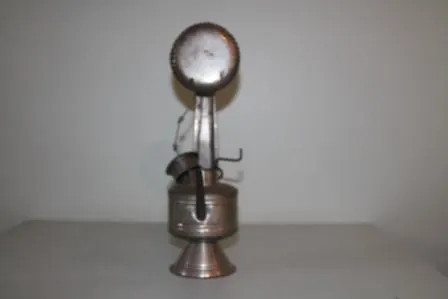
Tall lamp L 80 — inventory presented by the Terras de Basto Museum.
Source: Museu das Terras de Basto
About this photograph

Photograph date not stated. Source consulted on 2026-11-15. EXIF orientation and proportional WebP resizing; no cropping or upscaling.

Individual photographer and reuse licence not stated by the source.

Request removal or correct the photo credit

Lamp L 47
Lamp L 47
Source: Museu das Terras de Basto
About this photograph

Photograph date not stated. Source consulted on 2026-11-15. EXIF orientation and proportional WebP resizing; no cropping or upscaling.

Individual photographer and reuse licence not stated by the source.

Request removal or correct the photo credit

Lamp L 46
Lamp L 46
Source: Museu das Terras de Basto
About this photograph

Photograph date not stated. Source consulted on 2026-11-15. EXIF orientation and proportional WebP resizing; no cropping or upscaling.

Individual photographer and reuse licence not stated by the source.

Request removal or correct the photo credit

Oil lamp L 53
Oil lamp L 53
Source: Museu das Terras de Basto
About this photograph

Photograph date not stated. Source consulted on 2026-11-15. EXIF orientation and proportional WebP resizing; no cropping or upscaling.

Individual photographer and reuse licence not stated by the source.

Request removal or correct the photo credit

Lamp MTB 147
Lamp MTB 147
Source: Museu das Terras de Basto
About this photograph

Photograph date not stated. Source consulted on 2026-11-15. EXIF orientation and proportional WebP resizing; no cropping or upscaling.

Individual photographer and reuse licence not stated by the source.

Request removal or correct the photo credit

Oil lamps tell another story of the home.

Includes an activity to try →
Read here and view sources

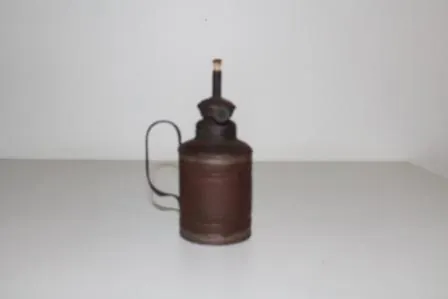
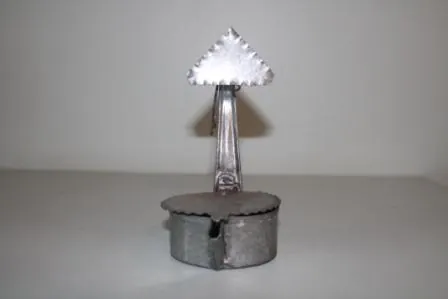
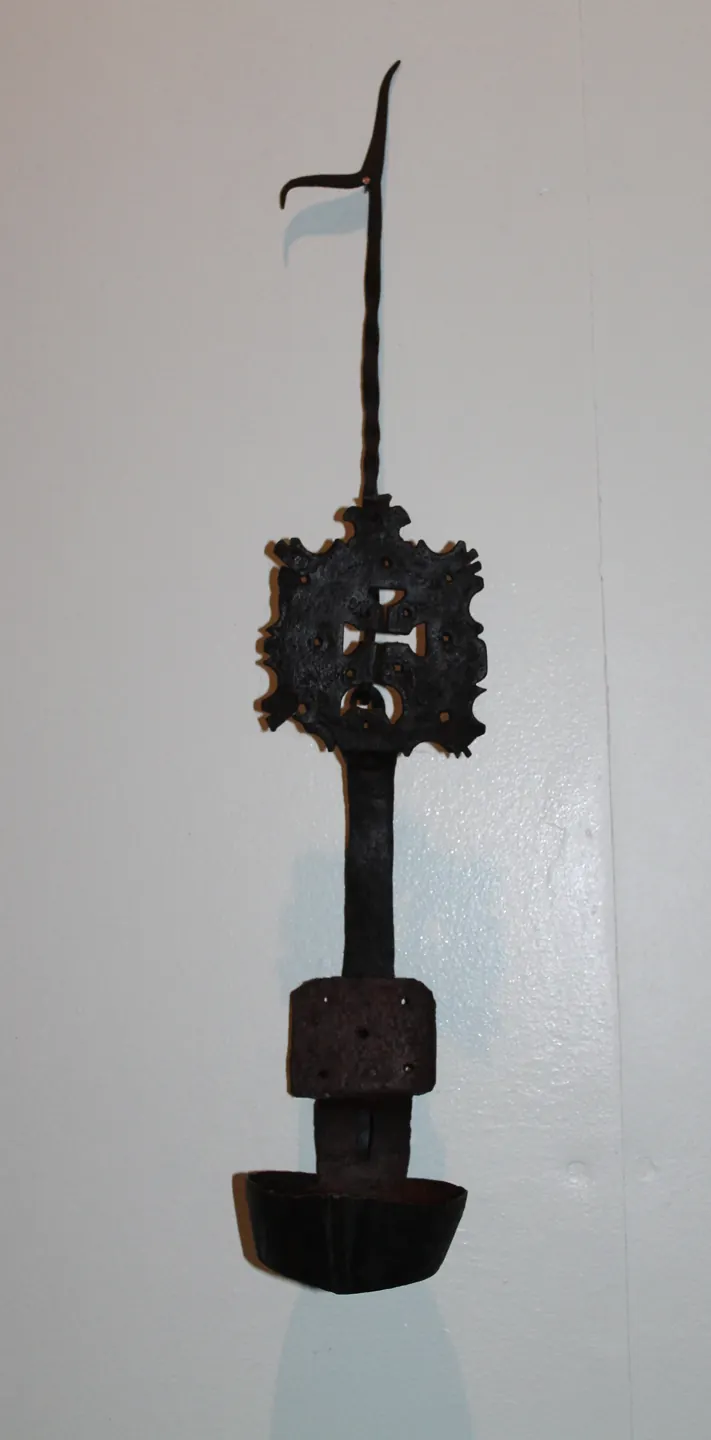
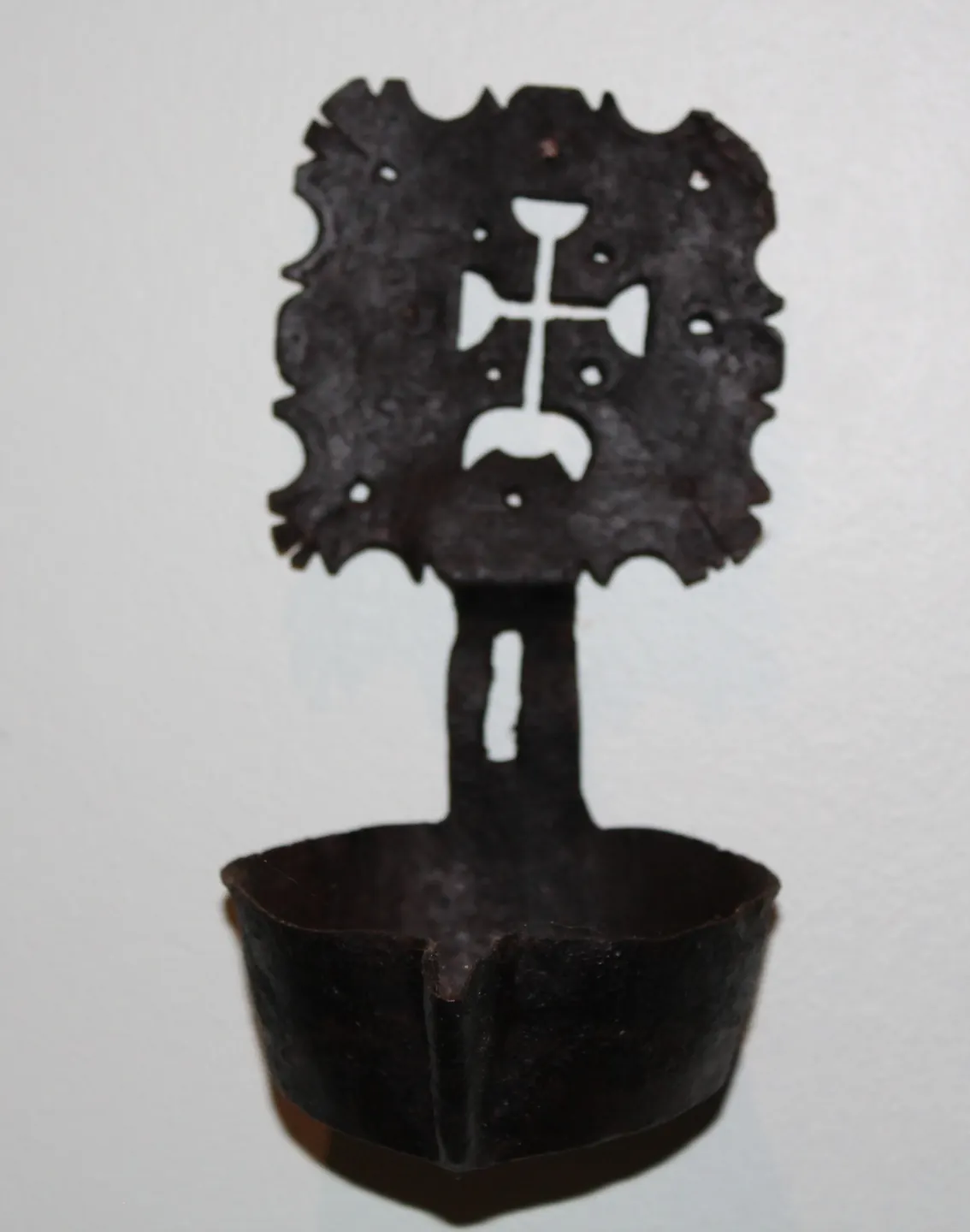
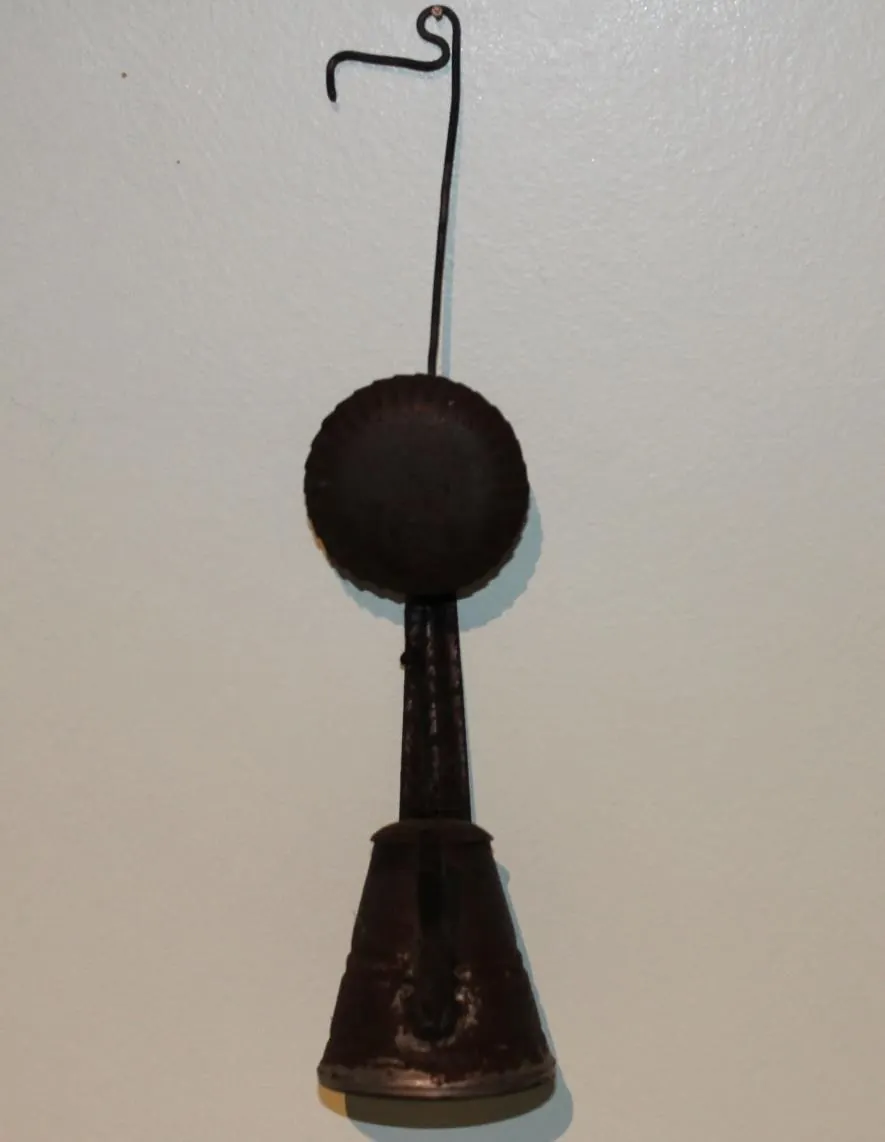
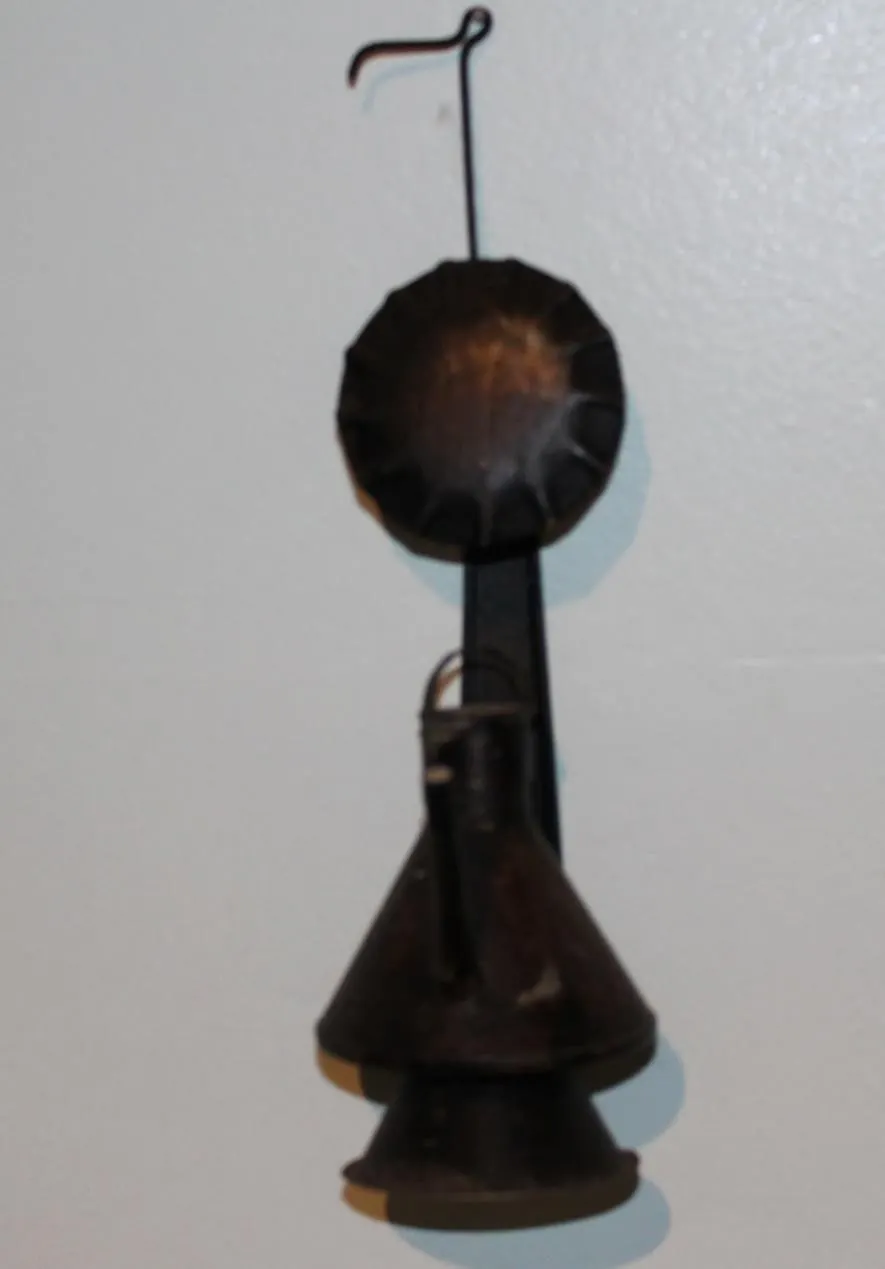
Two oil lamps from Casa da Ponte in Cavez appear in the inventory with heights of 46 and 17 centimetres. Hanging paraffin lamp L 53 from Devesa, Basto, is made of tinplate and measures 27 centimetres.

They shared the function of providing light, but differed in size and form. The record lets us compare them without assuming how they were positioned in each house.

Getting to know the parish
Source and context

Basto Land Museum — Latoaria, Teresa Soeiro text and inventory of pieces

Accessed: . Editorial summary; the date of consultation is not the date of the facts.

Rural heritage · 2008 survey

The stones on the way to the mill

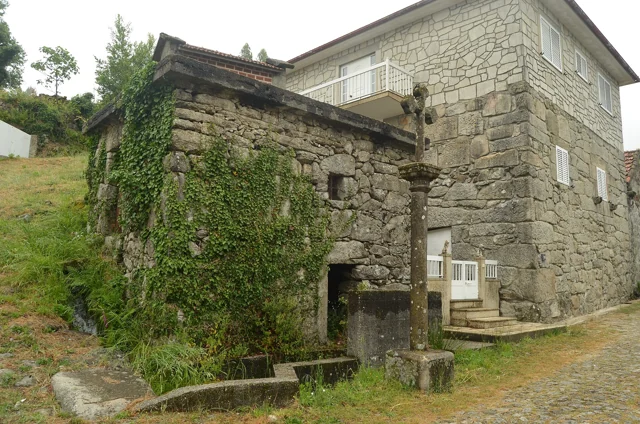
A corner of Carrazedo, Bucos, with a fountain, stone cross and stone buildings.
Place linked to this story: Carrazedo© Pedro from Maia (Porto), Portugalⓘ

A short paved stretch tells a working story.

Read here and view sources

At Carrazedo in Bucos, the survey of 11 January 2008 recorded about 30 metres of paving beside the wayside cross, providing access to two mills. The granite slabs varied in shape and size. These short paths are also part of rural heritage: they connected the village with places where grain was processed. The inventory cannot confirm their condition or access today. Carrazedo’s profile introduces the village to which this memory belongs; it does not mark the exact location of the thirty metres of paving.

See Fact sheet: Carrazedo
Source and context

Municipality — sidewalk inventory, Carrazedo, C5 fiche (11/01/2008)

Accessed: . Editorial summary; the date of consultation is not the date of the facts.
Outeiro · footwear uses in the Museum inventory

From the fair to work in the fields

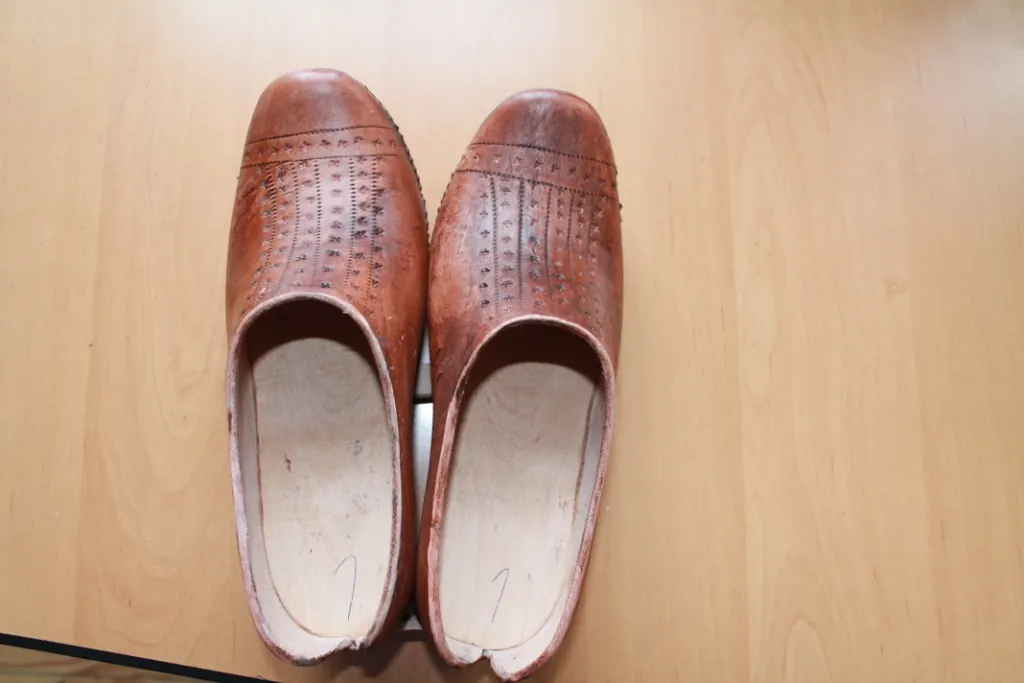
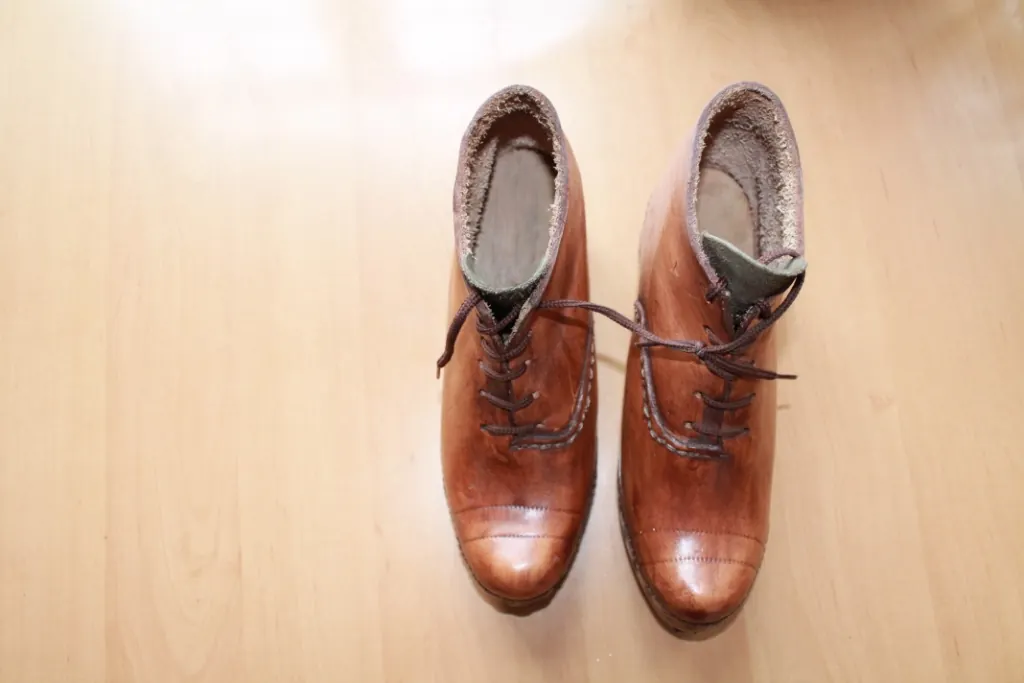
Women’s clogs MTB 449
Source: Museu das Terras de Basto
About this photograph

Photograph date not stated. Source consulted on 2026-11-15. EXIF orientation and proportional WebP resizing; no cropping or upscaling.

Individual photographer and reuse licence not stated by the source.

Request removal or correct the photo credit

See 6 more photos and details
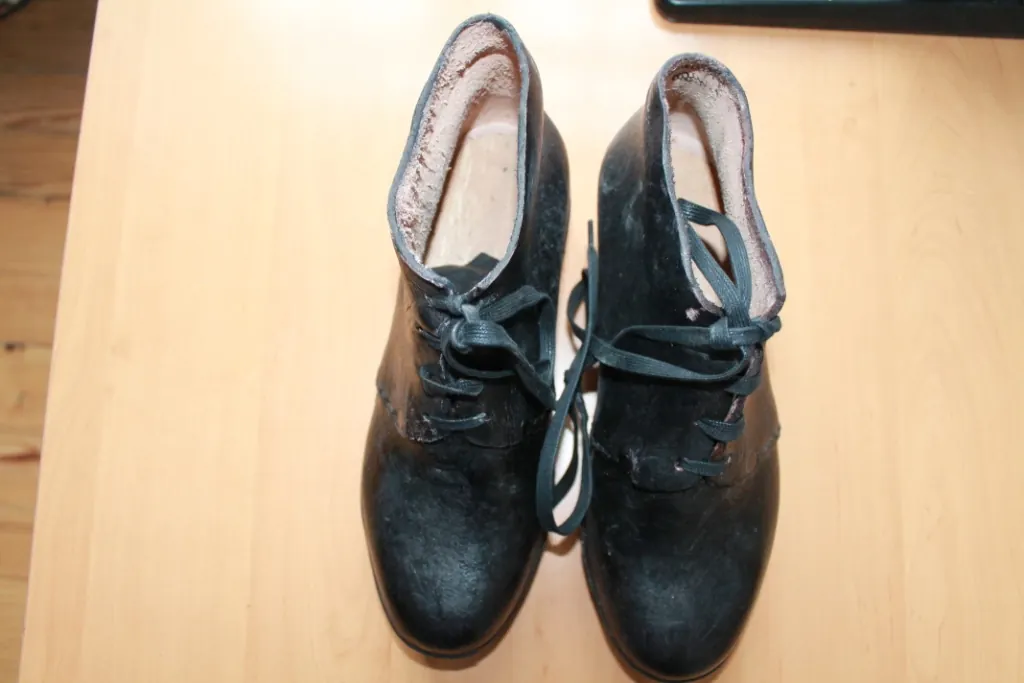
Men’s clogs MTB 450
Men’s clogs MTB 450
Source: Museu das Terras de Basto
About this photograph

Photograph date not stated. Source consulted on 2026-11-15. EXIF orientation and proportional WebP resizing; no cropping or upscaling.

Individual photographer and reuse licence not stated by the source.

Request removal or correct the photo credit

Women’s clogs MTB 451
Source: Museu das Terras de Basto
About this photograph

Photograph date not stated. Source consulted on 2026-11-15. EXIF orientation and proportional WebP resizing; no cropping or upscaling.

Individual photographer and reuse licence not stated by the source.

Request removal or correct the photo credit

Children’s clogs MTB 452
Source: Museu das Terras de Basto
About this photograph

Photograph date not stated. Source consulted on 2026-11-15. EXIF orientation and proportional WebP resizing; no cropping or upscaling.

Individual photographer and reuse licence not stated by the source.

Request removal or correct the photo credit

Children’s clogs MTB 453
Source: Museu das Terras de Basto
About this photograph

Photograph date not stated. Source consulted on 2026-11-15. EXIF orientation and proportional WebP resizing; no cropping or upscaling.

Individual photographer and reuse licence not stated by the source.

Request removal or correct the photo credit

Men’s clogs MTB 454
Men’s clogs MTB 454
Source: Museu das Terras de Basto
About this photograph

Photograph date not stated. Source consulted on 2026-11-15. EXIF orientation and proportional WebP resizing; no cropping or upscaling.

Individual photographer and reuse licence not stated by the source.

Request removal or correct the photo credit

Men’s clogs MTB 455
Men’s clogs MTB 455
Source: Museu das Terras de Basto
About this photograph

Photograph date not stated. Source consulted on 2026-11-15. EXIF orientation and proportional WebP resizing; no cropping or upscaling.

Individual photographer and reuse licence not stated by the source.

Request removal or correct the photo credit

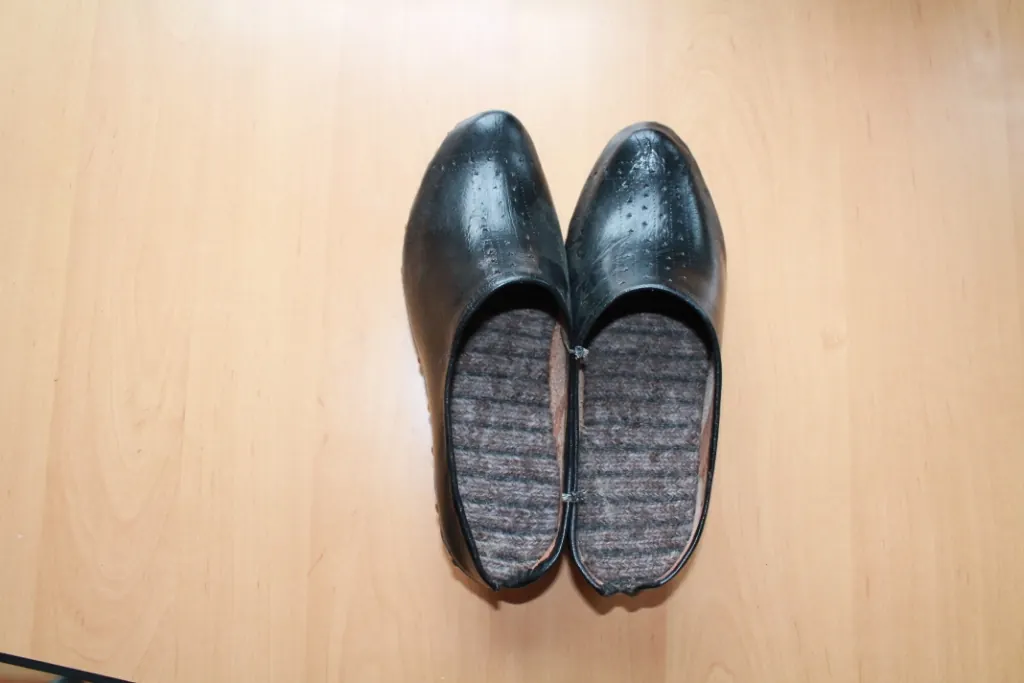
A pair of chancas could follow different moments of life.

Includes an activity to try →Explore: From materials to paths →
Read here and view sources

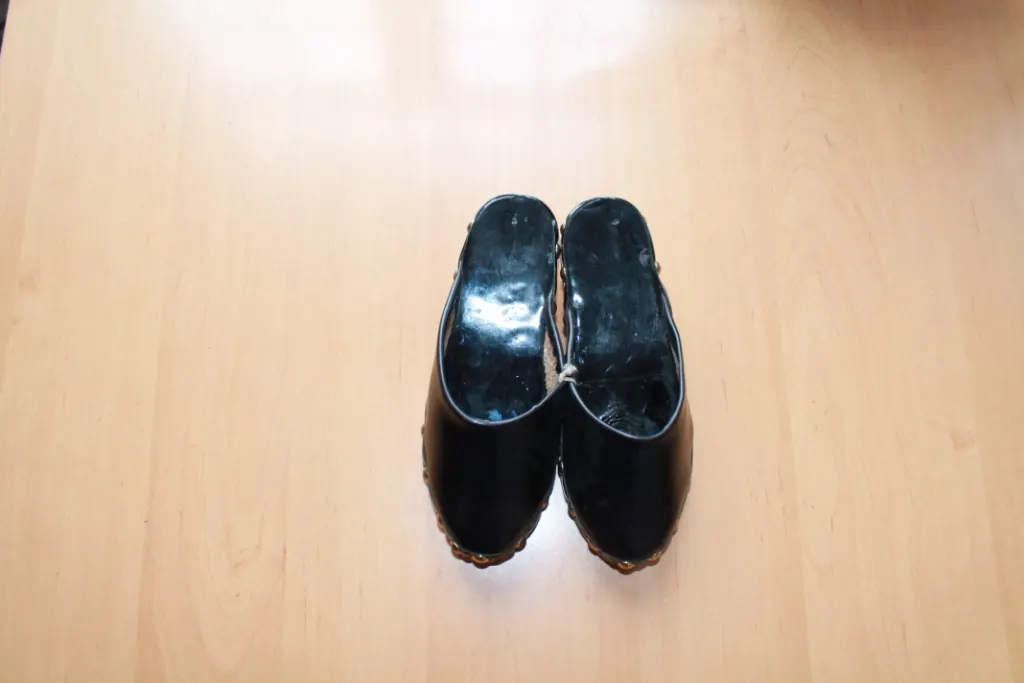
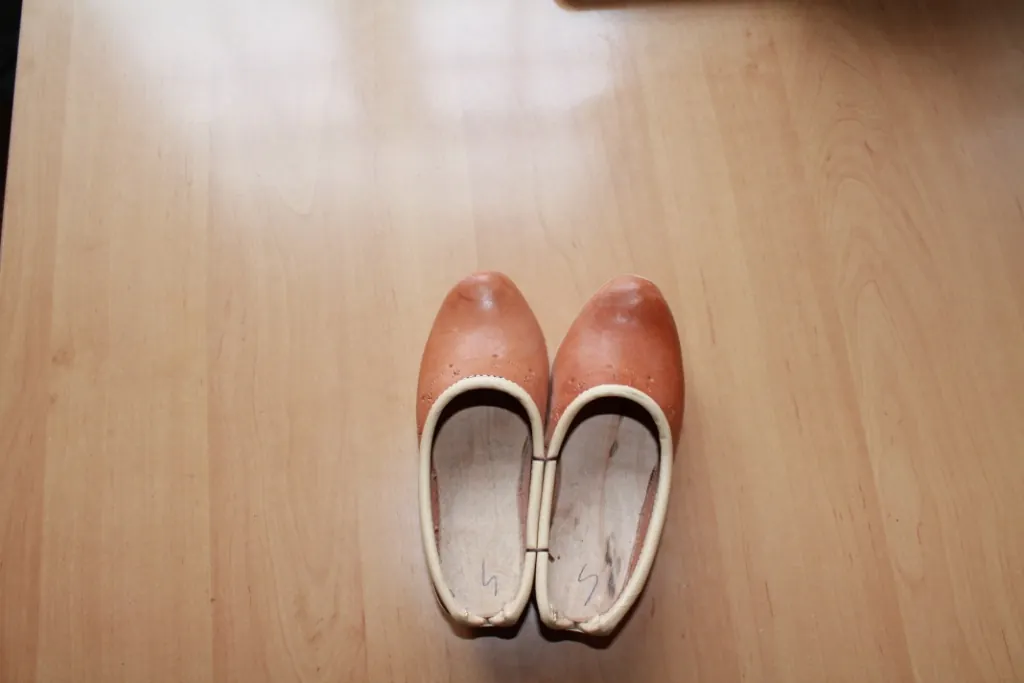
The pair of women’s chancas MTB 449 was made by José Alves Leite and acquired by the Museu das Terras de Basto. Wood, leather, rubber, tacks and cord make up the piece, which measures 26 centimetres long and 15.5 high.

The record associates this footwear with fairs and Sundays. Once more worn, it moved to farm work: wear could change the occasion of use without ending the object’s life. This is a documented description, not a rule for every family.

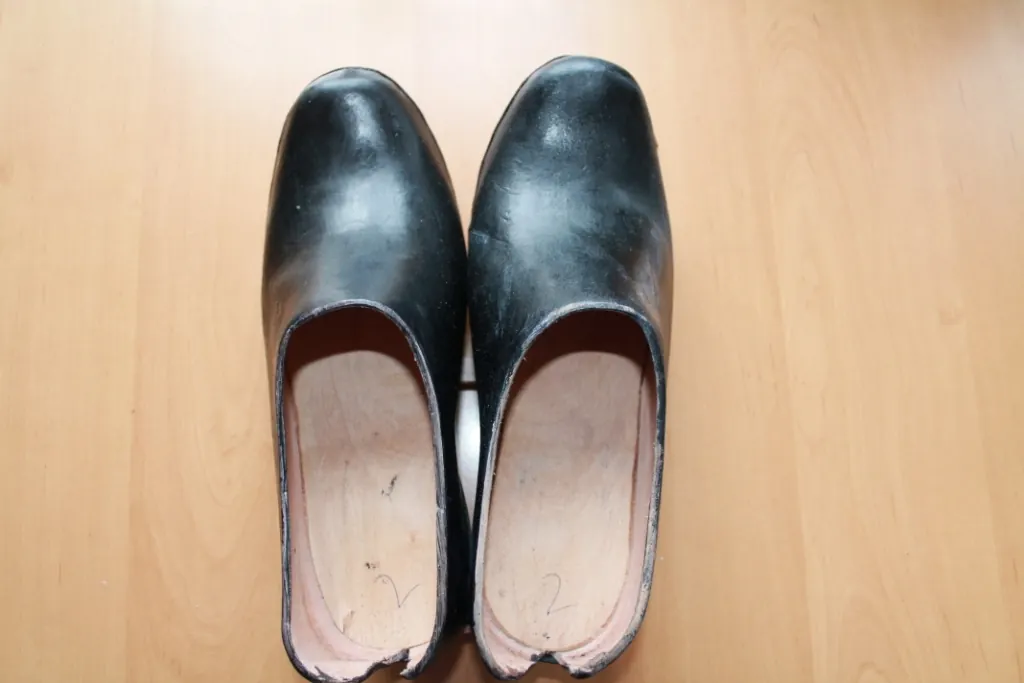
The collection also includes men’s chancas MTB 450, likewise made by José Alves Leite and acquired by the Museum. The record again mentions more worn footwear moving to the fields. Comparing the pieces lets us follow documented materials and uses without reducing all clog making to a single model.

Pair MTB 450 measures 28 centimetres long, 16 high and 9.5 wide. For MTB 449, the recorded width is 7.5 centimetres. The differences describe these two museum pieces, not a size chart for all socos or chancas. The inventory number keeps each set of dimensions connected with the right object.

Source and context

Basto Land Museum — In the country of Tamanco, women's Chancas MTB 449

Accessed: . Editorial summary; the date of consultation is not the date of the facts.
YOUR LOCAL GUIDE

What would you like to discover?

Take a closer look.