Nature and landscape
ⓘMoinhos de Rei
Mills and scenery in Abadim: discover the heritage of grain milling.
AbadimFollow the cereal among the granaries, water, flour and kitchen, a discovery in three chapters, with memories of who made the bread.
Summary: about 3 min. Open the readings to deepen each chapter at its pace.
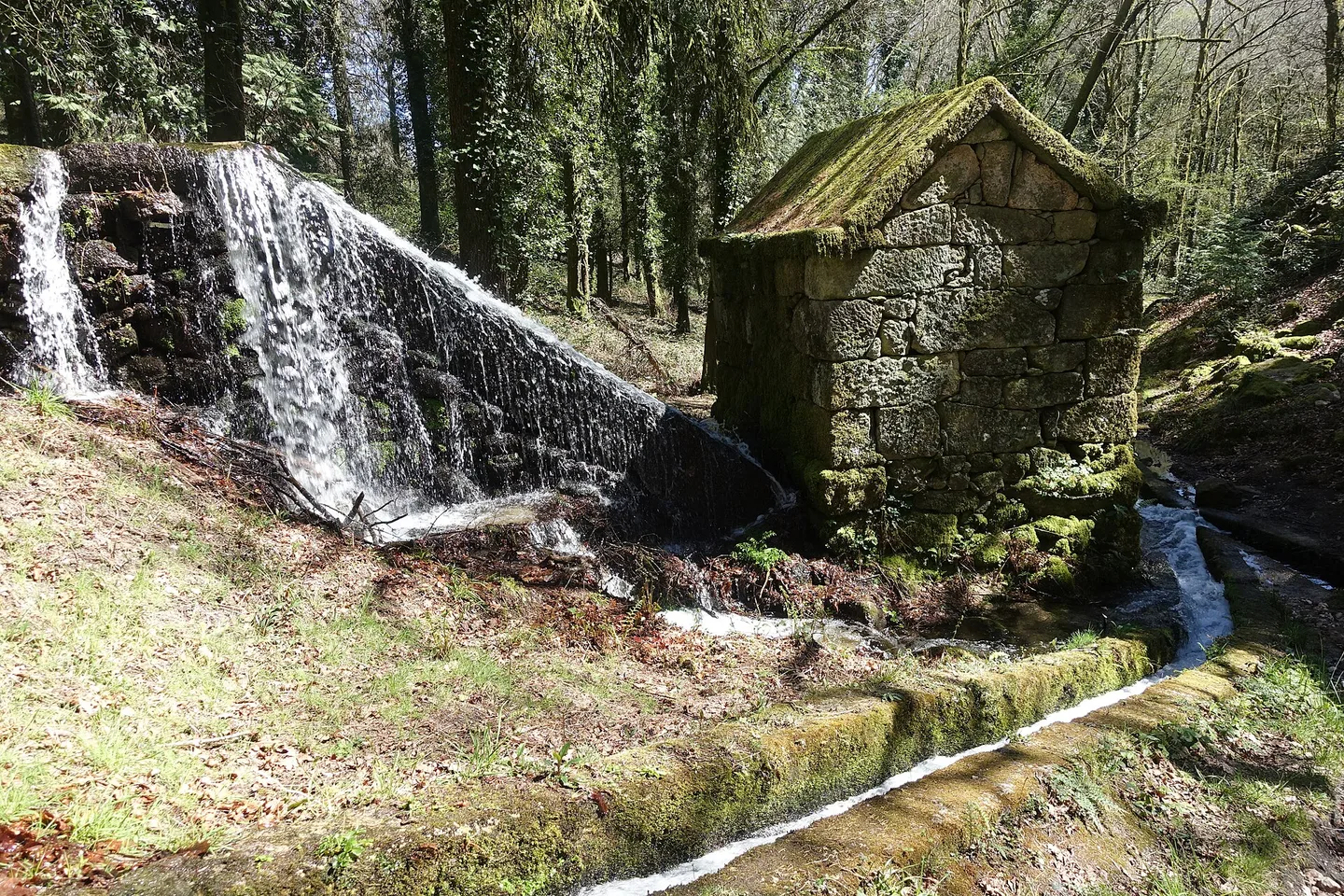
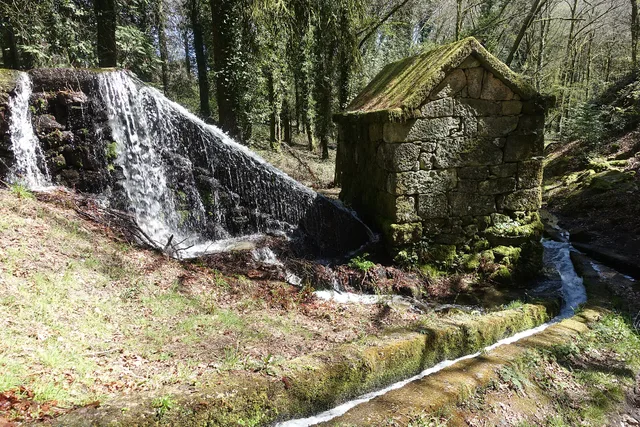
A mill and the water channel at Moinhos de Rei.
Moinhos de ReiⓘBefore reaching the table, the bread begins with the cereal and the objects that help to grow it and transform it. The Casa do Pão in Moinhos de Rei shows the cycle of maize and rye through utensils and tailors. In another part of the municipality, the municipal description of the Casa de Chouzas highlights three 19th century granaries: housing and agricultural buildings tell stories together.
Try making two lists: what is used to inhabit and what is used to work or store the harvest. Chouzas’ photograph shows the portal, not the granaries; these are known here for the written description. Chips help prepare the visit without assuming access to the buildings.
In the Moinhos de Rei, the canal and building help to link water conduction with grinding. The reading of Levada de Víbora opens this discovery; the course chart gathers practical information for those who consider walking.
There is also an economic history: the municipal presentation associates the mills with the Crown and refers half of the income intended for the king. Income is not the same as half of the sack of each family, and the source does not provide these accounts.
Look at the same place with two questions: how did the device work and how was its use organized? The first leads to water; the second leads to people and powers.
In Recovos, Pedraça, the testimony of Maria da Conceição Gonçalves Mouta collected in March 2011 shows a tradition that adapts. The cornbread learned from Grandma also gave way to the mixture bread, with rye and wheat. It changed the rhythm of baking: from weekly bread to batches associated with parties and meetings. The yeast accompanied this change, between the portion of stored dough and the bakery yeast. Read the preparation and compare the two routines on a sheet. These memories belong to the person and at the time identified; they do not describe all kitchens in the municipality or announce current demonstrations.
Open each form to consult contacts and visiting conditions. This selection is not an itinerary.
Mills and scenery in Abadim: discover the heritage of grain milling.
AbadimAn oven, tools and the craft of breadmaking: explore this part of Abadim’s heritage at Moinhos de Rei.
AbadimA manor house and three nineteenth-century granaries in the history of Vilar de Cunhas.
Gondiães e Vilar de CunhasThese plans include places mentioned in the guide. Open the chips to confirm access and conditions; they are not calculated routes.
Freguesias associated with source readings. This list does not define a visit path.
