Discover Cabeceiras de BastoFree independent guide
ViveCabeceirasYOUR GUIDE TO CABECEIRAS
ENEnglish
SearchSaved

Traditions

Choose a story to start with. You can change the subject or fine tune the search.

17 stories · Crafts and memories · Search: folhas

Crafts and memories

Through hands, food and community: small stories of how people lived and what they pass on.

Choose a story · 17
Arco de Baúlhe and Refojos · craft history

When sheet metal took shape
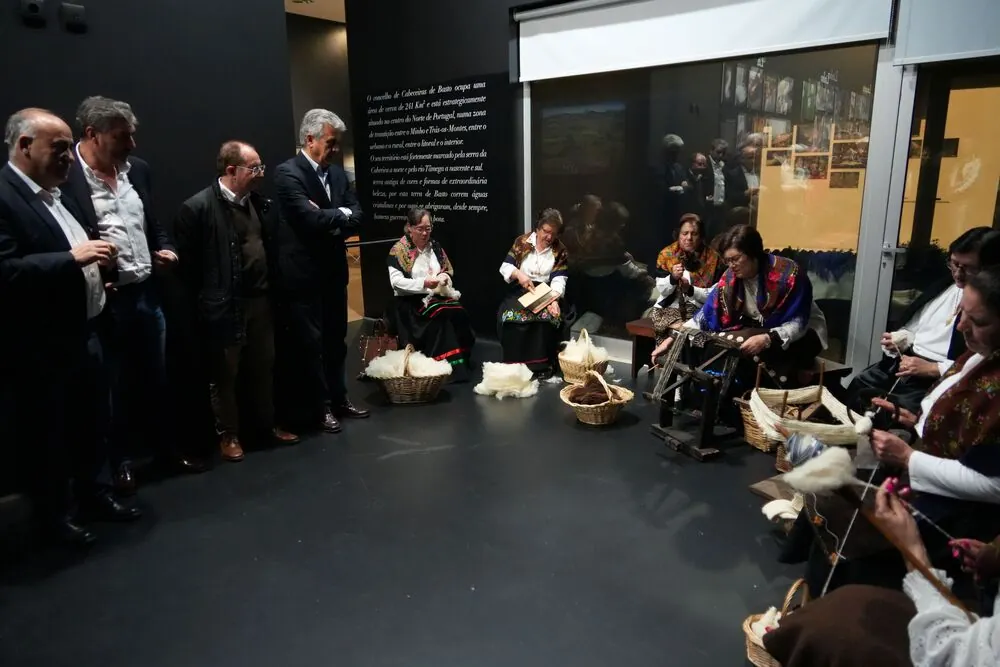
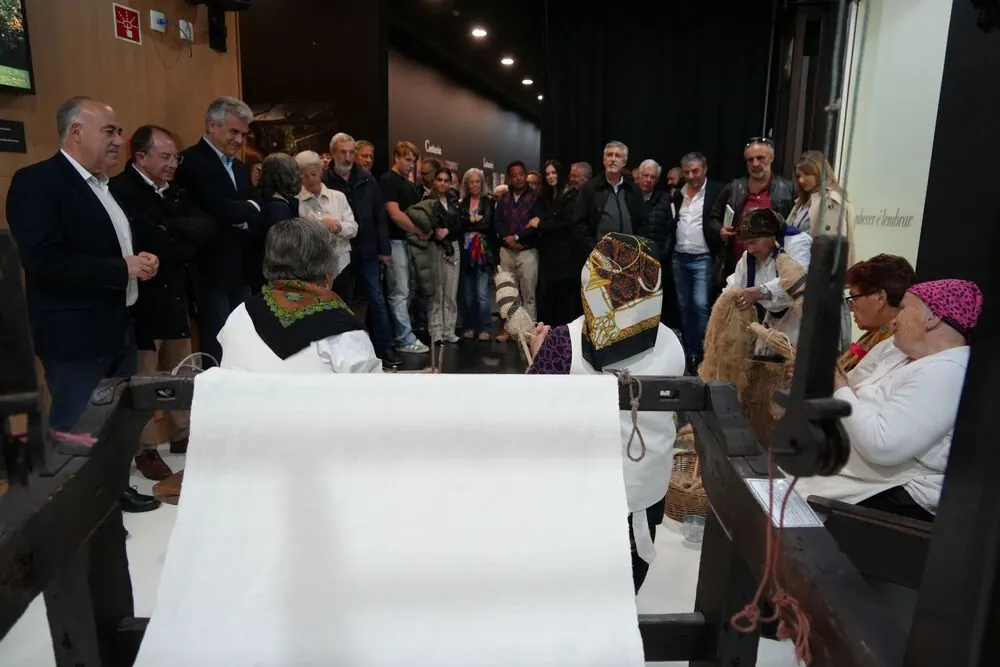
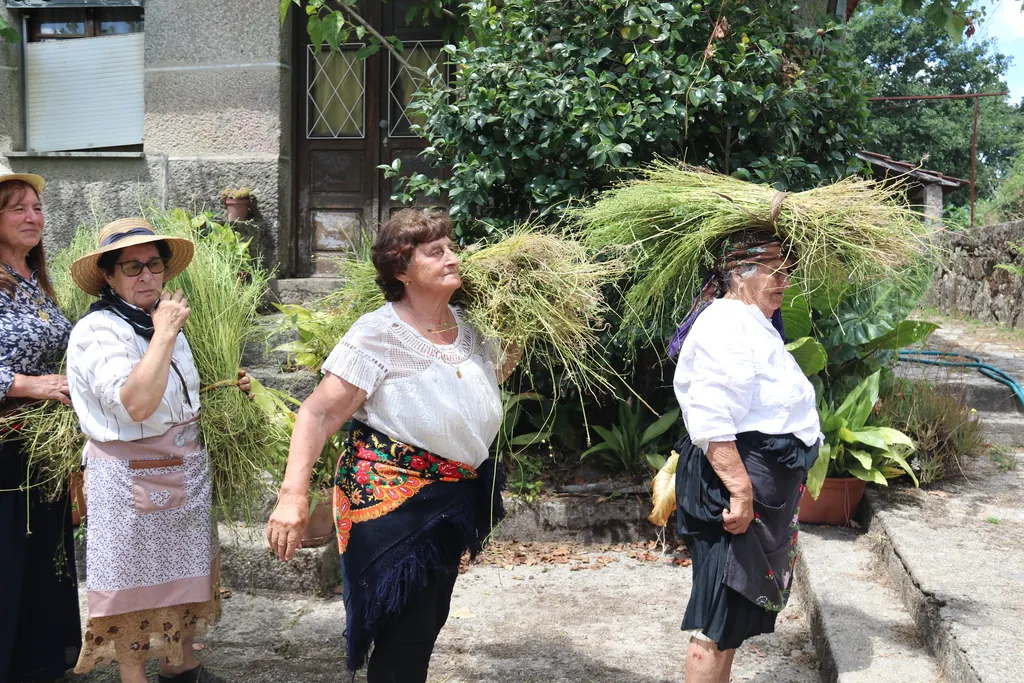
The Arts and Crafts gathering at Casa do Tempo, documented by the municipality in April 2025.
Source: Municipality of Cabeceiras de Basto
About this photograph

Photograph date not stated. Source consulted on 2026-11-15. EXIF orientation and proportional WebP resizing; no cropping or upscaling.

Individual photographer and reuse licence not stated by the source.
Request removal or correct the photo credit

See 19 more photos and details
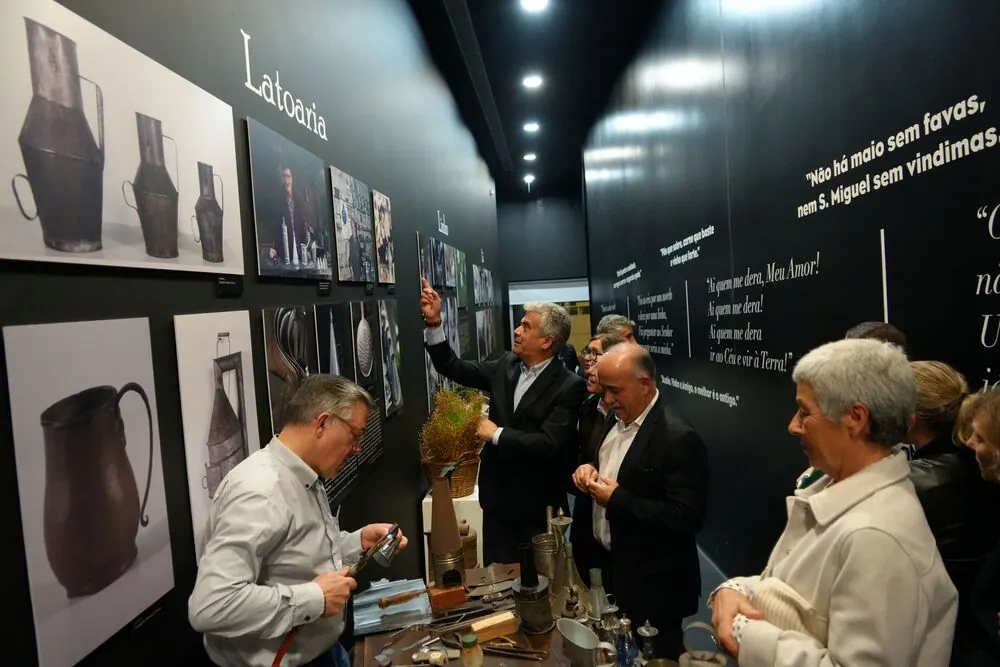
The Arts and Crafts gathering at Casa do Tempo, documented by the municipality in April 2025.
Source: Municipality of Cabeceiras de Basto
About this photograph

Photograph date not stated. Source consulted on 2026-11-15. EXIF orientation and proportional WebP resizing; no cropping or upscaling.

Individual photographer and reuse licence not stated by the source.
Request removal or correct the photo credit

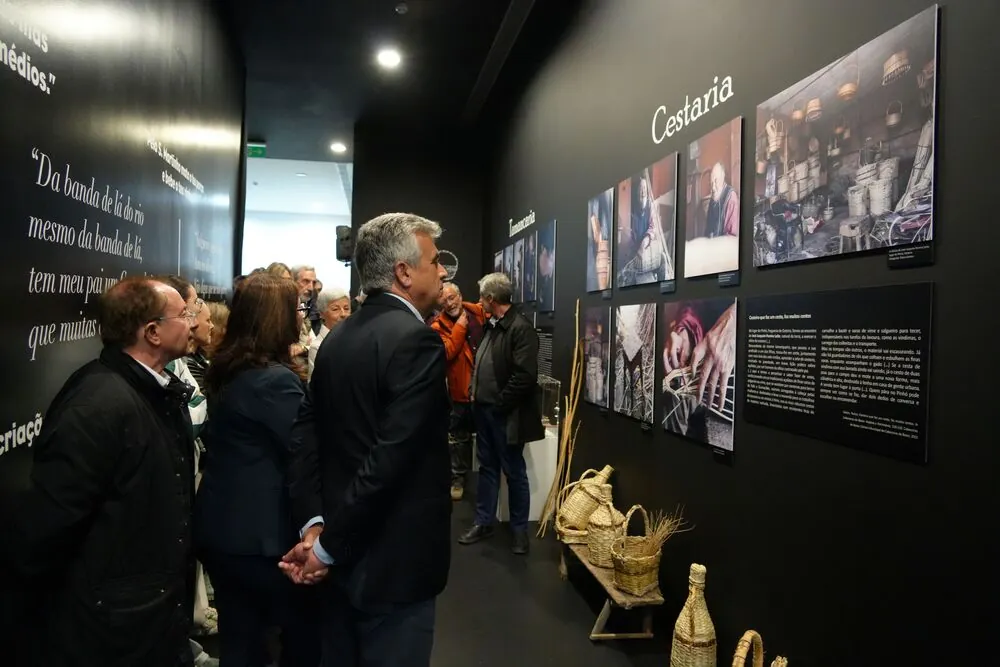
The Arts and Crafts gathering at Casa do Tempo, documented by the municipality in April 2025.
Source: Municipality of Cabeceiras de Basto
About this photograph

Photograph date not stated. Source consulted on 2026-11-15. EXIF orientation and proportional WebP resizing; no cropping or upscaling.

Individual photographer and reuse licence not stated by the source.
Request removal or correct the photo credit

The Arts and Crafts gathering at Casa do Tempo, documented by the municipality in April 2025.
Source: Municipality of Cabeceiras de Basto
About this photograph

Photograph date not stated. Source consulted on 2026-11-15. EXIF orientation and proportional WebP resizing; no cropping or upscaling.

Individual photographer and reuse licence not stated by the source.
Request removal or correct the photo credit

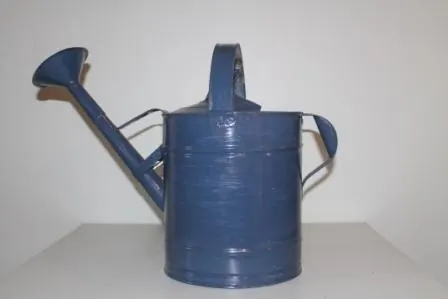
Watering can MTB 441 — inventory presented by the Terras de Basto Museum.
Source: Museu das Terras de Basto
About this photograph

Photograph date not stated. Source consulted on 2026-11-15. EXIF orientation and proportional WebP resizing; no cropping or upscaling.

Individual photographer and reuse licence not stated by the source.
Request removal or correct the photo credit

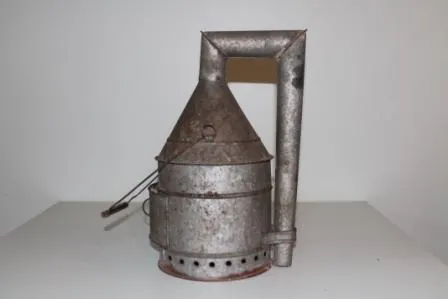
Sulphur burner L 26 — inventory presented by the Terras de Basto Museum.
Source: Museu das Terras de Basto
About this photograph

Photograph date not stated. Source consulted on 2026-11-15. EXIF orientation and proportional WebP resizing; no cropping or upscaling.

Individual photographer and reuse licence not stated by the source.
Request removal or correct the photo credit

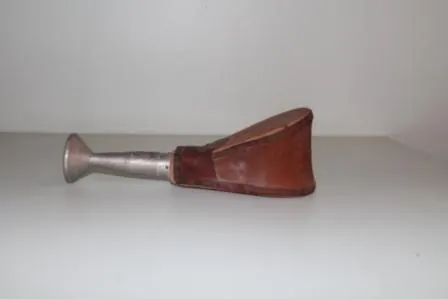
Sulphur applicator L 11 — inventory presented by the Terras de Basto Museum.
Source: Museu das Terras de Basto
About this photograph

Photograph date not stated. Source consulted on 2026-11-15. EXIF orientation and proportional WebP resizing; no cropping or upscaling.

Individual photographer and reuse licence not stated by the source.
Request removal or correct the photo credit

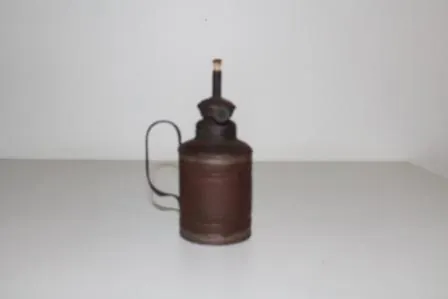
Petroleum container MTB 436 — inventory presented by the Terras de Basto Museum.
Source: Museu das Terras de Basto
About this photograph

Photograph date not stated. Source consulted on 2026-11-15. EXIF orientation and proportional WebP resizing; no cropping or upscaling.

Individual photographer and reuse licence not stated by the source.
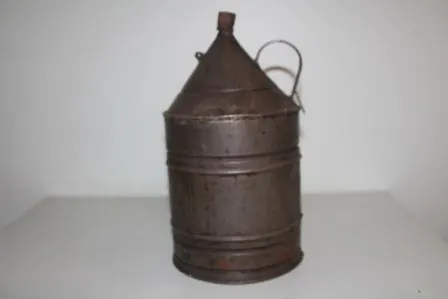
Request removal or correct the photo credit

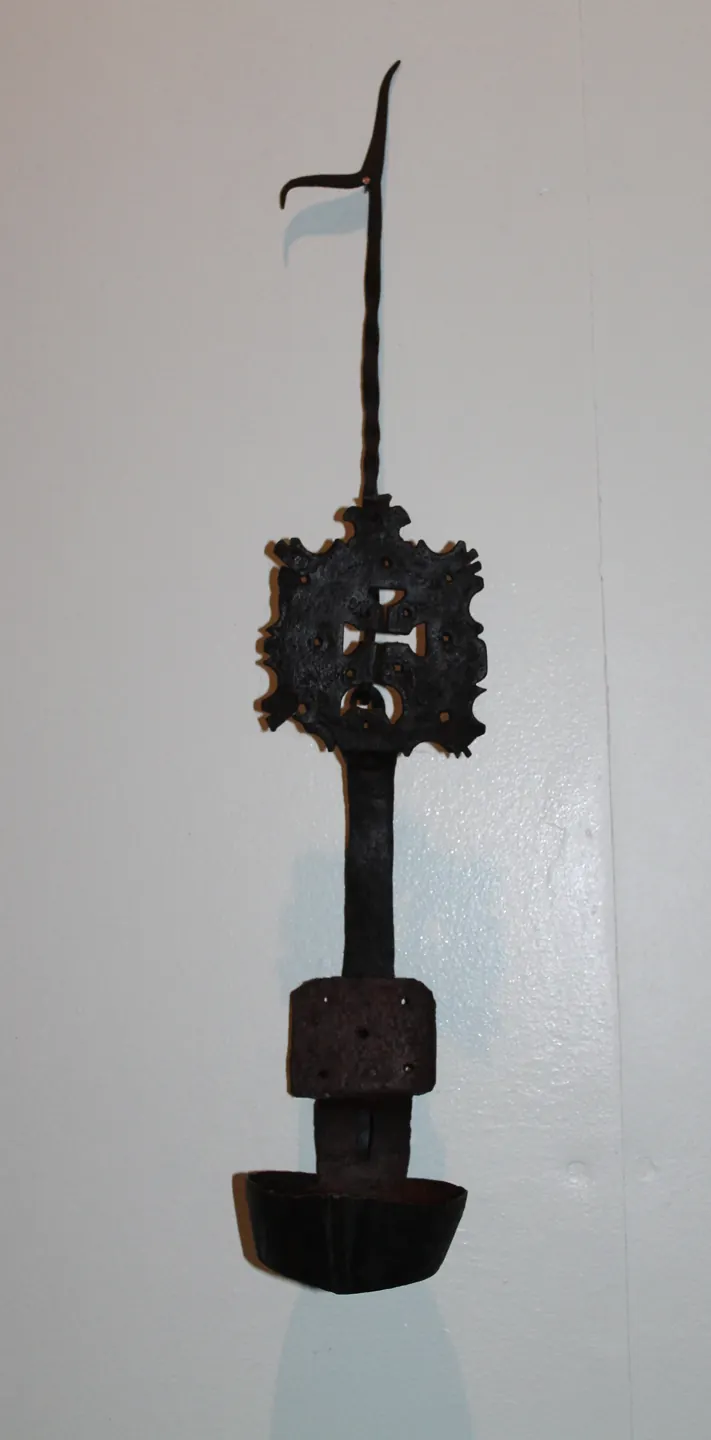
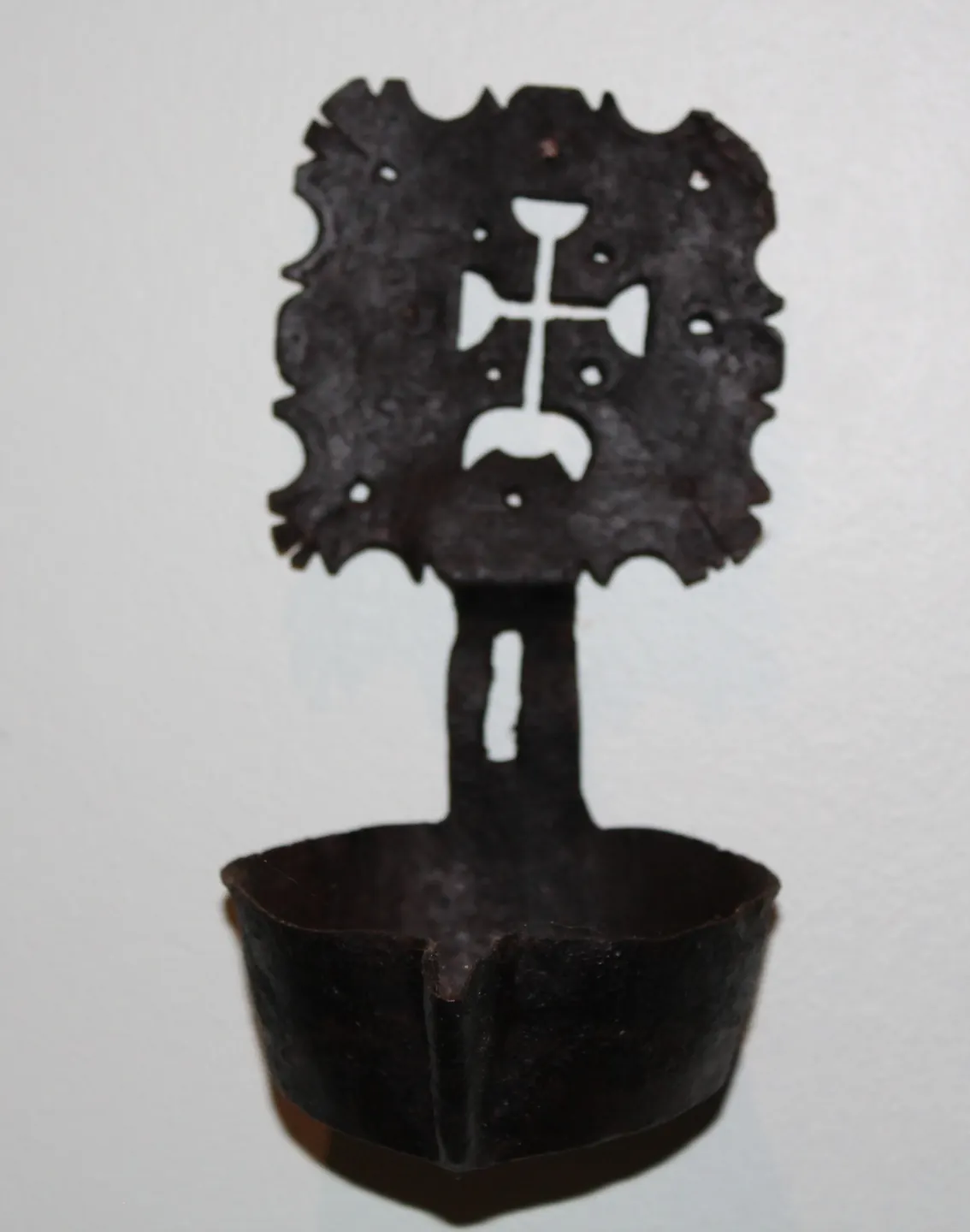
Lamp L 54 — inventory presented by the Terras de Basto Museum.
Source: Museu das Terras de Basto
About this photograph

Photograph date not stated. Source consulted on 2026-11-15. EXIF orientation and proportional WebP resizing; no cropping or upscaling.

Individual photographer and reuse licence not stated by the source.
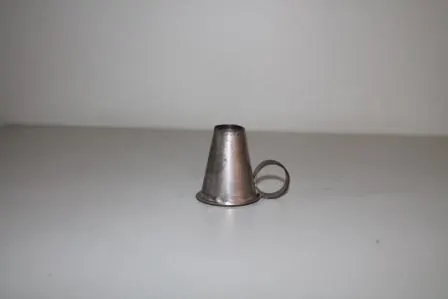
Request removal or correct the photo credit

Oil container AB 295C — inventory presented by the Terras de Basto Museum.
Source: Museu das Terras de Basto
About this photograph

Photograph date not stated. Source consulted on 2026-11-15. EXIF orientation and proportional WebP resizing; no cropping or upscaling.

Individual photographer and reuse licence not stated by the source.
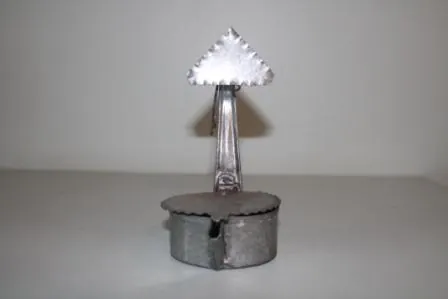
Request removal or correct the photo credit

Sausage funnel L 65 — inventory presented by the Terras de Basto Museum.
Source: Museu das Terras de Basto
About this photograph

Photograph date not stated. Source consulted on 2026-11-15. EXIF orientation and proportional WebP resizing; no cropping or upscaling.

Individual photographer and reuse licence not stated by the source.
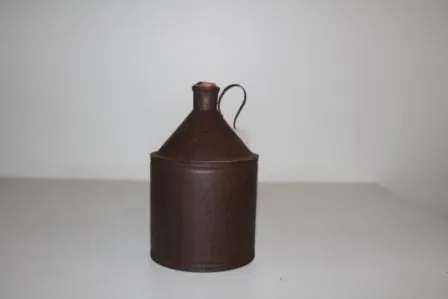
Request removal or correct the photo credit

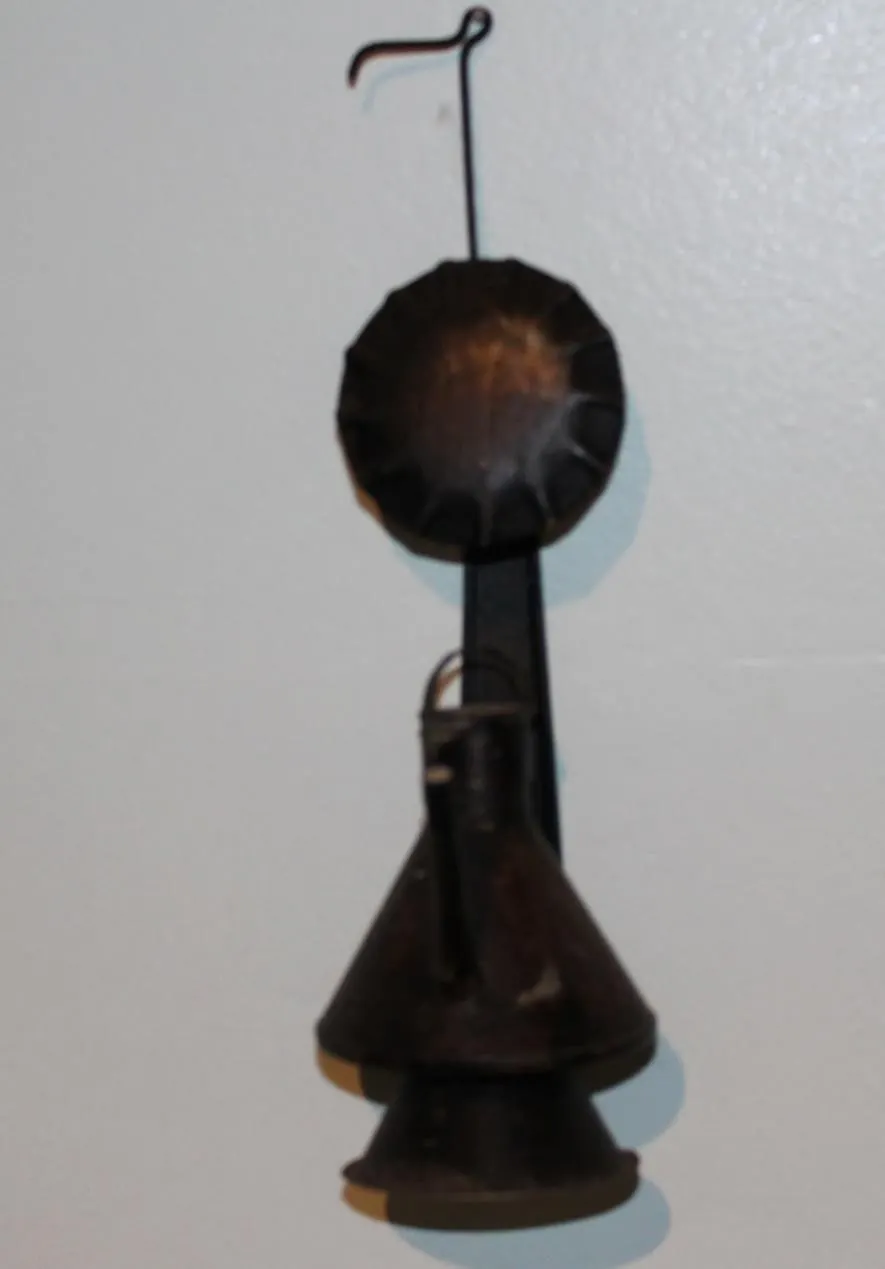
Lamp MTB 438 — inventory presented by the Terras de Basto Museum.
Source: Museu das Terras de Basto
About this photograph

Photograph date not stated. Source consulted on 2026-11-15. EXIF orientation and proportional WebP resizing; no cropping or upscaling.

Individual photographer and reuse licence not stated by the source.
Request removal or correct the photo credit

Petroleum container MTB 226 — inventory presented by the Terras de Basto Museum.
Source: Museu das Terras de Basto
About this photograph

Photograph date not stated. Source consulted on 2026-11-15. EXIF orientation and proportional WebP resizing; no cropping or upscaling.

Individual photographer and reuse licence not stated by the source.
Request removal or correct the photo credit

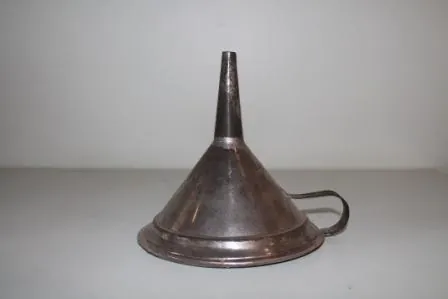
Wine funnel L 63 — inventory presented by the Terras de Basto Museum.
Source: Museu das Terras de Basto
About this photograph

Photograph date not stated. Source consulted on 2026-11-15. EXIF orientation and proportional WebP resizing; no cropping or upscaling.

Individual photographer and reuse licence not stated by the source.
Request removal or correct the photo credit

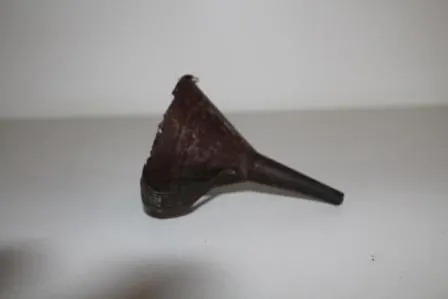
Funnel L 18 — inventory presented by the Terras de Basto Museum.
Source: Museu das Terras de Basto
About this photograph

Photograph date not stated. Source consulted on 2026-11-15. EXIF orientation and proportional WebP resizing; no cropping or upscaling.

Individual photographer and reuse licence not stated by the source.
Request removal or correct the photo credit

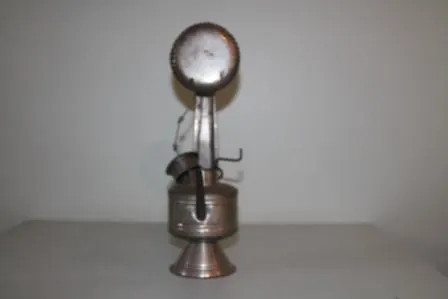
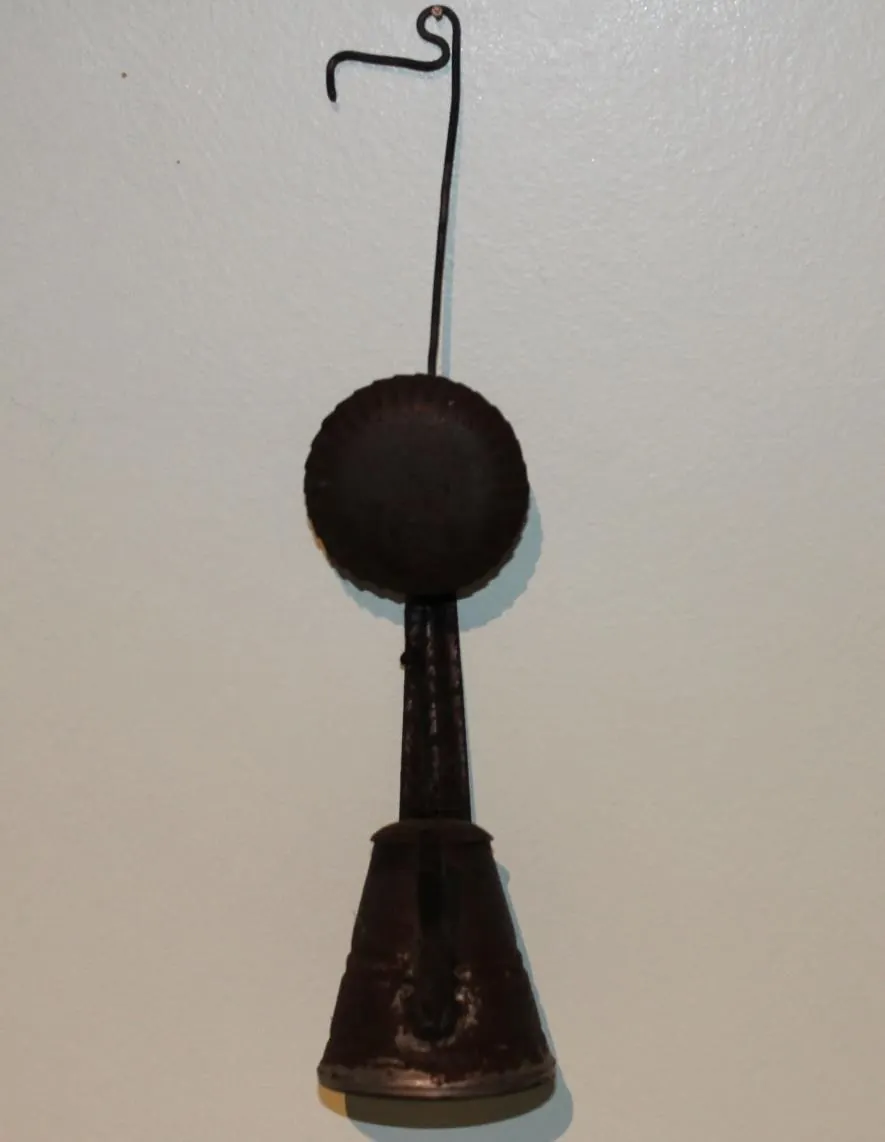
Tall lamp L 80 — inventory presented by the Terras de Basto Museum.
Source: Museu das Terras de Basto
About this photograph

Photograph date not stated. Source consulted on 2026-11-15. EXIF orientation and proportional WebP resizing; no cropping or upscaling.

Individual photographer and reuse licence not stated by the source.
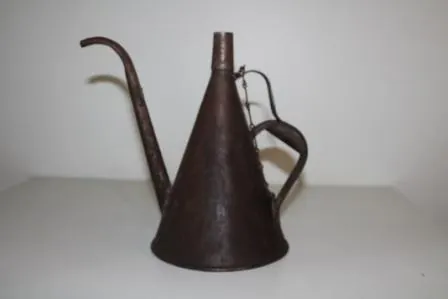
Request removal or correct the photo credit

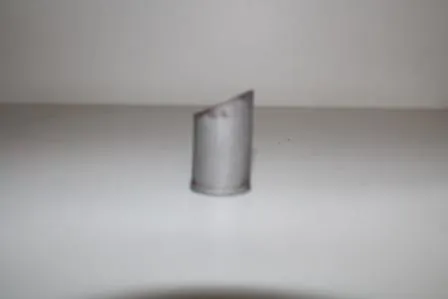
Grape-harvesting tool MTB 437 — inventory presented by the Terras de Basto Museum.
Source: Museu das Terras de Basto
About this photograph

Photograph date not stated. Source consulted on 2026-11-15. EXIF orientation and proportional WebP resizing; no cropping or upscaling.

Individual photographer and reuse licence not stated by the source.
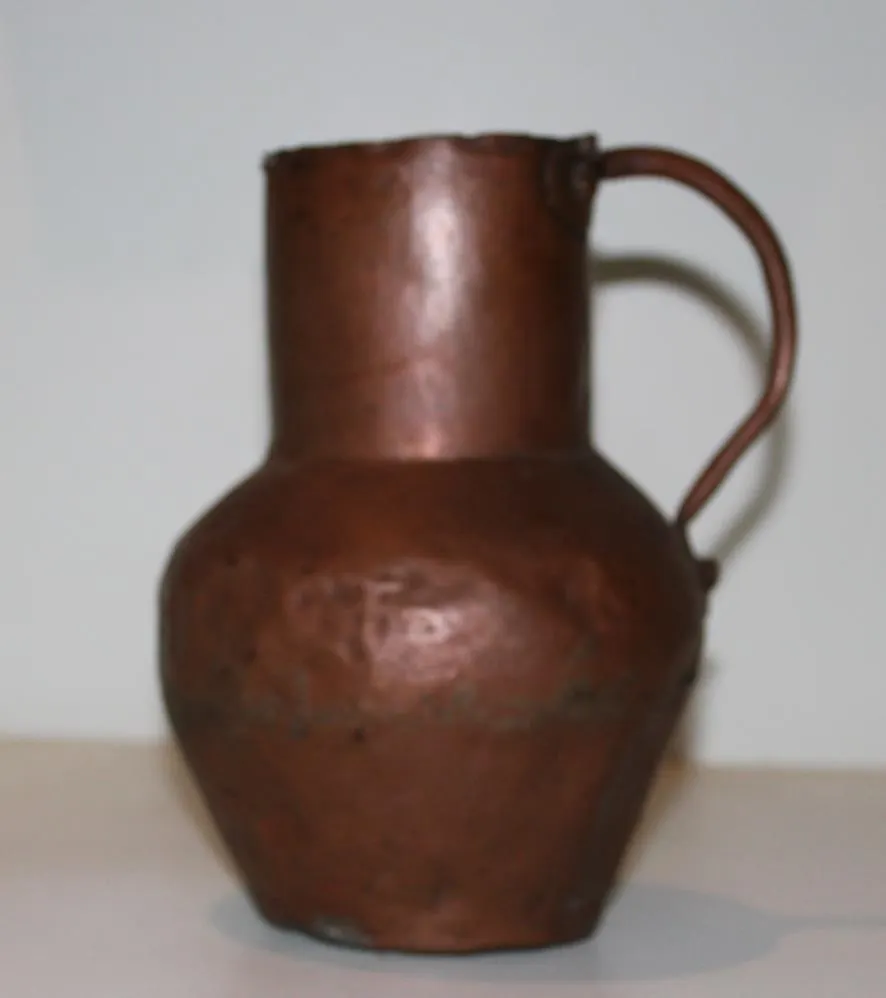
Request removal or correct the photo credit

Oil cruet MSRM 88 — inventory presented by the Terras de Basto Museum.
Source: Museu das Terras de Basto
About this photograph

Photograph date not stated. Source consulted on 2026-11-15. EXIF orientation and proportional WebP resizing; no cropping or upscaling.

Individual photographer and reuse licence not stated by the source.
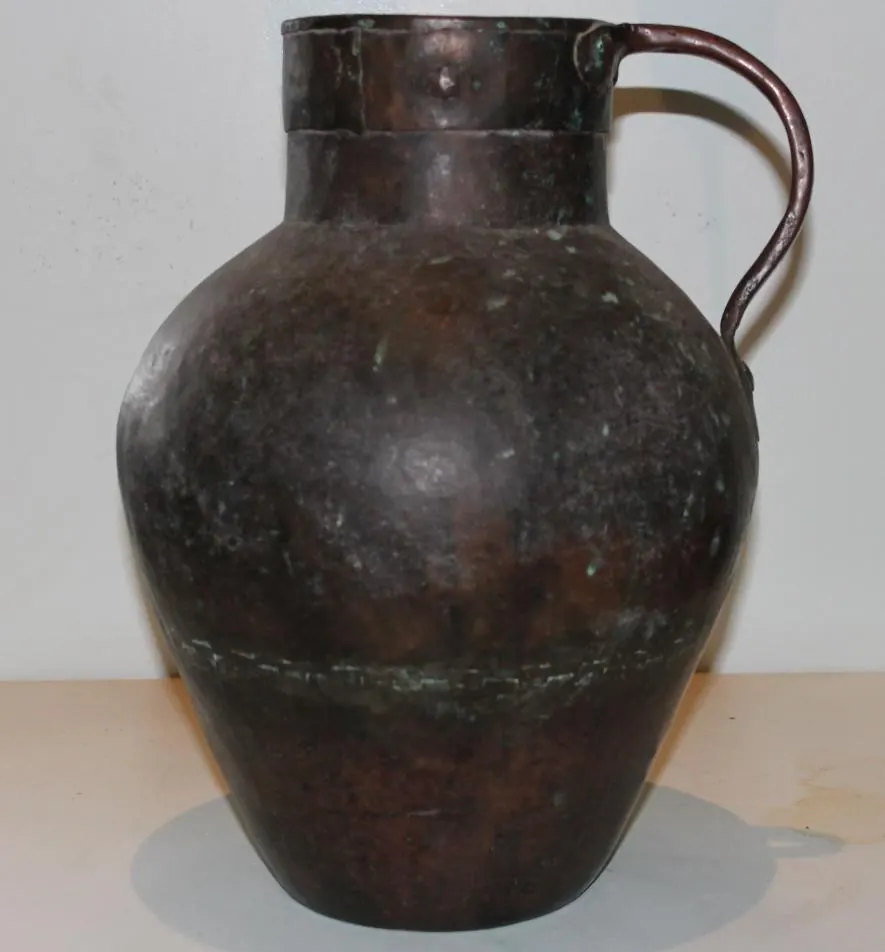
Request removal or correct the photo credit

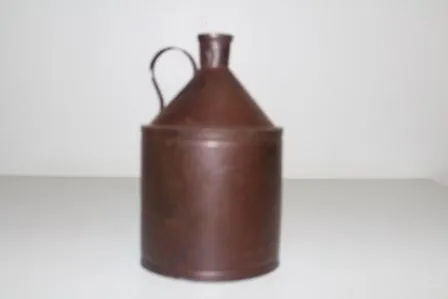
Water jug MTB 240
Water jug MTB 240
Source: Museu das Terras de Basto
About this photograph

Photograph date not stated. Source consulted on 2026-11-15. EXIF orientation and proportional WebP resizing; no cropping or upscaling.

Individual photographer and reuse licence not stated by the source.

Request removal or correct the photo credit

Jug MSRM 111
Jug MSRM 111
Source: Museu das Terras de Basto
About this photograph

Photograph date not stated. Source consulted on 2026-11-15. EXIF orientation and proportional WebP resizing; no cropping or upscaling.

Individual photographer and reuse licence not stated by the source.

Request removal or correct the photo credit

The workshop supplied home, fields and fair.

Explore: What was the metal for? →
Read here and view sources

João Pacheco in Arco de Baúlhe, and Luziário Pereira de Magalhães with his son António in Refojos, are central figures in the Museum’s research into tinsmithing. Luziário and António’s workshop stood in Beco dos Ofícios; the nearby fair was their main point of sale. Teresa Soeiro links the craft’s decline to the spread of aluminium and plastic.

The inventory connects this work with everyday actions: copper mug MTB 241 was used to make coffee, pitcher MTB 240 held water and oil lamps provided light. These functions are documented for identified pieces. Knowing the objects helps explain the workshop, but the collection does not confirm that these craftspeople or businesses remain active.

Teresa Soeiro’s research led to the exhibition A Arte da latoaria em Cabeceiras de Basto, at the Museum’s premises in Arco de Baúlhe. The work traced the craft back to artisans who began using tinplate, known as ferro branco or folha-de-flandres, at the start of the Early Modern period. Recording the last professional careers was thus connected with a longer history of materials.

The objects reveal the variety of tasks: lighting a house, carrying wine, watering plants or storing oil for a locomotive. The craft spanned home, farming and transport. Comparing these functions reveals metalworking in actions that seem to belong to separate worlds.

Words in this story: see explanations →Getting to know the parish
Source and context

Basto Land Museum — Latoaria, Teresa Soeiro text and inventory of pieces

Accessed: . Editorial summary; the date of consultation is not the date of the facts.
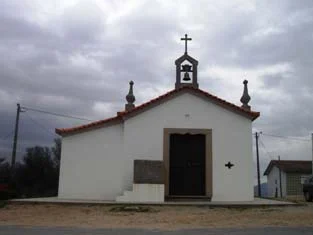
Faia · sacred art, 2025

Roots and light renew a chapel

Archive photograph: Capela da Senhora do Amparo da Faia.
Outside the Lady of Amparo from Faia. The photograph places the chapel; it does not show the new altar or interior lighting.ⓘ

At Senhora do Amparo, materials tell a story too.

Includes an activity to try →Explore: Material, memory and transformation →
Read here and view sources

Olive-tree roots shaped the new altar and ambo in the chapel of Nossa Senhora do Amparo. The Archdiocese of Braga’s report of 6 October 2025 attributes the work to Atelier Amadeus and describes a refurbishment centred on the altar. A suspended cross forms part of the element called Corpo de Luz.

Parish priest Rui Filipe Marques Araújo explained the lighting’s symbolism: groups of lights refer to the Trinity, the Evangelists and the Apostles. The publication also highlights the contribution of artists, technicians, workers and the community. The intervention shows heritage continuing to gain new forms and meanings; the 2025 report does not give visiting hours.

The account presents the celebration, presided over by José Cordeiro, as a gathering of Faia with the communities of Arco de Baúlhe and Vila Nune. The choice of roots also receives a religious interpretation: according to the priest, transforming previously discarded material expresses renewal and redemption. This is the symbolic reading attributed to him in the report, distinct from the description of the materials. To understand the work, we can look at both layers: how it was made and the meaning given to it.

Getting to know the parish See Fact sheet: Capela da Senhora do Amparo da Faia
Source and context

Archdiocese of Braga — renewal of Lady of Amparo, news of 06/10/2025

Accessed: . Editorial summary; the date of consultation is not the date of the facts.

Outeiro · history of clog making

Learning a craft beside a master

The Arts and Crafts gathering at Casa do Tempo, documented by the municipality in April 2025.
Source: Municipality of Cabeceiras de Basto
About this photograph

Photograph date not stated. Source consulted on 2026-11-15. EXIF orientation and proportional WebP resizing; no cropping or upscaling.

Individual photographer and reuse licence not stated by the source.

Request removal or correct the photo credit

See 7 more photos and details
The Arts and Crafts gathering at Casa do Tempo, documented by the municipality in April 2025.
Source: Municipality of Cabeceiras de Basto
About this photograph

Photograph date not stated. Source consulted on 2026-11-15. EXIF orientation and proportional WebP resizing; no cropping or upscaling.

Individual photographer and reuse licence not stated by the source.

Request removal or correct the photo credit

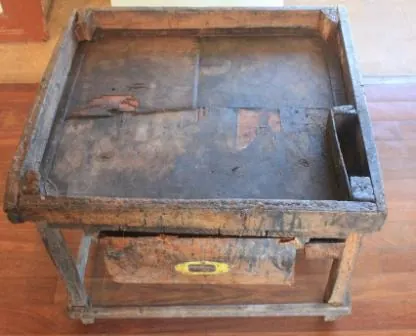
Workbench T15
Workbench T15
Source: Museu das Terras de Basto
About this photograph

Photograph date not stated. Source consulted on 2026-11-15. EXIF orientation and proportional WebP resizing; no cropping or upscaling.

Individual photographer and reuse licence not stated by the source.

Request removal or correct the photo credit

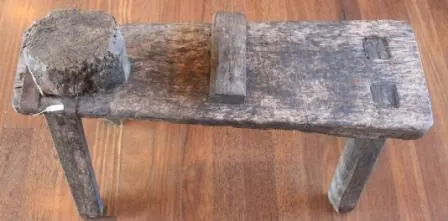
Clog maker’s bench T14
Source: Museu das Terras de Basto
About this photograph

Photograph date not stated. Source consulted on 2026-11-15. EXIF orientation and proportional WebP resizing; no cropping or upscaling.

Individual photographer and reuse licence not stated by the source.

Request removal or correct the photo credit

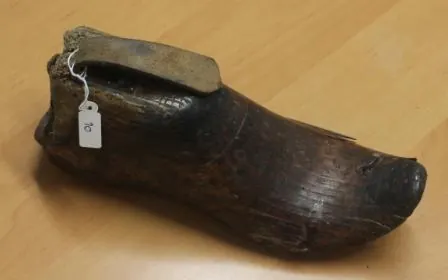
Clog last T10
Clog last T10
Source: Museu das Terras de Basto
About this photograph

Photograph date not stated. Source consulted on 2026-11-15. EXIF orientation and proportional WebP resizing; no cropping or upscaling.

Individual photographer and reuse licence not stated by the source.

Request removal or correct the photo credit

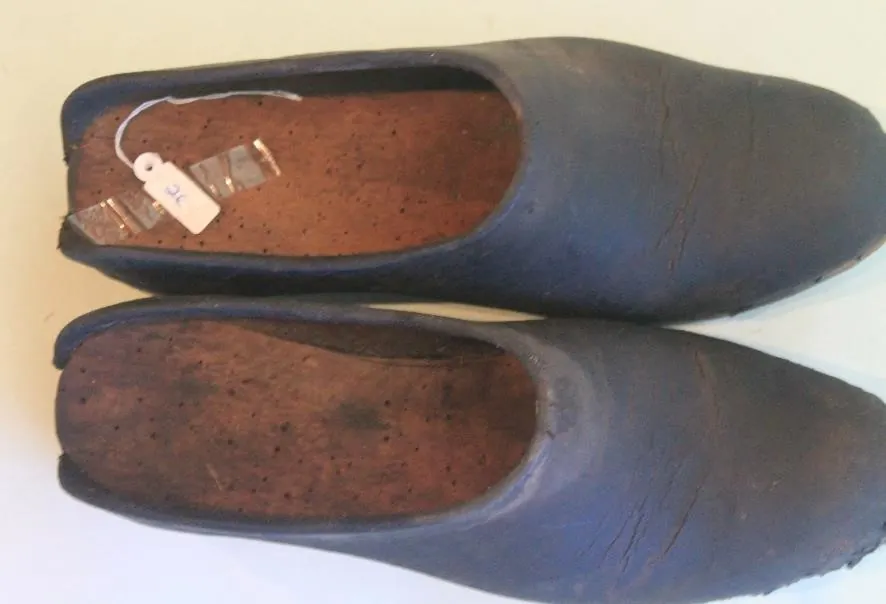
Pair of clogs T26
Pair of clogs T26
Source: Museu das Terras de Basto
About this photograph

Photograph date not stated. Source consulted on 2026-11-15. EXIF orientation and proportional WebP resizing; no cropping or upscaling.

Individual photographer and reuse licence not stated by the source.

Request removal or correct the photo credit

In Outeiro, clog making passed from hand to hand.

Includes an activity to try →Explore: Three supports of the work of the tamanceiro →
Read here and view sources

In the study published in 2017, Teresa Soeiro recounts how Manuel Alves Leite, born in Pinhel in 1899, learned from Bernardino José Pereira, a clog maker from Sobreira. The skill passed to his descendants. This story of learning brings clog making close to families and places, without assuming that the workshop remains open.

The Museum’s inventory offers a glimpse of the workspace. It calls the low table used by Manuel António Teixeira Leite an ofício. A bench with a small block supported the finishing of the wooden soles; a wood-and-leather last connects production with Manuel Alves Leite’s generation. The objects show different working supports without reconstructing the layout of a particular workshop.

Dimensions help distinguish the supports: table T15 measures 82 centimetres long, 74 wide and 55 high; bench T14 is 87 long, 28 wide and 50 high. Despite similar lengths, they offer very different surfaces. The inventory links the bench with finishing the wooden soles, supported on a small block.

Words in this story: see explanations →Getting to know the parish
Source and context

Teresa Soeiro — Soqueiros and Tamanqueiros, municipal edition of 2017, chapter The tamanqueiros of Outeiro, p. 68
Accessed:

Land Museum of Basto / Teresa Soeiro — In the country of Tamanco, introduction and inventory T10/T13/T16–T19
Accessed:

Editorial summary; the date of consultation is not the date of the facts.

Pedraça and Basto · material culture

Carrying and measuring in one container

Two pitchers, two recorded capacities.

Includes an activity to try →Explore: Name doesn't say full capacity →
Read here and view sources

The Museum’s inventory distinguishes two pieces made from sheet zinc: pitcher L 16 from Pedraça, holding 12 litres, and pitcher L 62 from Devesa, Basto, holding seven. Both measured and carried wine.

The capacities belong to these objects, not to a universal measure. Comparing them shows why a container’s name alone cannot tell us how much it holds.

The dimensions add a surprise: the 12-litre pitcher is 46 centimetres high and 16.7 in diameter; the seven-litre pitcher is shorter, at 34.5 centimetres, but has a diameter of 23.3. Greater width alone does not mean greater capacity.

The inventory associates the first piece with Fátima Magalhães of Pedraça and the second with Álvaro Magalhães of Devesa. These are recorded owners, not attributions of craftsmanship. Their names help connect the objects with the people who preserved them.

Getting to know the parish
Source and context

Basto Land Museum — Latoaria, Teresa Soeiro text and inventory of pieces

Accessed: . Editorial summary; the date of consultation is not the date of the facts.
Cavez and Basto · material culture

Light in a small object

Lamp L 54 — inventory presented by the Terras de Basto Museum.
Source: Museu das Terras de Basto
About this photograph

Photograph date not stated. Source consulted on 2026-11-15. EXIF orientation and proportional WebP resizing; no cropping or upscaling.

Individual photographer and reuse licence not stated by the source.

Request removal or correct the photo credit

See 6 more photos and details
Lamp MTB 438 — inventory presented by the Terras de Basto Museum.
Source: Museu das Terras de Basto
About this photograph

Photograph date not stated. Source consulted on 2026-11-15. EXIF orientation and proportional WebP resizing; no cropping or upscaling.

Individual photographer and reuse licence not stated by the source.

Request removal or correct the photo credit

Tall lamp L 80 — inventory presented by the Terras de Basto Museum.
Source: Museu das Terras de Basto
About this photograph

Photograph date not stated. Source consulted on 2026-11-15. EXIF orientation and proportional WebP resizing; no cropping or upscaling.

Individual photographer and reuse licence not stated by the source.

Request removal or correct the photo credit

Lamp L 47
Lamp L 47
Source: Museu das Terras de Basto
About this photograph

Photograph date not stated. Source consulted on 2026-11-15. EXIF orientation and proportional WebP resizing; no cropping or upscaling.

Individual photographer and reuse licence not stated by the source.

Request removal or correct the photo credit

Lamp L 46
Lamp L 46
Source: Museu das Terras de Basto
About this photograph

Photograph date not stated. Source consulted on 2026-11-15. EXIF orientation and proportional WebP resizing; no cropping or upscaling.

Individual photographer and reuse licence not stated by the source.

Request removal or correct the photo credit

Oil lamp L 53
Oil lamp L 53
Source: Museu das Terras de Basto
About this photograph

Photograph date not stated. Source consulted on 2026-11-15. EXIF orientation and proportional WebP resizing; no cropping or upscaling.

Individual photographer and reuse licence not stated by the source.

Request removal or correct the photo credit

Lamp MTB 147
Lamp MTB 147
Source: Museu das Terras de Basto
About this photograph

Photograph date not stated. Source consulted on 2026-11-15. EXIF orientation and proportional WebP resizing; no cropping or upscaling.

Individual photographer and reuse licence not stated by the source.

Request removal or correct the photo credit

Oil lamps tell another story of the home.

Includes an activity to try →
Read here and view sources

Two oil lamps from Casa da Ponte in Cavez appear in the inventory with heights of 46 and 17 centimetres. Hanging paraffin lamp L 53 from Devesa, Basto, is made of tinplate and measures 27 centimetres.

They shared the function of providing light, but differed in size and form. The record lets us compare them without assuming how they were positioned in each house.

Getting to know the parish
Source and context

Basto Land Museum — Latoaria, Teresa Soeiro text and inventory of pieces

Accessed: . Editorial summary; the date of consultation is not the date of the facts.
Material memory · Basto (Santa Senhorinha)

A funnel for making alheiras

Sausage funnel L 65 — inventory presented by the Terras de Basto Museum.
Source: Museu das Terras de Basto
About this photograph

Photograph date not stated. Source consulted on 2026-11-15. EXIF orientation and proportional WebP resizing; no cropping or upscaling.

Individual photographer and reuse licence not stated by the source.

Request removal or correct the photo credit

Kitchen tools had very particular jobs.

Includes an activity to try →
Read here and view sources

Funnel L 65, made from sheet zinc, was used to make alheiras. The inventory links it to Devesa, Basto, and records a height of 6.1 centimetres and a diameter of 12.

The same collection contains funnels intended for transferring wine. The word funnel covers objects with different functions; this record neither documents a recipe nor confirms a current display.

Source and context

Basto Land Museum — Latoaria, Teresa Soeiro text and inventory of pieces

Accessed: . Editorial summary; the date of consultation is not the date of the facts.
Museu das Terras de Basto collection

A “fingernail” for the grape harvest

Grape-harvesting tool MTB 437 — inventory presented by the Terras de Basto Museum.
Source: Museu das Terras de Basto
About this photograph

Photograph date not stated. Source consulted on 2026-11-15. EXIF orientation and proportional WebP resizing; no cropping or upscaling.

Individual photographer and reuse licence not stated by the source.

Request removal or correct the photo credit

An object’s name can hold a small surprise.

Includes an activity to try →
Read here and view sources

The Museu das Terras de Basto’s unha — “fingernail” — MTB 437 was used to cut bunches of grapes. Made from sheet zinc, it measures 4.5 centimetres high. The inventory documents the utensil without explaining how it was used or attributing it to a village of origin.

The recorded diameter is 2.7 centimetres: a small piece with a very specific task. Its name, function and dimensions provide different clues. Unha is the inventory’s name for it; cutting bunches is its documented use.

The record connects vineyard work with the craft of shaping metal. Moving on to the stories of grape varieties and wine containers changes the scale: from a small utensil to the plant, harvest and movement of the product.

Source and context

Basto Land Museum — Latoaria, Teresa Soeiro text and inventory of pieces

Accessed: . Editorial summary; the date of consultation is not the date of the facts.
Arco de Baúlhe · railway collection

A small jug helped care for the train

Oil container AB 295C — inventory presented by the Terras de Basto Museum.
Source: Museu das Terras de Basto
About this photograph

Photograph date not stated. Source consulted on 2026-11-15. EXIF orientation and proportional WebP resizing; no cropping or upscaling.

Individual photographer and reuse licence not stated by the source.

Request removal or correct the photo credit

The railway depended on modest objects too.

Includes an activity to try →
Read here and view sources

A locomotive needed maintenance, and the Museum’s inventory preserves a clue to that work: oil jug AB 295C from the Núcleo Ferroviário do Arco de Baúlhe. Made from sheet zinc, it held three litres of oil and was intended for lubricating locomotive parts.

The record gives a height of 34.5 centimetres and a diameter of 18. These dimensions help us imagine the container’s scale beside the large machines. The inventory identifies its function and the object, but not the particular locomotive on which it was used or whether it is currently on display.

See Fact sheet: Núcleo Ferroviário de Arco de Baúlhe
Source and context

Basto Land Museum — Latoaria: MTB251 and AB295C inventory

Accessed: . Editorial summary; the date of consultation is not the date of the facts.

Cabeceiras de Basto · water heritage documented in 2011

Water had a built route too

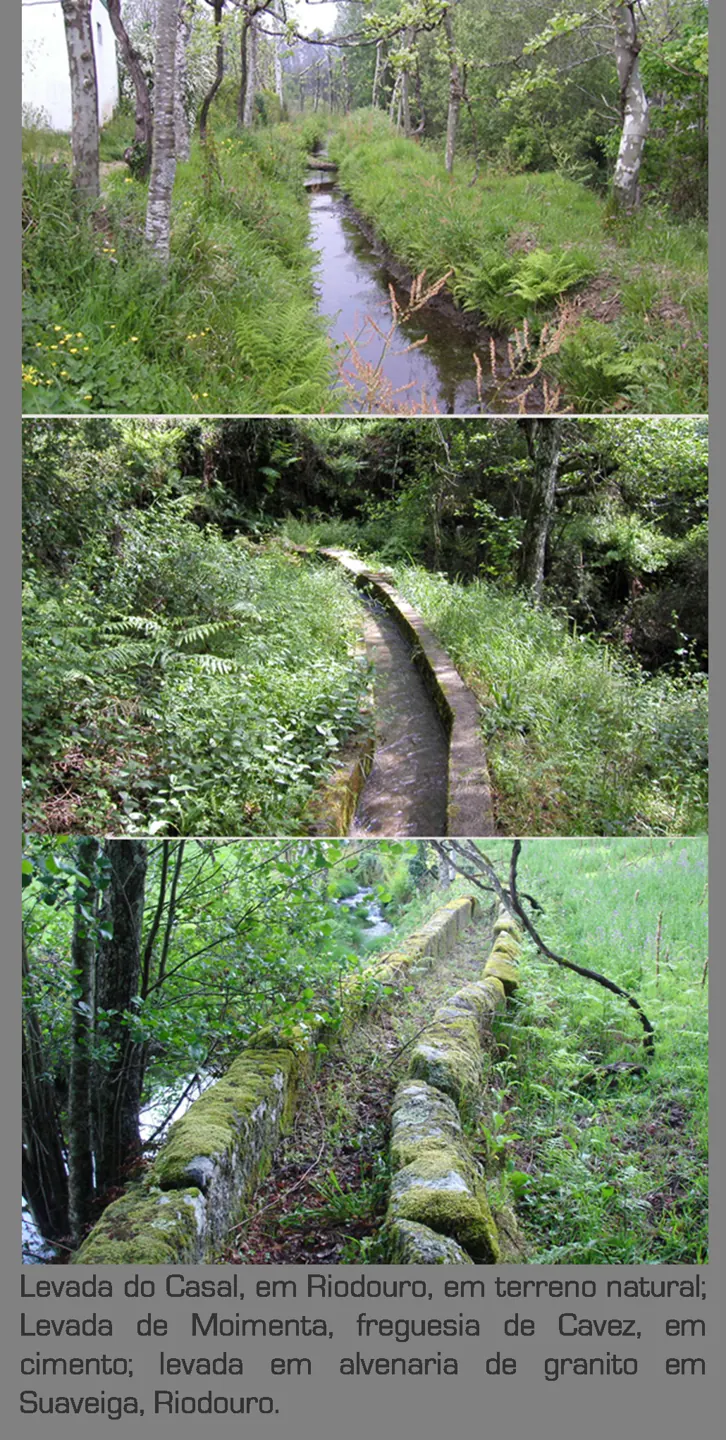
Examples of mill channels presented by the Museu das Terras de Basto.
Source: Museu das Terras de Basto
About this photograph

Photograph date not stated. Source consulted on 2026-11-15. EXIF orientation and proportional WebP resizing; no cropping or upscaling.

Individual photographer and reuse licence not stated by the source.

Request removal or correct the photo credit

A levada is not always a dressed-stone channel.

Includes an activity to try →
Read here and view sources

According to the Museum, levadas carry water from weirs or pools to mills. In Cabeceiras, the study describes both channels made from worked granite and channels in firm ground or cut into rock. Understanding a mill means looking at the whole: the building, water intake and water supply. This explains documented heritage; it does not indicate access to the channels.

Materials also reveal change. The 2011 article mentions rebuilding in cement or fibre cement that altered the original form of some levadas. Distinguishing earlier forms from later interventions helps us read this heritage as a history of adaptation, not a landscape frozen in time.

Source and context

Basto Land Museum — Mills of Cabeceiras de Basto: water capture and conduction, 07/07/2011

Accessed: . Editorial summary; the date of consultation is not the date of the facts.

Pedraça · object inventoried in 2015

One almude, two colours remembered

Almude measure photographed in the Museum’s publication about tinsmithing.
Source: Museu das Terras de Basto
About this photograph

Photograph date not stated. Source consulted on 2026-11-15. EXIF orientation and proportional WebP resizing; no cropping or upscaling.

Individual photographer and reuse licence not stated by the source.

Request removal or correct the photo credit

The inventory records more than an object’s shape.

Includes an activity to try →
Read here and view sources

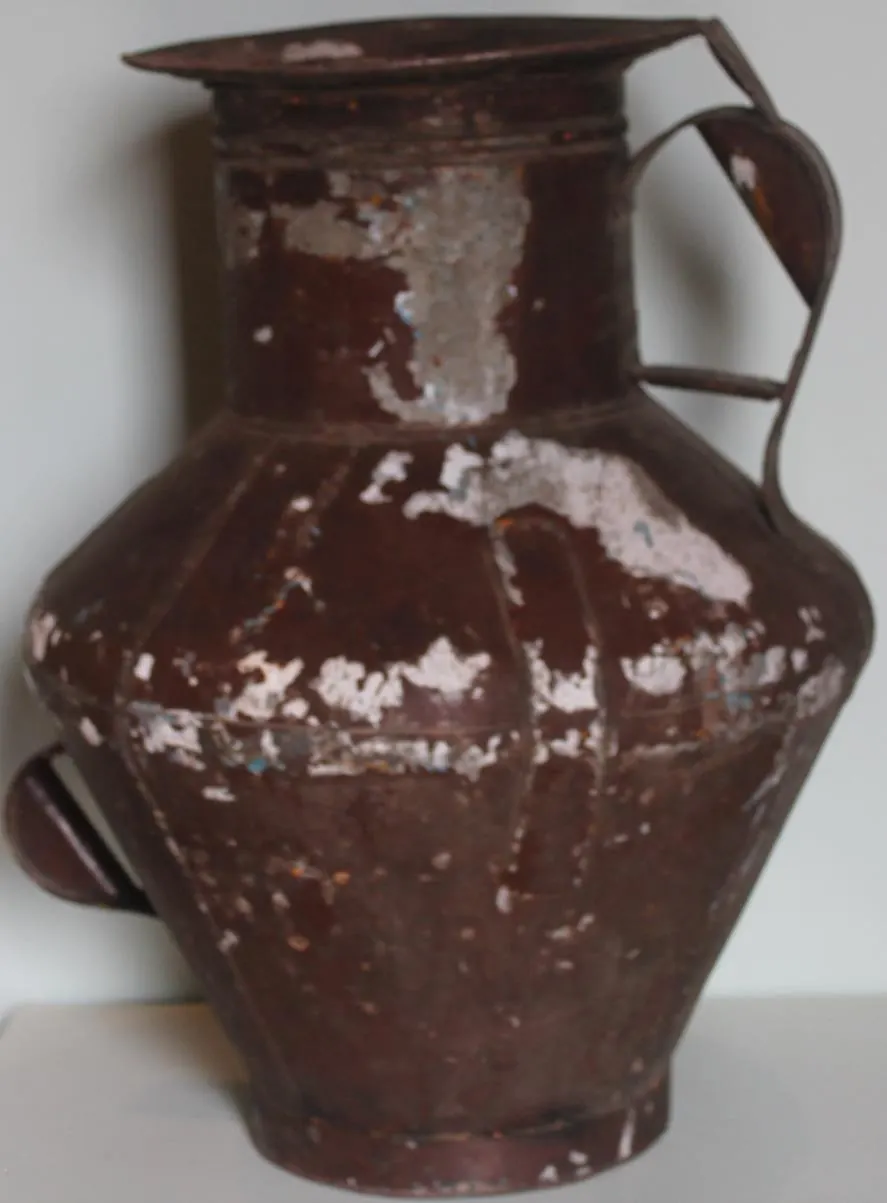
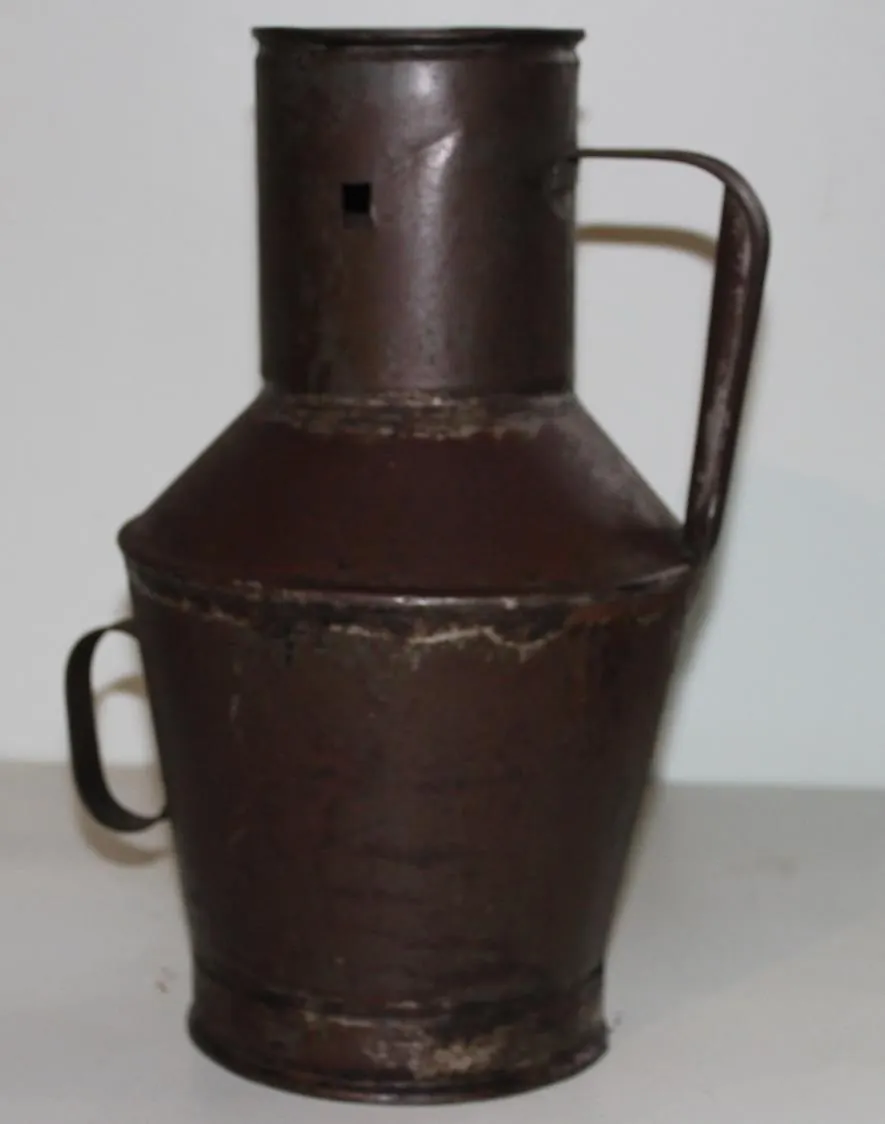
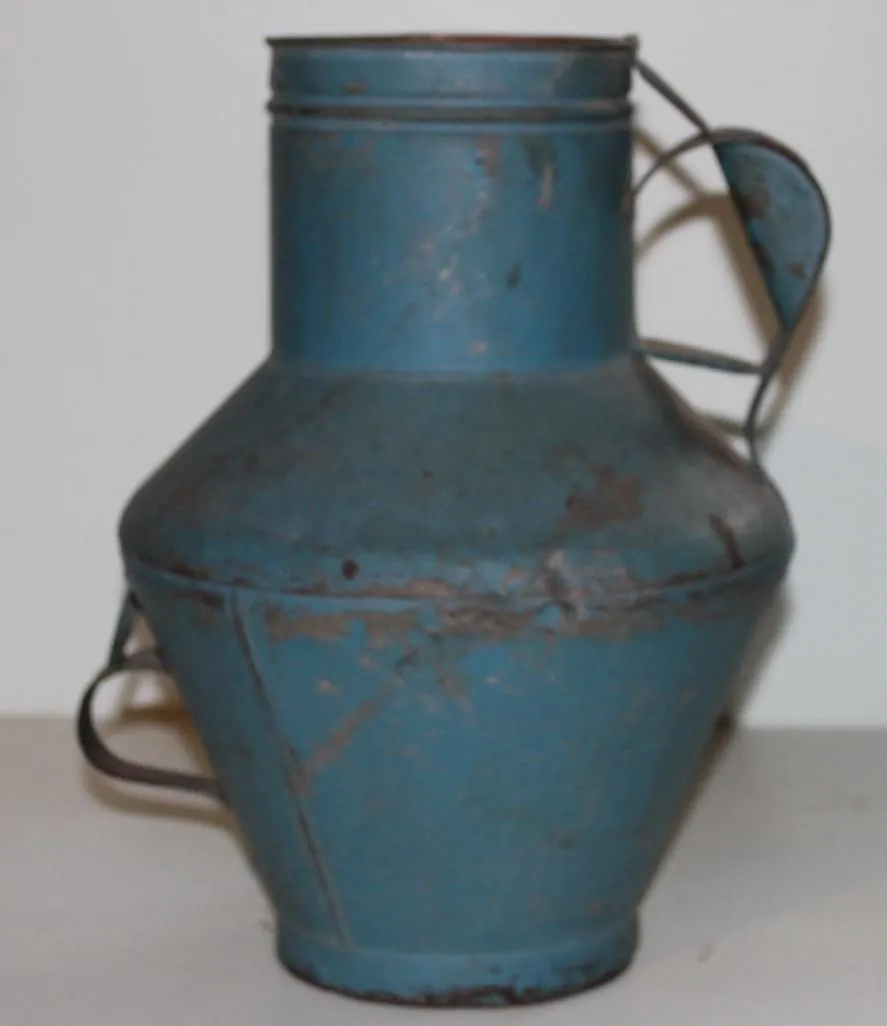
Almude L023, associated with Casa de Passo de Vides in Pedraça, was used to carry and measure wine. The 2015 record gives it a capacity of 28 litres and describes sheet zinc painted brown, with flaking paint; the original colour was blue. The capacity belongs to this inventoried piece, not to every almude. Even a layer of paint helps tell an object’s life story.

The record gives a height of 55 centimetres and a diameter of 28, identifying Jacqueline Vilela Passos as its owner. External dimensions, capacity and ownership are different kinds of information: together they make the description more useful than the object’s name alone.

The brown paint and traces of blue also show that a piece may have changed through use. The inventory does not date the repainting. Observing the paint reveals a change, but cannot reconstruct every episode in the almude’s life.

Source and context

Basto Land Museum — Latoaria in Cabeceiras de Basto (05/11/2015), L023

Accessed: . Editorial summary; the date of consultation is not the date of the facts.

Terras de Basto · everyday objects

Two funnels, related tasks

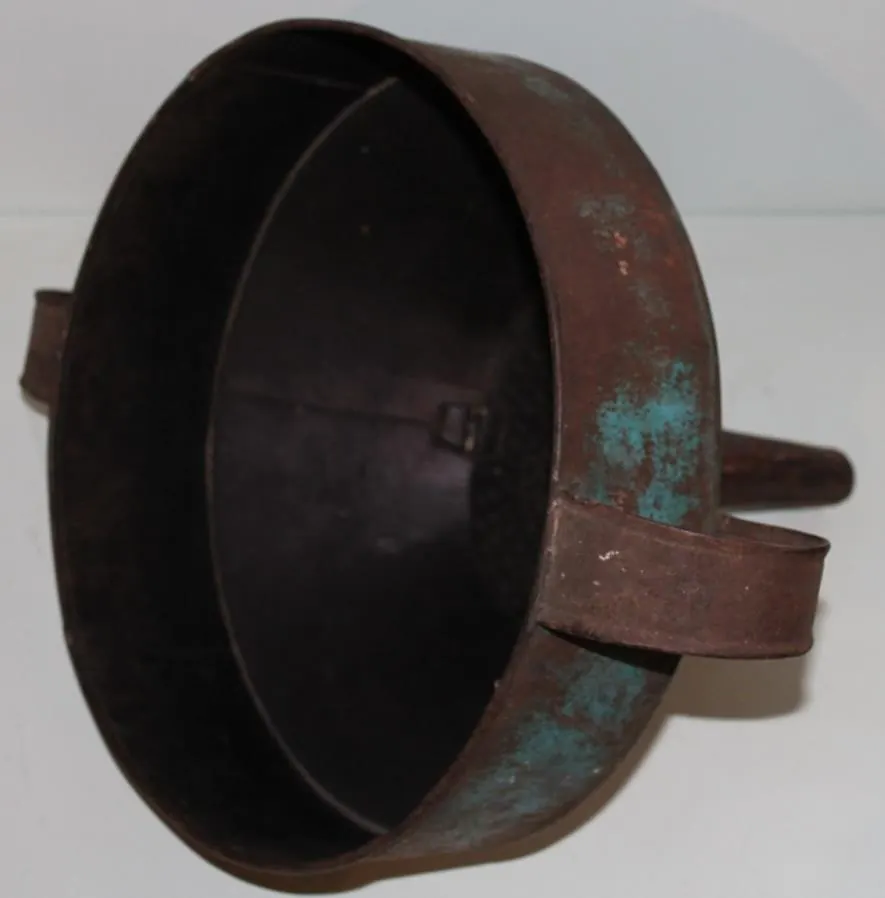
Wine funnel L 63 — inventory presented by the Terras de Basto Museum.
Source: Museu das Terras de Basto
About this photograph

Photograph date not stated. Source consulted on 2026-11-15. EXIF orientation and proportional WebP resizing; no cropping or upscaling.

Individual photographer and reuse licence not stated by the source.

Request removal or correct the photo credit

See 2 more photos and details
Funnel L 18 — inventory presented by the Terras de Basto Museum.
Source: Museu das Terras de Basto
About this photograph

Photograph date not stated. Source consulted on 2026-11-15. EXIF orientation and proportional WebP resizing; no cropping or upscaling.

Individual photographer and reuse licence not stated by the source.

Request removal or correct the photo credit

Wine funnel L 36
Wine funnel L 36
Source: Museu das Terras de Basto
About this photograph

Photograph date not stated. Source consulted on 2026-11-15. EXIF orientation and proportional WebP resizing; no cropping or upscaling.

Individual photographer and reuse licence not stated by the source.

Request removal or correct the photo credit

A familiar shape can hold different uses.

Includes an activity to try →Explore: Transfer, measure and serve →
Read here and view sources

In the 2016 inventory, funnel L63 is linked with transferring wine; L18 with passing liquids between containers. Both are made from sheet zinc. Reading the recorded function avoids guessing use from shape alone. Compare them with the alheira funnel: a similar-looking object can serve another task.

L63 measures seventeen centimetres high and 17.7 in diameter; L18 is smaller, at 12.5 centimetres high and ten in diameter. The inventory associates the first with Álvaro Magalhães of Devesa, Basto, and the second with Maria da Conceição Magalhães in Arco de Baúlhe. These are recorded owners’ details, not indications of who made the pieces.

Dimensions, material and function make the comparison more concrete. A greater diameter does not by itself reveal how many litres passed through a funnel or what work took place in a particular house.

Source and context

Basto Land Museum — Latoaria in Cabeceiras de Basto V (18/01/2016), L63, L18 and MSRM88

Accessed: . Editorial summary; the date of consultation is not the date of the facts.

Terras de Basto · from fibre to fabric

Spinning is not weaving

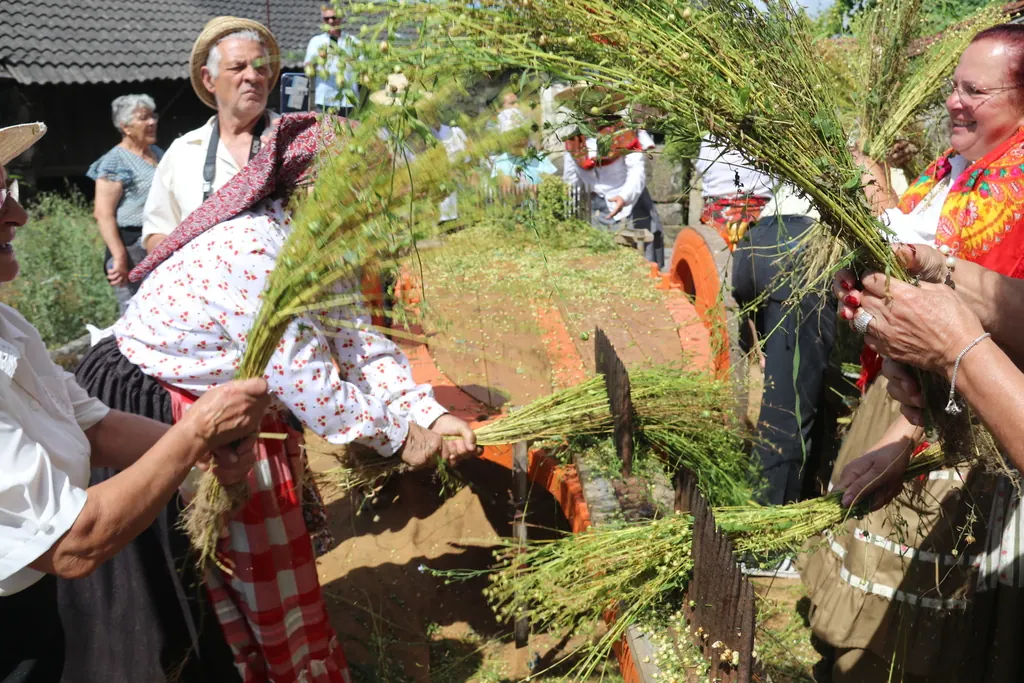
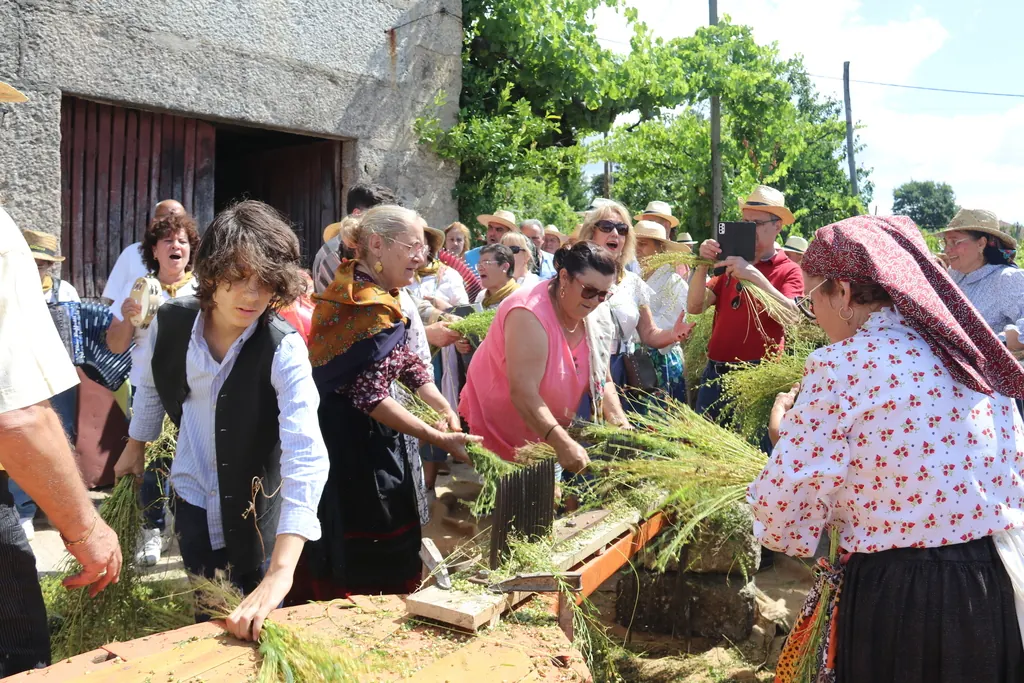
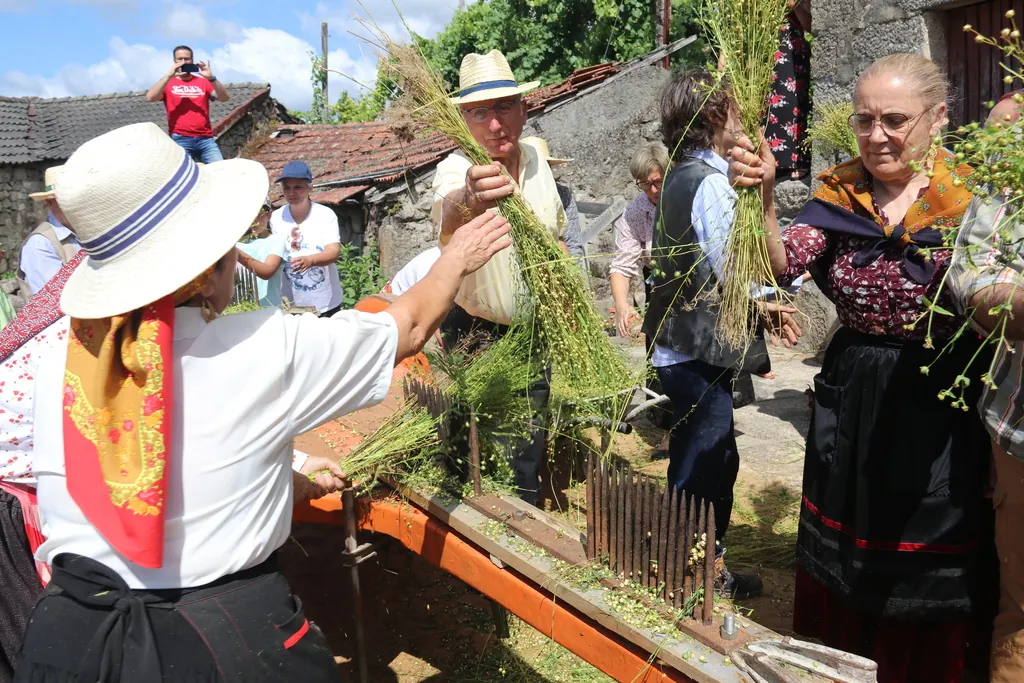
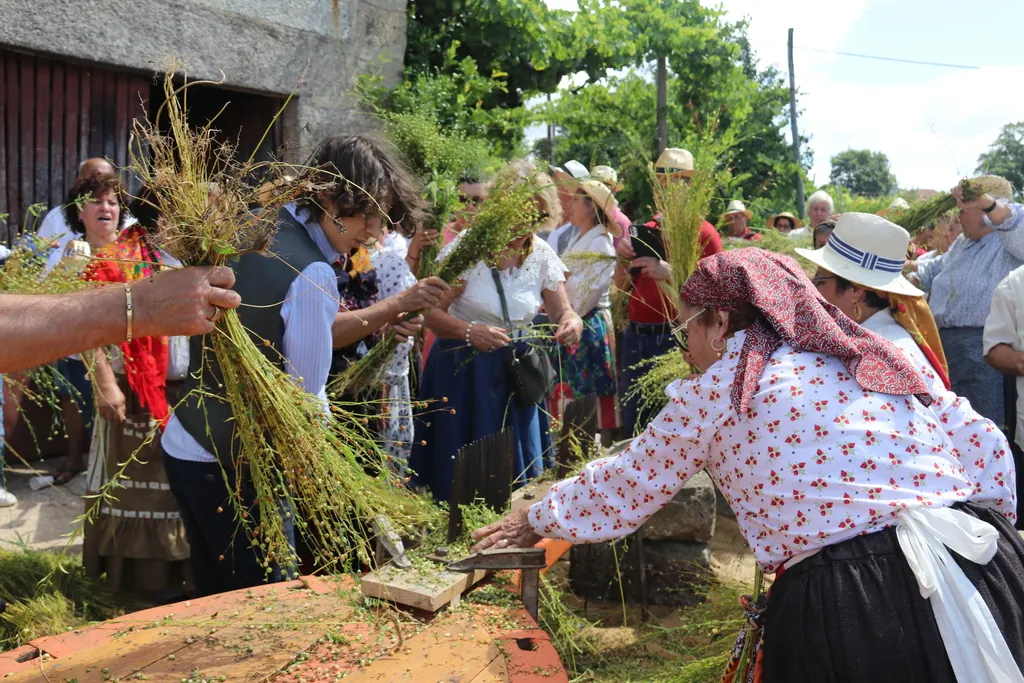
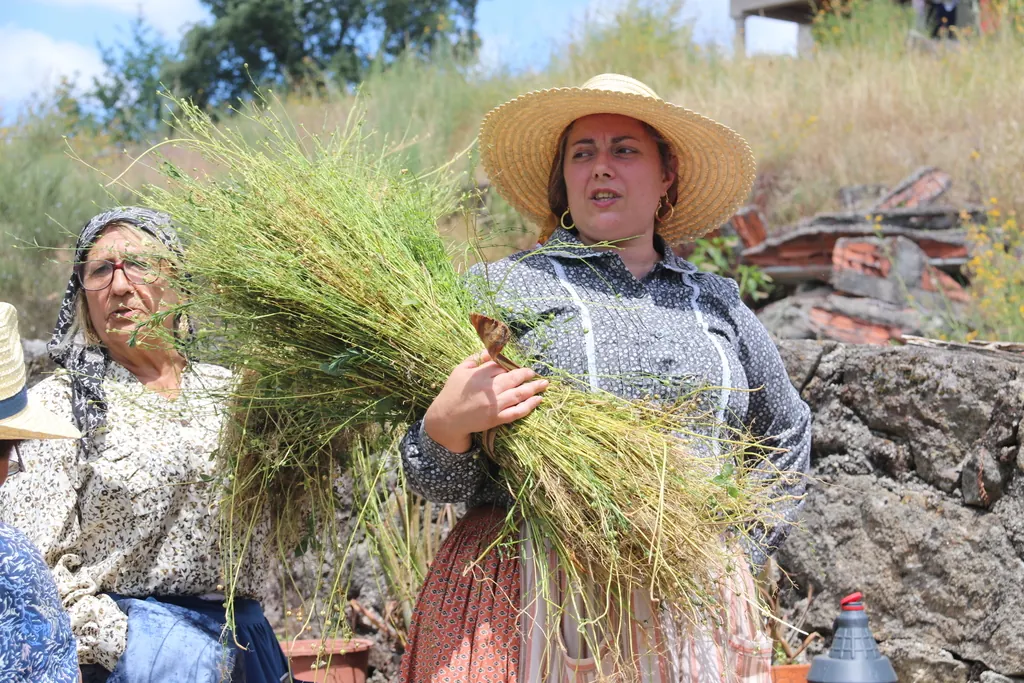
Flax work at the July 2024 gathering in Pedraça.
Source: Municipality of Cabeceiras de Basto
About this photograph

Photograph date not stated. Source consulted on 2026-11-15. EXIF orientation and proportional WebP resizing; no cropping or upscaling.

Individual photographer and reuse licence not stated by the source.

Request removal or correct the photo credit

See 8 more photos and details
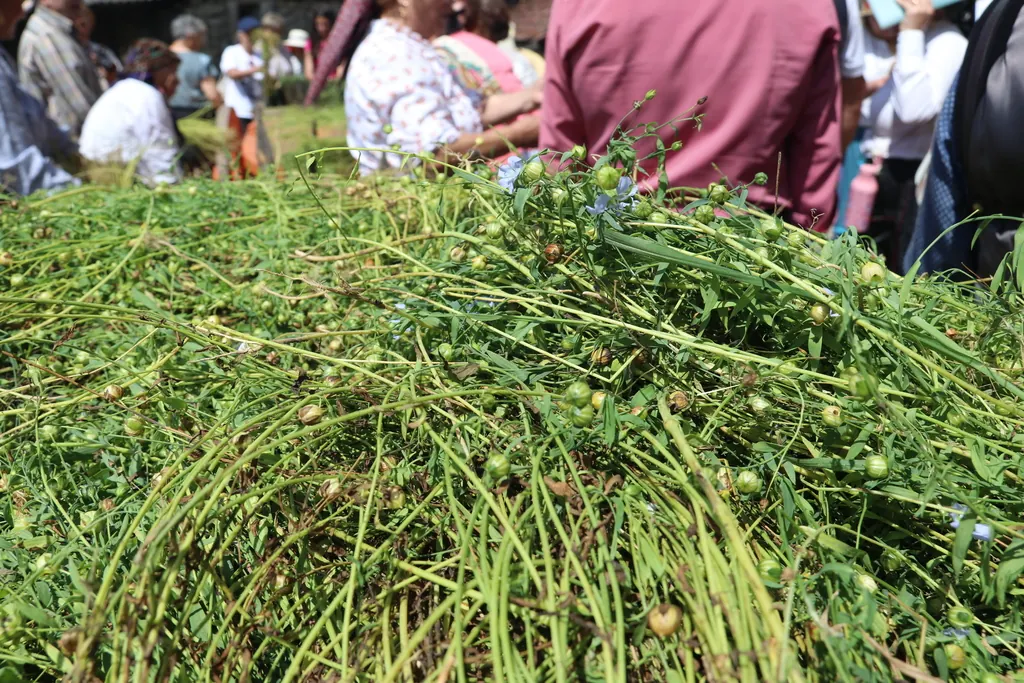
Flax work at the July 2024 gathering in Pedraça.
Source: Municipality of Cabeceiras de Basto
About this photograph

Photograph date not stated. Source consulted on 2026-11-15. EXIF orientation and proportional WebP resizing; no cropping or upscaling.

Individual photographer and reuse licence not stated by the source.

Request removal or correct the photo credit

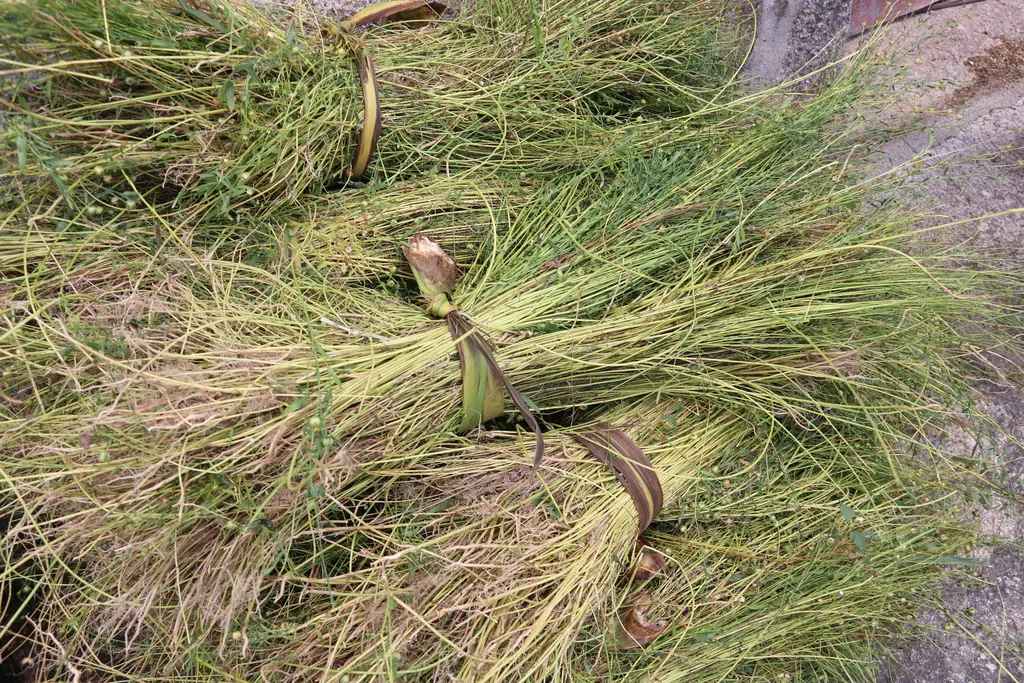
Bundles of flax at the July 2024 gathering in Pedraça.
Source: Municipality of Cabeceiras de Basto
About this photograph

Photograph date not stated. Source consulted on 2026-11-15. EXIF orientation and proportional WebP resizing; no cropping or upscaling.

Individual photographer and reuse licence not stated by the source.

Request removal or correct the photo credit

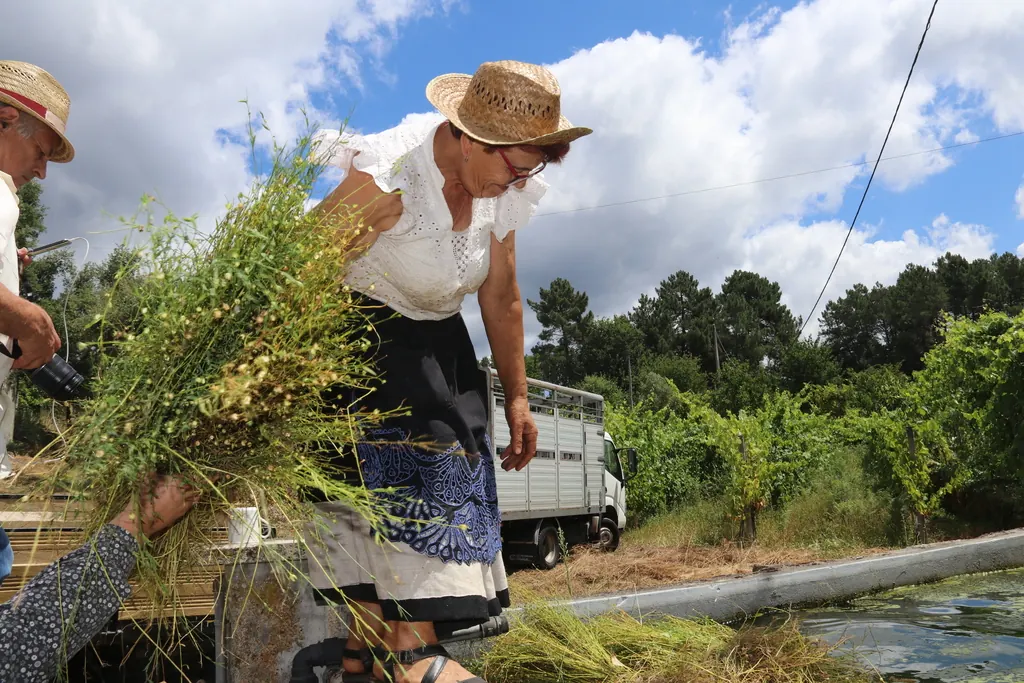
Flax-working techniques in Pedraça during the July 2024 event.
Source: Municipality of Cabeceiras de Basto
About this photograph

Photograph date not stated. Source consulted on 2026-11-15. EXIF orientation and proportional WebP resizing; no cropping or upscaling.

Individual photographer and reuse licence not stated by the source.

Request removal or correct the photo credit

Between fibre and cloth lies a world of tools.

Includes an activity to try →
Read here and view sources

The specifications for Linho das Terras de Basto distinguish preparing thread from building a fabric. Spinning may use a distaff and spindle, but the document also mentions a spinning wheel. A reel winds thread into skeins, which can then be wound into balls using a swift. Weaving requires preparing the warp and the thread that will cross it. The shuttle, shaped like a small boat, carries the weft between the warp threads. This description covers the Terras de Basto region; it does not identify a particular workshop in Cabeceiras.

Words in this story: see explanations →
Source and context

AMBT / CETRAD–UTAD — Land Linen Specification of Basto, pp. 19–27

Accessed: . Editorial summary; the date of consultation is not the date of the facts.

Faia · account of municipal fairs in 1758

The year was counted in fairs too

Faia’s abbot left a calendar reaching beyond the parish.

Includes an activity to try →
Read here and view sources

In his 1758 answer, Faia’s abbot mentions the São Miguel fair, beginning on 28 September and lasting three days. He also refers to São Tiago on 21 and 22 July, and a monthly fair on the 2nd in the municipality’s main town.

Olela appears with several occasions across the year, including Santa Catarina, December and São Matias in February. The description’s origin matters: this is the calendar related by Faia’s abbot, not a list of fairs all held within the parish. The dates belong to 1758 and are not announcements in the current agenda.

Source and context

Municipality — Parish Memoirs of Faia, João de Lima Lobo de Noronha, 23/05/1758

Accessed: . Editorial summary; the date of consultation is not the date of the facts.

Arco de Baúlhe · material culture

A pitcher for measuring aguardente

Spirit measure L 19
Spirit measure L 19
Source: Museu das Terras de Basto
About this photograph

Photograph date not stated. Source consulted on 2026-11-15. EXIF orientation and proportional WebP resizing; no cropping or upscaling.

Individual photographer and reuse licence not stated by the source.

Request removal or correct the photo credit

See 2 more photos and details
Wine measure L 16
Wine measure L 16
Source: Museu das Terras de Basto
About this photograph

Photograph date not stated. Source consulted on 2026-11-15. EXIF orientation and proportional WebP resizing; no cropping or upscaling.

Individual photographer and reuse licence not stated by the source.

Request removal or correct the photo credit

Wine measure L 62
Wine measure L 62
Source: Museu das Terras de Basto
About this photograph

Photograph date not stated. Source consulted on 2026-11-15. EXIF orientation and proportional WebP resizing; no cropping or upscaling.

Individual photographer and reuse licence not stated by the source.

Request removal or correct the photo credit

One name could cover different functions and capacities.

Read here and view sources

Pitcher L19 in the Museu das Terras de Basto’s inventory was a measure for aguardente with a capacity of five litres. Made from sheet zinc, it is 37 centimetres high and 15 in diameter. The record identifies its owner as Maria da Conceição Gonçalves de Magalhães of Arco de Baúlhe.

Compare it with the seven-litre wine pitcher: the name connects the pieces, but function and capacity distinguish them. The figures belong to these documented objects, not to a universal conversion of the word cântara.

Source and context

Basto Land Museum — Latoaria, Teresa Soeiro text and inventory of pieces

Accessed: . Editorial summary; the date of consultation is not the date of the facts.
Painzela · changing oil mills in the 20th century

When the oil mill changed its power source

In Painzela, the story continued beyond the water channel.

Includes an activity to try →
Read here and view sources

The 2008 municipal inventory describes the Lagar do Senhor Novo in Igreja as the successor to the Lagar Velho. Built in 1971, it used electric motors. It was restored in 2001 and taken out of use shortly afterwards.

The change lets us compare two ways of powering an oil mill in the same parish. The survey is historical and confirms neither current operation nor visits.

Source and context

Municipality — Lagares inventory, LA13, survey of 06/05/2008

Accessed: . Editorial summary; the date of consultation is not the date of the facts.
Pedraça · industrial heritage documented in 2008

Behind the factory, another time

Souto do Rego holds the shift from water to electricity.

Includes an activity to try →
Read here and view sources

In Pedraça, the 2008 survey connects two installations at Souto do Rego. The old oil mill received water from the Levada das Águas Santas; the factory that replaced it had four presses and electric motors.

The record placed the factory’s closure in the 1990s. These are two stages of olive processing, documented in private properties, without confirmation of current public access.

Source and context

Municipality — Lagares inventory, LA15–LA16, survey of 12/03/2008

Accessed: . Editorial summary; the date of consultation is not the date of the facts.
Alvite and Passos · irrigation documented in 2008

The water changed its path

A channel can vanish from view and remain in memory.

Includes an activity to try →
Read here and view sources

The municipal record for Poça do Monte, surveyed on 14 April 2008, describes a change in Alvite: the shared users piped the natural-ground channel in 2001. It was about one kilometre long and used water from the Ribeiro Furado spring.

The record identifies seven shared users and mentions a steep initial slope. This story helps distinguish the old open channel from piped water conveyance. The document cannot establish the network’s condition today and does not present a walking route.

Source and context

Municipality — inventory of levadas, L2, survey of 14/04/2008

Accessed: . Editorial summary; the date of consultation is not the date of the facts.
YOUR LOCAL GUIDE

What would you like to discover?

Take a closer look.