Culture and crafts
ⓘCasa da Lã
From spinning to the loom: in Bucos, wool keeps telling stories through the hands of local women.
BucosWool, burel cloth and Jogo do Pau: in Bucos, Cabreira’s skills set the scene for discovery.
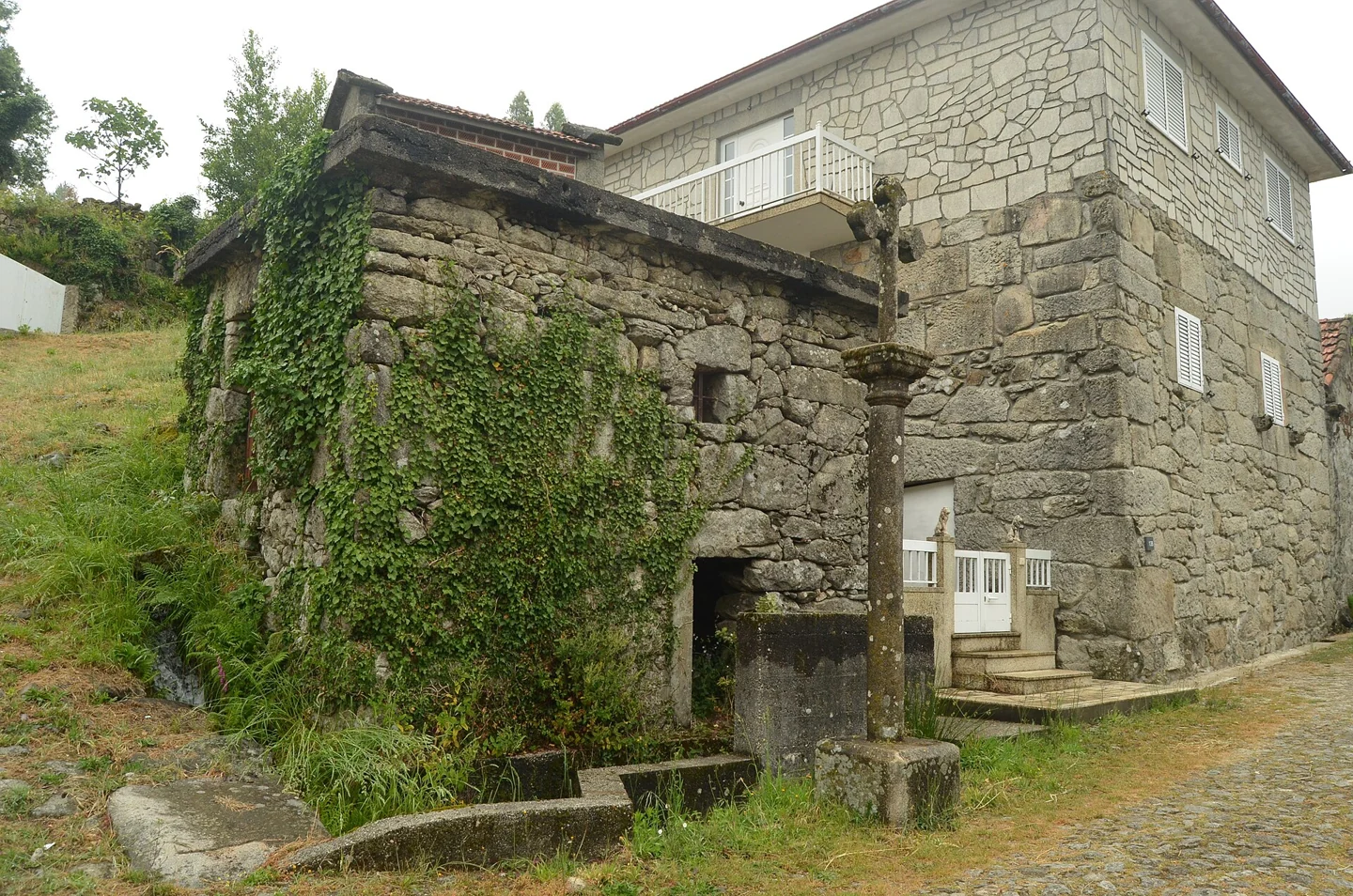
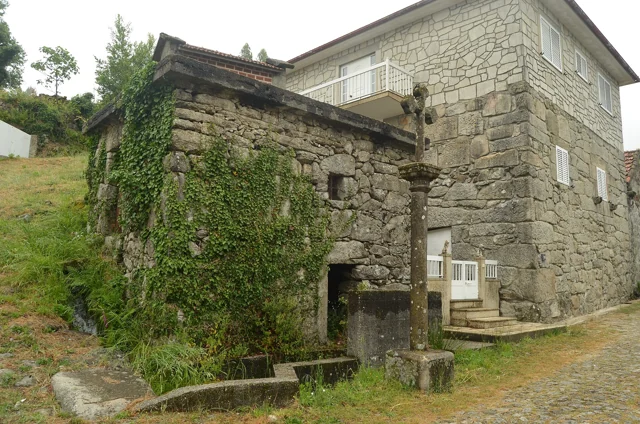
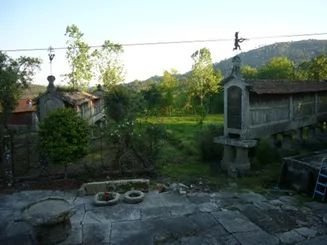
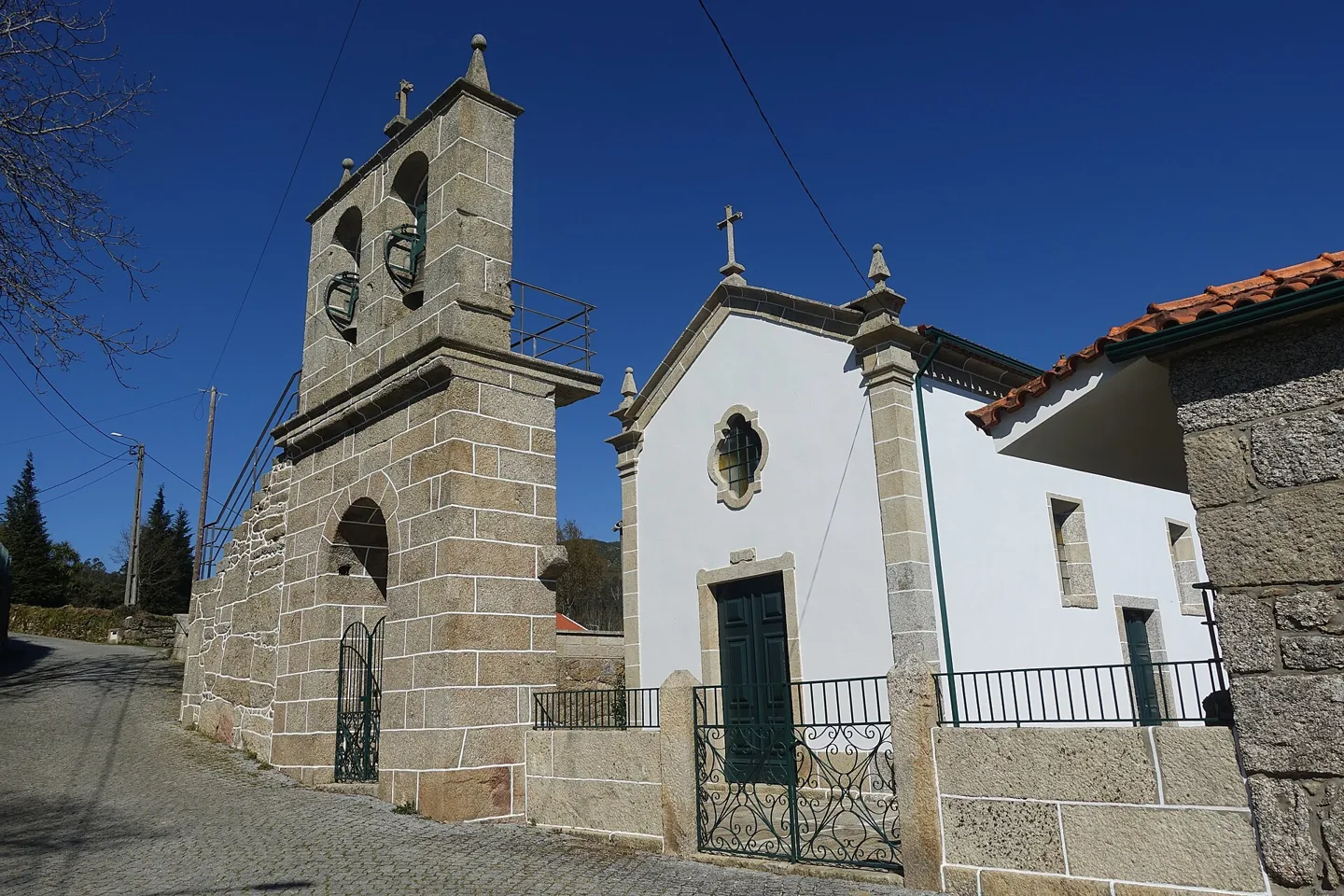
Rural stone buildings in Carrazedo, Bucos, on a misty morning.
ⓘSwipe to see more places →
From spinning to the loom: in Bucos, wool keeps telling stories through the hands of local women.
BucosA rural settlement in Bucos associated with its granary and dressed-stone architecture.
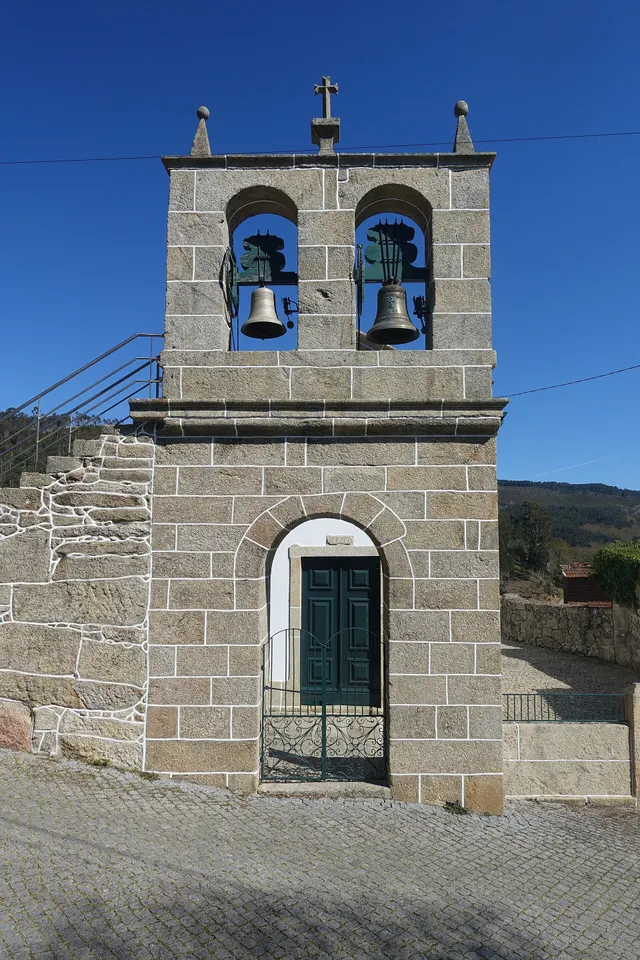
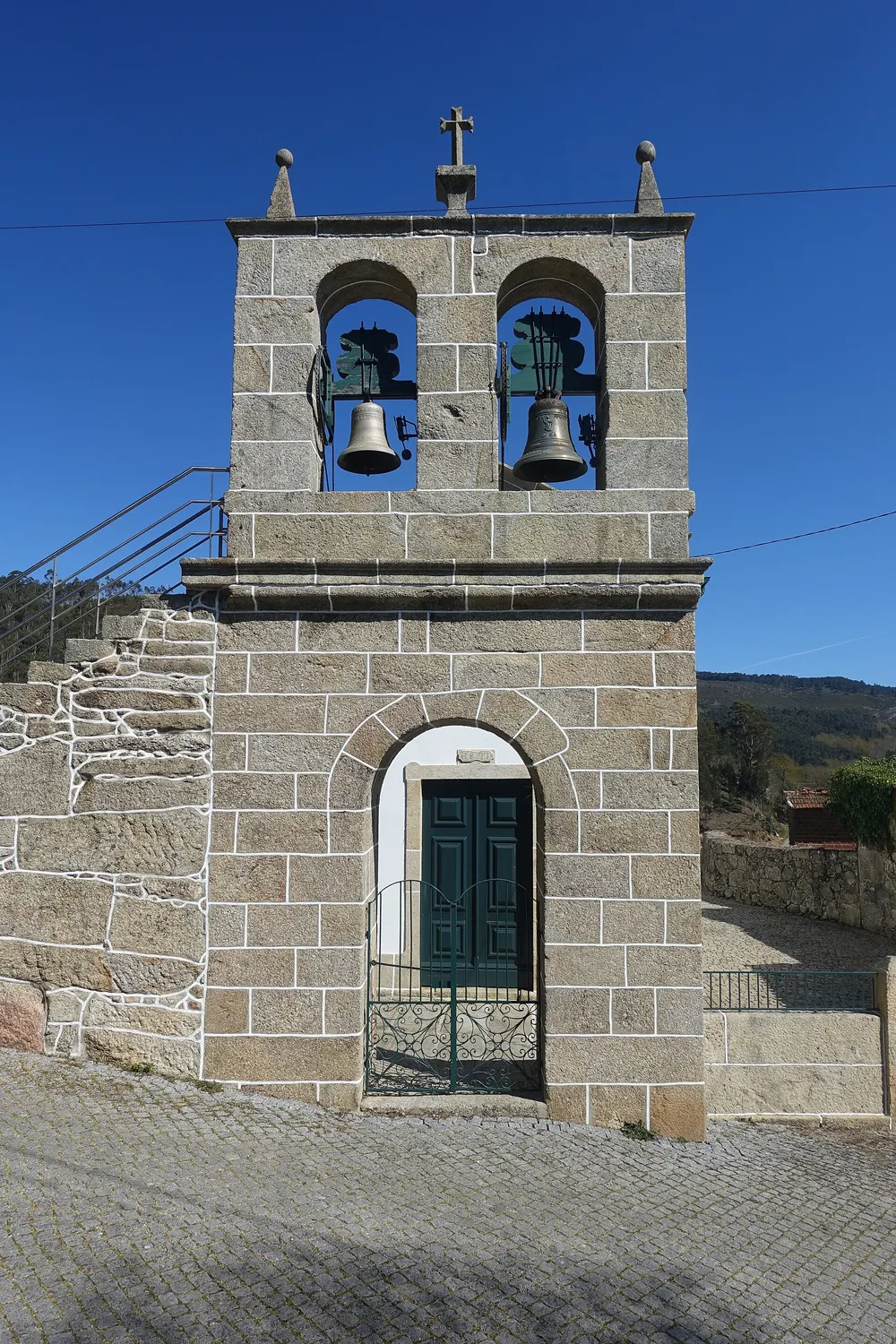
BucosGold, red and carved wood: the 1758 parish accounts preserve a portrait of Bucos’s parish church.
BucosWool, burel cloth and Jogo do Pau: in Bucos, Cabreira’s skills set the scene for discovery. Explore the memory of the Women of Bucos at Casa da Lã and Carrazedo’s rural architecture, with its large granary. Farming, shepherding and crafts help tell the story of this mountain parish.
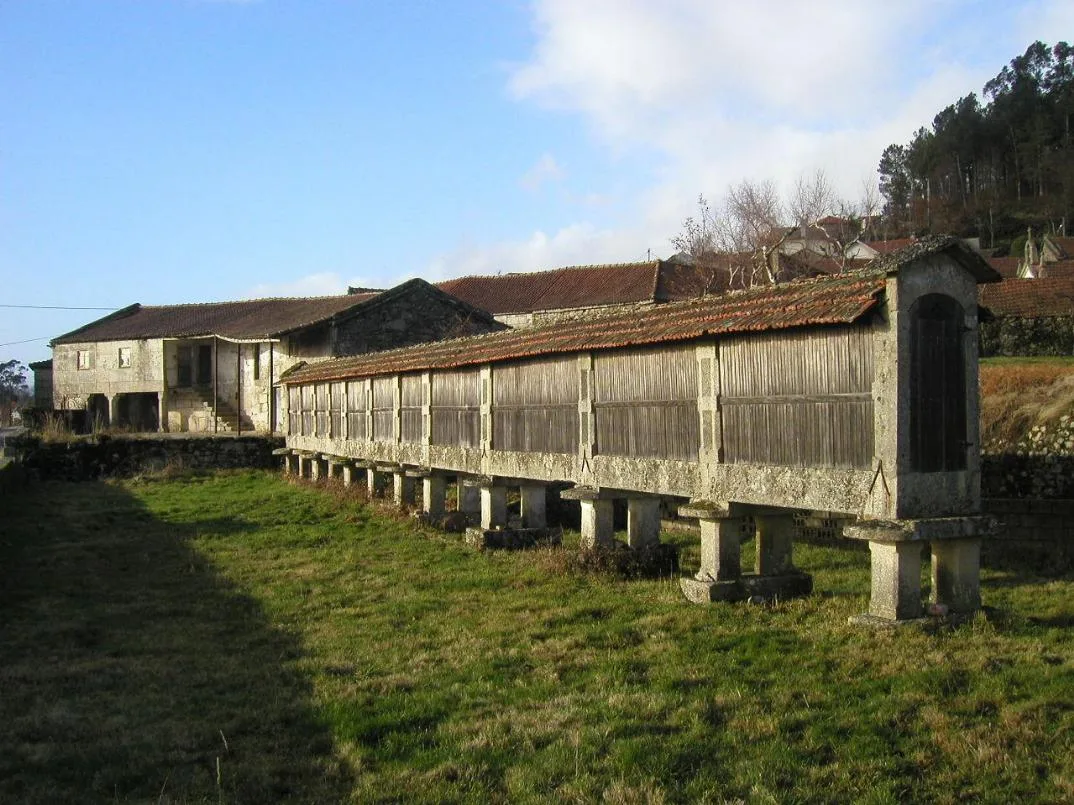
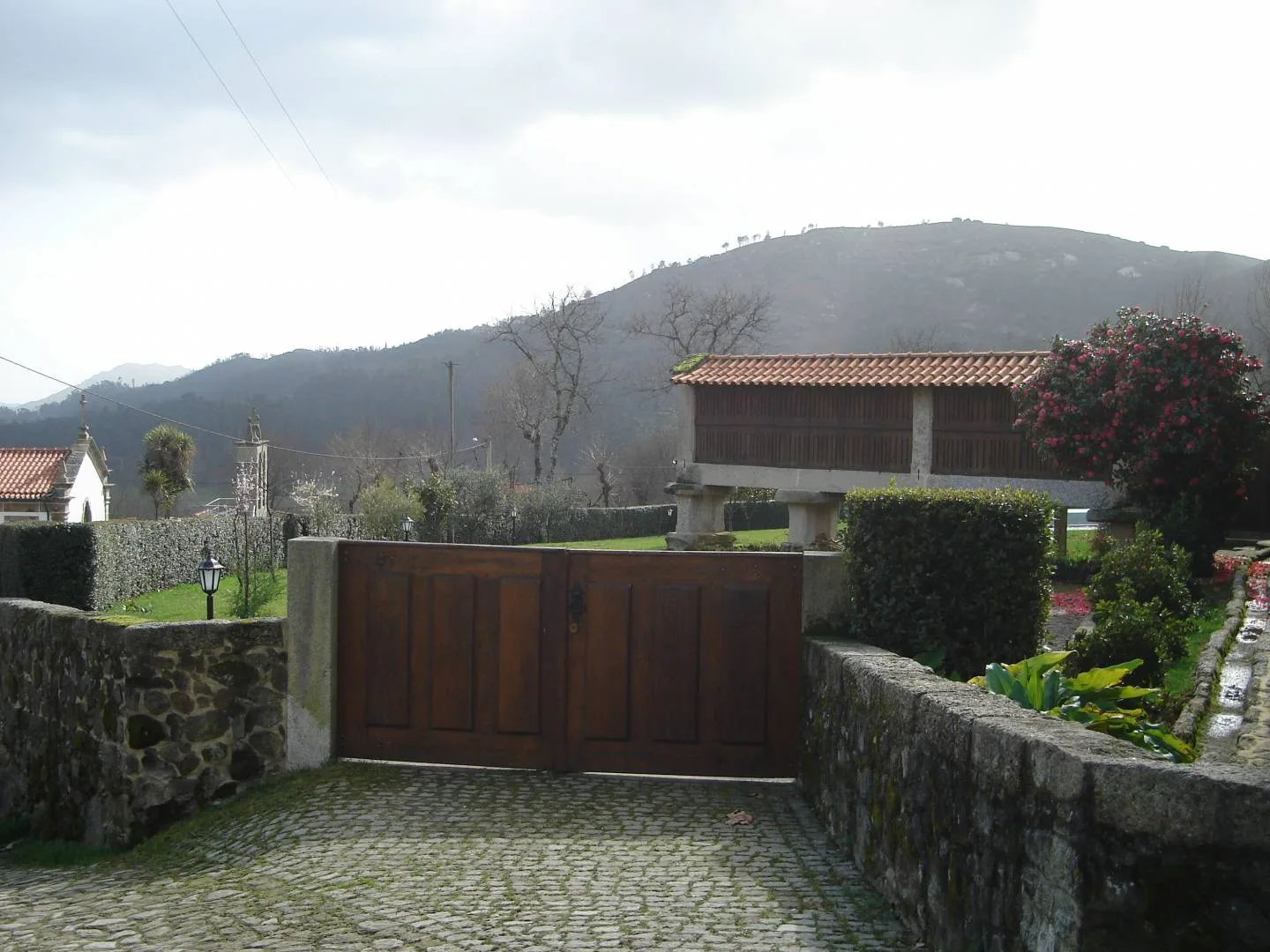
Stone-built houses and a large granary: Carrazedo is one gateway to Bucos’ rural memory. In this parish connected with the Cabreira, farming, livestock and grain storage help tell the story of village life. Architecture preserves traces of that work.
The fulling mill, weaving and the making of burel cloth connect water and textile work with local history. Casa da Lã provides context for the techniques and memories of the Women of Bucos. Jogo do Pau is another expression of community life mentioned in the municipal presentation. These themes reveal the parish beyond a list of buildings.
In the 1758 account, vicar António Alves Teixeira presents São João de Bucos as attached to the parish church of São Nicolau de Basto. The information reveals a historical parish connection between communities that now have their own territorial profiles. Saint John the Baptist, the Festa do Senhor and Senhora do Alívio appear in local religious traditions. Annual programmes should be consulted separately from this historical memory.
Lídia Aguiar’s study of Mestre Orides’ family, published in 2022, explores oral memories in Bucos and the passing of the game between generations. Its abstract links that continuity with family and social ties and the experience of emigration. Bucos and Abadim appear in the national inventory entry for the practice, inscribed in 2023. Its story is also about people and learning, beyond the objects used in demonstrations.
In 1758, the priest mentions a wooden bridge in Casares on a well-used road towards Braga, and several mills serving farmers. The municipal presentation links the old fulling mill with wool and burel crafts. Together, the sources connect paths, water and the processing of raw materials. Carrazedo’s granary adds the memory of agricultural storage, without needing an unverified claim that it holds a size record.
Bucos · Carrazedo
Discover the municipality’s history
A selection of places in the parish, with room to grow.
Main source consulted in 04/11/2026.
Publication at that source: Unidentified. Registered documentary verification: 2026-11-04.
Method recorded in that review: Documental review in 04/11/2026 of the municipal pages, historical transcripts and references indicated. Uncollated manuscripts. Archivistic descriptions, studies of oral tradition and dated observations are identified. Visually revised photographs from the Commons file consulted in 03/11/2026; camera position does not equal the survey of the object.
Editorial review: 2026-11-06. The editorial review is neither a visit to the site nor a real-time update. Additional times and sources may have their own consultation dates, indicated in the form.
Found different information? Suggest correction
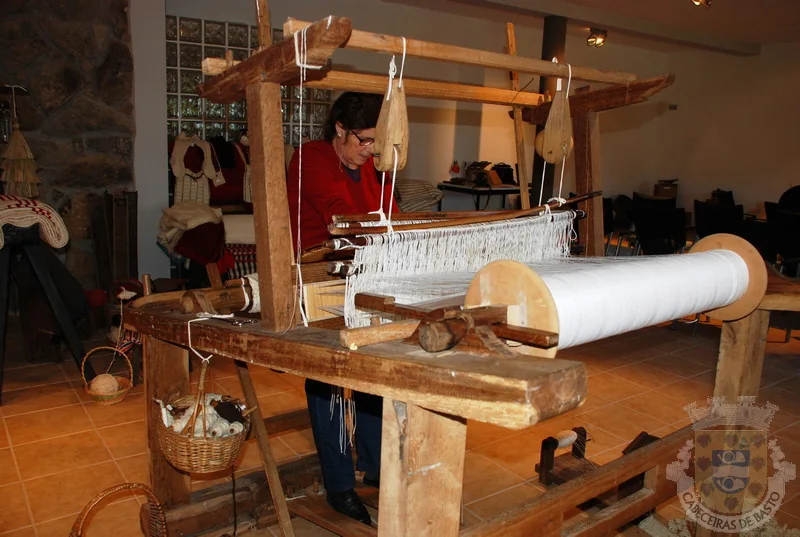
Loom working in Bucos, from the municipal collection. Archive photograph; date unidentified.
Source: Municipality of Cabeceiras de Basto
Photograph date not stated.
Autoria individual e licença de reutilização não identificadas na página consultada. A fonte não equivale ao autor.
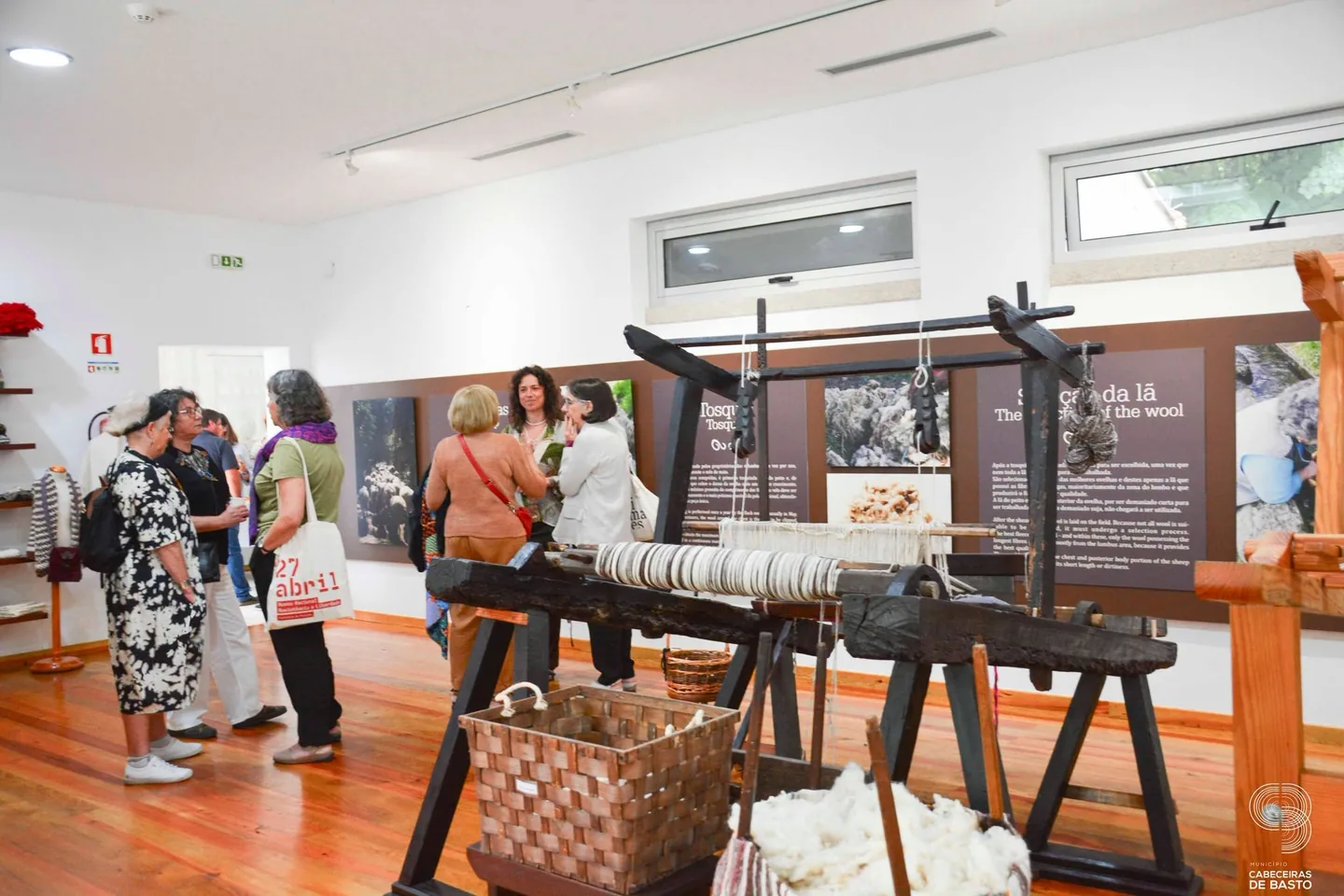
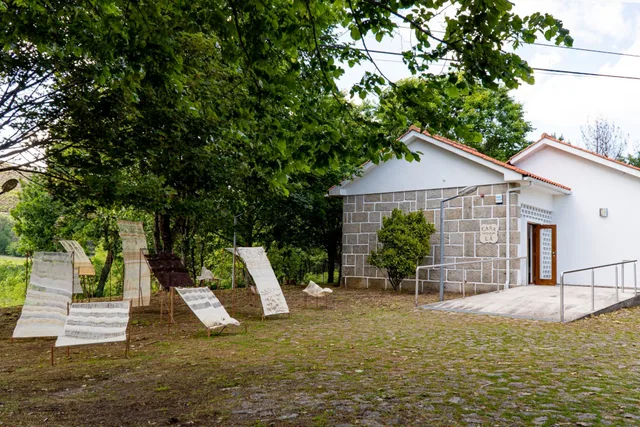
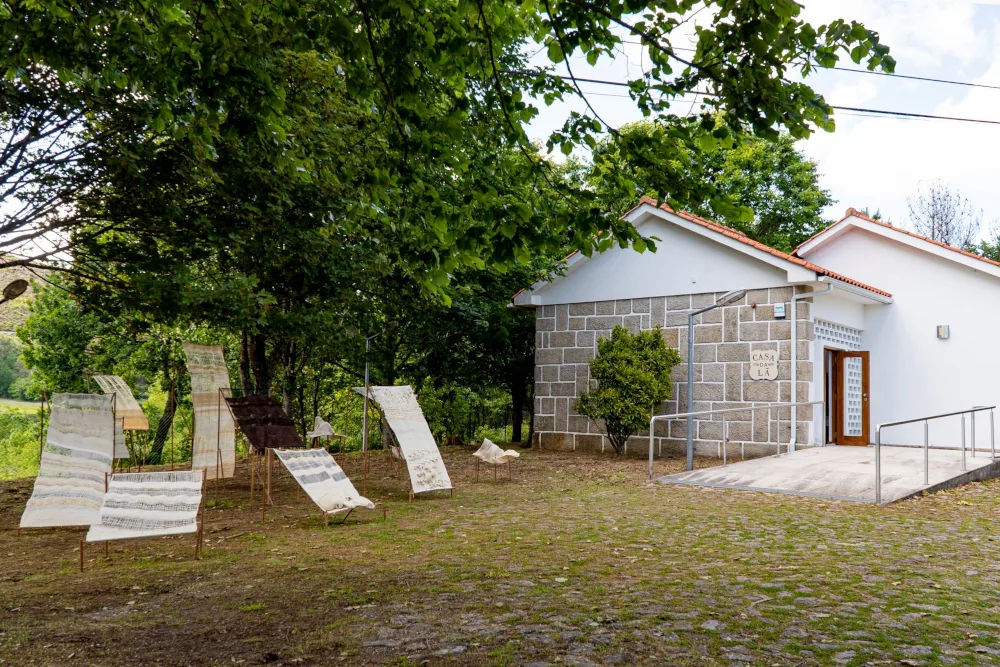
Loom and wool work at Casa da Lã in 2026.
Source: Museu das Terras de Basto
Photograph date not stated.
Autoria da fotografia e licença de reutilização não identificadas na fonte.
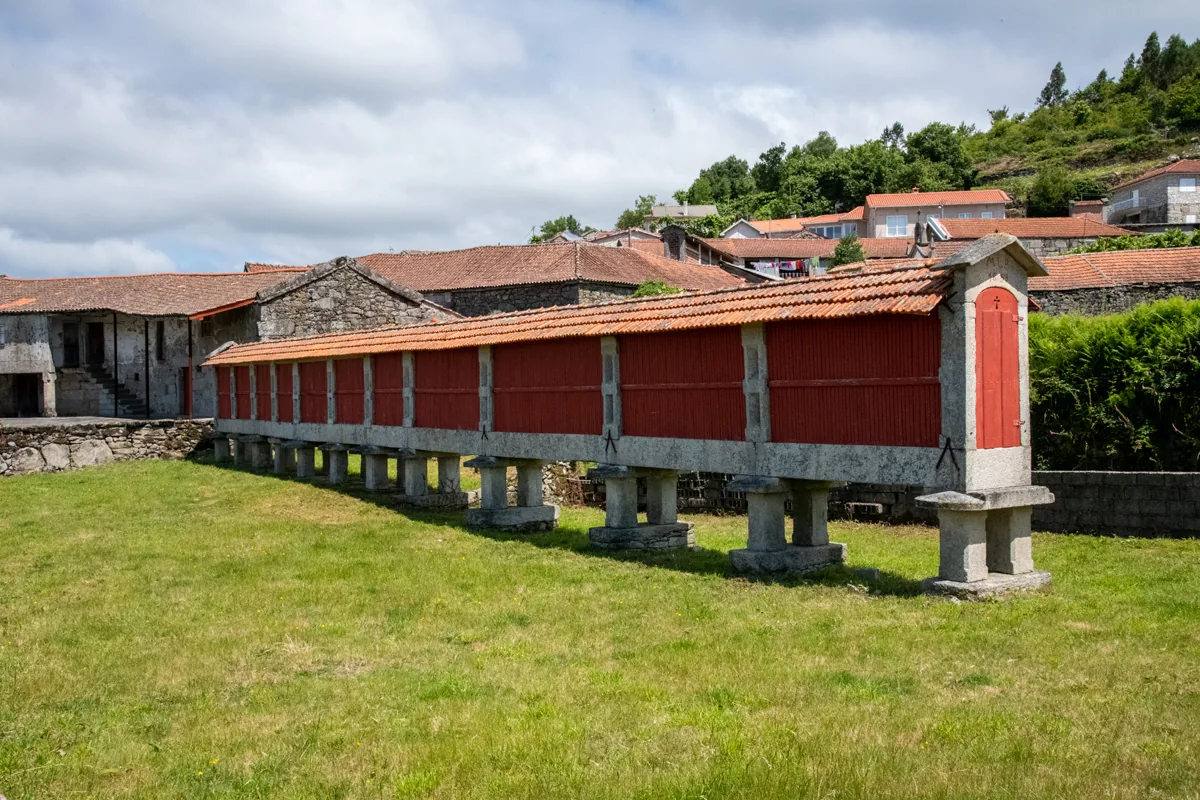
Carrazedo granary and surrounding land.
Source: Visit Cabeceiras — Município de Cabeceiras de Basto
Photograph date not stated.
Individual photographer and reuse licence not stated by the source.
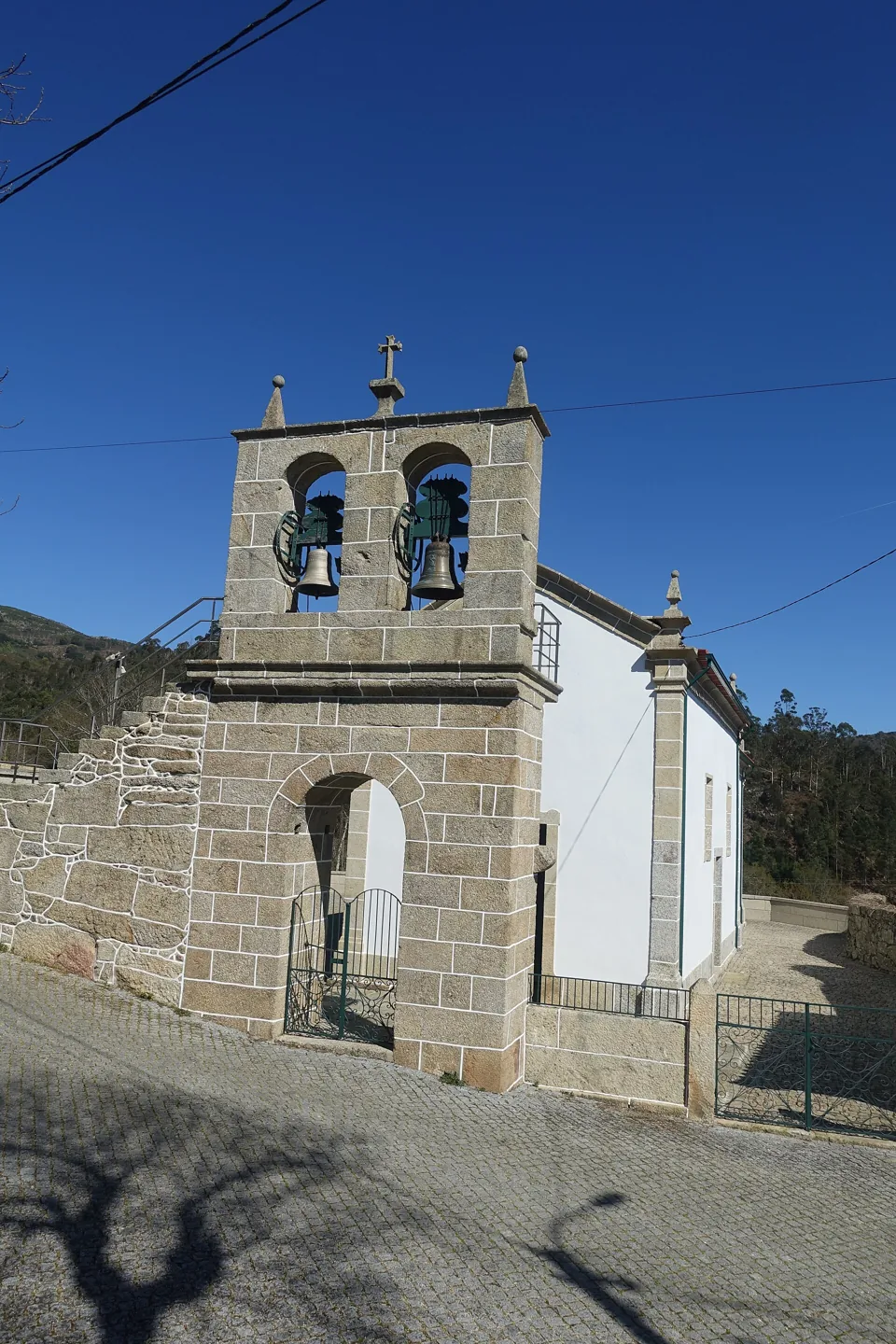
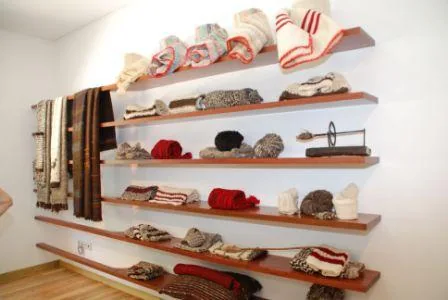
Wool pieces displayed at the opening of Casa da Lã on 7 September 2012.
Source: Museu das Terras de Basto
Date given at source: .
Autoria individual e licença de reutilização não identificadas na página consultada. A fonte não equivale ao autor.
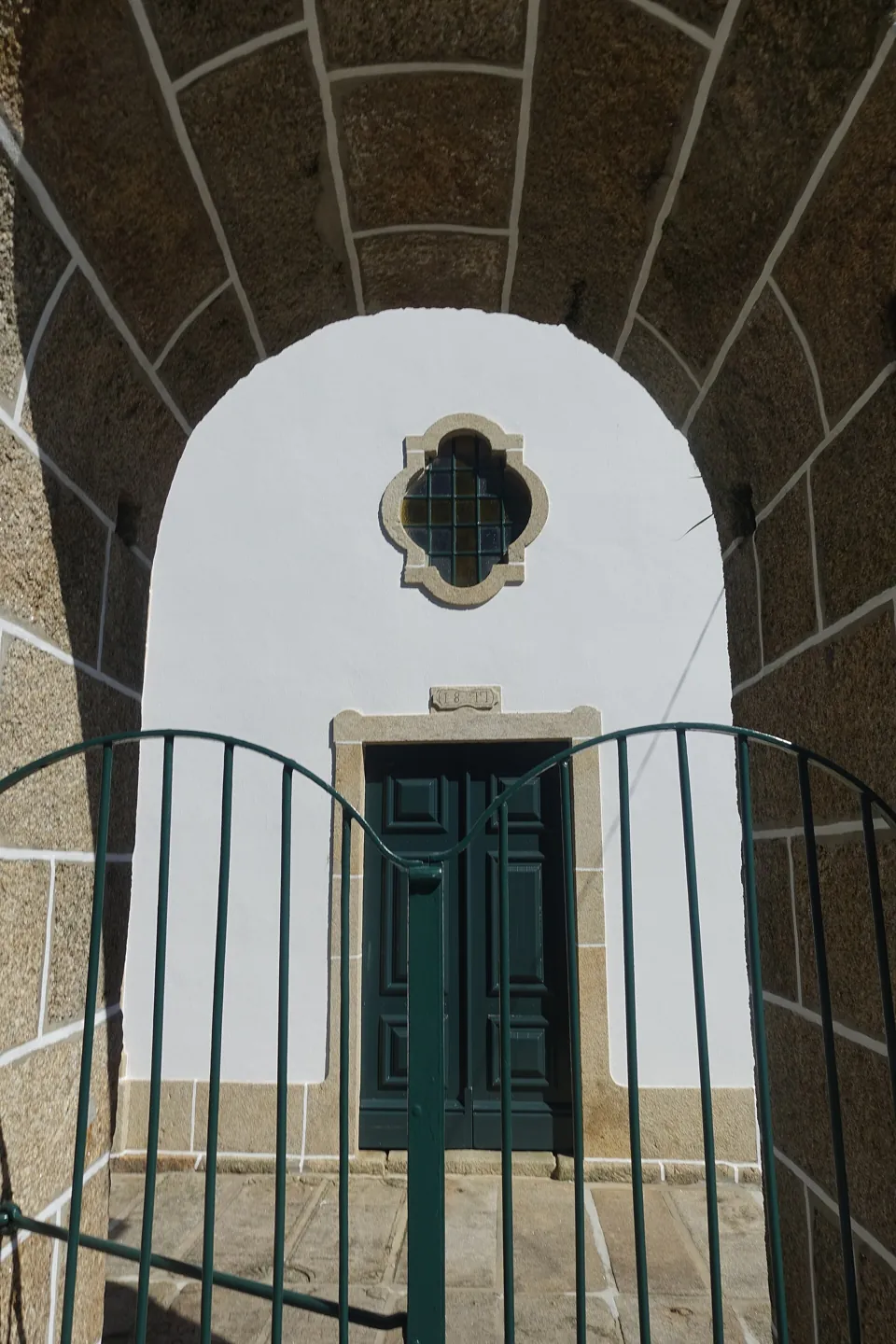
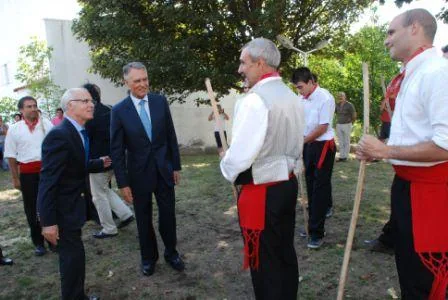
Welcome with the stick-fighting group at the opening of Casa da Lã in 2012.
Source: Museu das Terras de Basto
Date given at source: .
Autoria individual e licença de reutilização não identificadas na página consultada. A fonte não equivale ao autor.
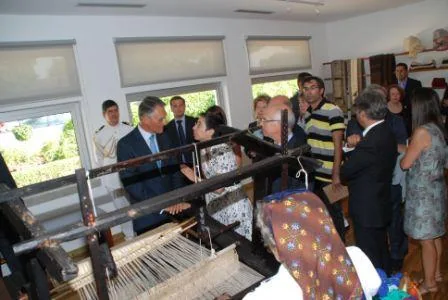
Visitors beside the loom at the opening of Casa da Lã in 2012.
Source: Museu das Terras de Basto
Date given at source: .
Autoria individual e licença de reutilização não identificadas na página consultada. A fonte não equivale ao autor.
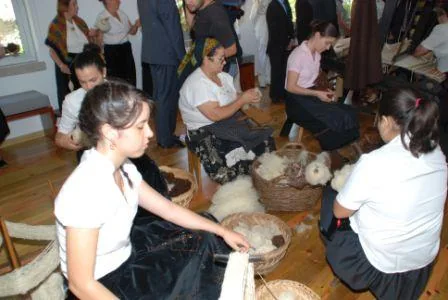
Wool-working demonstration at the opening of Casa da Lã in 2012.
Source: Museu das Terras de Basto
Date given at source: .
Autoria individual e licença de reutilização não identificadas na página consultada. A fonte não equivale ao autor.
Stone-built houses and a large granary: Carrazedo is one gateway to Bucos’ rural memory.
The fulling mill, weaving and the making of burel cloth connect water and textile work with local history.
In the 1758 account, vicar António Alves Teixeira presents São João de Bucos as attached to the parish church of São Nicolau de Basto.
Knowledge, landscapes and memories linked to this parish.
Choose from 13 activities here →
4 guides with stories from here → · To follow a story by chapters.
A wooden bridge opens a window onto life in 1758.
The pantry in Bucos did not depend on just one grain.
An account of the mountains written in 1758.
In Bucos, a former school found another way to teach.
In 2014, Casa da Lã brought craft and training closer.
In 1938, a village was selected to represent traditions.
Bucos’s heritage can also be discovered between buildings.
Santa Ana adds another piece to the village story.
In winter, fruits also feature in the robin’s diet.
Water connected mountains, mills and fields.
Wool connects livestock with shelter.
In Bucos and Abadim, Jogo do Pau is heritage too.
Carrazedo’s granaries tell a farming story.
Receiving news also meant covering a distance.
The staff also preserves a craft.
Players’ testimonies also speak of emigration.
Preserving a craft includes sharing it.
In Além do Rio, water tells a story of neighbours.
A short paved stretch tells a working story.
Local skills enter footwear design.
A trace of Bucos preserved in an archive in Matosinhos.
The hands doing the work deserve a place in history.
At the Casa da Lã, discovering a craft can mean watching someone practise it.
Casares lay on many people’s route.
In Casares, reaching church was a practical matter.
The document preserved colours too.
Goats, scrubland and fields in a mountain economy.
No events in our calendar for this parish. Discover other ideas.
Travessa da Escola, n.º 13, 4860-122 Bucos
The municipal directory and the council’s headquarters section list 253 657 500; the website footer lists 253 657 064. Confirm the contact number before travelling.
Tuesday and Friday, 18:00–19:30.
Opening hours published by the source · 15/11/2026. View opening-hours source
Carrazedo
Explore this theme across the municipality 3 places in this parishCasa da Lã · Carrazedo · Espigueiro de Carrazedo
Explore this theme across the municipality 1 place of this parishCasa da Lã
Explore this theme across the municipality