Discover Cabeceiras de BastoFree independent guide
ViveCabeceirasYOUR GUIDE TO CABECEIRAS
ENEnglish
SearchSaved

Flavors

Choose a story to start with. You can change the subject or fine tune the search.

6 stories · The flavours of Cabeceiras · Search: moinhos

The flavours of Cabeceiras

From the garden to the pot, from the oven to the table.

Choose a story · 6
Cabeceiras and neighboring municipalities · food memory

Maize the size of rice

Mílheros tell a story of rural food.

Includes an activity to try →Explore: A cereal, different transformations →View ingredients and preparation →
Read here and view sources

The Museum describes mílheros as maize crushed in a mill into small grains. In everyday meals, beans, cabbage shoots or cod bones could be added for flavour. Pork appeared on festive days or in households with more resources. This explains the distinction between “rich” and “poor” mílheros. The 2019 publication places this tradition in Cabeceiras and neighbouring municipalities.

In the Museum’s recipe for mílheros ricos, pork ribs, morcela, salpicão and linguiça accompany the grain. The difference between versions also helps us understand living conditions and occasions for eating them. The same ingredient could sustain a simple meal or form part of a more abundant table.

Words in this story: see explanations →
Source and context

Land Museum of Basto — Millions (2019)

Accessed: . Editorial summary; the date of consultation is not the date of the facts.
Abadim · bread heritage

Before the bread, there was a field

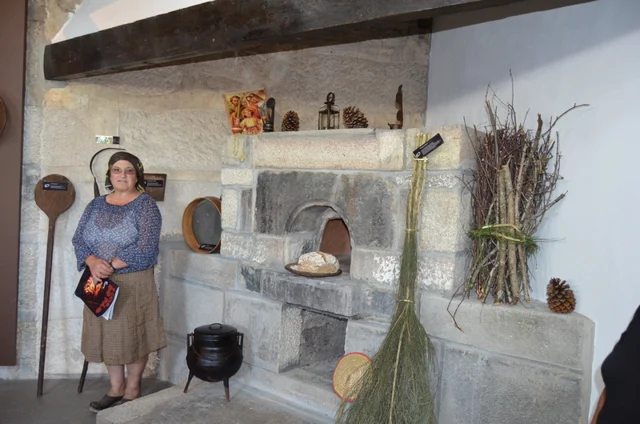
Forno em pedra e utensílios da Casa do Pão, com uma mulher junto da exposição.

At the Casa do Pão, the story begins with grain.

Includes an activity to try →Explore: From field to next batch →
Read here and view sources

A great deal of work comes before broa reaches the table. At the Casa do Pão in Moinhos de Rei, Abadim, utensils and farming tools help retrace bread-making and the production of maize and rye. The municipal presentation connects the objects with baking and tasting the bread. It offers a way to understand the journey from field to grain processing and oven. Check the contacts and visiting arrangements on the place page before planning to attend a demonstration.

Words in this story: see explanations →Getting to know the parish See Fact sheet: Casa do Pão
Source and context

Visit Cabeceiras — Casa do Pão, Moinhos de Rei

Accessed: . Editorial summary; the date of consultation is not the date of the facts.
Bucos · 1758 account

Three grains in one landscape

The pantry in Bucos did not depend on just one grain.

Includes an activity to try →Explore: From grain to mill →
Read here and view sources

The parish priest’s 1758 account lists milho-alvo, milhão and rye, saying they were produced in similar proportions. It also mentions some wine and few chestnuts. This is the agricultural picture he left in writing, not a description of present-day harvests.

And where was the grain processed? In the same account, António Alves Teixeira describes mills on the parish’s two watercourses and farmers taking grain there. The document links the list of crops to milling, although it gives no recipes or breakdown of how each grain was used for food or other purposes. The date, 22 May 1758, marks the moment of the account: the proportions given are the vicar’s assessment, not a weighing of a harvest.

Getting to know the parish
Source and context

Municipality — Parish memories of Bucos (1758)

Accessed: . Editorial summary; the date of consultation is not the date of the facts.

Saint Nicholas · agriculture described in 1758

Not all grain was the same

Rye, milho-alvo and milhão appear side by side in the old account.

Includes an activity to try →Explore: What held the table? →
Read here and view sources

In 1758, the parish priest of São Nicolau distinguishes rye, milho-alvo and milhão among the crops. He adds wine, olive oil, chestnuts and other fruits, describing production intended to support the farmers. When discussing fields in the hills, he particularly highlights rye. The variety of words invites us to read past agriculture without reducing all grains to a single crop.

The account places fields in lower areas between the hills separating settlements. Water was part of this arrangement: it mentions mills, weirs and channels serving fields and estates. Farming was not just a matter of choosing a seed; it also depended on terrain and access to water.

For draught animals, farmers used the hills during part of the year because the fields lacked grazing, bringing them in at night. Read together, these passages show fields, hills, animals and water as parts of the same rural life. They are the priest’s observations from 1758, not production quantities or present-day farming rules.

Source and context

Basto Land Museum — St Nicholas Parish Memories (1758)

Accessed: . Editorial summary; the date of consultation is not the date of the facts.

Alvite · mill inventory in 2008

From the Petimão to the olive press

A water channel brought power to the Casa do Ramil.

Read here and view sources

The municipal survey of 2 March 2008 describes the olive press at Casa do Ramil in Alvite, supplied by the Levada do Vale do Moinho with water diverted from the Petimão stream. A granite structure called a cubo channelled the water to the rodízio waterwheel. The building had two presses, and the inventory recorded that it had stopped operating in 2005. This account documents the connection between water, buildings and olive processing. It is private property: the historical survey confirms neither public access nor the equipment’s current condition.

Compare it with Covas, in Peio, where the inventory describes a wooden channel. In both cases, follow the connection between the water channel and the mechanism without assuming all olive presses used the same solution.

Source and context

Municipality — inventory of olive oil mills, record L.A.1, withdrawal of 02/03/2008

Accessed: . Editorial summary; the date of consultation is not the date of the facts.

Refojos · kitchen memory collected by the Museum

A recipe learned at celebrations

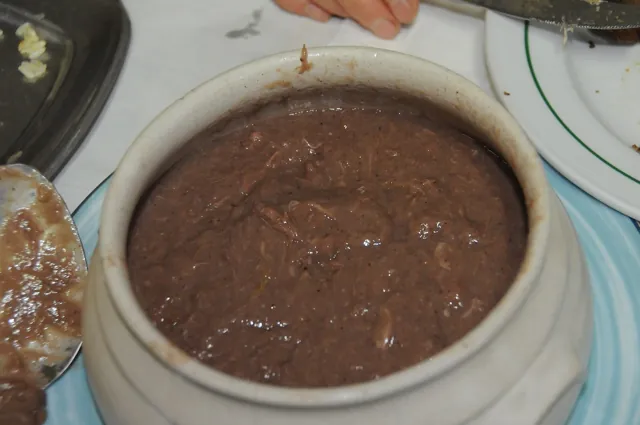
Papas de sarrabulho in a dish. Illustration of the food, not Maria Helena’s recipe.JoseolgonIllustrative photograph

Papas de sarrabulho also tell us how knowledge is passed on.

Includes an activity to try →Explore: The word popes holds differences →View ingredients and preparation →
Read here and view sources

Maria Helena da Mota Lopes da Silva Almeida, who had lived in Refojos since childhood, said she learned to make these papas at the beginning of the twenty-first century. Her teacher was a cook from Porto who came to Cabeceiras to work at baptisms and weddings. Celebrations were also places to learn techniques and recipes.

The version recorded in June 2011 combines different meats, maize flour, cooked pork blood, red wine and cumin. The account places its preparation in winter, up to the end of March. The publication, from July of the same year, documents how knowledge was passed on and the usual season for the dish; it does not describe a menu available today.

The account distinguishes shredding the meats from finely chopping the heart, tongue and liver. Flour, wine and cooked blood form a separate mixture. These details show that a recipe also preserves movements and textures.

To collect a kitchen memory, first ask who taught the recipe and on what occasions it was made. Then ask for a gesture that is difficult to explain in writing. Record the speaker’s words and the conversation date: a family recipe gains context when it preserves the voice passing it on.

Source and context

Basto Land Museum — A recipe learned at parties, publication of 06/07/2011
Consultations: ,

Editorial summary; the date of consultation is not the date of the facts.

YOUR LOCAL GUIDE

What would you like to discover?

Take a closer look.