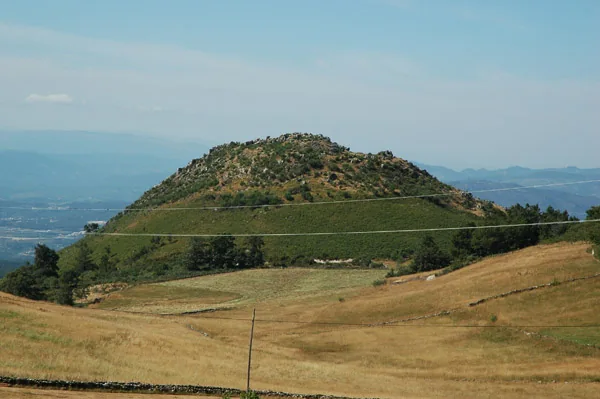
A settlement shaped by the hillside
At Monte do Castelo, the terrain is part of the story.
241 stories
At Monte do Castelo, the terrain is part of the story.
Romanisation also changed the relationship between mountains and fields.
The 1258 royal inquiries record it as Pedraços.
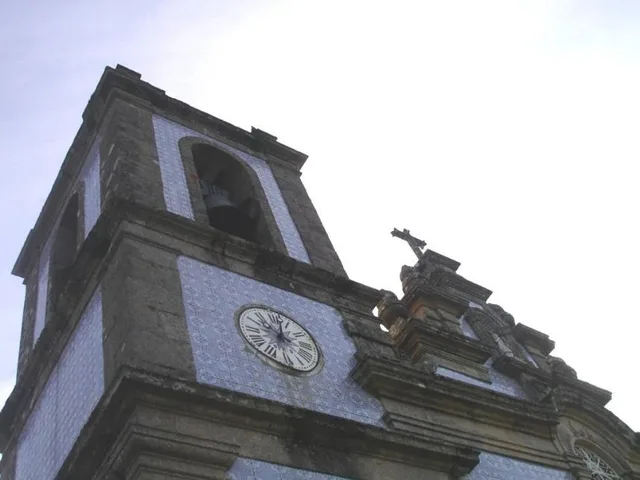
In 1758, choosing the parish priest involved a connection beyond the municipality.
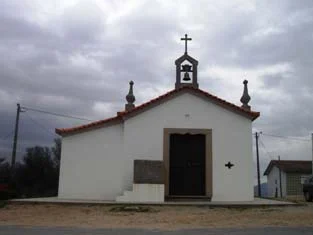
The 1758 account draws a small religious geography of Faia.
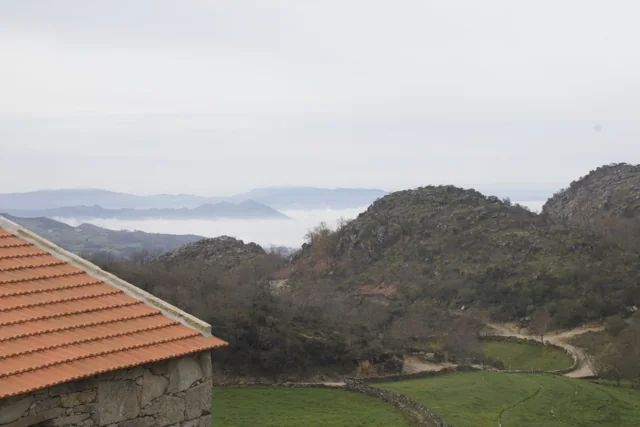
The Marcos do Touro help us read territorial boundaries.
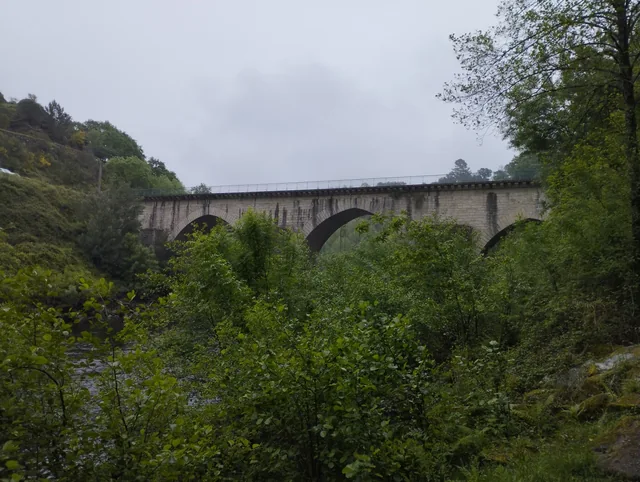
In 1758, Cavez’s Ponte Grande impressed the parish priest.
A gently rolling landscape on the municipality’s western edge.
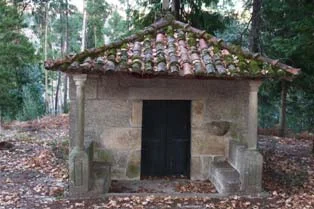
In Cimo de Vila, domestic and religious heritage meet.
In 1758, Painzela’s portrait counted households and people admitted to the sacraments.
In Casares, reaching church was a practical matter.
Heritage also had a system of care.
Names preserve changes in the territory too.
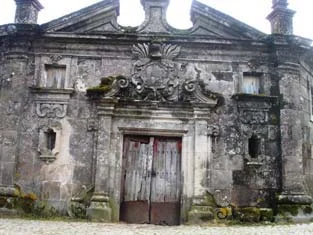
In Chouzas, the heritage of homes meets that of harvests.
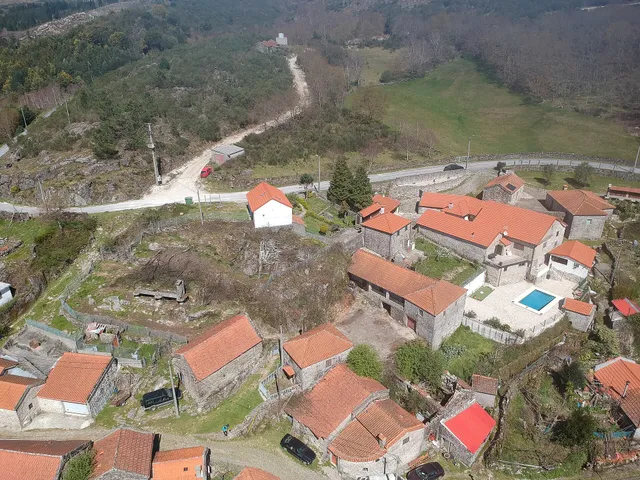
Distance from the church also shaped villages.
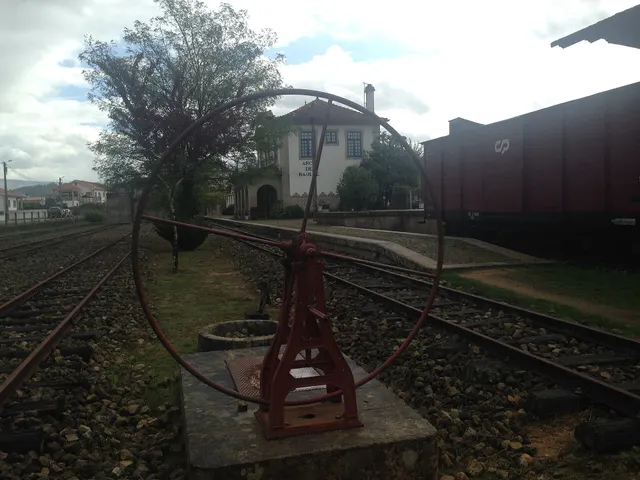
The station can also be read through its walls.
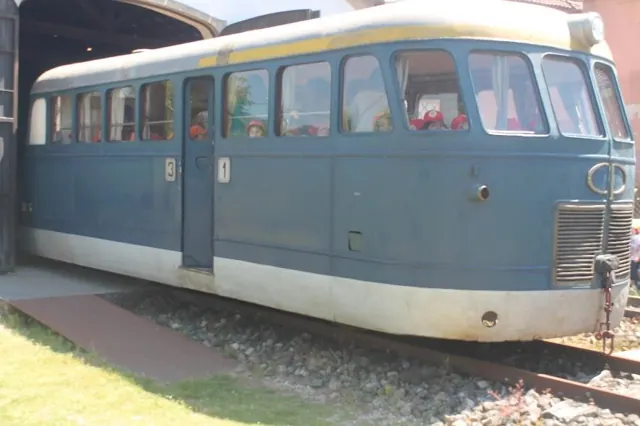
The collection tells of different ways to get a train moving.
A carriage opens a window onto journeys of another time.
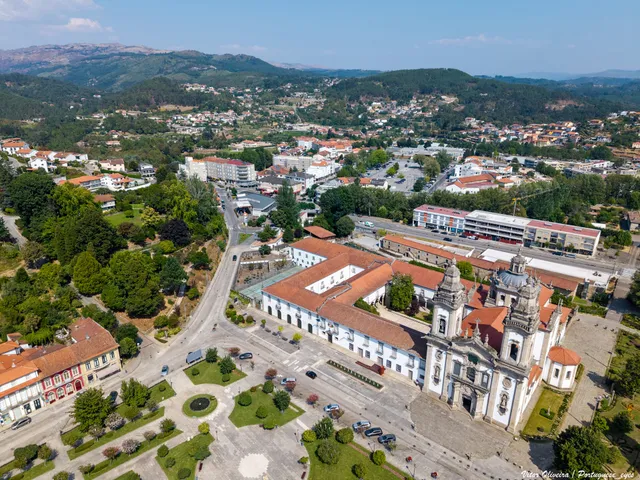
Sacristy furniture combines materials with different roles.
The high altar’s torch stands deserve a closer look.
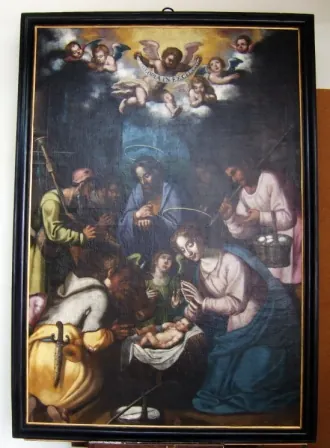
Restoring a painting can reveal more than new colours.
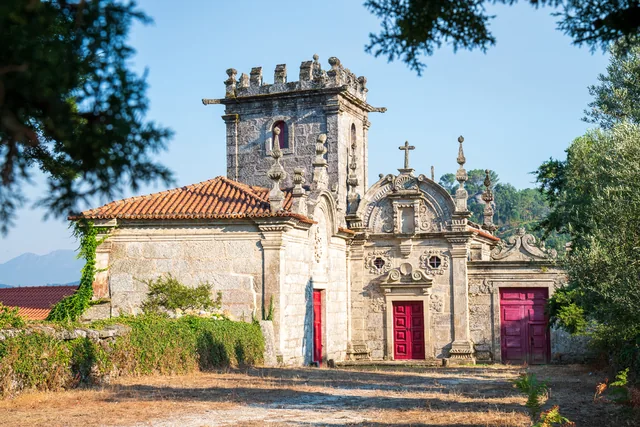
History can be read in windows and corners too.
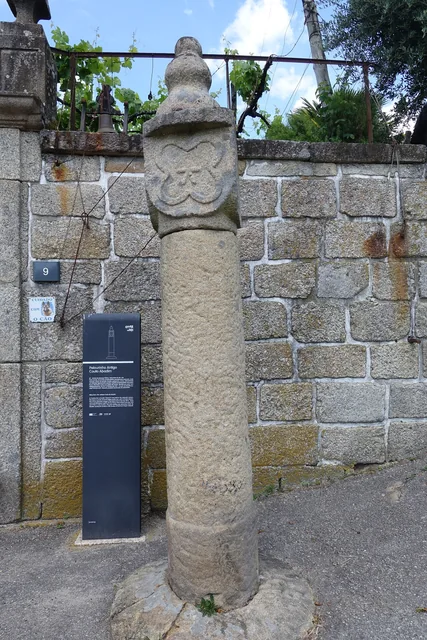
A small monument holds a history of autonomy.
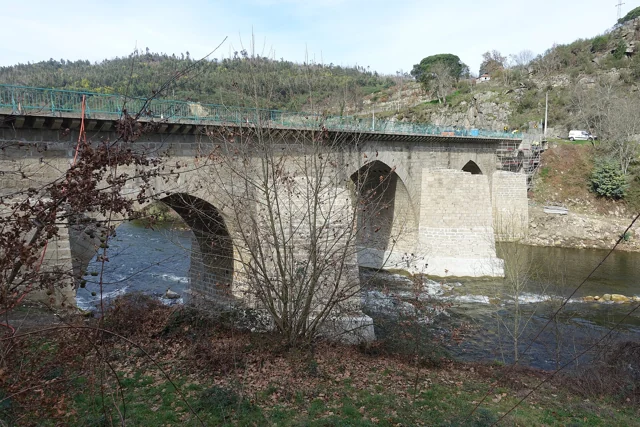
An old bridge did not stand still in history.
A curiosity of this selection, at random.