Discover Cabeceiras de BastoFree independent guide
ViveCabeceirasYOUR GUIDE TO CABECEIRAS
ENEnglish
SearchSaved
5 STORIES · CONTINUOUS READING

The heritage deserves a second look

A mute organ, wood and metal, a frame, a star and five arches. Discover details of Refojos, Abadim and Cavez in five readings. The sequence does not indicate a visit route or access to the interiors.

All stories in the order of the route. You can print this page by the browser; sources and credits follow the reading.

Things to try3 activities · 3 interactive explorations · 1 question
Refojos · art and architecture

Two organs, one of them silent
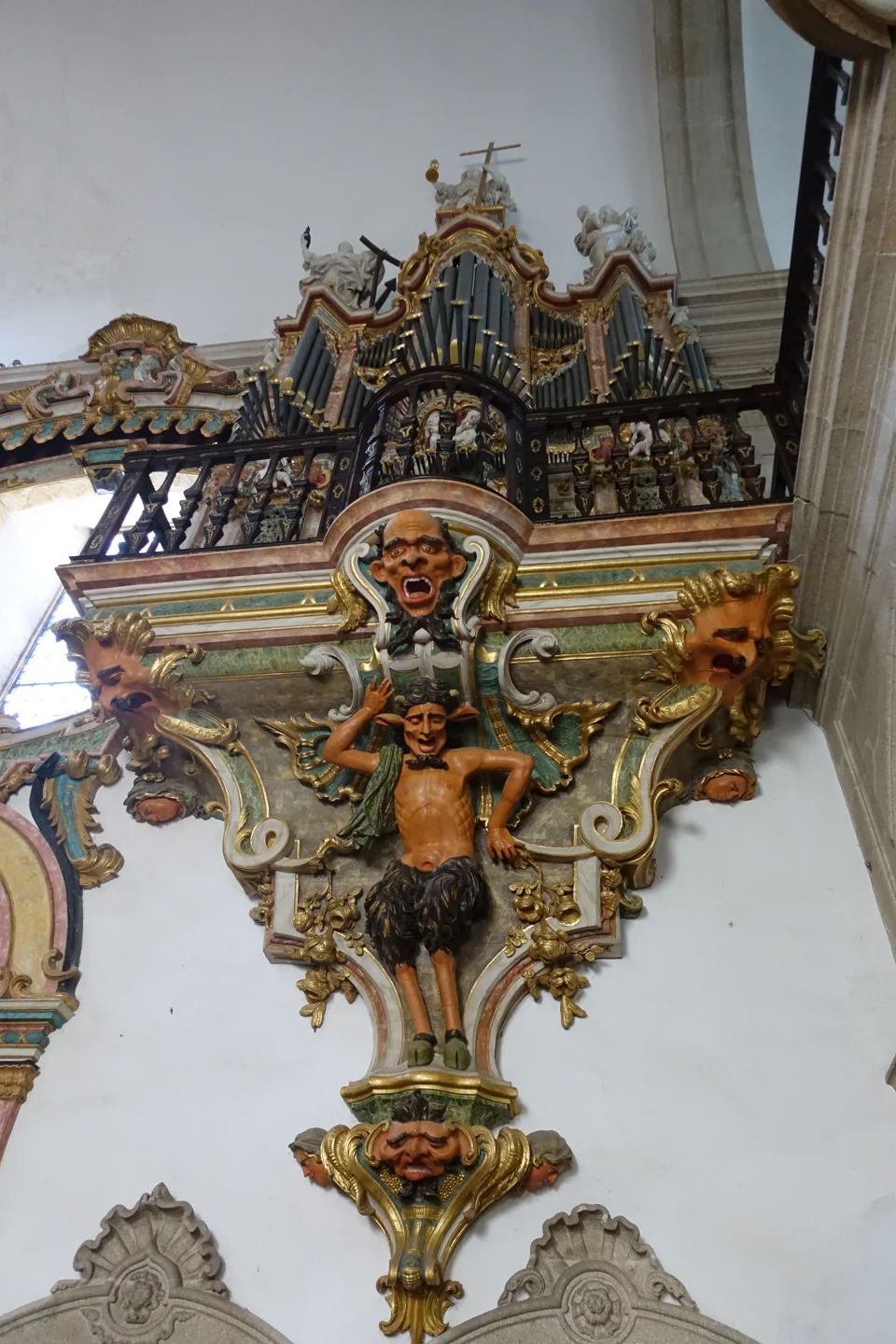
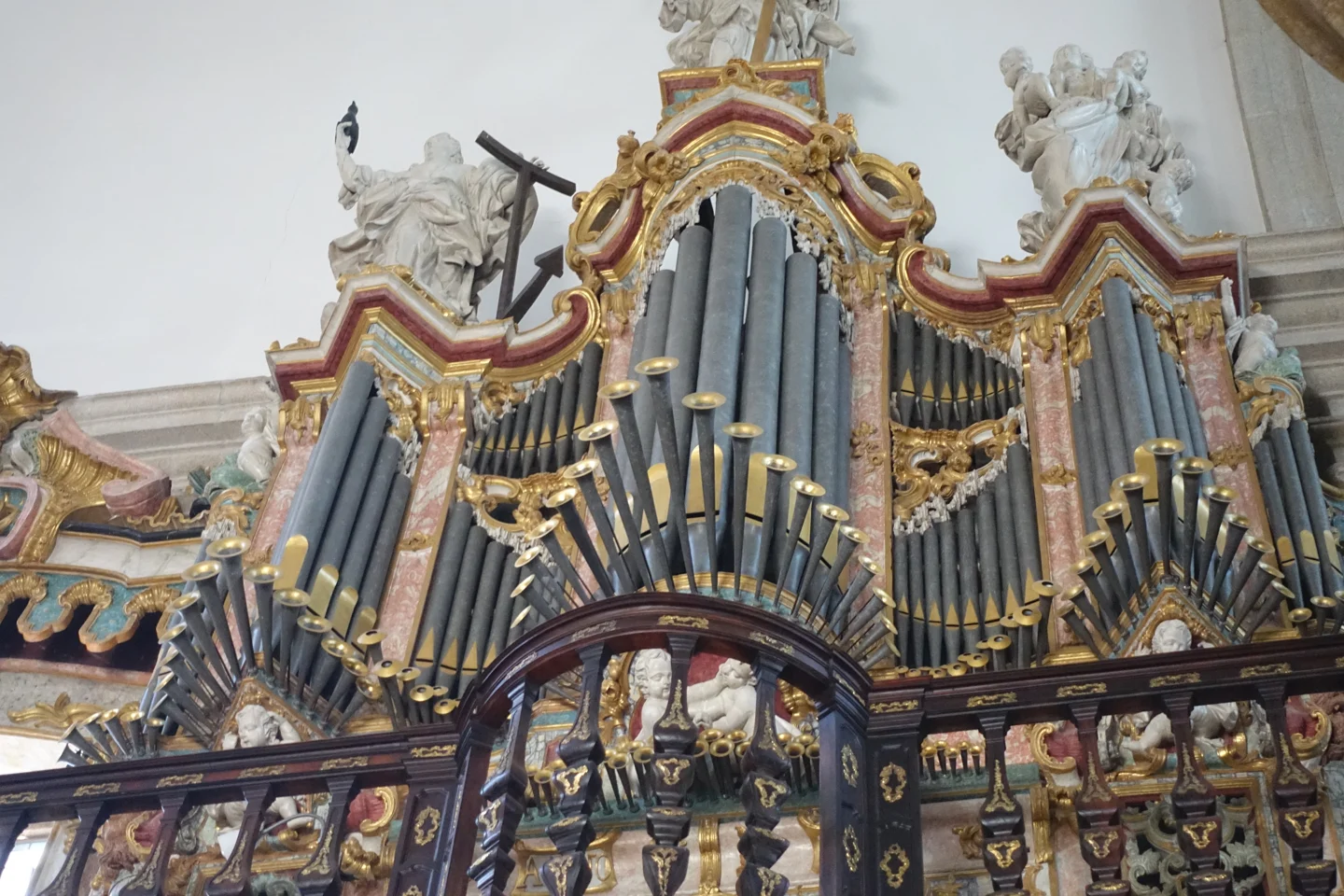
Organ with tubes and golden cut, on carved figures and decorative faces.
View of the organ and the decoration that sustains it, photographed in 2016. The image does not determine which of the two organs is the mute.
Joseolgon
ⓘ

View of the organ and the decoration that sustains it, photographed in 2016. The image does not determine which of the two organs is the mute.

Photography: Joseolgon · CC BY-SA 4.0

View source

Date given at source: .

Request removal or correct the photo credit

Organ tubes at different heights, surrounded by golden cut and light sculptures.
Details of the tubes, cut and sculptures of the organ in 2016.
Joseolgon
ⓘ

Details of the tubes, cut and sculptures of the organ in 2016.

Photography: Joseolgon · CC BY-SA 4.0

View source

Date given at source: .

Request removal or correct the photo credit

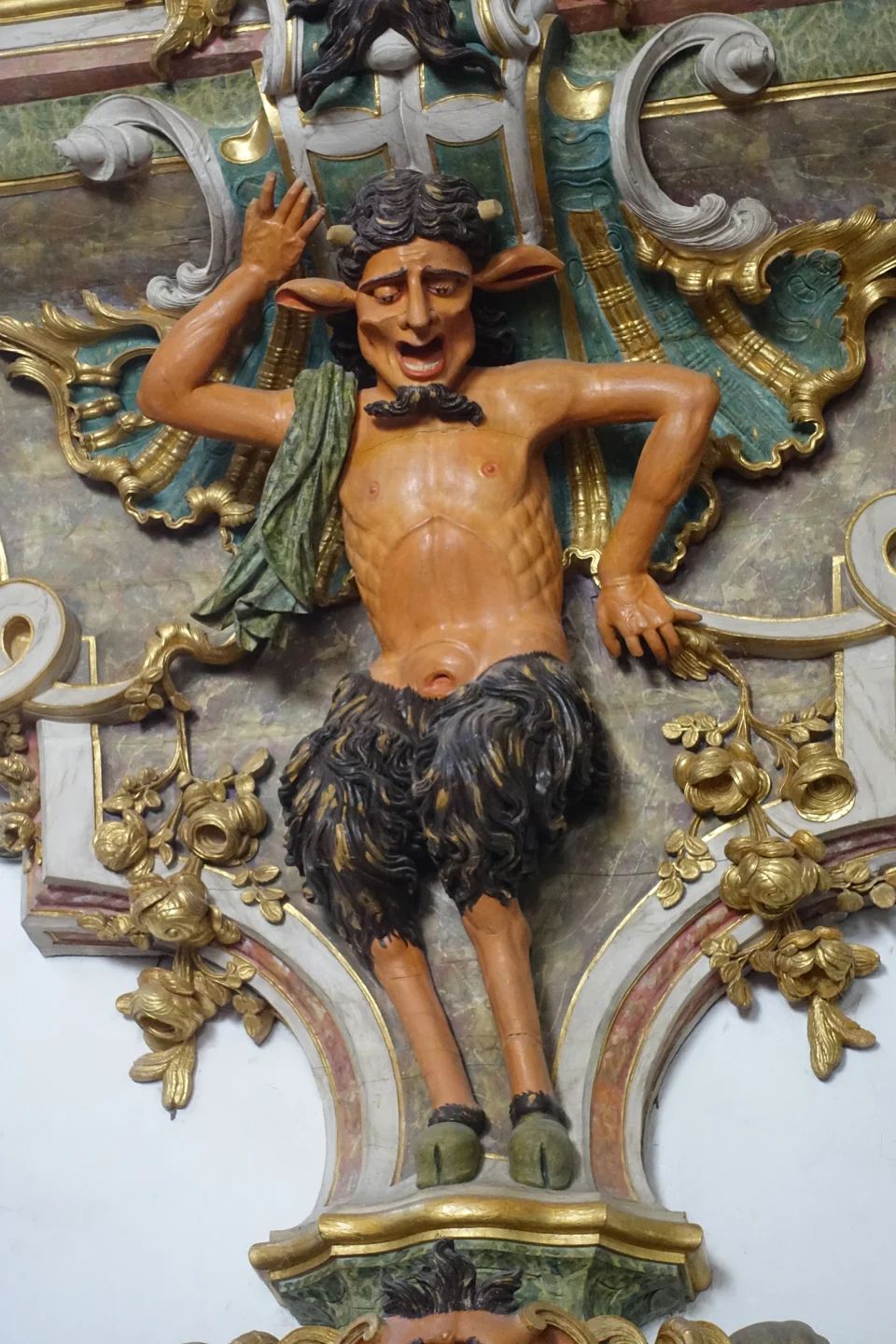
A figure carved with horns, pointed ears and fur-covered legs between golden elements.
Details of a figure carved under the organ in 2016.
Joseolgon
ⓘ

Details of a figure carved under the organ in 2016.

Photography: Joseolgon · CC BY-SA 4.0

View source

Date given at source: .

Request removal or correct the photo credit

An invitation to look beyond the façade.

The municipal description identifies two side organs, one of them silent. The church’s visual symmetry therefore does not correspond to two sounding instruments. Carved grotesque faces appear near the entrance; further inside, wood creates another surprise.

The two pulpits are chestnut wood painted to imitate marble and partly gilded. The source dates their making to 1777–1780 and their painting and gilding to 1786–1789. Form, material and finish tell different stages of the same work. This heritage description does not confirm the organ’s current operation.

The choir offers another reading of wood: the municipality describes chestnut stalls from 1767–1770, arranged in two tiers in a U shape. There are 45 seats, with the abbot’s place at the centre. The arrangement helps us imagine a gathered community rather than viewing each chair in isolation.

Above, the circular dome is accompanied by internal and external balconies. The description identifies the twelve apostles and Saint Michael at the top. From furniture to silhouette, the scale and viewpoint change. The photographs in this reading show organ details; they do not document every one of these elements.

The pulpits had more than one step.

It opens every moment and discovers what the date represents.

  1. 1777–1780 · Brown

    The description places the two pulpits in this range.

  2. 1786–1789 · Painting and browning

    The finish mimics marble and includes golden parts.

The dates are those of the municipal description of the pulpits, not those of the construction of the whole church or those of the organs.
See Fact sheet: Mosteiro de São Miguel de Refojos
Source and context

Municipality — history and art of Mosteiro de São Miguel de Refojos

Accessed: . Editorial summary; the date of consultation is not the date of the facts.

Back to index ↑
Refojos · sacristy furniture

Wood inside, shine outside

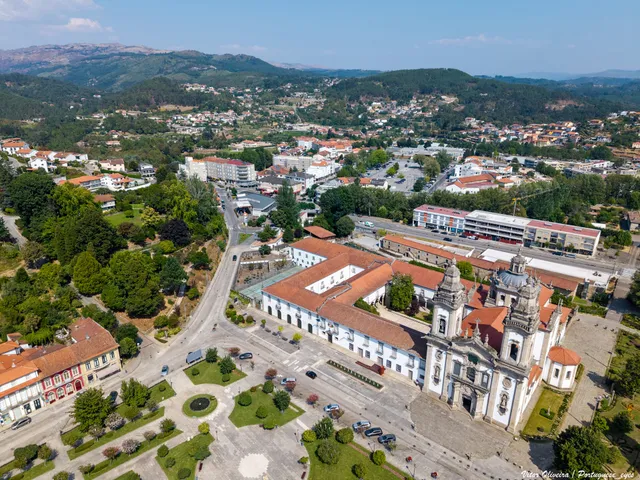
Aerial view of the Monastery of São Miguel de Refojos and its surroundings; the Núcleo de Arte Sacra is housed in this building.
Place linked to this story: Núcleo de Arte Sacra© Vitor Oliveiraⓘ

Sacristy furniture combines materials with different roles.

The municipal report on the 2014 restoration describes two large chests and two cabinets with chestnut structures, rosewood veneer and cut-brass decoration. The municipality identifies Braga woodcarver Agostinho Marques as the maker of this early-18th-century work. The contrast between wood and metal offers a clue for looking more closely at the furniture.

In 2014, restoration separated materials and tasks: the brass elements were removed for treatment, while the wood received work against insects and structural corrections. After cleaning and protection, the metal decoration returned to the furniture. The visible shine results from a series of care measures, not merely adding gold. This is the account of a professional intervention, not a suggestion for treatment at home.

Materials, appearance and conservation

Open an option and choose the story.

  1. Brown imitating marbleTwo organs, one of them mute →
  2. Other brass objectA dish that passed through centuries →
  3. What a restoration allows you to discoverWhat the frame hid →
It follows events through stories and sources. These links are proposed for reading, not physical paths.
Getting to know the parish See Fact sheet: Núcleo de Arte Sacra
Source and context

Municipality — Restoration of tokers and furniture, 14/11/2014

Accessed: . Editorial summary; the date of consultation is not the date of the facts.

Back to index ↑
Refojos · painting and restoration documented in 2013

What the frame was hiding

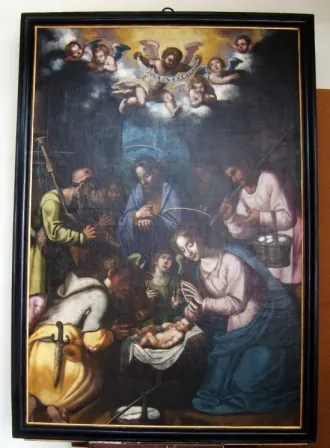
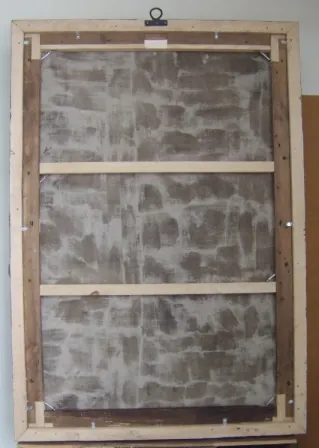
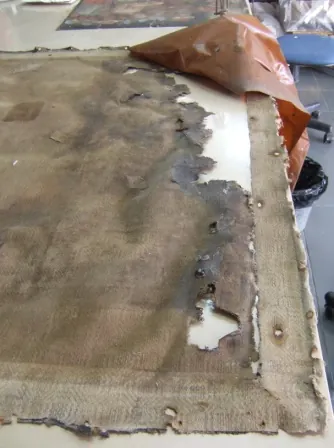
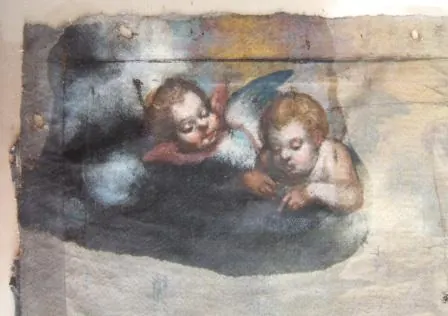
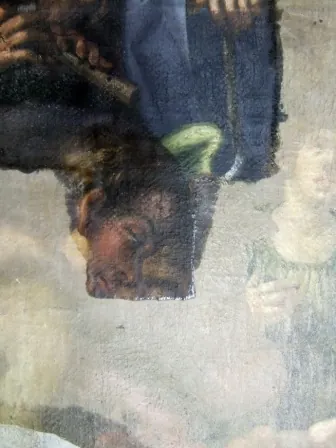
The Adoration of the Shepherds painting in the publication about its restoration.
ⓘ

The Adoration of the Shepherds painting in the publication about its restoration.

Source: Museu das Terras de Basto

View source

Photograph date not stated.

Individual photographer and reuse licence not stated by the source.

Request removal or correct the photo credit

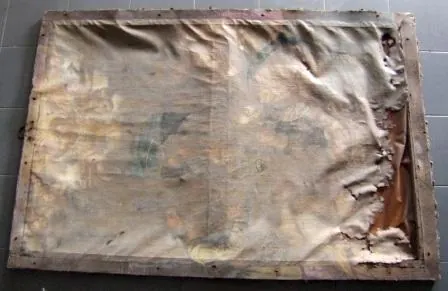
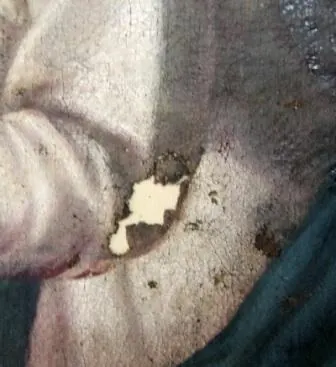
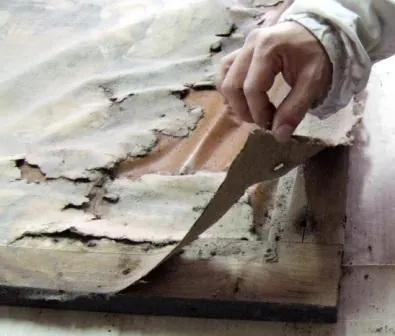
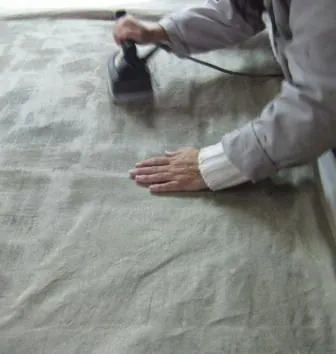
Record of work on the Adoration of the Shepherds painting, published by the Museum in 2013.
ⓘ

Record of work on the Adoration of the Shepherds painting, published by the Museum in 2013.

Source: Museu das Terras de Basto

View source

Photograph date not stated.

Individual photographer and reuse licence not stated by the source.

Request removal or correct the photo credit

Restoring a painting can reveal more than new colours.

The conservation account for the Adoration of the Shepherds, published by the Museum in 2013, explains that the frame concealed parts of the composition. The intervention recovered those areas and adjusted the frame and supporting structure. Its description of the scene also highlights a musician with bagpipes among the figures: a detail to look for when reading this painting, whose history includes conservation work.

The work formed part of the restoration of nine paintings on canvas, including two double-sided processional banners, commissioned from Oficinas Santa Bárbara in 2012. The account also describes aged varnishes altering the reading of colours, showing that conservation requires studying both image and materials.

Getting to know the parish See Fact sheet: Núcleo de Arte Sacra
Source and context

Basto Land Museum / Santa Barbara Workshops — Restoration of the Adoration of Pastors, 19/06/2013
Consultations: ,

Editorial summary; the date of consultation is not the date of the facts.

Back to index ↑
Abadim’s heritage

A star on the pillory

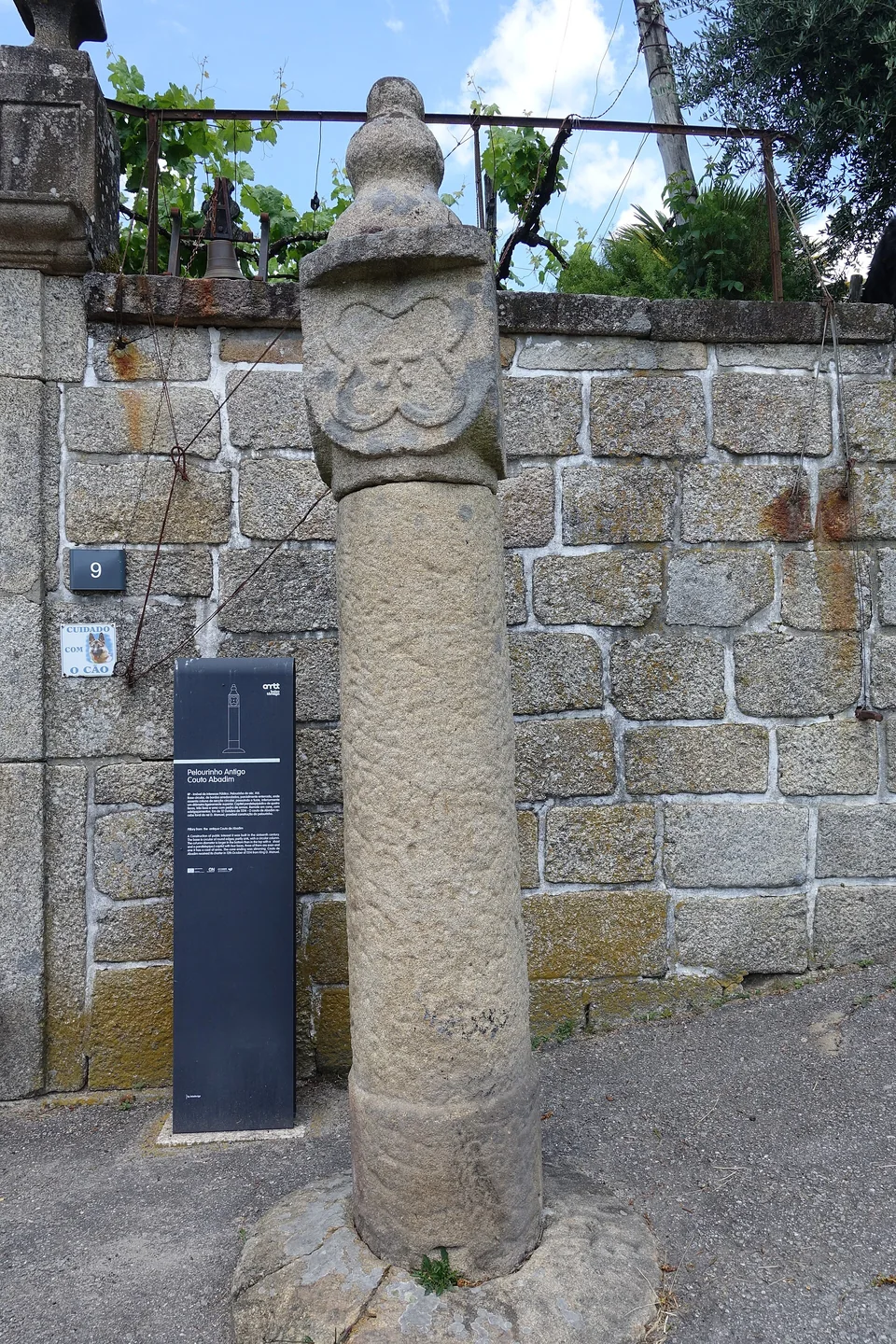
Abadim pillory, with a building and wall in the background.
Joseolgon
ⓘ

Abadim pillory, with a building and wall in the background.

Photography: Joseolgon · CC BY-SA 4.0

View source

Date given at source: .

Request removal or correct the photo credit

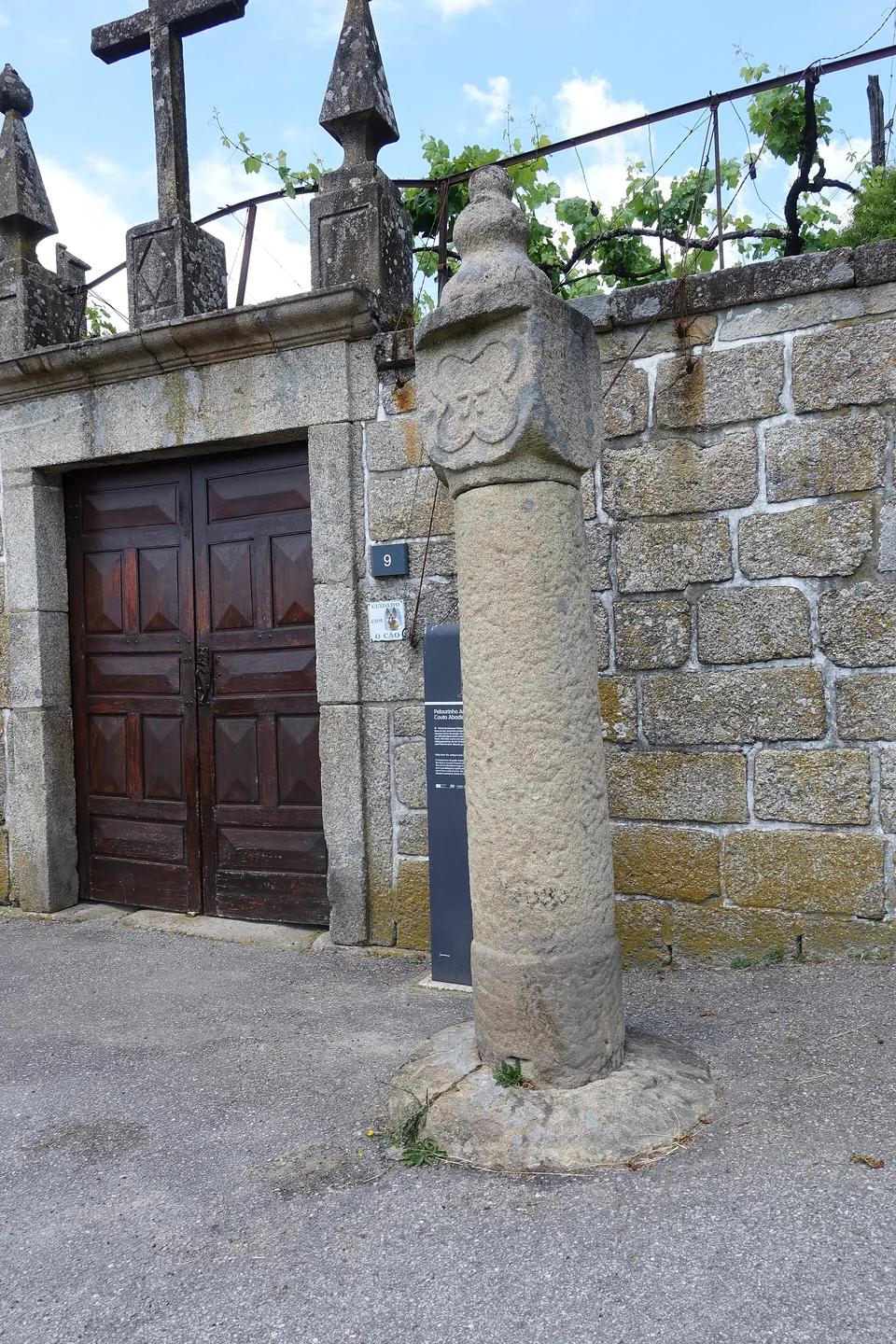
Detail of the column and finial of Abadim pillory.
Joseolgon
ⓘ

Detail of the column and finial of Abadim pillory.

Photography: Joseolgon · CC BY-SA 4.0

View source

Date given at source: .

Request removal or correct the photo credit

A small monument holds a history of autonomy.

Abadim’s pillory looks simple at first: a smooth granite column, a cubic capital and a pear-shaped finial. Yet one face bears a five-pointed star within a four-lobed frame. The Museum connects the monument with the administrative and judicial autonomy of the old couto, abolished in 1836. It places construction near the charter of 1514, but the Cultural Heritage record warns that dating is difficult and the piece may be much later. The star invites a second look at a monument easily overlooked.

The official record describes four faces on the capital: three undecorated and one bearing the star. This explains why a photograph from another side may not show its best-known motif. The record places the monument beside the portal of Casa da Torre do Tronco and documents its designation as a Property of Public Interest in 1933. The protection date is not the construction date.

The charter, the stone’s age and the heritage designation answer distinct questions. Instead of automatically assigning “1514” to the entire monument, compare its described form, proposed dates and the documents that changed its status.

See Fact sheet: Pelourinho de Abadim
Source and context

Basto Land Museum / António P. Dinis — Pelourinho de Abadim, 26/01/2018
Accessed:

Cultural heritage — Pelourinho de Abadim, record 341971, historical-artistic note
Accessed:

Editorial summary; the date of consultation is not the date of the facts.

Back to index ↑
History of Cavez Bridge

Five arches, more than one era

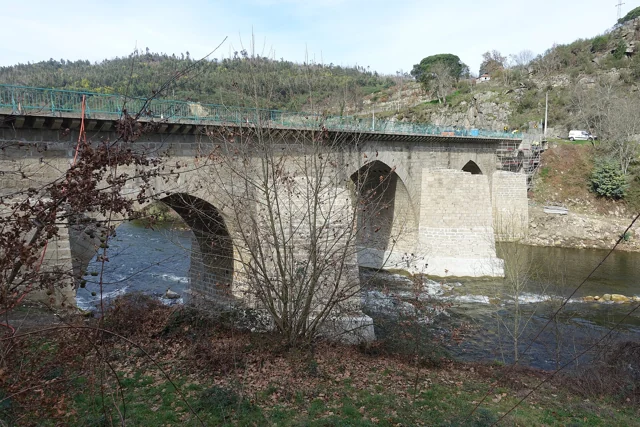
Cavez Bridge over the Tâmega River, with stone arches, a deck and tree-lined banks.
Partial view of the Ponte de Cavez over the Tâmega.© Joseolgonⓘ

An old bridge did not stand still in history.

Three central pointed arches and two round arches beside the banks: the Bridge of Cavez brings together different forms and periods. The Museum dates the medieval construction to the second half of the 13th century, serving the road between Braga and Vila Pouca de Aguiar.

The source attributes the round arches to work during Philip II’s reign and mentions a marker from 1599. In the 19th century, the road between Fafe and Vila Pouca de Aguiar brought a widening of the deck. Looking at the bridge means seeking the changes in an old crossing.

According to the Museum, the stone bridge replaced an earlier wooden one that had deteriorated. Construction is attributed to Frei Lourenço Mendes, a Dominican who collected alms for the work; the museum text mentions testamentary bequests supporting that connection. The crossing thus involves materials, routes and ways to fund a shared undertaking.

A crossing, several seasons

It opens every moment and discovers what the date represents.

  1. Second half of the 13th century · Medieval construction

    The stone bridge serves the link between Braga and Vila Pouca de Aguiar.

  2. 1599 · A milestone

    The Museum associates this milestone with changes in the Filipino period.

  3. 1758 · The look of the vicar

    The parochial memory praises Ponte Grande: it is a historical appreciation.

  4. 19th Century · Extend the passage

    The board is extended with the road from Fafe to Vila Pouca de Aguiar.

  5. 1910 · National Monument

    The bridge receives the classification referred to by the sources.

  6. 2018–2019 · Handle the structure

    Intervention in foundations, board and drainage, completed according to the April news of 2019.

Summary of the Museum, the Parish Memories and the municipal news of 2019. The dates do not attribute to all the elements of the bridge the same age.
See Fact sheet: Ponte de Cavez
Source and context

Land Museum of Basto — Ponte de Cavez, 27/02/2022

Municipality of Cabeceiras de Basto — Parish memories of 1758: Cavez

Municipality — conclusion of rehabilitation of Ponte de Cavez, 30/04/2019

Accessed: . Editorial summary; the date of consultation is not the date of the facts.

Back to index ↑
YOUR LOCAL GUIDE

What would you like to discover?

Take a closer look.