Discover Cabeceiras de BastoFree independent guide
ViveCabeceirasYOUR GUIDE TO CABECEIRAS
ENEnglish
SearchSaved
7 STORIES · CONTINUOUS READING

Objects people needed

A box for sweets, vessels for measuring, and shoes that reached the fairs.

All stories in the order of the route. You can print this page by the browser; sources and credits follow the reading.

Things to try3 activities · 2 interactive explorations · 2 questions
Arco de Baúlhe and Refojos · craft history

When sheet metal took shape
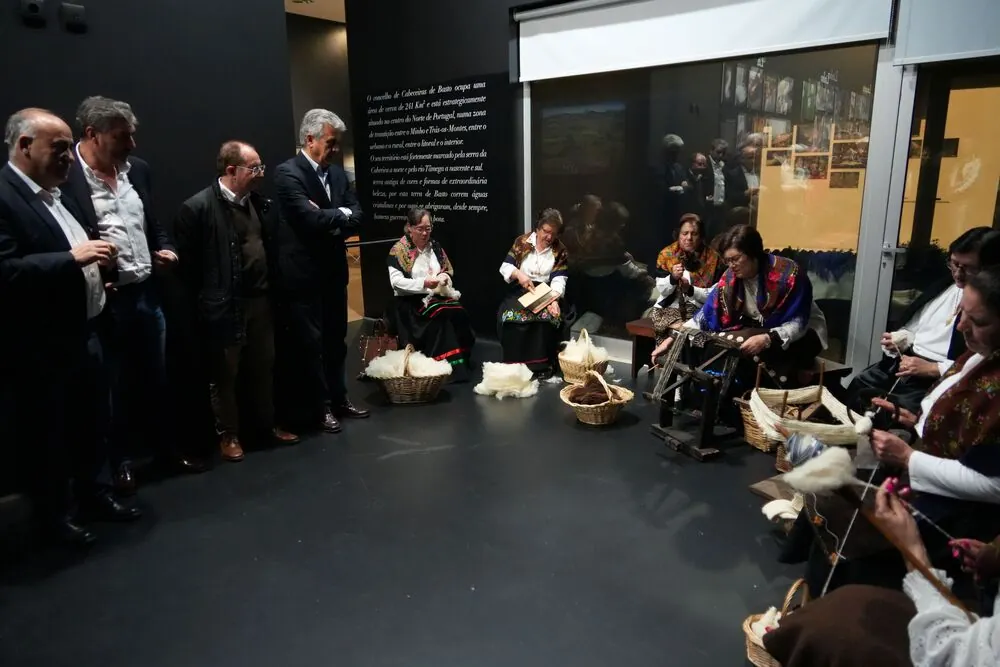
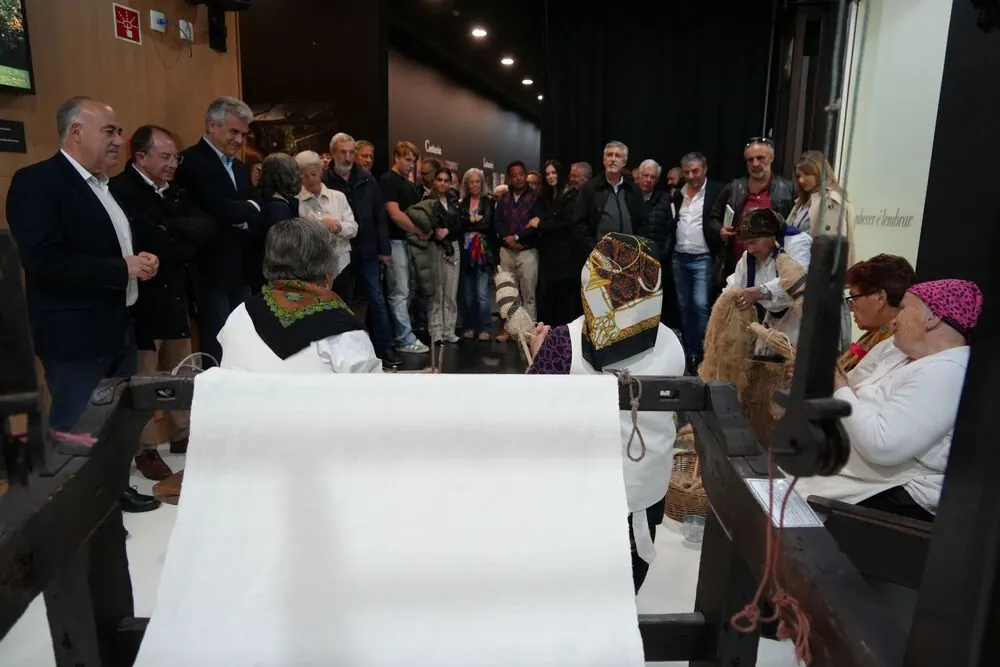
The Arts and Crafts gathering at Casa do Tempo, documented by the municipality in April 2025.
ⓘ

The Arts and Crafts gathering at Casa do Tempo, documented by the municipality in April 2025.

Source: Municipality of Cabeceiras de Basto

View source

Photograph date not stated.

Individual photographer and reuse licence not stated by the source.
Request removal or correct the photo credit

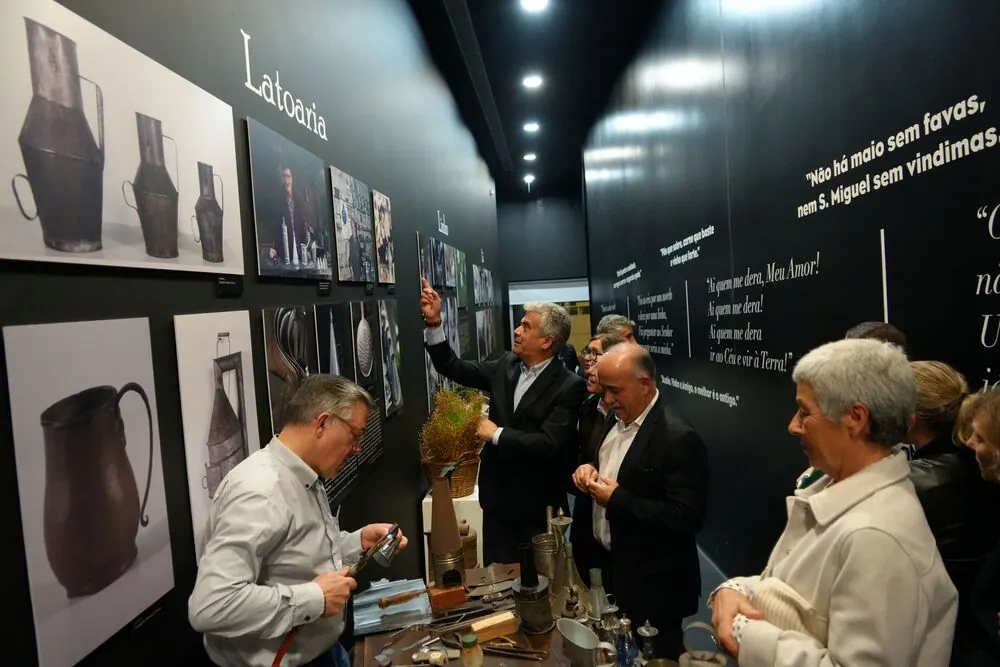
The Arts and Crafts gathering at Casa do Tempo, documented by the municipality in April 2025.
ⓘ

The Arts and Crafts gathering at Casa do Tempo, documented by the municipality in April 2025.

Source: Municipality of Cabeceiras de Basto

View source

Photograph date not stated.

Individual photographer and reuse licence not stated by the source.
Request removal or correct the photo credit

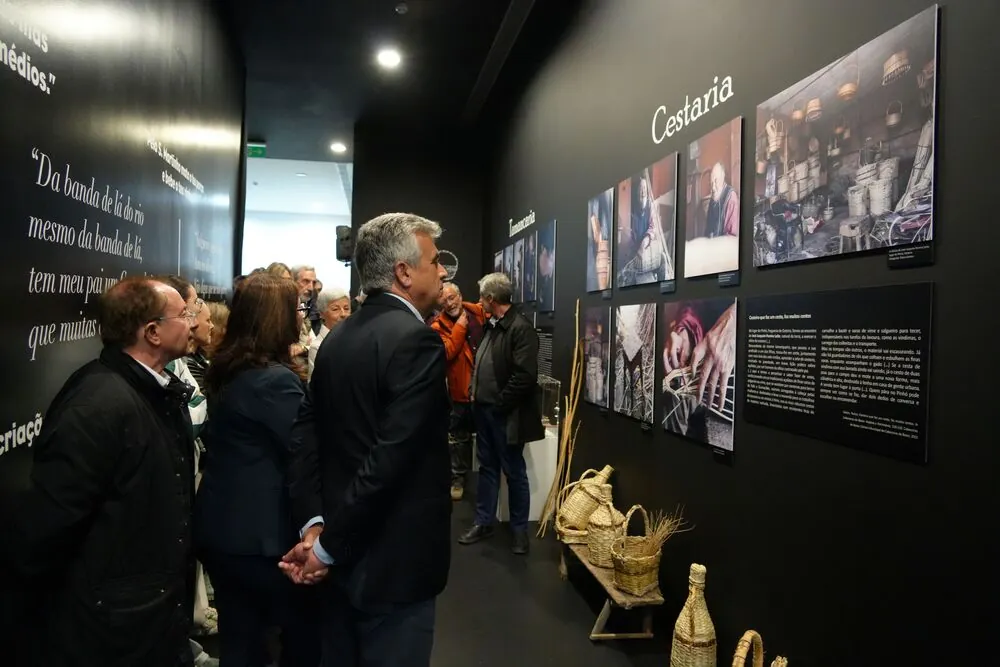
The Arts and Crafts gathering at Casa do Tempo, documented by the municipality in April 2025.
ⓘ

The Arts and Crafts gathering at Casa do Tempo, documented by the municipality in April 2025.

Source: Municipality of Cabeceiras de Basto

View source

Photograph date not stated.

Individual photographer and reuse licence not stated by the source.
Request removal or correct the photo credit

The Arts and Crafts gathering at Casa do Tempo, documented by the municipality in April 2025.
ⓘ

The Arts and Crafts gathering at Casa do Tempo, documented by the municipality in April 2025.

Source: Municipality of Cabeceiras de Basto

View source

Photograph date not stated.

Individual photographer and reuse licence not stated by the source.

Request removal or correct the photo credit

The workshop supplied home, fields and fair.

João Pacheco in Arco de Baúlhe, and Luziário Pereira de Magalhães with his son António in Refojos, are central figures in the Museum’s research into tinsmithing. Luziário and António’s workshop stood in Beco dos Ofícios; the nearby fair was their main point of sale. Teresa Soeiro links the craft’s decline to the spread of aluminium and plastic.

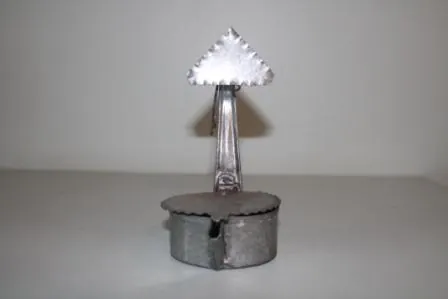
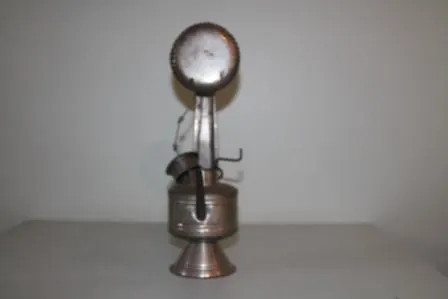
The inventory connects this work with everyday actions: copper mug MTB 241 was used to make coffee, pitcher MTB 240 held water and oil lamps provided light. These functions are documented for identified pieces. Knowing the objects helps explain the workshop, but the collection does not confirm that these craftspeople or businesses remain active.
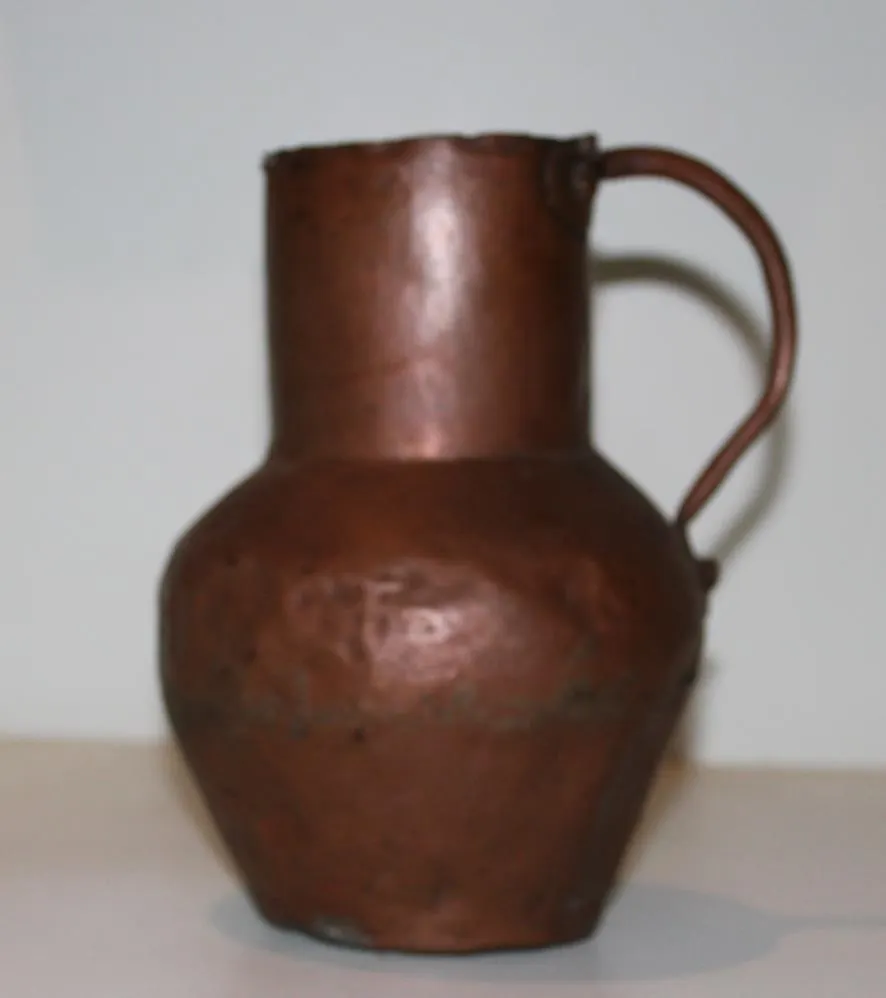
Water jug MTB 240
Water jug MTB 240
ⓘ

Water jug MTB 240

Source: Museu das Terras de Basto

View source

Photograph date not stated.

Individual photographer and reuse licence not stated by the source.
Request removal or correct the photo credit

Lamp MTB 438 — inventory presented by the Terras de Basto Museum.
Lamp MTB 438
ⓘ

Lamp MTB 438 — inventory presented by the Terras de Basto Museum.

Source: Museu das Terras de Basto

View source

Photograph date not stated.

Individual photographer and reuse licence not stated by the source.
Request removal or correct the photo credit

Tall lamp L 80 — inventory presented by the Terras de Basto Museum.
Tall lamp L 80
ⓘ

Tall lamp L 80 — inventory presented by the Terras de Basto Museum.

Source: Museu das Terras de Basto

View source

Photograph date not stated.

Individual photographer and reuse licence not stated by the source.

Request removal or correct the photo credit

Teresa Soeiro’s research led to the exhibition A Arte da latoaria em Cabeceiras de Basto, at the Museum’s premises in Arco de Baúlhe. The work traced the craft back to artisans who began using tinplate, known as ferro branco or folha-de-flandres, at the start of the Early Modern period. Recording the last professional careers was thus connected with a longer history of materials.

The objects reveal the variety of tasks: lighting a house, carrying wine, watering plants or storing oil for a locomotive. The craft spanned home, farming and transport. Comparing these functions reveals metalworking in actions that seem to belong to separate worlds.
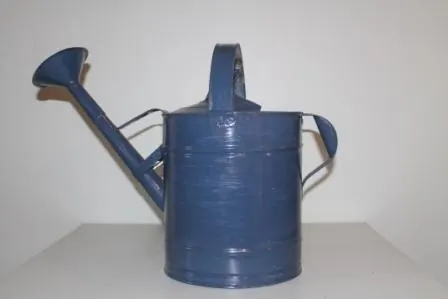
Watering can MTB 441 — inventory presented by the Terras de Basto Museum.
Watering can MTB 441
ⓘ

Watering can MTB 441 — inventory presented by the Terras de Basto Museum.

Source: Museu das Terras de Basto

View source

Photograph date not stated.

Individual photographer and reuse licence not stated by the source.
Request removal or correct the photo credit

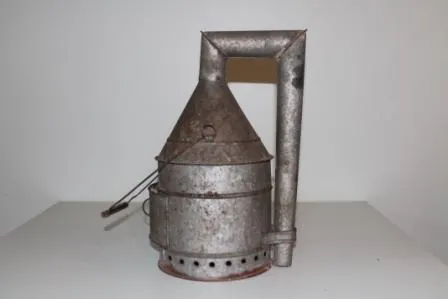
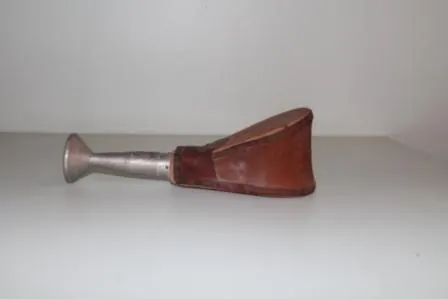
Sulphur burner L 26 — inventory presented by the Terras de Basto Museum.
Sulphur burner L 26
ⓘ

Sulphur burner L 26 — inventory presented by the Terras de Basto Museum.

Source: Museu das Terras de Basto

View source

Photograph date not stated.

Individual photographer and reuse licence not stated by the source.
Request removal or correct the photo credit

Sulphur applicator L 11 — inventory presented by the Terras de Basto Museum.
Sulphur applicator L 11
ⓘ

Sulphur applicator L 11 — inventory presented by the Terras de Basto Museum.

Source: Museu das Terras de Basto

View source

Photograph date not stated.

Individual photographer and reuse licence not stated by the source.
Request removal or correct the photo credit

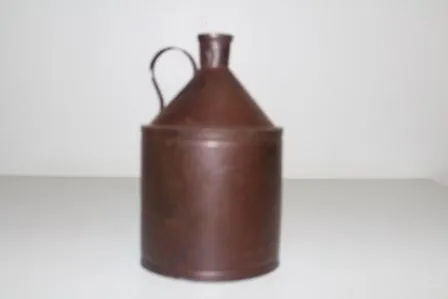
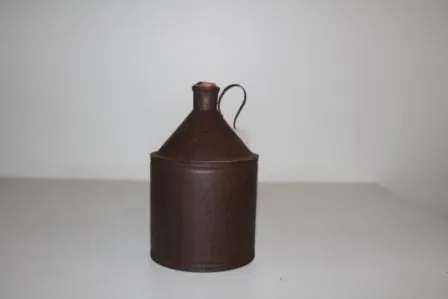
Petroleum container MTB 436 — inventory presented by the Terras de Basto Museum.
Petroleum container MTB 436
ⓘ

Petroleum container MTB 436 — inventory presented by the Terras de Basto Museum.

Source: Museu das Terras de Basto

View source

Photograph date not stated.

Individual photographer and reuse licence not stated by the source.
Request removal or correct the photo credit

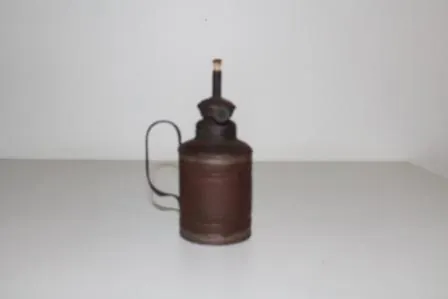
Lamp L 54 — inventory presented by the Terras de Basto Museum.
Lamp L 54
ⓘ

Lamp L 54 — inventory presented by the Terras de Basto Museum.

Source: Museu das Terras de Basto

View source

Photograph date not stated.

Individual photographer and reuse licence not stated by the source.
Request removal or correct the photo credit

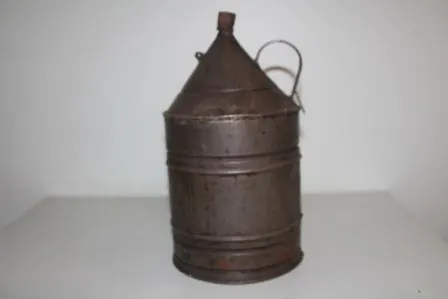
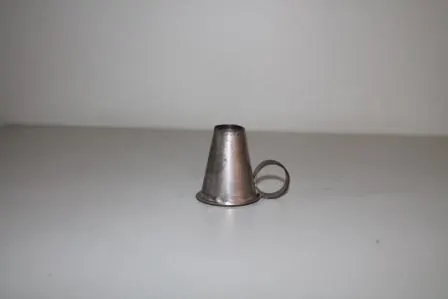
Oil container AB 295C — inventory presented by the Terras de Basto Museum.
Oil container AB 295C
ⓘ

Oil container AB 295C — inventory presented by the Terras de Basto Museum.

Source: Museu das Terras de Basto

View source

Photograph date not stated.

Individual photographer and reuse licence not stated by the source.
Request removal or correct the photo credit

Sausage funnel L 65 — inventory presented by the Terras de Basto Museum.
Sausage funnel L 65
ⓘ

Sausage funnel L 65 — inventory presented by the Terras de Basto Museum.

Source: Museu das Terras de Basto

View source

Photograph date not stated.

Individual photographer and reuse licence not stated by the source.
Request removal or correct the photo credit

Petroleum container MTB 226 — inventory presented by the Terras de Basto Museum.
Petroleum container MTB 226
ⓘ

Petroleum container MTB 226 — inventory presented by the Terras de Basto Museum.

Source: Museu das Terras de Basto

View source

Photograph date not stated.

Individual photographer and reuse licence not stated by the source.
Request removal or correct the photo credit

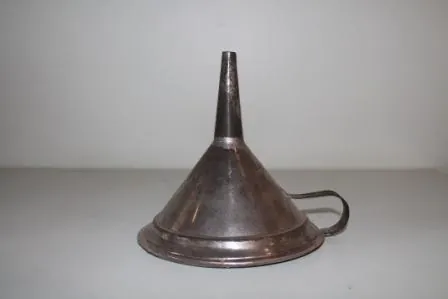
Wine funnel L 63 — inventory presented by the Terras de Basto Museum.
Wine funnel L 63
ⓘ

Wine funnel L 63 — inventory presented by the Terras de Basto Museum.

Source: Museu das Terras de Basto

View source

Photograph date not stated.

Individual photographer and reuse licence not stated by the source.
Request removal or correct the photo credit

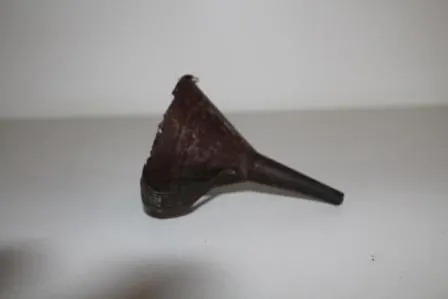
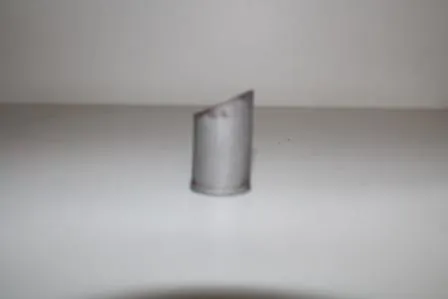
Funnel L 18 — inventory presented by the Terras de Basto Museum.
Funnel L 18
ⓘ

Funnel L 18 — inventory presented by the Terras de Basto Museum.

Source: Museu das Terras de Basto

View source

Photograph date not stated.

Individual photographer and reuse licence not stated by the source.
Request removal or correct the photo credit

Grape-harvesting tool MTB 437 — inventory presented by the Terras de Basto Museum.
Grape-harvesting tool MTB 437
ⓘ

Grape-harvesting tool MTB 437 — inventory presented by the Terras de Basto Museum.

Source: Museu das Terras de Basto

View source

Photograph date not stated.

Individual photographer and reuse licence not stated by the source.
Request removal or correct the photo credit

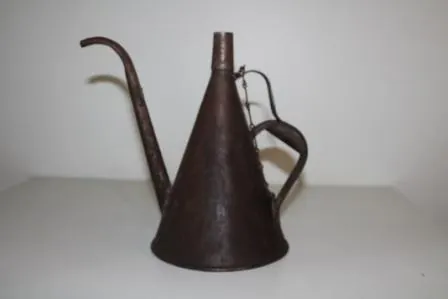
Oil cruet MSRM 88 — inventory presented by the Terras de Basto Museum.
Oil cruet MSRM 88
ⓘ

Oil cruet MSRM 88 — inventory presented by the Terras de Basto Museum.

Source: Museu das Terras de Basto

View source

Photograph date not stated.

Individual photographer and reuse licence not stated by the source.
Request removal or correct the photo credit

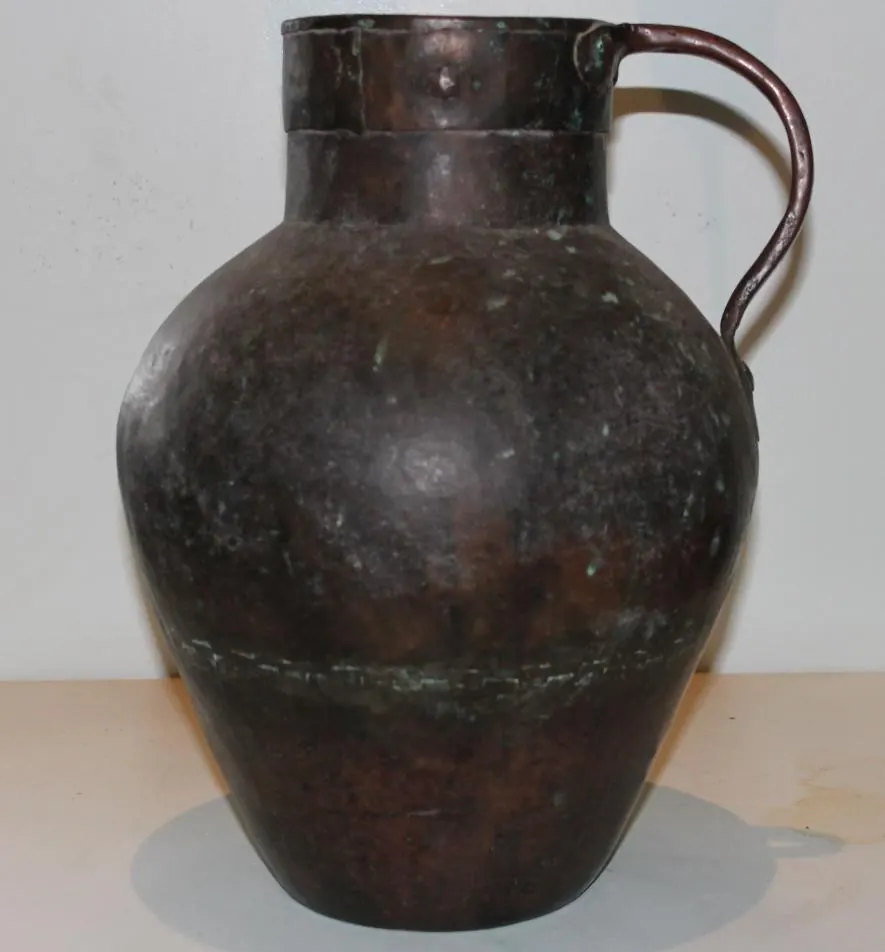
Jug MSRM 111
Jug MSRM 111
ⓘ

Jug MSRM 111

Source: Museu das Terras de Basto

View source

Photograph date not stated.

Individual photographer and reuse licence not stated by the source.

Request removal or correct the photo credit

What was the metal for?

Open an option and choose the story.

  1. Enlighten the HouseThe light fit in a small piece →
  2. Bring water to plantsA blue sprinkler counts work →
  3. Measure and transport wineCarry and measure in the same container →
  4. Support railway maintenanceA small rail helped take care of the train →
  5. Cut the clusters of the harvestA “gum” for the vintage →
Objects identified in the Museum inventory; the forms do not confirm exposure or current use.
Getting to know the parish
Source and context

Basto Land Museum — Latoaria, Teresa Soeiro text and inventory of pieces

Accessed: . Editorial summary; the date of consultation is not the date of the facts.

Back to index ↑
Cavez · inventoried object

Sweets had luggage too

A metal box connected work with celebrations.

Metal box L 104, belonging to Joaquina Basto of Arosa, Cavez, carried sweets to celebrations. It measured 88 centimetres long, 45.5 high and 43.5 wide.

These dimensions help us imagine the work behind the celebration; the inventory does not identify the contents of each journey or the weight carried.

Number L 104 identifies this box in the inventory and distinguishes it from other containers. The record connects it with a name, a locality, a material and a function. Rather than showing only finished sweets, this object draws attention to the transport a celebration required.

Compare its length with its height: the box was considerably longer than it was tall. You can draw a rectangle to scale to imagine the space it occupied, without deducing how many sweets it carried. The inventory records external dimensions, not usable capacity or weight.

Getting to know the parish
Source and context

Basto Land Museum — Latoaria, Teresa Soeiro text and inventory of pieces

Accessed: . Editorial summary; the date of consultation is not the date of the facts.

Back to index ↑
Pedraça and Basto · material culture

Carrying and measuring in one container

Two pitchers, two recorded capacities.

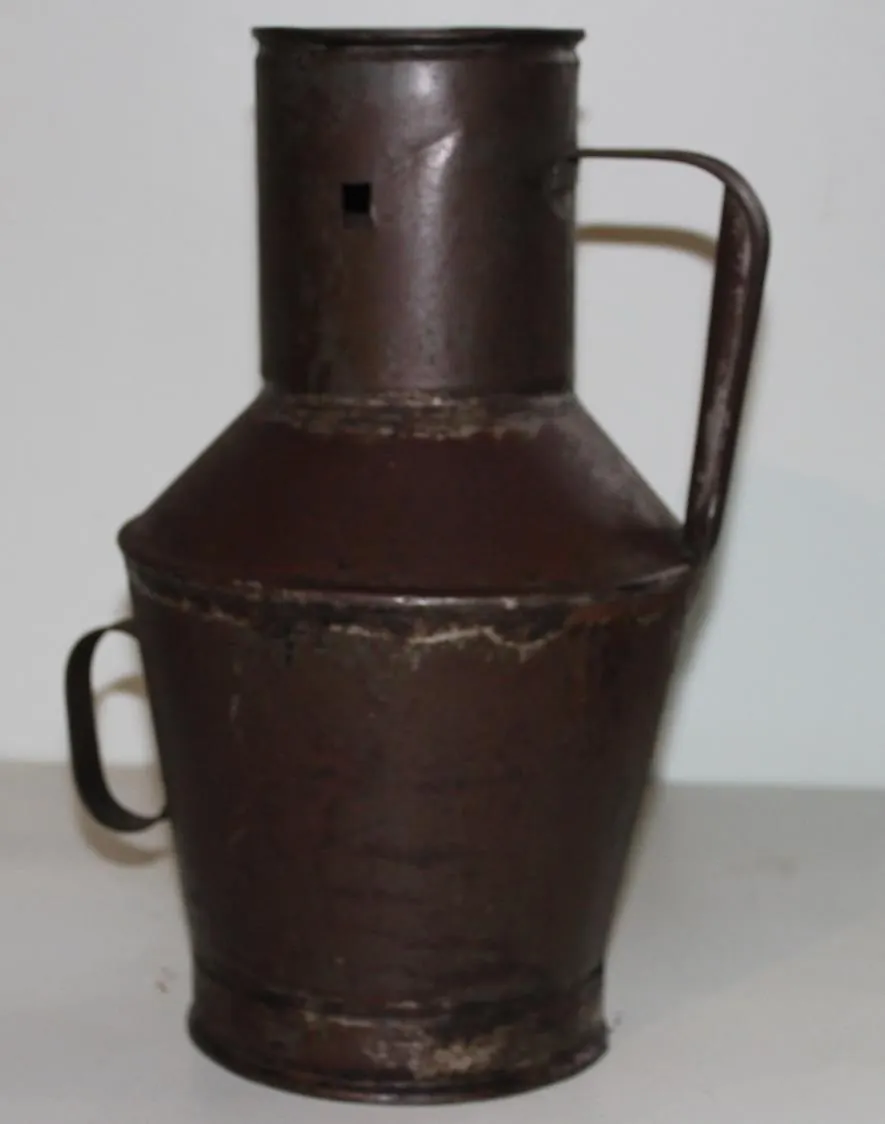
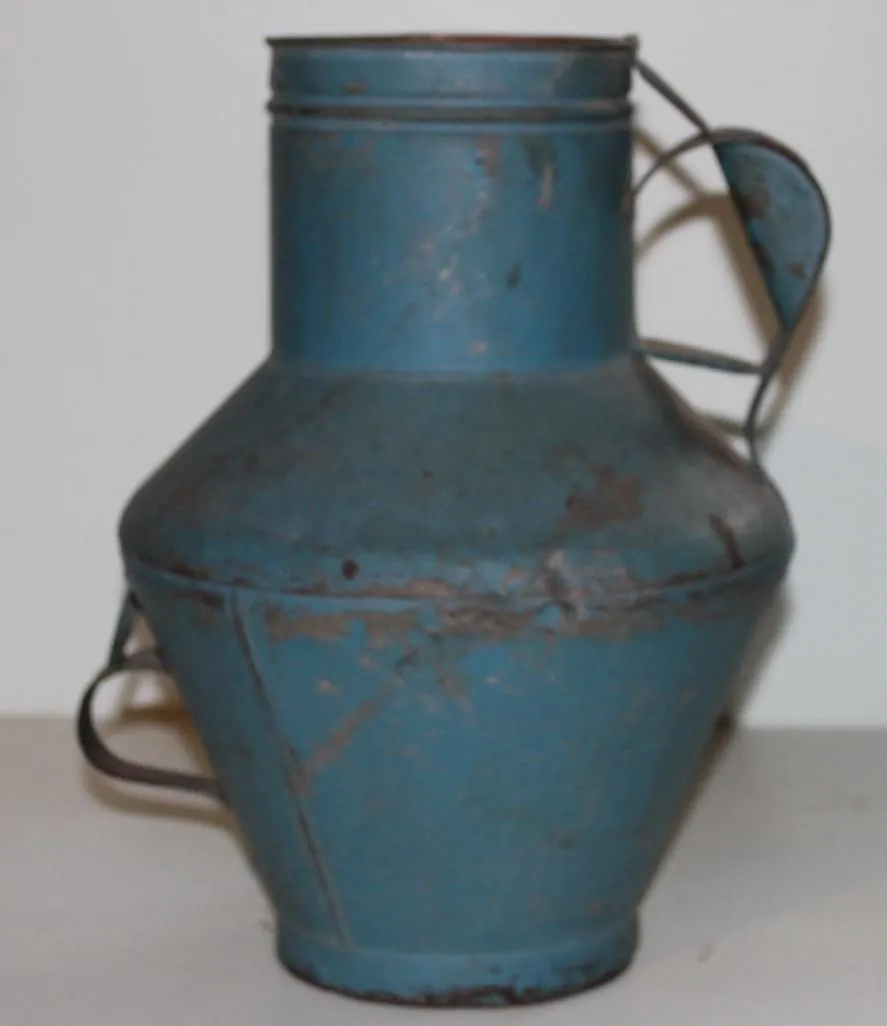
The Museum’s inventory distinguishes two pieces made from sheet zinc: pitcher L 16 from Pedraça, holding 12 litres, and pitcher L 62 from Devesa, Basto, holding seven. Both measured and carried wine.

The capacities belong to these objects, not to a universal measure. Comparing them shows why a container’s name alone cannot tell us how much it holds.

The dimensions add a surprise: the 12-litre pitcher is 46 centimetres high and 16.7 in diameter; the seven-litre pitcher is shorter, at 34.5 centimetres, but has a diameter of 23.3. Greater width alone does not mean greater capacity.

The inventory associates the first piece with Fátima Magalhães of Pedraça and the second with Álvaro Magalhães of Devesa. These are recorded owners, not attributions of craftsmanship. Their names help connect the objects with the people who preserved them.

Name doesn't say full capacity

Open an option and choose the story.

  1. Cantara L19: five litres of brandyA cantara to measure brandy →
  2. Almude L023: 28 litresOne almude, two colors in memory →
  3. From the middle to the canada of olive oilHow much was in a quarter? →
Open the chips and compare the measures assigned to each piece by the inventory.
Getting to know the parish
Source and context

Basto Land Museum — Latoaria, Teresa Soeiro text and inventory of pieces

Accessed: . Editorial summary; the date of consultation is not the date of the facts.

Back to index ↑
Arco de Baúlhe · material culture

A pitcher for measuring aguardente

Spirit measure L 19
Spirit measure L 19
ⓘ

Spirit measure L 19

Source: Museu das Terras de Basto

View source

Photograph date not stated.

Individual photographer and reuse licence not stated by the source.

Request removal or correct the photo credit

Wine measure L 16
Wine measure L 16
ⓘ

Wine measure L 16

Source: Museu das Terras de Basto

View source

Photograph date not stated.

Individual photographer and reuse licence not stated by the source.

Request removal or correct the photo credit

Wine measure L 62
Wine measure L 62
ⓘ

Wine measure L 62

Source: Museu das Terras de Basto

View source

Photograph date not stated.

Individual photographer and reuse licence not stated by the source.

Request removal or correct the photo credit

One name could cover different functions and capacities.

Pitcher L19 in the Museu das Terras de Basto’s inventory was a measure for aguardente with a capacity of five litres. Made from sheet zinc, it is 37 centimetres high and 15 in diameter. The record identifies its owner as Maria da Conceição Gonçalves de Magalhães of Arco de Baúlhe.

Compare it with the seven-litre wine pitcher: the name connects the pieces, but function and capacity distinguish them. The figures belong to these documented objects, not to a universal conversion of the word cântara.

Source and context

Basto Land Museum — Latoaria, Teresa Soeiro text and inventory of pieces

Accessed: . Editorial summary; the date of consultation is not the date of the facts.

Back to index ↑
Crafts · Faia, Basto and Refojos

Wood holds the wine too

Casks, vats and barrels tell a craft’s story.

The municipality associates these crafts with Faia and also mentions cooperage in Basto and Refojos. The container is as much a part of wine culture as the vine. At the ethnographic parade of 24 September 2023, devoted to arts and crafts, Faia presented its coopers. The municipal report shows how this skill was also chosen to represent the parish at a shared celebration. That occasion does not confirm a workshop open to visitors today. The parish introduction adds handmade footwear to its craft traditions. The wood used for wine containers is therefore part of a wider memory of work, without identifying today’s craftspeople or workshops here.

Two craft terms help explain how a container is built. The Museu da Lourinhã identifies staves and hoops as central elements: wooden pieces form the body, while hoops surround them. The description highlights the shaping of the staves’ curvature and thickness. This is a general explanation of cooperage, used here to read the objects; it does not document the production sequence of a workshop in Faia.

When looking at a barrel, find the vertical joins between pieces and the hoops encircling them. Then compare it with a clog’s wooden sole: a material can be carved to support a foot or worked into several pieces to form a container. The finished object holds decisions about shape, fitting and use.

Cooperage lets us follow wine beyond the harvest. Between grapes and the table lie containers, transport, storage and workshop labour. It connects vineyard history with craft: when looking at an object, also look for the work that made it possible.

Getting to know the parish
Source and context

Municipality — crafts and services of the parishes

Municipality — Arts and Crafts in the Ethnographic Court, news of 25/09/2023

Municipality — presentation of Faia: settlement and traditional activities

Lourinhã Museum — Tanoeiro, elements and work of the plasters; general technical context

Accessed: . Editorial summary; the date of consultation is not the date of the facts.

Back to index ↑
Outeiro and Arco de Baúlhe · 2016–2019

When the clog reached the museum

A craft that shod generations led to an exhibition, a book and an award.

From July 2016 to May 2018, the Museu das Terras de Basto exhibited Teresa Soeiro’s work on wooden footwear. The municipality published her book in 2017. The study won the research category of the 2019 National Craft Award. The stories from Outeiro and Alvite show what lay behind the making of these shoes, from learning in workshops to selling at the fair.

Source and context

Municipality of Cabeceiras de Basto — Research award for a study of clog-making

Accessed: . Editorial summary; the date of consultation is not the date of the facts.

Back to index ↑
Refojos de Basto · 28 October 2025

Three crafts live from Casa do Tempo

On a morning television broadcast, viewers watched craftspeople work with Bucos wool, Pedraça linen and Outeiro clogs.

RTP1’s Praça da Alegria broadcast from Casa do Tempo on 28 October. Alongside the makers, the centre welcomed a class from Colégio de São Miguel de Refojos and members of the local senior academy. People of different ages shared a room where they could watch three materials being worked by skilled hands.

Source and context

Municipality of Cabeceiras de Basto — Demonstrations at Casa do Tempo for RTP

Accessed: . Editorial summary; the date of consultation is not the date of the facts.

Back to index ↑
YOUR LOCAL GUIDE

What would you like to discover?

Take a closer look.