Discover Cabeceiras de BastoFree independent guide
ViveCabeceirasYOUR GUIDE TO CABECEIRAS
ENEnglish
SearchSaved
5 STORIES · CONTINUOUS READING

Learning, playing and gathering

From band to school, songs to dances: five stories of people brought together to learn and take part.

All stories in the order of the route. You can print this page by the browser; sources and credits follow the reading.

Cabeceiras de Basto · recent history

A band across generations
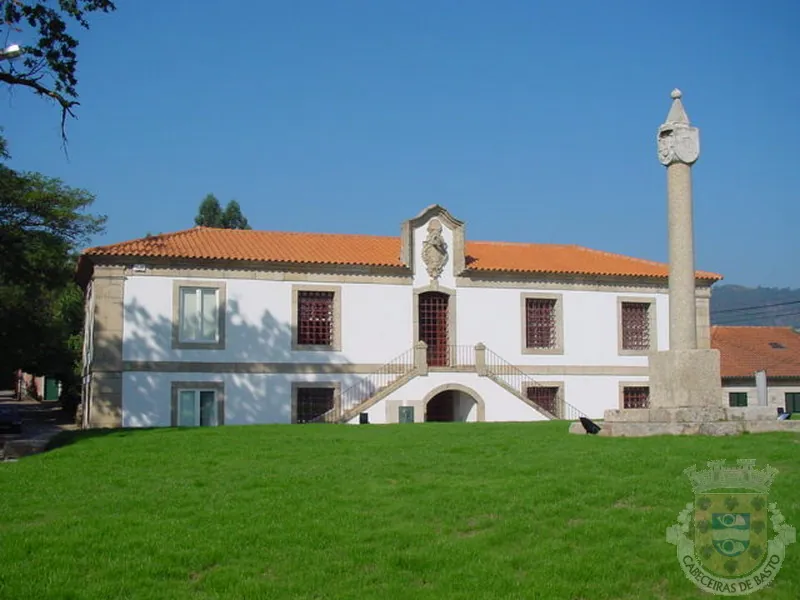
Casa da Música — photograph from the municipal gallery; capture date not indicated.
Casa da Música
ⓘ

Casa da Música — photograph from the municipal gallery; capture date not indicated.

Source: Municipality of Cabeceiras de Basto

View source

Photograph date not stated.

Autor e licença de reutilização não identificados na fonte.
Request removal or correct the photo credit

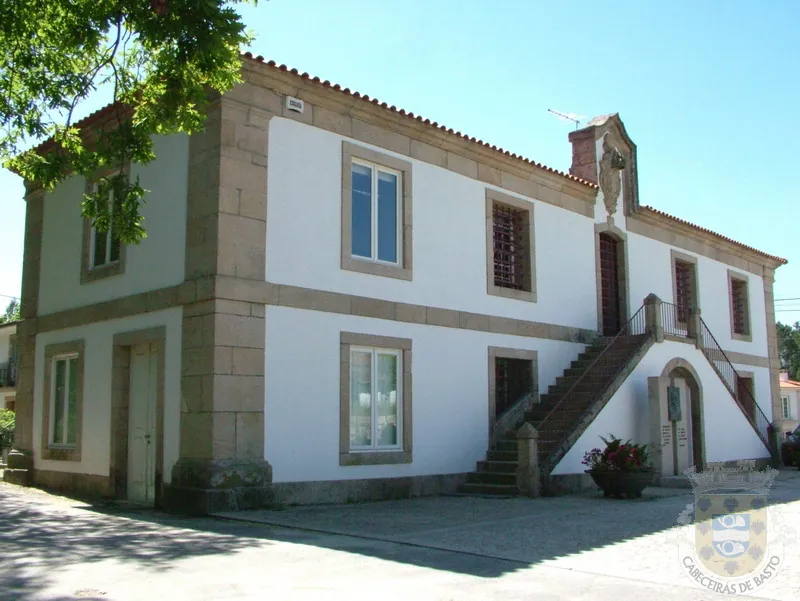
Casa da Música — photograph from the municipal gallery; capture date not indicated.
Casa da Música
ⓘ

Casa da Música — photograph from the municipal gallery; capture date not indicated.

Source: Municipality of Cabeceiras de Basto

View source

Photograph date not stated.

Autor e licença de reutilização não identificados na fonte.
Request removal or correct the photo credit

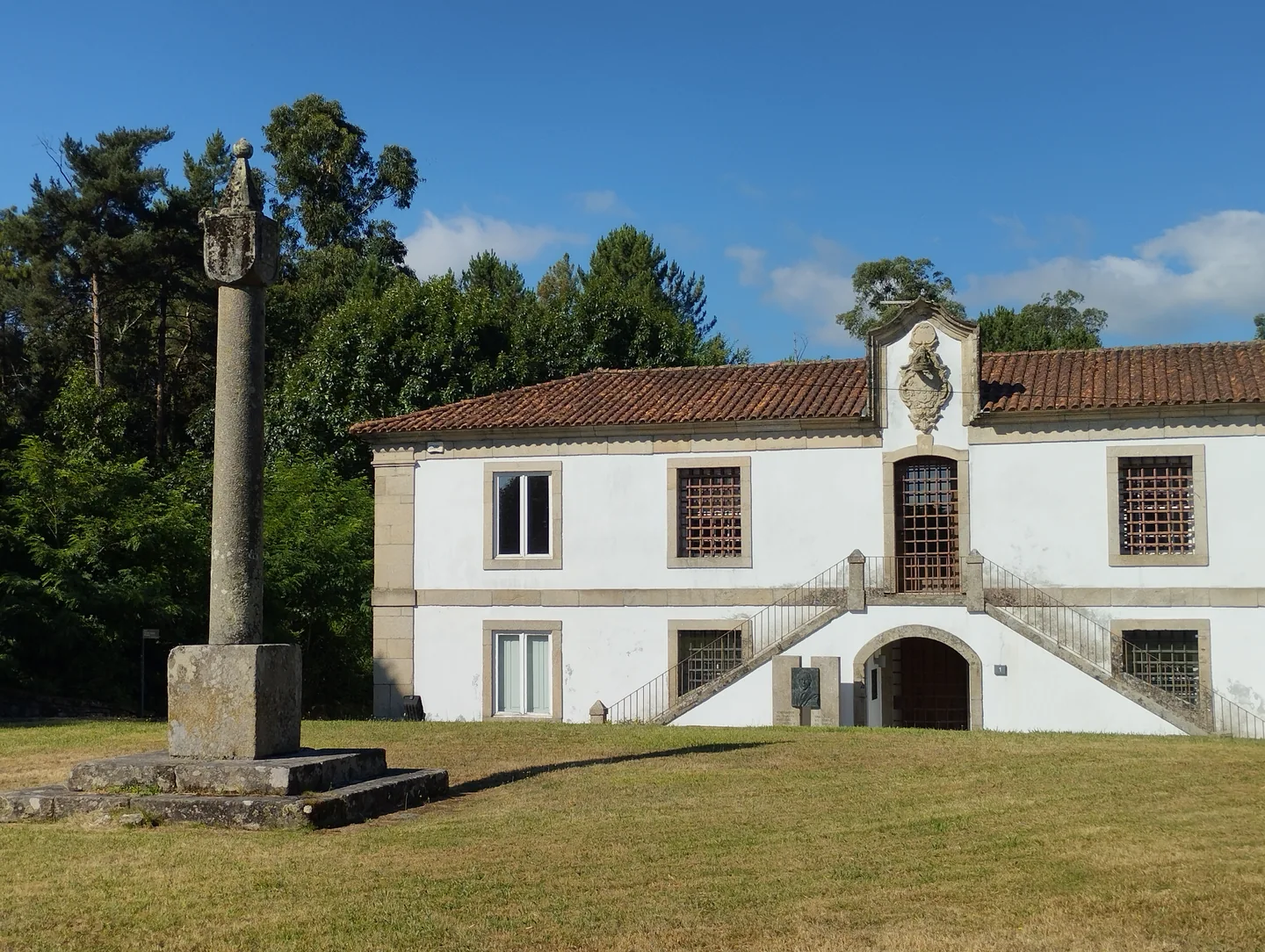
Casa da Música and pillory in Pereiras.
ⓘ

Casa da Música and pillory in Pereiras.

Source: Museu das Terras de Basto

View source

Photograph date not stated.

Individual photographer and reuse licence not stated by the source.

Request removal or correct the photo credit

Since 1820, music has helped tell the story of Cabeceiras.

A band does not live only in the moment a concert begins. It also lives in rehearsals and in the learning of someone picking up an instrument for the first time. Founded in 1820, the Banda Cabeceirense has spanned generations and become part of local pilgrimages, concerts and celebrations.

In 1986 it created its Music School. In 1999 the Banda Juvenil Cabeceirense was established, responding to young people’s interest in musical training. These dates show an institution preparing its own future as well as performing. The municipal account from 2016 connects the school with musicians including Adriana Ferreira, Hélder Gonçalves, Casimiro Almeida and Pedro Teixeira.

The Casa da Música in Pereiras adds another layer: a building that housed the council and prison acquired a cultural life. The band’s history and the building’s meet without beginning on the same date. Looking at the house, imagine the people who learned together and carried Cabeceiras’s name to other stages.

Source and context

Município — Banda Cabeceirense e formação musical, notícia de 03/10/2016
Accessed:

Basto Land Museum — The place of the Pereiras of Refojos de Basto, 28/07/2024
Accessed:

Editorial summary; the date of consultation is not the date of the facts.

Back to index ↑
Cabeceiras de Basto · recent history

School changed the town too

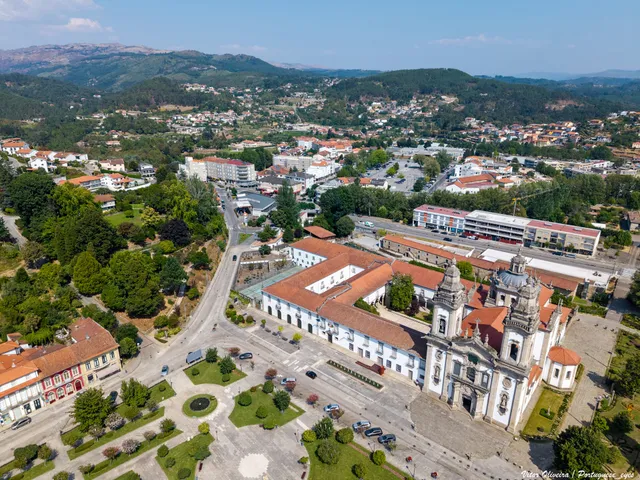
Aerial view of the Monastery of São Miguel and Praça da República in Refojos
Current view of the Monastery of Refojos and the square; it is not an image of the nineteenth-century uses.© Vitor Oliveiraⓘ

In 1971, Casa do Barão opened a new chapter in education.

Casa do Barão belongs to more than architectural history. In 1971 it received the Calouste Gulbenkian preparatory school, a milestone in education in Cabeceiras. António Queirós’s municipal biography identifies him as chiefly responsible for establishing it. The building is now known as the Casa Municipal da Cultura.

Born in Chacim in 1925, António Queirós received his primary education from his father, also a teacher. He completed teacher training in 1949 and enrolled in Law at the University of Coimbra in 1953. His career combined teaching and legal practice, showing how continued study could accompany professional life.

In 2013 the municipality named three school libraries after António Queirós, Artur de Sousa Barroso and Bernardino Queirós. All three teachers were born in Refojos. Behind a name on a plaque lie stories of village schools, training outside the municipality and a return to local teaching. Education’s history can also be discovered by following those people between buildings with different uses.

Source and context

Município — biografias de Artur Barroso, Bernardino Queirós e António Queirós, 17/06/2013

Accessed: . Editorial summary; the date of consultation is not the date of the facts.

Back to index ↑
Cabeceiras de Basto · recent history

Rio Douro found new ways to gather

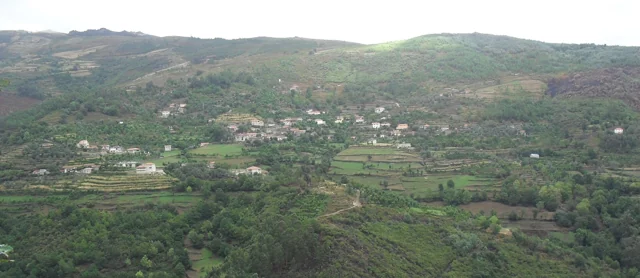
Panoramic view of Vilela, Rio Douro, with houses and agricultural plots on the slopes.
Vilela · architecture and landscape of Rio Douro© Ambcruzⓘ

Two associations from the 1980s added other encounters to parish life.

Rio Douro’s history does not end with chapels and old paths. In 1982 the youth-oriented Associação Recreativa, Cultural e Desportiva de Riodouro was founded, identified by the municipality at Eiró. Its aims included young people’s participation in social, cultural and environmental life.

On 14 May 1985 the Associação Cultural de Riodouro — A Montanha was established. The municipal presentation places it in Leiradas and describes activities including holiday camps, music lessons, a forest club and youth exchanges. Protecting and sharing local heritage could mean learning, welcoming people from elsewhere and encountering different realities.

These chapters are close in time but concern separate associations. Reading them together reveals changing forms of gathering: alongside the religious celebrations described in old accounts appear cultural, educational and environmental projects. Landscape remains present, now also as a subject of study and participation. The parish’s history includes people who organised to offer their community new opportunities.

Source and context

Município — Cultura e Entretenimento, história das coletividades

Accessed: . Editorial summary; the date of consultation is not the date of the facts.

Back to index ↑
Cabeceiras de Basto · recent history

Cavez: keeping a dance alive takes people

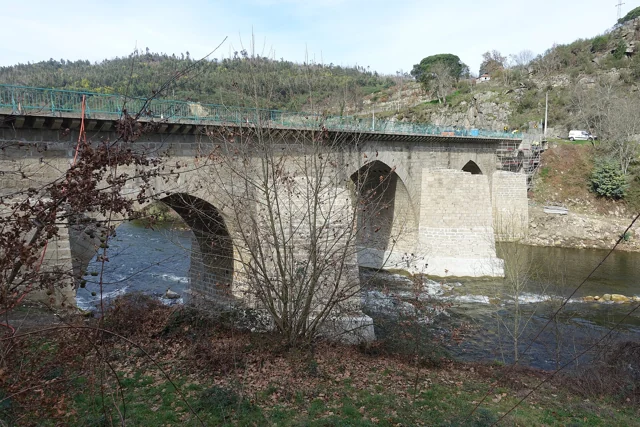
Cavez Bridge over the Tâmega River, with stone arches, a deck and tree-lined banks.
Ponte de Cavez · crossing Tâmega© Joseolgonⓘ

Arosa, Cavez and Moimenta enter another chapter of parish history.

A dance is not preserved simply by keeping a costume. Someone must know the steps, remember the music and find others willing to continue. In Cavez, associations made collecting traditions part of cultural life: the municipality dates the association linked to Os Camponeses de Arosa to 1977, describing its collection of music, lyrics and dances.

The Rancho Folclórico São João Baptista de Cavez was founded in 1989. Later, on 21 February 2015, As Lavradeiras da Vila de Cavez was established in Moimenta, also focusing on studying and preserving dances, costumes, instruments and songs. These are separate groups with their own histories.

These milestones bring history closer to the present without treating every tradition as unchanging. Communities choose what to collect, rehearse and perform for new audiences. A celebration also becomes a place of learning. Between a remembered lyric and a dance taught to someone else, Cavez’s memory finds ways to keep moving.

Source and context

Município — Cultura e Entretenimento, história das coletividades

Accessed: . Editorial summary; the date of consultation is not the date of the facts.

Back to index ↑
Cabeceiras de Basto · recent history

Vila Nune: songs had to be collected too

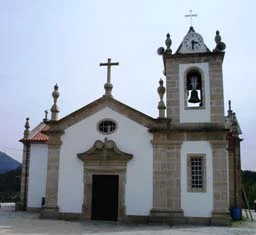
Municipal archive photograph: Igreja paroquial de Vila Nune.
Vila Nune parish church.ⓘ

Os Ceifeiros de Santo André was founded in 1997.

Songs one generation knows by heart may need to be sought out by the next. In Vila Nune, the Grupo Coral e Recreativo Os Ceifeiros de Santo André, founded in 1997, collected popular lyrics and music. The municipal presentation connects this work with remembering customs from the recent past.

The name Ceifeiros, or reapers, brings the group close to agricultural life. Yet collecting a song differs from claiming that every version has a single origin or a known age. Between remembering, teaching and singing again, tradition finds a new setting for gathering.

This story adds another voice to Vila Nune’s history. Beyond the small settlements recorded in 1758 and the landscape linked to the Tâmega, people organised to preserve what was heard. An archive can keep paper; a group can also preserve memory through practice and listening.

Source and context

Município — Cultura e Entretenimento, história das coletividades

Accessed: . Editorial summary; the date of consultation is not the date of the facts.

Back to index ↑
YOUR LOCAL GUIDE

What would you like to discover?

Take a closer look.