Cavez: charcoal in the hills, brandy in the valley

The parish’s past can also be told through what it produced.
Text size
Your choice is saved only in this browser.
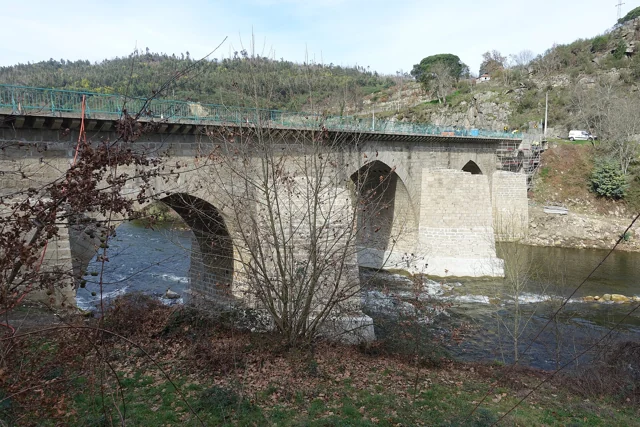
A bridge draws attention; work around it is less visible. In the 1758 account of Cavez, the priest described abundant charcoal production in the hills and vinho verde from which many casks of brandy were made. Between uplands and valleys, the parish had more than one means of support.
Maize and rye appeared among its cereals. Calves, sheep and goats were raised. The account distinguished a warmer centre from cold outer areas: environmental differences entered the description of the territory itself. Its eight named settlements formed a parish spread through valleys.
The Tâmega was full-flowing, particularly in winter, and had mills. Yet plentiful water did not mean easy use. The priest explained that the river ran too deep and forcefully for irrigation channels to be drawn from that stretch. The force powering equipment also limited agricultural use.
These clues change a visit to Cavez. The bridge remains a major landmark, but becomes part of a working landscape: slopes, fields, animals, processing of produce and crossings. The account describes 1758; it does not confirm present economic activities or fishing rules.
Explore further: words and activities
Explore this story
Source and context
Municipality of Cabeceiras de Basto — Parish memories of 1758: Cavez
Accessed:
Municipality — Cultural heritage, bridges of Arco de Baúlhe and Moimenta
Accessed:
Editorial summary; the date of consultation is not the date of the facts.