São Nicolau: the hills were part of home too
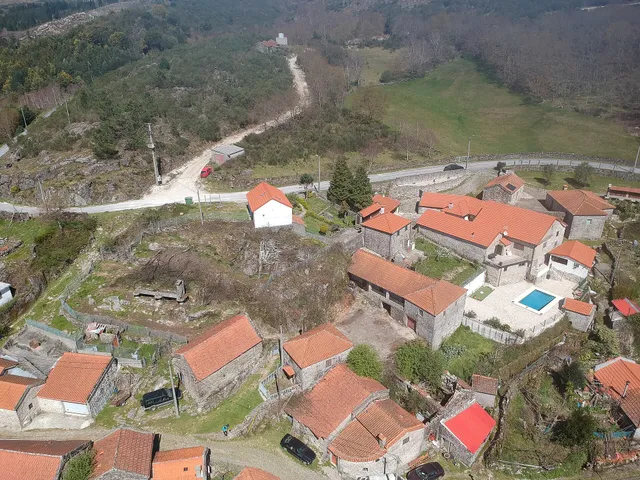

Grazing, water channels and bridges reveal life among the hills.
Text size
Your choice is saved only in this browser.
In 1758, the rector of São Nicolau described the hills as common land without a definite owner. Farmers took their working animals there during part of the year because fields lacked grazing. At night they brought them home. A household’s economy extended beyond the land it cultivated.
The terrain separated villages. Celeiró and Lapela appeared on Monte Cavalo; Busteliberne at the foot of Outeiro Cabra. The church stood in a small settlement of six households, including the rector’s own home. The religious centre was not necessarily the place with most houses.
Lower down, water brought work and difficulty. The river powered mills, fed irrigation channels and served an olive press. Winter made crossings fragile: the account says water covered wooden bridges and sometimes swept them away. The bridges of Sendim, Cerdeiró and Gado appear in this description.
This history can be understood by tracing the landscape with your eyes: fields in lower ground, hills as a resource and water as a force. These are observations from a particular period, not a description of present rules for using common land or rivers.
Explore further: words and activities
Explore this story
Source and context
Basto Land Museum — St Nicholas Parish Memories (1758)
Municipality — Memória de Santa Senhorinha, 23/05/1758; transcript of José Viriato Chapel (2003)
Accessed: . Editorial summary; the date of consultation is not the date of the facts.