Painzela: a house’s past and a person’s journey
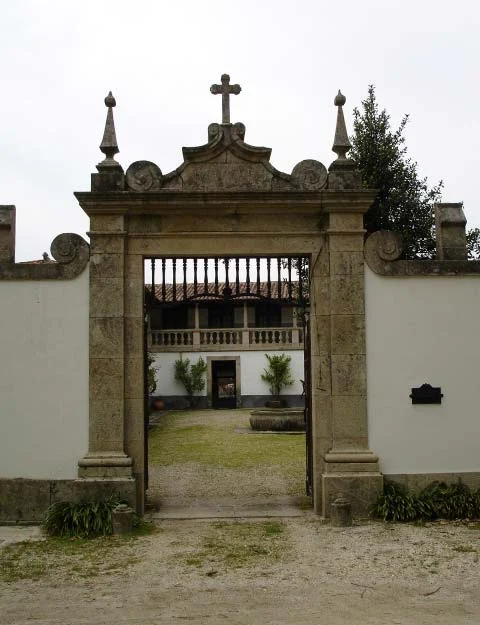
Pielas and Baltazar Castro open two windows onto the parish.
Text size
Your choice is saved only in this browser.
At Casa de Pielas, time does not appear all at once. The municipal description places the house’s architecture in the eighteenth century and its garden in the nineteenth, suggesting possible English influence on the latter. An estate could acquire new ways of living and framing the landscape.
There is also the history of someone who left Painzela. Baltazar da Silva Castro was born here on 1 May 1891, studied in Porto and entered Public Works in 1919. His career took him to the northern monuments service and, in 1936, to the directorship of Monuments in Lisbon. His connection to the parish is his birthplace; it does not imply that he designed the houses seen here.
Before those journeys, the 1758 portrait named Saint Andrew as patron and linked appointment of the parish priest to the abbot of Santa Senhorinha. Even a short description reveals relationships crossing parish boundaries.
House, garden, profession and religious organisation tell Painzela’s story at different scales. Exploring the parish lets us move from a built detail to a person’s life, then to wider networks of education, heritage and community. Mention of Pielas does not imply public access to the property.
Explore further: words and activities
Explore this story
Source and context
Municipality — assets of Painzela
Municipality — parish account of Painzela (1758)
Accessed: . Editorial summary; the date of consultation is not the date of the facts.