Before milling, water had to be stored
ⓘ
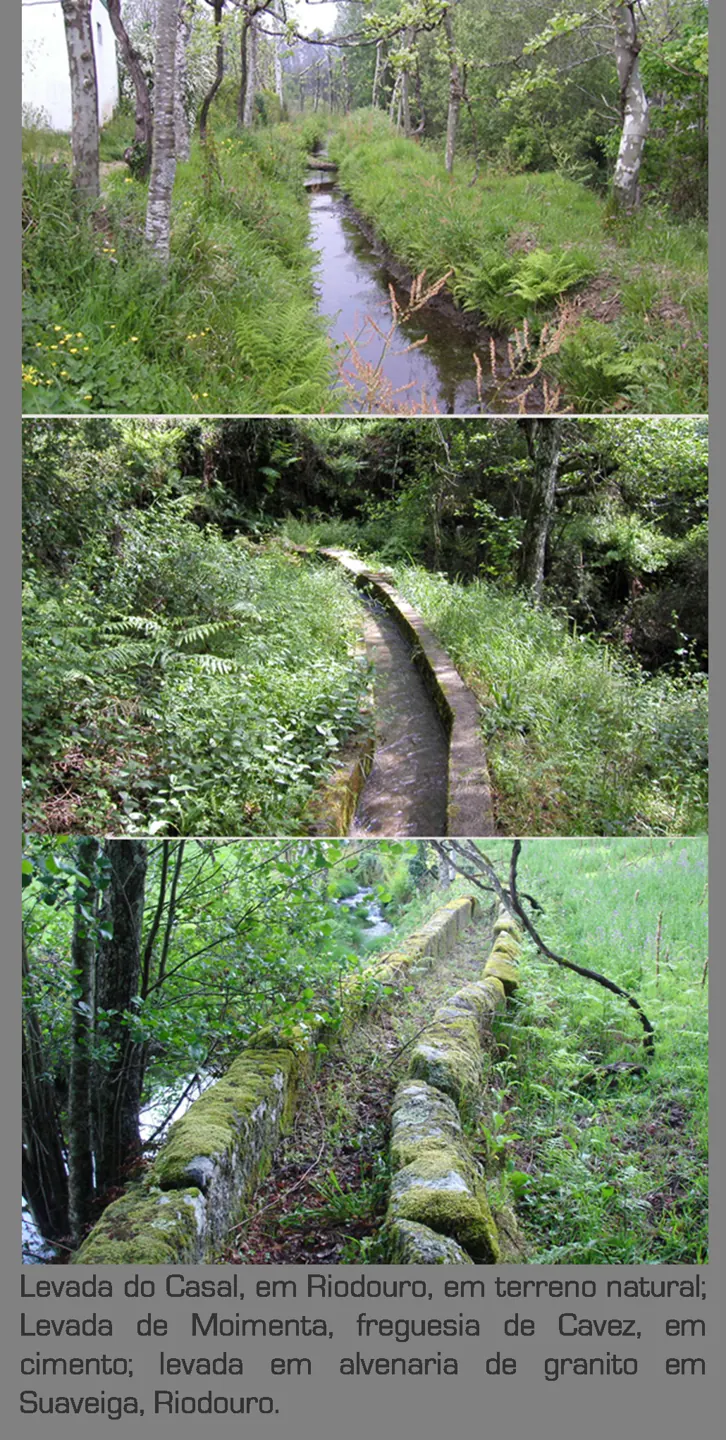
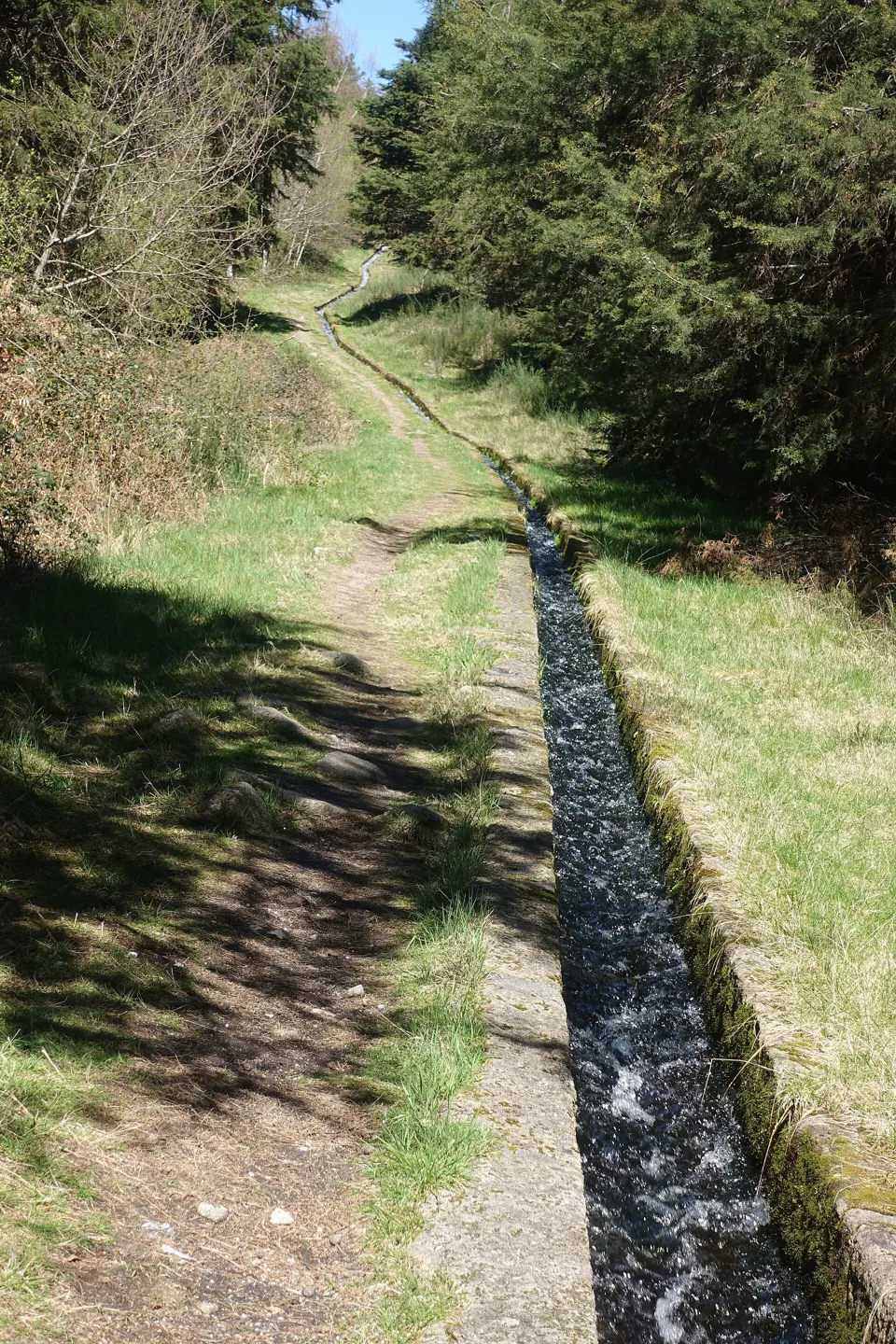
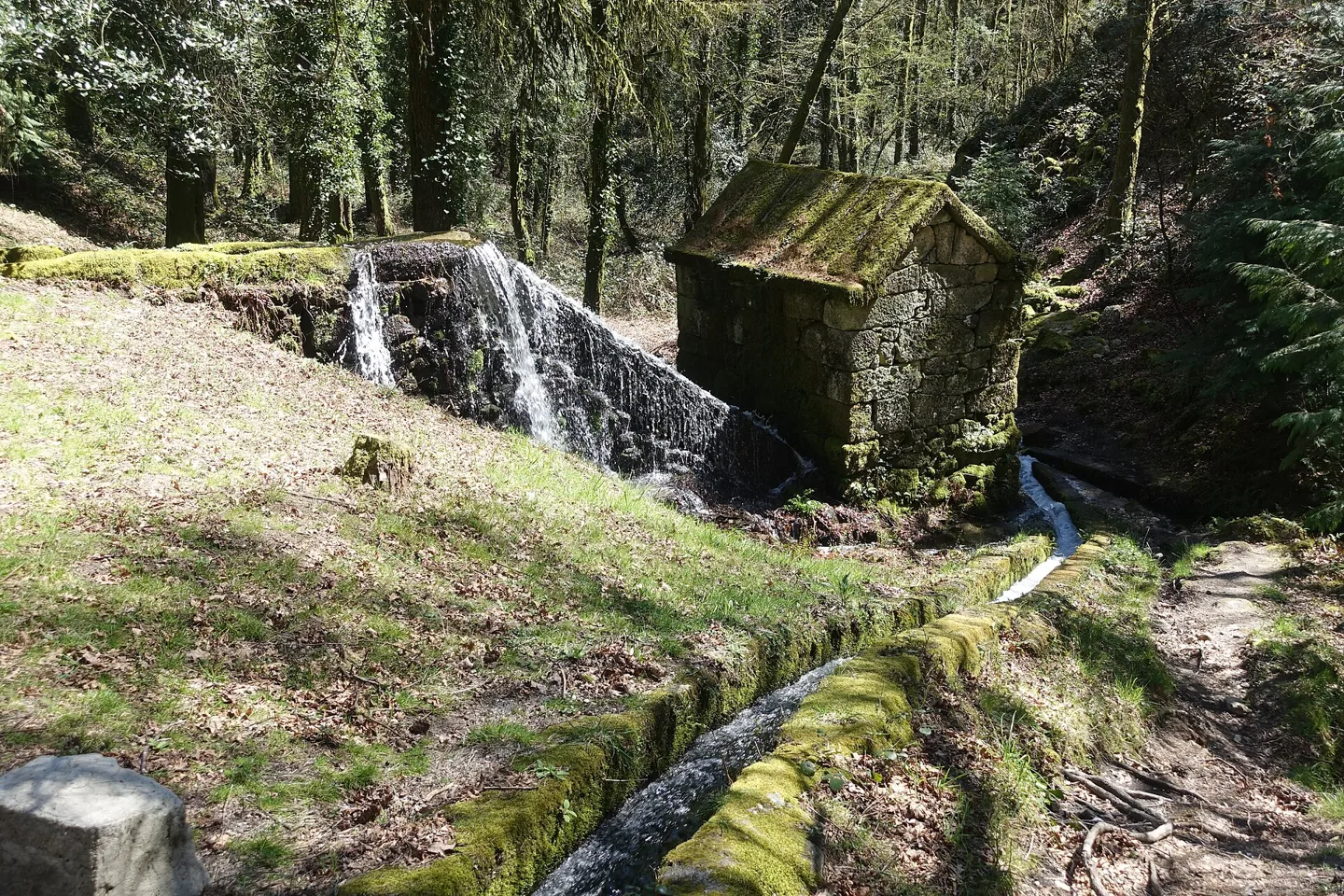
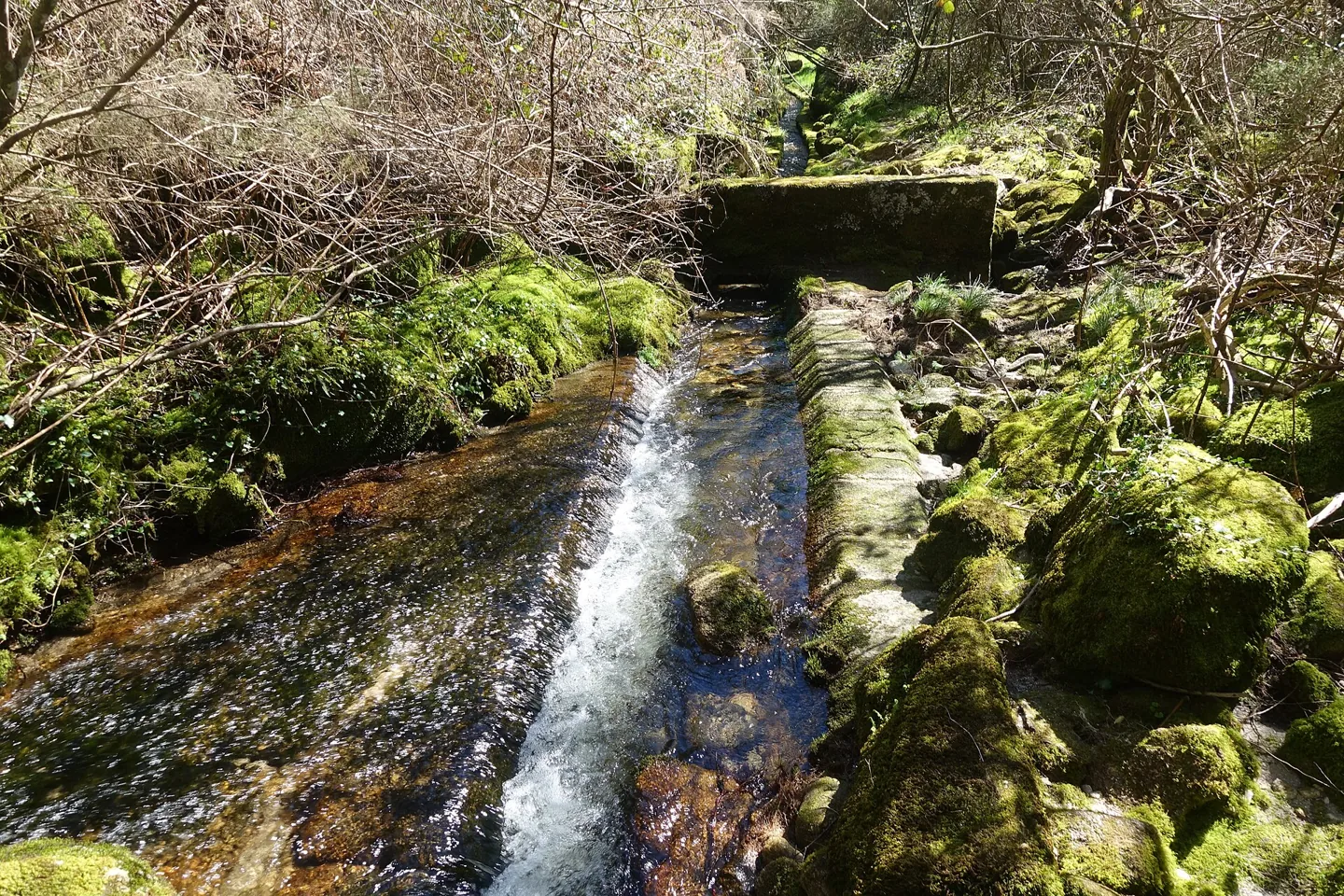
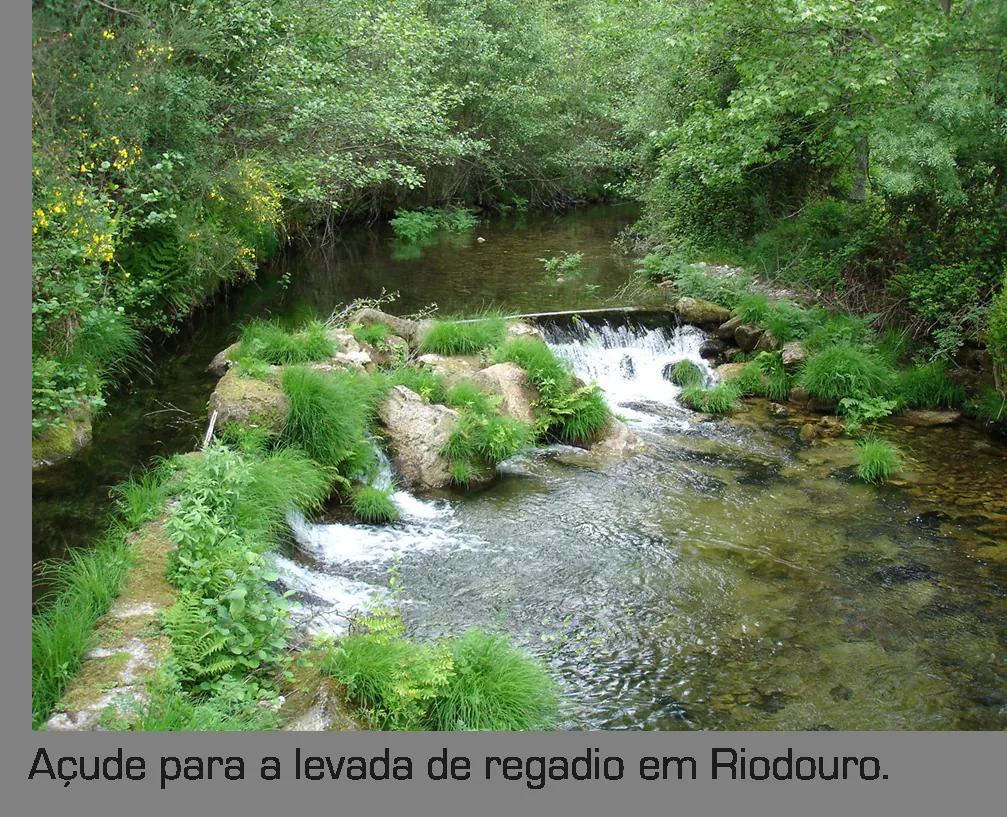
Water capture for mills, documented by the Museu das Terras de Basto.
Source: Museu das Terras de Basto
Photograph date not stated.
Individual photographer and reuse licence not stated by the source.
Weirs and pools belonged to the mill’s work.
The Museum distinguishes weirs, which hold back the current, from reservoirs or pools used to store water when the flow is insufficient to drive a mill. In the study shared in 2011, it identified weirs associated with 360 mills and pools in 11 cases. These figures belong to the published survey: they do not indicate how many mills operate today.
Not all weirs had the same origin. The description includes forms supported by natural rock outcrops and structures built from stone and earth. Relief and water availability helped determine the solution: the mill belonged to a system adapted to the terrain.
Four questions before reaching the flour
Open an option and choose the story.
Where did the water follow?
The water also had a built path →How was its use shared?
The water had its turn →What windmills would turn on a levada?
Peio also made flour →What happens inside the mill?
Above, the grinding; below, the movement →
Source and context
Basto Land Museum — Mills of Cabeceiras de Basto: water capture and conduction, 07/07/2011
Accessed: . Editorial summary; the date of consultation is not the date of the facts.
One bookmark per reading journey, saved in this browser.