Heritage
ⓘMosteiro de São Miguel de Refojos
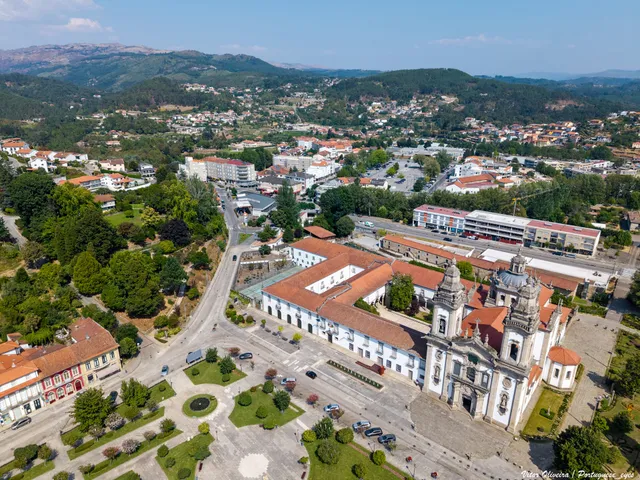
The Benedictine monastery at the heart of Refojos and the history of the Terras de Basto.
Refojos de BastoFrom the monastery and from the outside to the trades and the train: six doors to know the municipality.
Summary: about 2 min. Open the readings to deepen each chapter at its pace.
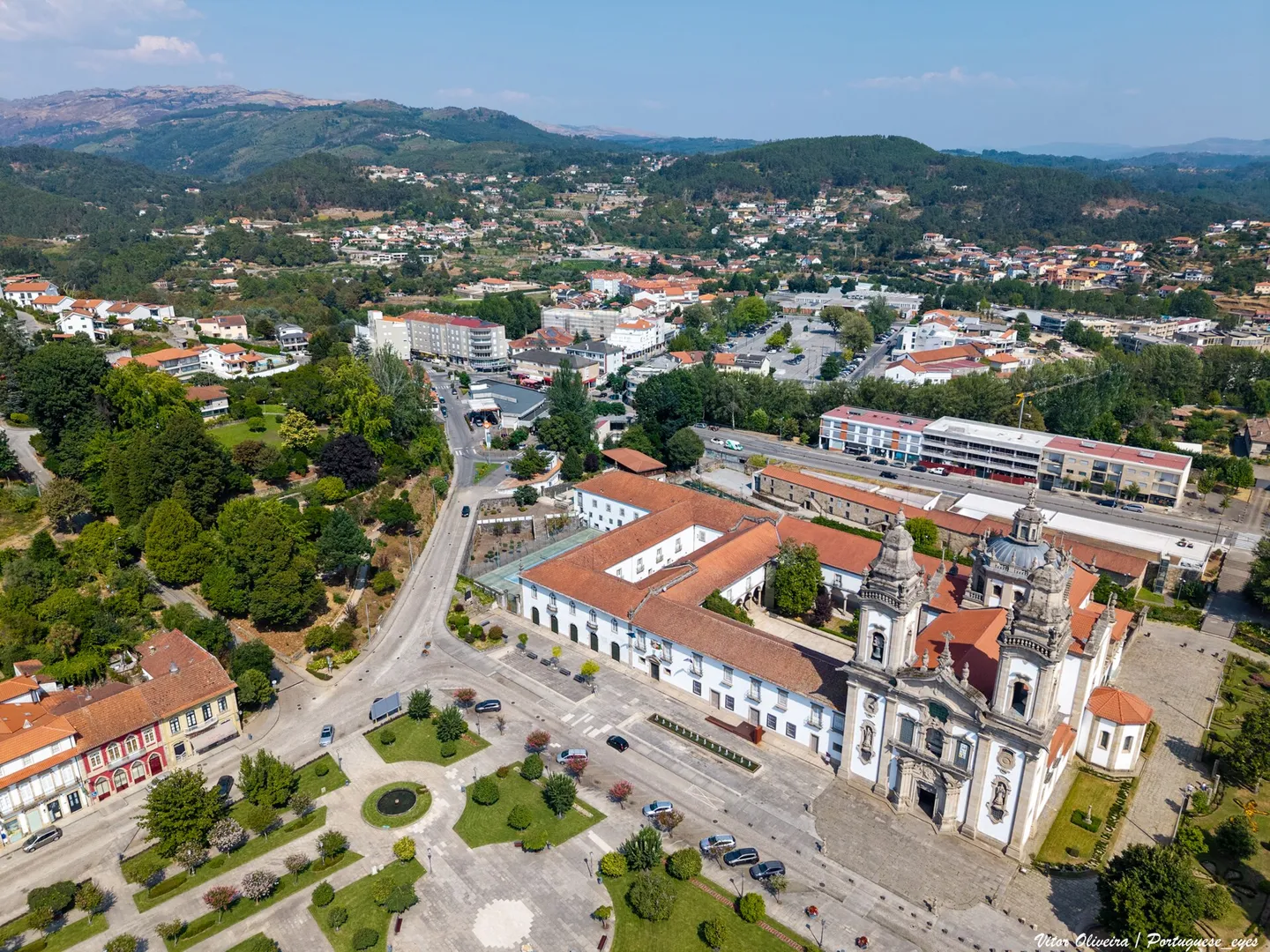
The Monastery of Refojos and the square, in a current view.
Mosteiro de São Miguel de RefojosⓘThe documentation situates the existence of the Monastery of Refojos at the beginning of the 12th century, but does not resolve the date of its foundation. The two forals of 1514 have identified days: Cabeceiras and Abadim received separate documents for a week. These are clues to powers and administration, not birth certificates from the settlements.
A hood, basket or pair of clogs can tell both about daily life and a building. In Bucos, wool connects to shelter and weaving; in Outeiro, the learning of clogs passes through the workshop. Ask who did, with what materials and why brings people's heritage closer.
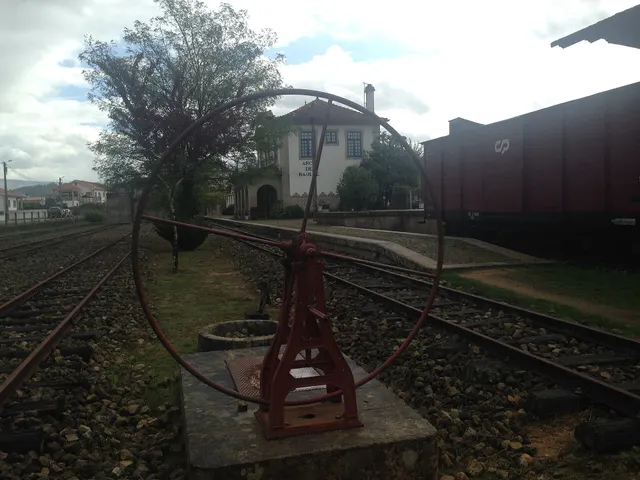
The railway line arrived at the Arc in stages, between 1908 and 1949. The station served passengers and goods, and today helps to read that memory. Before digital times, the news also had its own rhythms: reading about the mail of Vila Nune invites to compare forms of communication.
Open each form to consult contacts and visiting conditions. This selection is not an itinerary.
The Benedictine monastery at the heart of Refojos and the history of the Terras de Basto.
Refojos de BastoFrom spinning to weaving: in Bucos, local women keep the stories and skills of wool alive.
BucosA station, royal carriages and stories from the Tâmega railway: discover Arco de Baúlhe’s railway heritage.
Arco de Baúlhe e Vila NuneThese plans include places mentioned in the guide. Open the chips to confirm access and conditions; they are not calculated routes.
Freguesias associated with source readings. This list does not define a visit path.