ⓘ
YOUR NEXT DISCOVERY
Pedraça
Discover Pedraça through bridges and stories of Nuno Álvares Pereira.
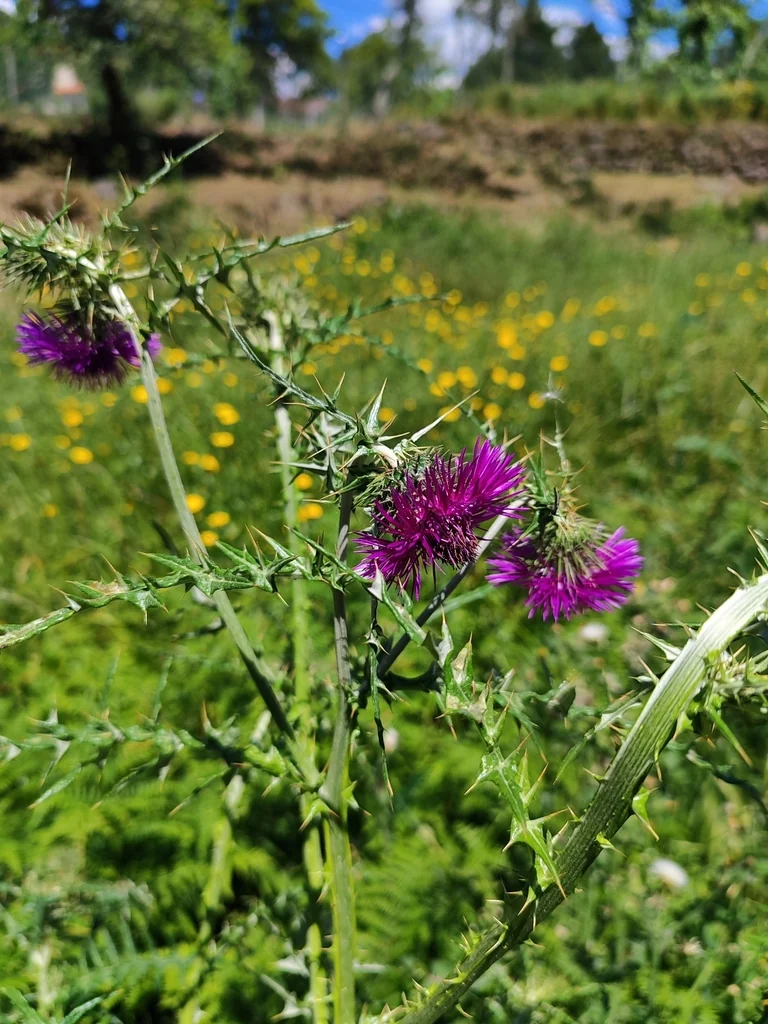
Flowers and leaves of Galactites tomentosus, photographed in Pedraça on 10 May 2024. A geolocated botanical observation, not a view of the settlement.
ⓘSave and share
CHOOSE YOUR FIRST STOP
Explore the parish Places to discover.
Save the highlights of this page.
Swipe to see more places →
ⓘ
Nature and landscape
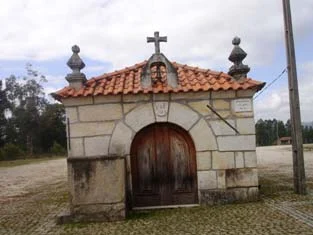
ⓘSanta Bárbara de Pedraça — capela e miradouro
A religious and landscape landmark mentioned in the presentation of Pedraça.
PedraçaThe parish’s historyRead the 5 chapters
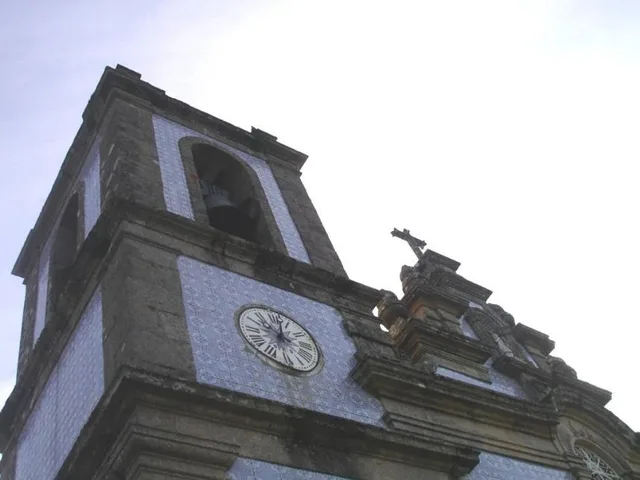
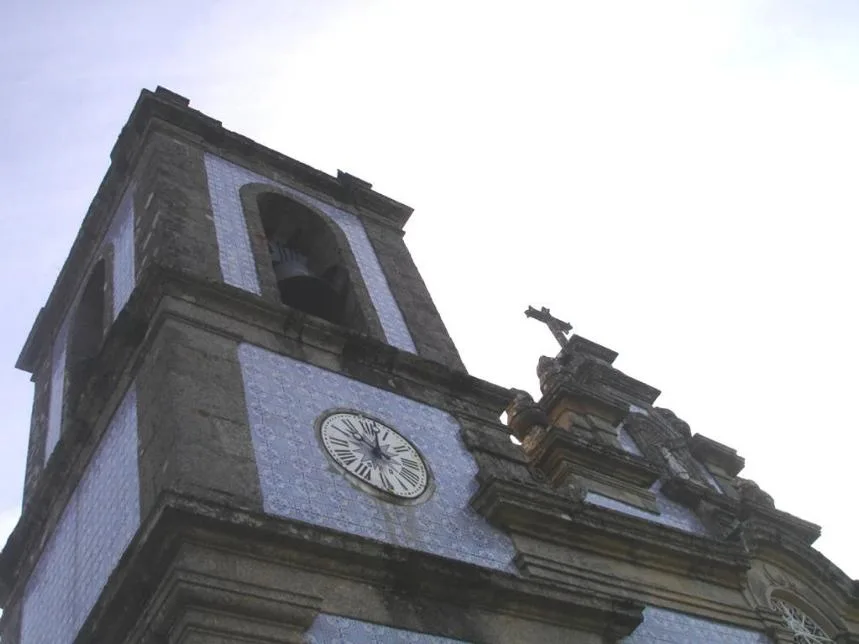
Discover Pedraça through bridges and stories of Nuno Álvares Pereira. The connection of the constable and Leonor de Alvim with Casa de Pedraça belongs to local tradition. The parish church, Pontinha bridge and Santa Bárbara offer other ways to explore the parish’s heritage and landscape.
Flax and timber between two valleys
Between the Tâmega and Peio valleys, Pedraça’s history can also be told through work: flax growing and woodworking feature in the municipality’s account. The church, stone crosses, wayside shrines and bridges add landmarks large and small to this traditionally agricultural landscape.
From royal inquiries to memories of the manor
The municipal introduction links the name Pedraços to the royal inquiries of 1258. In the 1758 account, the parish appears within the municipality of Cabeceiras de Basto, with its church dedicated to Santa Marinha and the appointment of its rector linked to the College of São Jerónimo in Coimbra. These documents from different periods help us study names, institutions and relations of power.
Traditions and the landscape of Santa Bárbara
Memories of Nuno Álvares Pereira and Leonor de Alvim are associated with Casa de Pedraça. The account of a riding ground used by the constable is presented as local tradition, rather than proof that he used that space. Santa Bárbara is a landmark of devotion and landscape, alongside Santa Marinha and São Gonçalo. The bridges known as Roman require their own research to establish their dates.
Santa Bárbara in seventeenth-century records
Besides the 1758 account, the municipal page refers to an obligation concerning the upkeep of the hermitage of Santa Bárbara in 1624. This adds a documentary milestone to the devotion and the place now recognised as a viewpoint. It does not establish the church’s original construction date or show that the building has fully retained its seventeenth-century form. This research uses the transcribed reference, without examining the original document.
Houses and small landmarks along the paths
Casa de Parada, described by the municipality as Brazilian in style, joins the houses of Paço, Barão de Basto and Paço de Vila in the residential landscape. On a smaller scale, the wayside shrines of Ponte de Tábuas and the stone cross mark places of devotion beside the routes. Flax growing and timber sawing add memories of work to our understanding of the area, beyond the tradition associated with the constable.
Villages and places
Pedraça · Águas Santas · Parada · Ponte de Tábuas
Discover the municipality’s history
Sources and information
A selection of places in the parish, with room to grow.
Main source consulted in 04/11/2026.
View 6 sources and the review record
- Main source
- INE — Census population 2021, geography 2025
- DGT — CAOP and administrative limits
- Parish memories of 1758 — Pedraça (municipal transcript)
- Photography — metadata and rights: iNaturalist
- Photography — metadata and rights: iNaturalist
Main source consulted: 2026-11-04
Publication at that source: Unidentified. Registered documentary verification: 2026-11-04.
Method recorded in that review: Documental review in 04/11/2026 of the municipal pages, historical transcripts and references indicated. Unglued manuscripts. Archivistic descriptions, studies of oral tradition and dated observations are identified. Visually revised photographs from the Commons archive consulted in 03/11/2026; camera position does not equal object survey. Photo revised in 04/11/2026: position of capture/cross observation with CAOP2025; subject, author, date and individual license identified. No face-to-face confirmation.
Editorial review: 2026-11-06. The editorial review is neither a visit to the site nor a real-time update. Additional times and sources may have their own consultation dates, indicated in the form.
Found different information? Suggest correction
TAKE A CLOSER LOOK
The parish in photographs
ⓘ
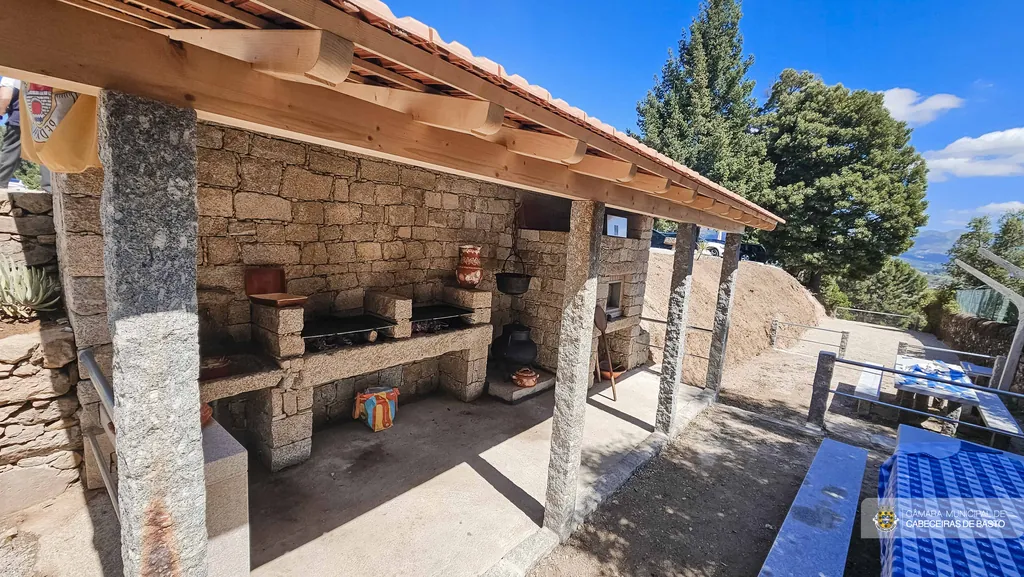
Community barbecue at Alto de Santa Bárbara, Pedraça, in the municipal record of the June 2024 inauguration.
Source: Municipality of Cabeceiras de Basto
Photograph date not stated.
Autoria individual e licença de reutilização não identificadas na fonte.
ⓘ
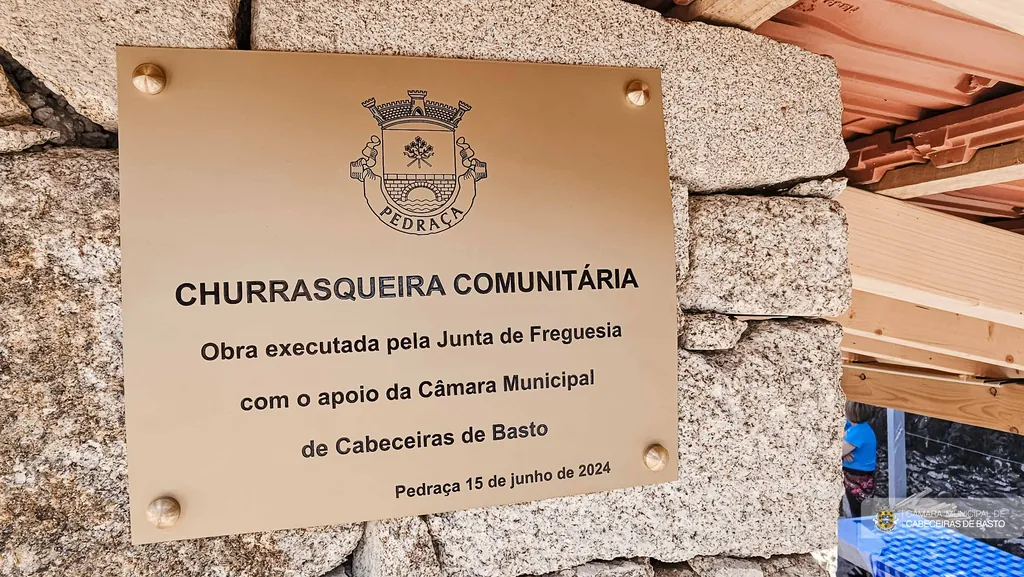
Plaque at the Pedraça community barbecue, bearing the inauguration date of 15 June 2024.
Source: Municipality of Cabeceiras de Basto
Photograph date not stated.
Autoria individual e licença de reutilização não identificadas na fonte.
ⓘ
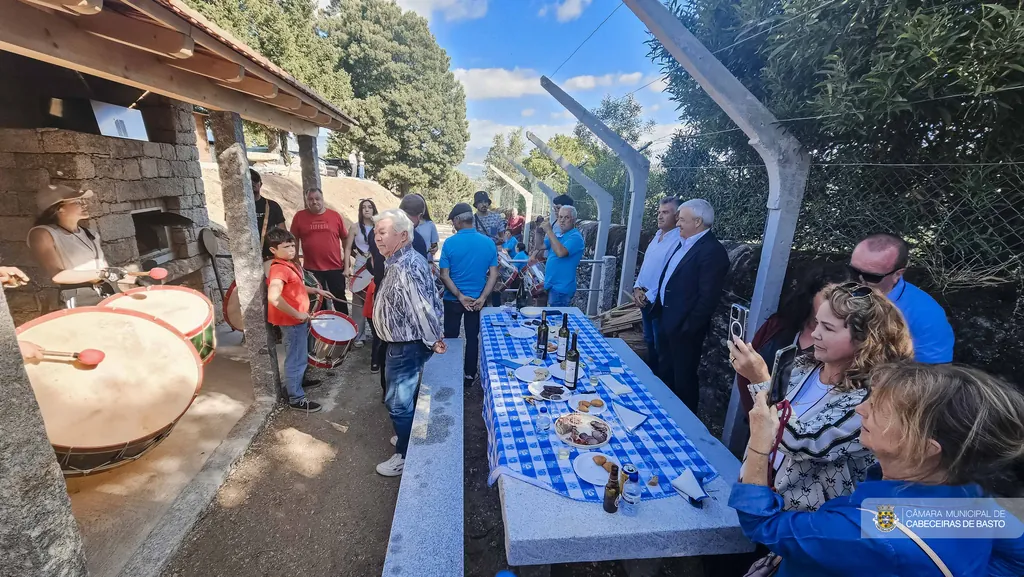
Accordions and drums at the gathering for the Pedraça community barbecue inauguration, documented in June 2024.
Source: Municipality of Cabeceiras de Basto
Photograph date not stated.
Autoria individual e licença de reutilização não identificadas na fonte.
More photographs +10
ⓘ
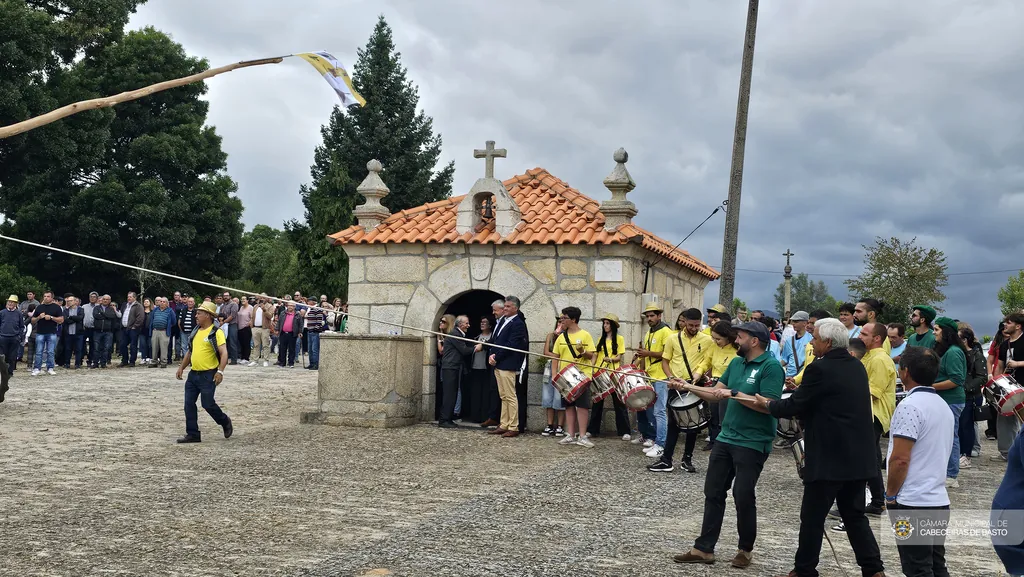
Drumming groups gathering for the Erguida do Pau in Pedraça, documented over the weekend of 15–16 June 2024.
Source: Municipality of Cabeceiras de Basto
Photograph date not stated.
Autoria individual e licença de reutilização não identificadas na fonte.
ⓘ
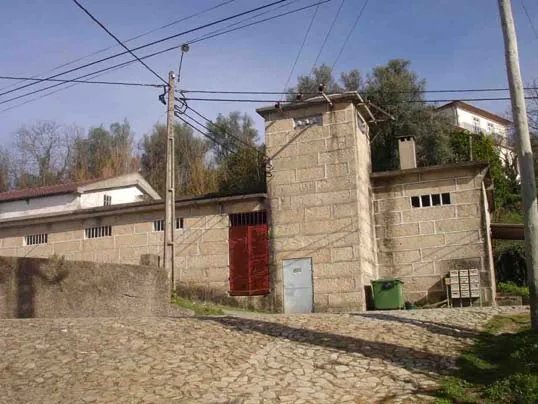
Souto do Rego factory in Pedraça — photograph from the 2008 municipal inventory.
Source: Municipality of Cabeceiras de Basto
Photograph date not stated.
Individual photographer and reuse licence not stated by the source.
ⓘ
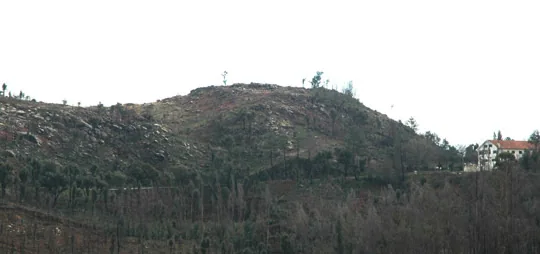
Alto dos Moiros in Parada da Ribeira.
Source: Carta Arqueológica de Cabeceiras de Basto
Photograph date not stated.
Autoria da fotografia e licença de reutilização não identificadas na fonte.
ⓘ
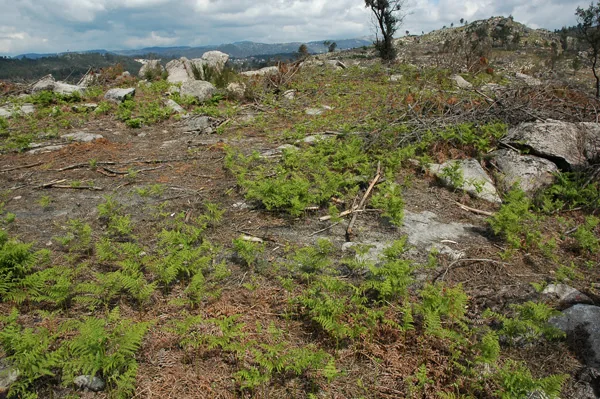
Alto dos Moiros in Parada da Ribeira.
Source: Carta Arqueológica de Cabeceiras de Basto
Photograph date not stated.
Autoria da fotografia e licença de reutilização não identificadas na fonte.
ⓘ
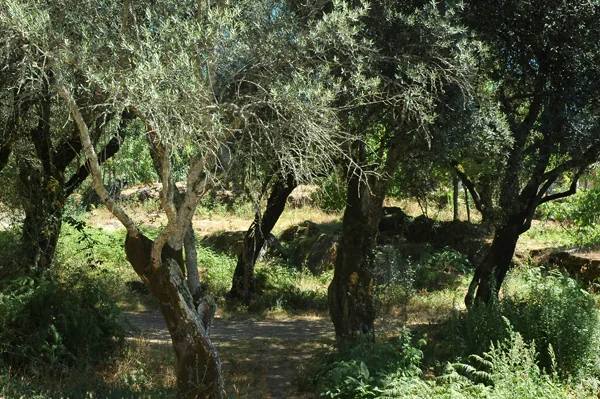
Fields at Abas das Torres in Pedraça.
Source: Carta Arqueológica de Cabeceiras de Basto
Photograph date not stated.
Autoria da fotografia e licença de reutilização não identificadas na fonte.
ⓘ
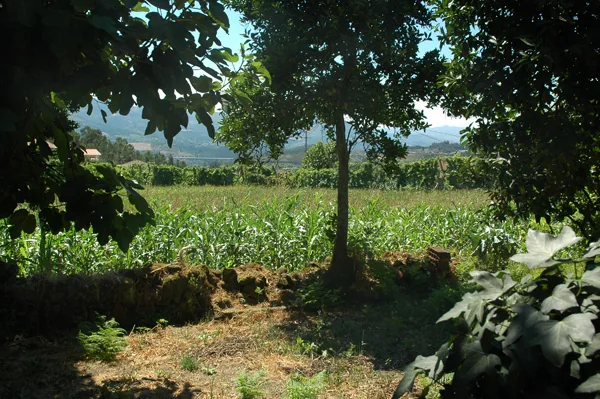
Fields at Abas das Torres in Pedraça.
Source: Carta Arqueológica de Cabeceiras de Basto
Photograph date not stated.
Autoria da fotografia e licença de reutilização não identificadas na fonte.
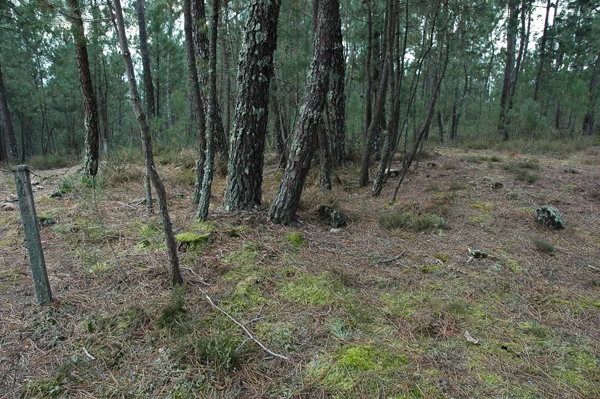
ⓘ
Area of the Tarroeiras burial mounds in Pedraça.
Source: Carta Arqueológica de Cabeceiras de Basto
Photograph date not stated.
Autoria da fotografia e licença de reutilização não identificadas na fonte.
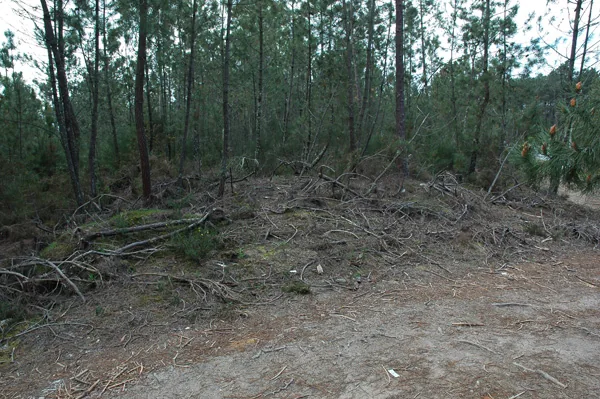
ⓘ
Area of the Tarroeiras burial mounds in Pedraça.
Source: Carta Arqueológica de Cabeceiras de Basto
Photograph date not stated.
Autoria da fotografia e licença de reutilização não identificadas na fonte.
Stories and nature of this parish
01
Flax and timber between two valleys
02Between the Tâmega and Peio valleys, Pedraça’s history can also be told through work: flax growing and woodworking feature in the municipality’s account.
From royal inquiries to memories of the manor
03The municipal introduction links the name Pedraços to the royal inquiries of 1258.
Traditions and the landscape of Santa Bárbara
Memories of Nuno Álvares Pereira and Leonor de Alvim are associated with Casa de Pedraça.
THERE'S MORE TO TELL
Explore the 31 stories Stories of this place.
Knowledge, landscapes and memories linked to this parish.
Choose from 15 activities here →
3 guides with stories from here → · To follow a story by chapters.
Travel through time
Pedraça: houses, fields and a link to Coimbra
Local history has connections extending beyond the valley.
- About 2 min of reading
Greens with beans
A winter dish rooted in rural life.
- About 2 min of reading
- Recipe to try
- Interactive exploration
A place to bring the parish together
In Pedraça, celebrations brought people and music together.
- About 1 min to read
Another 28 stories from here
Travel through timeFeatured in the latest updates
An 1880 notebook on a hilltop
Martins Sarmento left clues about Alto dos Moiros.
- About 1 min to read
Roman history can emerge in fields too
At Abas das Torres, small pieces opened a larger story.
- About 1 min to read
Seven burial mounds in an old notebook
At Tarroeiras, the record of a visit helps preserve memory.
- About 1 min to read
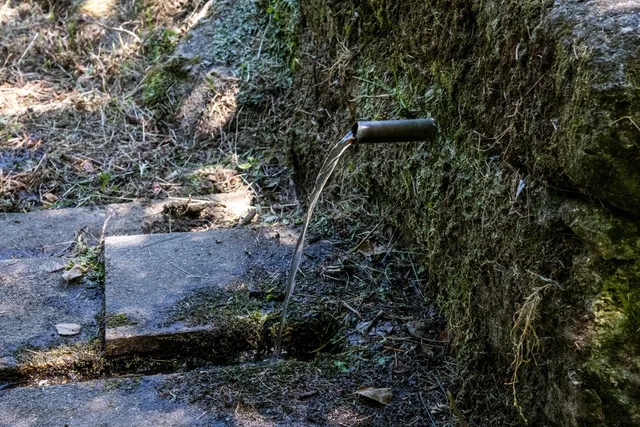
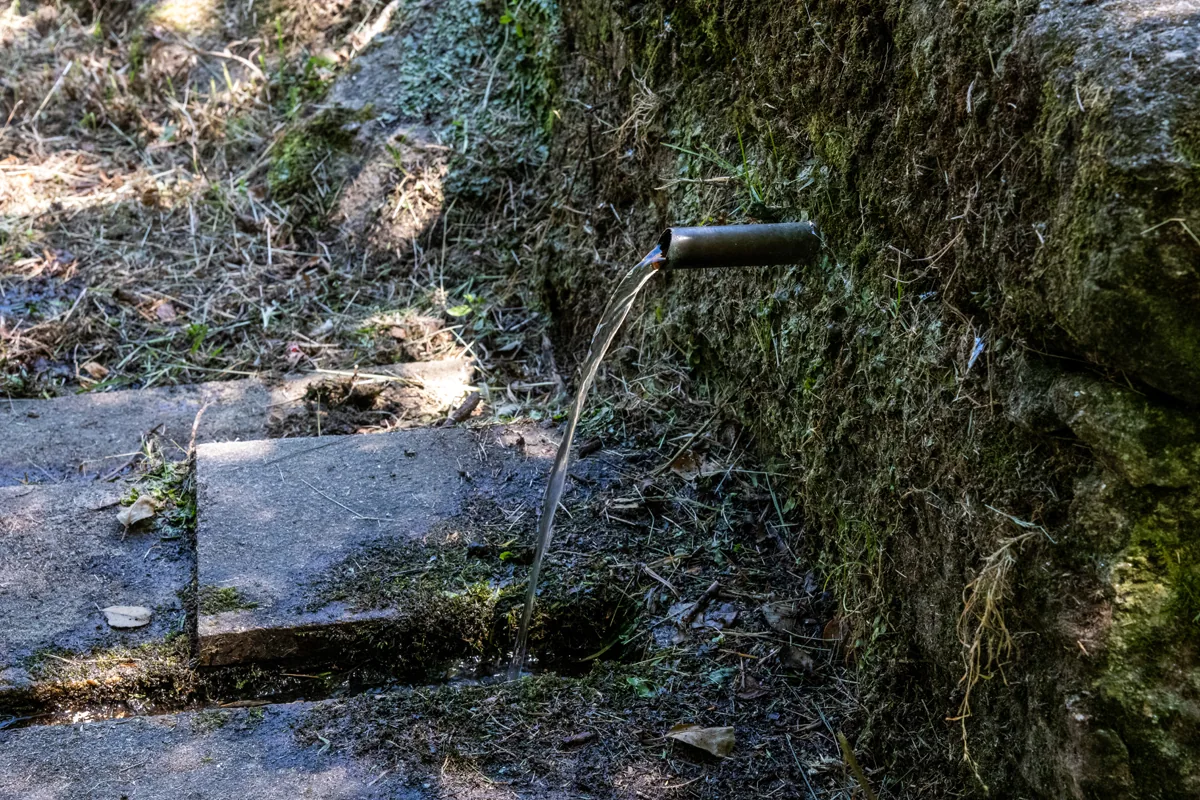
Pedraça: a spring between history and tradition
In Currais, water also gave a place its memory.
- About 1 min to read
The bread kept the next batch alive
A small piece of dough linked one batch to the next.
- About 2 min of reading
- Includes activity
- Words explained
- Interactive exploration
Chestnuts in spring?
Cooking followed the calendar of work.
- About 2 min of reading
- Includes activity
- Interactive exploration
Carnival went into the cooking pot too
A recipe learned from a grandmother in Cavez.
- About 2 min of reading
- Recipe to try
- Interactive exploration
Winter in a cooking pot
Caldo de farinha had its place in January and February.
- About 2 min of reading
- Recipe to try
- Includes activity
- Interactive exploration
Bread joined the greens too
Couves com migas made use of spring’s tender leaves.
- About 2 min of reading
- Recipe to try
- Interactive exploration
A snack with bread still warm
Sopas de vinho are part of the food memories collected in Cavez and Pedraça.
- About 1 min to read
At Christmas, back to the hearth
A family custom kept the old cooking pot in use.
- About 1 min to read
- Interactive exploration
Lunch at nine in the morning?
Meal names also preserve the rhythms of another time.
- About 1 min to read
This broa blends rye and wheat
Not every memory of broa begins with maize.
- About 2 min of reading
- Recipe to try
- Interactive exploration
The oven gave a sign
Baking also meant paying attention to what you could see.
- About 1 min to read
- Includes activity
- Words explained
Every recipe has someone who passes it on
Cooking connects people, generations and parishes.
- About 1 min to read
- Includes activity
- Interactive exploration
Before the bread, this bolo went in
The same dough could have another destination.
- About 1 min to read
- Recipe to try
- Interactive exploration
Bread joined the celebration too
With mexidos, dessert takes shape in the cooking pot.
- About 2 min of reading
- Recipe to try
- Includes activity
- Interactive exploration
From flax to the home
Cloths and bedspreads are heritage too.
- About 2 min of reading
- Words explained
Carrying and measuring in one container
Two pitchers, two recorded capacities.
- About 1 min to read
- Includes activity
- Interactive exploration
A bowl of seeds, a skill passed on
Learning from another person is heritage too.
- About 1 min to read
- Includes activity
- Interactive exploration
Linen and wool took new steps
Local skills enter footwear design.
- About 1 min to read
- Includes activity
One almude, two colours remembered
The inventory records more than an object’s shape.
- About 1 min to read
- Includes activity
Behind the factory, another time
Souto do Rego holds the shift from water to electricity.
- About 1 min to read
- Includes activity
Pedraça once had another written name
The 1258 royal inquiries record it as Pedraços.
- About 1 min to read
- Includes activity
A link from Pedraça to Coimbra
In 1758, choosing the parish priest involved a connection beyond the municipality.
- About 2 min of reading
- Includes activity
- Words explained
- Interactive exploration
Pedraça can be told through its houses too
Beyond the church lies a landscape of homes.
- About 1 min to read
- Includes activity
- Words explained
- Interactive exploration
A house between memory and evidence
The Constable’s tradition deserves to be told as tradition.
- About 1 min to read
- Includes activity
Pedraça: Saint Barbara left a record in 1624
An archival reference extends the history of the place.
- About 1 min to read
Coming up.
View eventsNo events in our calendar for this parish. Discover other ideas.
Browse by category
THE PARISH, YOUR WAY
8 places in the guideWhat are you looking for in this parish?
Parish council contacts
YOUR PARISH COUNCIL
Junta de Freguesia de Pedraça
Rua da Torre, 44, 4860-298 Cabeceiras de Basto
Wednesday, Thursday and Saturday: 14h30–17h00.
Hours source
Opening hours published by the source · 15/11/2026. View opening-hours source
An idea for your visit
Plan a visit: Pedraça: landscape and stone heritage →Other visit ideas
THE STORY CONTINUES ELSEWHERE