A tree with fan-shaped leaves
The ginkgo’s leaves have a distinctive shape to look for.
59 stories
The ginkgo’s leaves have a distinctive shape to look for.
A park can offer more than a place for a walk.
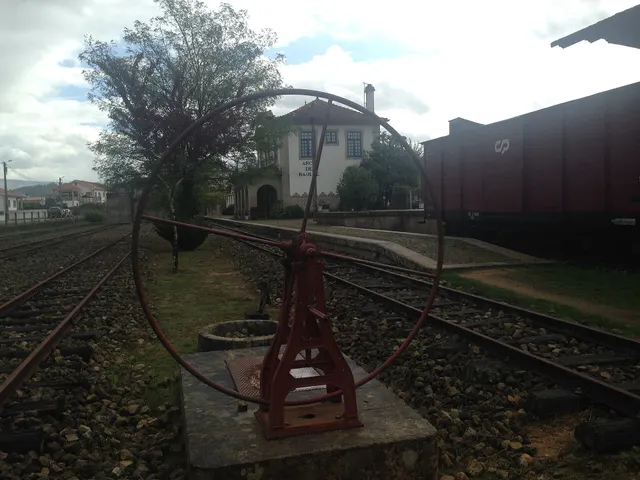
Not every memory of the railway is made of metal.

One fern may be a small detail; many together form a fern bed.
The same mountain could reveal different landscapes.
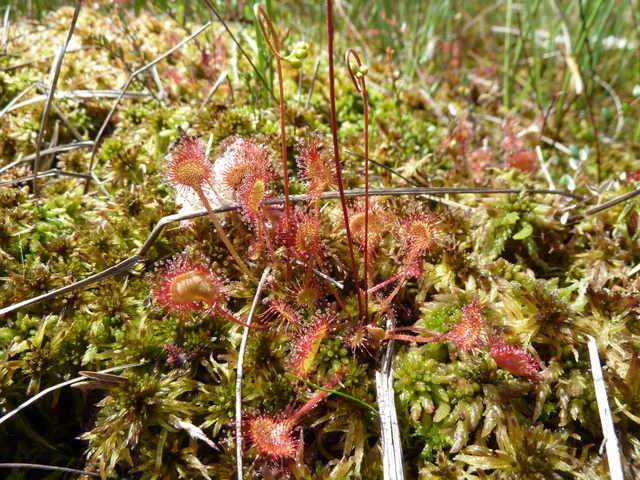
Sundew leaves also catch food.
The woody scales hide a detail worth noticing.
A tree’s landscape begins with soil and climate.
The gaps between green spaces matter too.
Altitude also changes the conditions a tree faces.
In a forest, starting with small patches can make sense.
After taking action, it is time to look again.
A striking plant can change the vegetation around it.
Below the stems lies another part of the plant.

Pollinators need flowers at different times of year.
Codornos, Pipo de Basto and Verdeal: names to remember.
At Rotunda da Sobreira, plants help tell the story of the place.
In the museum garden, the community has put down roots too.
Mosses invite a closer look.
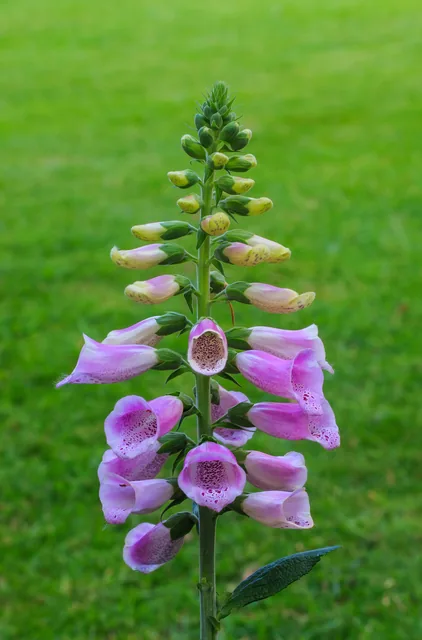
Not all woodland plants seek the forest interior.
Between hedge and woodland, another habitat awaits.
A tree does not live alone, even underground.
Plants are part of the station’s memory too.
There is more to discover beyond the scent.
A curiosity of this selection, at random.