Discover Cabeceiras de BastoFree independent guide
ViveCabeceirasYOUR GUIDE TO CABECEIRAS
ENEnglish
SearchSaved
12 STORIES · CONTINUOUS READING

Outeiro: hands, paths and memory

Twelve stories to know the relief, archeology, crafts, pilgrimages and associative life of Outeiro. It compares three inventoried sites, enters a workshop and accompanies footwear to the fair. Schemes and activities help to explore; it is a reading route without indicating access to sites.

All stories in the order of the route. You can print this page by the browser; sources and credits follow the reading.

Things to try9 activities · 6 interactive explorations · 7 questions
Outeiro · landscape and historical interpretation

The landscape offers a clue to the name

A gently rolling landscape on the municipality’s western edge.

On the municipality’s western edge, beside Fafe, Outeiro is described by the municipality as a gently rolling plateau. The introduction connects the name with that landscape and notes its proximity to the municipal seat and houses settling along the road.

The municipal page proposes a medieval interpretation of place names and mentions a scarcity of archaeological information. That wording needs to be read alongside the Municipal Master Plan inventory published in 2026, which identifies three archaeological sites in Outeiro. The parish’s name still does not, by itself, provide a foundation date.

Read Outeiro by three paths

Open an option and choose the story.

  1. Discover invented sitesThree sites, several layers of past →
  2. Follow the link between riversA small river also draws the map →
  3. Enter the history of a workshopA craft learned alongside the master →
  4. Compare the dates of a sculptureA medieval image found on earth →
From landscape to work and material memory, without turning hypotheses into foundation dates.
Getting to know the parish
Source and context

Municipality — Outeiro, relief and hydrographic network

Diary of the Republic — Notice No 16185/2026/2, PDM Cabeceiras de Basto, archaeological inventory AQL34–AQL36, p. 92 (29/06/2026)

Accessed: . Editorial summary; the date of consultation is not the date of the facts.

Back to index ↑
Outeiro · archaeological inventory published in 2026

Three sites, several layers of the past

Archaeology offers another way to know Outeiro.

The 2026 municipal planning inventory brings together three archaeological references in Outeiro: the medieval graves of Mata Santa, the rock shelter of Serra da Penouta and Outeiro da Pena.

Mata Santa appears as a medieval necropolis. The Penouta shelter is assigned to the Neolithic/Chalcolithic; Outeiro da Pena appears as a shelter/lookout, labelled Prehistory/Medieval. These are the inventory’s categories and periods, not three exact construction dates.

These entries open a history longer than the explanation of the parish’s name. They do not demonstrate continuous occupation between the periods given or establish a connection between the graves and the sculpture of Saint Mary. The documentary reference also does not confirm visiting arrangements.

Source and context

Diary of the Republic — Notice No 16185/2026/2, PDM Cabeceiras de Basto, archaeological inventory AQL34–AQL36, p. 92 (29/06/2026)

Accessed: . Editorial summary; the date of consultation is not the date of the facts.

Back to index ↑
Crafts · Outeiro

Baskets that hold knowledge

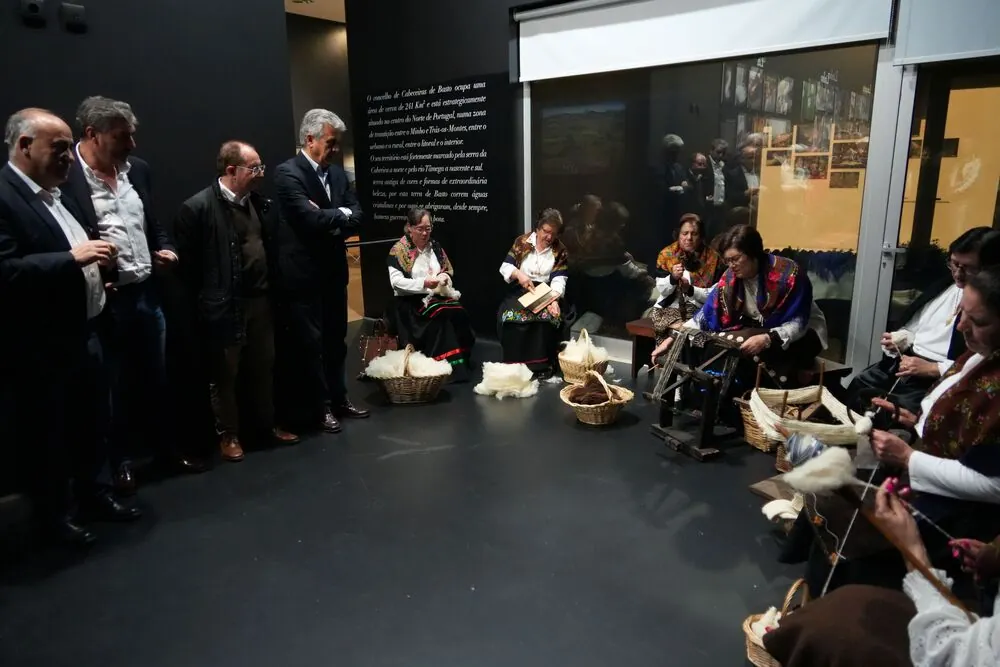
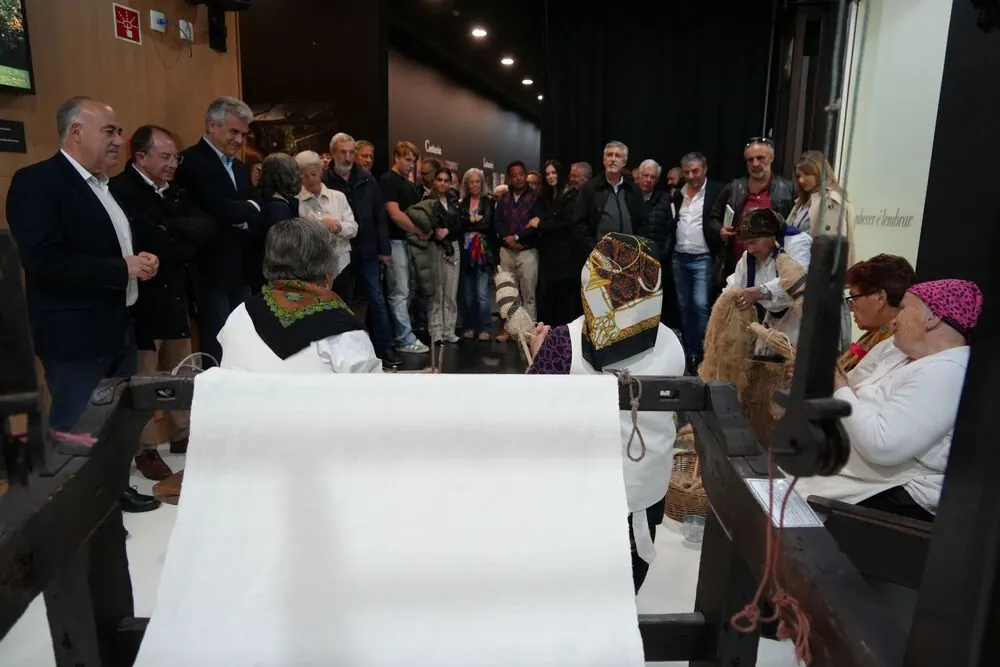
The Arts and Crafts gathering at Casa do Tempo, documented by the municipality in April 2025.
ⓘ

The Arts and Crafts gathering at Casa do Tempo, documented by the municipality in April 2025.

Source: Municipality of Cabeceiras de Basto

View source

Photograph date not stated.

Individual photographer and reuse licence not stated by the source.

Request removal or correct the photo credit

The Arts and Crafts gathering at Casa do Tempo, documented by the municipality in April 2025.
ⓘ

The Arts and Crafts gathering at Casa do Tempo, documented by the municipality in April 2025.

Source: Municipality of Cabeceiras de Basto

View source

Photograph date not stated.

Individual photographer and reuse licence not stated by the source.

Request removal or correct the photo credit

Twigs and willow transformed by hand.

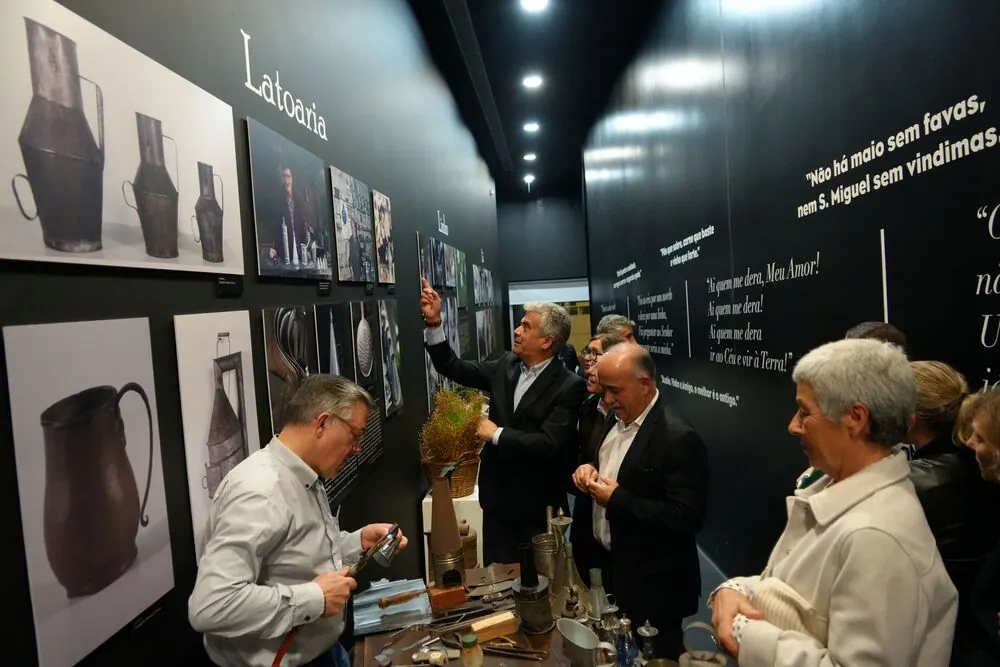
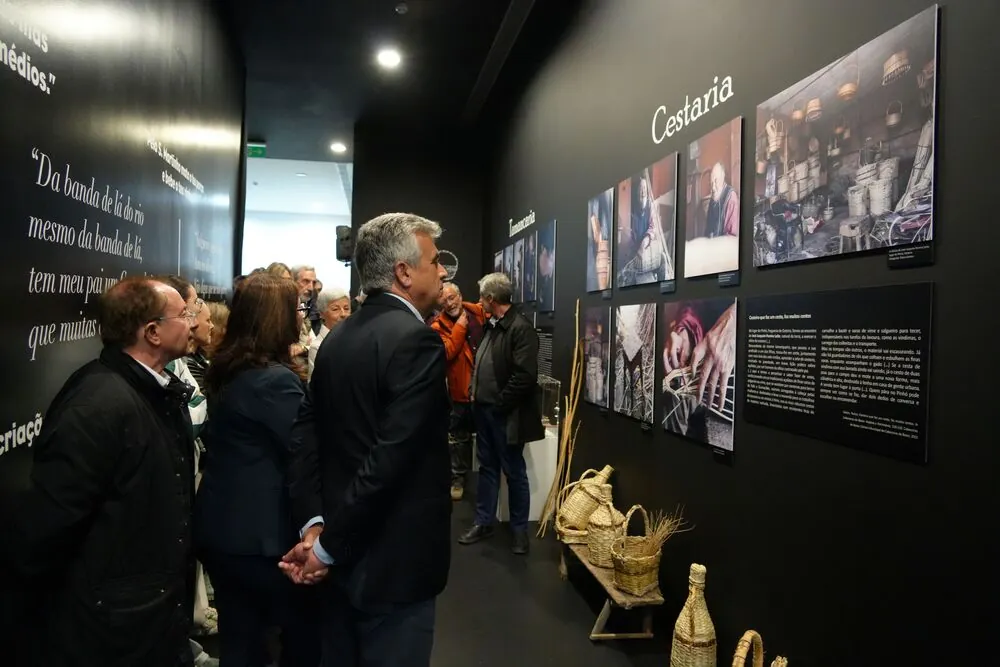
The municipal description highlights Outeiro’s basketry. Baskets, shallow trays and large carrying baskets recall handmade answers to everyday needs. In April 2025, the report on the Artes e Ofícios exhibition at Casa do Tempo identified Joaquim Leite’s relatives as the representatives of basketry. The exhibition brought this skill together with clog making, tinsmithing, linen and wool. This records that initiative; it does not indicate an exhibition currently open.

A basket can be read through its function: the opening allows filling, the base supports the load and the handle helps carry it. Compare two examples without assigning a use from appearance alone. An old photograph, a user’s memory or a maker’s explanation may reveal whether they stored, carried or displayed products.

Getting to know the parish
Source and context

Municipality — crafts and services of the parishes

Municipality — Arts and Crafts at Casa do Tempo, news of 14/04/2025

Accessed: . Editorial summary; the date of consultation is not the date of the facts.

Back to index ↑
Outeiro · history of clog making

Learning a craft beside a master

The Arts and Crafts gathering at Casa do Tempo, documented by the municipality in April 2025.
ⓘ

The Arts and Crafts gathering at Casa do Tempo, documented by the municipality in April 2025.

Source: Municipality of Cabeceiras de Basto

View source

Photograph date not stated.

Individual photographer and reuse licence not stated by the source.

Request removal or correct the photo credit

The Arts and Crafts gathering at Casa do Tempo, documented by the municipality in April 2025.
ⓘ

The Arts and Crafts gathering at Casa do Tempo, documented by the municipality in April 2025.

Source: Municipality of Cabeceiras de Basto

View source

Photograph date not stated.

Individual photographer and reuse licence not stated by the source.

Request removal or correct the photo credit

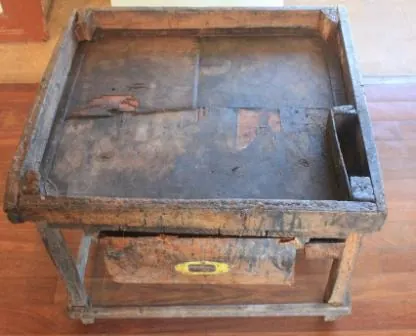
Workbench T15
Workbench T15
ⓘ

Workbench T15

Source: Museu das Terras de Basto

View source

Photograph date not stated.

Individual photographer and reuse licence not stated by the source.

Request removal or correct the photo credit

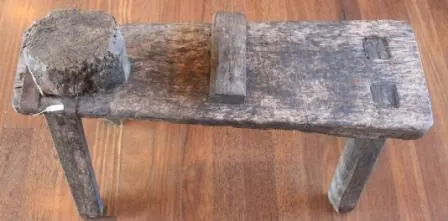
Clog maker’s bench T14
ⓘ

Clog maker’s bench T14

Source: Museu das Terras de Basto

View source

Photograph date not stated.

Individual photographer and reuse licence not stated by the source.

Request removal or correct the photo credit

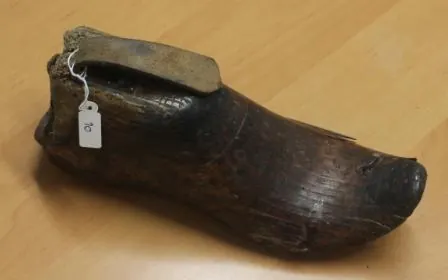
Clog last T10
Clog last T10
ⓘ

Clog last T10

Source: Museu das Terras de Basto

View source

Photograph date not stated.

Individual photographer and reuse licence not stated by the source.

Request removal or correct the photo credit

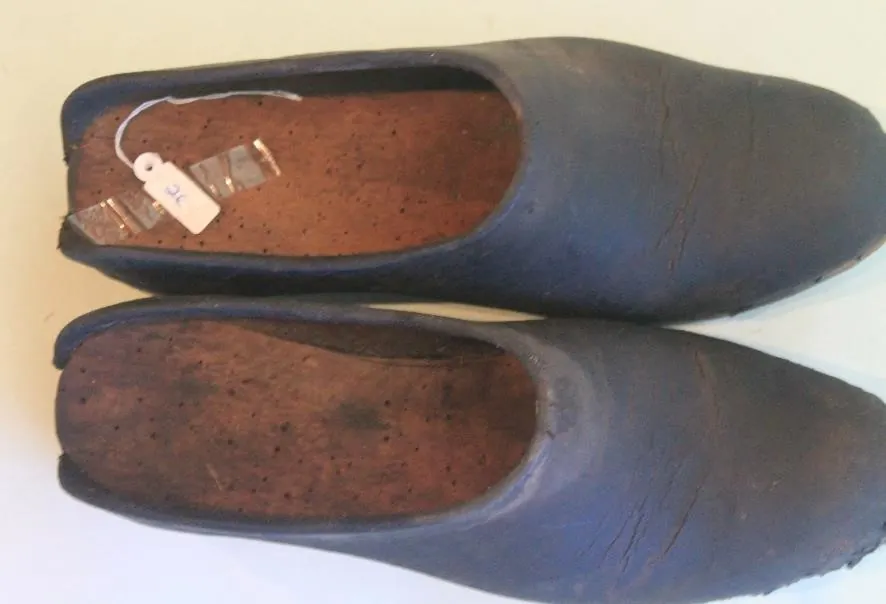
Pair of clogs T26
Pair of clogs T26
ⓘ

Pair of clogs T26

Source: Museu das Terras de Basto

View source

Photograph date not stated.

Individual photographer and reuse licence not stated by the source.

Request removal or correct the photo credit

In Outeiro, clog making passed from hand to hand.

In the study published in 2017, Teresa Soeiro recounts how Manuel Alves Leite, born in Pinhel in 1899, learned from Bernardino José Pereira, a clog maker from Sobreira. The skill passed to his descendants. This story of learning brings clog making close to families and places, without assuming that the workshop remains open.

The Museum’s inventory offers a glimpse of the workspace. It calls the low table used by Manuel António Teixeira Leite an ofício. A bench with a small block supported the finishing of the wooden soles; a wood-and-leather last connects production with Manuel Alves Leite’s generation. The objects show different working supports without reconstructing the layout of a particular workshop.

Dimensions help distinguish the supports: table T15 measures 82 centimetres long, 74 wide and 55 high; bench T14 is 87 long, 28 wide and 50 high. Despite similar lengths, they offer very different surfaces. The inventory links the bench with finishing the wooden soles, supported on a small block.

ENTER THE WORKSHOP THROUGH ITS OBJECTS

Open each support to discover its recorded function.

  1. 1 · Ofício: the low worktable

    Piece T15 was a worktable used by Manuel António Teixeira Leite.

  2. 2 · Bench: supporting the wooden sole

    On T14, a plank and a small block supported the finishing of wooden clog soles.

  3. 3 · Last: a tool for making clogs

    T10, made of wood and leather, was used by Manuel Alves Leite.

    Continue through tools and wood →
Comparison of pieces in the Museu das Terras de Basto inventory; it does not represent a workshop floor plan.
Getting to know the parish
Source and context

Teresa Soeiro — Soqueiros and Tamanqueiros, municipal edition of 2017, chapter The tamanqueiros of Outeiro, p. 68
Accessed:

Land Museum of Basto / Teresa Soeiro — In the country of Tamanco, introduction and inventory T10/T13/T16–T19
Accessed:

Editorial summary; the date of consultation is not the date of the facts.

Back to index ↑
Outeiro · clog-making materials and tools

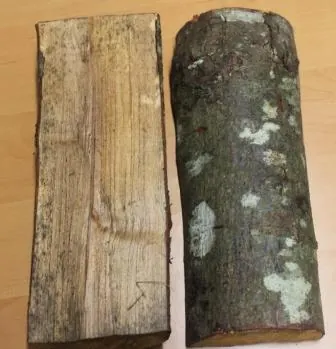
Before the clog, a piece of alder

Alder log T13
Alder log T13
ⓘ

Alder log T13

Source: Museu das Terras de Basto

View source

Photograph date not stated.

Individual photographer and reuse licence not stated by the source.

Request removal or correct the photo credit

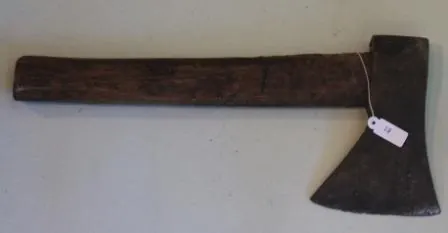
Hatchet T17
Hatchet T17
ⓘ

Hatchet T17

Source: Museu das Terras de Basto

View source

Photograph date not stated.

Individual photographer and reuse licence not stated by the source.

Request removal or correct the photo credit

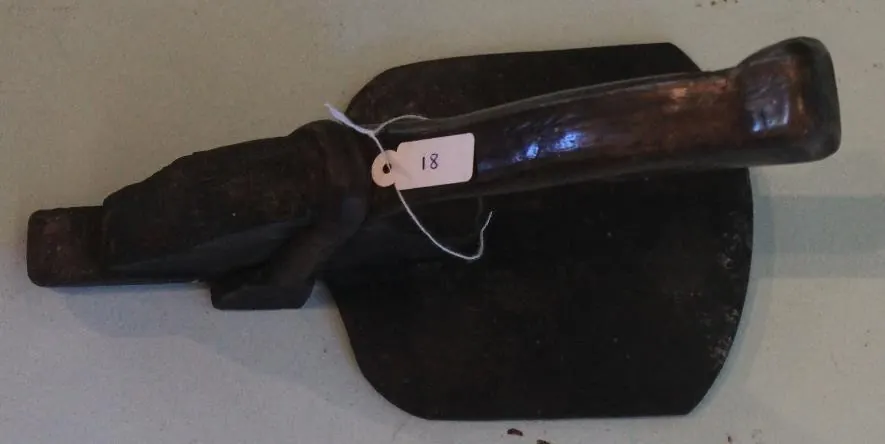
Adze T18
Adze T18
ⓘ

Adze T18

Source: Museu das Terras de Basto

View source

Photograph date not stated.

Individual photographer and reuse licence not stated by the source.

Request removal or correct the photo credit

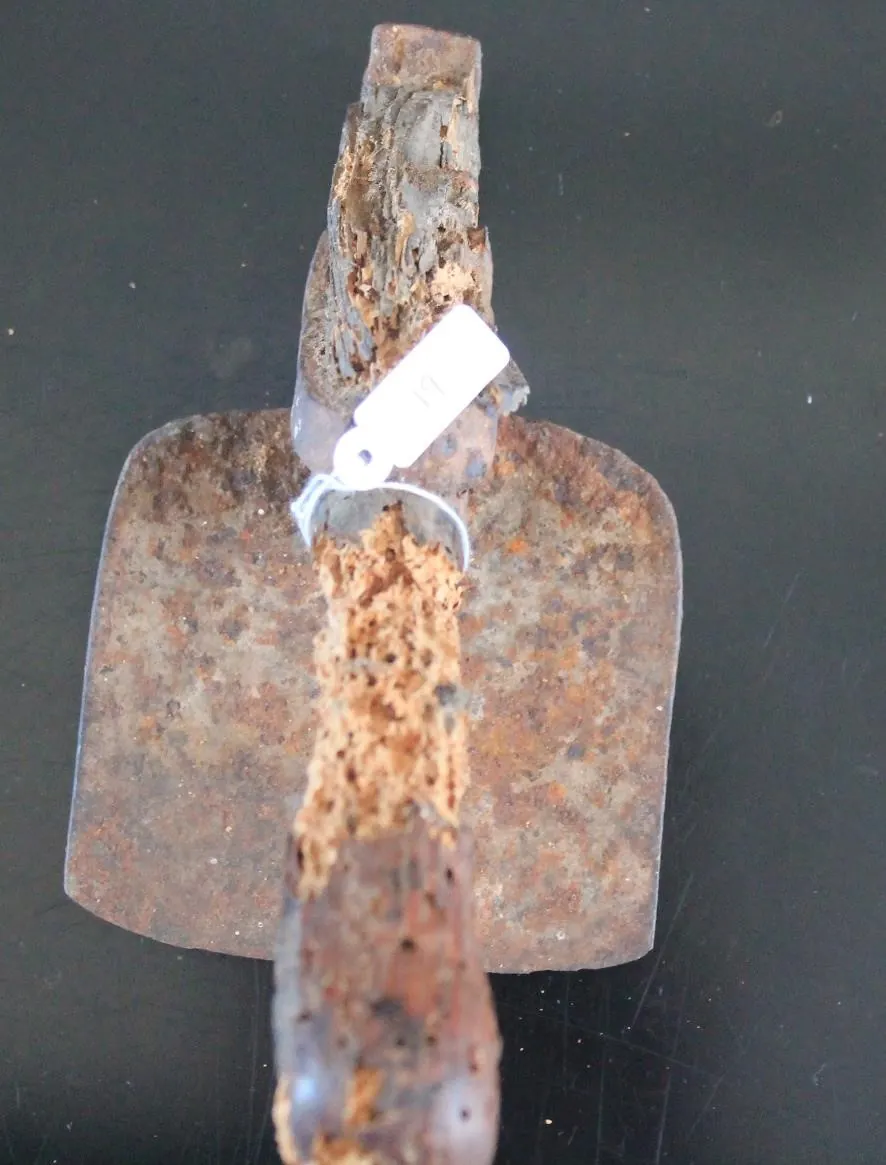
Adze T19
Adze T19
ⓘ

Adze T19

Source: Museu das Terras de Basto

View source

Photograph date not stated.

Individual photographer and reuse licence not stated by the source.

Request removal or correct the photo credit

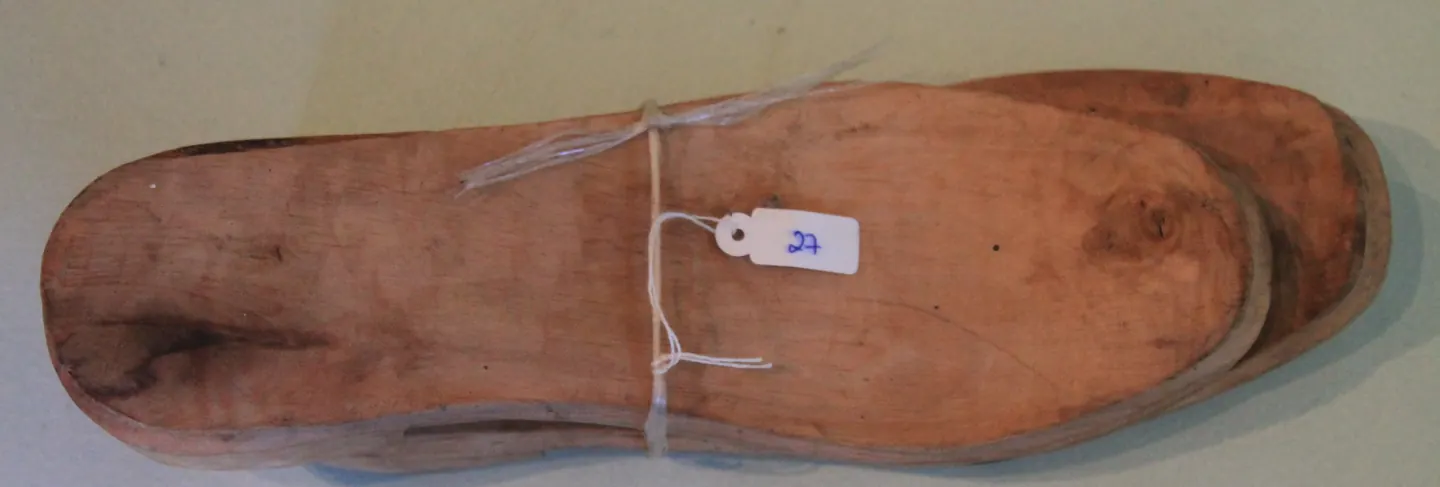
Wooden clog soles T27
ⓘ

Wooden clog soles T27

Source: Museu das Terras de Basto

View source

Photograph date not stated.

Individual photographer and reuse licence not stated by the source.

Request removal or correct the photo credit

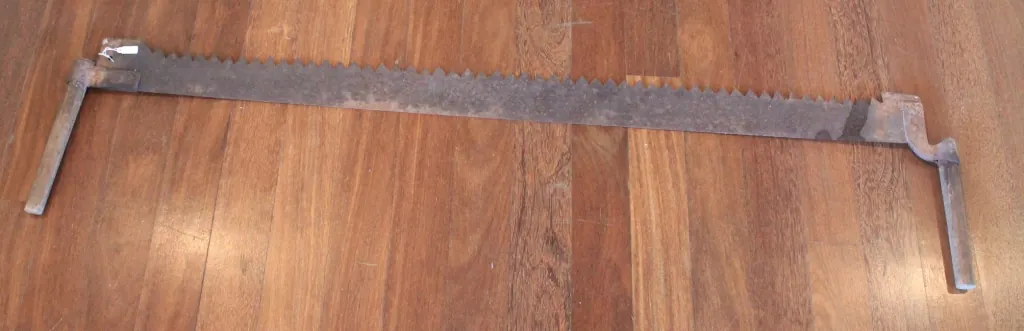
Saw T31
Saw T31
ⓘ

Saw T31

Source: Museu das Terras de Basto

View source

Photograph date not stated.

Individual photographer and reuse licence not stated by the source.

Request removal or correct the photo credit

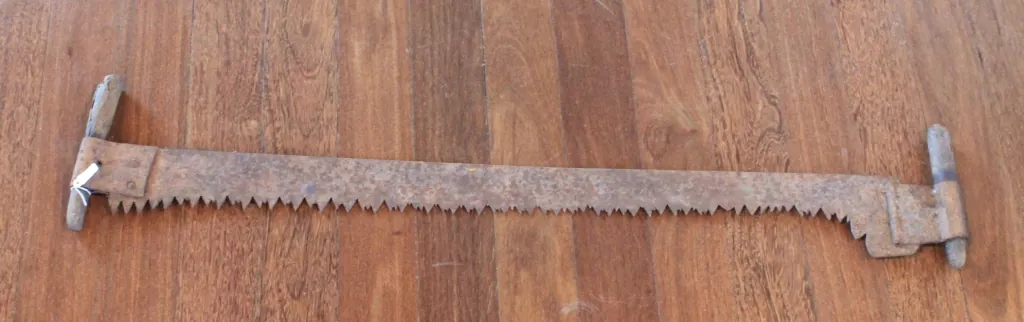
Saw T32
Saw T32
ⓘ

Saw T32

Source: Museu das Terras de Basto

View source

Photograph date not stated.

Individual photographer and reuse licence not stated by the source.

Request removal or correct the photo credit

Choosing the wood was part of the work.

In the Museum’s inventory, an alder log from Pinhel is raw material for clog soles. The axe split the wood, the adze shaped it and the chisel prepared the edge where leather was nailed. A last used by Manuel Alves Leite connects the objects with the family history of clog making.

Work continued with other tools: pincers pulled the leather onto the wood and an awl opened holes for nails. Each object preserves a particular gesture. The inventory lets us follow these operations without indicating a workshop currently open to visitors.

Getting to know the parish
Source and context

Land Museum of Basto / Teresa Soeiro — In the country of Tamanco, introduction and inventory T10/T13/T16–T19

Accessed: . Editorial summary; the date of consultation is not the date of the facts.

Back to index ↑
Outeiro · memory of wooden footwear

Carolinas: a name to wear

A board and a strong strap could make the simplest model.

In the 2017 study, Teresa Soeiro describes the carolinas made by Outeiro’s clog makers or their apprentices. A cut wooden board followed the foot’s shape, held in place by a strip of reused leather or another durable material. This was the cheapest model. The same book shows that names varied: in Penafiel, carolinas meant a different kind of footwear.

Source and context

Teresa Soeiro — Soqueiros e Tamanqueiros, municipal edition of 2017, p. 96 (viewer page 98)

Accessed: . Editorial summary; the date of consultation is not the date of the facts.

Back to index ↑
Outeiro · footwear uses in the Museum inventory

From the fair to work in the fields

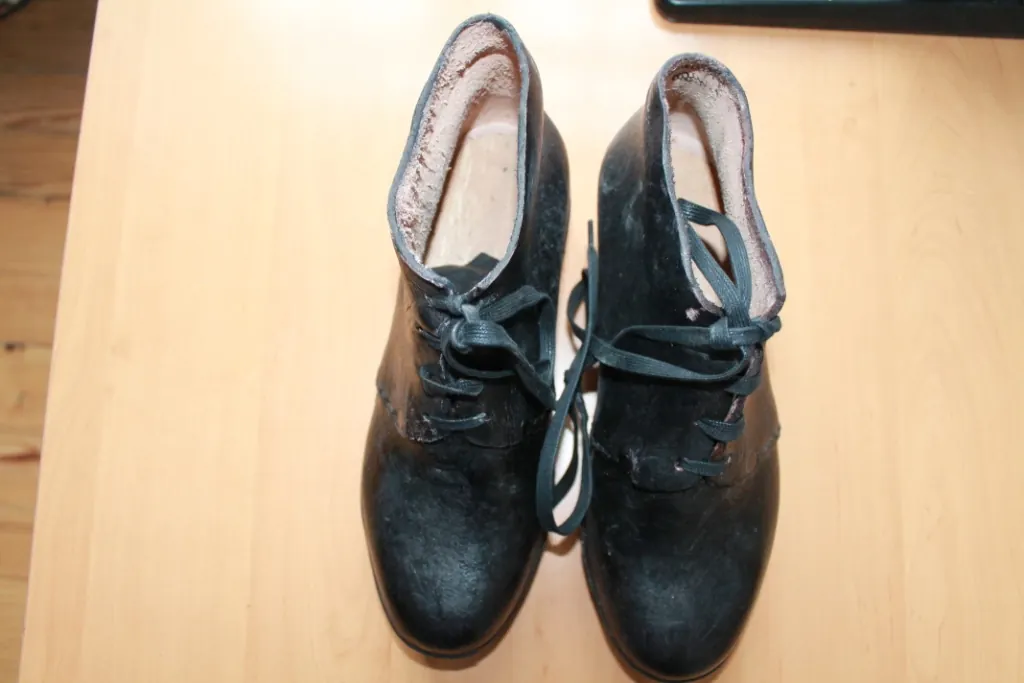
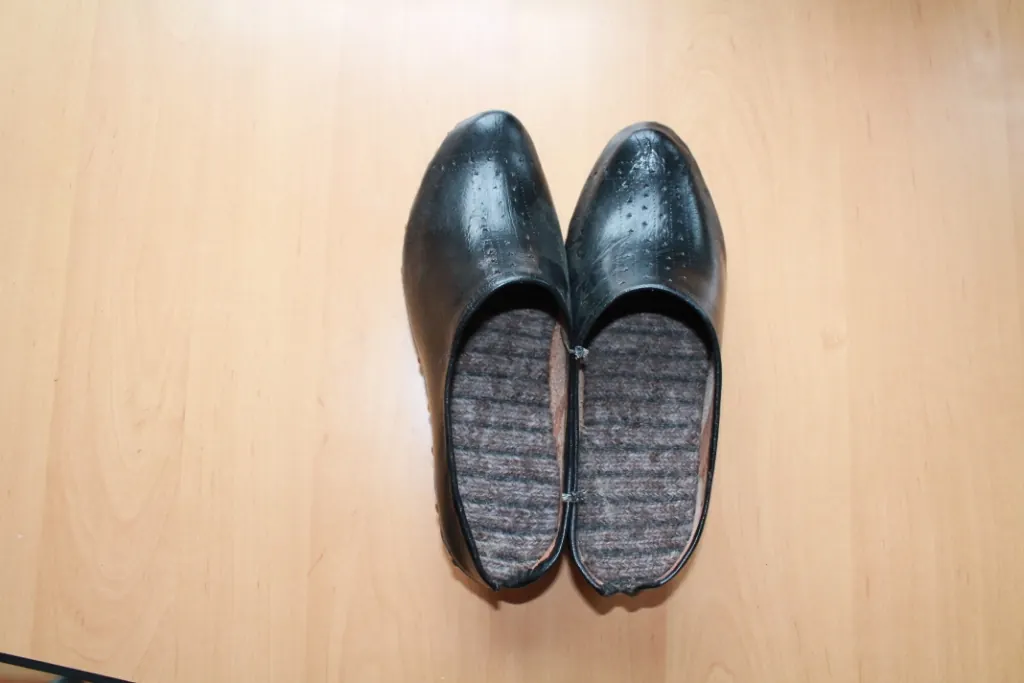
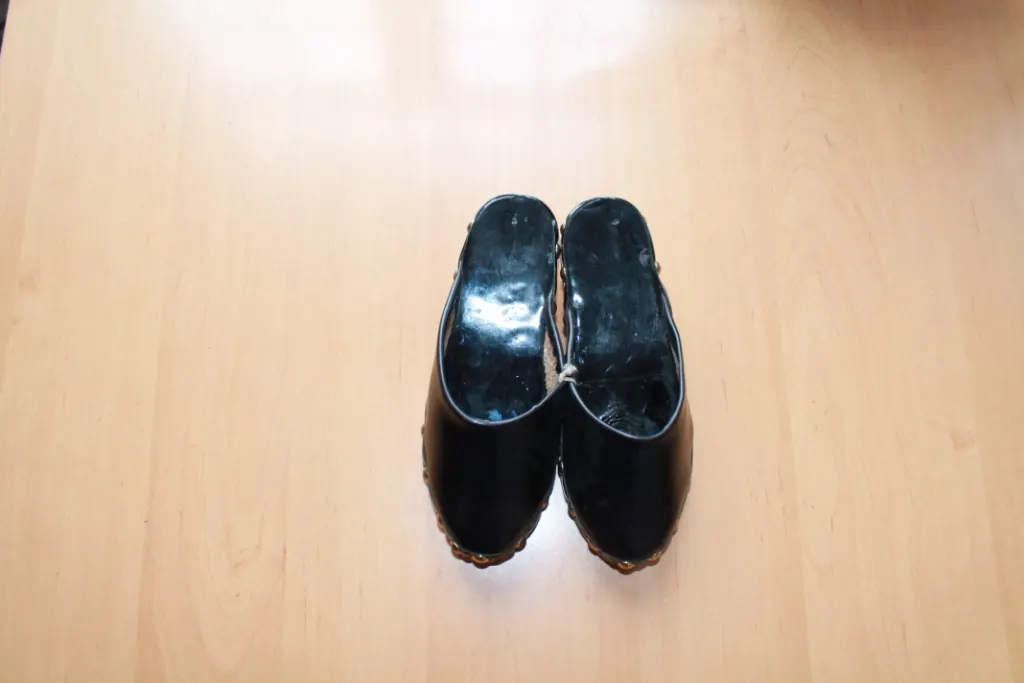
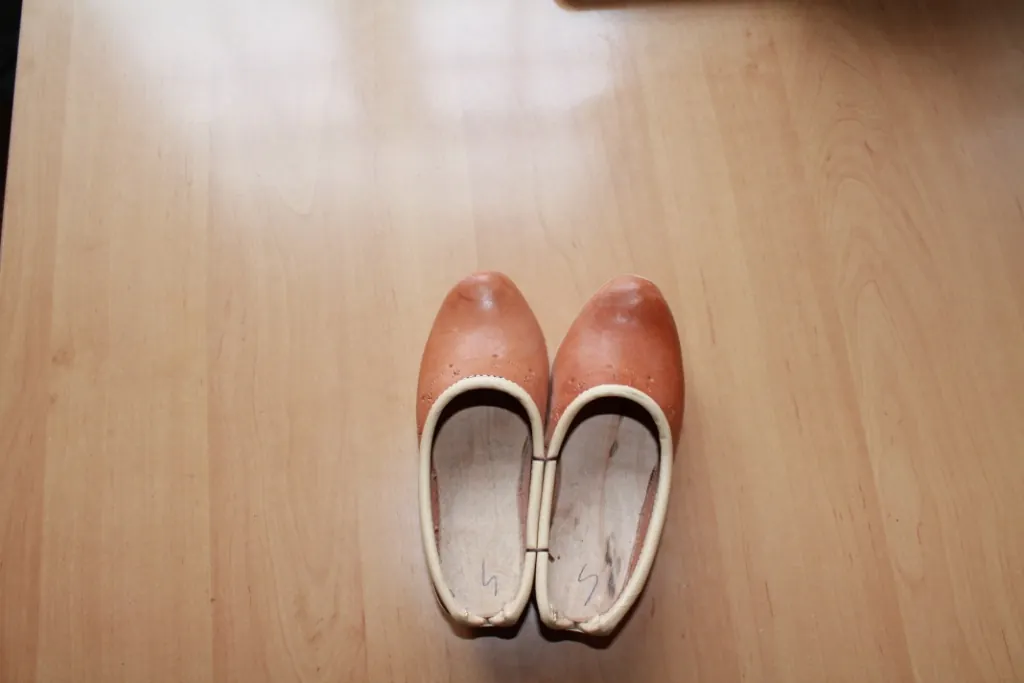
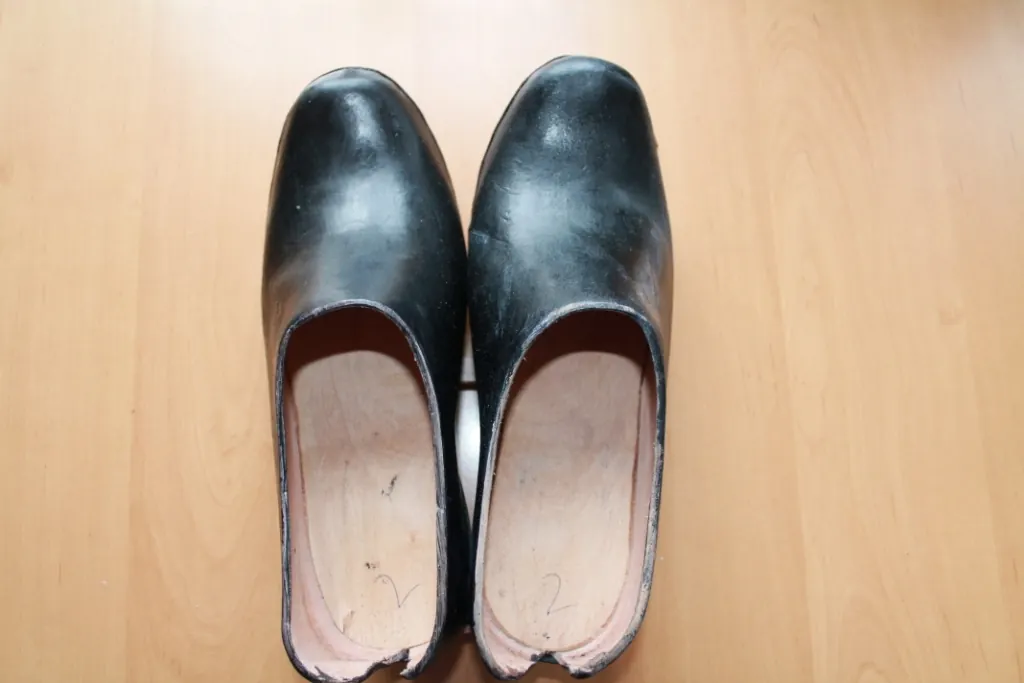
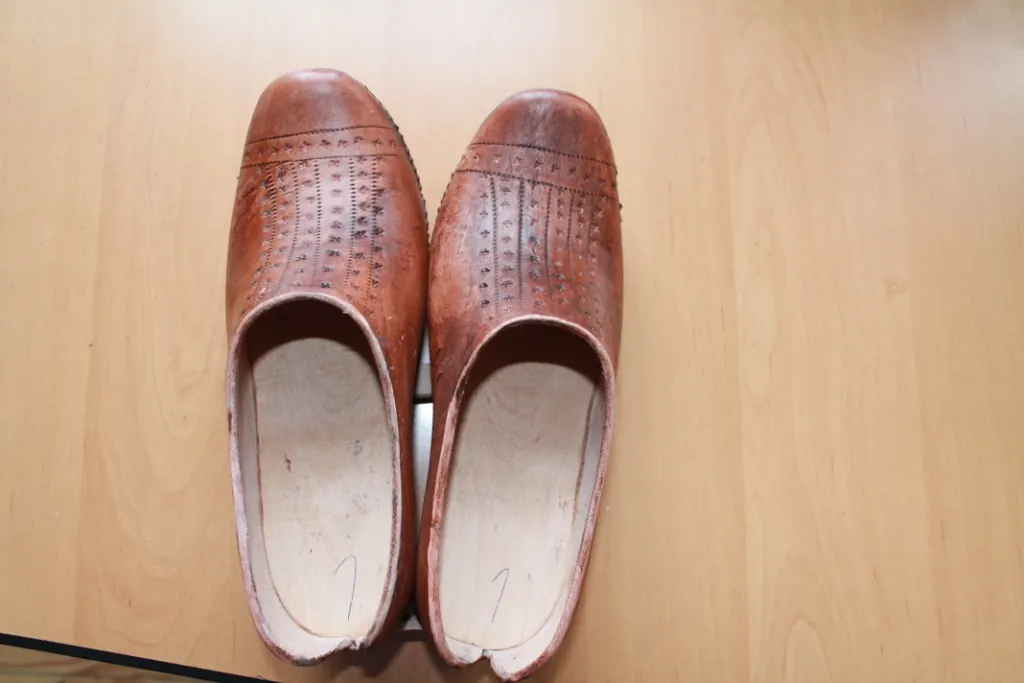
Women’s clogs MTB 449
ⓘ

Women’s clogs MTB 449

Source: Museu das Terras de Basto

View source

Photograph date not stated.

Individual photographer and reuse licence not stated by the source.

Request removal or correct the photo credit

Men’s clogs MTB 450
Men’s clogs MTB 450
ⓘ

Men’s clogs MTB 450

Source: Museu das Terras de Basto

View source

Photograph date not stated.

Individual photographer and reuse licence not stated by the source.

Request removal or correct the photo credit

Women’s clogs MTB 451
ⓘ

Women’s clogs MTB 451

Source: Museu das Terras de Basto

View source

Photograph date not stated.

Individual photographer and reuse licence not stated by the source.

Request removal or correct the photo credit

Children’s clogs MTB 452
ⓘ

Children’s clogs MTB 452

Source: Museu das Terras de Basto

View source

Photograph date not stated.

Individual photographer and reuse licence not stated by the source.

Request removal or correct the photo credit

Children’s clogs MTB 453
ⓘ

Children’s clogs MTB 453

Source: Museu das Terras de Basto

View source

Photograph date not stated.

Individual photographer and reuse licence not stated by the source.

Request removal or correct the photo credit

Men’s clogs MTB 454
Men’s clogs MTB 454
ⓘ

Men’s clogs MTB 454

Source: Museu das Terras de Basto

View source

Photograph date not stated.

Individual photographer and reuse licence not stated by the source.

Request removal or correct the photo credit

Men’s clogs MTB 455
Men’s clogs MTB 455
ⓘ

Men’s clogs MTB 455

Source: Museu das Terras de Basto

View source

Photograph date not stated.

Individual photographer and reuse licence not stated by the source.

Request removal or correct the photo credit

A pair of chancas could follow different moments of life.

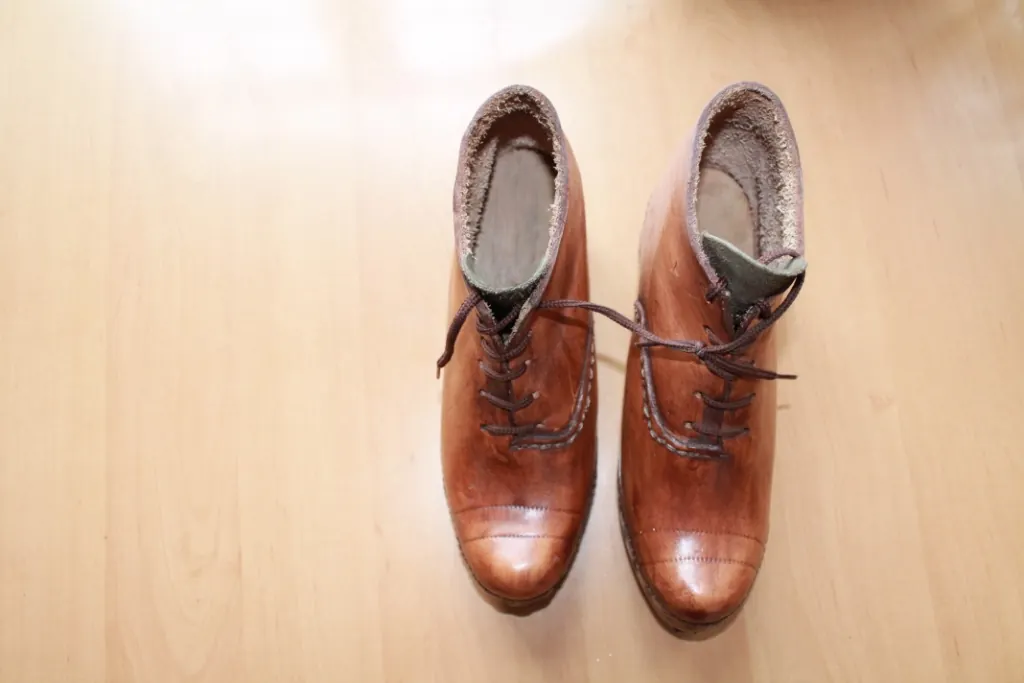
The pair of women’s chancas MTB 449 was made by José Alves Leite and acquired by the Museu das Terras de Basto. Wood, leather, rubber, tacks and cord make up the piece, which measures 26 centimetres long and 15.5 high.

The record associates this footwear with fairs and Sundays. Once more worn, it moved to farm work: wear could change the occasion of use without ending the object’s life. This is a documented description, not a rule for every family.

The collection also includes men’s chancas MTB 450, likewise made by José Alves Leite and acquired by the Museum. The record again mentions more worn footwear moving to the fields. Comparing the pieces lets us follow documented materials and uses without reducing all clog making to a single model.

Pair MTB 450 measures 28 centimetres long, 16 high and 9.5 wide. For MTB 449, the recorded width is 7.5 centimetres. The differences describe these two museum pieces, not a size chart for all socos or chancas. The inventory number keeps each set of dimensions connected with the right object.

From materials to paths

Open an option and choose the story.

  1. Wood and tools

    The inventory allows relating the base material to gestures and working instruments.

    Before the punch, a piece of alder →
  2. Bring shoes to the fair

    The accumulated production continued to São Miguel, where dealers also participated.

    Two ox cars full of shoes →
  3. Go to the pilgrimage with the punches in your hand

    A report of 1886 describes romeiros carrying the shoes in their hand along the way.

    To Rome, with the punches in hand →
Follows the footwear between manufacture, use and circulation.
Source and context

Basto Land Museum — In the country of Tamanco, women's Chancas MTB 449

Accessed: . Editorial summary; the date of consultation is not the date of the facts.

Back to index ↑
Outeiro and Refojos · trade in the mid-20th century

Two ox carts full of footwear

The São Miguel fair began months earlier in the workshop.

Teresa Soeiro reports that, in the mid-20th century, Outeiro’s clog makers sometimes took two ox carts loaded with socos and chancas to the São Miguel fair in Refojos. They built up production over months and kept the goods in wooden stalls by candlelight. The fair brought craftspeople and resellers together: the footwear then travelled on to other customers.

Source and context

Teresa Soeiro — Soqueiros e Tamanqueiros, municipal edition of 2017, p. 96 (viewer page 98)

Accessed: . Editorial summary; the date of consultation is not the date of the facts.

Back to index ↑
Outeiro’s heritage · account published in 2012

A medieval image found in the earth

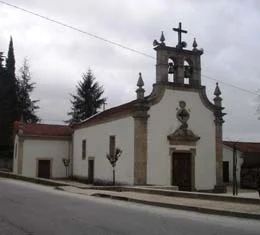
Archive photograph: Igreja de Santa Maria Maior de Outeiro.
Outside the church of Santa Maria Major of Outeiro, in the municipal inventory. The medieval sculpture described in the text is not visible in this image.ⓘ

Wood can preserve centuries of memory.

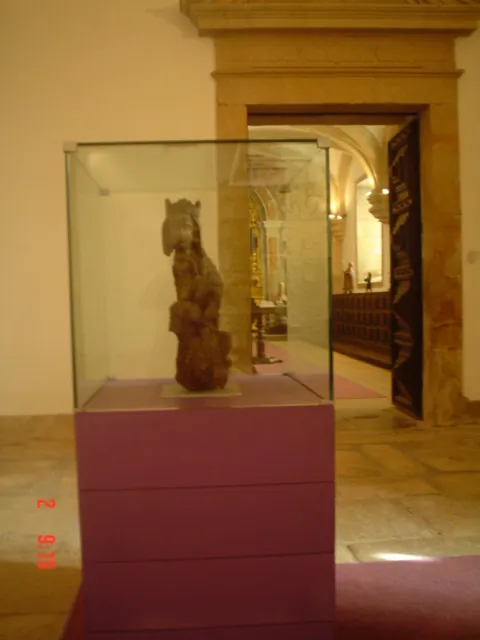
A 2012 municipal report highlights a sculpture of Santa Maria belonging to Outeiro’s church, dated to the 13th or 14th century. The Virgin appears crowned, seated on a throne with the Child on her knees. The account says the piece was found buried at the place known as Mata da Santa and taken to the church by parishioners. The report does not date the discovery. This story traces the image’s journey without confirming where it is currently displayed.

THE OBJECT’S DATE IS NOT THE NEWS DATE

Open three moments and compare what is known about each.

  1. 13th or 14th century · the sculpture

    This is the period assigned to the image of Saint Mary in the municipal announcement.

  2. Date not given · the discovery

    The account says it was found buried in Mata da Santa and taken to the church. It does not give the year.

  3. 2012 · the exhibition announcement

    The announcement of 9 October presents twelve sculptures in a temporary exhibition in Refojos.

    Discover the group’s story →
Sequence based on the 2012 municipal announcement, without confirming the object’s current location or display.
See Fact sheet: Igreja de Santa Maria Maior de Outeiro
Source and context

Municipality — Parish of Outeiro exposes acquis No Núcleo de Arte Sacra, 09/10/2012

Accessed: . Editorial summary; the date of consultation is not the date of the facts.

Back to index ↑
Outeiro and Refojos · 2012 initiative

When sculptures left the church

An object from Outeiro parish’s collection presented at the Sacred Art Museum.
ⓘ

An object from Outeiro parish’s collection presented at the Sacred Art Museum.

Source: Municipality of Cabeceiras de Basto

View source

Photograph date not stated.

Individual photographer and reuse licence not stated by the source.

Request removal or correct the photo credit

Building work can open a discovery.

Building work at the church created an opportunity to discover its sculptures. In October 2012, the municipality announced the deposit and temporary exhibition of twelve pieces from Outeiro at the Núcleo de Arte Sacra, housed in Refojos’s former sacristy. They represented the Virgin and other saints, from the medieval period to the 20th century. The partnership between parish and municipality brought objects from different periods together with a practical need for safekeeping while work was being prepared. The report documents that initiative, not a current exhibition.

The reason for moving them was specific: the church was preparing for refurbishment and extension. According to the report, parish priest Francisco Marcelino Esteves decided to deposit the images at the museum. Bringing the pieces into an exhibition space therefore followed a decision about temporary custody connected with their original building.

Among the twelve sculptures, the medieval image of Santa Maria received particular attention. The report describes wood worn by time and recalls the parishioners who had brought it to the church. The collection’s story involves more than makers and dates: it includes those who found, kept, moved and shared the pieces.

The October 2012 document also announced an intention to develop similar partnerships with other parishes. That intention helps us understand the museum’s project at the time; it does not show that all those collaborations took place.

One play, several contexts

Open an option and choose the story.

  1. The medieval sculpture of Santa MariaA medieval image found on earth →
  2. The space of the ancient sacristyWood inside, shine on the outside →
  3. What else did you let out?What the frame hid →
Compares the place of origin, the movement of a collection and the context of exposure. Stories keep their dates.
See Fact sheet: Núcleo de Arte Sacra See Fact sheet: Igreja de Santa Maria Maior de Outeiro
Source and context

Municipality — Parish of Outeiro exposes acquis No Núcleo de Arte Sacra, 09/10/2012

Accessed: . Editorial summary; the date of consultation is not the date of the facts.

Back to index ↑
Outeiro · festive traditions

Three names in a devotional calendar

Archive photograph: Igreja de Santa Maria Maior de Outeiro.
Church of Outeiro, heritage of the parish. The photograph does not document a pilgrimage.ⓘ

Pilgrimages offer another way to know Outeiro.

The municipal introduction to Outeiro highlights Santa Maria, Senhora da Livração and Senhor do Livramento among its pilgrimages. These names add a community dimension to a parish known for basketry and clog making. The source describes traditions but gives no dated programme here: this reading does not announce celebrations or their times.

Places, objects and encounters

Open an option and choose the story.

  1. The image of Santa Maria

    A report from 2012 describes the sculpture and the route told for its discovery.

    A medieval image found on earth →
  2. Special-day footwear

    The record of a couple of Chancas associates it to the fair and Sundays, before use in the field.

    From fair to work in the field →
  3. Another form of encounter

    The sports community adds a dimension to the local memory.

    Outeiro and football →
Readings maintain the date and scope of the source; they are not an event agenda.
Source and context

Municipality — Parish of Outeiro: pilgrimages and crafts

Accessed: . Editorial summary; the date of consultation is not the date of the facts.

Back to index ↑
Community associations · Outeiro

Outeiro and football

Sport is part of local memory too.

The municipal introduction gives 1980 as the founding year of the Associação Desportiva e Cultural de Outeiro, links it to football and identifies Pinhel. This is a starting point for discovering community associations; the directory does not confirm a current activity programme here.

In the same directory, the São Nicolau association is also listed as founded in 1980, while São Sebastião de Passos appears in 1985. Comparing these entries connects football history with neighbouring communities. The dates refer to each association, not to the first match played in each parish.

Pinhel connects this reading with another Outeiro story: it is also the birthplace of clog maker Manuel Alves Leite. Different activities and periods share the same territory, which can be explored through both crafts and sporting encounters.

Getting to know the parish
Source and context

Municipality — sports associations
Accessed:

Teresa Soeiro — Soqueiros and Tamanqueiros, municipal edition of 2017, chapter The tamanqueiros of Outeiro, p. 68
Accessed:

Editorial summary; the date of consultation is not the date of the facts.

Back to index ↑
YOUR LOCAL GUIDE

What would you like to discover?

Take a closer look.