Two graves, one direction
ⓘ
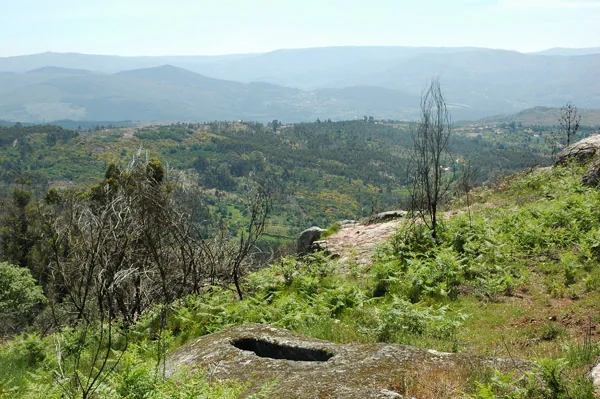
Campas dos Mouros rock-cut graves in Cambezes.
Source: Carta Arqueológica de Cabeceiras de Basto
Photograph date not stated.
Autoria da fotografia e licença de reutilização não identificadas na fonte.
ⓘ
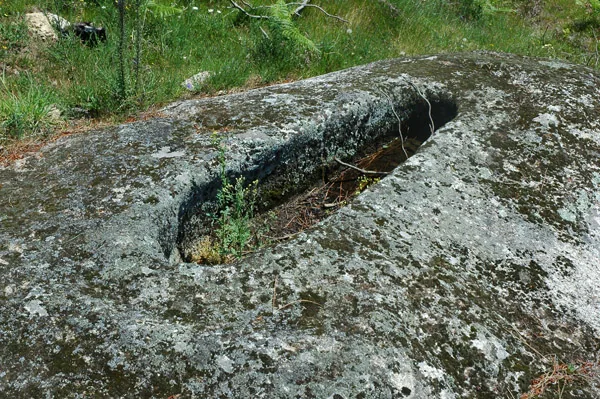
Campas dos Mouros rock-cut graves in Cambezes.
Source: Carta Arqueológica de Cabeceiras de Basto
Photograph date not stated.
Autoria da fotografia e licença de reutilização não identificadas na fonte.
In Rio Douro, orientation helps interpret the past.
Text size
Your choice is saved only in this browser.
At Campas de Moira, the municipality describes two graves aligned east to west. It places them within north-western Christian funerary practices and offers a broad chronology between the 9th and 13th centuries. The place name and the interpretation of the remains are different clues worth reading together.
The record uses the term inhumation: burying the body. The east–west alignment and overall form are elements of the proposed interpretation, while the 9th to 13th centuries define a span of several centuries, not an exact date.
Comparing these graves with Asnela’s burial mounds helps avoid reading everything old in the same way. Both are funerary evidence, but the inventory proposes different periods and structure types. A site’s name does not replace analysis of its remains.
Explore further: words and activities
Explore this story
Source and context
Municipality — archaeological inventory, interpretations and chronologies
Accessed:
Carta Arqueológica de Cabeceiras de Basto — 15.10
Accessed:
Editorial summary; the date of consultation is not the date of the facts.