Heritage
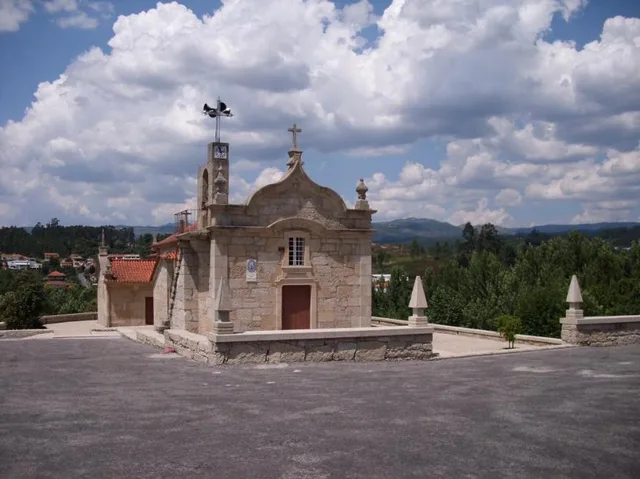
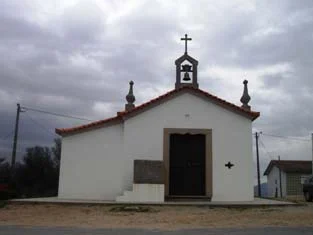
ⓘCapela da Senhora do Amparo da Faia
Olive-tree roots shaped this Faia chapel’s new altar and lectern, in a renovation reported in 2025.
FaiaVines, cherries and crafts involving wood and footwear belong to Faia’s history.
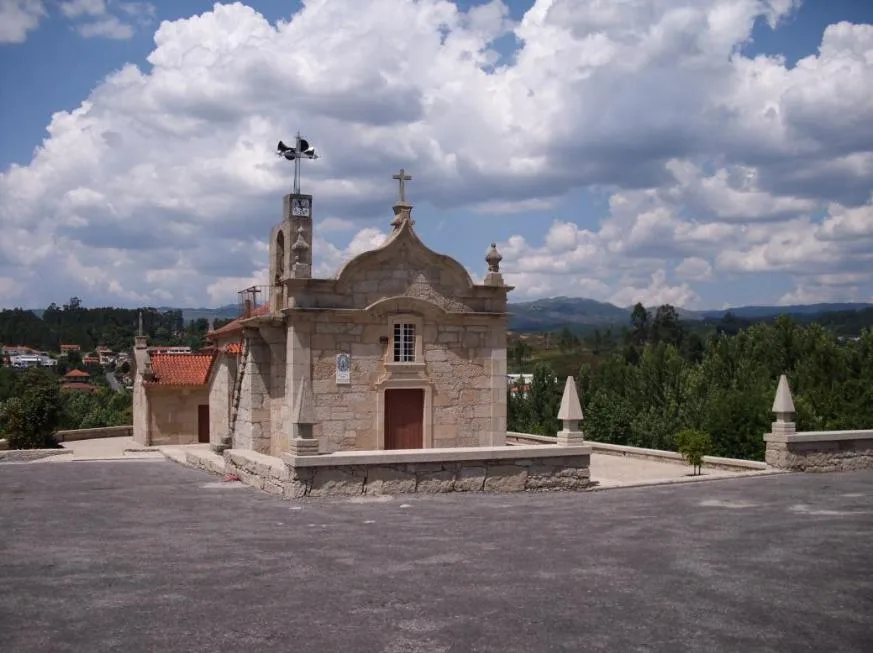
Exterior view: Igreja de São Tiago da Faia.
ⓘSwipe to see more places →
Olive-tree roots shaped this Faia chapel’s new altar and lectern, in a renovation reported in 2025.
FaiaRecovered paintings, three restored altars and stained glass dedicated to Saint James: Faia’s parish church gained new life in 2022.
FaiaVines, cherries and crafts involving wood and footwear belong to Faia’s history. Between São Tiago’s parish church, Senhora do Amparo and the houses of Tojeira and Ribeira Grande, there is heritage to discover in the south of the municipality.
In the south of the municipality, Faia brings Cabeceiras de Basto closer to Arco de Baúlhe and the connection to Celorico de Basto. Houses and fields follow the transport routes. It is a landscape of neighbours and paths, where settlement and agricultural work help define the territory.
Vines, cherry growing, cooperage and handmade footwear are activities mentioned in the municipal description. São Tiago’s church, the Senhora do Amparo chapel and Casa da Tojeira offer ways to discover religious and manor-house architecture. In 2022, the parish church reopened after restoration of paintings, religious images and altars. At Senhora do Amparo, a renovation reported in 2025 brought an altar and ambo made from olive-tree roots by Atelier Amadeus. A house’s inclusion in an itinerary does not mean its interior is open to visitors.
In 1758, the abbot identifies São Tiago da Faia within Cabeceiras de Basto’s jurisdiction and municipality, describing its position on a north-facing slope. It is a historical view of the relationship between church, terrain and neighbouring lands. The household and people counts in that document cannot be compared directly with the 2021 Census residents shown on this page.
Faia’s 1758 account lists Senhora do Amparo on a hill, Santo António da Covilhã, Santo António da Ribeira and Nossa Senhora da Piedade. It distinguishes chapels attached to houses and one belonging to the residents. This distribution allows devotion beyond São Tiago’s parish church and relationships between home and worship to be studied. The old list alone does not establish each building’s current condition or accessibility.
The same source describes the gathering of leeches in a stream beside the church on Saint James’ day, a practice then associated with curing illness. The episode is presented here as heritage of beliefs and the history of care, without validating any therapeutic effect. Alongside those memories, the houses of Tojeira and Ribeira Grande and crafts connected with wine reveal other aspects of the parish.
Faia · Tojeira · Ribeira Grande
Discover the municipality’s history
A selection of places in the parish, with room to grow.
Main source consulted in 04/11/2026.
Publication at that source: Unidentified. Registered documentary verification: 2026-11-05.
Method recorded in that review: Documental review in 04/11/2026 of the municipal pages, historical transcripts and references indicated. Unglued manuscripts. Archivistic descriptions, studies of oral tradition and dated observations are identified. Visually revised photographs from the Commons archive consulted in 03/11/2026; camera position does not equal object survey. Photo revised in 04/11/2026: position of capture/cross observation with CAOP2025; subject, author, date and individual license identified. No face-to-face confirmation. Online documentary review in 05/11/2026 of the municipal and diocesan sources indicated. Dates of publication of news other than the original date of the buildings; no in-person visit or confirmation of schedules.
Editorial review: 2026-11-06. The editorial review is neither a visit to the site nor a real-time update. Additional times and sources may have their own consultation dates, indicated in the form.
Found different information? Suggest correction
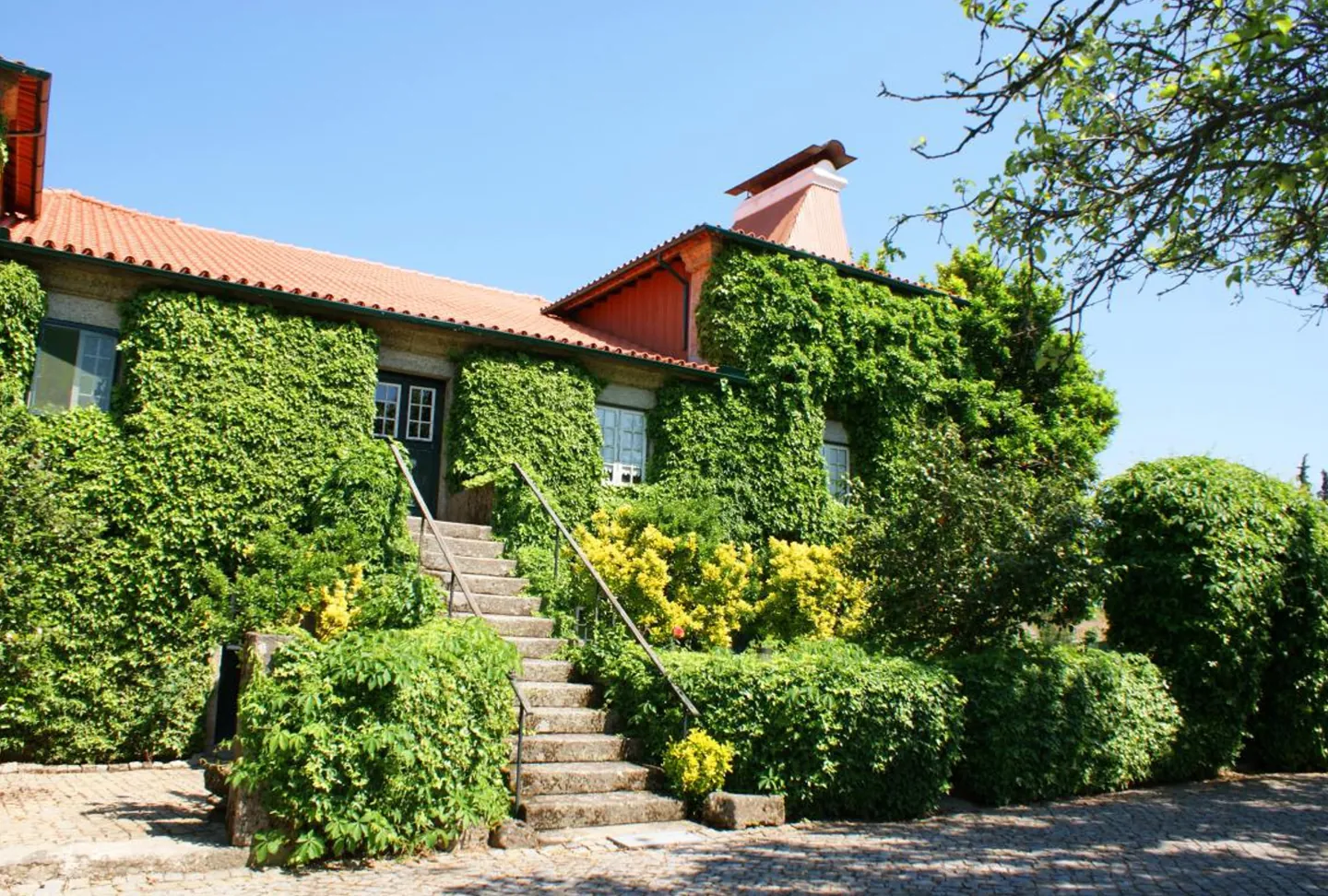
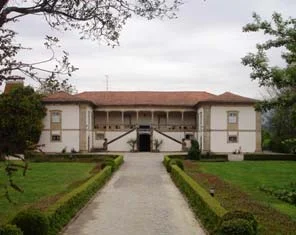
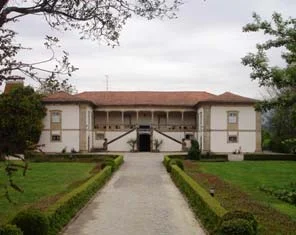
Staircase and vegetation-covered façade at Casa da Tojeira, in the property’s own gallery.
Photography: HNT HUGO OFFICCE (EXIF)
Photograph date not stated.
The original file’s Artist field states “HNT HUGO OFFICCE”; the individual identity is unconfirmed. Reuse licence and capture date are unidentified.
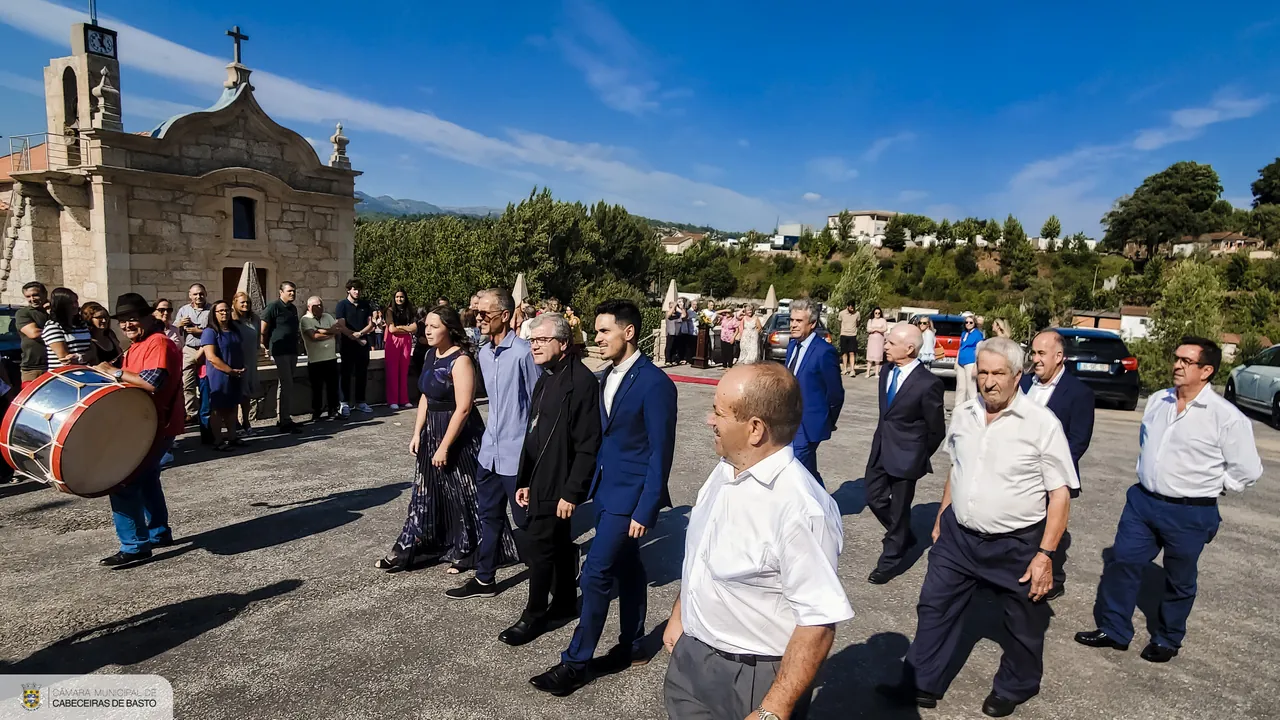
Church of São Tiago da Faia and its forecourt during the August 2022 reopening ceremony.
Source: Municipality of Cabeceiras de Basto
Photograph date not stated.
Autor e licença de reutilização não identificados na fonte.
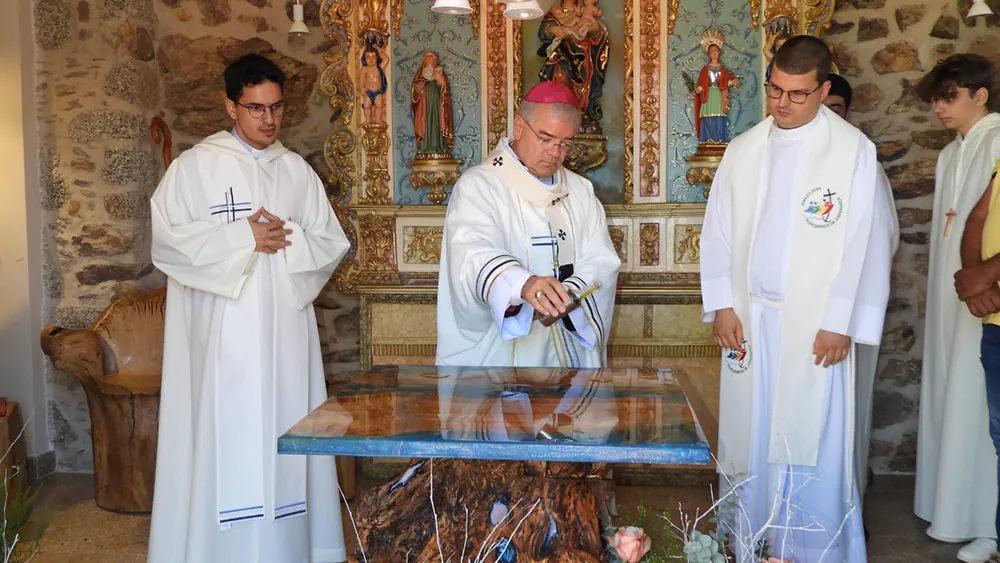
The altar of the Chapel of Nossa Senhora do Amparo during the celebration documented in October 2025.
Source: Arquidiocese de Braga
Photograph date not stated.
Autor e licença de reutilização não identificados na fonte.
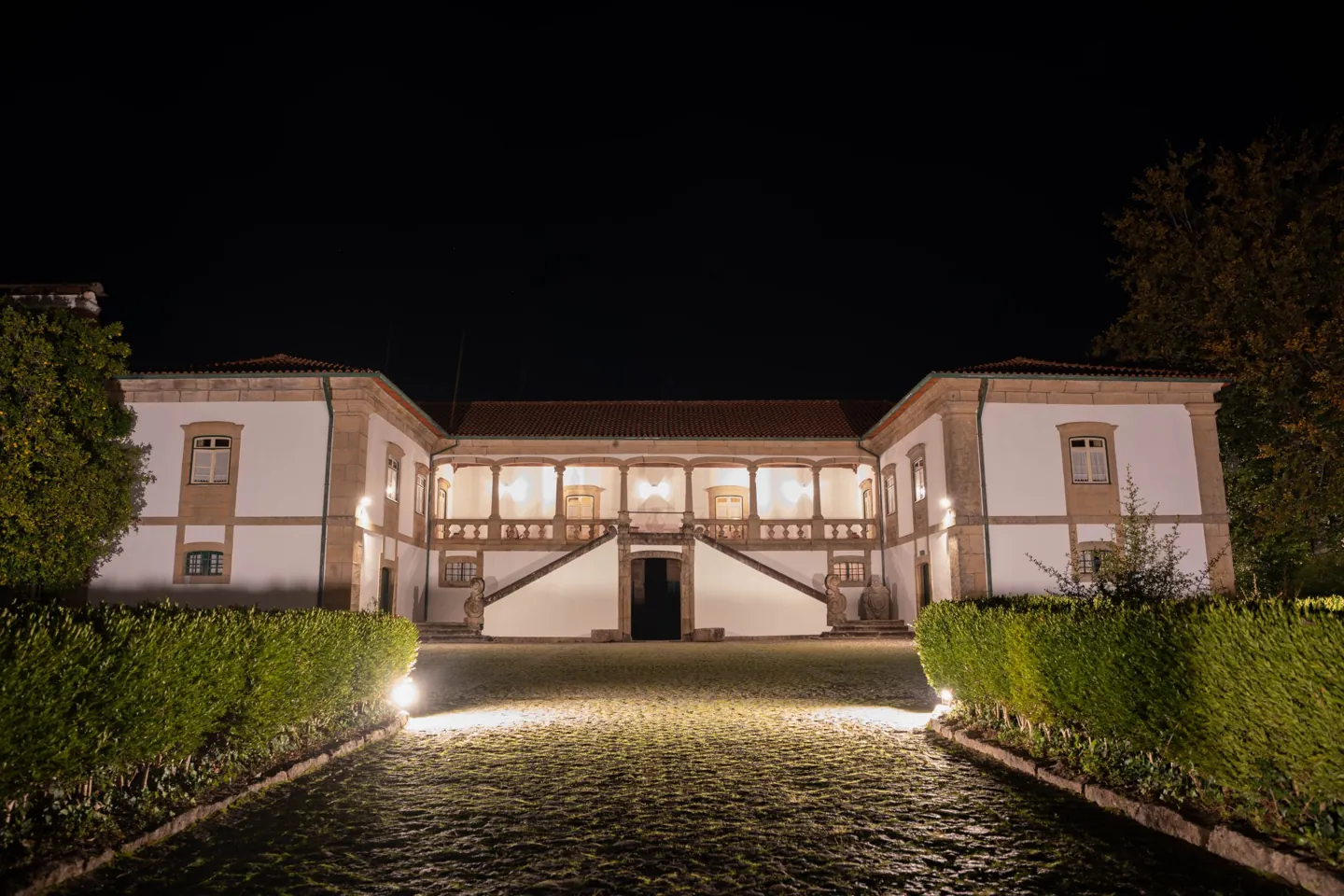
Façade and staircase of Casa da Tojeira lit at night, in the property’s own gallery.
Source: Casa da Tojeira
Photograph date not stated.
Individual authorship and reuse licence are unidentified in the gallery. The capture date is unidentified; the file path is not used as a date.
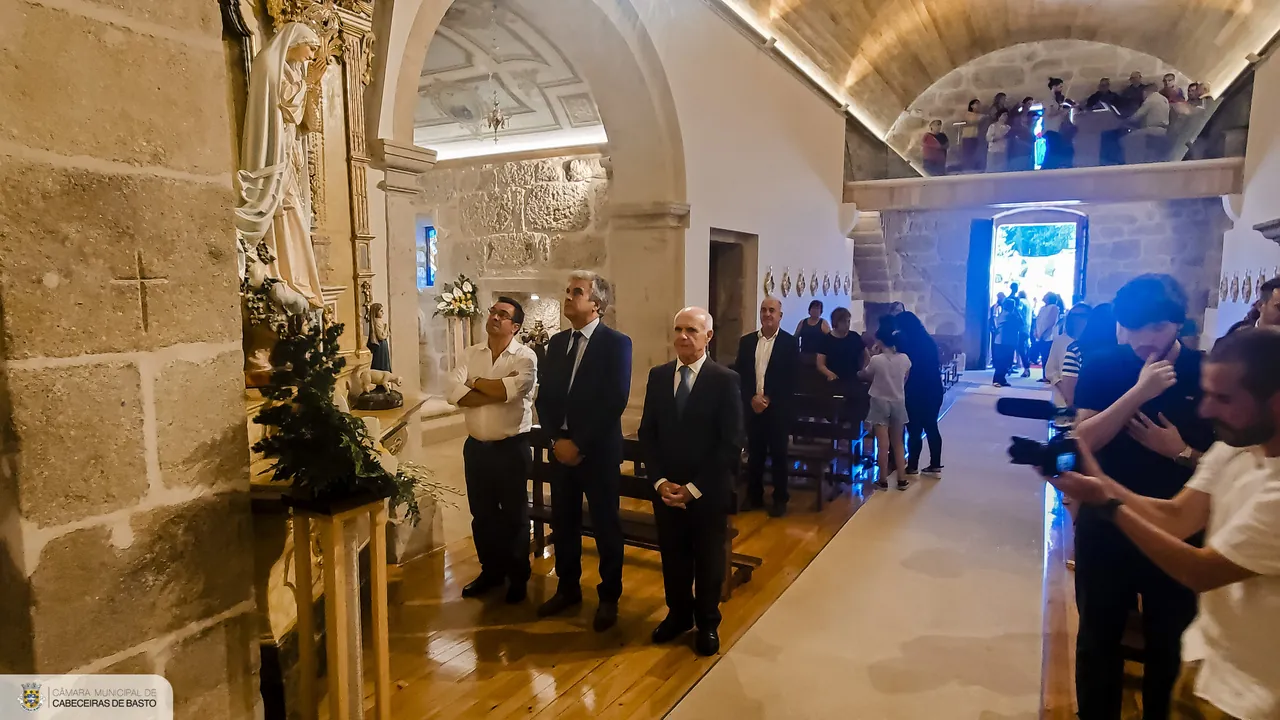
Entrance to the church of São Tiago da Faia during the ceremony documented in August 2022.
Source: Municipality of Cabeceiras de Basto
Photograph date not stated.
Autor e licença de reutilização não identificados na fonte.
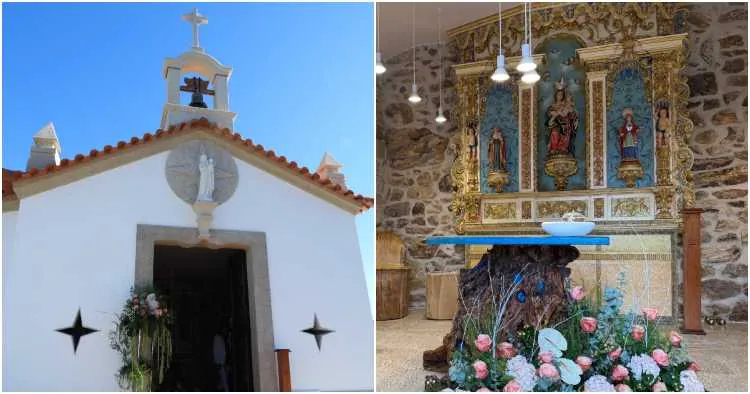
Collage of exterior and interior views of the Chapel of Nossa Senhora do Amparo, published in October 2025.
Source: Braga TV
Photograph date not stated.
Autor e licença de reutilização não identificados na fonte.
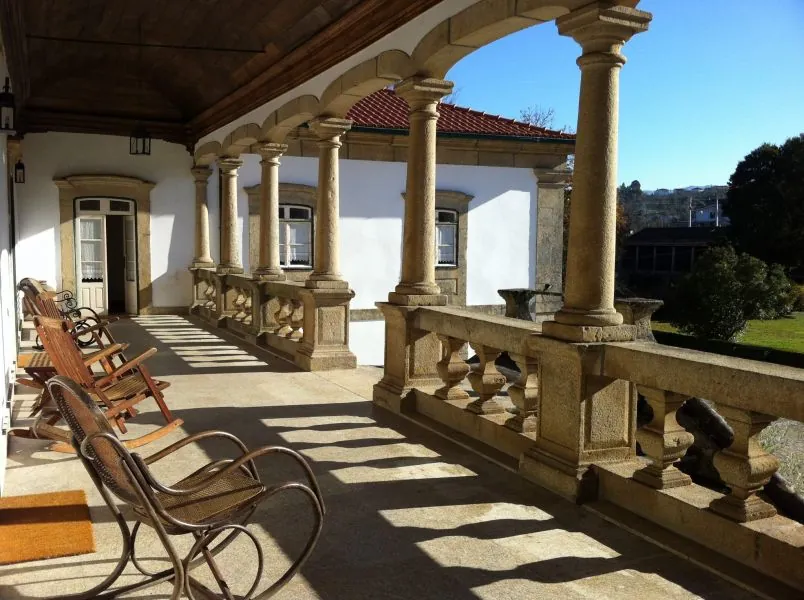
Balcony with stone columns and chairs at Casa da Tojeira, in the property’s own gallery.
Source: Casa da Tojeira
Photograph date not stated.
Individual authorship and reuse licence are unidentified in the gallery. The capture date is unidentified; the file path is not used as a date.
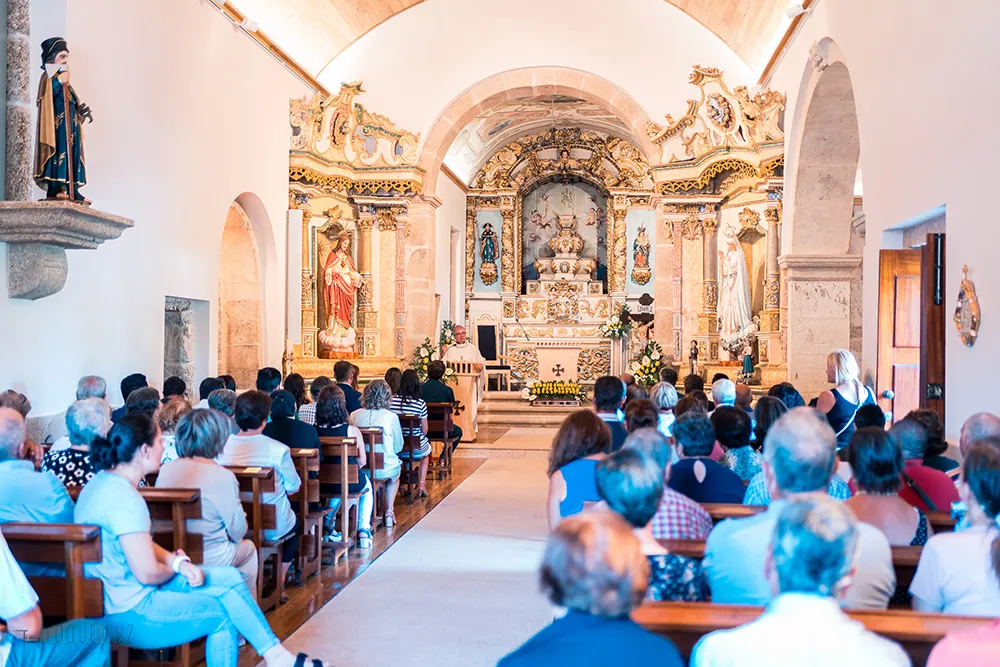
Interior of the church of São Tiago da Faia during the celebration documented by the Archdiocese in 2022.
Fotografia: DACS
Photograph date not stated.
Fotografia creditada como DACS na notícia da Arquidiocese; licença de reutilização não identificada.
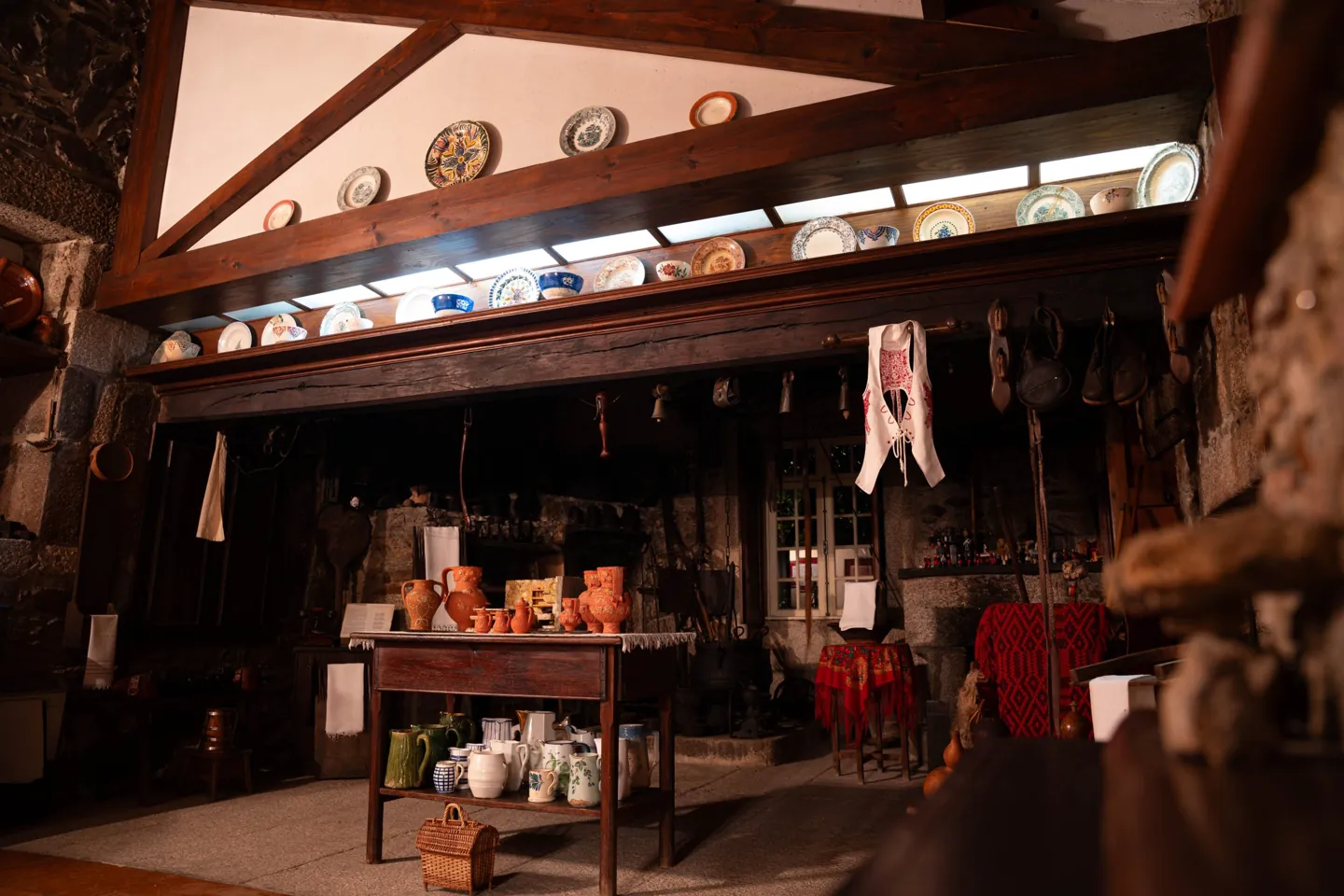
Exhibition interior with objects and stone walls at Casa da Tojeira, in the property’s own gallery.
Source: Casa da Tojeira
Photograph date not stated.
Individual authorship and reuse licence are unidentified in the gallery. The capture date is unidentified; the file path is not used as a date.
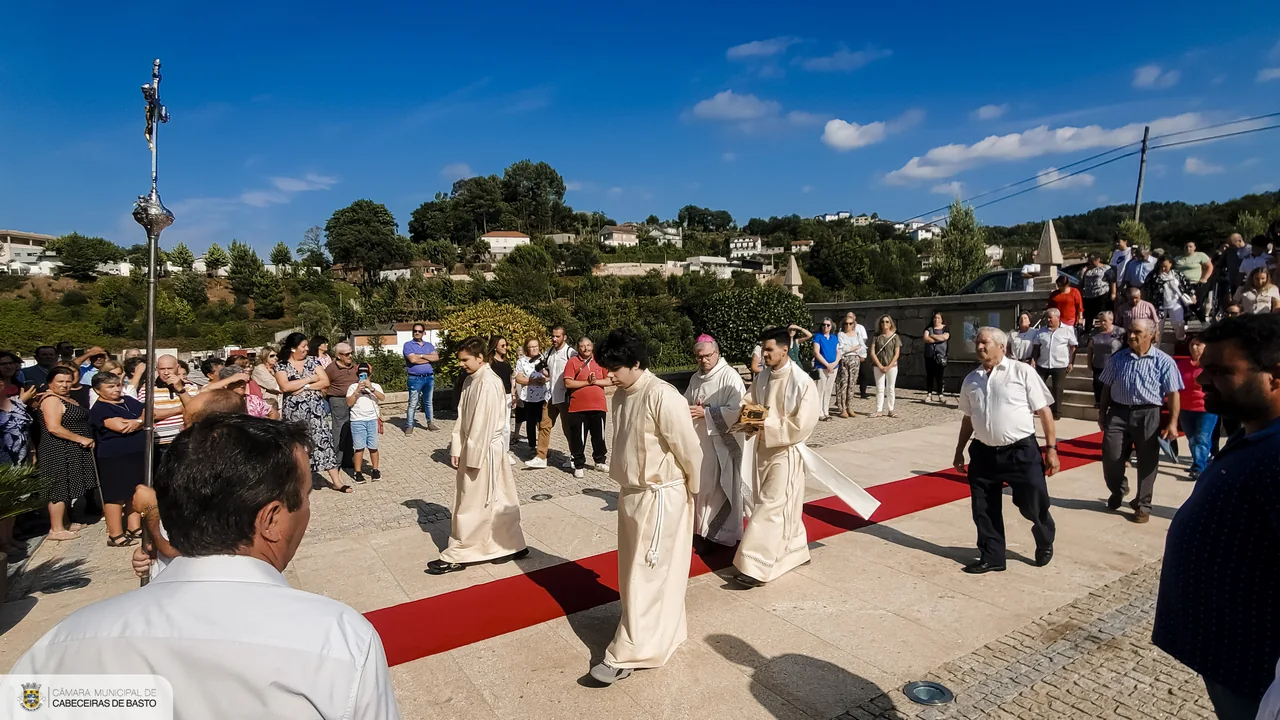
Reopening ceremony at the parish church of Faia on 14 August 2022.
Source: Municipality of Cabeceiras de Basto
Date given at source: .
Licença de reutilização não identificada; DR não identifica o fotógrafo. O crédito DACS é conservado quando indicado pela fonte.
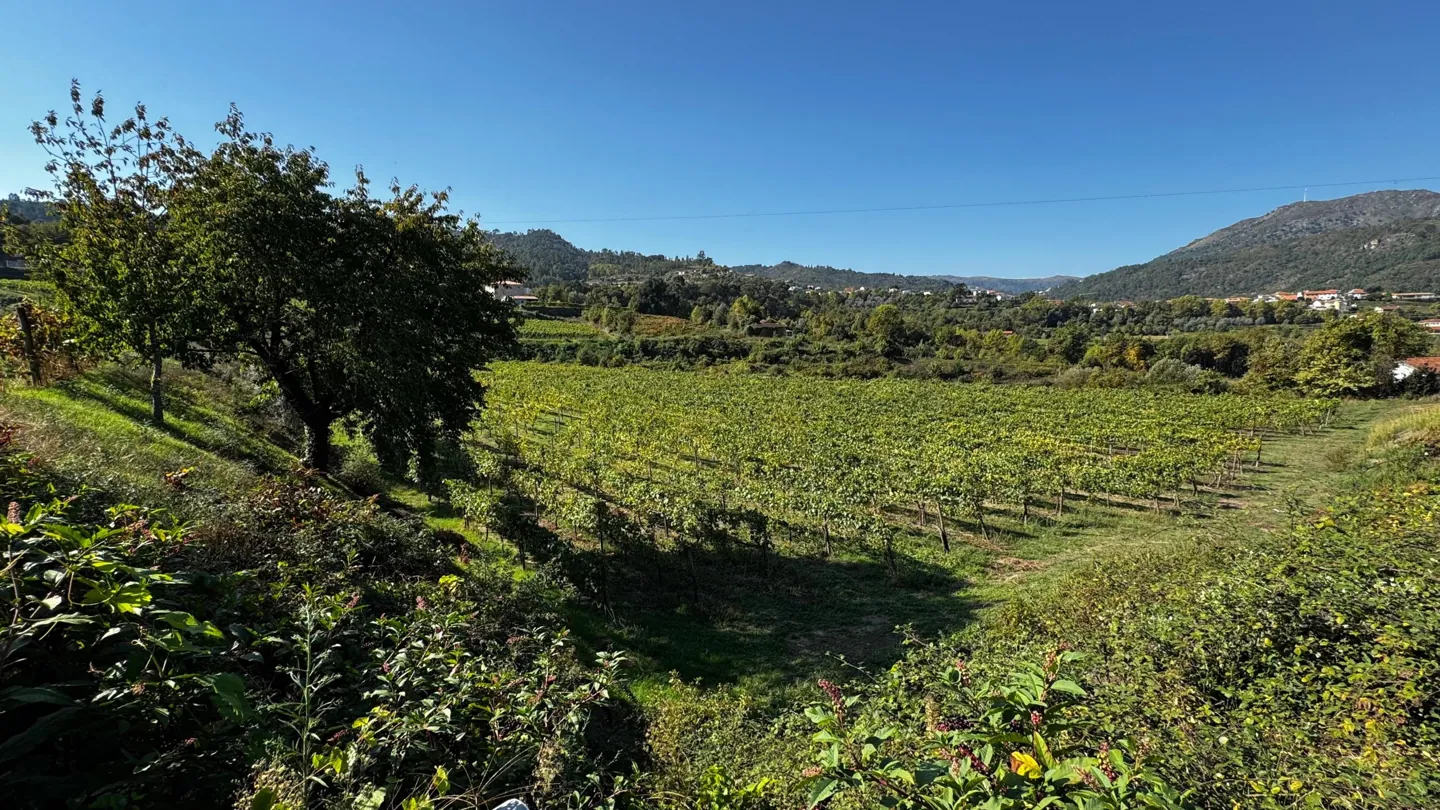
Vineyards and surrounding landscape in Casa da Tojeira’s own gallery.
Source: Casa da Tojeira
Photograph date not stated.
Individual authorship and reuse licence are unidentified in the gallery. The capture date is unidentified; the file path is not used as a date.
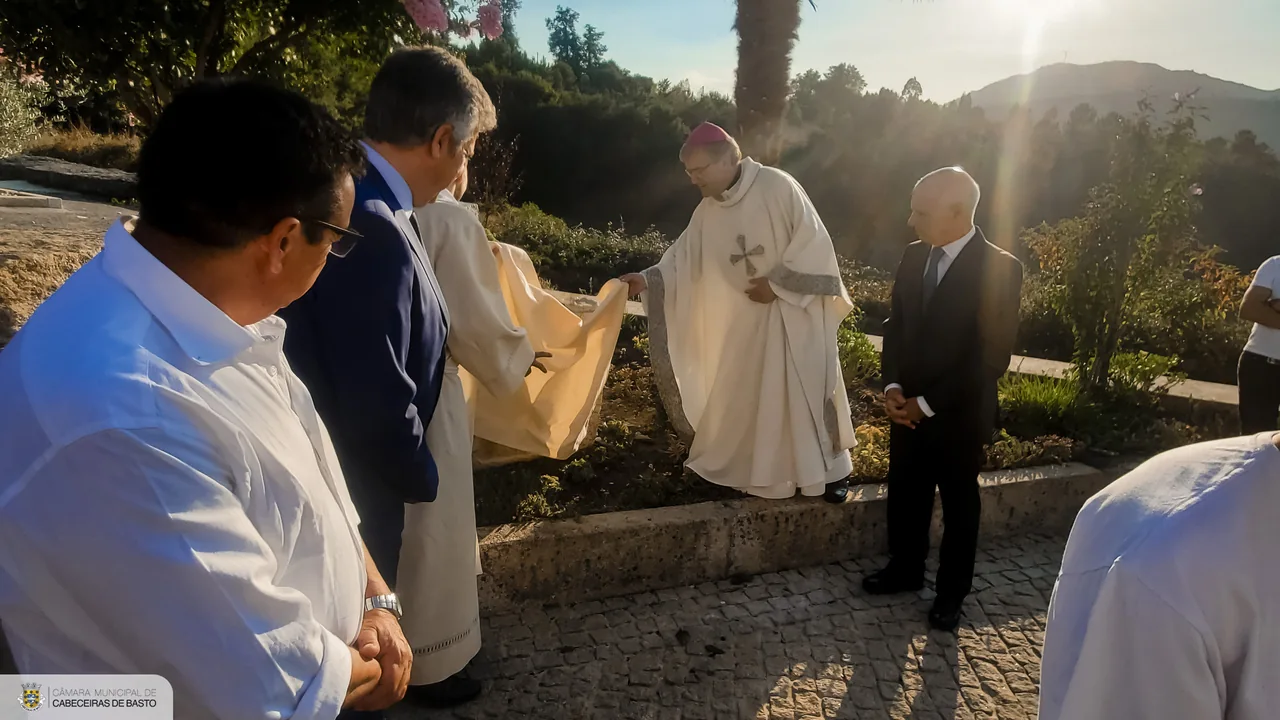
Blessing beside the parish church of Faia during the August 2022 ceremony.
Source: Municipality of Cabeceiras de Basto
Date given at source: .
Licença de reutilização não identificada; DR não identifica o fotógrafo. O crédito DACS é conservado quando indicado pela fonte.
In the south of the municipality, Faia brings Cabeceiras de Basto closer to Arco de Baúlhe and the connection to Celorico de Basto.
Vines, cherry growing, cooperage and handmade footwear are activities mentioned in the municipal description.
In 1758, the abbot identifies São Tiago da Faia within Cabeceiras de Basto’s jurisdiction and municipality, describing its position on a north-facing slope.
Knowledge, landscapes and memories linked to this parish.
Choose from 8 activities here →
2 guides with stories from here → · To follow a story by chapters.
Sixteen settlements and a church outside the village reveal an older landscape.
At Senhora do Amparo, materials tell a story too.
Cherries, wine and olive oil help tell the story of this farming landscape.
Heritage is also made through recent care.
In Faia, an inscription records who commissioned the sacristy.
In Ribeira, oral memory helps trace a change of dedication.
Not every settlement grows around a single centre.
A community story that began in 2006.
Casks, vats and barrels tell a craft’s story.
Water also held beliefs and gatherings.
Faia’s abbot left a calendar reaching beyond the parish.
Between vines and wood, another craft awaits.
The 1758 account draws a small religious geography of Faia.
Devotions also organised space.
In 1758, Faia appears as a network of small settlements.
Before instant messages, mail helped organise the week.
The same event left different accounts in the parishes.
A parish’s history also involves distant connections.
An old house is made of changes too.
An old sentence changes the way we look at the hillside.
No events in our calendar for this parish. Discover other ideas.
Rua das Barreiras, 4860-202 Faia
The municipality lists Rua das Barreiras; DGAL lists Lugar do Ribeiro. Confirm the service address before travelling.