Villages and places
ⓘBusteliberne
A mountain village in the civil parish of Cabeceiras de Basto, São Nicolau.
Cabeceiras de Basto (São Nicolau)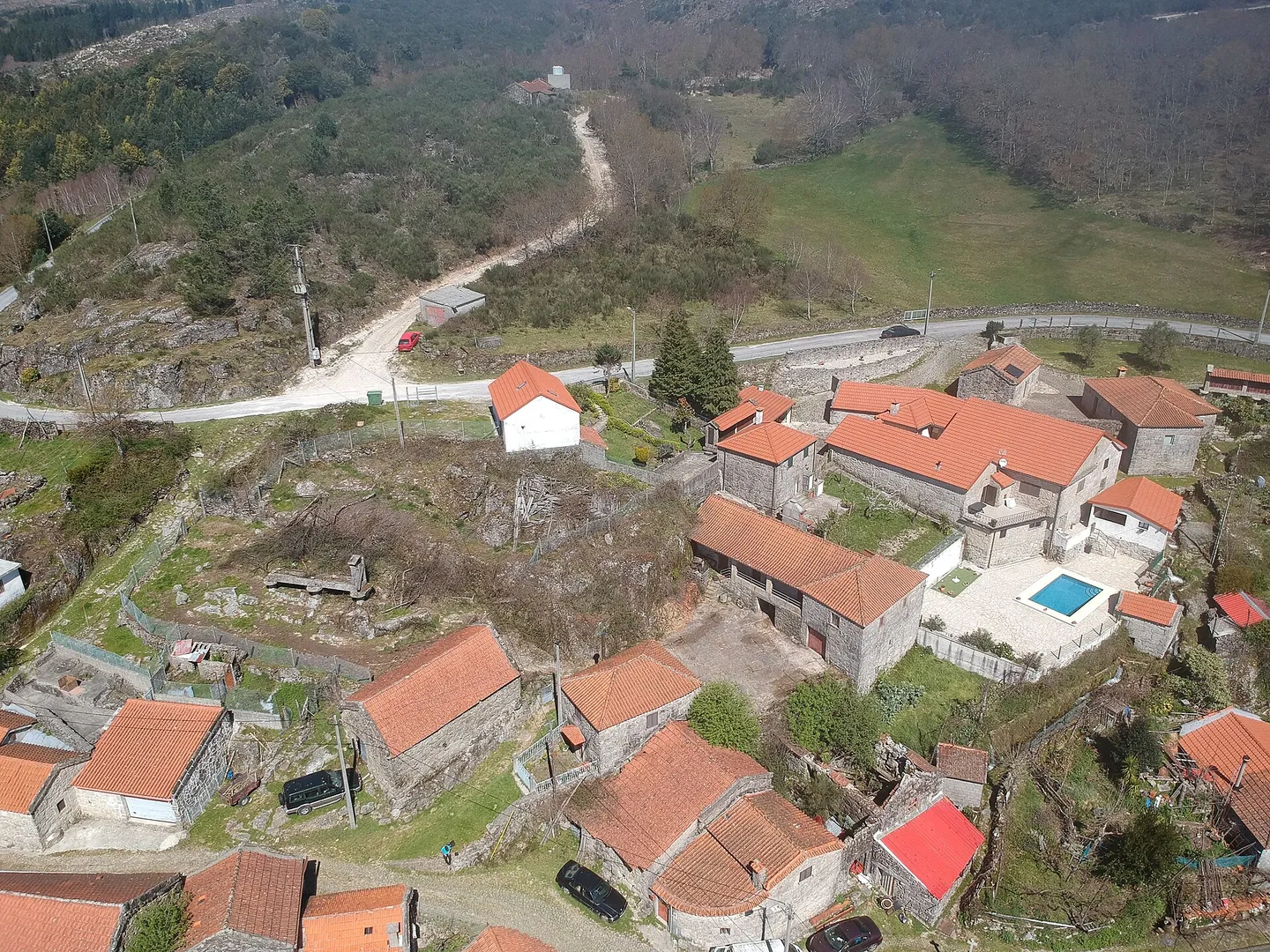
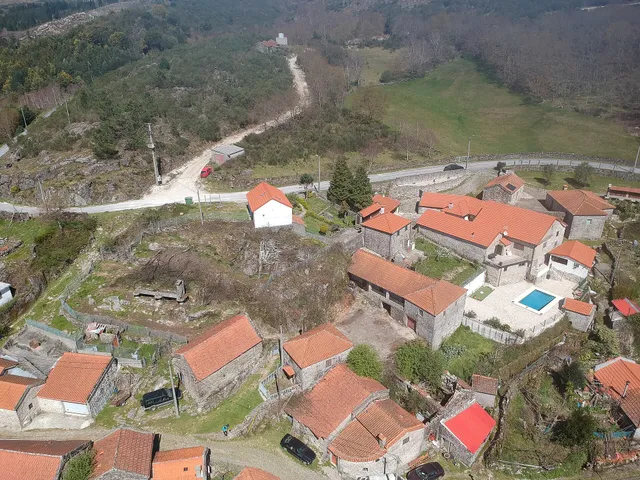
Partial aerial view of the village of Busteliberne, with houses, streets and agricultural land in São Nicolau.
ⓘMountain villages, manors and flavors of the earth: discover St. Nicholas.
Administrative name: Cabeceiras de Basto
A selection of what is documented in the guide. Confirm visiting conditions in the charts.
Slide to see more places →
A mountain village in the civil parish of Cabeceiras de Basto, São Nicolau.
Cabeceiras de Basto (São Nicolau)Five altars described in 1758 open a window to the history of St. Nicholas.
Cabeceiras de Basto (São Nicolau)A leisure area on the Rio Peio in Cumieira, in the civil parish of Cabeceiras de Basto (São Nicolau).
Cabeceiras de Basto (São Nicolau)There is a parish called Cabeceiras de Basto and a town in the municipality in Refojos de Basto.
The Casa da Breia, the Casa da Taipa with the chapel of Our Lady of Conception, the Casal da Fonte and the Casa da Bouça are part of the local architectural references.
The parochial relationship of 1758 is presented by the Rector of St. Nicholas and his annex Saint John the Baptist of Bucos.
Knowledge, landscapes and memories linked to this parish.
Choose from 10 activities here →
2 guides with stories from here → · To follow a story by chapters.
Rye, target corn and million appear side by side in the old account.
Urches, carquejas, oaks and animals in the words of the parish priest.
A river connected fields, dams and mills.
The crossing was part of life by the river.
A river, different jobs.
A document allows following water between parishes.
Three springs and a crossing connected two parishes.
An ancient document also speaks of life in rivers.
The same landscape brings together different uses.
In Quinta de Covas, the history of olive oil intersects with that of energy.
In a fungus, colors can tell different stories.
Between the fields and the mountain, there was a daily rhythm.
The memory of the parish also passes through the procession and the table.
In Celeirô do Monte, a school building gained a new use.
St. Nicholas has an associative history linked to folklore.
A chapel, a staircase and a portal to read architecture.
In Cham Lameiras, traces tell more than a story.
The distance from the church also shaped the villages.
The memory of 1758 lets you look inside the church.
Observations of citizen science with location published in this parish, crossed with the limits CAOP2025. They are not visiting points or independent confirmation in the field.
We don't have any revised events here yet. Go back to the schedule to find out the schedule available.
Serrana villages, manors and flavours of the earth: discover São Nicolau. The name refers here to the parish of Cabeceiras de Basto. Busteliberne, to Casa da Breia, Casa da Taipa and Casal da Fonte are clues to know the territory. The procession of Passos, the smoker and the roasted veal are part of its local memory.
There is a parish called Cabeceiras de Basto and a town in the municipality in Refojos de Basto. To distinguish the two, the parish is usually called São Nicolau. When looking for an address or a script, that name makes a difference. This is where we find rugged slopes, sheltered valleys and a landscape marked by rural life.
To Casa da Breia, the Casa da Taipa with the chapel of Nossa Senhora da Conceição, Casal da Fonte and Casa da Bouça are part of the local architectural references. Busteliberne preserves a rural settlement center highlighted by the municipal presentation. They are elements that allow to relate manorial houses, work spaces and ways of living on the slopes of the Cabreira.
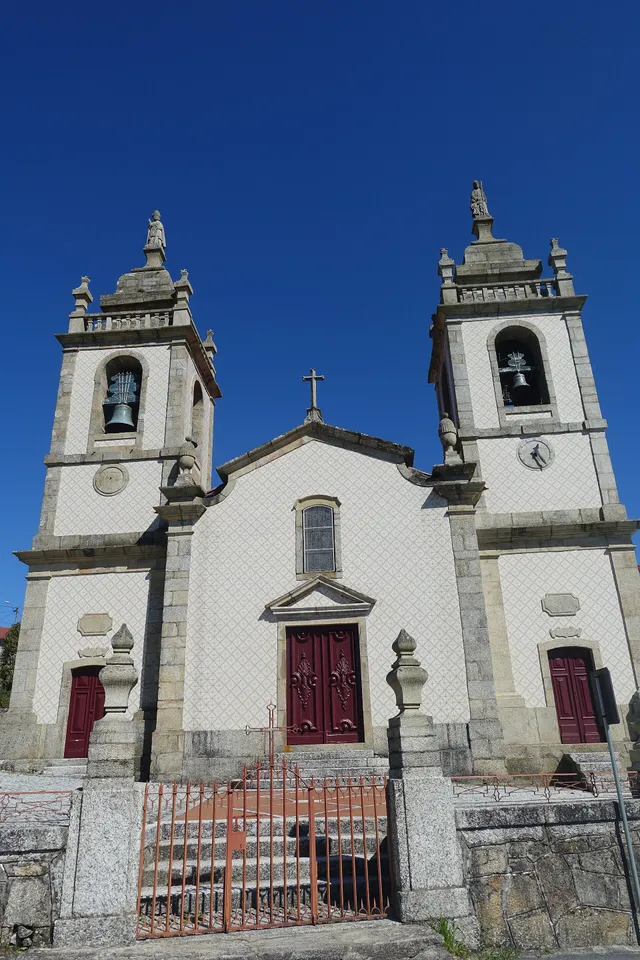
The parochial relationship of 1758 is presented by the rector of São Nicolau and his annex São João Baptista of Bucos. This framework documents religious relations prior to the current administrative organization. The church of São Nicolau, the procession of Passos and the food memory of the smoker and roast veal complete the themes of the parish. The gastronomic references describe local identity, without guaranteeing current commercial offer.
In the municipal characterization, the Casa da Taipa appears associated with the chapel of Nossa Senhora da Conceição; Breia stands out by the staircase, and the Casal da Fonte by the Armoriado portal. Bouça, Breia de Baixo and Mourigo complete the set of housing references. Chapels, portals and staircases allow to recognize differences between houses and constructive phases. The chronologies proposed by the municipality for some buildings are approximate and do not necessarily date the whole set.
Busteliberne is highlighted by the municipality as a rural cluster of patrimonial interest. Casario can be read together with the agricultural landscape, while the procession of the Passos and the memory of the smoker add religious and food dimensions to the identity of the parish. These themes belong to São Nicolau, useful designation to distinguish this community from the village headquarters in Refojos.
Busteliberne · Bream · Taipa
This list preserves the places referred to in the selected documentation, without constituting a complete census.
Getting to know the history of the municipality
Main source consulted in 04/11/2026.
Publication at that source: Unidentified. Registered documentary verification: 2026-11-04.
Method recorded in that review: Documental review in 04/11/2026 of the municipal pages, historical transcripts and references indicated. Uncollated manuscripts. Archivistic descriptions, studies of oral tradition and dated observations are identified. Visually revised photographs from the Commons file consulted in 03/11/2026; camera position does not equal the survey of the object.
Editorial review: 2026-11-06. The editorial review is neither a visit to the site nor a real-time update. Additional times and sources may have their own consultation dates, indicated in the form.
Did you find any different information? Suggest correction