They made wine, but bought bread
A small detail reveals how food reached the table.
27 stories
A small detail reveals how food reached the table.
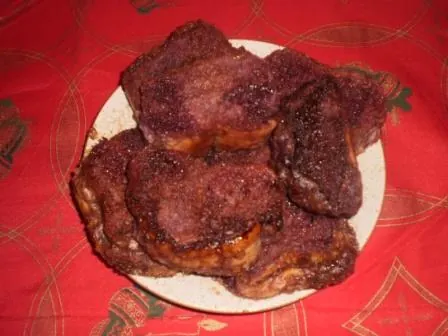
A version of rabanadas preserved in Outeiro.
The parish account also described what people harvested.
Before wine reaches the table, there is a landscape to discover.
Sopas de vinho are part of the food memories collected in Cavez and Pedraça.
The region’s name is not the colour of the wine.
Cherries, wine and olive oil help tell the story of this farming landscape.
In the vineyard, terrain and seasons are part of the story.
A familiar word can also be the name of a grape variety.
A name particularly associated with the Basto sub-region.
One grape variety can have several names.
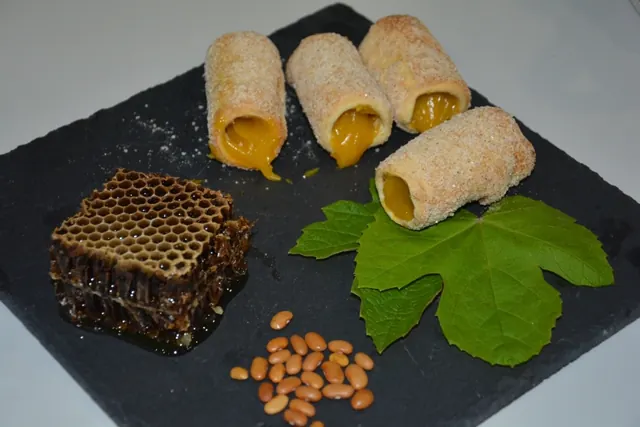
The story of Miguelitos has a date and a named creator.
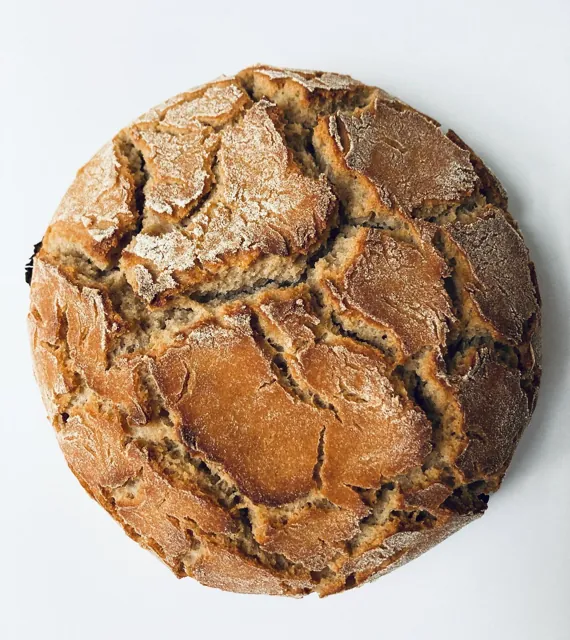
Flavours that invite you to discover what the land produces.
Veal, rojões, cod and papas de sarrabulho.
The landscape helped shape the pantry too.
The same grape variety can have different names from place to place.
The pantry in Bucos did not depend on just one grain.
A curious name can open up a story at the table.
A list of crops opens a window onto the landscape of 1758.
Rye, milho-alvo and milhão appear side by side in the old account.
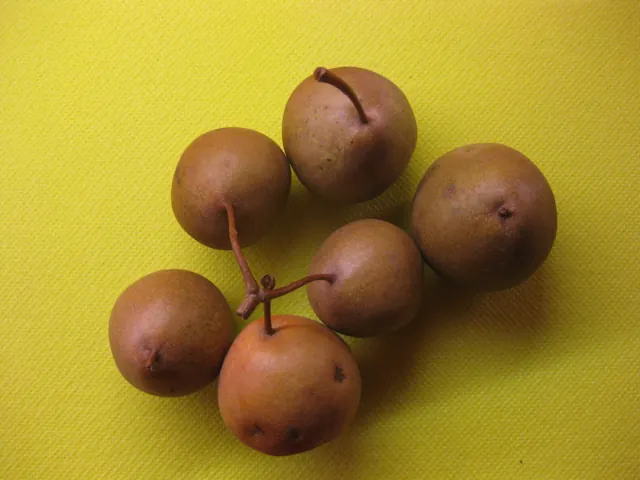
A winter dessert with a name that sparks curiosity.
With Azal, colour does not tell the whole story.
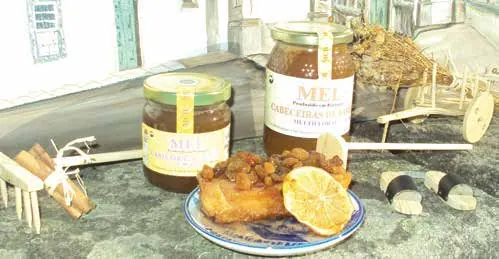
A dessert helps tell the story of how local flavours were promoted.
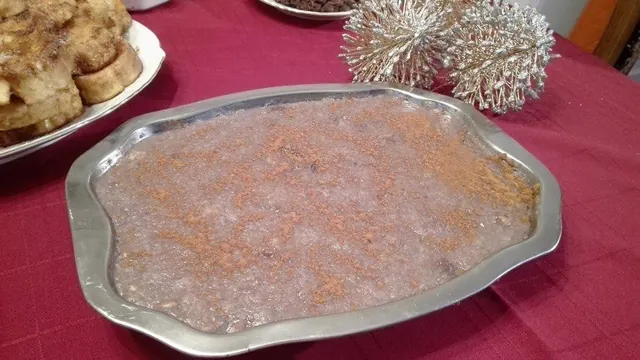
With mexidos, dessert takes shape in the cooking pot.
A recipe from Refojos also preserves a weekly custom.
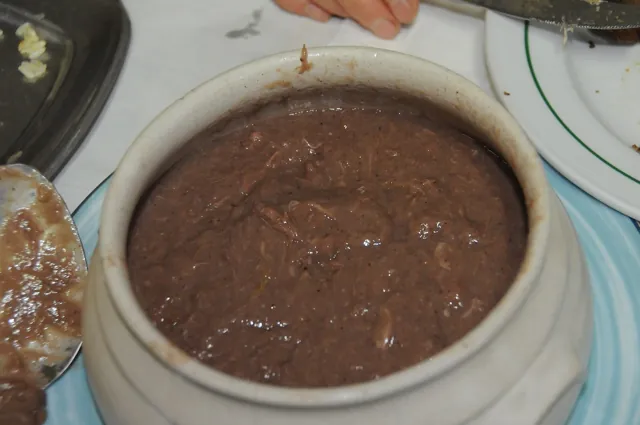
Papas de sarrabulho also tell us how knowledge is passed on.
In 1758, the cold separated two farming landscapes.
A curiosity of this selection, at random.