Learning a craft beside a master
ⓘ
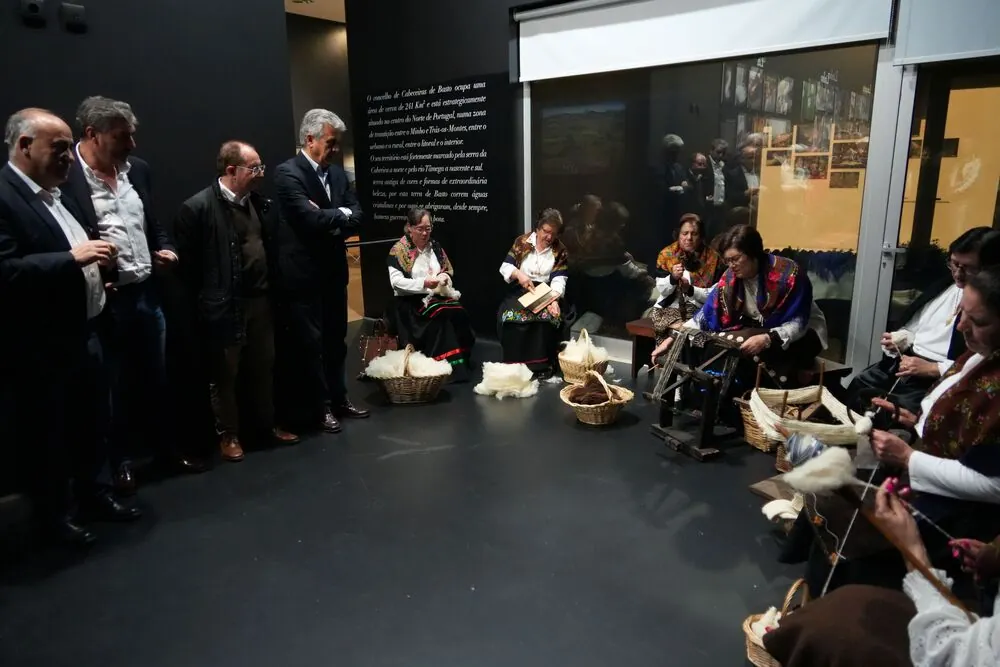
The Arts and Crafts gathering at Casa do Tempo, documented by the municipality in April 2025.
Source: Municipality of Cabeceiras de Basto
Photograph date not stated.
Individual photographer and reuse licence not stated by the source.
ⓘ
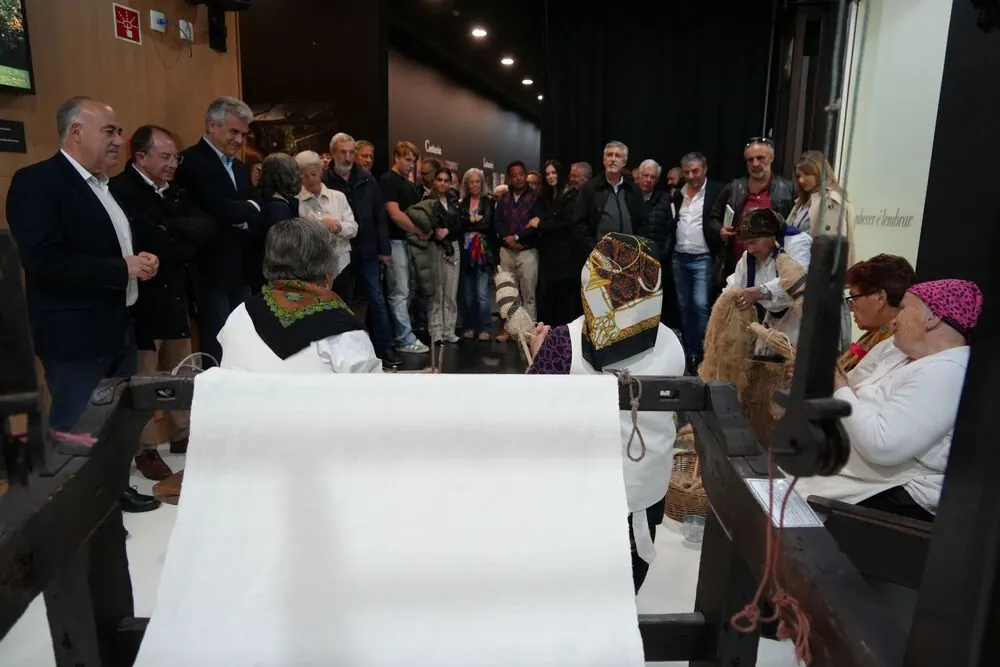
The Arts and Crafts gathering at Casa do Tempo, documented by the municipality in April 2025.
Source: Municipality of Cabeceiras de Basto
Photograph date not stated.
Individual photographer and reuse licence not stated by the source.
ⓘ
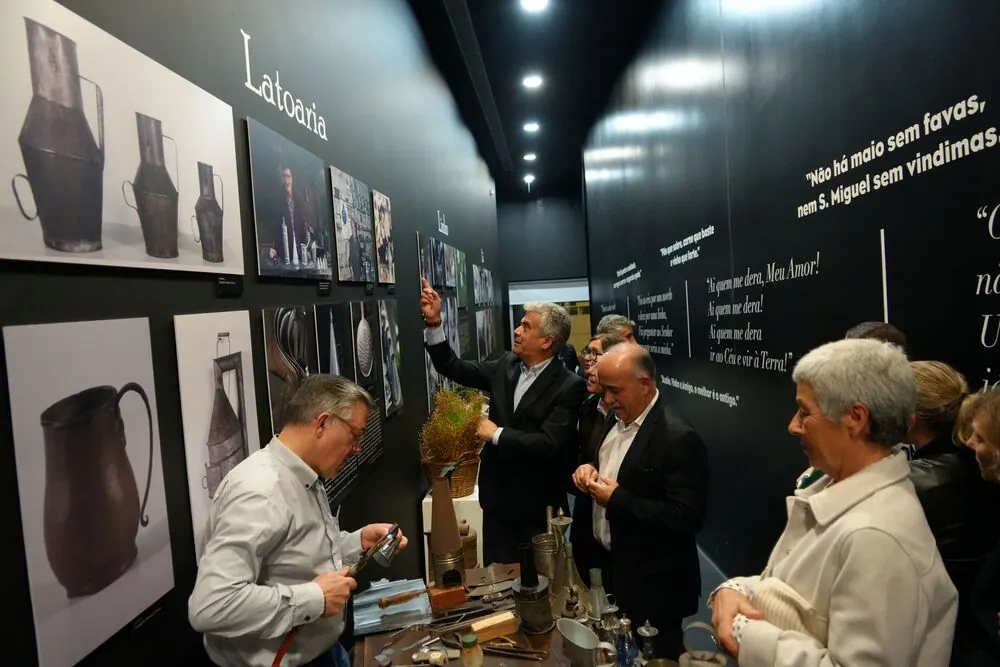
The Arts and Crafts gathering at Casa do Tempo, documented by the municipality in April 2025.
Source: Municipality of Cabeceiras de Basto
Photograph date not stated.
Individual photographer and reuse licence not stated by the source.
ⓘ
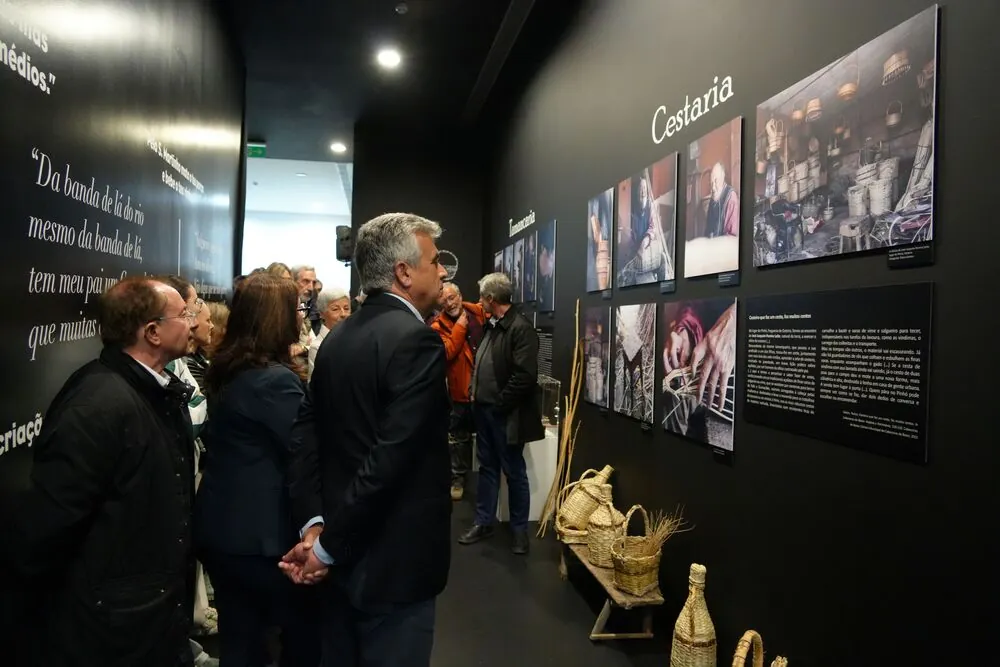
The Arts and Crafts gathering at Casa do Tempo, documented by the municipality in April 2025.
Source: Municipality of Cabeceiras de Basto
Photograph date not stated.
Individual photographer and reuse licence not stated by the source.
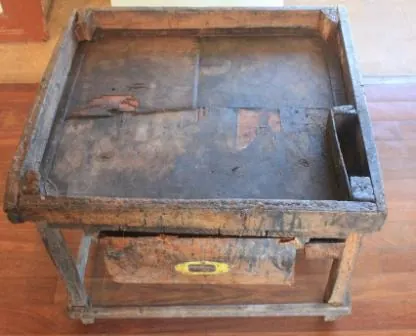
ⓘ
Workbench T15
Source: Museu das Terras de Basto
Photograph date not stated.
Individual photographer and reuse licence not stated by the source.
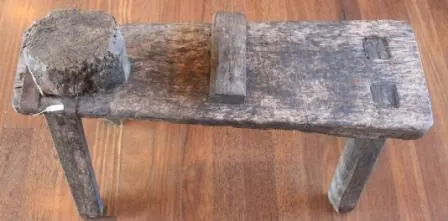
ⓘ
Clog maker’s bench T14
Source: Museu das Terras de Basto
Photograph date not stated.
Individual photographer and reuse licence not stated by the source.
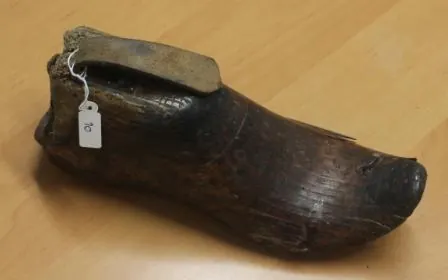
ⓘ
Clog last T10
Source: Museu das Terras de Basto
Photograph date not stated.
Individual photographer and reuse licence not stated by the source.
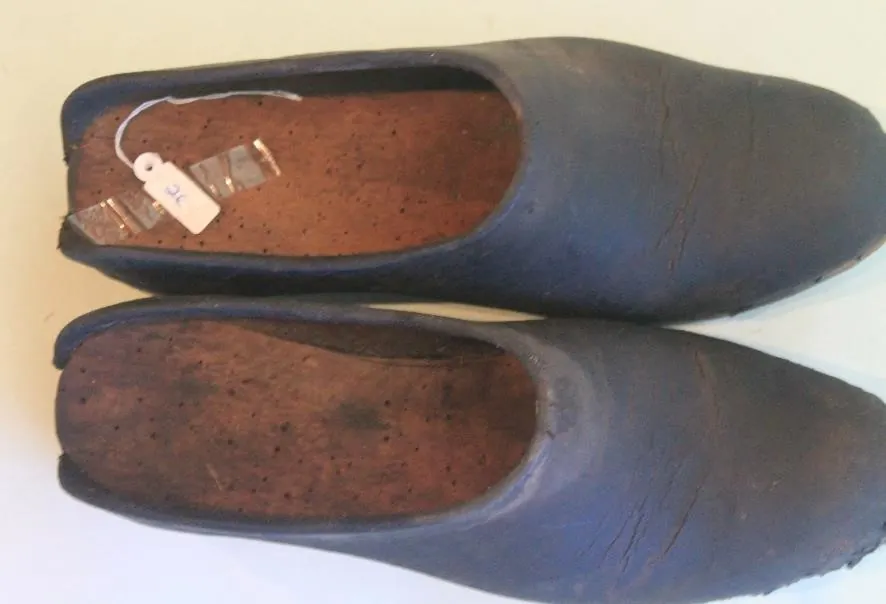
ⓘ
Pair of clogs T26
Source: Museu das Terras de Basto
Photograph date not stated.
Individual photographer and reuse licence not stated by the source.
In Outeiro, clog making passed from hand to hand.
Text size
Your choice is saved only in this browser.
In the study published in 2017, Teresa Soeiro recounts how Manuel Alves Leite, born in Pinhel in 1899, learned from Bernardino José Pereira, a clog maker from Sobreira. The skill passed to his descendants. This story of learning brings clog making close to families and places, without assuming that the workshop remains open.
The Museum’s inventory offers a glimpse of the workspace. It calls the low table used by Manuel António Teixeira Leite an ofício. A bench with a small block supported the finishing of the wooden soles; a wood-and-leather last connects production with Manuel Alves Leite’s generation. The objects show different working supports without reconstructing the layout of a particular workshop.
Dimensions help distinguish the supports: table T15 measures 82 centimetres long, 74 wide and 55 high; bench T14 is 87 long, 28 wide and 50 high. Despite similar lengths, they offer very different surfaces. The inventory links the bench with finishing the wooden soles, supported on a small block.
Explore further: words and activities
Explore this story
ENTER THE WORKSHOP THROUGH ITS OBJECTS
Open each support to discover its recorded function.
1 · Ofício: the low worktable
Piece T15 was a worktable used by Manuel António Teixeira Leite.
2 · Bench: supporting the wooden sole
On T14, a plank and a small block supported the finishing of wooden clog soles.
3 · Last: a tool for making clogs
T10, made of wood and leather, was used by Manuel Alves Leite.
Continue through tools and wood →
One bookmark per reading journey, saved in this browser.
Source and context
Editorial summary; the date of consultation is not the date of the facts.