Discover Cabeceiras de BastoFree independent guide
ViveCabeceirasYOUR GUIDE TO CABECEIRAS
ENEnglish
SearchSaved
5 STORIES · CONTINUOUS READING

Five looks on São Miguel

Five readings on fields, trips, fabrics, footwear and flavors. A chronology distinguishes the accounts from 1956 and 1977 from the publication of 2024; follow the links between trades and trades habits of the fair. Historical memories, without announcement of current programming.

All stories in the order of the route. You can print this page by the browser; sources and credits follow the reading.

Things to try1 activity · 2 interactive explorations · 2 questions
Refojos · 1977 newspaper account

São Miguel in the harvest calendar
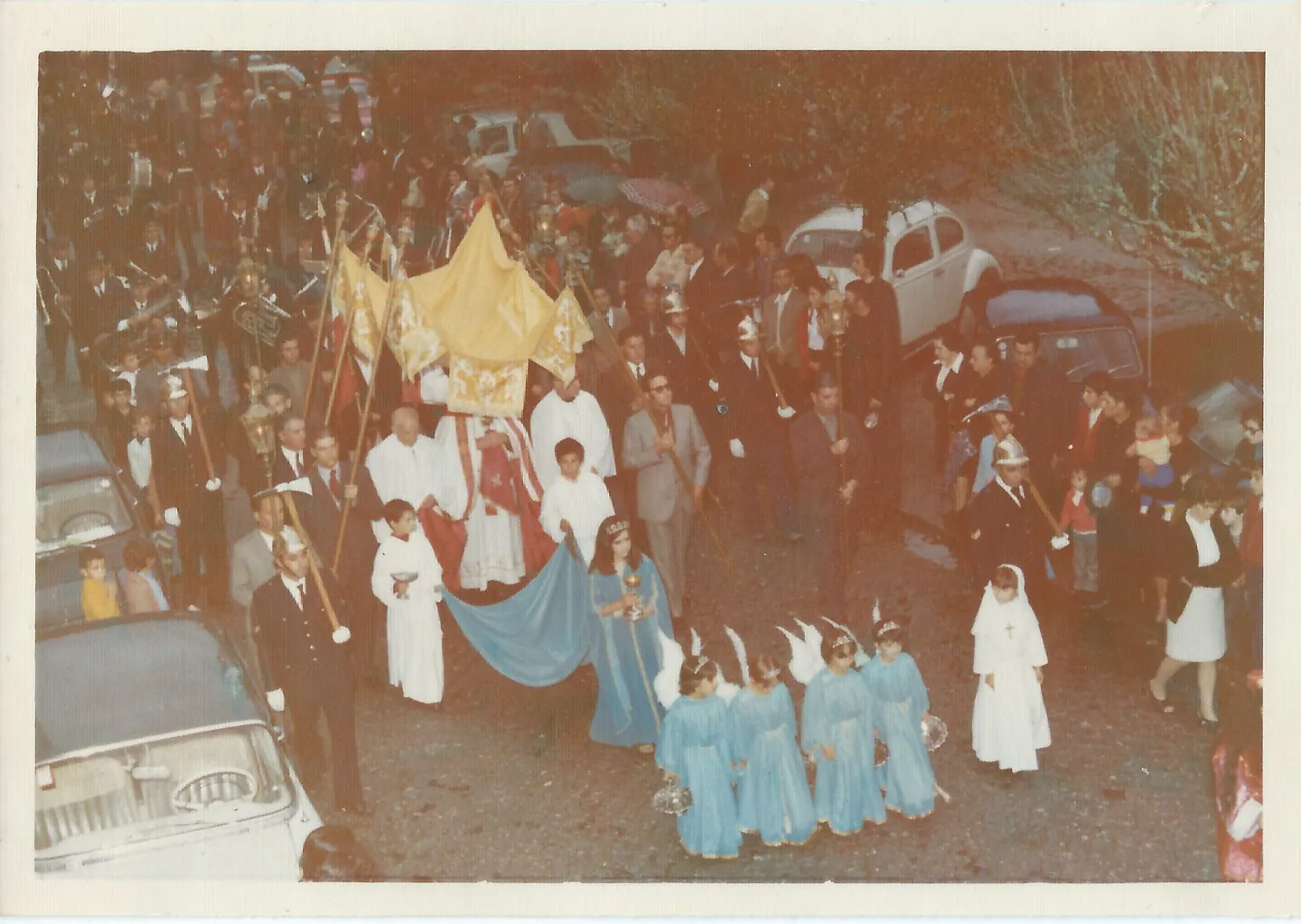
Archive photograph of the São Miguel festivities, shared by the Museum in 2024. Photograph date unidentified.
ⓘ

Archive photograph of the São Miguel festivities, shared by the Museum in 2024. Photograph date unidentified.

Source: Museu das Terras de Basto · Coleção de Maria Celeste Marques da Costa Lobo

View source

Photograph date not stated.

Individual photographer and reuse licence not stated by the source.

Request removal or correct the photo credit

The celebration also marked the rhythm of the fields.

In a 1977 text recovered by the Museum, São Miguel is linked with the bean and maize harvest on the drier slopes. The grape harvest completed that cycle. This is a memory in which farming helps explain the timing of the celebration.

The relationship between maize, beans and the grape harvest places the celebration at the end of a farming cycle, as the writer described it. It is a way of reading the calendar through work, not only through feast days.

The two newspaper years must remain distinct: the picture of arrivals and food belongs to 1956; the reference to harvests comes from 1977. The Museum brought these testimonies together in 2024. The digital publication date does not turn the memories into a description of today’s celebration.

Three dates, two testimonies and one publication

It opens every moment and discovers what the date represents.

  1. 16 September 1956 · Meeting and table

    The Journal of Cabeceiras describes arrivals, fair and habits at the table.

  2. 8 September 1977 · The agricultural calendar

    Another text relates São Miguel to the crops and the harvest.

  3. 26 September 2024 · The Museum recovers reports

    The excerpts are published again to make these memories known.

The dates place the sources; they are neither the beginning dates of tradition nor a party program.
Source and context

Basto Land Museum — St Michael of other times, 26/09/2024; excerpts from The Journal of Cabeceiras of 16/09/1956 and 08/09/1977

Basto Land Museum — archive, page 4: Saint Michael of old, publication of 26/09/2024

Accessed: . Editorial summary; the date of consultation is not the date of the facts.

Back to index ↑
Refojos · 1956 newspaper account

The roads filled for the fair

The journey was part of the gathering.

The 1956 account describes people arriving along the roads, by bus and by train. Alameda do Sêco and the garden of Praça da República concentrated the bustle. Products and blankets from Barroso joined the fair: the gathering connected territories and transport.

In the excerpts collected by the Museum, the fair was also an occasion to display animals and wear new clothes. The text evokes pairs of oxen decorated with flowers on their way to the livestock competition, and lists aprons, scarves, skirts, blouses and slippers. The celebration combined work, trade and public display.

It is a journalistic description, with expressive language and its own view of people. It helps us imagine the atmosphere, but does not count arriving visitors or allow every habit described to be treated as universal.

Come to the fair and follow the stories

Open an option and choose the story.

  1. Fabrics and work: where did the pieces come from?Fabrics leaving the village →
  2. Footwear and trade: other fair knowledgeTwo ox cars full of shoes →
  3. At the table: gestures and flavors of the encounterNew chestnuts and clay mugs →
Cross transports, crafts and flavors in reports of identified times.
Source and context

Basto Land Museum — St Michael of other times, 26/09/2024; excerpts from The Journal of Cabeceiras of 16/09/1956 and 08/09/1977

Basto Land Museum — archive, page 4: Saint Michael of old, publication of 26/09/2024

Accessed: . Editorial summary; the date of consultation is not the date of the facts.

Back to index ↑
Formigueiro · weaving and trade

Textiles that left the village

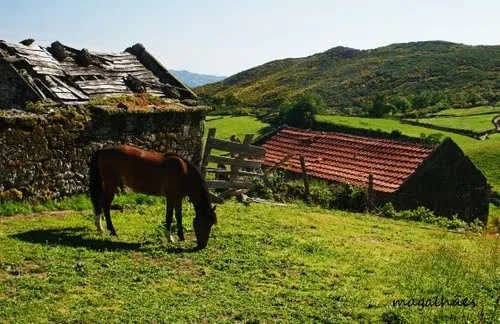
Municipal archive photograph: Formigueiro.
Rural landscape of Formigueiro · houses and fields in the municipal study.ⓘ

Wool and linen travelled to the São Miguel and Santa Luzia fairs.

Formigueiro’s memory brings together throws, bedspreads, towels and blankets made from wool, linen and rags. The municipal guide connects their sale with the São Miguel fair in Cabeceiras and the Santa Luzia fair in Arco de Baúlhe.

Following these textiles connects work within the village with the movement of people and goods. The account preserves a memory of trade, not a list of present-day stalls.

Getting to know the parish See Fact sheet: Formigueiro
Source and context

Municipality — Village Guide of Serra da Cabreira: landscape, work and heritage

Accessed: . Editorial summary; the date of consultation is not the date of the facts.

Back to index ↑
Outeiro and Refojos · trade in the mid-20th century

Two ox carts full of footwear

The São Miguel fair began months earlier in the workshop.

Teresa Soeiro reports that, in the mid-20th century, Outeiro’s clog makers sometimes took two ox carts loaded with socos and chancas to the São Miguel fair in Refojos. They built up production over months and kept the goods in wooden stalls by candlelight. The fair brought craftspeople and resellers together: the footwear then travelled on to other customers.

Source and context

Teresa Soeiro — Soqueiros e Tamanqueiros, municipal edition of 2017, p. 96 (viewer page 98)

Accessed: . Editorial summary; the date of consultation is not the date of the facts.

Back to index ↑
Refojos · food described in 1956

Fresh chestnuts and earthenware mugs

The celebration’s memory has flavours too.

In the 1956 description published by the Museum, eating establishments and food stalls filled up. Regional wine accompanied merendeiros or fresh chestnuts, served in white glazed earthenware mugs. These details from a newspaper chronicle bring the fair close to its everyday gestures.

Food appears amid a fair in motion. The chronicle evokes groups crossing paths, buses and trains, blankets from Barroso and people arriving at Alameda do Sêco and Praça da República. Eating and drinking were part of that gathering, alongside trade, religious celebration and the livestock competition.

Keep two dates in mind: the quoted text appeared in the newspaper on 16 September 1956; the Museum shared it again on 26 September 2024. The excerpt uses the expressive language of a chronicle and gives no counts of visitors or meals sold. Comparing it with the memory of dried chestnuts during farm work reveals the same fruit in different settings and forms of preservation.

Source and context

Basto Land Museum — St Michael of other times, 26/09/2024; excerpts from The Journal of Cabeceiras of 16/09/1956 and 08/09/1977

Accessed: . Editorial summary; the date of consultation is not the date of the facts.

Back to index ↑
YOUR LOCAL GUIDE

What would you like to discover?

Take a closer look.