Discover Cabeceiras de BastoFree independent guide
ViveCabeceirasYOUR GUIDE TO CABECEIRAS
ENEnglish
SearchSaved
4 STORIES · CONTINUOUS READING

Travel, letters and places to stay

A road, a letter, a river and a house with many lives. Four readings following movement through the past.

All stories in the order of the route. You can print this page by the browser; sources and credits follow the reading.

Local history · Arco de Baúlhe e Vila Nune

Arco: travellers arrived before the train
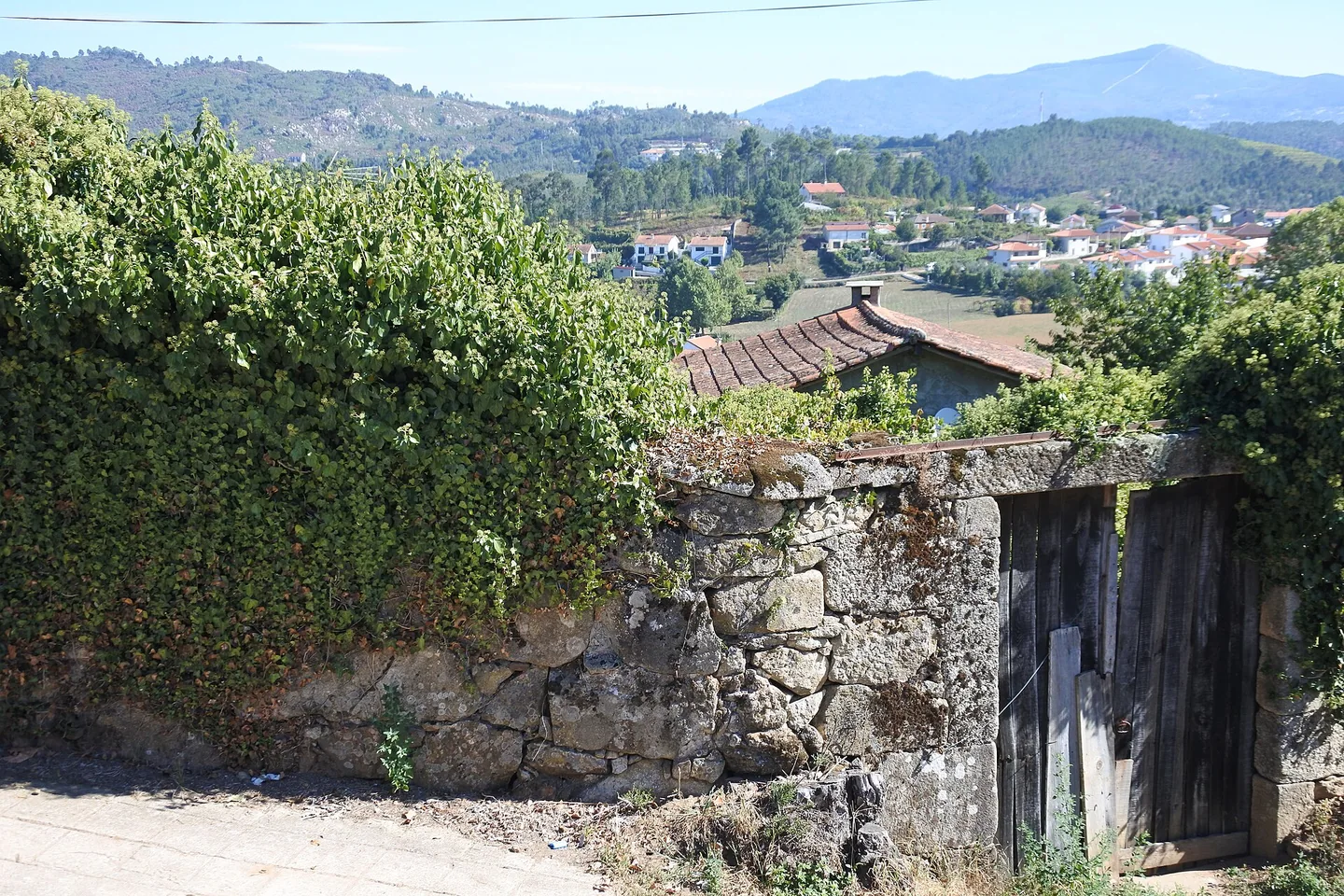
View over Arco de Baúlhe, with walls and vegetation in the foreground.
FF Mira
ⓘ

View over Arco de Baúlhe, with walls and vegetation in the foreground.

Photography: FF Mira · CC BY-SA 2.0

View source

Date given at source: .

Request removal or correct the photo credit

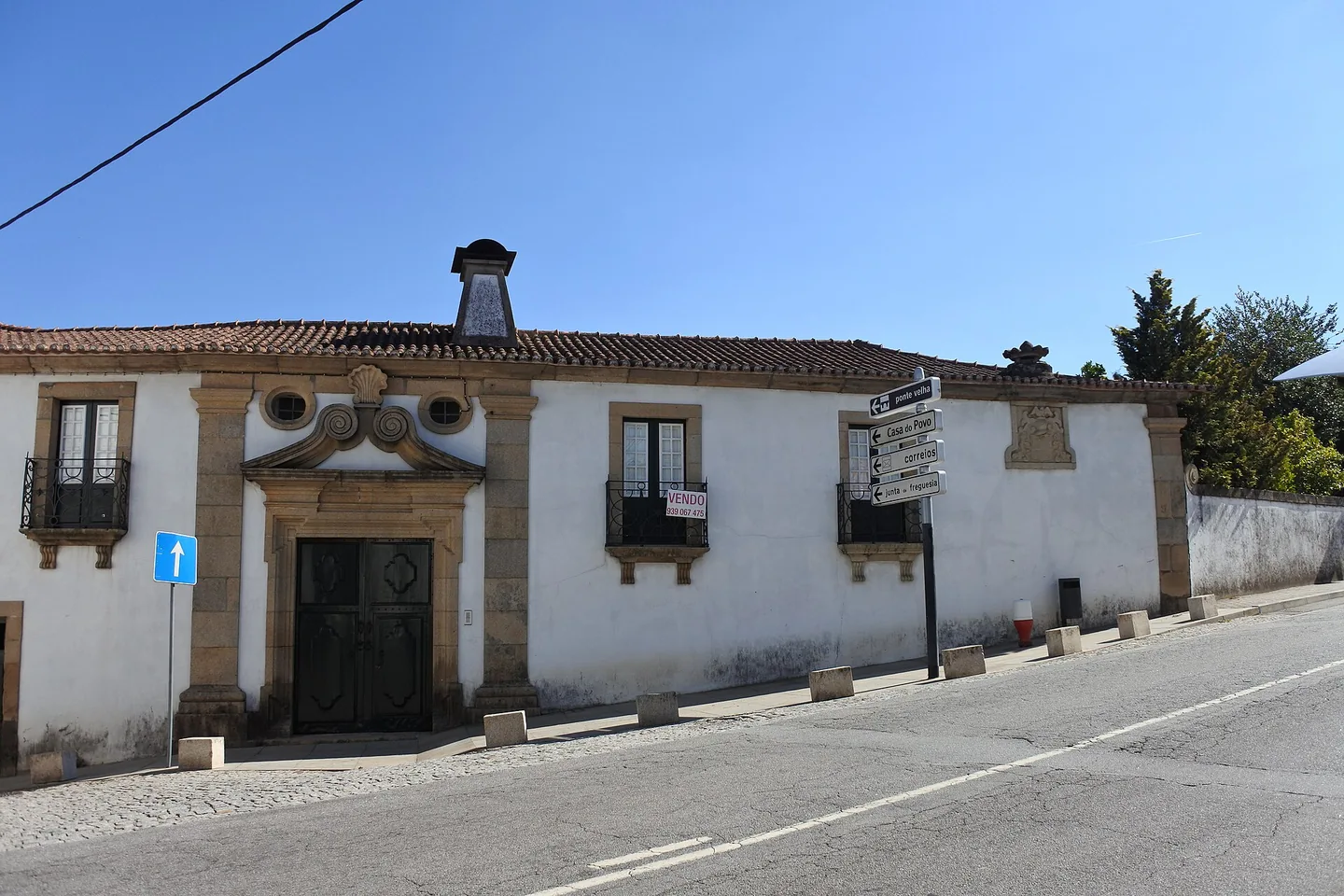
Building façade in Arco de Baúlhe.
FF Mira
ⓘ

Building façade in Arco de Baúlhe.

Photography: FF Mira · CC BY-SA 2.0

View source

Date given at source: .

Request removal or correct the photo credit

Inns, a royal road and a linen fair.

Long before the railway arrived, Arco welcomed passing travellers. In 1758, its parish priest highlighted inns used by people travelling between Trás-os-Montes and the Minho along the royal road.

A fair on 21 and 22 July brought merchants and buyers of linen, which the account describes as plentiful locally. Travel meant roads, places to stay and business along the way. The station later added another way to arrive, but the settlement already knew the bustle of visitors. These dates belong to the eighteenth-century fair described in the document, rather than today's events calendar.

Getting to know the parish See Fact sheet: Núcleo Ferroviário de Arco de Baúlhe
Source and context

Municipality — parish account of Arco De Baulhe (1758)

Accessed: . Editorial summary; the date of consultation is not the date of the facts.

Back to index ↑
Local history · Arco de Baúlhe e Vila Nune

Vila Nune: choosing how a letter would arrive

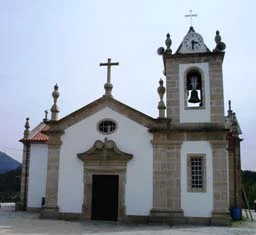
Municipal archive photograph: Igreja paroquial de Vila Nune.
Igreja paroquial de Vila Nuneⓘ

In 1758, residents had two postal reference points.

Vila Nune's parish priest wrote that residents used two postal services: one at Raposeira in Refojos and another at Mondim, on the Trás-os-Montes side. He placed each about a league away and recorded arrivals from Porto on Mondays and departures on Thursdays.

Receiving news meant knowing places beyond the parish and organising a journey to reach them. A letter belonged to a network of roads and weekly rhythms. These days come from the account of 1758, rather than the operation of today's postal services.

Getting to know the parish Ver ficha: Igreja paroquial de Vila Nune
Source and context

Municipality — parish account of Vila Nune (1758)

Accessed: . Editorial summary; the date of consultation is not the date of the facts.

Back to index ↑
Local history · Cavez

Cavez: a river for mills, rather than boats

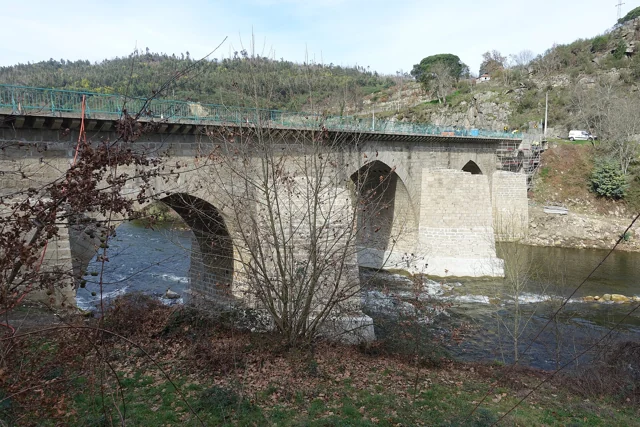
Cavez Bridge over the Tâmega River, with stone arches, a deck and tree-lined banks.
Ponte de Cavez© Joseolgonⓘ

Not every river crossing a valley served as a waterway.

In 1758, Cavez's parish priest described the Tâmega as flowing throughout the year, with weirs, channels and grain mills. He was equally clear that it was not navigable in that context.

The same waters that made boat travel difficult could power the mills. Looking at the river through this distinction helps explain its importance to the local economy. The bridge provided a crossing; the banks and machinery served other purposes. This historical account does not describe present-day conditions for navigation, fishing or swimming.

Getting to know the parish See Fact sheet: Ponte de Cavez
Source and context

Municipality — parish account of Cavez (1758)

Accessed: . Editorial summary; the date of consultation is not the date of the facts.

Back to index ↑
Local history · Refojos de Basto

Casa do Barão: court, inn and school

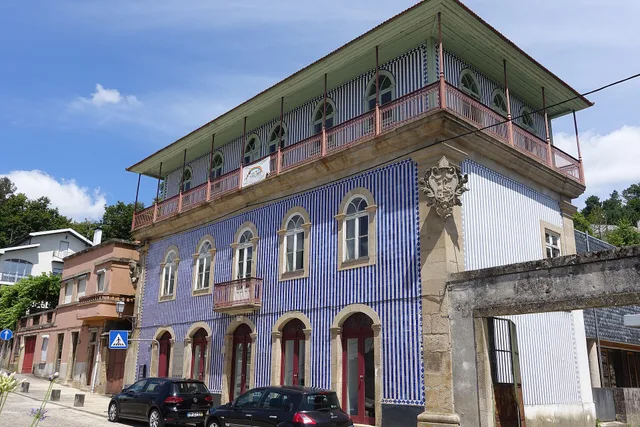
Casa do Barão, now the Municipal Cultural Centre, with blue-and-white façade tiles, coats of arms at the corners and an upper-floor balcony. Photograph from 2020.
Casa do Barão© Joseolgonⓘ

One building can hold many different lives.

Today's Municipal House of Culture began as the court of the monastic jurisdiction, built between 1755 and 1758. The municipal chronology records a fire in 1853, conversion into an inn in 1874 and use as a women's boarding residence after its sale in 1944.

It housed a preparatory school in the early 1970s. Following municipal acquisition and adaptation, the House of Culture opened on 16 July 2001. Looking at the house means following changes in judging disputes, welcoming travellers, housing students and teaching. The dates tell of successive uses, rather than a building frozen in time.

Getting to know the parish Ver ficha: Casa do Barão
Source and context

Municipality — history of the Municipal House of Culture

Accessed: . Editorial summary; the date of consultation is not the date of the facts.

Back to index ↑
YOUR LOCAL GUIDE

What would you like to discover?

Take a closer look.