Discover Cabeceiras de BastoFree independent guide
ViveCabeceirasYOUR GUIDE TO CABECEIRAS
ENEnglish
SearchSaved
7 STORIES · CONTINUOUS READING

From fruit and vegetable to table

Seven readings between fruit, creoles, cabbages, identified meat of origin and market. Three recipes allow to accompany ingredients and steps, including roasted quails with or without wine. The stories link the table to the landscape, family memories and shopping.

All stories in the order of the route. You can print this page by the browser; sources and credits follow the reading.

Things to try1 activity · 4 interactive explorations · 3 questions · 3 recipes
Parque Urbano · planting documented in 2022

Fruit trees found a place in the park

Codornos, Pipo de Basto and Verdeal: names to remember.

On World Tree Day in 2022, the council reported planting fruit trees identified as Codornos, Pipo de Basto apple and Verdeal apple in the town’s Parque Urbano. Local associations sponsored the trees in an initiative that also included strawberry trees, olives and nettle trees. The report connects public space with fruit names and community participation. It records planting in March of that year; it does not confirm every tree’s survival or authorise picking fruit.

Source and context

Municipality — World Tree Day and plantation in Urban Park, 21/03/2022

Accessed: . Editorial summary; the date of consultation is not the date of the facts.

Back to index ↑
Local gastronomy · publication of 2025

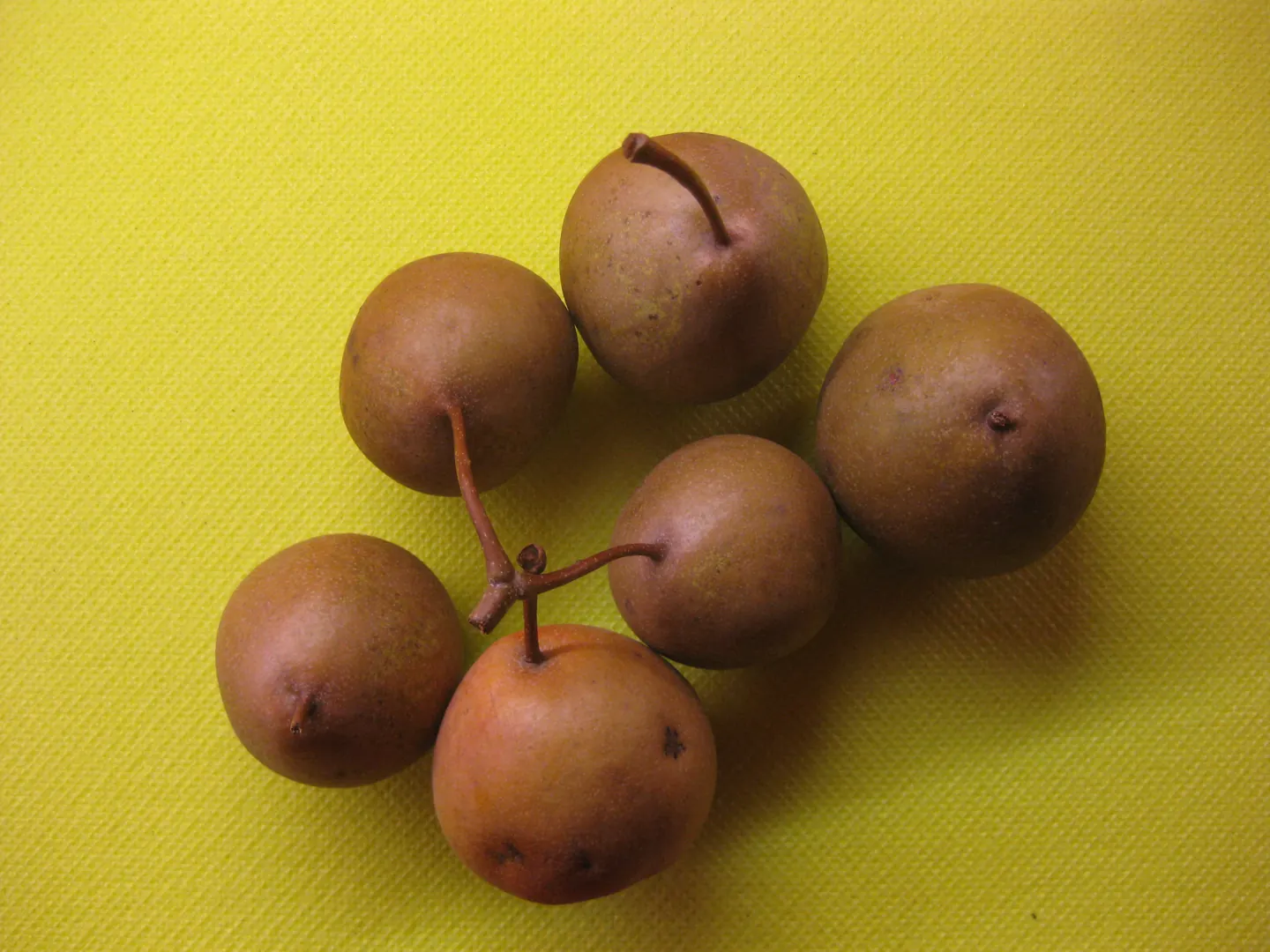
These codornos grow on a tree

Codorno pears harvested in Bucos: the raw fruit, not the roasted preparation.
ⓘ

Codorno pears harvested in Bucos: the raw fruit, not the roasted preparation.

Source: Saberes cruzados

View source

Photograph date not stated.

Individual photographer and reuse licence not stated by the source.

Request removal or correct the photo credit

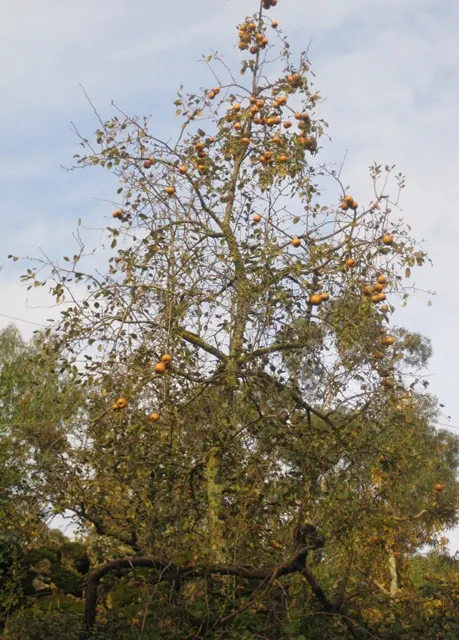
Codorno pear tree in Bucos, winter 2011.
ⓘ

Codorno pear tree in Bucos, winter 2011.

Source: Saberes cruzados

View source

Photograph date not stated.

Individual photographer and reuse licence not stated by the source.

Request removal or correct the photo credit

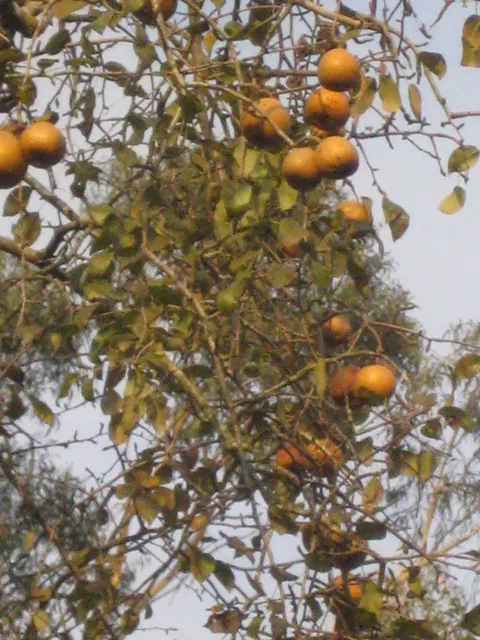
Codorno pears on the tree in Bucos, winter 2011.
ⓘ

Codorno pears on the tree in Bucos, winter 2011.

Source: Saberes cruzados

View source

Photograph date not stated.

Individual photographer and reuse licence not stated by the source.

Request removal or correct the photo credit

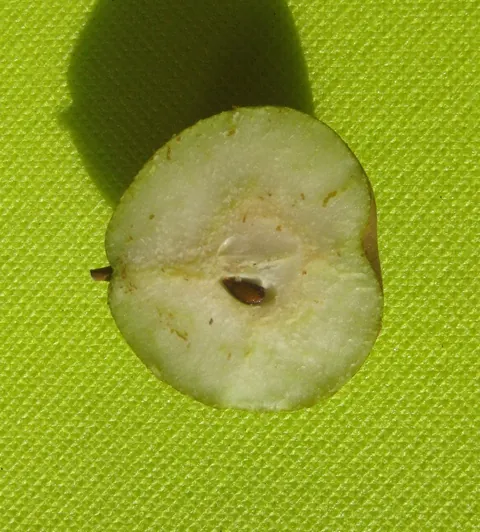
A codorno pear cut in half, in the Saberes cruzados documentation.
ⓘ

A codorno pear cut in half, in the Saberes cruzados documentation.

Source: Saberes cruzados

View source

Photograph date not stated.

Individual photographer and reuse licence not stated by the source.

Request removal or correct the photo credit

A winter dessert with a name that sparks curiosity.

The presentation of Cabeceiras in the 2025 Fins de Semana Gastronómicos identifies codornos as a local fruit associated with winter traditions. In the preparation described, they are roasted in the embers until soft and served hot and peeled, with red Vinho Verde or without wine. It is a way to discover fruit through cooking techniques. The recipe documents a food selection; it does not guarantee daily availability in restaurants.

Roasted codornos from the 2025 food selection

Tick off ingredients as you gather them. Checkmarks last only on this page. Any time shown for the reading journey is reading time, not cooking time.

Go to preparation ↓

Ingredients

Method at a glance

Back to ingredients ↑

Tick off each step as you finish it. You can untick it; checkmarks last only on this page.

Summary of the preparation published by Turismo do Porto e Norte. The source gives no quantities, servings or duration. Here the local name refers to a fruit; this recipe must not be used to identify wild plants.

Read the original recipe →

Choose another recipe →

From dessert to village trees

Open an option and choose the story.

  1. Same name in the park

    The news of the plantation of 2022 includes quail trees: follows the name of the table fruit to the public space.

    The fruit also gained place in the park →
  2. Before the sweet, the accompaniment

    Grelo rice is part of the same gastronomic proposal of 2025.

    Next to the post, the grelos also count →
  3. Other ways to finish the meal

    Compares baked fruit with sweet suggestions of municipal tourism.

    There is always room for sweet →
Follow the testimonies and compare places, ingredients and occasions in the sources of each story.
Source and context

Porto and North Tourism — Gastronomic Weekends 2025, December, Section Cabeceiras de Basto (p. 3 of the PDF)

Accessed: . Editorial summary; the date of consultation is not the date of the facts.

Back to index ↑
Local gastronomy · proposal published in 2025

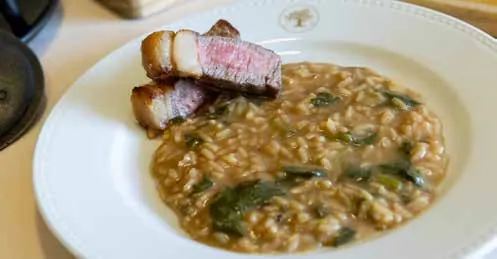
Alongside the steak, the greens matter too

Barrosã beef with rice and turnip greens, in the Cabeceiras presentation in the 2025 gastronomic guide.
ⓘ

Barrosã beef with rice and turnip greens, in the Cabeceiras presentation in the 2025 gastronomic guide.

Source: Turismo do Porto e Norte de Portugal

View source

Photograph date not stated.

Individual photographer and reuse licence not stated by the source.

Request removal or correct the photo credit

A side dish connects the vegetable garden to the plate.

In the food selection for Cabeceiras published in 2025, posta barrosã is accompanied by rice with greens. Preparation begins by briefly boiling the greens; garlic and onion browned in olive oil follow, then rice and the final cooking together. Paying attention to the side dish helps us discover a meal beyond the meat. This is the version in that publication, not a single recipe followed in every household.

Rice with greens from the 2025 food selection

Tick off ingredients as you gather them. Checkmarks last only on this page. Any time shown for the reading journey is reading time, not cooking time.

Go to preparation ↓

Ingredients

Method at a glance

Back to ingredients ↑

Tick off each step as you finish it. You can untick it; checkmarks last only on this page.

The source presents this rice as an accompaniment to posta barrosã. Only the rice is summarised here. Use the same container for the three measures of water and the measure of rice; the source gives no fixed number of servings or cooking time.

Read the original recipe →

Choose another recipe →

The accompaniment is linked to the land

Open an option and choose the story.

  1. Another presence of cabbages at the tableCauliflowers with beans →
  2. The origin of the accompanying meatBarrosan: a name that accompanies the origin →
  3. The dessert of the same proposalThese quails come from the tree →
It continues for the people, the ingredients and the occasions described in the sources.
Source and context

Porto and North Tourism — Gastronomic Weekends 2025, December, Section Cabeceiras de Basto (p. 3 of the PDF)

Accessed: . Editorial summary; the date of consultation is not the date of the facts.

Back to index ↑
Local gastronomic tradition

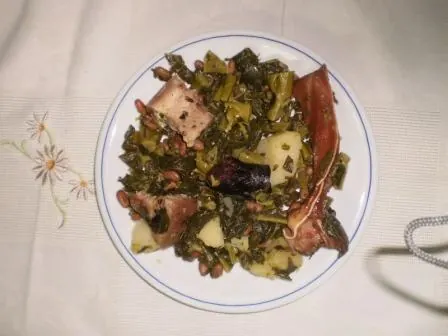
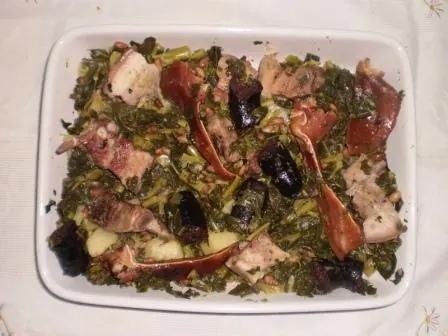
Greens with beans

Greens and beans in the Terras de Basto Museum’s account.
ⓘ

Greens and beans in the Terras de Basto Museum’s account.

Source: Museu das Terras de Basto

View source

Photograph date not stated.

Individual photographer and reuse licence not stated by the source.

Request removal or correct the photo credit

Greens and beans in the Terras de Basto Museum’s account.
ⓘ

Greens and beans in the Terras de Basto Museum’s account.

Source: Museu das Terras de Basto

View source

Photograph date not stated.

Individual photographer and reuse licence not stated by the source.

Request removal or correct the photo credit

A winter dish rooted in rural life.

Cabeceiras chose couves com feijões, greens with beans, for the Referencial Gastronómico do Minho. The description connects couve-galega and yellow beans, also called moleiro, with hearth cooking. For more substantial meals, the cooking liquid from pork and the addition of sausages enriched the dish. The Museum also preserves a family version recorded in February 2010: Maria da Conceição Gonçalves Mouta, born in Cavez and living in Pedraça, had learned the dish from her grandmother. In that preparation, the greens and potatoes used the cooking liquid from the beans and meat; olive oil was added at the table.

Compare this dish with couves com migas: one recipe uses potatoes and assorted meats; the other adds bread at the end. The same voice from Pedraça preserves two ways of bringing greens and beans to the table. Which is closer to your family memories?

Greens with beans: Maria da Conceição’s recollection

Tick off ingredients as you gather them. Checkmarks last only on this page. Any time shown for the reading journey is reading time, not cooking time.

Go to preparation ↓

Ingredients

Method at a glance

Back to ingredients ↑

Tick off each step as you finish it. You can untick it; checkmarks last only on this page.

Summary of the account recorded by Maria de Fátima Carvalho in February 2010, for five people. Household measures are those given in the account. The advance preparation of the salted meats and beans is not detailed; the 15 minutes mentioned in the original are not a total cooking time.

Read the original recipe →

Choose another recipe →

A kitchen, different moments

Open an option and choose the story.

  1. In spring, new cabbages and broa

    Compare the cabbages and beans with a preparation in which the broa is involved in the end.

    The broa also entered the cabbages →
  2. At Carnival, earpiece and grelos

    The cooking water the meat again plays a central role, now in a meal associated with Carnival.

    Carnival also went to pot →
  3. The bread and memory of the batches

    It follows the preparation of the bread that also accompanies other memories of the table.

    This bread mixture rye and wheat →
Follow family collections to compare ingredients and occasions.
Source and context

Gastronomic Reference of Minho — Cabeceiras, pp. 214–215
Accessed:

Basto Land Museum — food collections, 2010 and 2011
Accessed:

Editorial summary; the date of consultation is not the date of the facts.

Back to index ↑
Cabeceiras · regional product framework

Barrosã: a name tied to its origins

The link to the land can be documented too.

Barrosã connects the table with mountain farming. CAPOLIB describes cattle making use of meadows, damp grasslands and common land, with feed that may include grass, hay, straw and maize. It also distinguishes the breed from the certified product: Carne Barrosã depends on production rules and animals entered in the herd book, with traceability through to the consumer. Cabeceiras is part of the area described by the cooperative. Behind the name are breeders, fields and records; simply naming the breed on a menu does not confirm certification of the meat served.

The farming role was not limited to feeding the animals. The cooperative describes a dual-purpose breed used for draught work and meat: it helped work small plots, made use of available natural resources and returned manure to the fields. The animal formed part of a cycle of grazing, cultivation and fertilisation.

The horns are another feature highlighted by CAPOLIB: they project upwards in a shape resembling a lyre. The name refers to the Barroso plateau, but the breed’s history also includes its spread through Minho. Understanding its origins therefore calls for a regional view beyond the borders of one municipality.

Source and context

CAPOLIB — Barrosan breed, historical area and designation of origin

Accessed: . Editorial summary; the date of consultation is not the date of the facts.

Back to index ↑
Tastes suggested by municipal tourism

There is always room for dessert

Cavacas in the Cabeceiras presentation in the 2023 gastronomic guide.
ⓘ

Cavacas in the Cabeceiras presentation in the 2023 gastronomic guide.

Source: Turismo do Porto e Norte de Portugal

View source

Photograph date not stated.

Individual photographer and reuse licence not stated by the source.

Request removal or correct the photo credit

Three sweet endings to whet your appetite.

Pão de ló, cavacas and cheese with quince paste appear among Visit Cabeceiras’s food suggestions. They are invitations to discover the local table; the source does not claim they originated exclusively in this municipality.

The municipal tourism service’s three suggestions set out complete meals. Pão de ló follows grilled alheira sausage and roast kid; cavacas come after cured ham with melon and roast veal; cheese with quince paste concludes a suggestion of chouriço and greens with beans. They offer ways to imagine a meal, without reserving a table or guaranteeing that the dishes are available.

For other sweet stories, family accounts lead to lemon biscuits and rabanadas. Part of the pleasure lies in discovering who passed on the recipe, when it was prepared and how the memory was recorded.

Choose the next flavor

Open an option and choose the story.

  1. Start with the kale dishCauliflowers with beans →
  2. Try cookie recipeA recipe that has crossed continents →
  3. Meet dinner of 2016Potatoes with school name →
A suggestion of a meal, a family recipe or a documented episode: each call tells a different story.
Source and context

Visit Cabeceiras — Emotional recipe

Accessed: . Editorial summary; the date of consultation is not the date of the facts.

Back to index ↑
Cabeceiras town · Municipal Market history

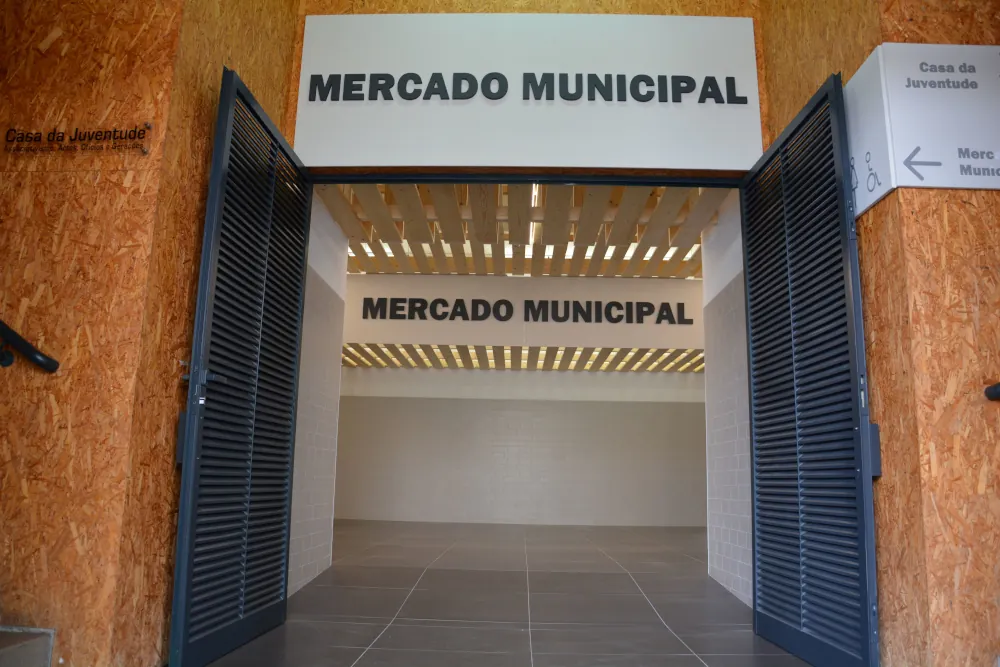
The market is a meeting place too

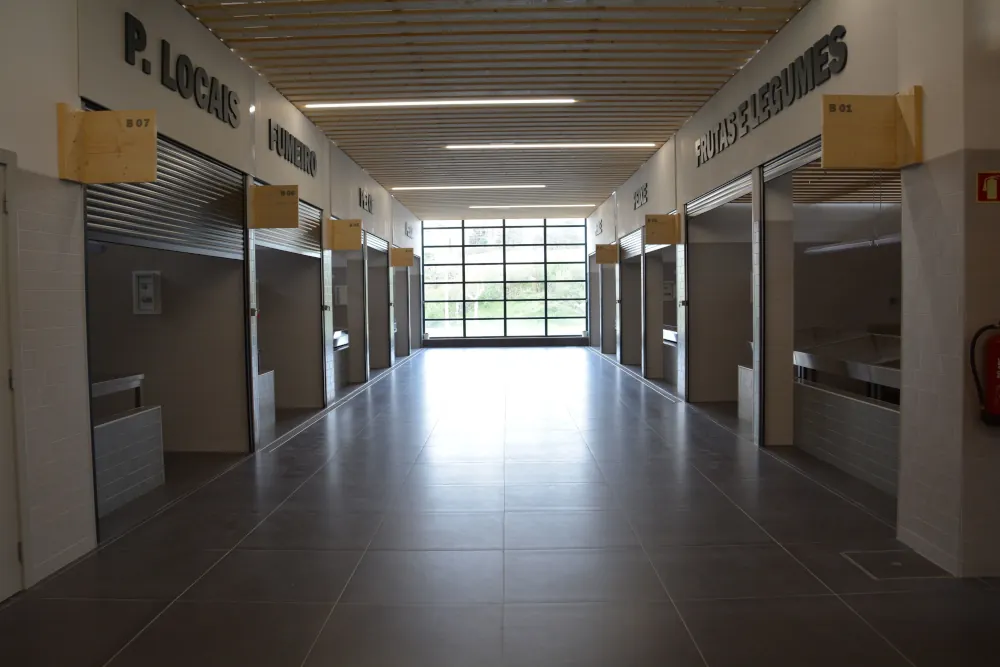
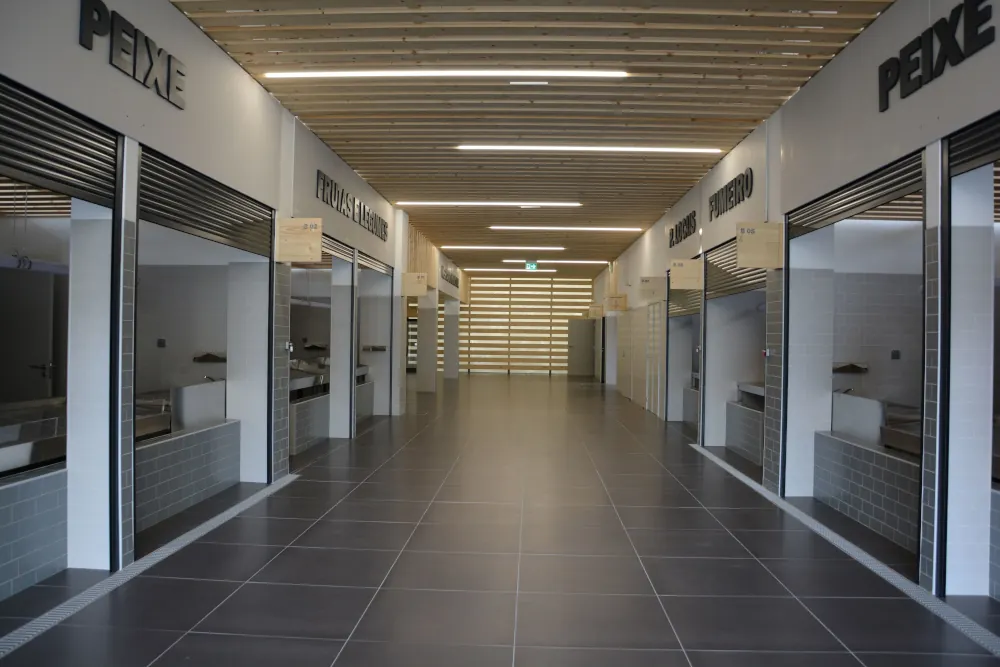
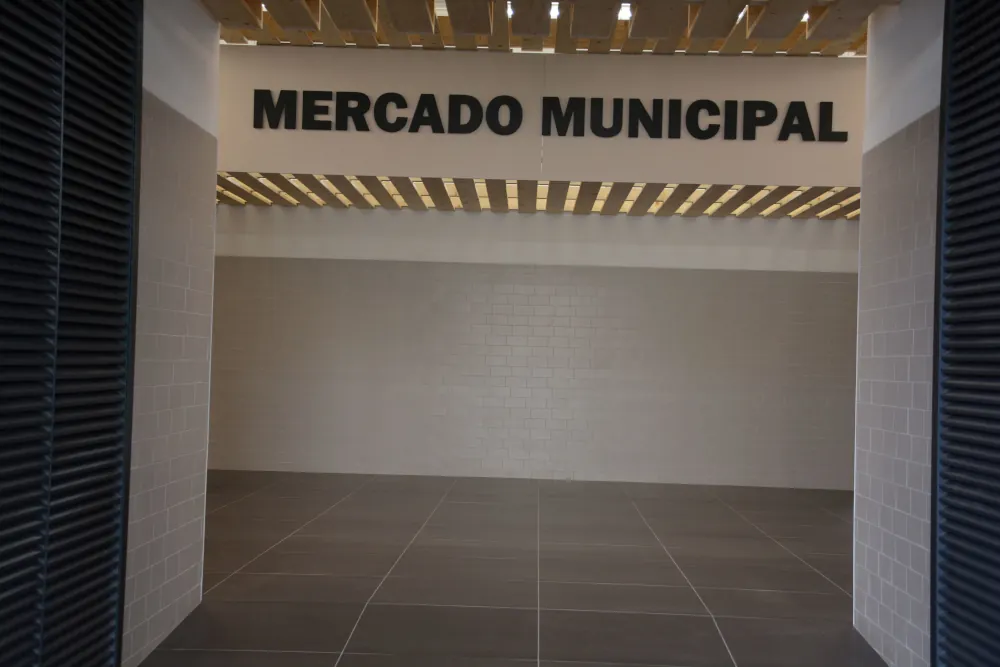
Entrance of the Municipal Market, in the municipal gallery.
ⓘ

Entrance of the Municipal Market, in the municipal gallery.

Source: Municipality of Cabeceiras de Basto

View source

Photograph date not stated.

Individual photographer and reuse licence not stated by the source.

Request removal or correct the photo credit

Interior corridor of the Municipal Market, in the municipal gallery.
ⓘ

Interior corridor of the Municipal Market, in the municipal gallery.

Source: Municipality of Cabeceiras de Basto

View source

Photograph date not stated.

Individual photographer and reuse licence not stated by the source.

Request removal or correct the photo credit

Commercial spaces of the Municipal Market, in the municipal gallery.
ⓘ

Commercial spaces of the Municipal Market, in the municipal gallery.

Source: Municipality of Cabeceiras de Basto

View source

Photograph date not stated.

Individual photographer and reuse licence not stated by the source.

Request removal or correct the photo credit

Hall of the Municipal Market, in the municipal gallery.
ⓘ

Hall of the Municipal Market, in the municipal gallery.

Source: Municipality of Cabeceiras de Basto

View source

Photograph date not stated.

Individual photographer and reuse licence not stated by the source.

Request removal or correct the photo credit

Shopping and conversation tell the town’s story.

The Municipal Market building was purpose-built and opened in 1997. The municipal description explains that, in 2013, its basement and first floor began housing the Casa da Juventude, Associativismo, Artes, Ofícios e Gerações, while the market remained on the ground floor. The stalls belong to a space the municipality also presents as a meeting place. Shopping, conversation and participation in local life therefore fit within the same building’s history.

Source and context

Municipality — Municipal Market: inauguration in 1997 and adaptation of the building in 2013

Accessed: . Editorial summary; the date of consultation is not the date of the facts.

Back to index ↑
YOUR LOCAL GUIDE

What would you like to discover?

Take a closer look.