Discover Cabeceiras de BastoFree independent guide
ViveCabeceirasYOUR GUIDE TO CABECEIRAS
ENEnglish
SearchSaved
12 STORIES · CONTINUOUS READING

To Faia, between trades and devotions

Twelve stories to get to know Faia: the sixteen places told in 1758, agriculture, tannaria, manual footwear, chapels and the recent care of the heritage. Comparing names and testimonies, explores photographs and goes to the records of the church and the Lady of Amparo. Reading route, without indicating a visit itinerary.

All stories in the order of the route. You can print this page by the browser; sources and credits follow the reading.

Things to try7 activities · 5 interactive explorations · 5 questions
Faia · municipal description of the settlement

A road helps explain Faia

Not every settlement grows around a single centre.

In the south of the municipality, beside the boundary with Celorico de Basto, the municipality describes Faia through its proximity to Arco de Baúlhe and the distribution of settlement along the EN 206. The road helps explain a pattern of occupation that is not confined to a single centre.

The introduction connects access, farming, wine-growing and crafts such as cooperage and handmade footwear. To discover the parish, connect houses and paths with these memories of work. This reading of the municipal source does not replace current mapping or identify open workshops.

Source and context

Municipality — presentation of Faia: settlement and traditional activities

Accessed: . Editorial summary; the date of consultation is not the date of the facts.

Back to index ↑
Faia · settlement described in 1758

A parish told through sixteen settlements

In 1758, Faia appears as a network of small settlements.

In the account of 23 May 1758, abbot João de Lima Lobo de Noronha lists sixteen settlements: Covilhã, Augueiros, Presas, Nogueira, Candedo, Ribeiro, Outeiro, Porcarice, Faia, Togais, Souto, Ribeira, Terças, Breia, Casa Nova and Joio. He places the church outside the settlement and describes the parish on a north-facing slope.

The list suggests territory spread among small clusters, not only around the parish church. The names belong to the historical transcription; they are not a current administrative list and cannot by themselves define each settlement’s boundaries.

The same testimony offers two counts: 99 households and 418 people. The document separates them; they should not be added together or the term vizinhos read as another total of inhabitants. It also distinguishes scales: discussing the municipality, the abbot mentions eighteen parishes but says he does not know their household count. Knowing what the author did not count is as useful as knowing the figures he left.

Ribeiro and Ribeira appear as separate entries. Outeiro is here a settlement in Faia: sharing a name with another parish does not authorise moving the reference on the map. The full list allows names to be compared, while the chapels help explain some relationships between settlements and houses.

A parish distributed by places

Open an option and choose the story.

  1. The chapels and their communitiesChapels between the hill and the houses →
  2. The fairs at the pace of the yearThe year was also counted by the fairs →
  3. News at the pace of the weekThe letters had arrival days →
It connects settlement to meetings, communications and chapels, keeping the date of documents.
Source and context

Municipality — Memory of Faia, 23/05/1758; transcript of José Viriato Chapel (2003)

Accessed: . Editorial summary; the date of consultation is not the date of the facts.

Back to index ↑
Faia · a historical reading of architecture

Tojeira did not stand still in one century

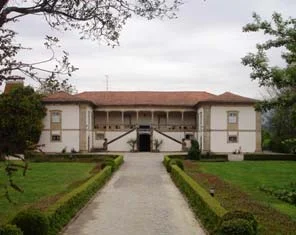
Archive photograph: Casa da Tojeira.
Outside Casa da Tojeira: context to observe the facade and staircase, without assigning to the photograph the date of the works.ⓘ

An old house is made of changes too.

The 2013 municipal monograph reads Casa da Tojeira as a building shaped by several periods. Its analysis connects 17th-century origins with an 18th-century architectural expression and 19th-century alterations, including the balcony, staircase and relationship with the road. Instead of reducing everything to one date, it suggests seeing the house as a building that kept being adapted. This historical reading does not confirm current visiting arrangements.

See Fact sheet: Casa da Tojeira
Source and context

Cabeceiras de Basto: History and Heritage (municipal edition, 2013) — Casa da Tojeira analysis

Accessed: . Editorial summary; the date of consultation is not the date of the facts.

Back to index ↑
Faia · agriculture and food memory

In Faia, fruit matters too

Cherries, wine and olive oil help tell the story of this farming landscape.

The municipal presentation highlights cherries in Faia’s farming and associates the parish with wine production. Cooperage, the craft of making wooden vessels, adds another dimension to this agricultural landscape.

In May 1758, the abbot described a greater abundance of wine, fruit and olive oil than of grain. The two sources bring different periods into view, but do not establish an exact continuity of crops: the older document speaks of fruit in general without identifying cherries. Comparing them reveals both what we know and what remains to be clarified.

From fruit to containers

Open an option and choose the story.

  1. The supply of nearby Vila NuneThere was wine, but bread was bought →
  2. The hands that worked the woodThe wood also stores the wine →
  3. A container to serve olive oilThe olive oil also had tablepiece →
Choose a story to continue. Each reading preserves its time, place and source.
Getting to know the parish
Source and context

Council — Faia
Accessed:

Municipality — Parish memories of Faia, 23/05/1758, transcript of José Viriato Chapel (2003)
Accessed:

Editorial summary; the date of consultation is not the date of the facts.

Back to index ↑
Crafts · Faia, Basto and Refojos

Wood holds the wine too

Casks, vats and barrels tell a craft’s story.

The municipality associates these crafts with Faia and also mentions cooperage in Basto and Refojos. The container is as much a part of wine culture as the vine. At the ethnographic parade of 24 September 2023, devoted to arts and crafts, Faia presented its coopers. The municipal report shows how this skill was also chosen to represent the parish at a shared celebration. That occasion does not confirm a workshop open to visitors today. The parish introduction adds handmade footwear to its craft traditions. The wood used for wine containers is therefore part of a wider memory of work, without identifying today’s craftspeople or workshops here.

Two craft terms help explain how a container is built. The Museu da Lourinhã identifies staves and hoops as central elements: wooden pieces form the body, while hoops surround them. The description highlights the shaping of the staves’ curvature and thickness. This is a general explanation of cooperage, used here to read the objects; it does not document the production sequence of a workshop in Faia.

When looking at a barrel, find the vertical joins between pieces and the hoops encircling them. Then compare it with a clog’s wooden sole: a material can be carved to support a foot or worked into several pieces to form a container. The finished object holds decisions about shape, fitting and use.

Cooperage lets us follow wine beyond the harvest. Between grapes and the table lie containers, transport, storage and workshop labour. It connects vineyard history with craft: when looking at an object, also look for the work that made it possible.

Getting to know the parish
Source and context

Municipality — crafts and services of the parishes

Municipality — Arts and Crafts in the Ethnographic Court, news of 25/09/2023

Municipality — presentation of Faia: settlement and traditional activities

Lourinhã Museum — Tanoeiro, elements and work of the plasters; general technical context

Accessed: . Editorial summary; the date of consultation is not the date of the facts.

Back to index ↑
Faia · craft tradition mentioned by the municipality

In Faia, hands made footwear too

Between vines and wood, another craft awaits.

The municipal introduction to Faia includes handmade footwear among the parish’s craft traditions, alongside cooperage. It offers a way to look at the local economy beyond the fields: hands also worked to produce everyday objects.

The source identifies no workshops, craftspeople or footwear models. This reference therefore cannot help choose a present-day shop or establish that these were socos or tamancos. That question remains open. Comparing documented stories of clog makers in other parishes helps reveal how much a craft’s name can conceal about materials, techniques and people.

Three Ways by Crafts

Open an option and choose the story.

  1. The wood that kept wineThe wood also stores the wine →
  2. Footwear that arrived at the fairTwo ox cars full of shoes →
  3. A tree and the punchesBefore the punch, a piece of alder →
You know the information documented in each story, without assuming that all the techniques were used in Faia.
Source and context

Council — Faia

Accessed: . Editorial summary; the date of consultation is not the date of the facts.

Back to index ↑
Faia · Parish Memories of 1758

Chapels among hills and houses

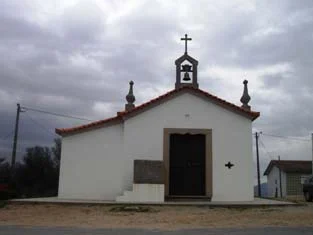
Archive photograph: Capela da Senhora do Amparo da Faia.
Capela da Senhora do Amparo da Faiaⓘ

The 1758 account draws a small religious geography of Faia.

In 1758, Faia’s abbot placed Nossa Senhora do Amparo on a hill and associated it with captain-major Manuel Baltasar de Abreu de Lima. Santo António da Covilhã was presented as a chapel belonging to the settlement, outside its built area. Santo António da Ribeira stood beside Leandro Machado’s house, and Nossa Senhora da Piedade beside Francisco de Moura Coimbra’s. The account adds that these chapels had no fixed pilgrimages. Rather than merely listing buildings, it distinguishes relationships among devotion, families and community. This is a picture of that year, without indicating present ownership, celebrations or access conditions.

Getting to know the parish See Fact sheet: Capela da Senhora do Amparo da Faia
Source and context

Municipality — Parish Memoirs of Faia, 23/05/1758, replies 13 and 14; transcript of José Viriato Chapel (2003)

Accessed: . Editorial summary; the date of consultation is not the date of the facts.

Back to index ↑
Faia · 1758 account

Five altars to read a church

Devotions also organised space.

Faia’s abbot recorded five altars in 1758, mentioning the Name of God, Saint Anthony and Our Lady under the invocation of the Rosary, with its confraternity. The document shows different devotions gathered in one church.

The restoration reported in 2022 belongs to another moment. The two descriptions have different purposes and periods: comparing numbers alone cannot determine which pieces remained or disappeared. The church profile continues the discovery of the building while keeping historical memory separate from visiting information.

The enumeration distinguishes the high altar from four side altars. The reference to the Rosary confraternity adds people to the space: the church appears not only as a group of objects but also in connection with a devotional organisation. The text does not, however, describe that confraternity’s membership or activities in detail.

See Fact sheet: Igreja de São Tiago da Faia
Source and context

Municipality — Memory of Faia, 23/05/1758; transcript of José Viriato Chapel (2003)

Archdiocese of Braga — restoration and reopening of the matrix of Faia, 01/09/2022

Accessed: . Editorial summary; the date of consultation is not the date of the facts.

Back to index ↑
Faia · 1758 account

A stream with a date to keep

Water also held beliefs and gatherings.

In Faia’s 1758 account, the abbot describes a stream beside the church where many people gathered on Saint James’s Day. They sought the creatures called bichas, which they associated with cures for illnesses. According to the tradition he recorded, they appeared there only on that day. This is testimony to old beliefs and practices, not confirmation of their effectiveness or advice to repeat them. The small watercourse thus becomes part of the history of local devotion.

Source and context

Municipality — Memory of Faia, 23/05/1758; transcript of José Viriato Chapel (2003)

Accessed: . Editorial summary; the date of consultation is not the date of the facts.

Back to index ↑
Faia · restoration documented in 2022

A year of work, a church reopened

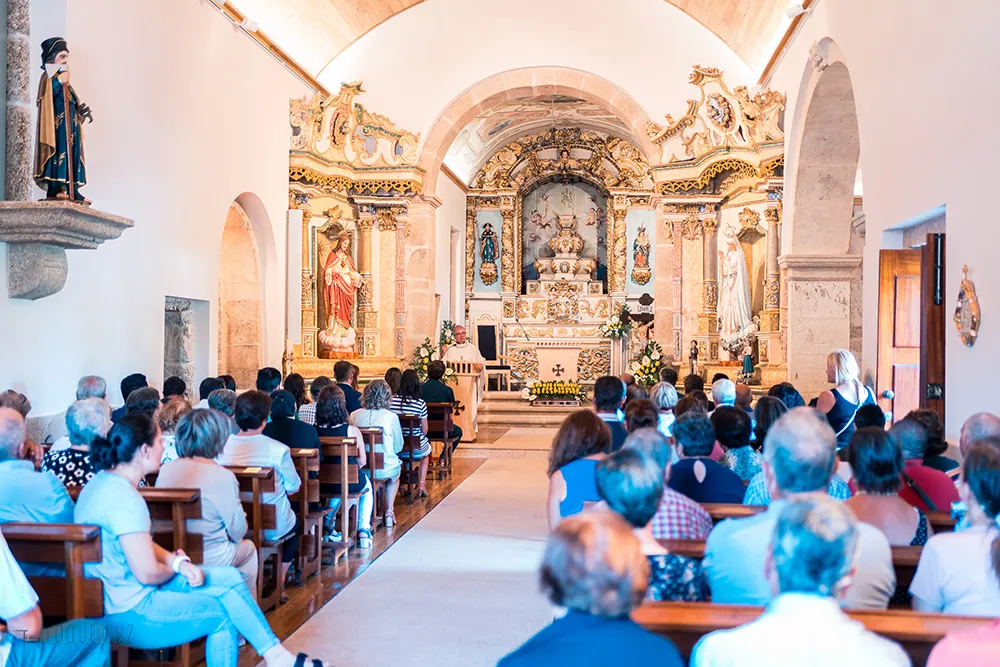
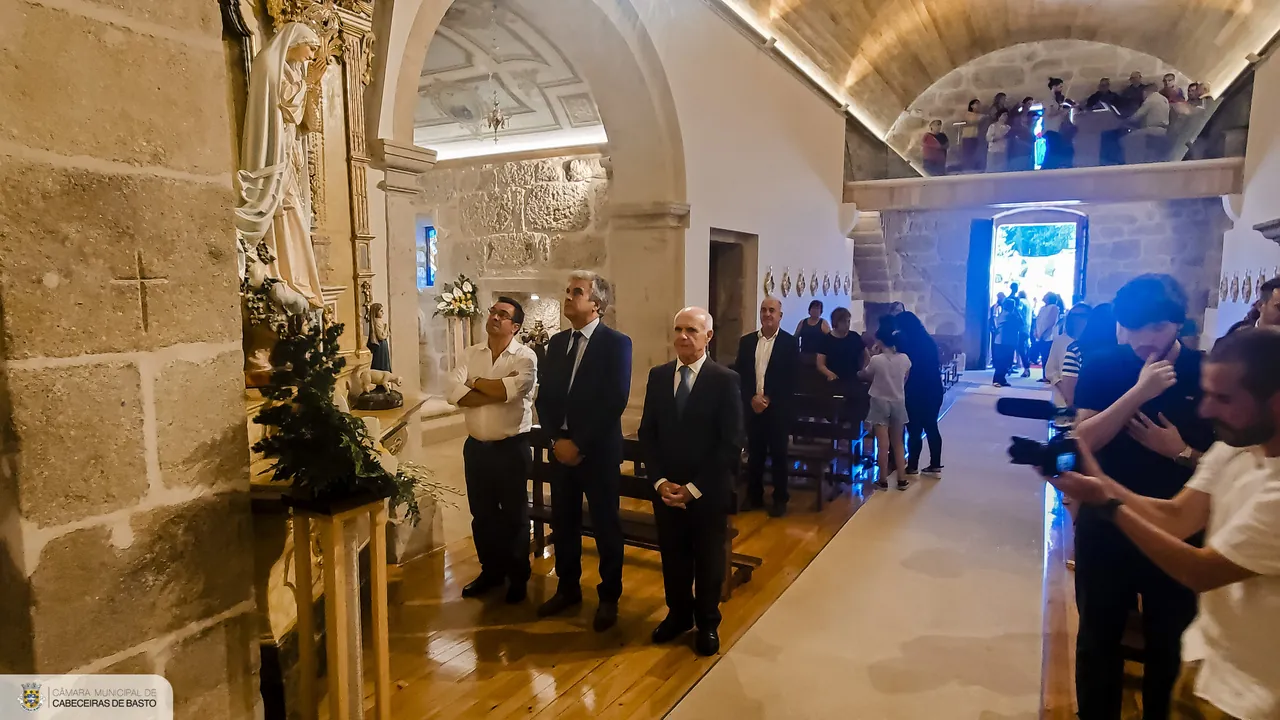
Interior of the church of São Tiago da Faia during the celebration documented by the Archdiocese in 2022.
DACS
ⓘ

Interior of the church of São Tiago da Faia during the celebration documented by the Archdiocese in 2022.

Fotografia: DACS

View source

Photograph date not stated.

Fotografia creditada como DACS na notícia da Arquidiocese; licença de reutilização não identificada.

Request removal or correct the photo credit

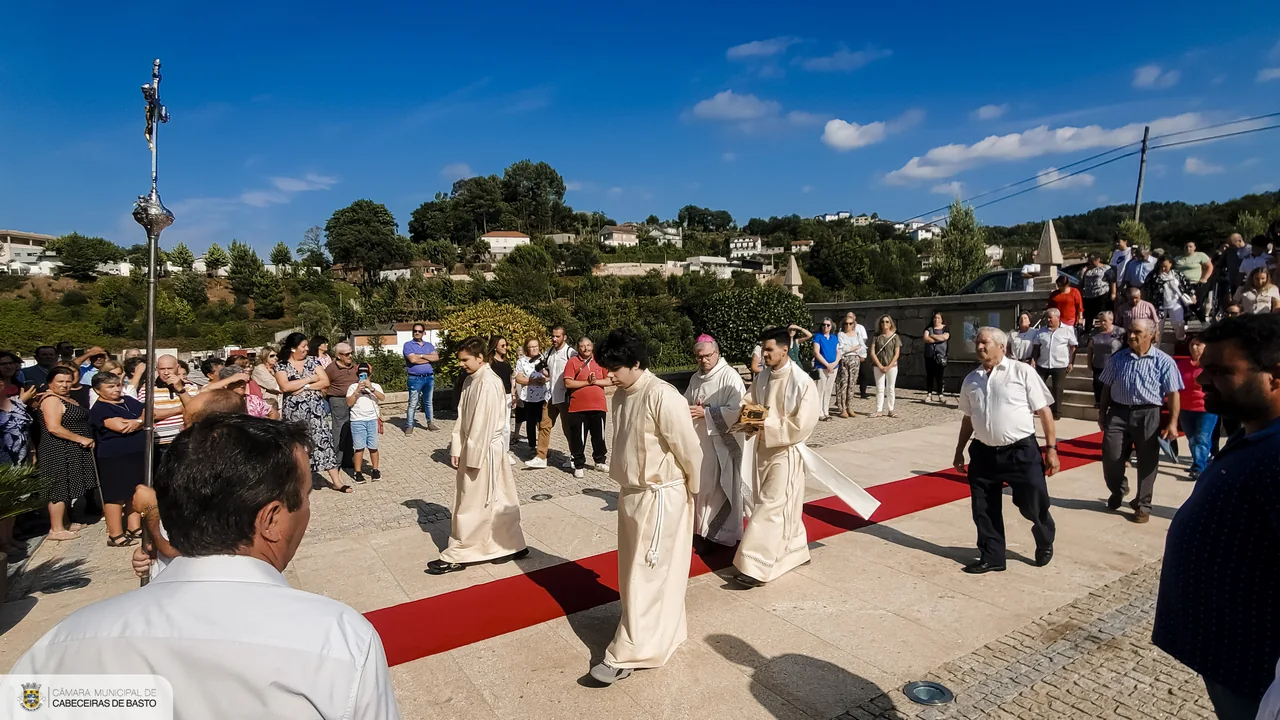
Church of São Tiago da Faia and its forecourt during the August 2022 reopening ceremony.
ⓘ

Church of São Tiago da Faia and its forecourt during the August 2022 reopening ceremony.

Source: Municipality of Cabeceiras de Basto

View source

Photograph date not stated.

Autor e licença de reutilização não identificados na fonte.

Request removal or correct the photo credit

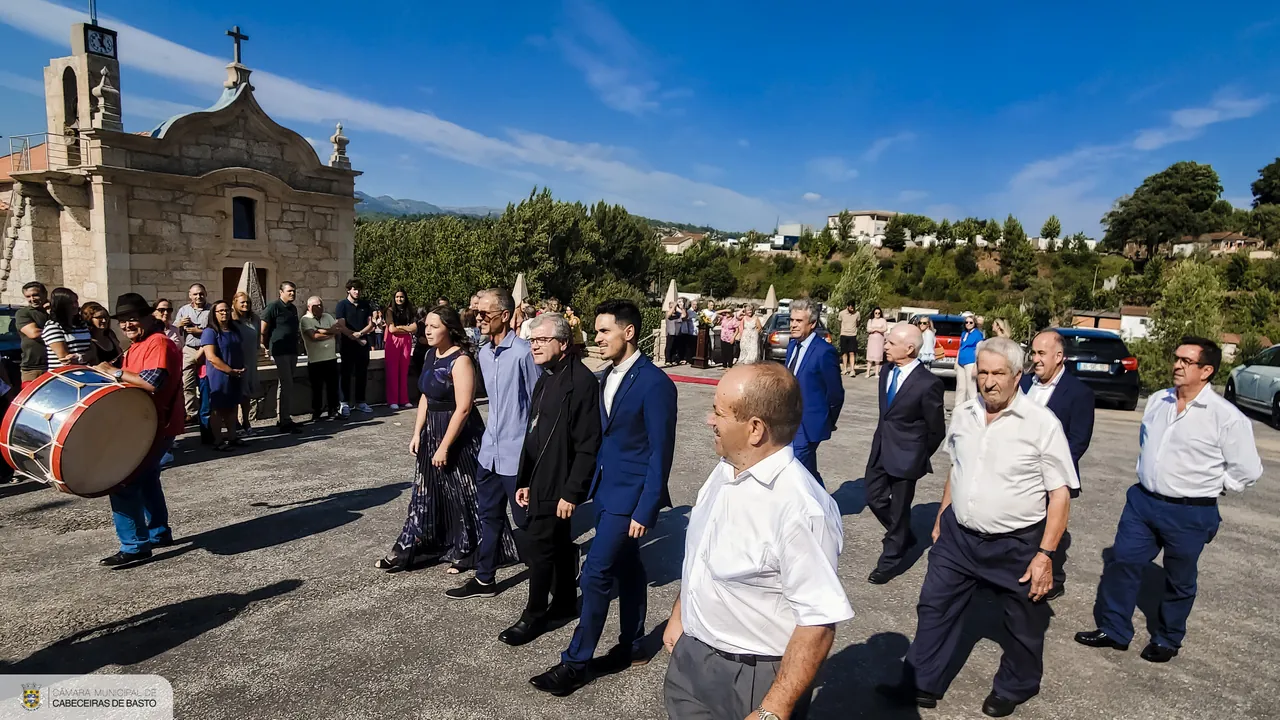
Reopening ceremony at the parish church of Faia on 14 August 2022.
ⓘ

Reopening ceremony at the parish church of Faia on 14 August 2022.

Source: Municipality of Cabeceiras de Basto

View source

Date given at source: .

Licença de reutilização não identificada; DR não identifica o fotógrafo. O crédito DACS é conservado quando indicado pela fonte.

Request removal or correct the photo credit

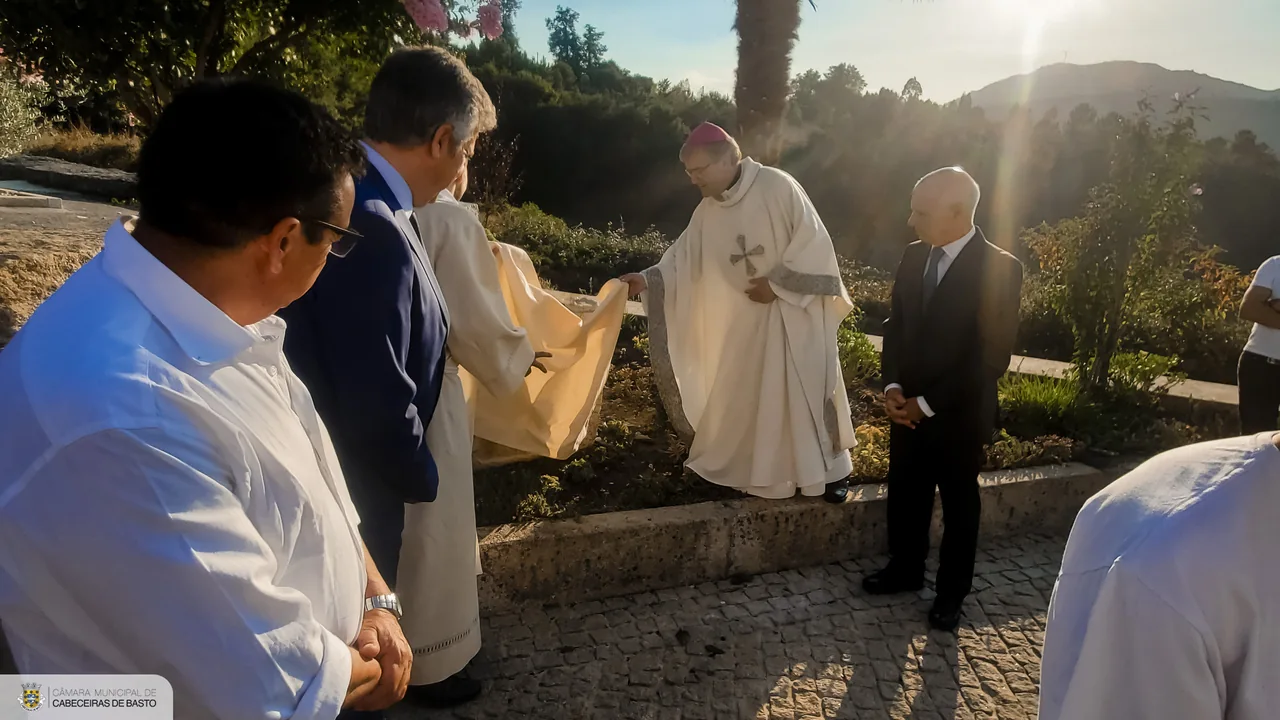
Blessing beside the parish church of Faia during the August 2022 ceremony.
ⓘ

Blessing beside the parish church of Faia during the August 2022 ceremony.

Source: Municipality of Cabeceiras de Basto

View source

Date given at source: .

Licença de reutilização não identificada; DR não identifica o fotógrafo. O crédito DACS é conservado quando indicado pela fonte.

Request removal or correct the photo credit

Entrance to the church of São Tiago da Faia during the ceremony documented in August 2022.
ⓘ

Entrance to the church of São Tiago da Faia during the ceremony documented in August 2022.

Source: Municipality of Cabeceiras de Basto

View source

Photograph date not stated.

Autor e licença de reutilização não identificados na fonte.

Request removal or correct the photo credit

Heritage is also made through recent care.

The church of São Tiago da Faia reopened on 14 August 2022 after being closed for around a year for building work. The Archdiocese of Braga’s report records the restoration of paintings, religious images and three altars, along with the installation of stained glass depicting episodes from the patron saint’s life and mission. This recent intervention differs from the account of five altars left in 1758: the sources come from different periods, not a directly comparable count of surviving objects.

The report also tells who made the work possible. Parish priest Rui Filipe Marques Araújo credited the community’s involvement; the ceremony brought together association representatives, workers and benefactors. Archbishop José Cordeiro presided. Behind the paintings and stained glass restored or installed lies a story of participation.

Reopening does not necessarily mean that every task was finished: the same report records an appeal to continue completing the restoration. The August date marks the celebration and the return of the space to religious use, without establishing by itself when each intervention ended.

The church at different times

Open an option and choose the story.

  1. The interior described in 1758Five altars to read a church →
  2. The church and the places around itA parish told by sixteen places →
  3. Materials and light in the Lady of AmparoRoots and light give another life to the chapel →
Cross the testimony of 1758 with the intervention of 2022 and other documented remodeling in the parish.
See Fact sheet: Igreja de São Tiago da Faia
Source and context

Archdiocese of Braga — restoration and reopening of the matrix of Faia, 01/09/2022
Accessed:

Arquidiocese de Braga — matriz da Faia, 01/09/2022; fotografia DACS
Accessed:

Município — inauguração e bênção da matriz da Faia, notícia de 17/08/2022
Accessed:

Editorial summary; the date of consultation is not the date of the facts.

Back to index ↑
Faia · sacred art, 2025

Roots and light renew a chapel

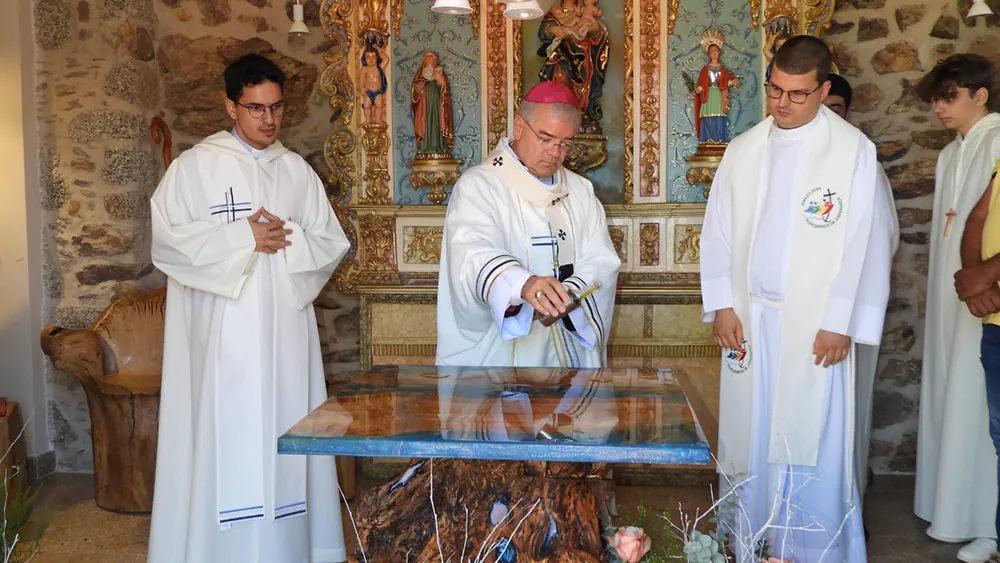
The altar of the Chapel of Nossa Senhora do Amparo during the celebration documented in October 2025.
ⓘ

The altar of the Chapel of Nossa Senhora do Amparo during the celebration documented in October 2025.

Source: Arquidiocese de Braga

View source

Photograph date not stated.

Autor e licença de reutilização não identificados na fonte.

Request removal or correct the photo credit

At Senhora do Amparo, materials tell a story too.

Olive-tree roots shaped the new altar and ambo in the chapel of Nossa Senhora do Amparo. The Archdiocese of Braga’s report of 6 October 2025 attributes the work to Atelier Amadeus and describes a refurbishment centred on the altar. A suspended cross forms part of the element called Corpo de Luz.

Parish priest Rui Filipe Marques Araújo explained the lighting’s symbolism: groups of lights refer to the Trinity, the Evangelists and the Apostles. The publication also highlights the contribution of artists, technicians, workers and the community. The intervention shows heritage continuing to gain new forms and meanings; the 2025 report does not give visiting hours.

The account presents the celebration, presided over by José Cordeiro, as a gathering of Faia with the communities of Arco de Baúlhe and Vila Nune. The choice of roots also receives a religious interpretation: according to the priest, transforming previously discarded material expresses renewal and redemption. This is the symbolic reading attributed to him in the report, distinct from the description of the materials. To understand the work, we can look at both layers: how it was made and the meaning given to it.

Material, memory and transformation

Open an option and choose the story.

  1. The chapel in the testimony of 1758Chapels between the hill and the houses →
  2. Another intervention in the parishA year of works, a church reopened →
  3. To know the olive treeOne leaf, two faces →
It links the intervention of 2025 to the history of the chapel, the restoration of the matrix and the tree from which the material came.
Getting to know the parish See Fact sheet: Capela da Senhora do Amparo da Faia
Source and context

Archdiocese of Braga — renewal of Lady of Amparo, news of 06/10/2025
Accessed:

Arquidiocese de Braga / Paróquia São Tiago da Faia — dedicação da capela, 06/10/2025; fotografia indicada como DR
Accessed:

Editorial summary; the date of consultation is not the date of the facts.

Back to index ↑
Faia · account of municipal fairs in 1758

The year was counted in fairs too

Faia’s abbot left a calendar reaching beyond the parish.

In his 1758 answer, Faia’s abbot mentions the São Miguel fair, beginning on 28 September and lasting three days. He also refers to São Tiago on 21 and 22 July, and a monthly fair on the 2nd in the municipality’s main town.

Olela appears with several occasions across the year, including Santa Catarina, December and São Matias in February. The description’s origin matters: this is the calendar related by Faia’s abbot, not a list of fairs all held within the parish. The dates belong to 1758 and are not announcements in the current agenda.

Source and context

Municipality — Parish Memoirs of Faia, João de Lima Lobo de Noronha, 23/05/1758

Accessed: . Editorial summary; the date of consultation is not the date of the facts.

Back to index ↑
YOUR LOCAL GUIDE

What would you like to discover?

Take a closer look.