Discover Cabeceiras de BastoFree independent guide
ViveCabeceirasYOUR GUIDE TO CABECEIRAS
ENEnglish
SearchSaved
9 STORIES · CONTINUOUS READING

A season, many stories

Nine stories follow the arrival of the line, the vehicles, the life of the station and the transformation of the channel into Ecopist. Two chronologies distinguish works and new uses. Matamá Bridge is in Celorico from Basto; this is a reading sequence, not a pedestrian itinerary.

All stories in the order of the route. You can print this page by the browser; sources and credits follow the reading.

Things to try5 activities · 5 interactive explorations · 4 questions
Transport history · Arco de Baúlhe

A railway took forty years to arrive
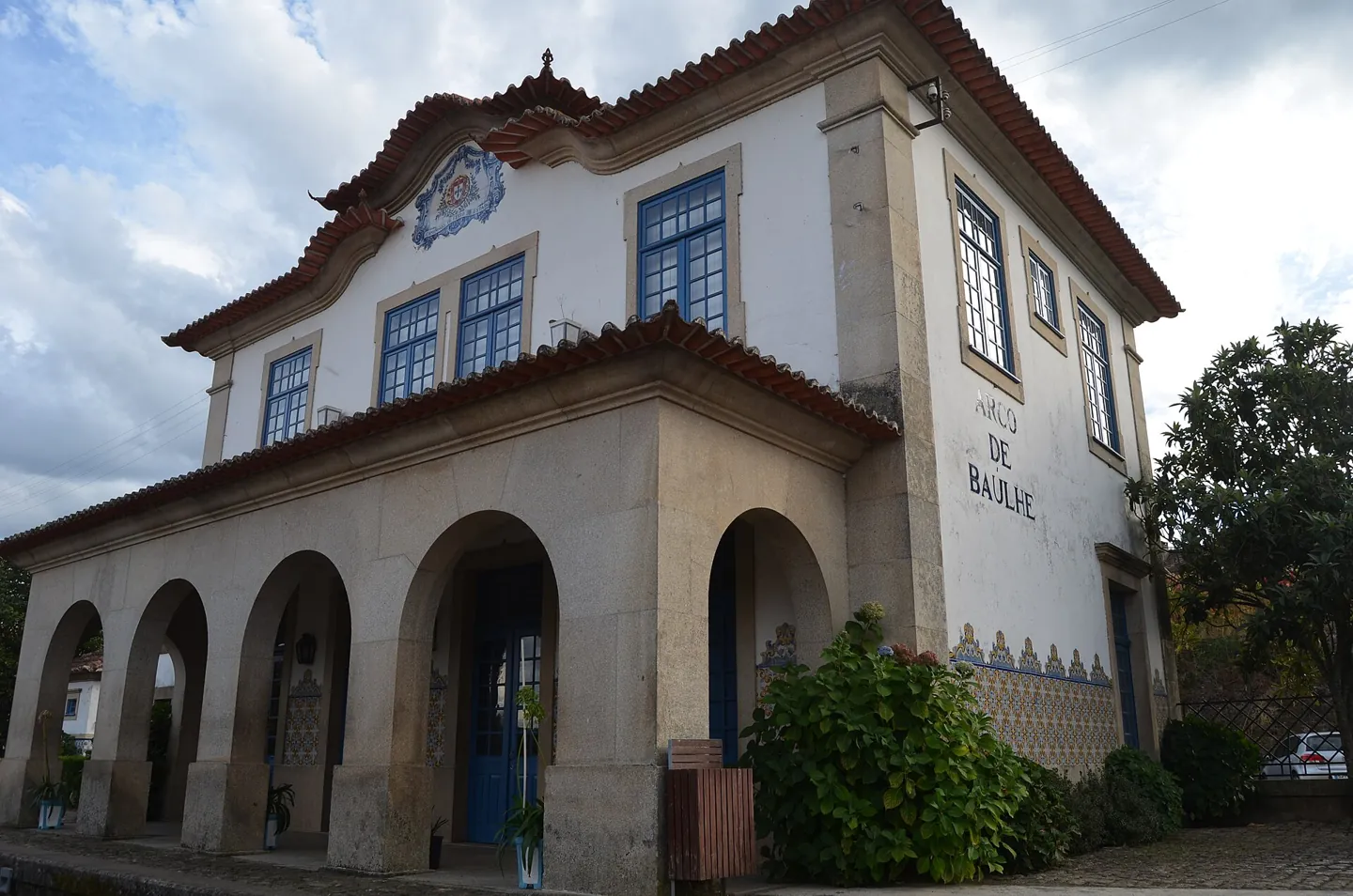
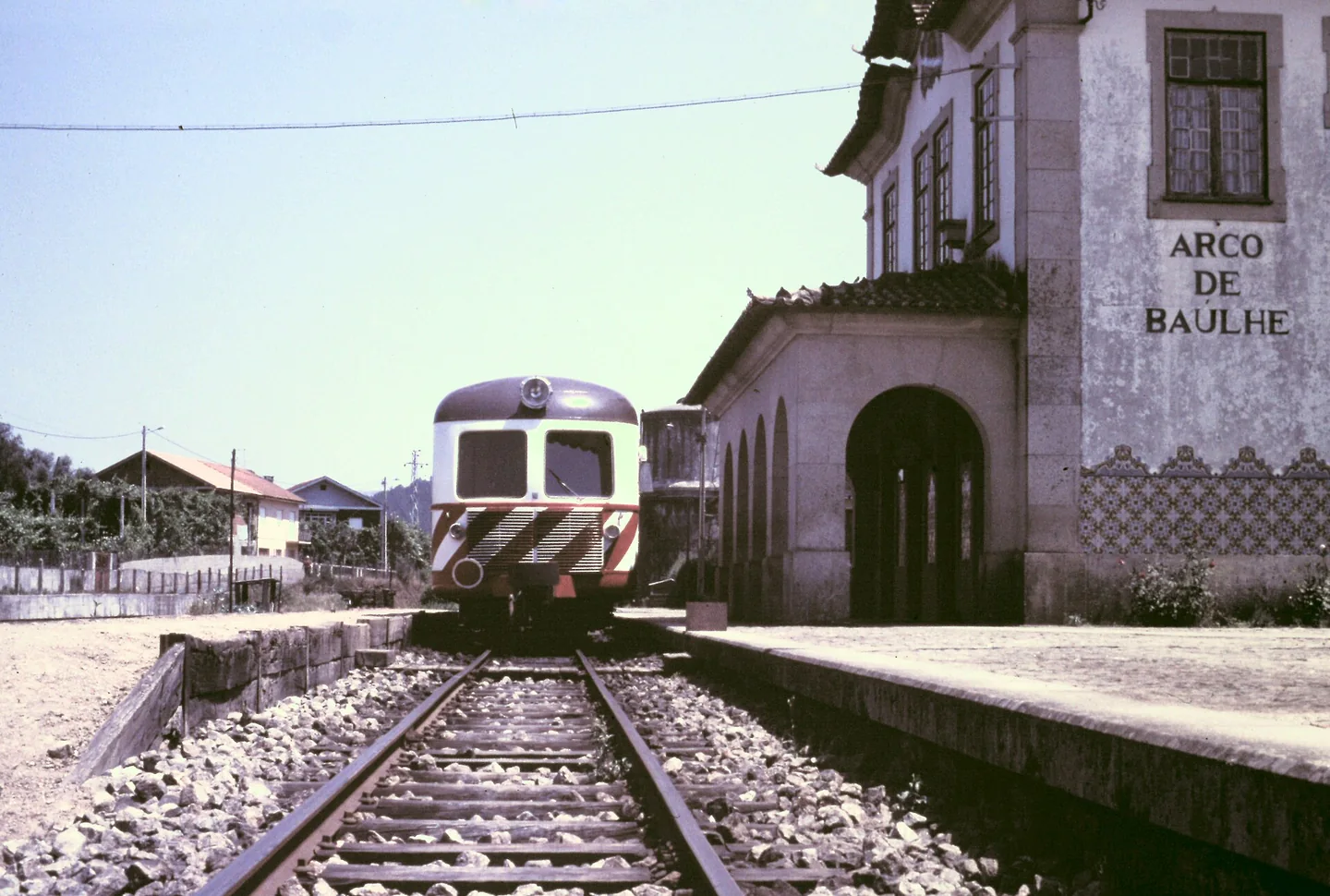
Arco de Baúlhe station building with its arched gallery.
Pedro from Maia (Porto), Portugal
ⓘ

Arco de Baúlhe station building with its arched gallery.

Photography: Pedro from Maia (Porto), Portugal · CC BY 2.0

View source

Date given at source: .

Request removal or correct the photo credit

Arco de Baúlhe station: building and garden.
FF Mira
ⓘ

Arco de Baúlhe station: building and garden.

Photography: FF Mira · CC BY-SA 2.0

View source

Date given at source: .

Request removal or correct the photo credit

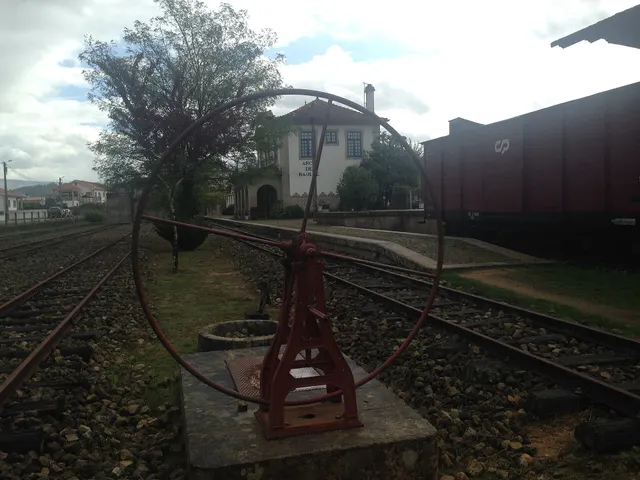
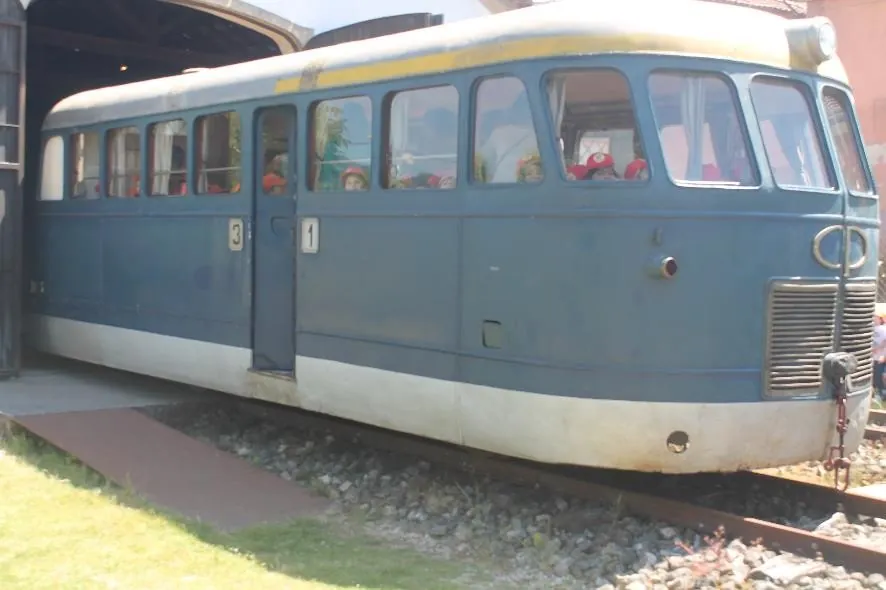
Railway rolling stock on the tracks at the former Arco de Baúlhe station.
Fernando Moital from Évora, Portugal
ⓘ

Railway rolling stock on the tracks at the former Arco de Baúlhe station.

Photography: Fernando Moital from Évora, Portugal · CC BY 2.0

View source

Date given at source: .

Request removal or correct the photo credit

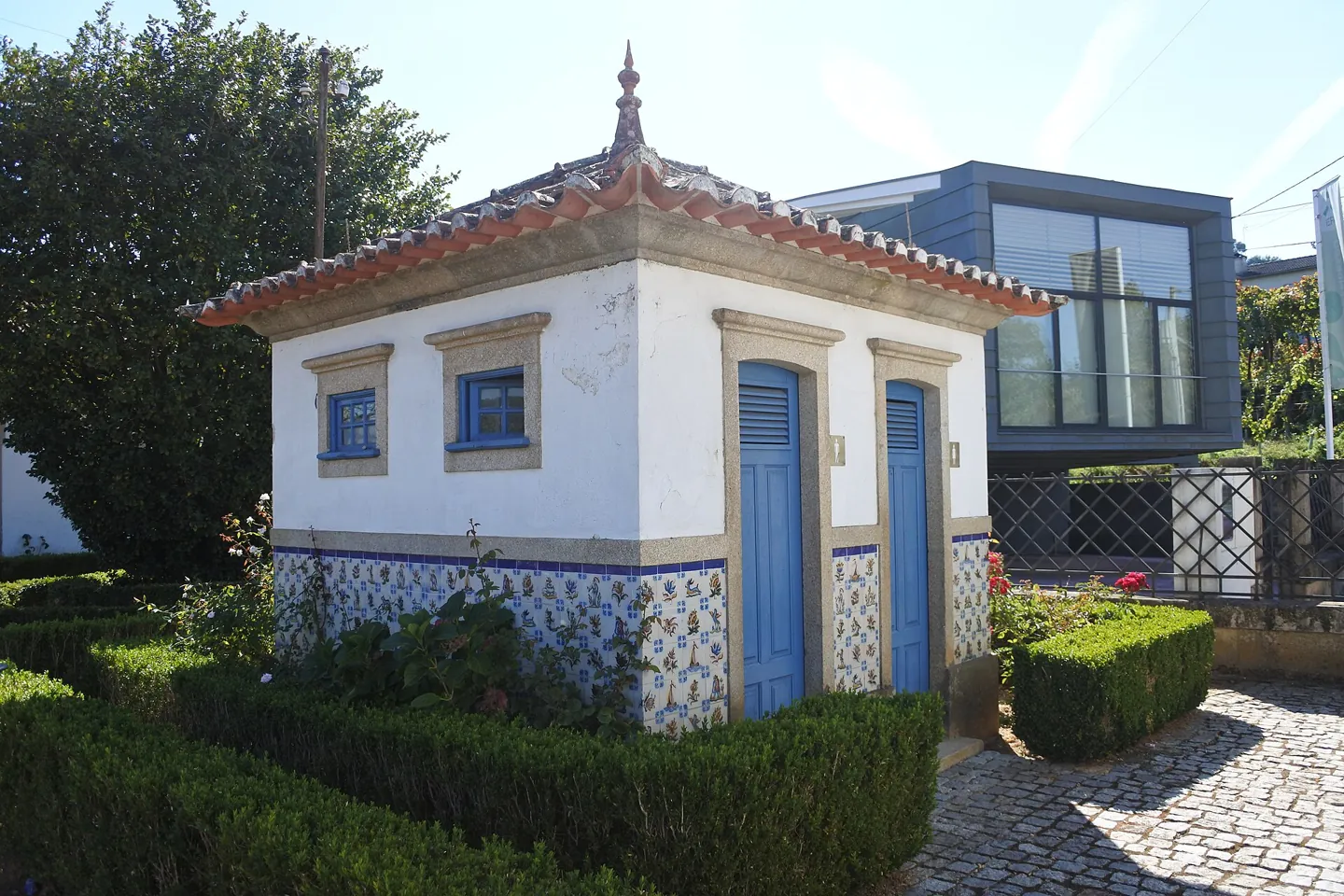
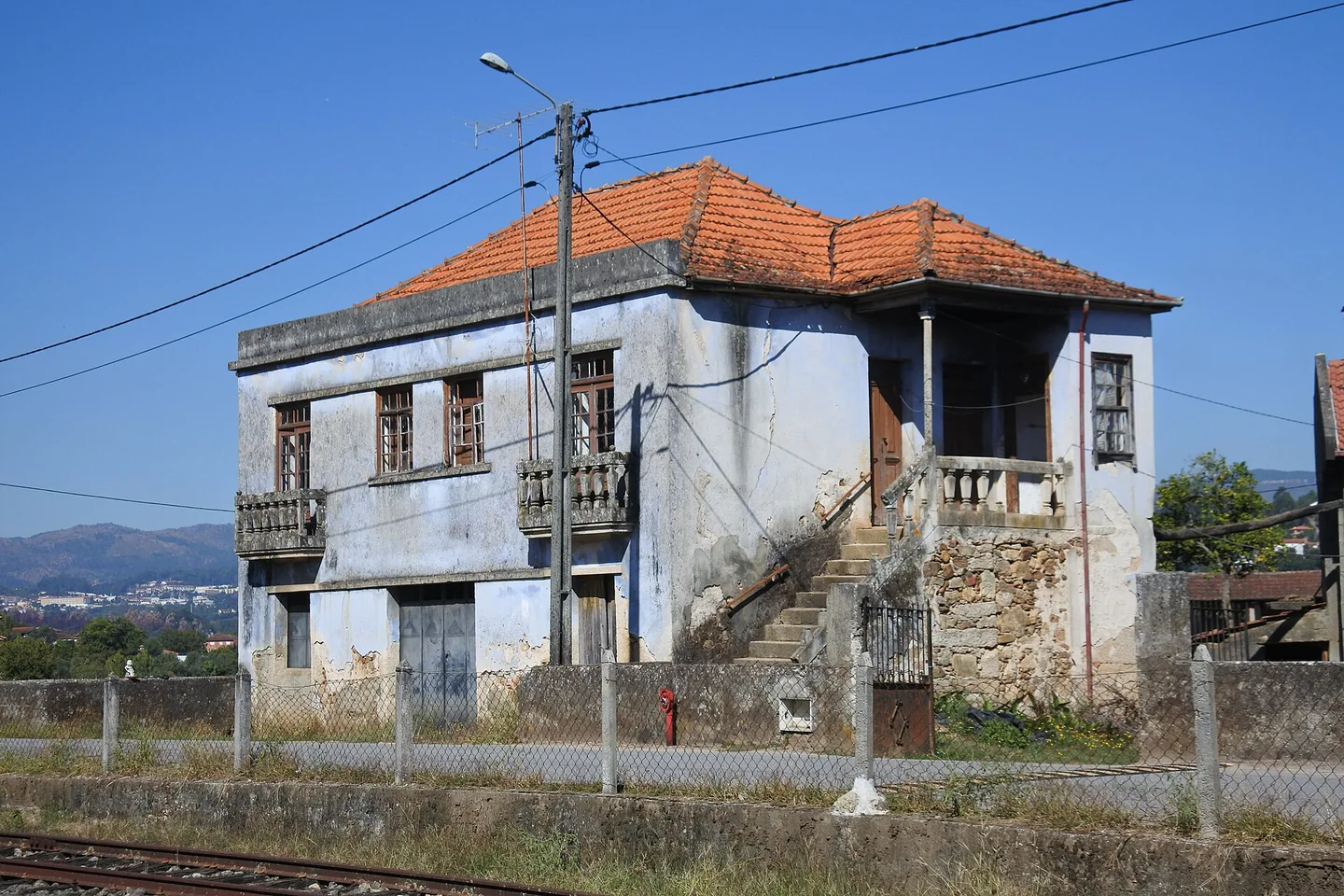
Railway building beside the former Arco de Baúlhe station.
FF Mira
ⓘ

Railway building beside the former Arco de Baúlhe station.

Photography: FF Mira · CC BY-SA 2.0

View source

Date given at source: .

Request removal or correct the photo credit

Arco was the final stop on a journey along the Tâmega.

The journey began at Livração, where the Tâmega line connected with the Douro line, and ended at Arco de Baúlhe. According to the municipality, construction of this narrow-gauge railway stretched from 1908 to 1949 over about 52 kilometres. Reaching Arco was the result of a connection built in stages.

The station did more than board passengers: the former goods warehouse, now used for temporary exhibitions, also recalls freight traffic. Visiting the railway museum offers a chance to discover the different lives of the same space: transporting people, receiving cargo and preserving stories.

Think of the station as a small map of functions: the track for movement, the platform for boarding and the warehouse for goods. Distinguishing these parts makes the railway more than a locomotive. Reading the whole site helps us imagine a place connecting people and products with other destinations.

Getting to know the parish See Fact sheet: Núcleo Ferroviário de Arco de Baúlhe
Source and context

Municipality — Núcleo Ferroviário de Arco de Baúlhe

Accessed: . Editorial summary; the date of consultation is not the date of the facts.

Back to index ↑
Regional railway connection · bridge in Celorico de Basto

To reach Arco, the line had to cross another valley

Cabeceiras’ railway story also passes through the neighbouring municipality.

Before reaching Cabeceiras, the railway had to cross the Veade valley. The Matamá bridge stands in the Union of Parishes of Veade, Gagos and Molares, in Celorico de Basto. According to the Museum, its six granite arches form a structure about 190 metres long and 52 high.

The account distinguishes two moments: the bridge’s inauguration on 5 June 1936, and its entry into railway use on 15 January 1949 with the opening of the Celorico de Basto–Arco de Baúlhe section. A completed bridge did not immediately mean trains arriving in Arco. This regional story helps explain the time needed to complete the connection.

The Museum’s account assigns responsibility for the work to engineers Jorge Vieira Bastian and Manuel Gonçalves Costa. The structure’s scale helps explain the challenge of carrying the railway across the valley; its chronology separates that work from the complete connection entering service.

A bridge ready, an uncompleted connection

It opens every moment and discovers what the date represents.

  1. 5 June 1936 · Opening of the bridge

    The infrastructure crosses the valley of the river Veade.

  2. 15 January 1949 · Railway use

    The opening of the Celorico section of Basto–Arco de Baúlhe places the bridge at the service of the connection.

Matamá is located in Celorico from Basto. The dates distinguish the work of the bridge and the opening of the section to the Arc.
Source and context

Basto Land Museum / Pedro T. Gonçalves — Matamá Railway Bridge, 28/07/2026

Municipality — Land Museum of Basto: a journey through the history of the region, pp. 28–29

Accessed: . Editorial summary; the date of consultation is not the date of the facts.

Back to index ↑
Arco de Baúlhe · railway memories

The tiles arrived before the train

Turntable and tracks at the former Arco de Baúlhe station, with buildings and railway vehicles in the background.
Facade of the station of Arco de Baúlhe, with coating and tile panels visible to the background. View of JP Ribeiro; it is not a detail of the panels of 1940.© JP Ribeiroⓘ

The station can also be read through its walls.

The station’s tile panels were made in 1940 by A. Lopes at the Fábrica de Cerâmica Sant’Anna in Lisbon, according to the publication about the Museu das Terras de Basto. They predate the station’s opening in 1949.

The station comprised spaces with distinct functions. The publication identifies the drivers’ house, staff building, loading and unloading platform and goods warehouse. The two vehicle sheds came to house permanent exhibitions of railway equipment; the warehouse is described as a temporary exhibition space.

Reading the building can begin with these differences: where did people work, where did goods pass and where were vehicles kept? The tiles belong to that built landscape. The description documents the museum arrangement presented in the publication, without confirming each space’s exhibition or access today.

A station, different spaces

Open an option and choose the story.

  1. The pier: persons and goodsOne line took forty years to arrive →
  2. Shears: preserved vehiclesA place in the third class →
  3. The documentation center: investigating memoryThe station also keeps documents →
  4. The set: from station to museumThe train stopped, memory stayed →
Follows the functions and changes of use described in the sources. It is not a visiting plant.
Getting to know the parish See Fact sheet: Núcleo Ferroviário de Arco de Baúlhe
Source and context

Municipality — Land Museum of Basto: a journey through the history of the region, pp. 28–29

Municipality — Núcleo Ferroviário de Arco de Baúlhe

Accessed: . Editorial summary; the date of consultation is not the date of the facts.

Back to index ↑
Arco de Baúlhe · railway memories

A seat in third class

Turntable and tracks at the former Arco de Baúlhe station, with buildings and railway vehicles in the background.
Place linked to this story: Núcleo Ferroviário de Arco de Baúlhe© JP Ribeiroⓘ

A carriage opens a window onto journeys of another time.

Visit Cabeceiras highlights a British third-class carriage from 1876 at the railway museum. Its class and date help place the object: it is a 19th-century piece, much older than the railway’s arrival at Arco de Baúlhe. Its presence in the collection does not mean it was built for this station.

The municipal publication identifies it as CEfv 79 and presents it as the oldest carriage in the collection described there. In the same shed, it mentions a passenger carriage built in Belgium in 1908. The comparison reveals a collection of different ages and origins.

The inventory mark distinguishes the object; its class points to its role in passenger transport. Place of manufacture, service history and arrival at the museum are separate questions: these sources do not reconstruct every journey the carriage made.

Getting to know the parish See Fact sheet: Núcleo Ferroviário de Arco de Baúlhe
Source and context

Visit Cabeceiras — Railway core Arco de Baúlhe
Accessed:

Municipality — Land Museum of Basto: a journey through the history of the region, pp. 28–29
Accessed:

Editorial summary; the date of consultation is not the date of the facts.

Back to index ↑
Arco de Baúlhe · railway memories

A petrol engine on the rails

Railcar shown by the Museum in its publication about the ME5.
ⓘ

Railcar shown by the Museum in its publication about the ME5.

Source: Museu das Terras de Basto

View source

Photograph date not stated.

Individual photographer and reuse licence not stated by the source.

Request removal or correct the photo credit

The collection tells of different ways to get a train moving.

Railcar ME5 brought a petrol engine onto the tracks. The museum publication places its construction at the Santa Apolónia workshops in 1948. In the same collection, it describes a steam locomotive built in Germany in 1908.

Forty years separate the dates, allowing two technologies to be compared. They are vehicle construction dates, not dates of arrival at the station. The collection brings together pieces from several origins; being in the museum does not by itself prove where each ran.

The Museu das Terras de Basto identifies the engine as Chevrolet and describes the passenger space: 11 first-class seats, 16 third-class seats and standing room for another 16, as well as toilets. The 27 seats should not be confused with all the available passenger places.

What was this solution for? The Museu Nacional Ferroviário explains that a single self-propelled vehicle aimed to reduce operating costs on lightly used lines, combining functions that required a train formation. The project, led by engineer Vasco Viana, drew on features of road transport. The same record says that petrol proved expensive and led to temporary or exceptional uses.

The inventory adds a link with local history: this ME5 is thought to have run on the Tâmega line. The wording is cautious and remains so here. It is a specific documentary clue, different from deducing operation merely because the vehicle is now in the collection.

Who and what was riding the tracks?

Open an option and choose the story.

  1. A place in the carriageA place in the third class →
  2. Order and letter spaceThe mail also traveled by train →
  3. The work of the freight trainThe goods had marked day →
Compare vehicles, functions and documents; the presence in the collection does not itself prove its previous course.
Getting to know the parish See Fact sheet: Núcleo Ferroviário de Arco de Baúlhe
Source and context

Municipality — Land Museum of Basto: a journey through the history of the region, pp. 28–29

Basto Land Museum — Heritage with history: Self-propelled ME5, 22/02/2018

National Railway Museum MEf5, FMNF/ARC/ Inventory000203

Accessed: . Editorial summary; the date of consultation is not the date of the facts.

Back to index ↑
Arco de Baúlhe · railway collection

A small jug helped care for the train

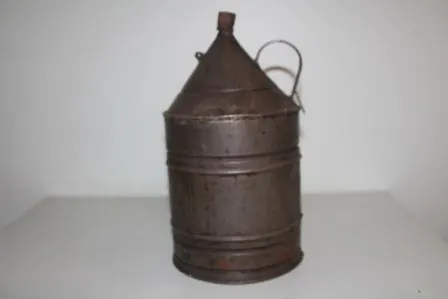
Oil container AB 295C — inventory presented by the Terras de Basto Museum.
Oil container AB 295C
ⓘ

Oil container AB 295C — inventory presented by the Terras de Basto Museum.

Source: Museu das Terras de Basto

View source

Photograph date not stated.

Individual photographer and reuse licence not stated by the source.

Request removal or correct the photo credit

The railway depended on modest objects too.

A locomotive needed maintenance, and the Museum’s inventory preserves a clue to that work: oil jug AB 295C from the Núcleo Ferroviário do Arco de Baúlhe. Made from sheet zinc, it held three litres of oil and was intended for lubricating locomotive parts.

The record gives a height of 34.5 centimetres and a diameter of 18. These dimensions help us imagine the container’s scale beside the large machines. The inventory identifies its function and the object, but not the particular locomotive on which it was used or whether it is currently on display.

See Fact sheet: Núcleo Ferroviário de Arco de Baúlhe
Source and context

Basto Land Museum — Latoaria: MTB251 and AB295C inventory

Accessed: . Editorial summary; the date of consultation is not the date of the facts.

Back to index ↑
Arco de Baúlhe · railway memories

A station that blossomed too

Turntable and tracks at the former Arco de Baúlhe station, with buildings and railway vehicles in the background.
View of the Arco de Baúlhe station and its surroundings. The photograph does not document the distinction of the gardens in 1962.© JP Ribeiroⓘ

Not every memory of the railway is made of metal.

The station also has a memory made of flowers. The museum publication describes its rose gardens and recalls the distinction it received in 1962 as Portugal’s most flower-filled station.

Alongside machines and rails, the garden adds another way to see the place: a station’s landscape includes what grows around it. The award belongs to the history of the site; it is not a current rating of the gardens.

Getting to know the parish See Fact sheet: Núcleo Ferroviário de Arco de Baúlhe
Source and context

Municipality — Land Museum of Basto: a journey through the history of the region, pp. 28–29

Accessed: . Editorial summary; the date of consultation is not the date of the facts.

Back to index ↑
Arco de Baúlhe · railway memories

The train stopped, the memory stayed

Arco de Baúlhe station building with its arched gallery.
Pedro from Maia (Porto), Portugal
ⓘ

Arco de Baúlhe station building with its arched gallery.

Photography: Pedro from Maia (Porto), Portugal · CC BY 2.0

View source

Date given at source: .

Request removal or correct the photo credit

Arco de Baúlhe station: building and garden.
FF Mira
ⓘ

Arco de Baúlhe station: building and garden.

Photography: FF Mira · CC BY-SA 2.0

View source

Date given at source: .

Request removal or correct the photo credit

The station found another role after the line closed.

According to the Museum’s retrospective, Arco station ceased operating in January 1990 when the section between Amarante and Arco de Baúlhe closed. On 8 January 2000, an agreement between REFER and the municipality paved the way for the transfer of use of the premises and their development as a museum. The Museum’s opening on 23 May 2004 belongs to that new chapter.

The transfer brought responsibilities: the municipality became responsible for conserving, maintaining and managing the section in collaboration with the Fundação Museu Nacional Ferroviário. The Museum’s April 2025 news item also reports the municipal decision of 14 February that year to classify the complex. The change of use therefore involved agreements and continuing work, beyond opening the doors to the public.

From the last journey to preserved memory

It opens every moment and discovers what the date represents.

  1. January 1990 · Closure

    The section closes and the station leaves the railway function.

  2. 8 January 2000 · A Protocol

    Municipality and REFER agree the provision of facilities to the museum section.

  3. 23 May 2004 · Opening of core

    The space receives the public as Railway Center of the Land Museum of Basto.

Marks of the retrospective of the Museum published in 2025. The closure refers to the Amarante–Arco de Baúlhe section.
See Fact sheet: Núcleo Ferroviário de Arco de Baúlhe
Source and context

Basto Land Museum — Railway Station Arco de Baúlhe classified as Municipal Interest Set, 02/04/2025

Accessed: . Editorial summary; the date of consultation is not the date of the facts.

Back to index ↑
Arco de Baúlhe and Vila Nune · railway memory and a changing route

New footsteps on the old line

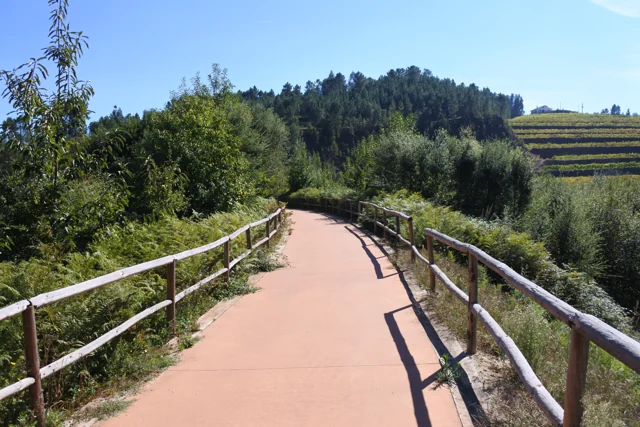
Tâmega rail trail in Arco de Baúlhe e Vila Nune, with reddish paving and wooden railings, photographed in October 2016.
The former railway channel converted to Ecopista in Arco de Baúlhe e Vila Nune. Photo by FF Mira, October 6, 2016; does not document the inauguration of 2013 or the current conditions of the entire route.© FF Miraⓘ

The former railway welcomed walkers and bicycles.

The Tâmega Line’s corridor continued connecting places after the trains. On 20 April 2013, the municipality’s section of the greenway opened between the Railway Museum in Arco de Baúlhe and Mulher Morta, in Vila Nune. The municipal listing gives this section a length of 5.4 kilometres, within the longer connection to Amarante.

The route’s gradients preserve its railway origins: the municipal description associates the old corridor with a maximum gradient of 3%. This is a published characteristic of the route, not a current check of every entrance or obstacle. To prepare an outing, consult the practical listing and signs on site.

The former station and Vila Nune halt tell different parts of the story. The municipality includes the halt among Vila Nune’s heritage; in Arco, the station became a museum. A route can change use without losing the landmarks that help us recognise its past.

Three Ways to Guard the Railroad

Open an option and choose the story.

  1. The station that won a museum lifeThe train stopped, memory stayed →
  2. A carriage and its passengersA place in the third class →
  3. Documents that preserve memoryThe station also keeps documents →
Discover the transformation of spaces, vehicles and documents. They are reading links, not steps of a pedestrian route.
See Fact sheet: Ecopista do Tâmega — troço de Cabeceiras See Fact sheet: Antigo apeadeiro de Vila Nune
Source and context

Municipality — Ecopist of Tâmega: reuse of channel and inauguration of 2013

Municipality — Arco de Baúlhe e Vila Nune: former tenant

Basto Land Museum — Railway Station Arco de Baúlhe classified as Municipal Interest Set, 02/04/2025

Accessed: . Editorial summary; the date of consultation is not the date of the facts.

Back to index ↑
YOUR LOCAL GUIDE

What would you like to discover?

Take a closer look.