Discover Cabeceiras de BastoFree independent guide
ViveCabeceirasYOUR GUIDE TO CABECEIRAS
ENEnglish
SearchSaved
5 STORIES · CONTINUOUS READING

From grain to bubbles

From the São Miguel parade to the Uz oven and the Faia cellar, follow what happens before food and drink reach the table.

Follow the suggested order. Each story includes its sources and credits.

Things to try1 activity · 1 interactive exploration · 5 questions
Basto (Santa Senhorinha) · São Miguel, 2023

When breadmaking joined the parade
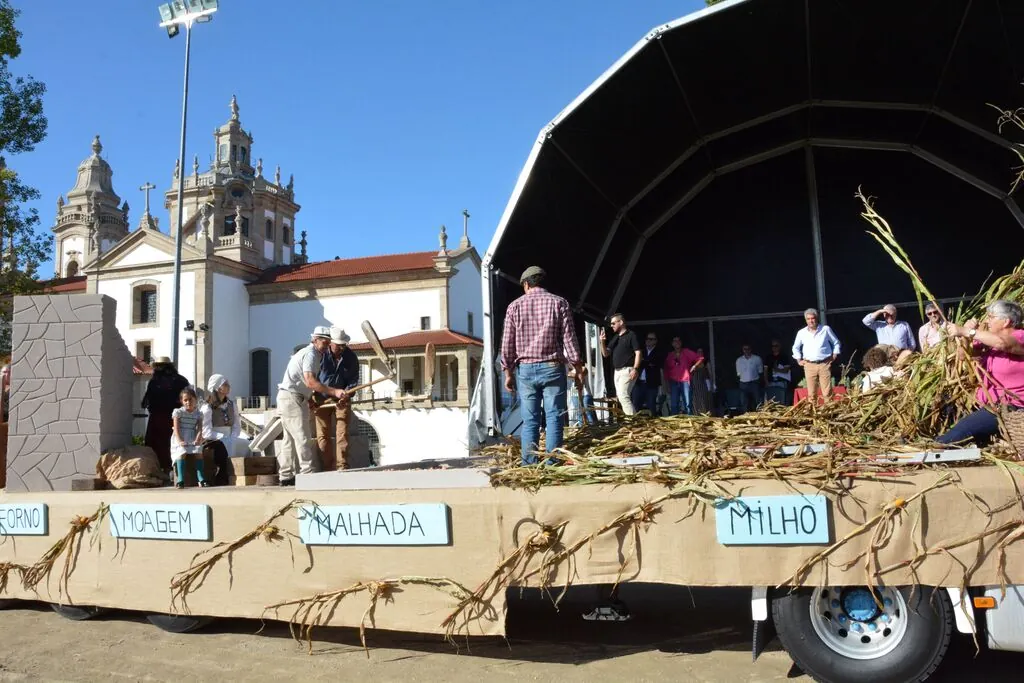
Arts and crafts in the September 2023 ethnographic parade in Refojos.
ⓘ

Arts and crafts in the September 2023 ethnographic parade in Refojos.

Source: Municipality of Cabeceiras de Basto

View source

Photograph date not stated.

Individual photographer and reuse licence not stated by the source.

Request removal or correct the photo credit

Basto chose bread to tell its story at the São Miguel celebrations.

On 24 September 2023, Basto presented the breadmaking cycle in the parade. In the municipal photograph, the float carries maize and signs for threshing and milling. The festival brings together tasks that, in everyday life, took place at different times and in different settings.

Milling turns grain into flour. Making the dough, letting it rest and baking come later. Compare what the float shows with the account from Pedraça of saving starter from one batch of bread to the next. One stage was easy to show in the street; the other mostly involved waiting.

Getting to know the parish
Source and context

Municipality — Arts and Crafts in the Ethnographic Court, news of 25/09/2023

Accessed: . Editorial summary; the date of consultation is not the date of the facts.

Back to index ↑
Oral memory · March 2011

The bread kept the next batch alive

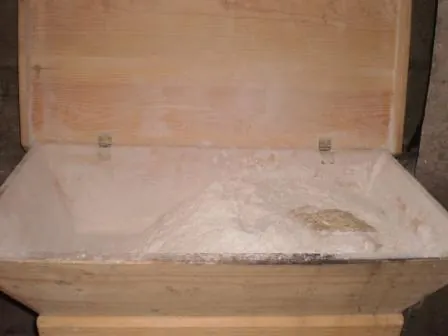
Flour and a portion of dough in the kneading trough — mixed-grain bread sequence documented by the Museum in Recovos, Pedraça.
ⓘ

Flour and a portion of dough in the kneading trough — mixed-grain bread sequence documented by the Museum in Recovos, Pedraça.

Source: Museu das Terras de Basto

View source

Photograph date not stated.

Individual photographer and reuse licence not stated by the source.

Request removal or correct the photo credit

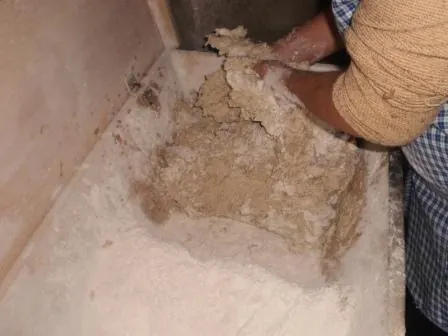
Working the dough by hand — mixed-grain bread sequence documented by the Museum in Recovos, Pedraça.
ⓘ

Working the dough by hand — mixed-grain bread sequence documented by the Museum in Recovos, Pedraça.

Source: Museu das Terras de Basto

View source

Photograph date not stated.

Individual photographer and reuse licence not stated by the source.

Request removal or correct the photo credit

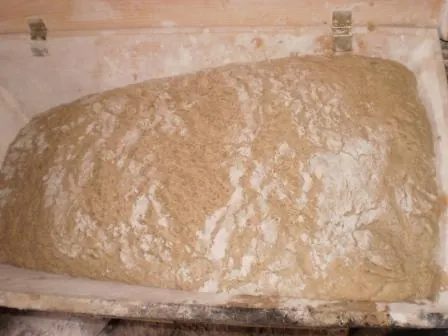
Dough in the trough before baking — mixed-grain bread sequence documented by the Museum in Recovos, Pedraça.
ⓘ

Dough in the trough before baking — mixed-grain bread sequence documented by the Museum in Recovos, Pedraça.

Source: Museu das Terras de Basto

View source

Photograph date not stated.

Individual photographer and reuse licence not stated by the source.

Request removal or correct the photo credit

A small piece of dough linked one batch to the next.

In an account recorded in March 2011, Maria da Conceição remembered bread being baked every eight days. A piece of dough from the previous batch was kept in a bowl with a little salt, inside the wooden kneading trough. On the eve of the next baking day, warm water and flour were added. The account from Recovos, Pedraça, also describes an adaptation: when baking became less frequent, yeast bought from the bakery was used.

This change is part of a family history. Maria da Conceição was born in Cavez and had learned to make maize broa from her grandmother. When she was interviewed, at the age of 69, she also made mixed-grain broa. The account does not present an unchanging tradition: it shows learning, choices and an adapting routine.

The baking calendar extended to the community too. In the 2011 account, batches of bread were associated with annual celebrations, a longing for homemade bread, the feast of Santa Marinha and Christmas and maize-husking events organised by the Associação D. Nuno Álvares in Pedraça. Keeping dough for the following week made sense in a weekly routine; occasional baking created different needs. These are practices remembered in that account, not a current programme of festivities.

The kneading trough, bowl and piece of dough form a small chain between two batches. In this memory, keeping something meant more than storing finished bread: it meant saving the start of the next loaf. A household object reveals its full function when we understand the home’s routine.

Three ways to look at the same dough

Open an option and choose the story.

  1. Realize why mass growsThere are fungi that do not have hat →
  2. Know the collection ingredientsThis bread mixture rye and wheat →
  3. Follow the signs to the ovenThe oven gave a sign →
Oral memory, biological explanation and documented preparation are completed, maintaining the scope of each source.
Source and context

Museum — Mixed-grain bread, published 12/05/2011; fieldwork in March 2011 in Recovos, Pedraça
Accessed:

Basto Land Museum — food and food: collections of February and March 2011
Accessed:

Editorial summary; the date of consultation is not the date of the facts.

Back to index ↑
Uz · communal oven

An oven for the whole village

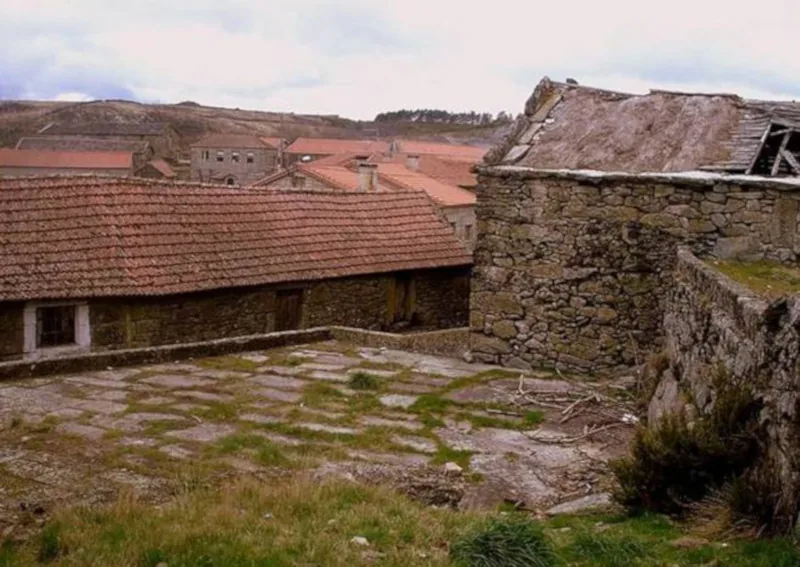
Stone houses and roofs of Uz seen from above.
The village of Uz in the photograph published with the 2019 news about the communal oven.
ⓘ

The village of Uz in the photograph published with the 2019 news about the communal oven.

Source: Municipality of Cabeceiras de Basto

View source

Photograph date not stated.

Autoria individual e licença de reutilização não indicadas na fonte municipal.

Request removal or correct the photo credit

In Uz, the Casa do Forno recalls a time when breadmaking brought neighbours together.

In June 2019, the municipality approved a project to restore the Uz communal oven. It described the building as a reminder of the times when the village shared resources. The project aimed to restore the building’s structural stability.

The 2024 municipal budget again listed completing the restoration as an objective. The two dates show how a project moves from its initial decision into planning. Look at the village in the photograph, then follow the story about the signs that an oven was hot enough.

Getting to know the parish
Source and context

Municipality — project to restore the Uz oven, 2019

Municipality — 2024 budget report

Accessed: . Editorial summary; the date of consultation is not the date of the facts.

Back to index ↑
Faia · fermentation

Where do Tojeira’s bubbles come from?

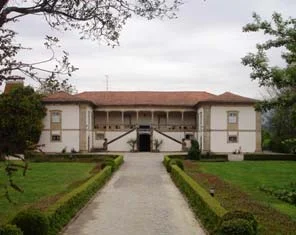
Archive photograph: Casa da Tojeira.
Casa da Tojeira in Faia.ⓘ

In Faia, a sparkling wine’s technical sheet explains the invisible work of yeast.

Casa da Tojeira’s technical sheet for its brut white sparkling wine describes two fermentations. In the first, selected yeasts are added to the grape must. The second follows the traditional method in the cellar. The sheet records two stages of local work that begins after the grape harvest.

Yeasts are microscopic fungi. Secondary fermentation generates carbon dioxide in a sealed vessel. The gas stays dissolved in the wine under pressure and forms bubbles when the bottle opens. The same gas helps bread dough rise, where it is held in small pockets in the dough.

Getting to know the parish See Fact sheet: Casa da Tojeira
Source and context

Casa da Tojeira — brut white sparkling wine sheet

OIV — secondary fermentation

Accessed: . Editorial summary; the date of consultation is not the date of the facts.

Back to index ↑
Arco de Baúlhe · the 2012 market

The station welcomed a different kind of cargo

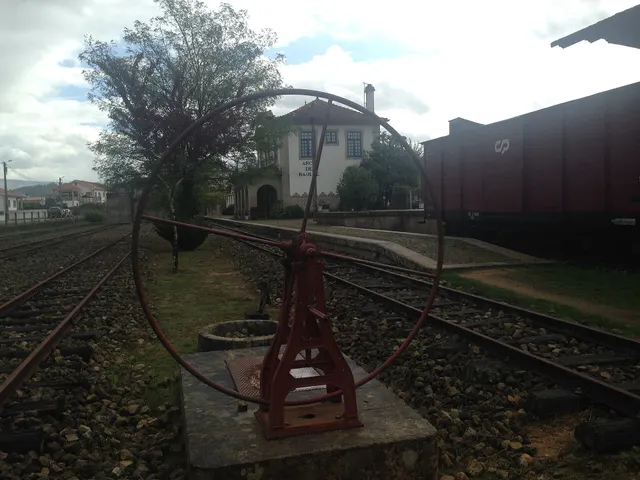
Turntable and tracks at the former Arco de Baúlhe station, with buildings and railway vehicles in the background.
Arco de Baúlhe Railway Museum, the venue for the market.© JP Ribeiroⓘ

In 2012, the former station in Arco de Baúlhe welcomed bread, preserves, crafts and concertinas.

On 16 June 2012, the Museu das Terras de Basto held its second food and crafts market at the railway museum. The museum’s report records producers and makers from several local places. The tables held homemade bread, honey, vegetables, wine, wool crafts and rag rugs.

The programme announced wooden miniatures by Luís Nogueira from Faia and wool pieces made by women from Bucos. In the account of the day, Albino Durães from Arco de Baúlhe brought the sound of concertinas. That afternoon, a place that had once welcomed trains brought together makers, musicians and people looking for locally made goods.

Getting to know the parish See Fact sheet: Núcleo Ferroviário de Arco de Baúlhe
Source and context

Museu das Terras de Basto — report on the June 2012 market

Museu das Terras de Basto — programme of the second market

Accessed: . Editorial summary; the date of consultation is not the date of the facts.

Back to index ↑
YOUR LOCAL GUIDE

What would you like to discover?

Take a closer look.