Discover Cabeceiras de BastoFree independent guide
ViveCabeceirasYOUR GUIDE TO CABECEIRAS
ENEnglish
SearchSaved
5 STORIES · CONTINUOUS READING

Buildings that changed their lives

Work, homes and music: buildings with more than one story.

All stories in the order of the route. You can print this page by the browser; sources and credits follow the reading.

Things to try1 exploração interativa
Local history · Cavez

From olive press to living room
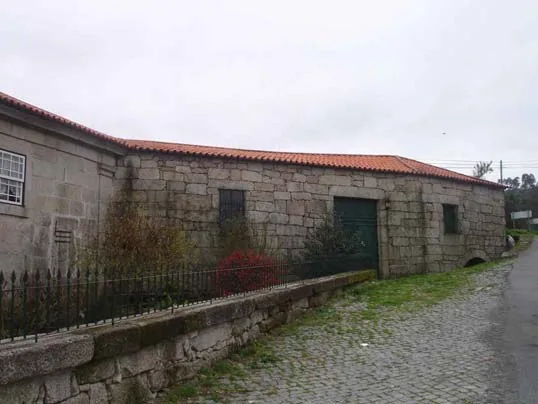
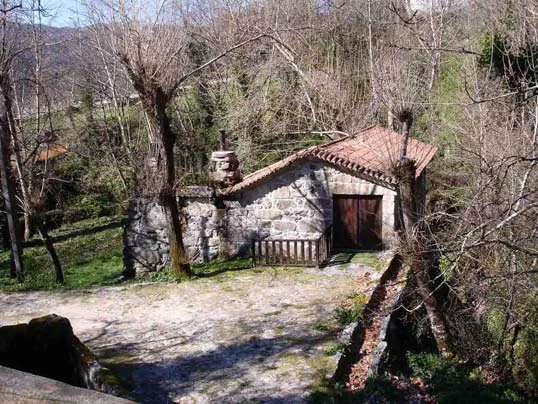
Casa da Igreja / Assento in Cavez — photograph from the 2008 municipal inventory.
Casa da Igreja / Assento in Cavez
ⓘ

Casa da Igreja / Assento in Cavez — photograph from the 2008 municipal inventory.

Source: Municipality of Cabeceiras de Basto

View source

Photograph date not stated.

Individual photographer and reuse licence not stated by the source.

Request removal or correct the photo credit

A house in Cavez kept pieces of its working past.

At Casa da Igreja, also identified as Assento, the olive press occupied a triangular structure adjoining the house. The 2008 inventory records three functions: olive press, grain mill and still. Water from Levada Velha passed through a granite pressure chamber and powered two wheels.

By the survey date, the space had become a living room while retaining pieces from its earlier use. The building had changed its life: memories of work could remain after its function changed. The age attributed to the house does not automatically date the olive press. This is private property with no confirmed public visits.

Getting to know the parish
Source and context

Municipality — olive-press inventory, page 8 (2008)

Accessed: . Editorial summary; the date of consultation is not the date of the facts.

Back to index ↑
Local history · Alvite e Passos

A new life for the mill

Casa do Moinho in Fundevila — photograph from the 2008 municipal inventory.
Casa do Moinho in Fundevila
ⓘ

Casa do Moinho in Fundevila — photograph from the 2008 municipal inventory.

Source: Municipality of Cabeceiras de Basto

View source

Photograph date not stated.

Individual photographer and reuse licence not stated by the source.

Request removal or correct the photo credit

In Fundevila, work left its marks on the house.

Casa do Moinho in Fundevila, Passos, combined grain milling and olive-oil production. The Lamela stream supplied water along a stone channel. By the March 2008 survey, the complex had been converted for rural tourism, with machinery preserved.

The interest of this change lies in continuity: welcoming people could give a new purpose to spaces once arranged around processing agricultural crops. The photograph belongs to that inventory and shows the building; it is not an advertisement for current accommodation. The historical record does not confirm bookings, services or present operating conditions.

Getting to know the parish
Source and context

Municipality — olive-press inventory, page 15 (2008)

Accessed: . Editorial summary; the date of consultation is not the date of the facts.

Back to index ↑
Local history · Refojos de Basto

Two olive presses, two destinies

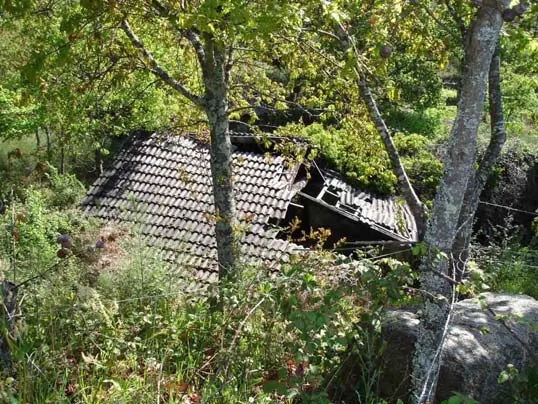
Lagar de Baixo in Chacim — photograph from the 2008 municipal inventory.
Lagar de Baixo in Chacim
ⓘ

Lagar de Baixo in Chacim — photograph from the 2008 municipal inventory.

Source: Municipality of Cabeceiras de Basto

View source

Photograph date not stated.

Individual photographer and reuse licence not stated by the source.

Request removal or correct the photo credit

The same channel linked Baixo and Cima in Chacim.

In Chacim, the names Lagar de Baixo and Lagar de Cima suggest a working landscape connected by water. Both drew power from Levada de Campelos. The 2008 municipal inventory dates the first press’s closure to the 1950s and describes it as ruined, with traces of machinery still present.

Lagar de Cima followed another path: its record notes closure in 1996 and conversion into a home, with an adjoining grain mill retained. These buildings did not all share one destiny. The photograph shows Lagar de Baixo during the survey; their paired stories invite comparison between abandonment, adaptation and survival.

Getting to know the parish
Source and context

Municipality — olive-press inventory, page 18 (2008)

Municipality — olive-press inventory, page 19 (2008)

Accessed: . Editorial summary; the date of consultation is not the date of the facts.

Back to index ↑
Local history · Gondiães e Vilar de Cunhas

When the olive press became a home

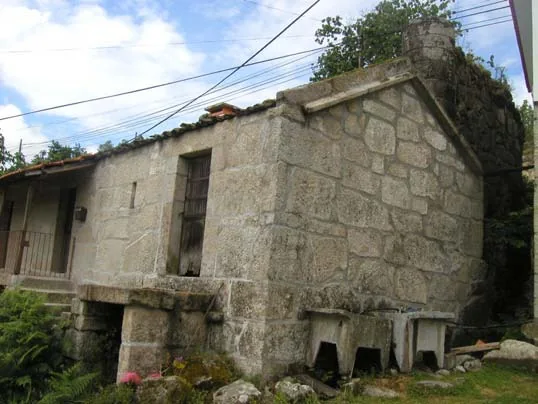
Casa da Fonte in Cunhas — photograph from the 2008 municipal inventory.
Casa da Fonte in Cunhas
ⓘ

Casa da Fonte in Cunhas — photograph from the 2008 municipal inventory.

Source: Municipality of Cabeceiras de Basto

View source

Photograph date not stated.

Individual photographer and reuse licence not stated by the source.

Request removal or correct the photo credit

In Cunhas, a name preserves a function that changed.

Casa da Fonte in Cunhas combined an olive press and a grain mill. The March 2008 inventory describes water supplied by Levada da Corga and a vertical granite pressure chamber beside the building. The equipment served both the household and other people.

By the survey date, the press had become a home and its machinery had disappeared. The building remained, but its working past was less visible. This is a good reason to listen to place names and compare them with documents: an apparently ordinary house may have belonged to a production network its façade can no longer explain on its own.

Getting to know the parish
Source and context

Municipality — olive-press inventory, page 24 (2008)

Accessed: . Editorial summary; the date of consultation is not the date of the facts.

Back to index ↑
Pereiras, Refojos · former uses of the town hall

From prison to music

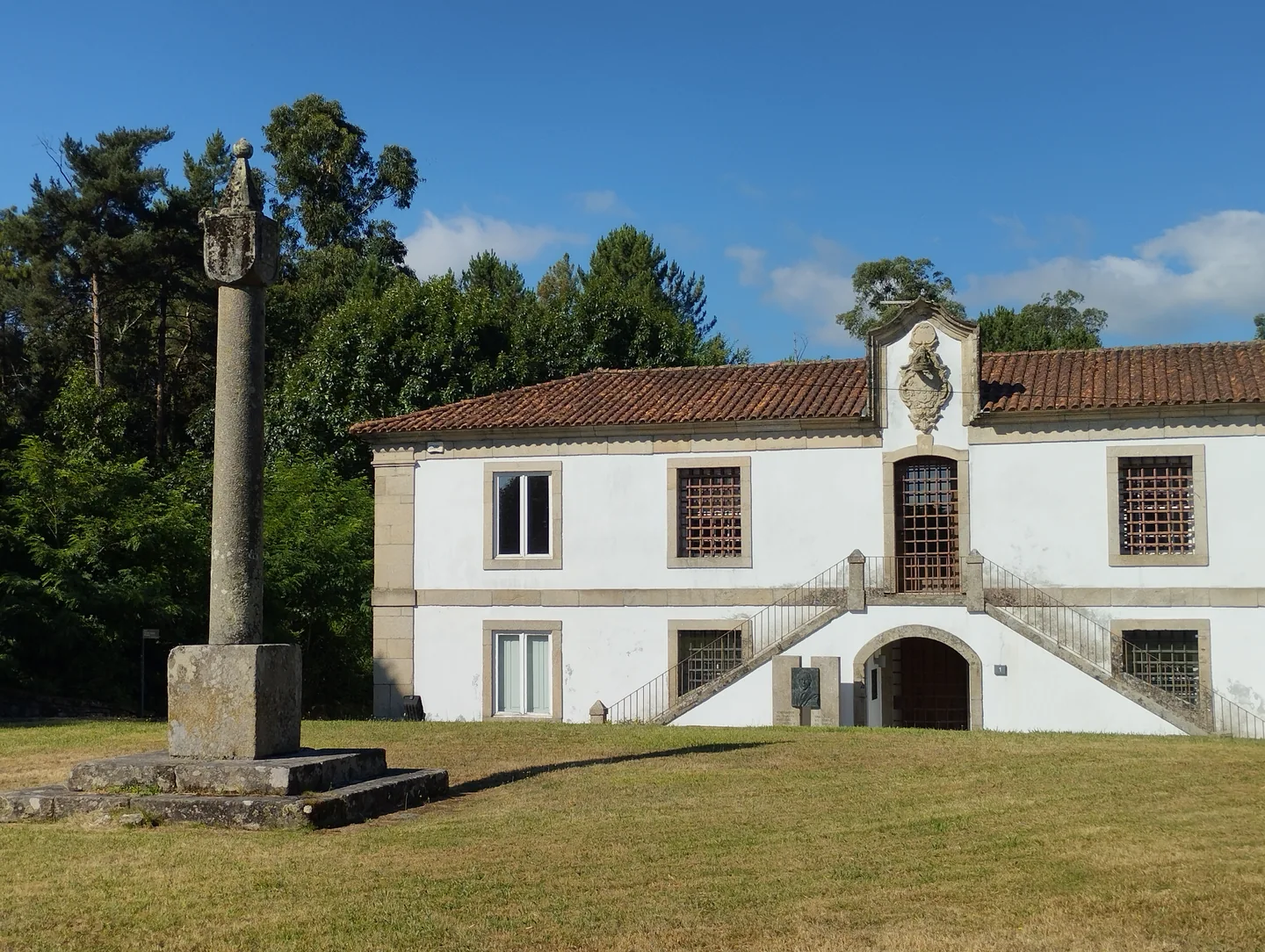
Casa da Música and pillory in Pereiras.
ⓘ

Casa da Música and pillory in Pereiras.

Source: Museu das Terras de Basto

View source

Photograph date not stated.

Individual photographer and reuse licence not stated by the source.

Request removal or correct the photo credit

A building can change its role in the community.

In Pereiras, the former town hall continued to serve as a prison until 1972, according to the Museu das Terras de Basto. After restoration, it became the Casa da Música. A municipal news item from July 2010 already listed it among places to discover in the municipality. The Museum’s article dates the town hall’s move to the Monastery to 1835 and the opening of the Casa da Música to 2003: the building continued changing roles after municipal administration left.

The building’s story begins before the prison preserved in local memory. The Museum’s article attributes the order to build the town hall in 1586 to the magistrate João Gil de Abreu Castelo Branco. It then suggests an 18th-century reconstruction on the site of the earlier building.

Its two storeys divided the functions: prison on the lower level, town council and hearings above. This arrangement brought administration and justice together. When the council left, the prison remained; when the prison closed, the building survived. Opening as the Casa da Música in 2003 added another use to a building with many chapters.

The Pereiras beyond a building

Open an option and choose the story.

  1. School, trade and workA street also guards trades →
  2. The rhythm of the fairsThe Thirty Fair had a meeting day →
  3. The football field and the roadWhen football won field →
  4. The monastery also changed functionsAfter the monks, other lives →
It links the uses of the House to the collective life of the place.
Source and context

Basto Land Museum — The place of the Pereiras of Refojos de Basto, 28/07/2024

Municipality — visits to see the municipality, news of 29/07/2010

Accessed: . Editorial summary; the date of consultation is not the date of the facts.

Back to index ↑
YOUR LOCAL GUIDE

What would you like to discover?

Take a closer look.