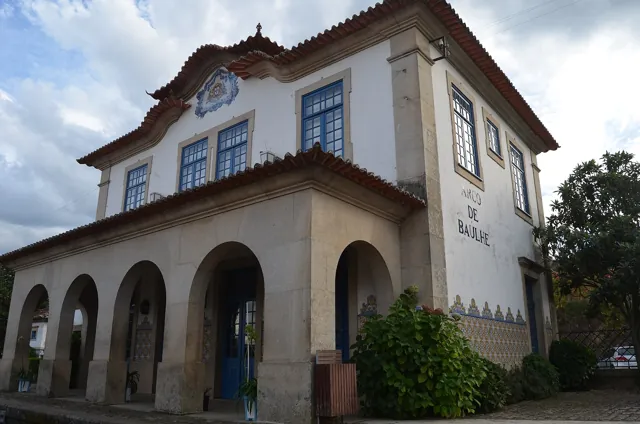
A railway took forty years to arrive
Arco was the final stop on a journey along the Tâmega.
25 stories
Arco was the final stop on a journey along the Tâmega.
Arco has a much older history too.
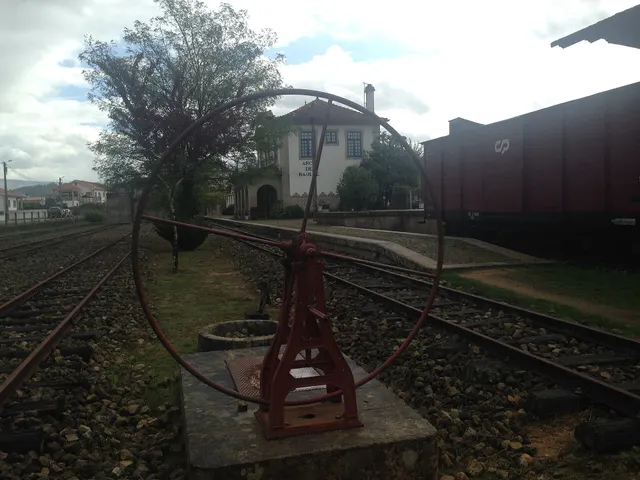
The station can also be read through its walls.
The collection tells of different ways to get a train moving.
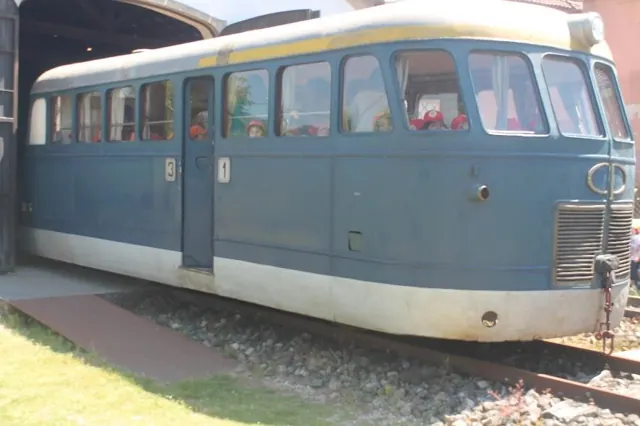
A carriage opens a window onto journeys of another time.
In Arco de Baúlhe, science can be found on a sign too.
A library holds encounters and discoveries too.
Behind the exhibits are books, photographs and archives.
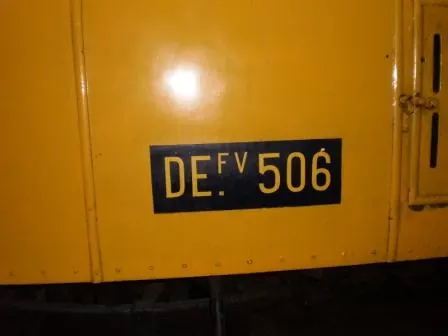
Van DE.FV 506 carried more than goods.
The station found another role after the line closed.
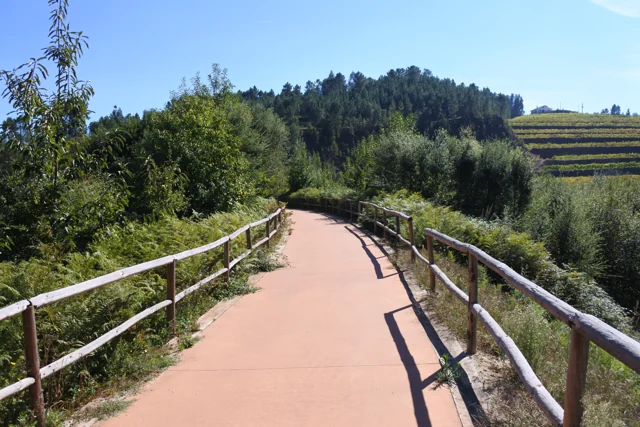
The former railway welcomed walkers and bicycles.
Counting households was not the same as counting people.
An account from Vila Nune also looks towards Atei.
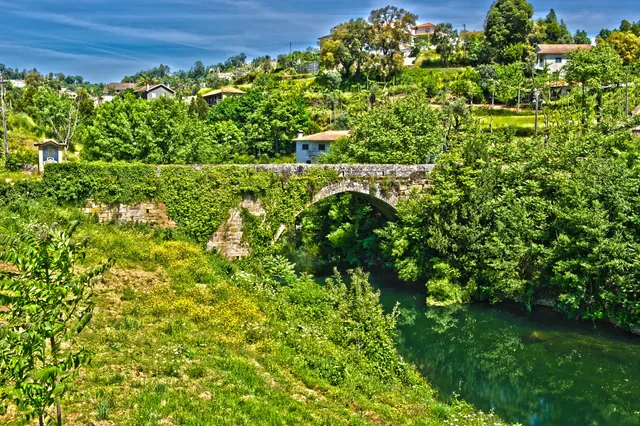
A detail of the Ponte Velha reveals which way the river comes from.
Inns, linen and small settlements animated an earlier landscape.
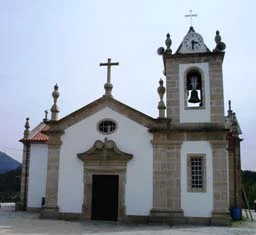
Os Ceifeiros de Santo André was founded in 1997.
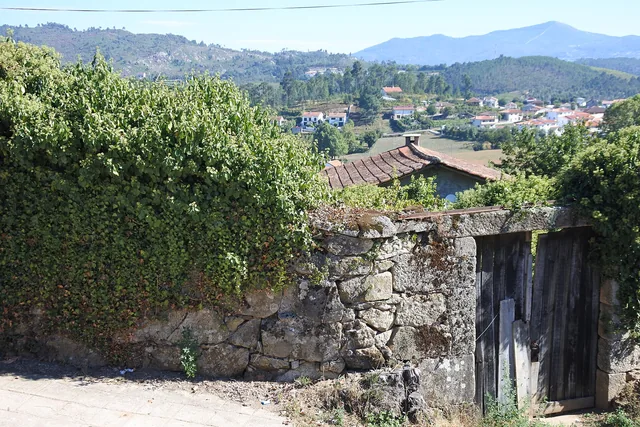
Inns, a royal road and a linen fair.
In 1758, residents had two postal reference points.
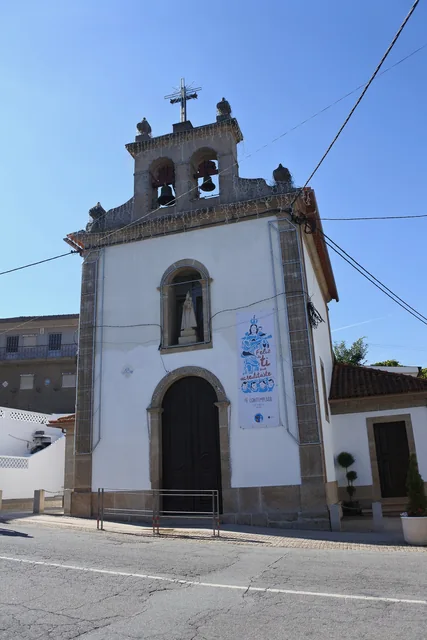
History lives in people, gestures and preparations.
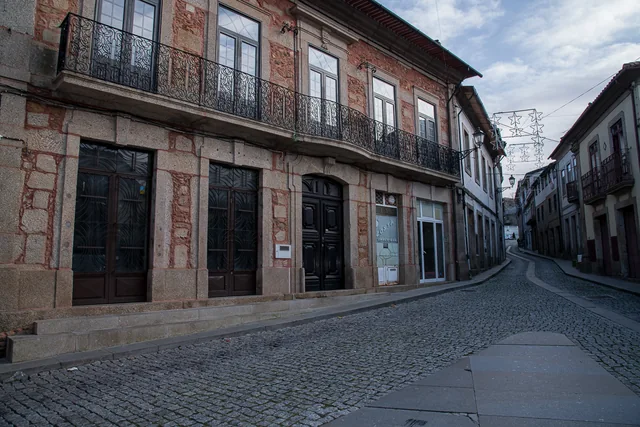
Adjoining houses preserve another chapter in the history of trade.
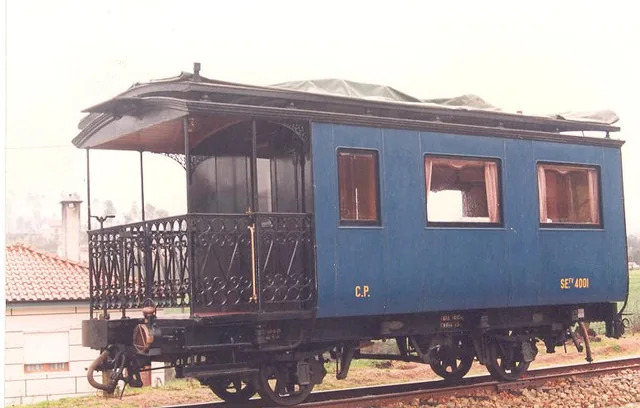
Carriage 4001 connects Belgium with a royal visit.
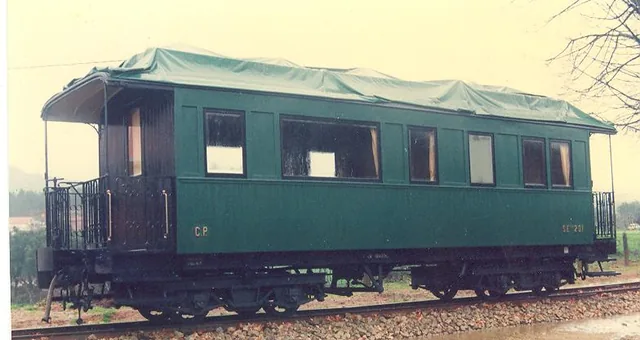
Carriage 201 held two compartments and another way of travelling.
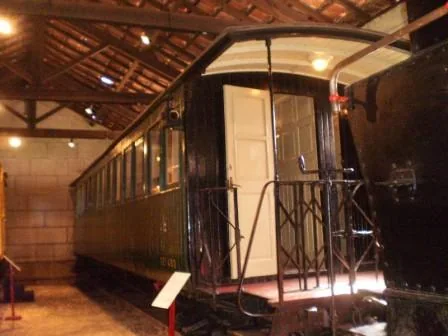
Carriage 453 was made for third-class passengers.
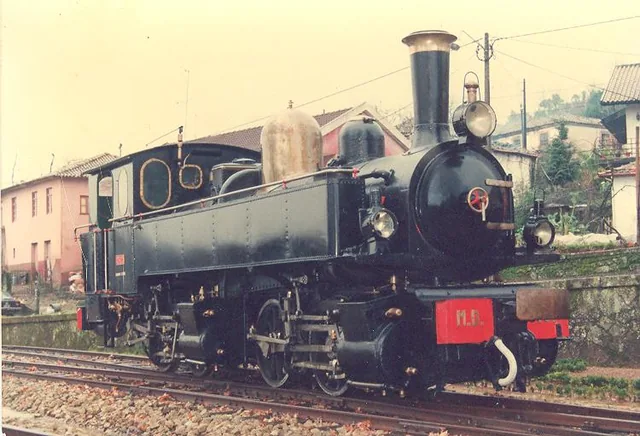
Water and coal were part of MD 407’s journey.
A curiosity of this selection, at random.