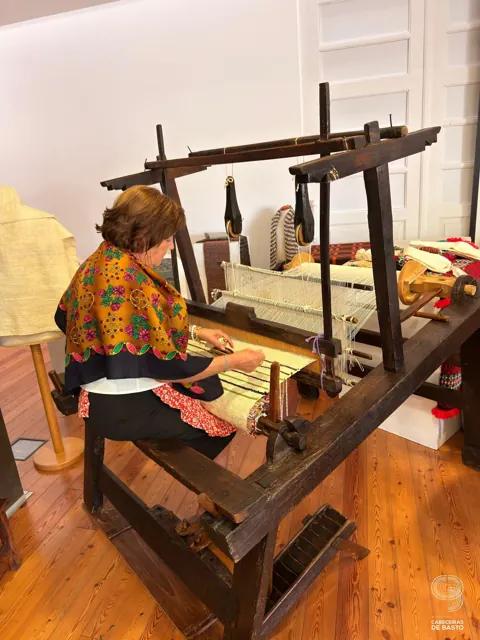
Two rivers tell a parish’s story
The 1758 account describes Rio Douro between east and west.
27 stories
The 1758 account describes Rio Douro between east and west.
A Rio Douro project reveals different roles within one landscape.
Irrigation channels linked river flows to work in the fields.
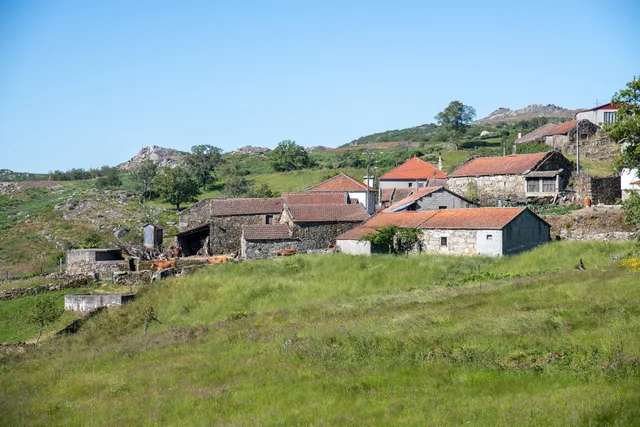
Mountain houses, a stream and a name that stays with you.
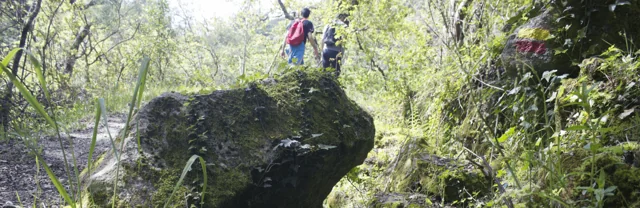
A stream helps explain an entire landscape.
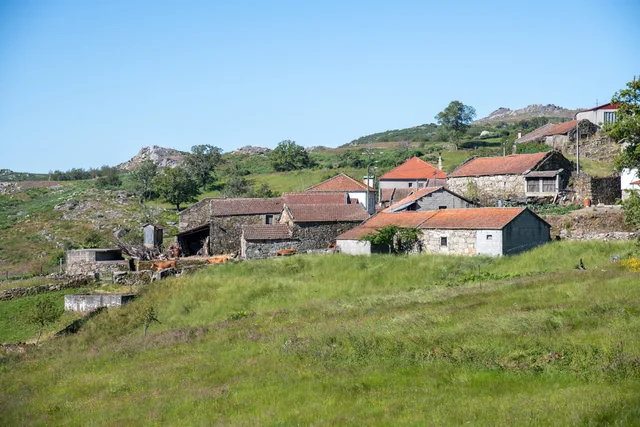
Mills, olive presses and a fulling mill appear in one old account.
Fifteen villages, nearby chapels and gatherings across parish boundaries.
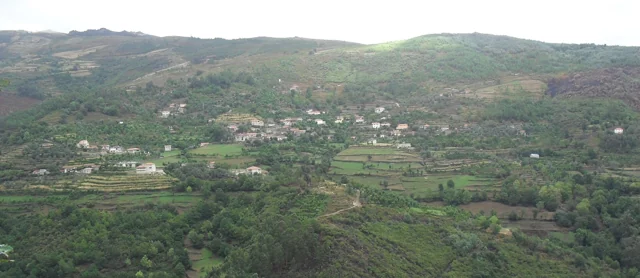
Two associations from the 1980s added other encounters to parish life.
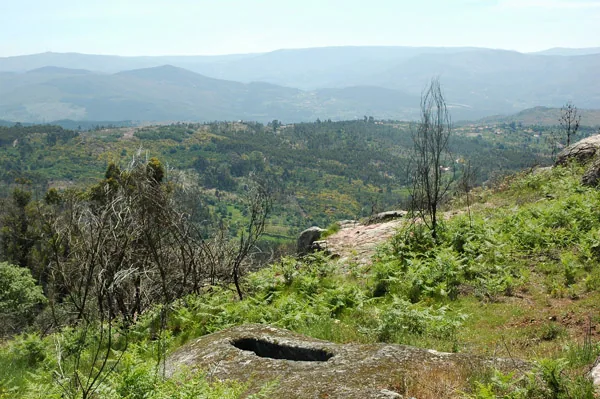
In Rio Douro, orientation helps interpret the past.
A worn inscription and a cross preserve different clues.
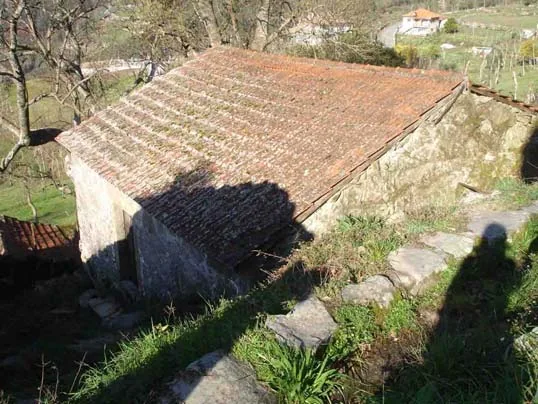
At Casa das Lages in Vilela, water powered olive oil.
At Portelada, water had more than one job.
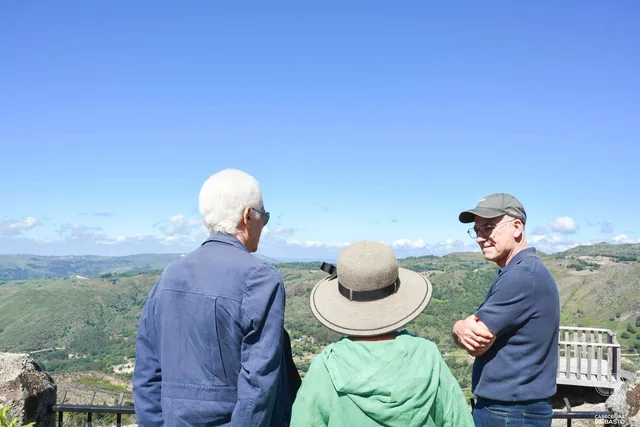
At Esporões, the view met stories of pastoral life.
In Eiró, the circular shape and ditch tell a story.
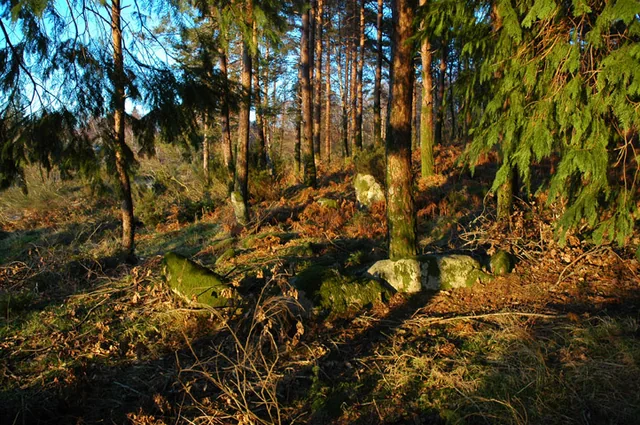
The remains of Toninha’s Aldeia Velha tell of another time.
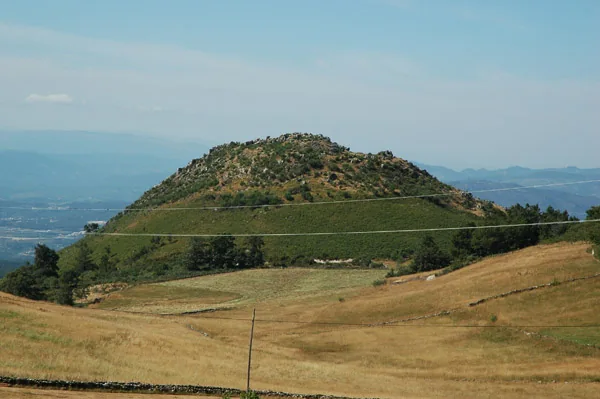
At Monte do Castelo, the terrain is part of the story.
At Portela de Asnela, the landscape leaves a question.
Distance from the church also shaped village life.
Trout and other freshwater fish appear in Rio Douro’s historical accounts.
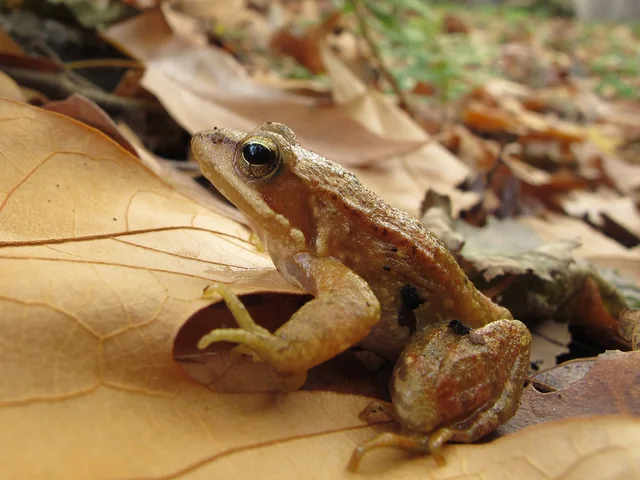
Some lives depend on the bank as much as the stream.
A list from 1758 combines encounters, abundance and passing visitors.
A curiosity of this selection, at random.