Discover Cabeceiras de BastoFree independent guide
ViveCabeceirasYOUR GUIDE TO CABECEIRAS
ENEnglish
SearchSaved
A ROAD TO FIND OUT

Reading journeys

A sequence of stories to read at your own pace. No travel involved.

Choose a topic or filterParish, time and activities
Choose an experiencePhotographs, recipes, questions and activities

First, the courses with stories highlighted in the novelties. The selection includes new or expanded texts.

18 reading journeys

Change options ↑
View all routes →
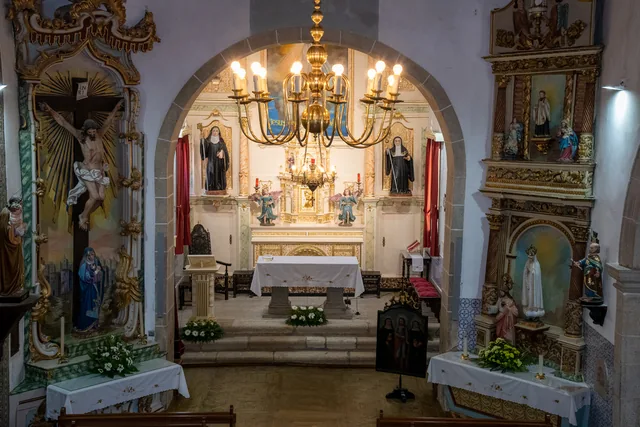
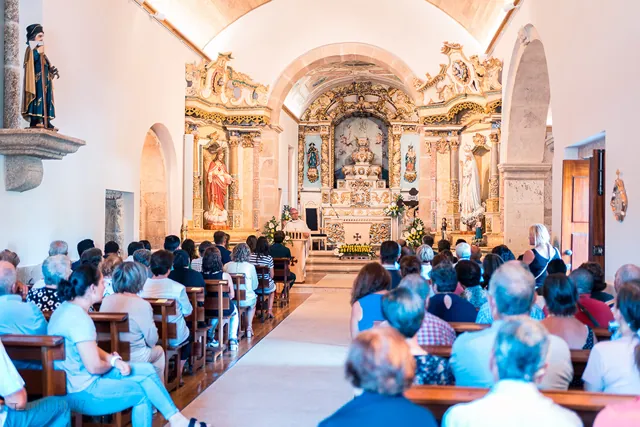
Interior of the church of São Tiago da Faia during the celebration documented by the Archdiocese in 2022.
DACS
ⓘ

Interior of the church of São Tiago da Faia during the celebration documented by the Archdiocese in 2022.

Fotografia: DACS

View source

Photograph date not stated.

Fotografia creditada como DACS na notícia da Arquidiocese; licença de reutilização não identificada.

Request removal or correct the photo credit

12 STORIES · CERCA DE 11 MIN

To Faia, between trades and devotions

Twelve stories to get to know Faia: the sixteen places told in 1758, agriculture, tannaria, manual footwear, chapels and the recent care of the heritage. Comparing names and testimonies, explores photographs and goes to the records of the church and the Lady of Amparo. Reading route, without indicating a visit itinerary.

Read the story highlighted →
More about this reading journeyComeçar pelo início →Read all below →
What am I gonna find out?
  1. A road helps explain Faia
  2. A parish told through sixteen settlements
  3. Tojeira did not stand still in one century
  4. In Faia, fruit matters too
  5. Wood holds the wine too
  6. In Faia, hands made footwear too
  7. Chapels among hills and houses
  8. Five altars to read a church
  9. A stream with a date to keep
  10. A year of work, a church reopened
  11. Roots and light renew a chapel
  12. The year was counted in fairs too
Things to try7 activities · 5 interactive explorations · 5 questions
Back to titles ↑
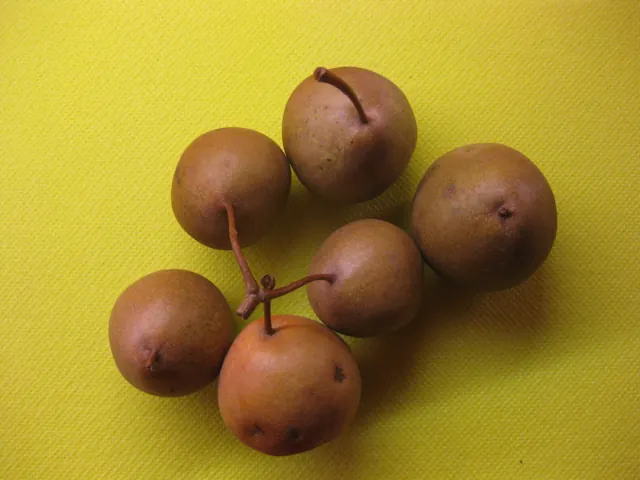
Codorno pears harvested in Bucos: the raw fruit, not the roasted preparation.
ⓘ

Codorno pears harvested in Bucos: the raw fruit, not the roasted preparation.

Source: Saberes cruzados

View source

Photograph date not stated.

Individual photographer and reuse licence not stated by the source.

Request removal or correct the photo credit

7 HISTORIES · CERCA OF 7 MIN

From fruit and vegetable to table

Seven readings between fruit, creoles, cabbages, identified meat of origin and market. Three recipes allow to accompany ingredients and steps, including roasted quails with or without wine. The stories link the table to the landscape, family memories and shopping.

Start reading →
More about this reading journeyRead all below →
What am I gonna find out?
  1. Fruit trees found a place in the park
  2. These codornos grow on a tree
  3. Alongside the steak, the greens matter too
  4. Greens with beans
  5. Barrosã: a name tied to its origins
  6. There is always room for dessert
  7. The market is a meeting place too
Things to try1 activity · 4 interactive explorations · 3 questions · 3 recipes
Back to titles ↑
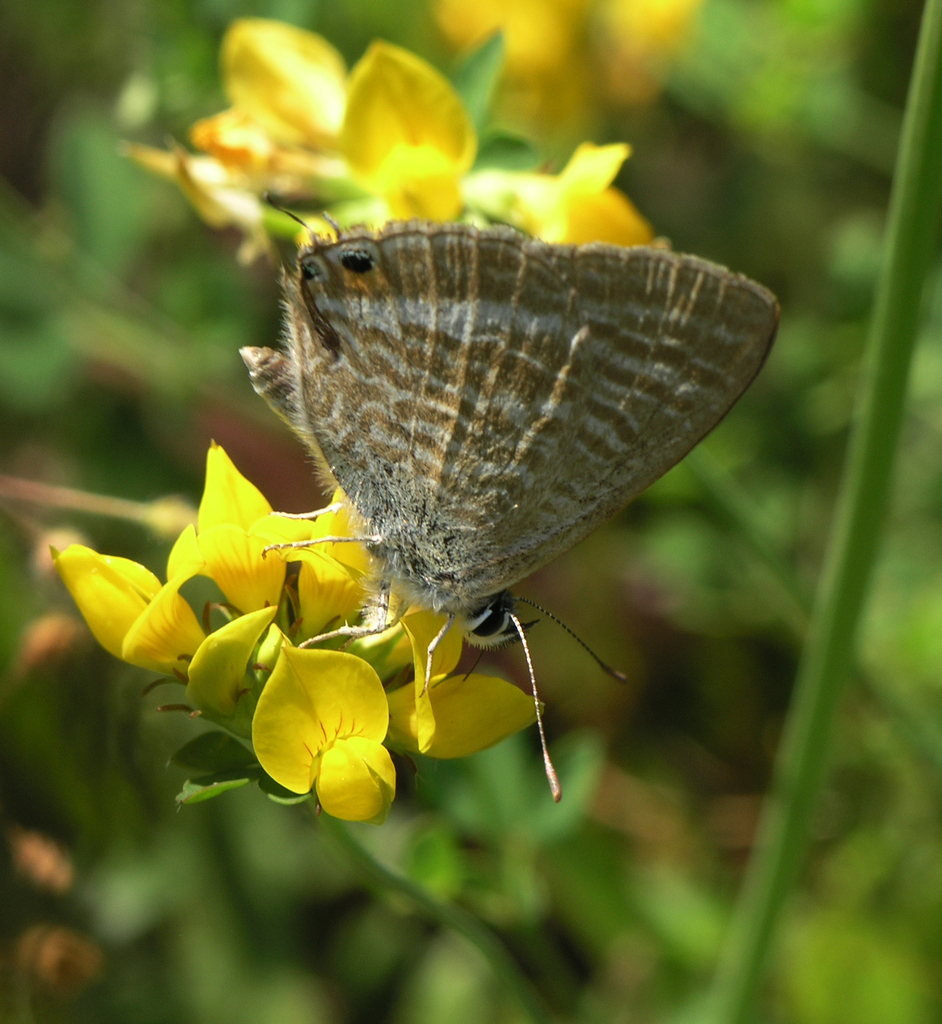
Lampides boeticus resting on yellow flowers with its wings together.
Pea Blue · Fotografia: Oleg Kosterin
About the photograph

Registration in the municipality of . One of the species addressed on this route.

Source: iNaturalist · CC-BY. No editing; screen size adjustment.

Request removal or correct the photo credit
7 HISTORIES · CERCA OF 6 MIN

From flowers to products of the earth

Pollen, visitors to flowers, shelters, honey and local cooperation. Seven readings link ecology and flavors, distinguishing general biology from history of Cabeceiras.

Start reading →
More about this reading journeyRead all below →
What am I gonna find out?
  1. From flower to flower, a shared task
  2. Small loads on tiny legs
  3. It looks like a wasp, but it may be a fly
  4. Not all bees look for the same home
  5. A calendar of flowers
  6. The landscape reaches the honey too
  7. Local products bring people together too
Things to try6 activities · 5 interactive explorations · 6 questions
Back to titles ↑
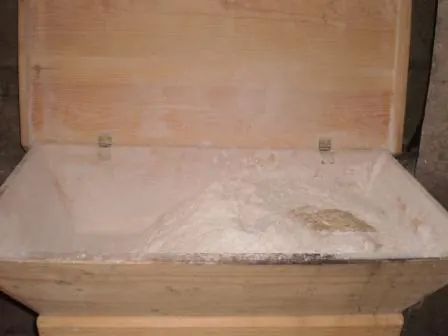
Flour and a portion of dough in the kneading trough — mixed-grain bread sequence documented by the Museum in Recovos, Pedraça.
ⓘ

Flour and a portion of dough in the kneading trough — mixed-grain bread sequence documented by the Museum in Recovos, Pedraça.

Source: Museu das Terras de Basto

View source

Photograph date not stated.

Individual photographer and reuse licence not stated by the source.

Request removal or correct the photo credit

9 HISTORIES · CERCA OF 10 MIN

Life hidden in bread dough

Nine stories follow the cereals to the pasta, the oven, the lunch and the bakery ads. Compare Recovos' recipe, the life of yeasts and the bread rituals. Ingredients and remarkable steps accompany the fountains; in the end, create an advertisement inspired by the memory of 1939.

Start reading →
More about this reading journeyRead all below →
What am I gonna find out?
  1. Before the bread, there was a field
  2. Some fungi have no cap
  3. The bread kept the next batch alive
  4. This broa blends rye and wheat
  5. Before the bread, this bolo went in
  6. The oven gave a sign
  7. Words went into the bread too
  8. A snack with bread still warm
  9. Bread was advertised in verse too
Things to try4 activities · 5 interactive explorations · 7 questions · 2 recipes
Back to titles ↑
Interior of Santa Senhorinha church.
ⓘ

Interior of Santa Senhorinha church.

Source: Visit Cabeceiras — Município de Cabeceiras de Basto

View source

Photograph date not stated.

Individual photographer and reuse licence not stated by the source.

Request removal or correct the photo credit

7 HISTORIES · CERCA OF 6 MIN

Santa Senhorinha: water, encounters and memory

Seven stories to link the river to the fields, bridges, fairs and news. Explore the links between readings and set up a mail calendar of 1758. The old documents keep their dates; do not announce current services or parties.

Start reading →
More about this reading journeyRead all below →
What am I gonna find out?
  1. The river became part of farming life
  2. Not every bridge was made of stone
  3. Olela had days for gathering
  4. When parishes came together
  5. A church told through images
  6. Bread, wine and olive oil in a portrait of the land
  7. News depended on Raposeira
Things to try4 activities · 3 interactive explorations · 3 questions
Back to titles ↑
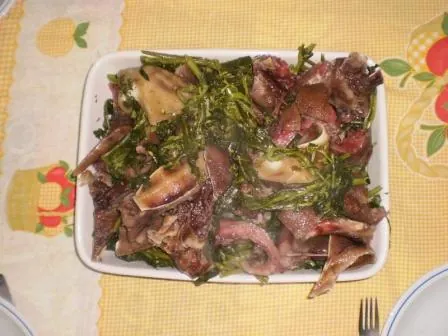
Pork ear with turnip greens: photograph accompanying the recipe recorded by the Museum in 2011.
ⓘ

Pork ear with turnip greens: photograph accompanying the recipe recorded by the Museum in 2011.

Source: Museu das Terras de Basto

View source

Photograph date not stated.

Individual photographer and reuse licence not stated by the source.

Request removal or correct the photo credit

8 STORIES · CERCA DE 11 MIN

Pedraça: table calendar

Eight memories linked to Pedraça: the conoada fireplace, the winter pot, Carnival, crops and the next batch. An interactive calendar connects the occasions to the stories, from family testimonies.

Start reading →
More about this reading journeyRead all below →
What am I gonna find out?
  1. At Christmas, back to the hearth
  2. Winter in a cooking pot
  3. Carnival went into the cooking pot too
  4. Bread joined the greens too
  5. Lunch at nine in the morning?
  6. Chestnuts in spring?
  7. The bread kept the next batch alive
  8. This broa blends rye and wheat
Things to try3 activities · 7 interactive explorations · 2 questions · 4 recipes
Back to titles ↑
Routes 7–18Open another 12 suggestions from this selection.
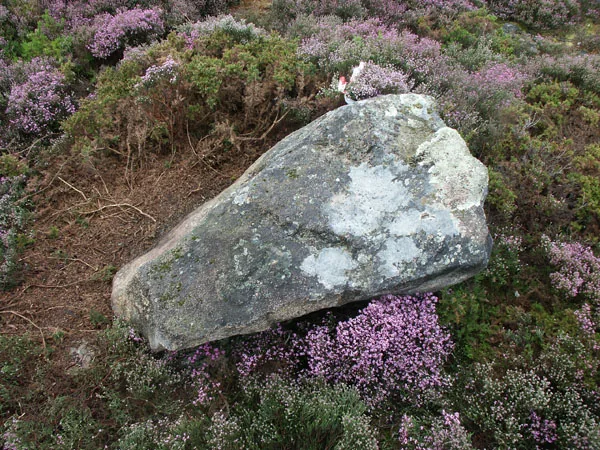
Engraved rock in the Marmoirais complex.
ⓘ

Engraved rock in the Marmoirais complex.

Source: Carta Arqueológica de Cabeceiras de Basto

View source

Photograph date not stated.

Autoria da fotografia e licença de reutilização não identificadas na fonte.

Request removal or correct the photo credit

9 HISTORIES · CERCA OF 9 MIN

Abadim: marks on the landscape

Nine stories to connect the mountains, fields and water to the marks of local power. Observes tower and pillory, compares the administration of 1758 and discovers two dates in Casa da Ramada. It is a reading route without indicating a walk or access to the buildings.

Start reading →
More about this reading journeyRead all below →
What am I gonna find out?
  1. A village above a thousand metres
  2. Within one parish, the harvest changed
  3. From settlement to farmstead
  4. Stone preserved drawings too
  5. Two streams kept six mills working
  6. Flour brought revenue to the king too
  7. A tower worth looking at slowly
  8. A star on the pillory
  9. Two dates do not tell a house’s whole story
Things to try5 activities · 2 interactive explorations · 6 questions
Back to titles ↑
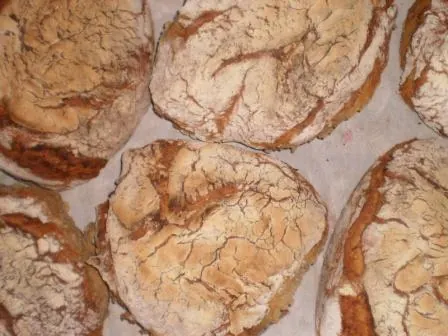
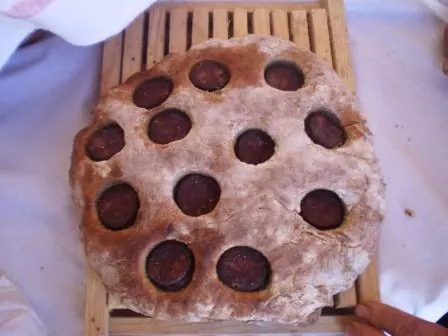
The mixed-grain bread after baking — mixed-grain bread sequence documented by the Museum in Recovos, Pedraça.
ⓘ

The mixed-grain bread after baking — mixed-grain bread sequence documented by the Museum in Recovos, Pedraça.

Source: Museu das Terras de Basto

View source

Photograph date not stated.

Individual photographer and reuse licence not stated by the source.

Request removal or correct the photo credit

5 HISTORIES · CERCA OF 6 MIN

Before the table, the earth

The work of a bovine race, the origin of a product, the cereals of a bread, the heathers of honey and the beans of a sweet. Five stories about what gives identity to flavors.

Start reading →
More about this reading journeyRead all below →
What am I gonna find out?
  1. Barrosã cattle helped work the land
  2. Barrosã: a name tied to its origins
  3. This broa blends rye and wheat
  4. The landscape reaches the honey too
  5. Beans make it to dessert too
Things to try3 activities · 2 interactive explorations · 1 question · 1 recipe
Back to titles ↑
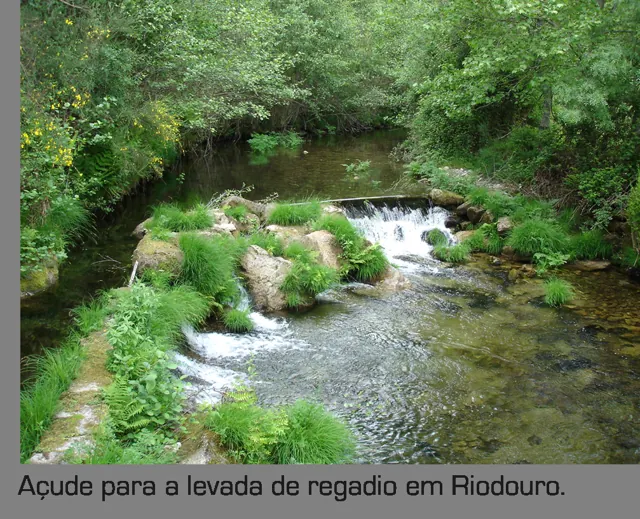
Water capture for mills, documented by the Museu das Terras de Basto.
ⓘ

Water capture for mills, documented by the Museu das Terras de Basto.

Source: Museu das Terras de Basto

View source

Photograph date not stated.

Individual photographer and reuse licence not stated by the source.

Request removal or correct the photo credit

9 HISTORIES · CERCA OF 8 MIN

From water to bread

Nine stories to follow the water saved, the levada, the floors of the mill and the way to the table. The reading of Levada de Víbora links these explanations to the landscape of Abadim; the track record retains practical information. A path to read and explore.

Start reading →
More about this reading journeyRead all below →
What am I gonna find out?
  1. Before milling, water had to be stored
  2. Water had a built route too
  3. Follow the water’s path
  4. Grinding above, movement below
  5. Water had its turn
  6. The Peio made flour too
  7. Maize left its mark on the village
  8. The bread kept the next batch alive
  9. A snack with bread still warm
Things to try6 activities · 3 interactive explorations · 6 questions
Back to titles ↑
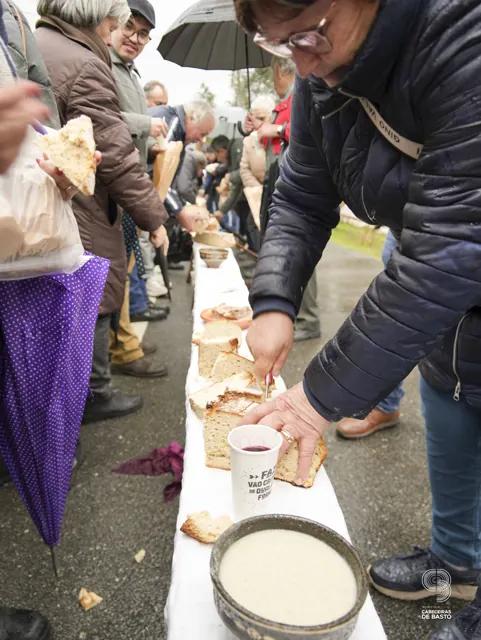
Sharing food at the Festa das Papas in Gondiães, 20 January 2026.
ⓘ

Sharing food at the Festa das Papas in Gondiães, 20 January 2026.

Source: Municipality of Cabeceiras de Basto

View source

Date given at source: .

Individual photographer and reuse licence not stated by the source.

Request removal or correct the photo credit

5 HISTORIES · CERCA OF 4 MIN

At the village table

From family kitchen to shared party: five stories about food, objects and mutual help.

Start reading →
More about this reading journeyRead all below →
What am I gonna find out?
  1. At Christmas, back to the hearth
  2. Lunch at nine in the morning?
  3. Sweets had luggage too
  4. The papas begin before dawn
  5. A rod measures the sharing
Things to try3 activities · 2 interactive explorations · 2 questions
Back to titles ↑
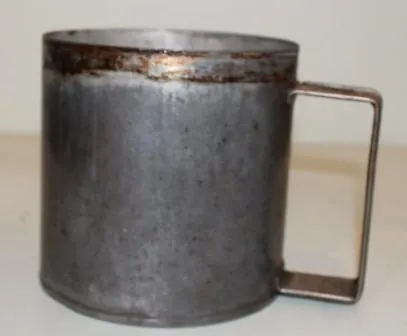
Grape-harvesting tool MTB 437 — inventory presented by the Terras de Basto Museum.
Grape-harvesting tool MTB 437
ⓘ

Grape-harvesting tool MTB 437 — inventory presented by the Terras de Basto Museum.

Source: Museu das Terras de Basto

View source

Photograph date not stated.

Individual photographer and reuse licence not stated by the source.

Request removal or correct the photo credit

9 HISTORIES · CERCA OF 8 MIN

The vineyard tells stories

From the climate to the names of the grapes, from terraces to vintage utensils: nine stories to know the vineyard of Basto. Compare grape varieties and build a map of local names. Reading tour, no trips or evidence included.

Start reading →
More about this reading journeyRead all below →
What am I gonna find out?
  1. Summer helps choose the grapes
  2. The vines climb the hillside
  3. A partridge’s foot, but in the vineyard
  4. Batoca: a grape variety that likes company
  5. A toad’s eye, but in the vineyard
  6. This Padeiro grows in the vineyard
  7. A “fingernail” for the grape harvest
  8. Wood holds the wine too
  9. Carrying and measuring in one container
Things to try5 activities · 3 interactive explorations · 3 questions
Back to titles ↑
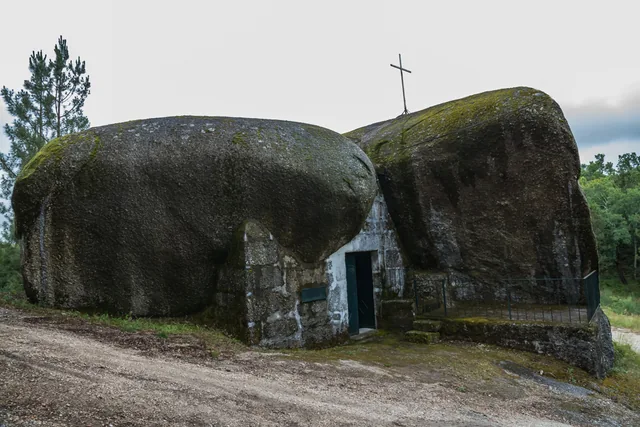
Santa Catarina chapel between granite boulders.
ⓘ

Santa Catarina chapel between granite boulders.

Source: Visit Cabeceiras — Município de Cabeceiras de Basto

View source

Photograph date not stated.

Individual photographer and reuse licence not stated by the source.

Request removal or correct the photo credit

11 HISTORIES · CERCA OF 7 MIN

Alvite: from fields to memory

Eleven readings link fields, water, work, fair, justice, church and chapels of Alvite. It compares the strength of animals with the uses of water and the different charges of places of worship. The memories of 1758 preserve their time; the sequence does not indicate a walk.

Start reading →
More about this reading journeyRead all below →
What am I gonna find out?
  1. There was more than maize in the fields
  2. Orada changed from summit to valley
  3. Storing water from the hillside
  4. When animals powered the oil mill
  5. The bulls came from Barroso
  6. One place, two jurisdictions
  7. The earthquake entered Alvite’s account
  8. Orada was grazing land too
  9. Three altars in one nave
  10. Six chapels, different responsibilities
  11. A chapel against the rock
Things to try8 activities · 6 interactive explorations · 6 questions
Back to titles ↑
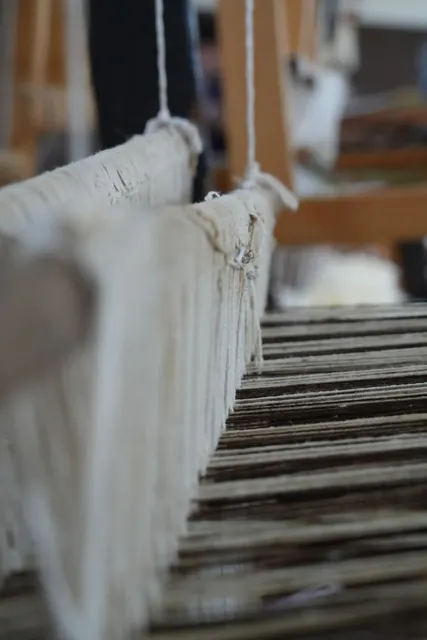
Loom and threads at Casa da Lã in Bucos.
ⓘ

Loom and threads at Casa da Lã in Bucos.

Source: Municipality of Cabeceiras de Basto

View source

Photograph date not stated.

Individual photographer and reuse licence not stated by the source.

Request removal or correct the photo credit

8 HISTORIES · CERCA OF 8 MIN

Bucos: wool, fields and paths

Eight stories link wool, fields, rivers, mail and places of worship of Bucos. It compares the daily life of 1758 with the transmission of crafts in 2024–2026, including a meeting in Rio Douro. The Casa da Lã has its own record to prepare a visit.

Start reading →
More about this reading journeyRead all below →
What am I gonna find out?
  1. Clothing for mountain life
  2. Bucos’s wool travels with those who teach
  3. Three grains in one landscape
  4. Two rivers lost their names
  5. A small bridge on a long route
  6. Letters arrived through another place
  7. A chapel shortened the distance
  8. Gold and red in the church
Things to try8 activities · 5 interactive explorations · 5 questions
Back to titles ↑
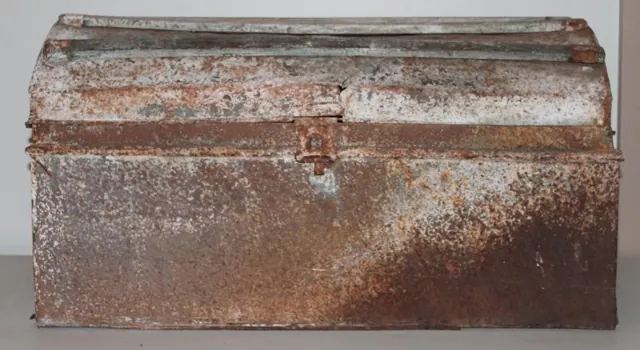
Sweet transport box L 104
ⓘ

Sweet transport box L 104

Source: Museu das Terras de Basto

View source

Photograph date not stated.

Individual photographer and reuse licence not stated by the source.

Request removal or correct the photo credit

7 HISTORIES · CERCA OF 7 MIN

At the table, each flavor has a history

Who taught the recipe? Who shared the sweets? From family memory to Arosa’s reception, seven readings link the kitchen to people, animal husbandry and field work. It includes a proposal to save the story of your recipe.

Start reading →
More about this reading journeyRead all below →
What am I gonna find out?
  1. Every recipe has someone who passes it on
  2. Cavacas and rosquilhos, made by someone who knows
  3. After the dancing, a table of welcome
  4. Chestnuts in spring?
  5. The bread kept the next batch alive
  6. Before the roast, a story of livestock farming
  7. Barrosã: a name tied to its origins
Things to try5 activities · 3 interactive explorations · 4 questions
Back to titles ↑
Olive oil measure L 95 — two litres
ⓘ

Olive oil measure L 95 — two litres

Source: Museu das Terras de Basto

View source

Photograph date not stated.

Individual photographer and reuse licence not stated by the source.

Request removal or correct the photo credit

7 HISTORIES · CERCA OF 7 MIN

Bread, oil and names of the vineyard

Seven stories link the mill, measures, transport and table to the bread and castes of Basto. Try to calculate capabilities, choose the container for each task and open the documented Recovos recipe. A path of reading between objects, ingredients and people.

Start reading →
More about this reading journeyRead all below →
What am I gonna find out?
  1. From the Petimão to the olive press
  2. How much did a quartilho hold?
  3. Olive oil travelled in this case
  4. Olive oil had a table vessel too
  5. This broa blends rye and wheat
  6. Batoca: a grape variety that likes company
  7. A ripe grape can still be green
Things to try3 activities · 5 interactive explorations · 5 questions · 1 recipe
Back to titles ↑
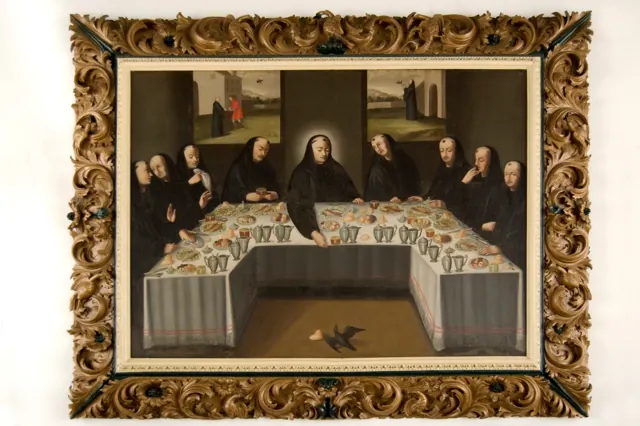
The Supper of Saint Benedict and the Raven, a 1703 painting from Refojos Monastery.
Miguel Sousa
ⓘ

The Supper of Saint Benedict and the Raven, a 1703 painting from Refojos Monastery.

Photography: Miguel Sousa

View source

Photograph date not stated.

Reuse licence not stated by the source.

Request removal or correct the photo credit

5 HISTORIES · CERCA OF 6 MIN

The table also tells stories

Five stories link a painting, the bread, honey and the sweetener. Opens the documented recipes and compares the French toast with honey and wine. Sources from different seasons help follow the flavors without proposing a current menu.

Start reading →
More about this reading journeyRead all below →
What am I gonna find out?
  1. A table painted more than three centuries ago
  2. This broa blends rye and wheat
  3. The landscape reaches the honey too
  4. Honey sweetens rabanadas too
  5. Beans make it to dessert too
Things to try3 activities · 3 interactive explorations · 3 questions · 2 recipes
Back to titles ↑
Bolo entre lenha in photographs accompanying the recipe published by the Museum in 2015.
ⓘ

Bolo entre lenha in photographs accompanying the recipe published by the Museum in 2015.

Source: Museu das Terras de Basto

View source

Photograph date not stated.

Individual photographer and reuse licence not stated by the source.

Request removal or correct the photo credit

10 STORIES · CERCA DE 14 MIN

A kitchen, lots of voices

Ten stories, ten recipes and the names of those who shared them. Open the ingredients, copy what is missing and mark the steps while accompanying the preparation. The quantities omitted in the collections remain identified; each form connects to the original source.

Start reading →
More about this reading journeyRead all below →
What am I gonna find out?
  1. Maize the size of rice
  2. Before the bread, this bolo went in
  3. Sunday was for cabidela
  4. Pataniscas went along for the snack too
  5. A recipe learned at celebrations
  6. Bread joined the celebration too
  7. A recipe that crossed continents
  8. Honey meets cinnamon and aniseed
  9. Cassianos: small shapes, a long journey
  10. Red wine reached dessert too
Things to try6 activities · 10 interactive explorations · 6 questions · 10 recipes
Back to titles ↑
7 HISTORIES · CERCA OF 6 MIN

What was at the table in 1758?

Seven stories to compare fields, hills and pantry of Abadim, Rio Douro, Vila Nune, Faia, São Nicolau, Bucos and Alvite. Draws a landscape of words, distinguishes what was produced from what was bought and followed by the cereal until the bread. The sources conserve their times: in Faia, the old description is compared with the municipal presentation.
Start reading →
More about this reading journeyRead all below →
What am I gonna find out?
  1. Within one parish, the harvest changed
  2. From valley to hill, the harvest changed
  3. They made wine, but bought bread
  4. In Faia, fruit matters too
  5. Not all grain was the same
  6. Three grains in one landscape
  7. There was more than maize in the fields
Things to try7 activities · 6 interactive explorations · 6 questions
Back to titles ↑
Escolher pelo título · 18 reading journeys
YOUR LOCAL GUIDE

What would you like to discover?

Take a closer look.