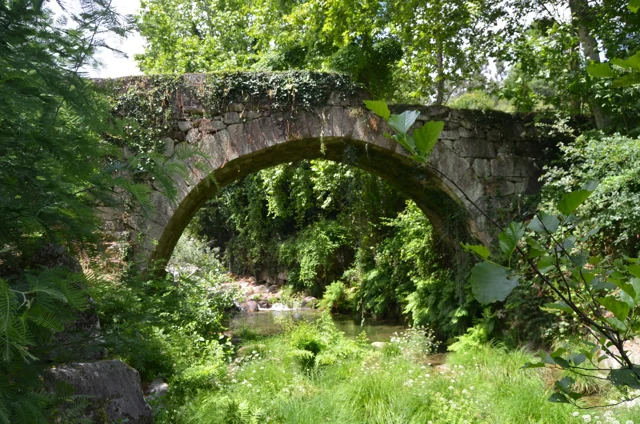
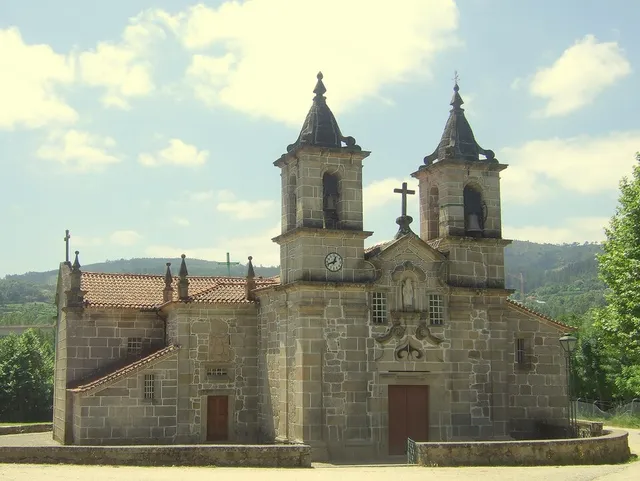
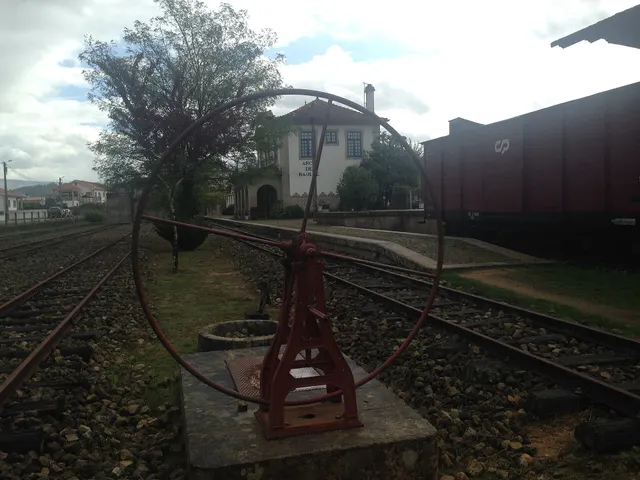
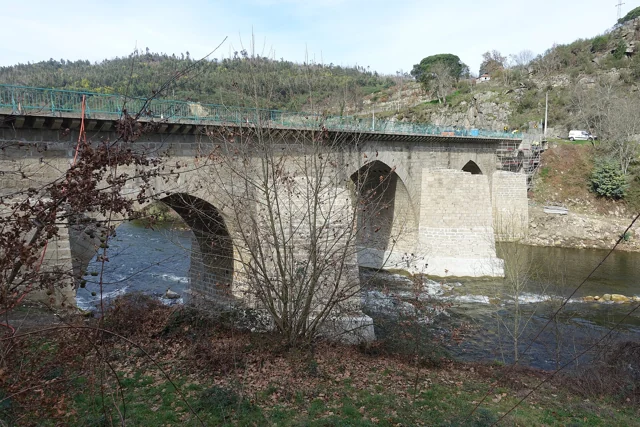
Four stories to discover the shape of the bridges, the works that transform them and the old line that gained new steps. A path of reading between Cavez and Arco de Baúlhe e Vila Nune, without indicating a pedestrian itinerary.
Seven readings between fruit, creoles, cabbages, identified meat of origin and market. Three recipes allow to accompany ingredients and steps, including roasted quails with or without wine. The stories link the table to the landscape, family memories and shopping.
Ten stories, ten recipes and the names of those who shared them. Open the ingredients, copy what is missing and mark the steps while accompanying the preparation. The quantities omitted in the collections remain identified; each form connects to the original source.
Eight memories linked to Pedraça: the conoada fireplace, the winter pot, Carnival, crops and the next batch. An interactive calendar connects the occasions to the stories, from family testimonies.
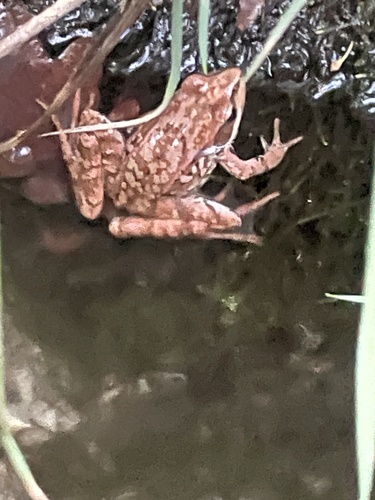
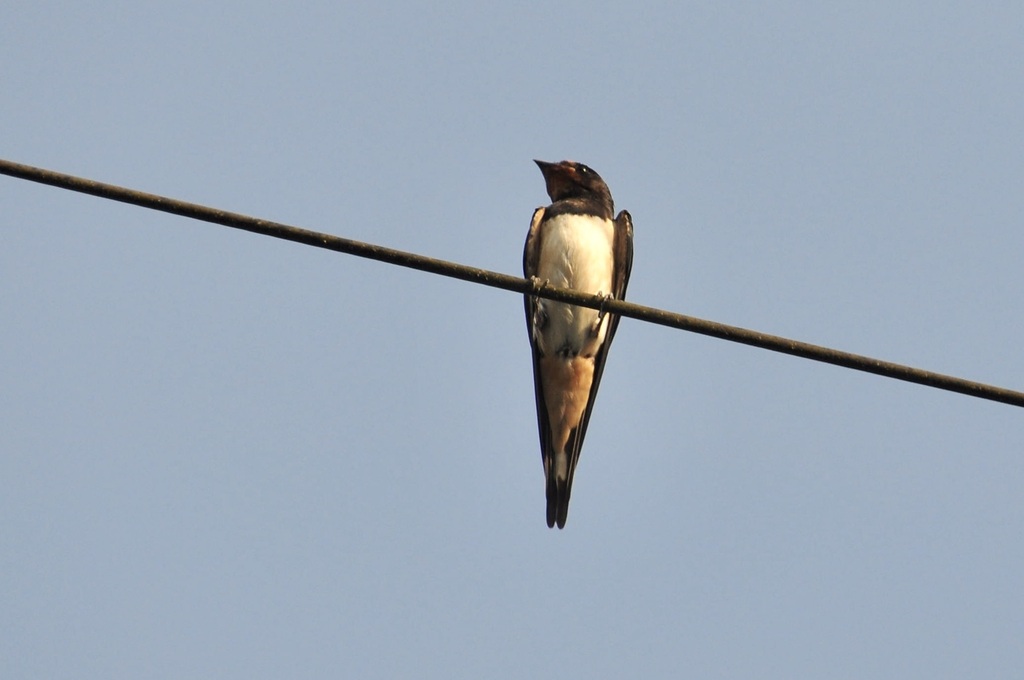
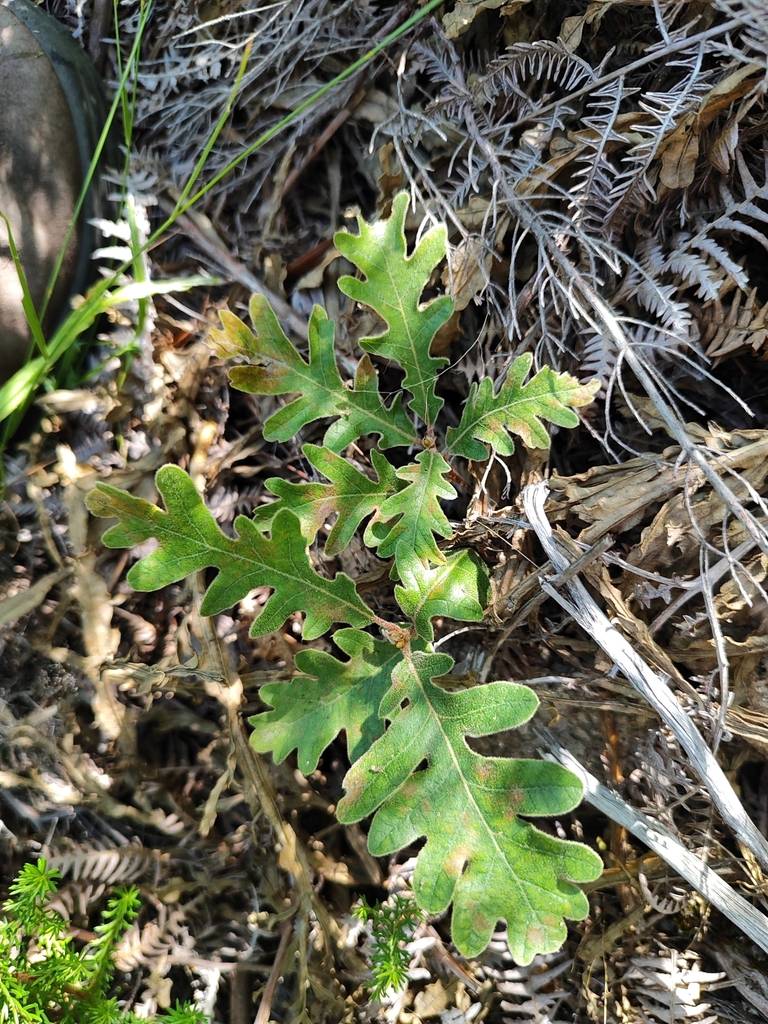
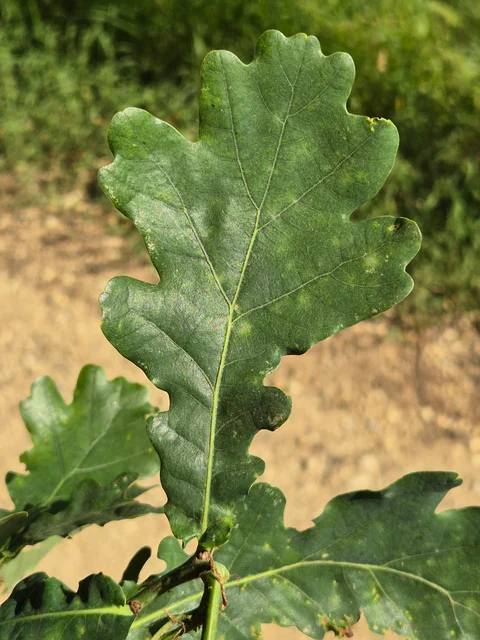
A tour of the photographs: branches in Refojos, a margin in Cavez, wings in Abadim and a wire in Painzela. Opens the registers, looks for details and experiences the challenges. It is a reading route, not an itinerary on the ground nor a guarantee of sighting.
To try4 activities · 4 interactive holdings · 4 questions
Five readings on fields, trips, fabrics, footwear and flavors. A chronology distinguishes the accounts from 1956 and 1977 from the publication of 2024; follow the links between trades and trades habits of the fair. Historical memories, without announcement of current programming.
To try1 activity · 2 interactive holdings · 2 questions
Back to titles ↑Routes 7–18Open another 12 suggestions from this selection.
5 HISTORIES · CERCA OF 4 MIN
Places to learn, care and find
A scientist remembered in school, books, assistance, memory and meetings in the market. Five stories of people and institutions that are part of the life of the municipality. It is a sequence of reading, not a script with access to the buildings.
To try1 activity · 1 interactive exploitation · 2 questions
Seven readings to explore decomposition, partnership and parasitism, meet fungi that live within plants and design a garden with various habitats. Compares relationships and experiences the activities. General explanations do not identify local fungi for consumption.
To try5 activities · 7 interactive holdings · 6 questions
A restored margin, preserved fetuses, wastelands and a stream in the center of the village. Five stories to know the relationship of Cabeceiras with its watercourses. It is a reading route, not a pedestrian itinerary.
To try5 activities · 5 interactive holdings · 2 questions
Pollen, visitors to flowers, shelters, honey and local cooperation. Seven readings link ecology and flavors, distinguishing general biology from history of Cabeceiras.
To try6 activities · 5 interactive holdings · 6 questions
Connected habitats, invasive plants and monitoring over time. Five readings that cross ecology and proposals of the forest plan of Cabeceiras of 2021; are not instructions to intervene on the ground.
To try1 activity · 3 interactive holdings · 2 questions
Eight readings on skin, tail, feed and reproduction. Opens the sequence of the triton, follows the food between water and earth and compares the development of salamander. The photograph of Rio Douro, regional references to the Cabreira and general biology maintain distinct scopes; it is not an observation script.
To try4 activities · 4 interactive holdings · 6 questions
Ten readings accompany the water in the memories of 1758: cultures, margins, mills and differences between parishes. Vila Nune's account also looks at Atei, on the other side of Tâmega. Compares what each author observed, without turning the documents into visiting maps.
To try7 activities · 5 interactive holdings · 3 questions
Twelve stories to know the relief, archeology, crafts, pilgrimages and associative life of Outeiro. It compares three inventoried sites, enters a workshop and accompanies footwear to the fair. Schemes and activities help to explore; it is a reading route without indicating access to sites.
To try9 activities · 6 interactive holdings · 7 questions
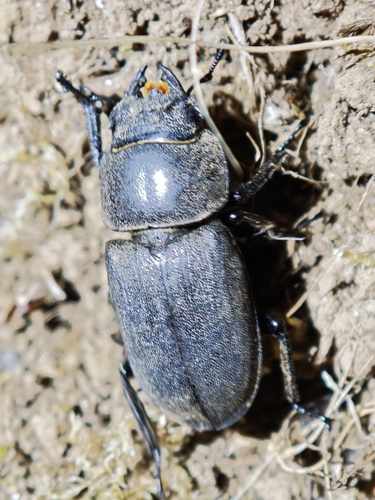
Seven stories to follow the life of the mycelium, understand the food and discover who takes advantage of the wood. Draws a network that explores resources, compares the decomposition and opens the photograph of a beetle observed in the municipality.
To try7 activities · 7 interactive holdings · 6 questions
Nine stories follow the cereals to the pasta, the oven, the lunch and the bakery ads. Compare Recovos' recipe, the life of yeasts and the bread rituals. Ingredients and remarkable steps accompany the fountains; in the end, create an advertisement inspired by the memory of 1939.
Seven stories to link the river to the fields, bridges, fairs and news. Explore the links between readings and set up a mail calendar of 1758. The old documents keep their dates; do not announce current services or parties.
To try4 activities · 3 interactive holdings · 3 questions
Nine readings between gardens, chapels, documents and people. Opens the chronologies, distinguishes dates from buildings and documents and knows the route of Baltazar Castro. It is a reading sequence, without assuming access to private properties.
To try4 activities · 6 interactive holdings · 5 questions
Routes 19–30Open another 12 suggestions from this selection.
8 HISTORIES · CERCA OF 9 MIN
Read the landscape: from stone to river
Eight readings of granite crystals to the veigas of Tâmega. Find out how the rock changes, what happens to the transported materials and what minerals enter the portrait of Cabeceiras. A discovery path to read at your pace, without mandatory displacements.
To try4 activities · 5 interactive holdings · 8 questions
Eleven readings between villages, chapels, watering, animals and work. Compares the portrait of 1758, knows the pison and ends in the memory of collective shepherding of Cambezes. Reports maintain their time and do not define current conditions of visit.
To try8 activities · 4 interactive holdings · 3 questions
Nine stories between water, houses and collective life of São Nicolau. From the bridges and mills described in 1758 to the use of water in Covas, compares documents from different times. It continues by architecture, by the old school and by the memory that dances.
To try5 activities · 3 interactive holdings · 1 Question
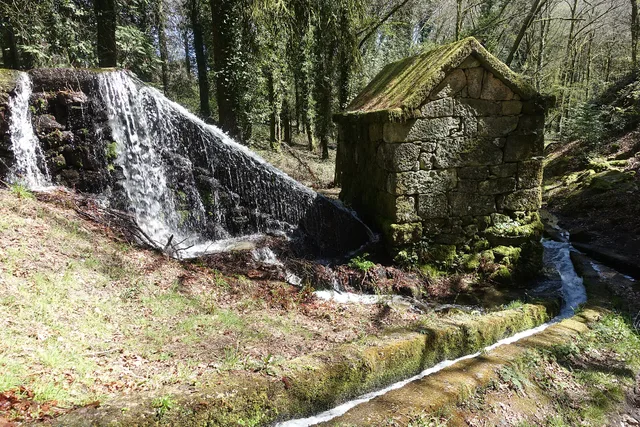
Twelve stories link documents, villages, bridges, water, crafts and sharing of the popes. Draws the levada of the neighborhood, compares materials and discovers the people behind the memories. It is a path of reading, without implicit visits or events.
To try12 activities · 4 interactive holdings · 8 questions
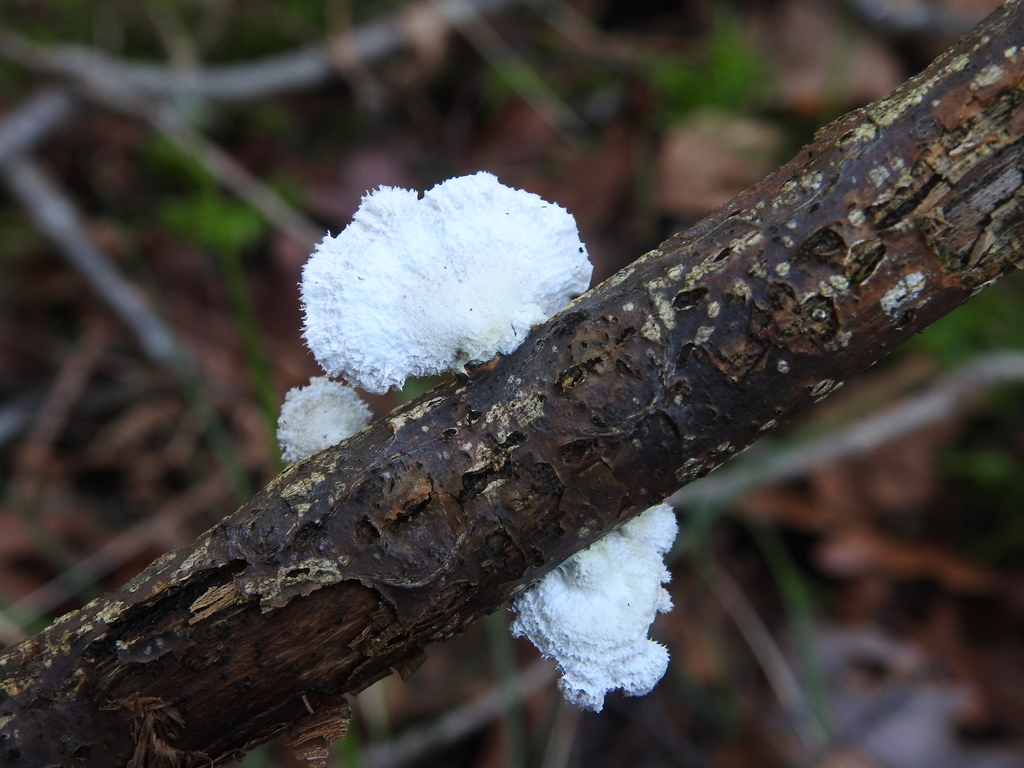
Lights, spores, lichens and five readings with local photographs. Compare shapes on wood and rock and discover what an image reveals or leaves hidden. A path to understand fungi, without identifying species for consumption.
To try5 activities · 6 interactive holdings · 3 questions
Nine stories to connect the mountains, fields and water to the marks of local power. Observes tower and pillory, compares the administration of 1758 and discovers two dates in Casa da Ramada. It is a reading route without indicating a walk or access to the buildings.
To try5 activities · 2 interactive holdings · 6 questions
Start by sampling the Tâmega in Cavez and get to know the six registered fish. Seven readings link the survey of 2016–2017 to shapes, feed, reproduction and origin of the species. No indication of fishing points or current presence.
To try3 activities · 5 interactive holdings · 5 questions
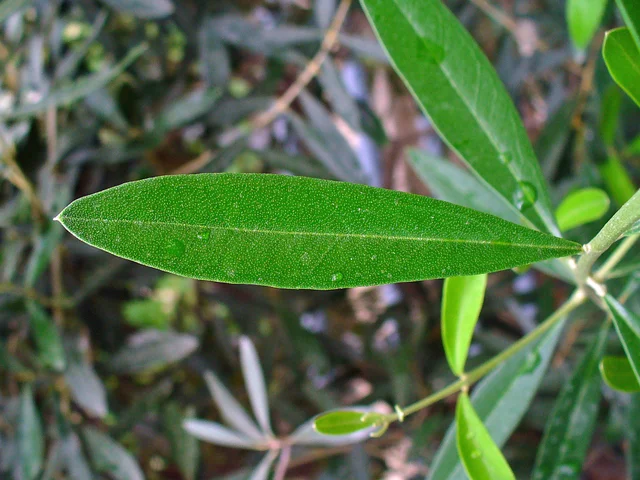
Date given at source: . Source consulted in 2026-11-07. EXIF orientation, proportional resizing and WebP conversion; no retouching or clipping of the file.
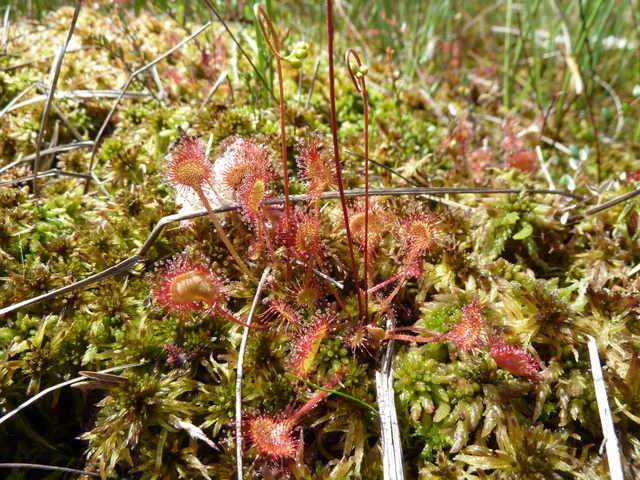
Eight stories to look closely: protected seeds, fruit with wings, trap leaves, stems that make photosynthesis and fetuses without flowers. Open the schemes, compare local photographs and draw the parts that distinguish these plants.
To try6 activities · 5 interactive holdings · 8 questions
The work of a bovine race, the origin of a product, the cereals of a bread, the heathers of honey and the beans of a sweet. Five stories about what gives identity to flavors.
Nine stories to follow the water saved, the levada, the floors of the mill and the way to the table. The reading of Levada de Víbora links these explanations to the landscape of Abadim; the track record retains practical information. A path to read and explore.
To try6 activities · 3 interactive holdings · 6 questions
Eight stories about between help, water, harvests, wool, fabrics and materials of the houses. Find out how the work connected the villages to the fairs and try to organize a wheel of shifts on paper. It is a reading route, without displacements.
To try6 activities · 4 interactive holdings · 5 questions
It looks at nature on the scale of details: leaves, insects, a shell with bands and a slug with spots. It compares shapes and experiences the activities, distinguishing local photographs from general explanations about the species.
To try8 activities · 6 interactive holdings · 4 questions
From the corner of a jump to the wings of a fruit: discover five stories with photographs registered in the municipality. A reading route, to explore at your pace.
To try5 activities · 4 interactive holdings · 4 questions
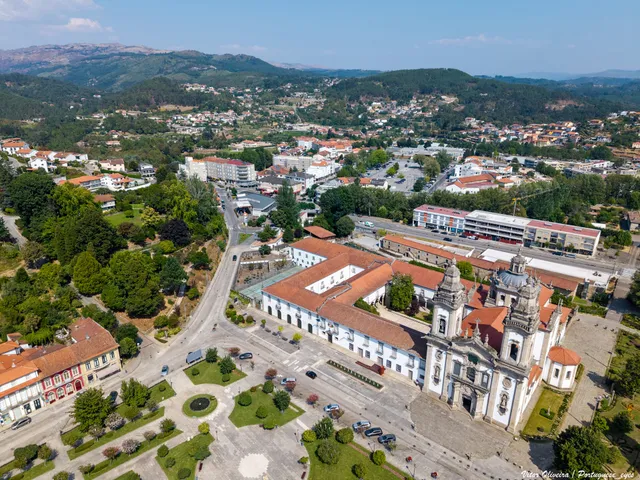
Nine stories follow the arrival of the line, the vehicles, the life of the station and the transformation of the channel into Ecopist. Two chronologies distinguish works and new uses. Matamá Bridge is in Celorico from Basto; this is a reading sequence, not a pedestrian itinerary.
To try5 activities · 5 interactive holdings · 4 questions
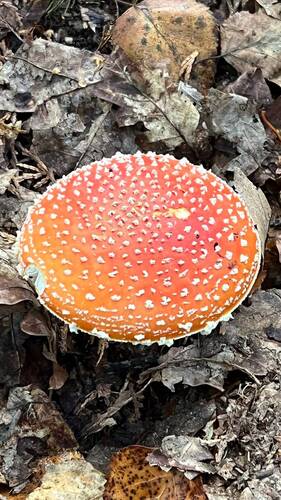
Back to titles ↑Amanita muscaria · Photography: nszaAbout the photograph
Registration in the municipality of . One of the species addressed on this route.
The first photograph shows the hat seen from above; the second, a copy already cut. They do not document all the details described. Observe without cutting or tasting.
Hats, corals, nests and shelves: eight stories to look at fungi in another way. Cross shapes, functions and photographs already documented, distinguishing the general examples from local records. Includes questions and drawings to try.
To try5 activities · 6 interactive holdings · 4 questions
From the climate to the names of the grapes, from terraces to vintage utensils: nine stories to know the vineyard of Basto. Compare grape varieties and build a map of local names. Reading tour, no trips or evidence included.
To try5 activities · 3 interactive holdings · 3 questions
Twelve stories to get to know Faia: the sixteen places told in 1758, agriculture, tannaria, manual footwear, chapels and the recent care of the heritage. Comparing names and testimonies, explores photographs and goes to the records of the church and the Lady of Amparo. Reading route, without indicating a visit itinerary.
To try7 activities · 5 interactive holdings · 5 questions
Eleven readings link fields, water, work, fair, justice, church and chapels of Alvite. It compares the strength of animals with the uses of water and the different charges of places of worship. The memories of 1758 preserve their time; the sequence does not indicate a walk.
To try8 activities · 6 interactive holdings · 6 questions
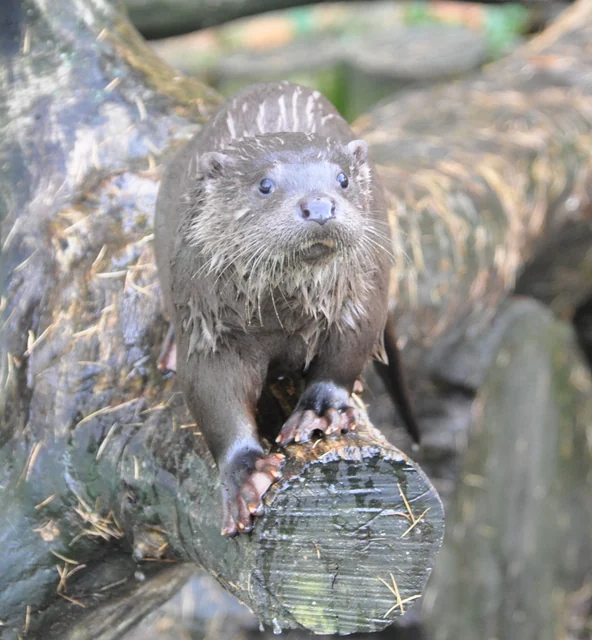
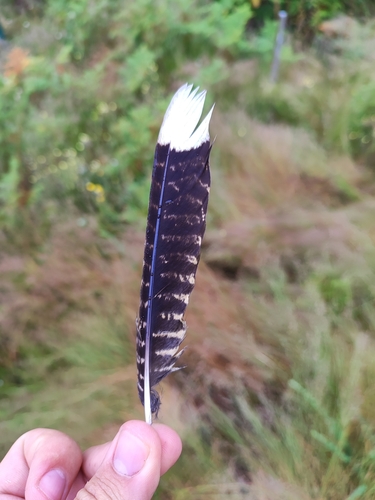
Date given at source: . Source consulted in 2026-11-07. EXIF orientation, proportional resizing and WebP conversion of the current version in Commons; no retouching or additional clipping.
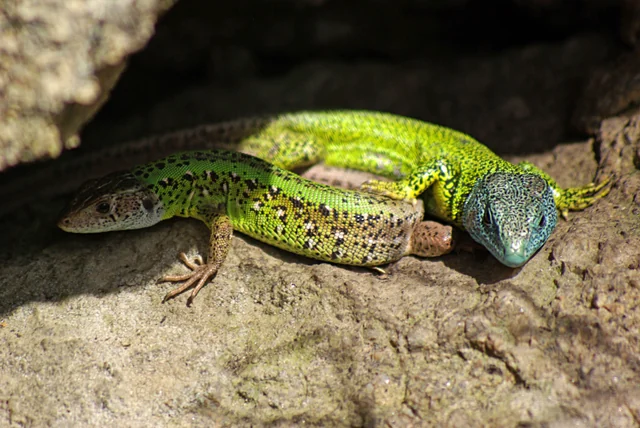
Ten stories link the trees from the margins to the animals and moisture. Compare the otter and the water mole, follow the relationship with the aquatic insects and discover the water lizard. Each text distinguishes general biology, regional references and documented records; it is a path of reading, not sighting.
To try7 activities · 9 interactive holdings · 8 questions
Eight stories link wool, fields, rivers, mail and places of worship of Bucos. It compares the daily life of 1758 with the transmission of crafts in 2024–2026, including a meeting in Rio Douro. The Casa da Lã has its own record to prepare a visit.
To try8 activities · 5 interactive holdings · 5 questions
Date given at source: . Source consulted in 2026-11-07. EXIF orientation, proportional resizing and WebP conversion; no retouching or clipping of the file.
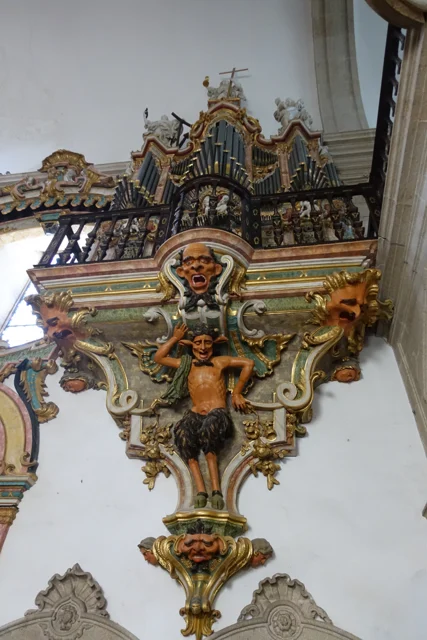
A mute organ, wood and metal, a frame, a star and five arches. Discover details of Refojos, Abadim and Cavez in five readings. The sequence does not indicate a visit route or access to the interiors.
To try3 activities · 3 interactive holdings · 1 Question
Date given at source: . Source consulted in 2026-11-07. EXIF orientation, proportional resizing and WebP conversion of the current version in Commons; no retouching or additional clipping.
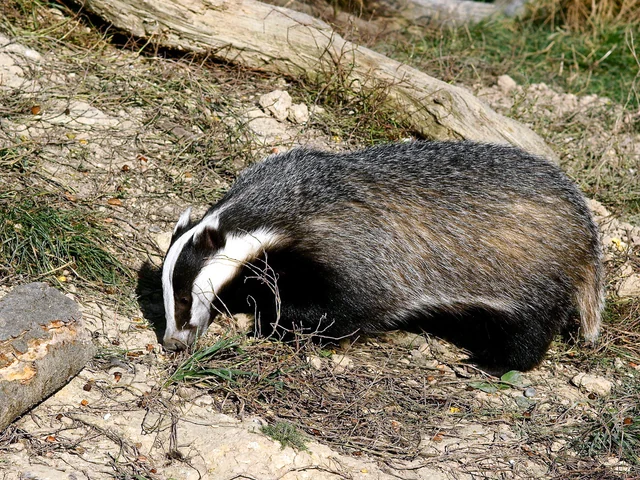
Twelve readings with four photographs to compare snouts, coats and thorns. The illustrative images were made outside the municipality, two of them in wildlife parks. Next, for bats: a local documentary record, echo, feeding, hunting from a landing and changing shelters throughout the year. Includes a proposal for observation without identification of species.
To try9 activities · 6 interactive holdings · 10 questions
A roundabout, a square, a school plantation, the season and the fields: eight readings about choices and memories of the landscape of Cabeceiras. Compare the ginkgo and the metasequoia and follow the changes of flowers, leaves and uses of the gardens. News keep their dates.
To try3 activities · 1 interactive exploitation · 3 questions
Who taught the recipe? Who shared the sweets? From family memory to Arosa’s reception, seven readings link the kitchen to people, animal husbandry and field work. It includes a proposal to save the story of your recipe.
To try5 activities · 3 interactive holdings · 4 questions
Books, people and a medieval chalice connect Refojos to other cities. Discover the decor of the piece, the difference between the donor and the goldsmith and their journey to Coimbra, before returning to the new lives of the monastery and to the names of the streets.
To try2 activities · 2 interactive holdings · 6 questions
Date given at source: . Source consulted in 2026-11-07. EXIF orientation, proportional resizing and WebP conversion; no retouching or clipping of the file.
Seven readings to move from interpretation spaces to small details of nature: moss, wings, aquatic insects, leaves and wood. Explore links and observation proposals; it is a reading sequence, without mandatory itinerary or promise of sightings.
To try6 activities · 6 interactive holdings · 5 questions
Seven stories link the mill, measures, transport and table to the bread and castes of Basto. Try to calculate capabilities, choose the container for each task and open the documented Recovos recipe. A path of reading between objects, ingredients and people.
Follow the water between canals, fields and equipment. Compare forms of sharing and discover how an open levada passed the plumbing in Alvite. Historical documents help to read changes in the landscape; do not indicate current conditions of access.
To try5 activities · 1 interactive exploitation · 5 questions
From the glow of insects to the shadow of forests: five readings to see how living beings relate to the environment. Sources distinguish general biology and local records.
To try4 activities · 4 interactive holdings · 4 questions
Five stories link a painting, the bread, honey and the sweetener. Opens the documented recipes and compares the French toast with honey and wine. Sources from different seasons help follow the flavors without proposing a current menu.
Six readings on water and transformation in Painzela: watering, moving a mill, going to electricity and drawing a garden. Comparing documents and representing the connections. It is a reading route, without displacements.
To try3 activities · 5 interactive holdings · 4 questions
Raw material, learning, tools and change of craft: seven stories follow the footwear to the fair and to the pilgrimage. Includes questions and a design proposal, without visits to workshops.
To try4 activities · 2 interactive holdings · 6 questions
From the wooden bridge to the seeds of the alder: eight readings link ancient testimonies, rural work and life on the shores. Each story indicates its time and scope. It is a sequence to read, not a pedestrian itinerary.
To try6 activities · 7 interactive holdings · 4 questions
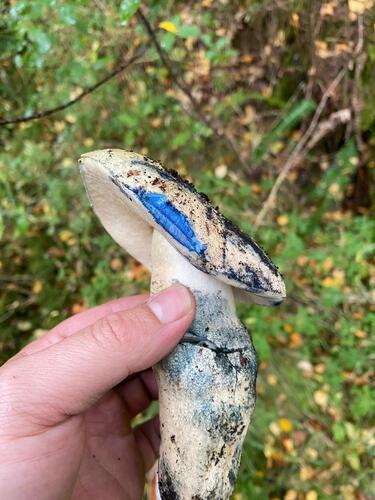
Back to titles ↑Gyroporus cyanescens · Photography: André FerreiraAbout the photograph
Registration in the municipality of . One of the species addressed on this route.
Observation of citizen science in Cabeceiras de Basto (São Nicolau), of 27 September 2025. The image of the cut copy is of the observer; it does not represent a demonstration to repeat.
Eight readings to follow the spores: release, wind, drops and insects. A scheme separates the beginning of the journey from the transport; the sequence distinguishes general examples and a local photograph without guiding collection or consumption.
To try3 activities · 6 interactive holdings · 5 questions
From plant to yarn, from fabric to footwear and from metal to watering: eight stories connect materials, people and creativity. Open the words of crafts and try to imagine an object of yours.
To try5 activities · 3 interactive holdings · 5 questions
Four readings link the schools of Bucos and Abadim to the work of wood, to the past of the fairs and to the memory of those who emigrated. Know a tradition in transformation, without confusing the testimonies with a calendar of lessons.
To try3 activities · 1 interactive exploitation · 2 questions
Fossas, villages, sculptures and graves: eight readings bring different times closer to the territory. Follow archaeological interpretations and their uncertainties. It is a reading sequence, not a roadmap for access to sites.
To try2 activities · 4 interactive holdings · 3 questions
Make light, transport fuel, heat and prepare food: six stories of objects documented by the Museum. Discover everyday gestures, materials and differences that an inventory number helps to preserve.
To try3 activities · 3 interactive holdings · 1 Question
From the Arch station to the lighting, signalling, maintenance and transport parts of the mail: ten readings on the railway memory and the passage from station to museum. The chips distinguish the documented places of the objects whose use was not located.
To try6 activities · 4 interactive holdings · 5 questions
Follows a leaf, explores galleries and roots and accompanies the water to the river. Eight stories link the life of the soil to the landscape, with questions and proposals to observe without collecting.
To try8 activities · 7 interactive holdings · 7 questions
Eight stories to investigate documents, numbers and borders. Find out why they review forals, distinguish aggregates from inhabitants and open the chronology of Passos. Proposals help separate what a source confirms from the questions it leaves unanswered.
To try6 activities · 5 interactive holdings · 7 questions
Nine stories to meet birds through kinship, color, singing and food. Discover an acrobat between leaves and a menu that changes in winter; compares trips and care with eggs, passes through the water and ends in the night. A reading route, without indicating nests or promising sightings.
To try3 activities · 3 interactive holdings · 6 questions
Six stories to compare wet meadows, slow water and margin forests. Opens the scheme of environments, distinguishes folioli leaves and follows seeds and fruits. Photos of the ash and the water-blood document meetings in Gondiães e Vilar de Cunhas: observes the leaves and separates what the image shows from what the botany explains.
To try4 activities · 5 interactive holdings · 6 questions
Nine stories to accompany leaves, flowers and fruits throughout the year. Compare local photographs of black oak, medronho and mistletoe with the descriptions of its cycles. Draw contours, look for clues and discover what a single station photograph leaves unaccounted for.
To try6 activities · 7 interactive holdings · 7 questions
Six readings to discover Pedraça: ancient names, links to Coimbra, houses, oral tradition, an object of wine and the change of energy in the mills. A route of reading, without presupposing access to the properties.
To try6 activities · 2 interactive holdings · 3 questions
Seven stories to follow the water to the Douro and discover life under the surface. Explores the layers of the river, accompanies the transformation of an insect and draws a food network. Local references and dated studies are distinguished from general explanations of ecology.
To try6 activities · 6 interactive holdings · 4 questions
Seven stories bring together the valley, the houses, the images of the church, the copied accounts, the food and the offerings. Comparing documents and interpretations to discover how the memory of St.
To try3 activities · 2 interactive holdings · 1 Question
From the mountains to the valley, a landscape with life
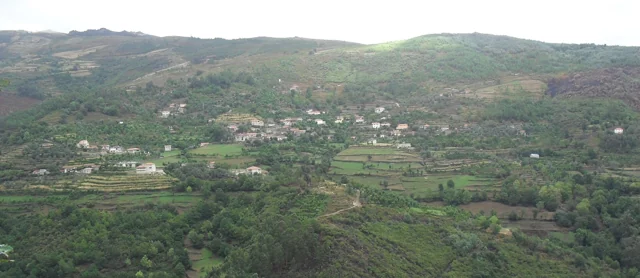
Eight stories link relief, forests, forests, fields and seasons. Follows on paper the water flowing to the river and compares the landscape with the changes of the year. It is a guided reading, not a walking itinerary.
To try8 activities · 6 interactive holdings · 5 questions
Date given at source: . Source consulted in 2026-11-07. EXIF orientation, proportional resizing and WebP conversion; no retouching or clipping of the file.
Nine readings to find out how trees grow, bear fruit and enter people's lives. Compare leaves, cork and wood, open the schemes of the chestnut and the cranberry and observe the layers of a forest. In the end, it can continue to the table of Pedraça.
To try7 activities · 9 interactive holdings · 8 questions
Date given at source: . Source consulted in 2026-11-07. EXIF orientation, proportional resizing and WebP conversion; no retouching or clipping of the file.
Eight stories link the medieval community, the materials of the church, the cultivated fence and the new uses of the surroundings. Compares the organ, the choir and the Zimbabwe in the descriptions; follows the stream to the history of Casa do Tempo. Includes chronologies, photographs and activities.
To try5 activities · 8 interactive holdings · 3 questions
From the mountain to the river: read the landscape
Nine stories to situate Cabeceiras: mountains, altitudes, villages, rivers and fields. It runs through Passos and Outeiro, opens the trout–Peio scheme and then follows the network to Douro. They are relationships to explore in reading, without indicating distances or an itinerary on the ground.
To try8 activities · 6 interactive holdings · 5 questions
Eight stories to accompany the bridge over the centuries and enter the lives of the villages. Opens the chronology, distinguishes legend and document and discovers chapels, mail, mills and coal. It is a route of reading, without indicating a pedestrian itinerary.
To try6 activities · 3 interactive holdings · 4 questions
Date given at source: . Source consulted in 2026-11-07. EXIF orientation, proportional resize and WebP conversion; no retouching or new clipping of file obtained in Commons.
Five stories to compare body, patterns, sun and moisture. It begins with a historical register of mackerel in Gondiães and distinguishes it from general explanations about other reptiles. No sighting or identification itinerary in the field.
To try4 activities · 4 interactive holdings · 4 questions
From the river to the mountains, the plants change
Water on the ground, exposure to the sun, shade on the edge and cold at altitude: six readings to compare the environments of the plants. From rosemary to alder, follow the relationships between soil, cultivation and landscape. No specimen location or proposed pedestrian path.
To try2 activities · 2 interactive holdings · 2 questions
Seven stories to compare fields, hills and pantry of Abadim, Rio Douro, Vila Nune, Faia, São Nicolau, Bucos and Alvite. Draws a landscape of words, distinguishes what was produced from what was bought and followed by the cereal until the bread. The sources conserve their times: in Faia, the old description is compared with the municipal presentation.
To try7 activities · 6 interactive holdings · 6 questions
Routes 79–80Open another 2 suggestions from this selection.
5 HISTORIES · CERCA OF 5 MIN
When the news had to wait
Five readings link the small places of Vila Nune to the world of letters and compare the mails of Faia, Bucos and Santa Senhorinha. Observes days, distances and differences between documents. A historical reading, without rebuilding routes or delivery times.
To try4 activities · 2 interactive holdings · 4 questions
Six readings link the domestic Garrano, the shepherding and fauna described in 1758 to the food and family life of the wolf. Compares sources and draws a changing pack. Memories and regional references are not sighting routes.
To try4 activities · 3 interactive holdings · 2 questions