A route of this selection. You can ask for another suggestion.
7 HISTORIES · CERCA OF 7 MIN
From fruit and vegetable to table
Seven readings between fruit, creoles, cabbages, identified meat of origin and market. Three recipes allow to accompany ingredients and steps, including roasted quails with or without wine. The stories link the table to the landscape, family memories and shopping.
Pollen, visitors to flowers, shelters, honey and local cooperation. Seven readings link ecology and flavors, distinguishing general biology from history of Cabeceiras.
Connected habitats, invasive plants and monitoring over time. Five readings that cross ecology and proposals of the forest plan of Cabeceiras of 2021; are not instructions to intervene on the ground.
Nine readings between gardens, chapels, documents and people. Opens the chronologies, distinguishes dates from buildings and documents and knows the route of Baltazar Castro. It is a reading sequence, without assuming access to private properties.
Nine stories between water, houses and collective life of São Nicolau. From the bridges and mills described in 1758 to the use of water in Covas, compares documents from different times. It continues by architecture, by the old school and by the memory that dances.
Date given at source: . Source consulted in 2026-11-07. EXIF orientation, proportional resizing and WebP conversion; no retouching or clipping of the file.
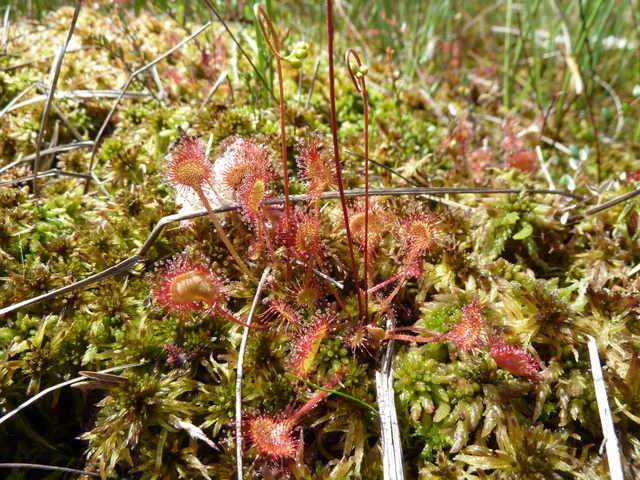
Eight stories to look closely: protected seeds, fruit with wings, trap leaves, stems that make photosynthesis and fetuses without flowers. Open the schemes, compare local photographs and draw the parts that distinguish these plants.
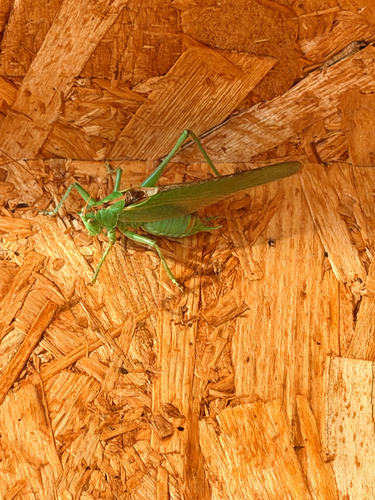
It looks at nature on the scale of details: leaves, insects, a shell with bands and a slug with spots. It compares shapes and experiences the activities, distinguishing local photographs from general explanations about the species.
From the corner of a jump to the wings of a fruit: discover five stories with photographs registered in the municipality. A reading route, to explore at your pace.
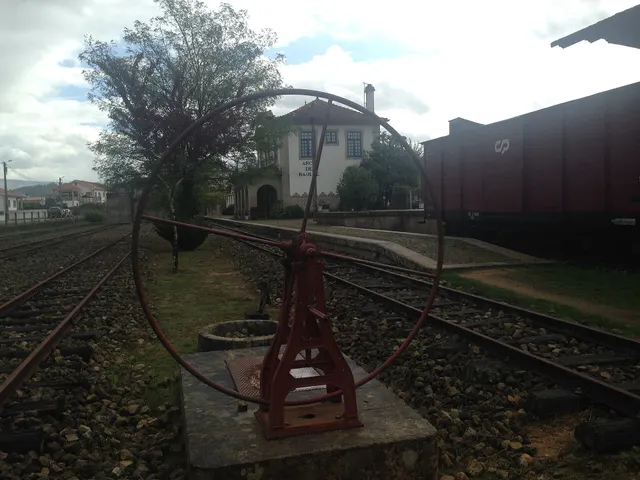
Nine stories follow the arrival of the line, the vehicles, the life of the station and the transformation of the channel into Ecopist. Two chronologies distinguish works and new uses. Matamá Bridge is in Celorico from Basto; this is a reading sequence, not a pedestrian itinerary.
Eleven readings link fields, water, work, fair, justice, church and chapels of Alvite. It compares the strength of animals with the uses of water and the different charges of places of worship. The memories of 1758 preserve their time; the sequence does not indicate a walk.
Date given at source: . Source consulted in 2026-11-07. EXIF orientation, proportional resizing and WebP conversion of the current version in Commons; no retouching or additional clipping.
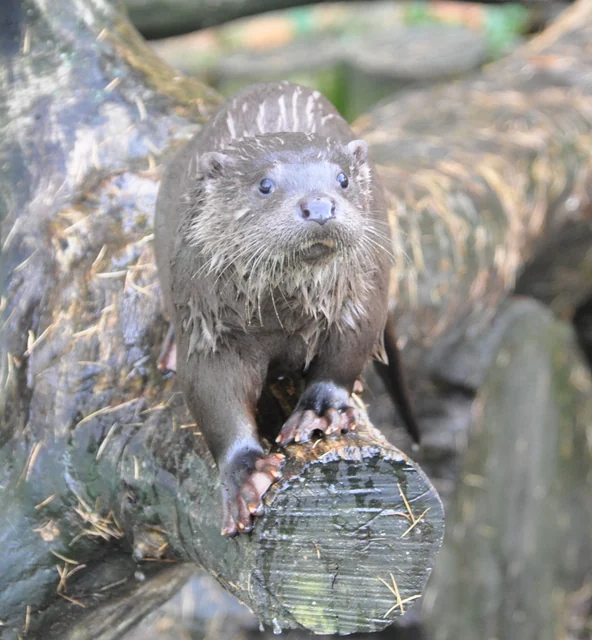
Ten stories link the trees from the margins to the animals and moisture. Compare the otter and the water mole, follow the relationship with the aquatic insects and discover the water lizard. Each text distinguishes general biology, regional references and documented records; it is a path of reading, not sighting.
A roundabout, a square, a school plantation, the season and the fields: eight readings about choices and memories of the landscape of Cabeceiras. Compare the ginkgo and the metasequoia and follow the changes of flowers, leaves and uses of the gardens. News keep their dates.
Date given at source: . Source consulted in 2026-11-07. EXIF orientation, proportional resizing and WebP conversion; no retouching or clipping of the file.
Seven readings to move from interpretation spaces to small details of nature: moss, wings, aquatic insects, leaves and wood. Explore links and observation proposals; it is a reading sequence, without mandatory itinerary or promise of sightings.
From the glow of insects to the shadow of forests: five readings to see how living beings relate to the environment. Sources distinguish general biology and local records.
From the wooden bridge to the seeds of the alder: eight readings link ancient testimonies, rural work and life on the shores. Each story indicates its time and scope. It is a sequence to read, not a pedestrian itinerary.
From the Arch station to the lighting, signalling, maintenance and transport parts of the mail: ten readings on the railway memory and the passage from station to museum. The chips distinguish the documented places of the objects whose use was not located.
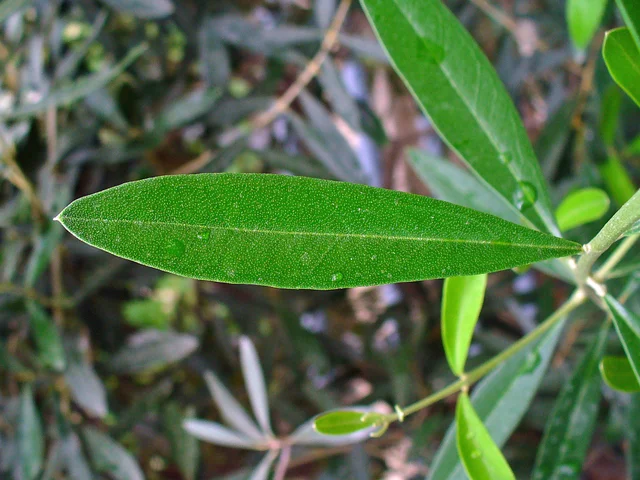
Six stories to compare wet meadows, slow water and margin forests. Opens the scheme of environments, distinguishes folioli leaves and follows seeds and fruits. Photos of the ash and the water-blood document meetings in Gondiães e Vilar de Cunhas: observes the leaves and separates what the image shows from what the botany explains.
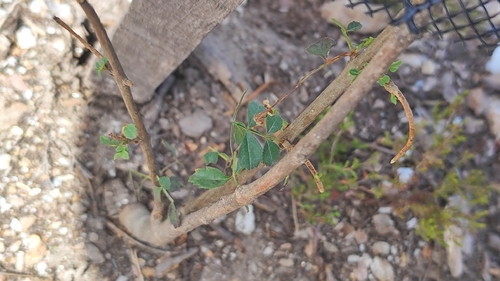
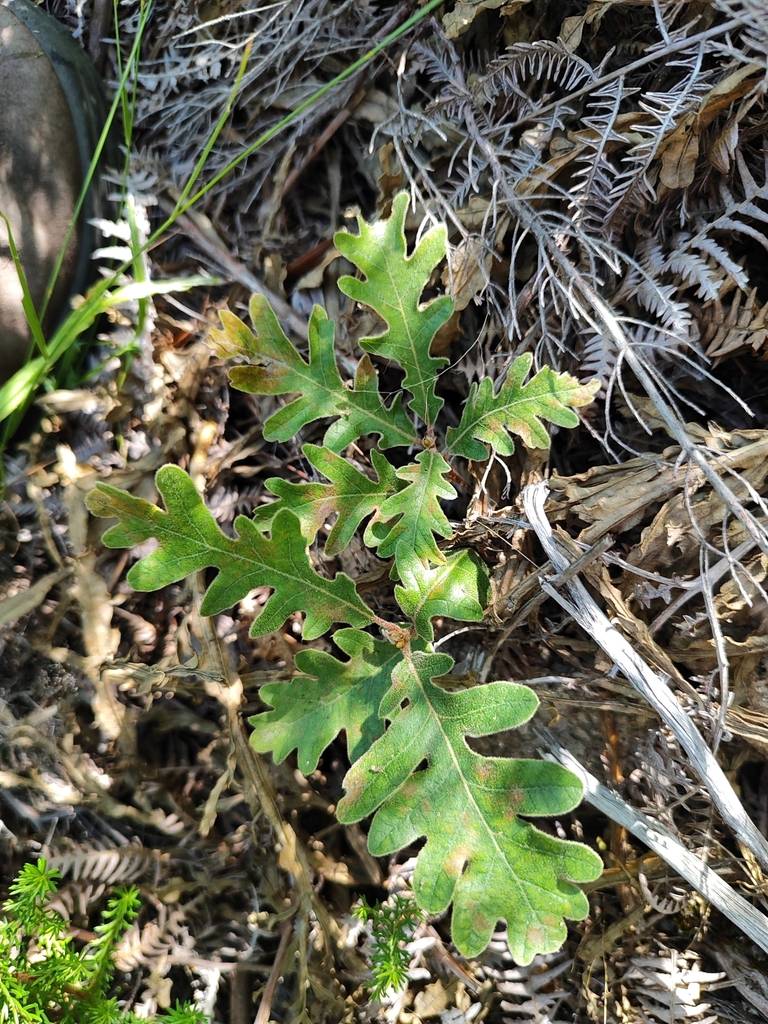
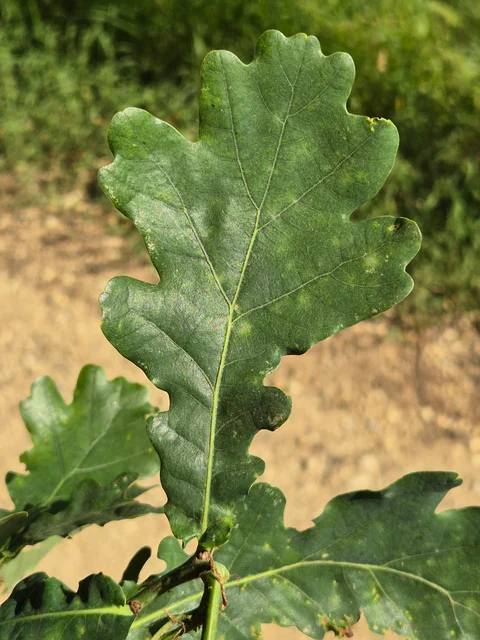
Nine stories to accompany leaves, flowers and fruits throughout the year. Compare local photographs of black oak, medronho and mistletoe with the descriptions of its cycles. Draw contours, look for clues and discover what a single station photograph leaves unaccounted for.
Routes 19–22Open another 4 suggestions from this selection.
8 HISTORIES · CERCA OF 7 MIN
From the mountains to the valley, a landscape with life
Eight stories link relief, forests, forests, fields and seasons. Follows on paper the water flowing to the river and compares the landscape with the changes of the year. It is a guided reading, not a walking itinerary.
Date given at source: . Source consulted in 2026-11-07. EXIF orientation, proportional resizing and WebP conversion; no retouching or clipping of the file.
Nine readings to find out how trees grow, bear fruit and enter people's lives. Compare leaves, cork and wood, open the schemes of the chestnut and the cranberry and observe the layers of a forest. In the end, it can continue to the table of Pedraça.
Date given at source: . Source consulted in 2026-11-07. EXIF orientation, proportional resizing and WebP conversion; no retouching or clipping of the file.
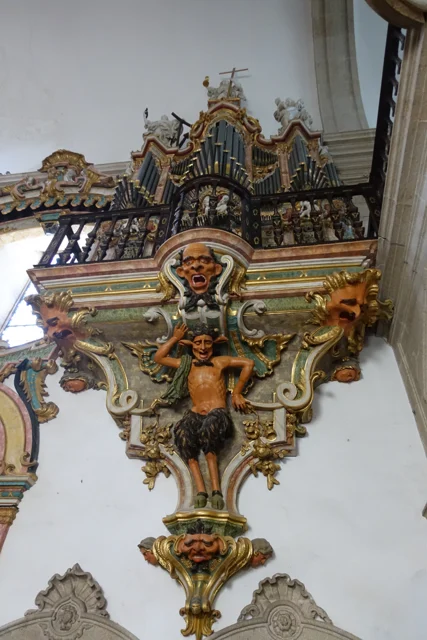
Eight stories link the medieval community, the materials of the church, the cultivated fence and the new uses of the surroundings. Compares the organ, the choir and the Zimbabwe in the descriptions; follows the stream to the history of Casa do Tempo. Includes chronologies, photographs and activities.
From the river to the mountains, the plants change
Water on the ground, exposure to the sun, shade on the edge and cold at altitude: six readings to compare the environments of the plants. From rosemary to alder, follow the relationships between soil, cultivation and landscape. No specimen location or proposed pedestrian path.