Pedraça once had another written name
The 1258 royal inquiries record it as Pedraços.
45 stories
The 1258 royal inquiries record it as Pedraços.
Cabeceiras’ railway story also passes through the neighbouring municipality.
These places’ past extends beyond today’s boundaries.
In 2012, church works connected Outeiro with the museum.
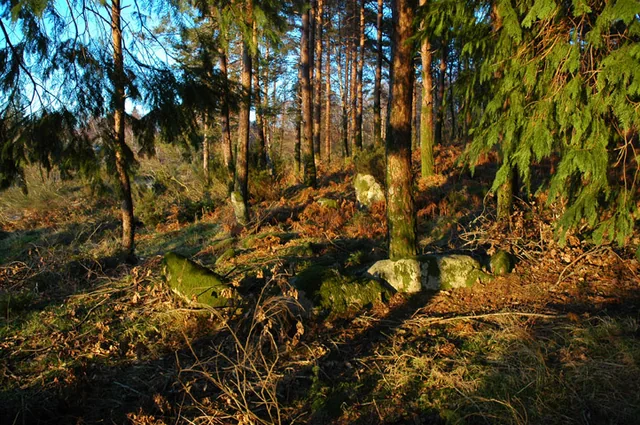
The remains of Toninha’s Aldeia Velha tell of another time.
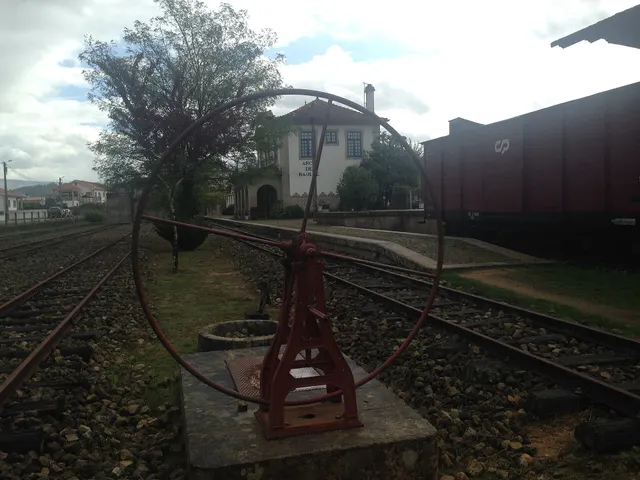
A carriage opens a window onto journeys of another time.
A photographer from Refojos left his mark across the Atlantic.
Sixteen settlements and a church outside the village reveal an older landscape.
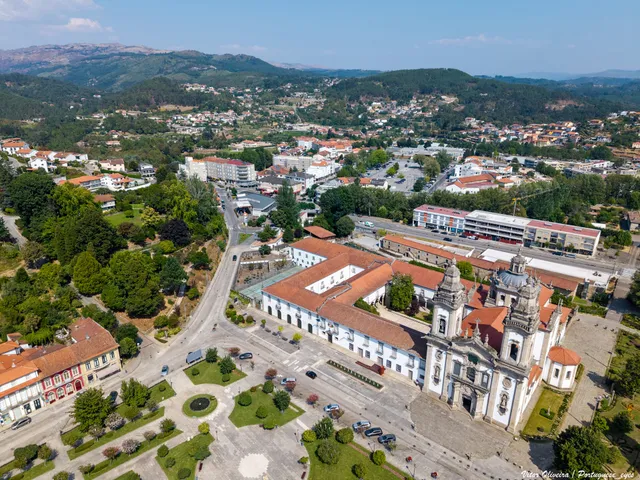
Campo do Seco and new streets tell another century of Cabeceiras.
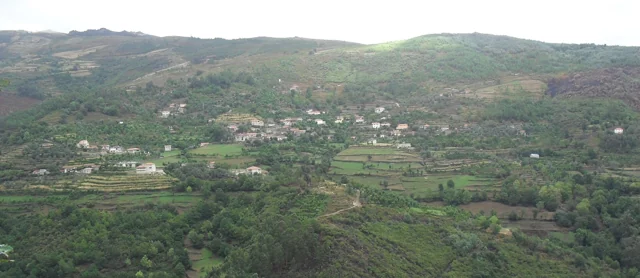
Two associations from the 1980s added other encounters to parish life.
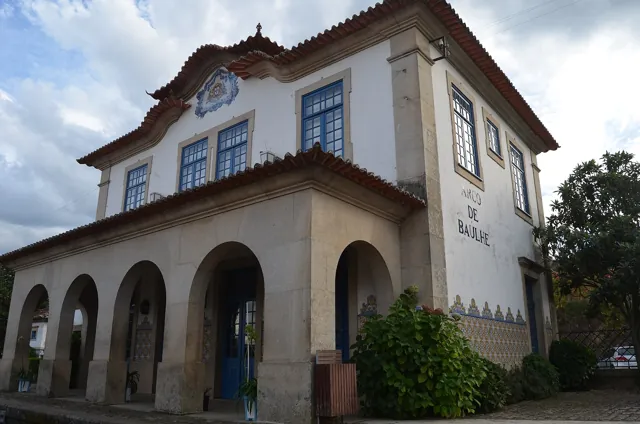
Arco was the final stop on a journey along the Tâmega.
October 1514 left two marks on the territory.
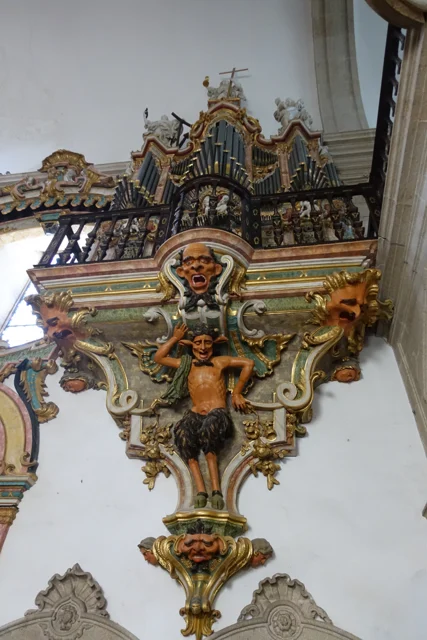
An invitation to look beyond the façade.
Casares lay on many people’s route.
In Eiró, the circular shape and ditch tell a story.
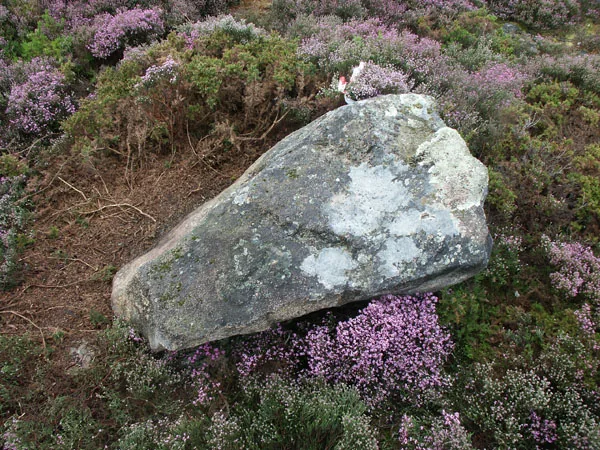
Marmoirais brings together ancient tombs and engravings.
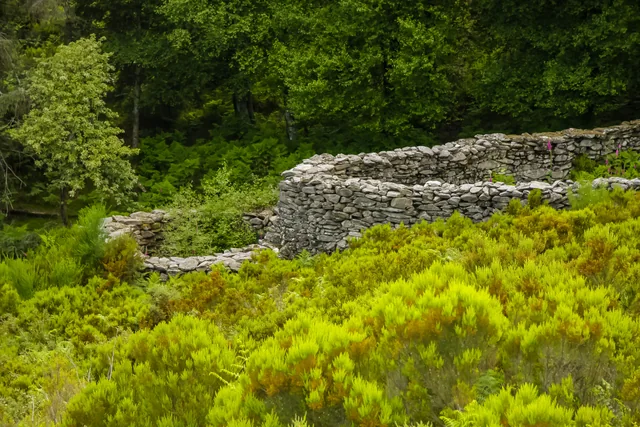
Uz’s wolf trap records old forms of defensive hunting.
In Lameiras Chãs, the remains tell more than one story.
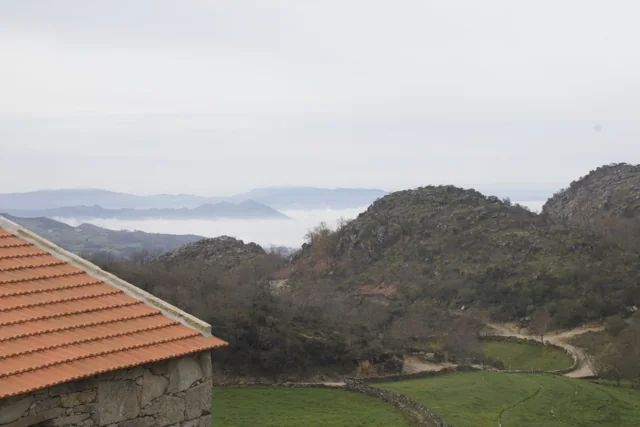
The Marcos do Touro help us read territorial boundaries.
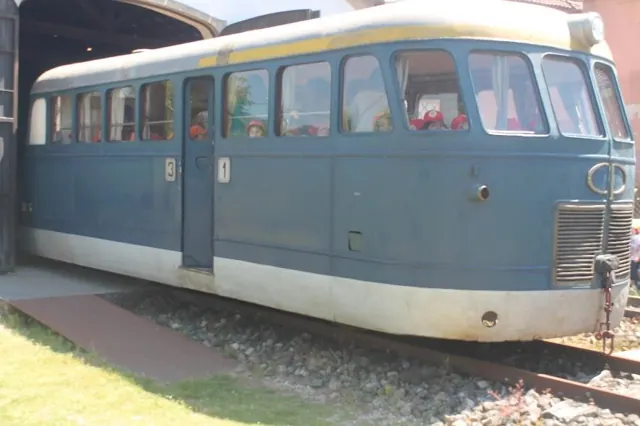
The collection tells of different ways to get a train moving.
Sacristy furniture combines materials with different roles.
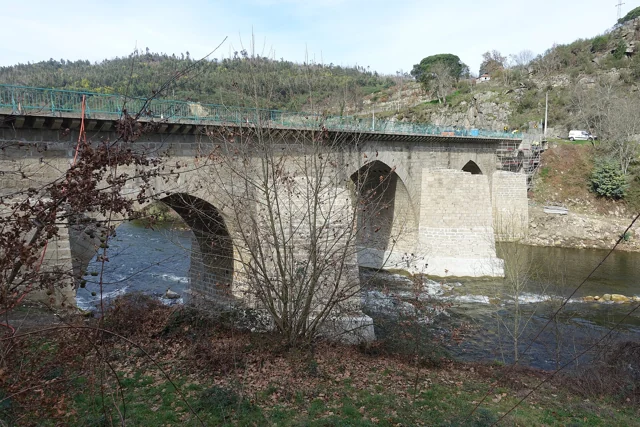
An old bridge did not stand still in history.
Devotions also organised space.
In 1758, Faia appears as a network of small settlements.
A curiosity of this selection, at random.