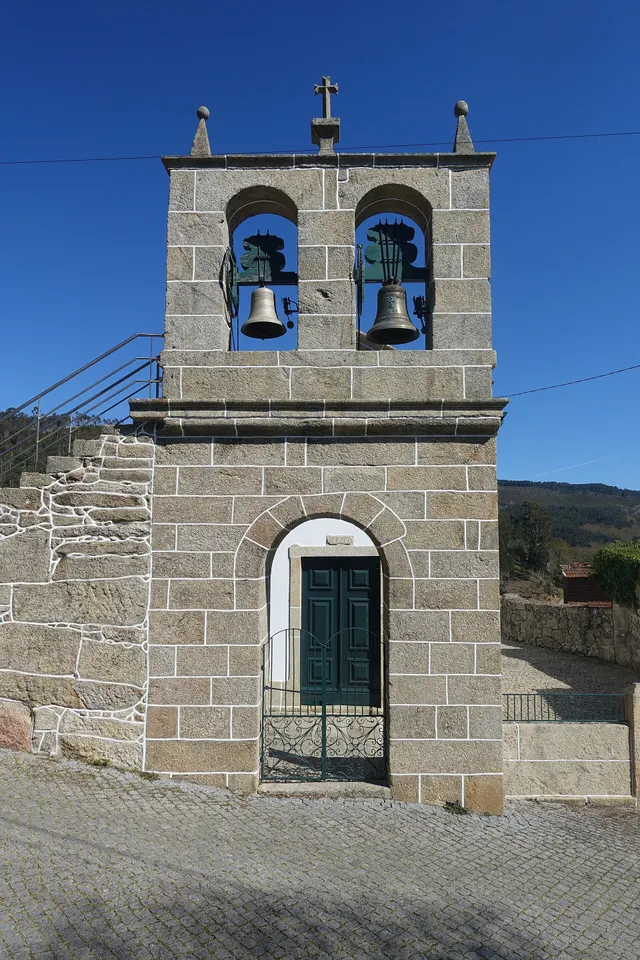
Bucos: villages connected by water and paths
A wooden bridge opens a window onto life in 1758.
27 stories
A wooden bridge opens a window onto life in 1758.
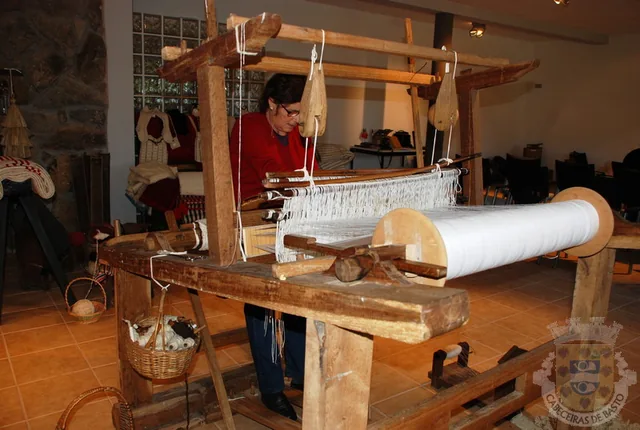
In 2014, Casa da Lã brought craft and training closer.
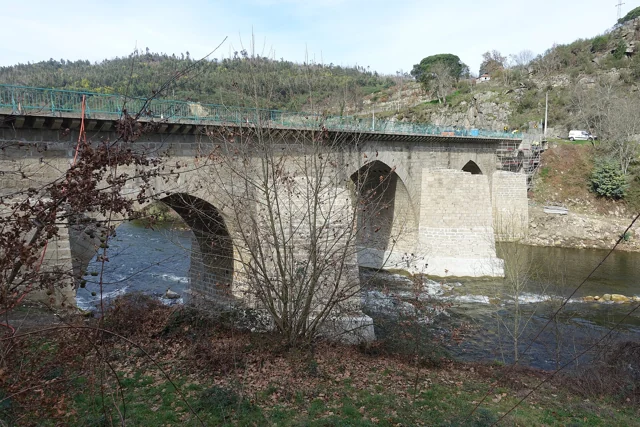
Around the bridge, memory imagined its own paths.
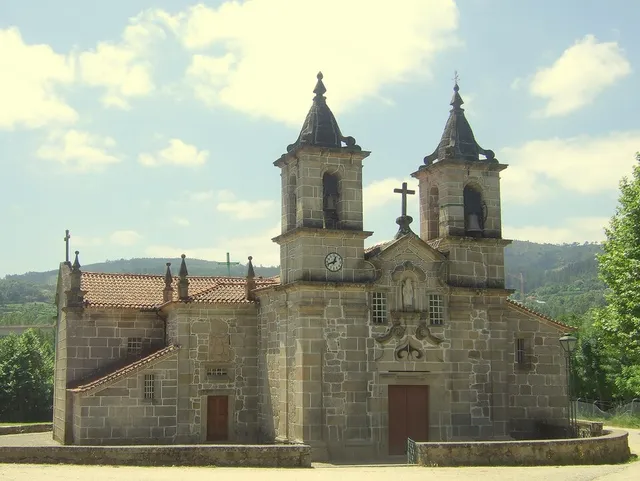
Processions, fairs and paths brought more than one parish together.
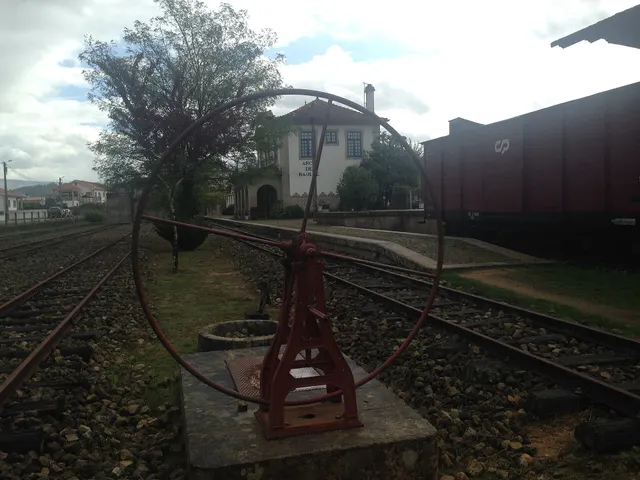
Before screens, paths, fairs and post connected communities.
Casares lay on many people’s route.
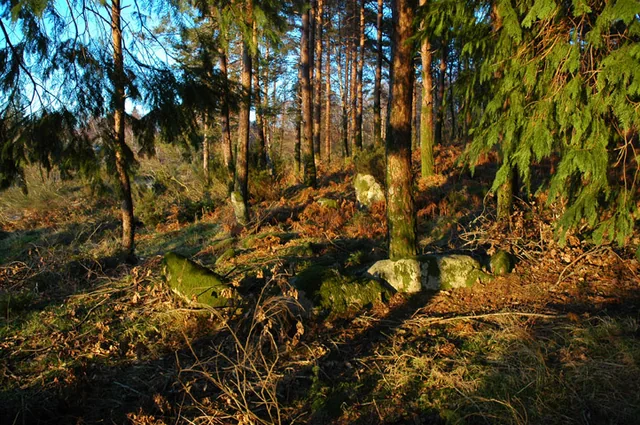
The remains of Toninha’s Aldeia Velha tell of another time.
A gently rolling landscape on the municipality’s western edge.
An old bridge did not stand still in history.
The Tâmega Line carried goods too.
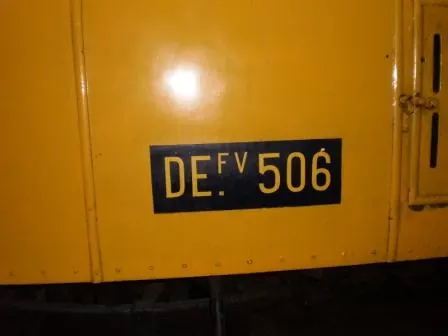
Van DE.FV 506 carried more than goods.
Counting households was not the same as counting people.
Inns, linen and small settlements animated an earlier landscape.
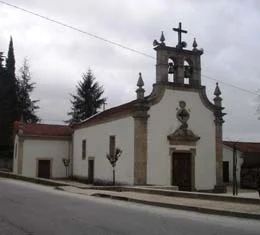
Ancient remains, a medieval image and houses beside the road.
Fifteen villages, nearby chapels and gatherings across parish boundaries.
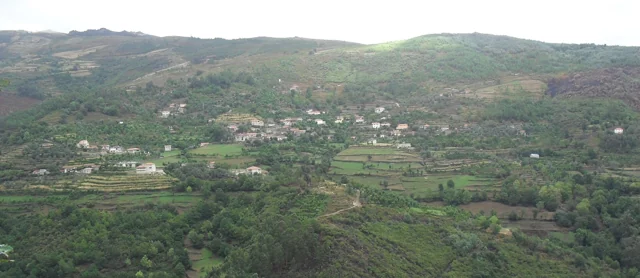
Two associations from the 1980s added other encounters to parish life.
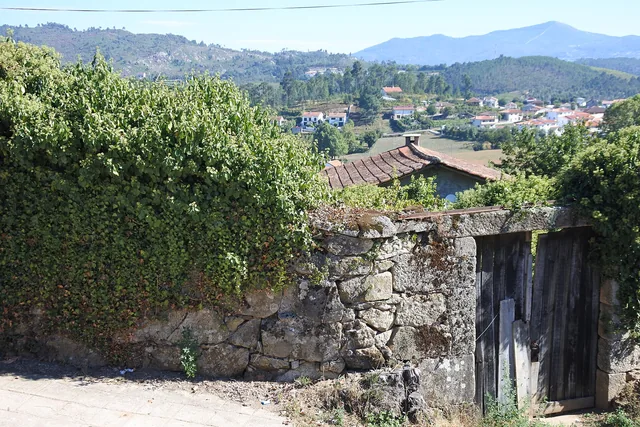
Inns, a royal road and a linen fair.
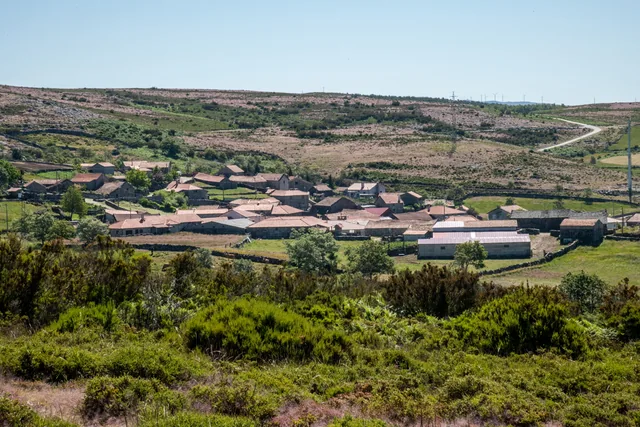
In 1758, residents had two postal reference points.
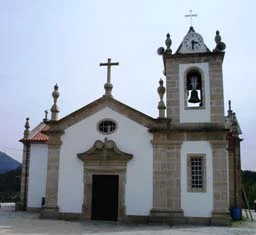
Arosa chapel brings heritage closer to our own time.
A small chapel helps tell the village story.
At Torneiro, memories of the press reach as far as Alentejo.
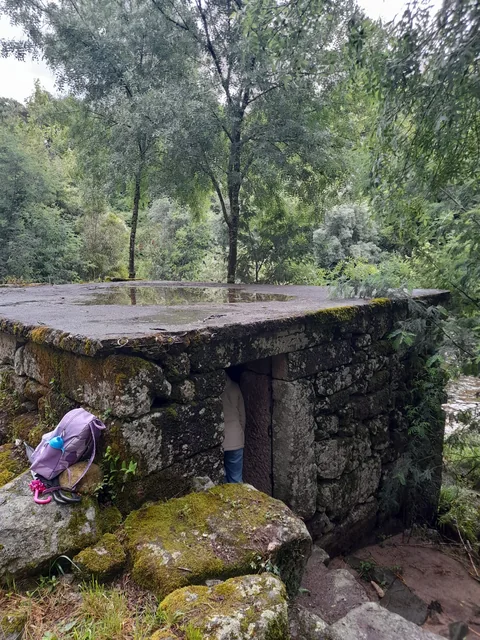
A mill adds another story to the Cavez landscape.
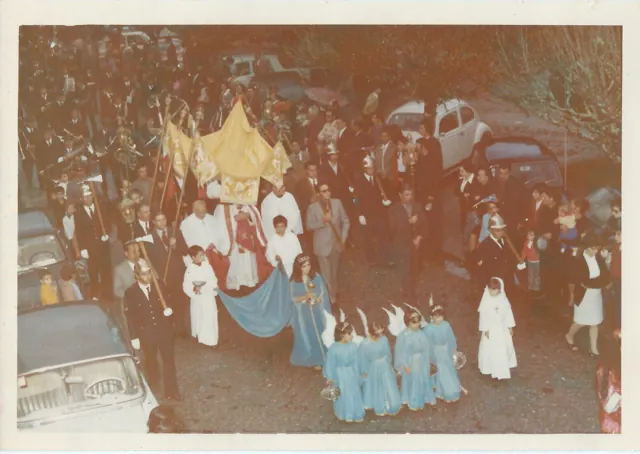
From fields to new clothes: memories of São Miguel.
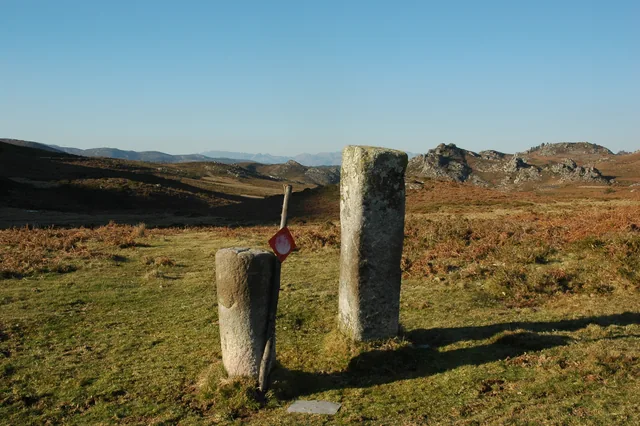
Two boundary stones, two shapes and several clues carved in stone.
A curiosity of this selection, at random.